Dubrovnik
About this place
Dubrovnik rewards travellers interested in how architecture, trade and everyday life shape a city. Its Old City is a UNESCO World Heritage property. The walls reveal the pattern of rooftops and the relationship with the sea, while Stradun connects squares, churches and former public buildings. Alternate these two perspectives: follow the defences above the town, then return to its streets and courtyards. The Rector's Palace now houses the Cultural History Museum; the former state granary, Rupe, contains the Ethnographic Museum. These settings reveal more than decorative facades, introducing government, provisioning and daily life in Dubrovnik and its surroundings. For a change from stone streets and steps, set aside an excursion to Lokrum, the nearby island with gardens and a monastic heritage. This is a good choice for a cultural break beside the sea, particularly when you have several days. Unlike smaller neighbouring seaside resorts, Dubrovnik's defining experience is a concentrated historic city rather than one particular beach. Allow a separate part of the day for each major visit: the walls, a museum and an island outing deserve their own space in the itinerary. That leaves time to return to a favourite square without rushing.
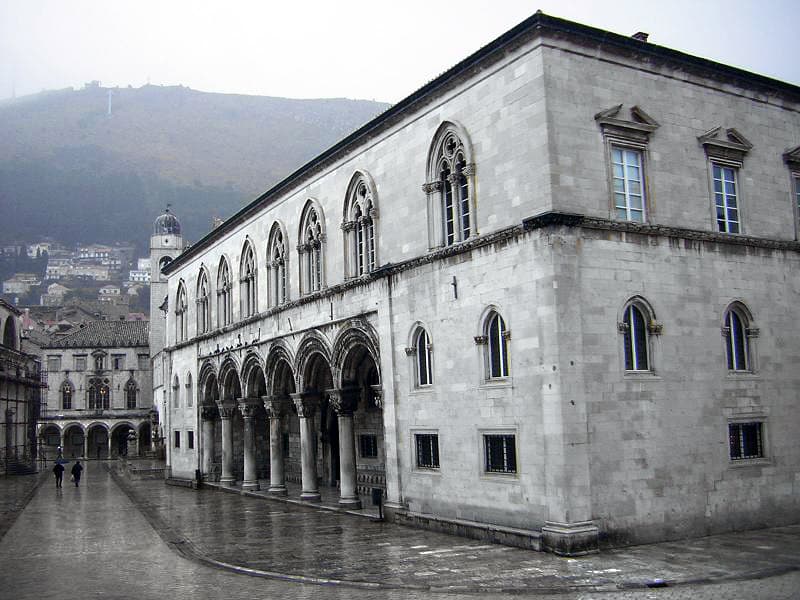
Dubrovnik’s historic centre is organised around Stradun, yet its character changes within a few steps of that main street. At the western end beside Pile stand the Large Onofrio Fountain, Renaissance St Saviour’s Church and the Franciscan monastery with its cloister. At the eastern end, Luža brings trade, government and worship together around Sponza Palace, St Blaise’s Church and the Rector’s Palace. Sponza’s courtyard recalls the supervision of goods, while the palace rooms reveal the Republic’s administrative centre. South of Stradun, Gundulić Square leads towards the cathedral and the Jesuit staircase, where streets give way to squares, steps and views over rooftops. On the seaward side, St John’s Fortress and Porporela frame the Old Port, allowing the city to be read as a system of landing places and defences. Bokar and Minčeta emphasise another edge of the walls, contrasting the streets within with the powerful fortification belt outside. Beyond the historic centre, Pile connects a walking visit with city buses, whereas Gruž brings together the main bus station and maritime connections. Lapad and Babin Kuk belong to the coastal, swimming and hotel side of a Dubrovnik stay, linked with Pile by Libertas buses. For a museum-focused visit, the sequence Rector’s Palace–Old Port–Maritime Museum–Rupe follows several distinct aspects of the city’s past. Rupe introduces grain storage and traditional culture, the Maritime Museum concentrates on seafaring, and the palace combines government rooms with historical collections. Dubrovnik therefore extends well beyond a single circuit of its walls: the differences between harbour-side Gruž, coastal Lapad and the historic spaces around Stradun are central to understanding the destination.
Stays nearby
 Apartment
Apartmeni Klenovica.eu
Klenovica
Klenovica, 378 km from Dubrovnik
up to 4 guests · 1 bedroom
The host confirms the exact price for your dates and availability.
Add your accommodation
Things to see
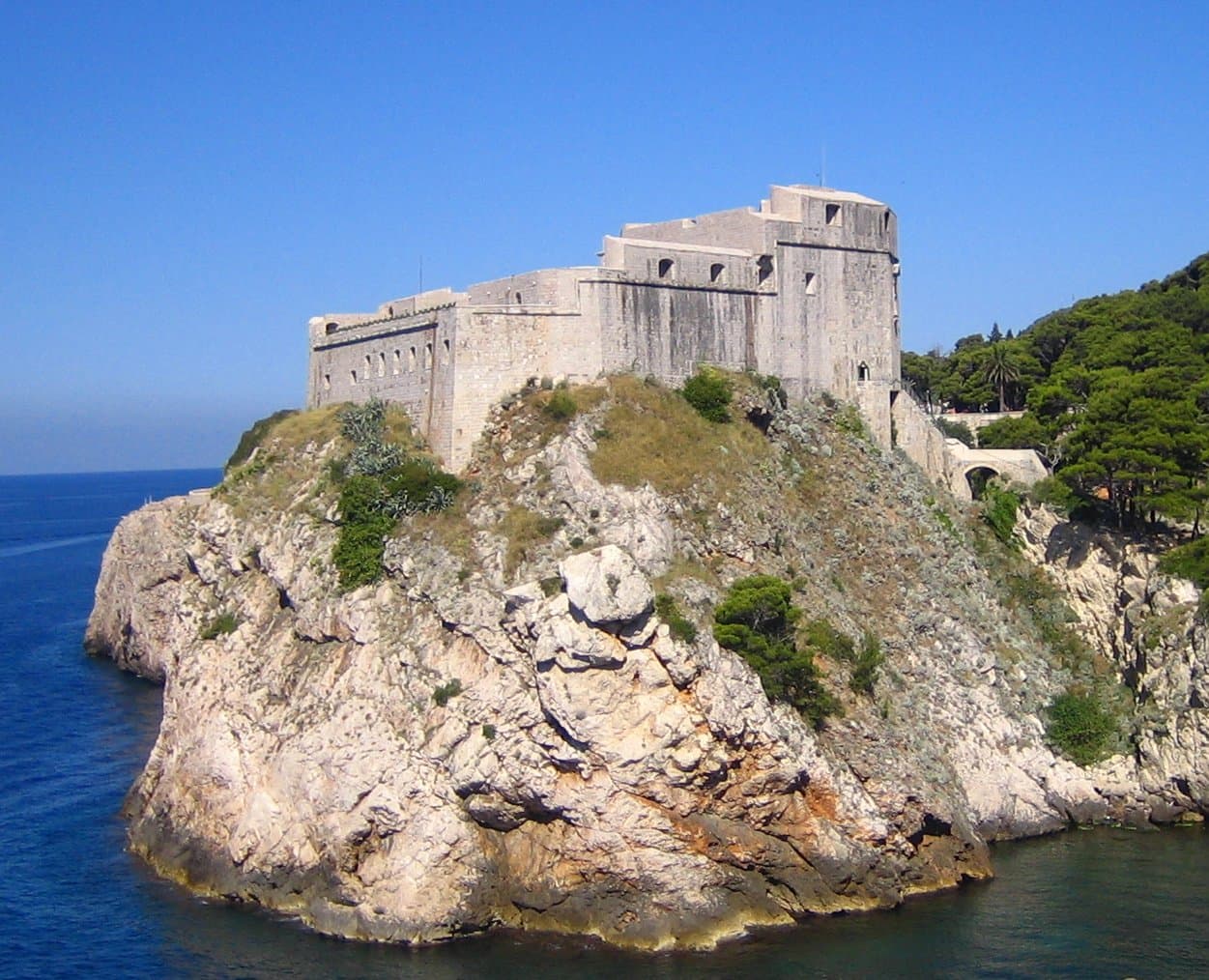
Dubrovnik's walls make the Old City's position between land and sea understandable. Towers, bastions and St John's Fortress beside the Old Port form a defensive ensemble that cannot be grasped from the streets in one view. Lovrijenac stands separately on a rock west of the centre and deserves its own visit. The UNESCO inscription concerns the historic urban property, not every modern neighbourhood of Dubrovnik. At street level, Stradun leads towards Luža, St Blaise's Church and Sponza Palace. Compare their facades and entrances before continuing to the Rector's Palace. This is both an architectural attraction and the Cultural History Museum: former official and residential rooms help explain the building's historic role. The Maritime Museum in St John's Fortress adds the story of seafaring, while the Ethnographic Museum at Rupe connects an old granary with everyday cultural heritage. Lokrum offers a contrasting visit centred on gardens and the monastery complex. It belongs in a separate part of the itinerary, rather than a short walking tour of the centre, because the crossing and island visit require their own time. Moving between defence, public buildings and daily life gives the city's monuments a coherent narrative.

Beaches
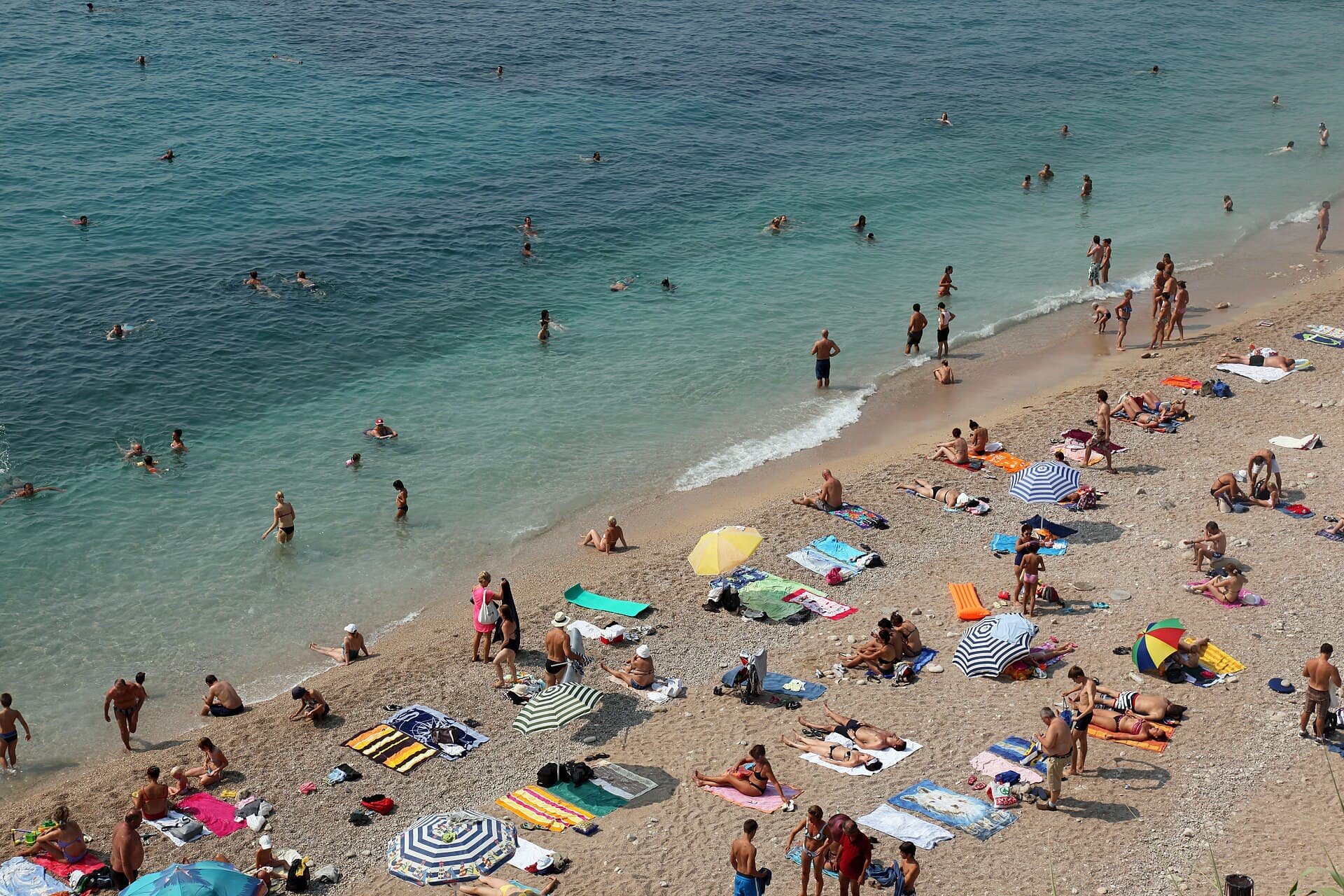
Banje lies beside Frana Supila Street, east of the historic centre, looking towards the Old Port and Lokrum. Lapad Bay and Copacabana on Babin Kuk serve another part of the city and fit naturally with a stay on the Lapad side rather than a return walk through Stradun. Danče and Porporela belong to Dubrovnik’s tradition of bathing from stone waterfronts, while Lokrum combines swimming with rocky island shores and the small seawater lake Mrtvo More. A sandy beach outing takes visitors farther afield to Šunj on Lopud. Banje, Lokrum and Lopud therefore involve different approaches: walk from Ploče to Banje, but plan boat connections for the islands.

Things to do
Devote one day to the Old City rather than combining several distant excursions. Enter through Pile, follow Stradun to Luža and compare the public space around St Blaise's Church with the quieter streets towards the Rector's Palace. Choose the Cultural History Museum as your main indoor visit. Reserve a separate part of the day for the walls, within the published admission times and in suitable weather. Their steps and exposed sections require more energy than an ordinary city stroll. For three days, keep the first for the centre and walls. On the second, compare two museum themes: the Maritime Museum in St John's Fortress and the Ethnographic Museum at the former Rupe granary. Pause at the Old Port between visits. Shipping, trade and everyday life then become connected stories instead of a procession of unrelated buildings. Give the third day to Lokrum and its gardens, leaving sufficient time for the boat back. Lovrijenac is a worthwhile separate addition for fortification enthusiasts, but avoid squeezing it between tightly timed museum visits. Leave an evening walk along Stradun largely unplanned: returning after learning the history gives familiar spaces a different meaning.
Activities
Walking Dubrovnik’s walls is the historic centre’s most direct active outing: the 1,940-metre circuit connects views towards Pile, the roofs and the Old Port. Lokrum provides a longer walk without a museum programme, with the Paradise Path, the approach to Fort Royal and paths linking the botanical garden, monastery and Mrtvo More. On the urban coast, Banje, Lapad Bay and Copacabana have watersports offers, while kayaking excursions explore the city’s seaward setting and the area around Lokrum. Keep the walls and island route as separate outings when combining heritage with exercise: the climbs towards Minčeta and Fort Royal belong to different itineraries. On Lokrum, remain on island paths and designated sea approaches within the forest reserve.
Day trips
Separate Lokrum from the Elaphiti Islands when choosing a boat excursion from Dubrovnik. Lokrum combines a botanical garden, monastery complex, rocky shores and the small seawater lake Mrtvo More on one island beside the city. Jadrolinija’s Dubrovnik–Koločep–Lopud–Suđurađ passenger service instead links three inhabited islands farther west. Its 2026 service information requires choosing a particular departure, making the return connection important when planning a day on Lopud. Trsteno offers a mainland alternative: the Academy’s arboretum lies approximately 25 kilometres west of Dubrovnik and incorporates a historic country estate, formal gardens, olive groves and natural vegetation. Choose between Lokrum’s island paths and Trsteno’s garden heritage for contrasting landscapes beyond Stradun.
Food and drink
Begin exploring Dubrovnik’s food with šporki makaruli, pasta coated in a dark meat sauce closely associated with the Feast of St Blaise. Local recipes combine beef with wine, onions and spices such as cinnamon and cloves, producing a flavour distinct from a simple tomato pasta. For dessert, look for the creamy custard rožata or arancini, candied citrus peel associated with the Dubrovnik region. Gruž adds a market setting to the city’s gastronomy, contrasting with dining around Stradun and Luža. In the 2026 calendar, the dedicated Šporki Makaruli Days ran from 31 January to 4 February, illustrating the dish’s connection with the patron’s feast. Ask for the local name rather than assuming year-round availability at every restaurant.
Practical information
Practical information
For information on arrival at the historic centre, Dubrovnik’s Pile tourist office is at Brsalje 5, beside the main pedestrian approach to Stradun. The museums’ summer 2026 schedule distinguishes the institutions: the Rector’s Palace is listed as open daily, the Maritime Museum closes on Wednesdays and Rupe on Tuesdays. That pattern helps distribute cultural visits between the palace, St John’s Fortress and the granary. Pair a Lokrum outing with the island’s sailing arrangements, and an Elaphiti trip with Jadrolinija’s Dubrovnik departures. Driving around the historic centre is subject to a special traffic regime; an accommodation booking and a navigation route towards Pile do not themselves establish authorised vehicle access.
Parking
When driving to Dubrovnik, distinguish parking in Gruž and the public garage from a pre-booked space at Pile or below the cable car. The area around the historic centre operates under a special traffic regime, with advance reservations available for designated spaces. Continuing by city bus from Gruž separates parking from a visit to Stradun and the walls. Sanitat’s tariffs distinguish zones, seasons and ticket categories; a preferential monthly permit is not a visitor’s hourly rate. Museum visits inside the walls finish on foot from Pile or Ploče.
Getting there and around
Platanus connects Dubrovnik Airport with the city and the main bus station in Gruž, coordinating departures with air traffic. Within Dubrovnik, Libertas links Pile with the surrounding districts: route 6 serves Babin Kuk, route 4 runs towards Hotel Palace, and routes 1A and 1B reach Mokošica. Visitors arriving on these buses continue through Pile and along Stradun on foot. Separate sea connections by destination: Jadrolinija’s Dubrovnik–Koločep–Lopud–Suđurađ service serves the Elaphiti Islands, while Lokrum has its own transport and island-admission arrangements. The Platanus cable-car ticket office is at Petra Krešimira IV 5D above the Old City, a different location from the bus stop at Pile.
Frequently asked questions
Is all of Dubrovnik a UNESCO World Heritage Site?
The inscription covers a defined historic property, not every part of the modern city.
Are the walls a flat, easy walk?
No. Expect steps and exposure to the weather, and adapt your pace accordingly.
Which museum suits a first visit?
The Rector's Palace provides historical context; check whether individual rooms are accessible.
Can I combine Lokrum and the full wall walk?
Feasibility depends on transport and pace; separate them when also visiting museums or taking longer breaks.
Nearby

Bosanka, Dubrovnik
Village · Dalmatia – Dubrovnik

Related guides

Orebić
Orebić is the main settlement of south-western Pelješac and has been tied to seafaring for centuries. Captains’ houses and gardens along the coastal area recall the period when Orebić…
Read the guide

Help improve this page
Spot something missing or wrong? Suggest a correction, add your photo or report a problem. Editors review every suggestion before it is published.
Photo credits
- Dubrovnik — Zysko serhii · CC BY-SA 4.0 · Wikimedia Commons
- Bosanka, Dubrovnik — Bracodbk · CC BY-SA 3.0 · Wikimedia Commons
- Prijevor, Komolac — August Dominus · CC BY-SA 3.0 · Wikimedia Commons
- Sustjepan, Donje Obuljeno