
Bosanka, Dubrovnik
About this place
Bosanka is a small plateau village 4 km northeast of Dubrovnik’s historic centre, removed from the coastal crowds yet closely tied to Mount Srđ and the city’s panoramic viewpoints. Three fortifications frame its setting: Fort Imperial on Srđ, Fort Delgorgue at Žarkovica and Tumba, a defensive work from the era of the Dubrovnik Republic above Gornji Brgat. Within the village, notable sites include the protected Church of the Holy Saviour and its cemetery, the Ruskovina complex and the birthplace of Dubrovnik painter Đuro Pulitika. Once an important transit point above Dubrovnik, Bosanka now presents dry-stone walls, karst fields and rural holdings in striking contrast to the paved lanes inside the city walls. The village has no coast of its own, but the road descends towards Ploče and Sveti Jakov, home to Sveti Jakov beach and the sea-level Betina Cave. Walking routes towards Srđ reveal views of Lokrum, the Old Town, Gruž and the Elaphite Islands. Libertas route 17 connects Bosanka with Pile, although in 2026 it does not operate on Sundays or public holidays.
Bosanka occupies a broad karst plateau above Dubrovnik, 4 km from the city by road. Its position between Imperial, Delgorgue and Tumba explains the village’s former importance for transit and defence. The Church of the Holy Saviour with its cemetery and the Ruskovina complex are protected heritage, while Đuro Pulitika’s birthplace links Bosanka with twentieth-century Dubrovnik painting. Farming, livestock keeping and visitor accommodation still coexist around the village, where stone boundary walls and open ground form a scene entirely unlike the Stradun. Bosanka is a separate settlement within the City of Dubrovnik, not a coastal neighbourhood adjoining the Old Town.
Things to see
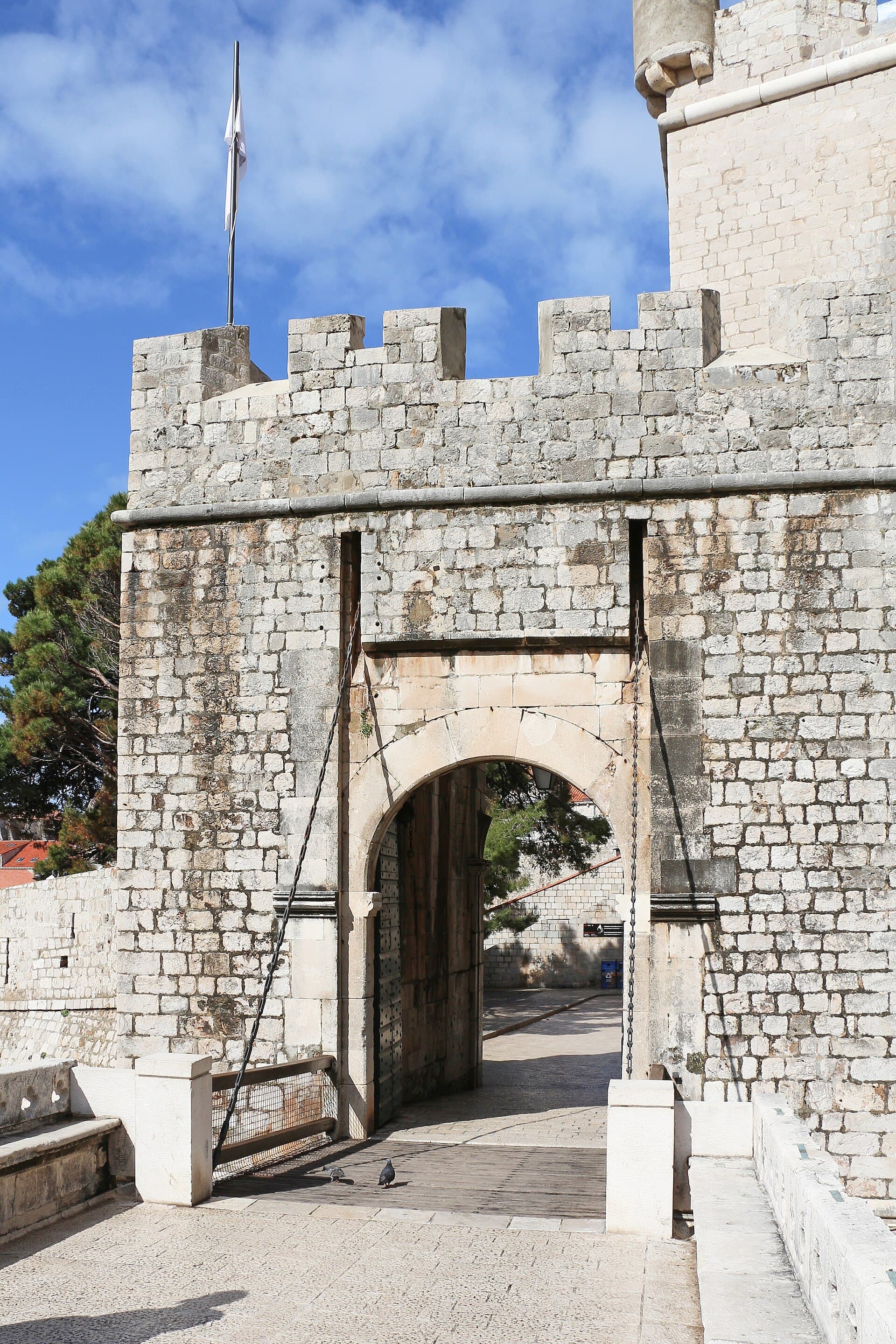
Ploče Gate, Dubrovnik
Landmark · Dubrovnik
Ploče Gate links the eastern old town with the bridge beside Revelin and the coast towards Banje.
1 km from Bosanka, Dubrovnik
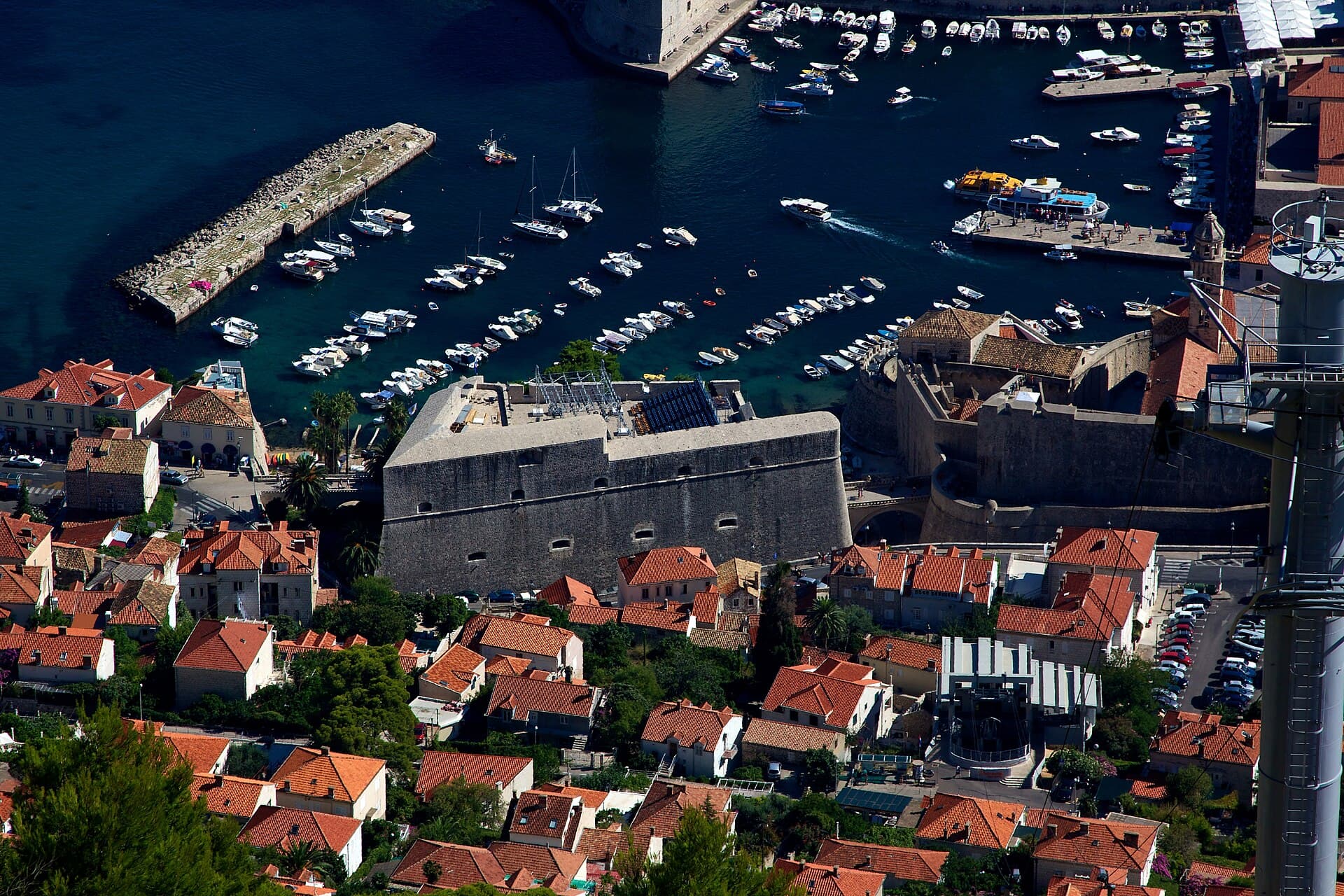

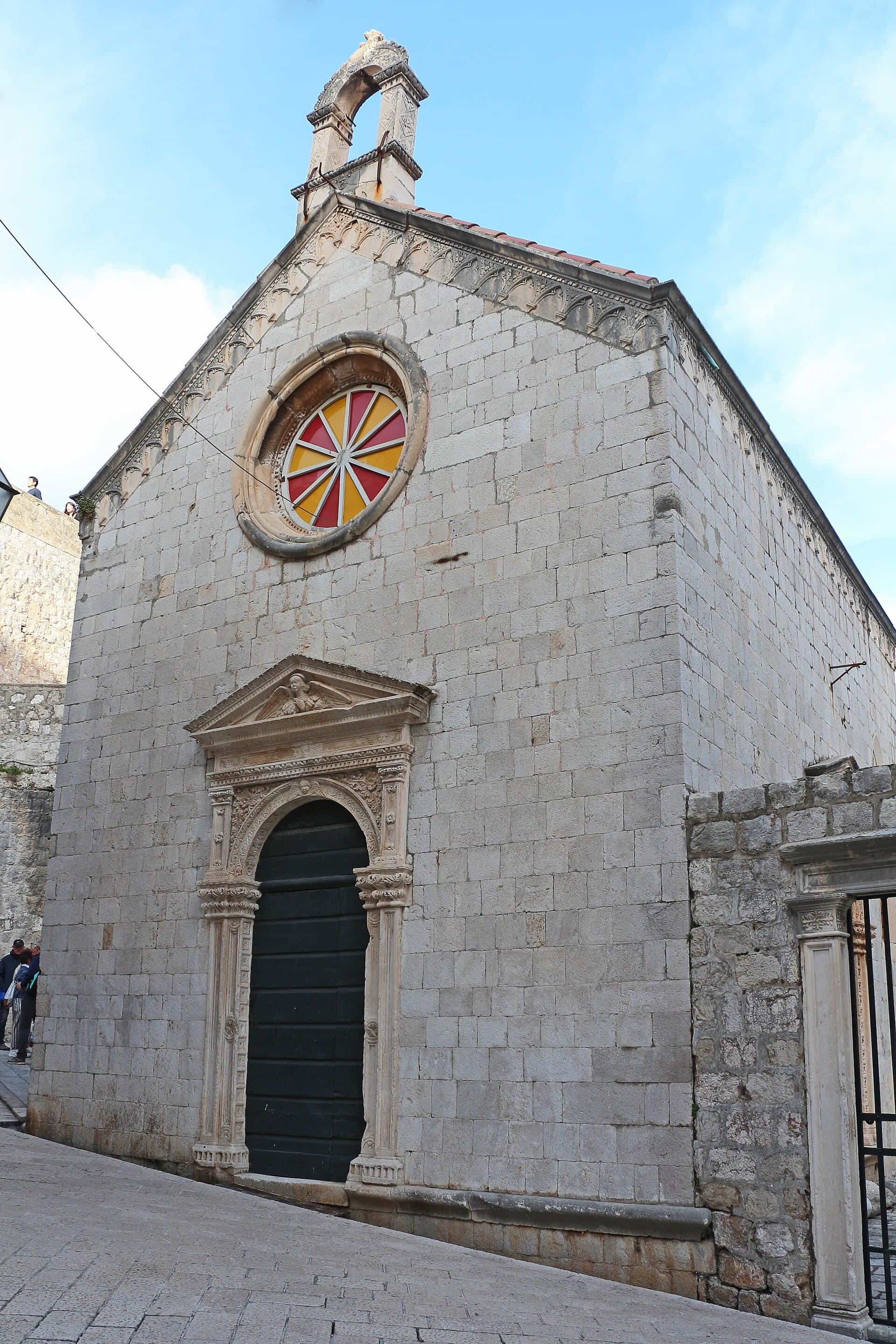
Crkva Navještenja
Landmark · Dubrovnik
The Catholic Annunciation chapel stands beside the Dominican complex on the eastern approach to Dubrovnik’s old centre.
1 km from Bosanka, Dubrovnik
Stays nearby
- Apartment
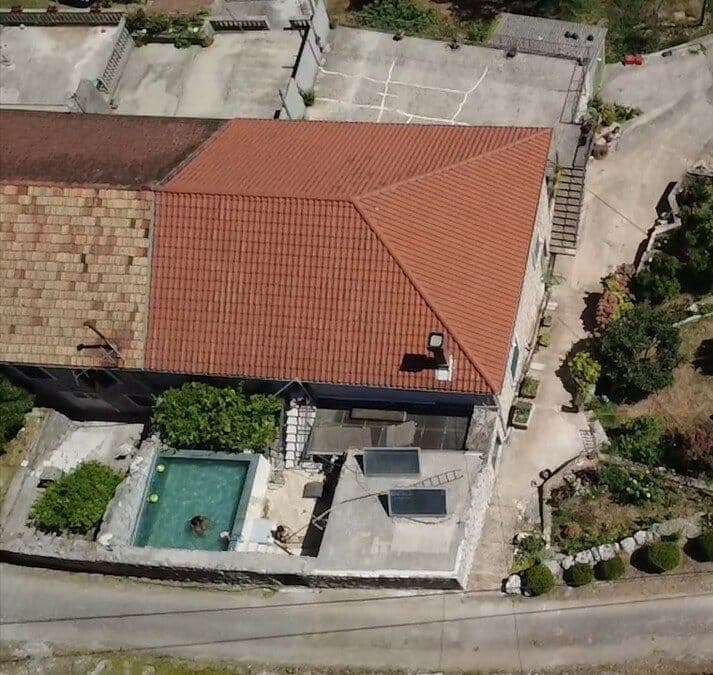 24 km from Bosanka, Dubrovnik
- Apartment
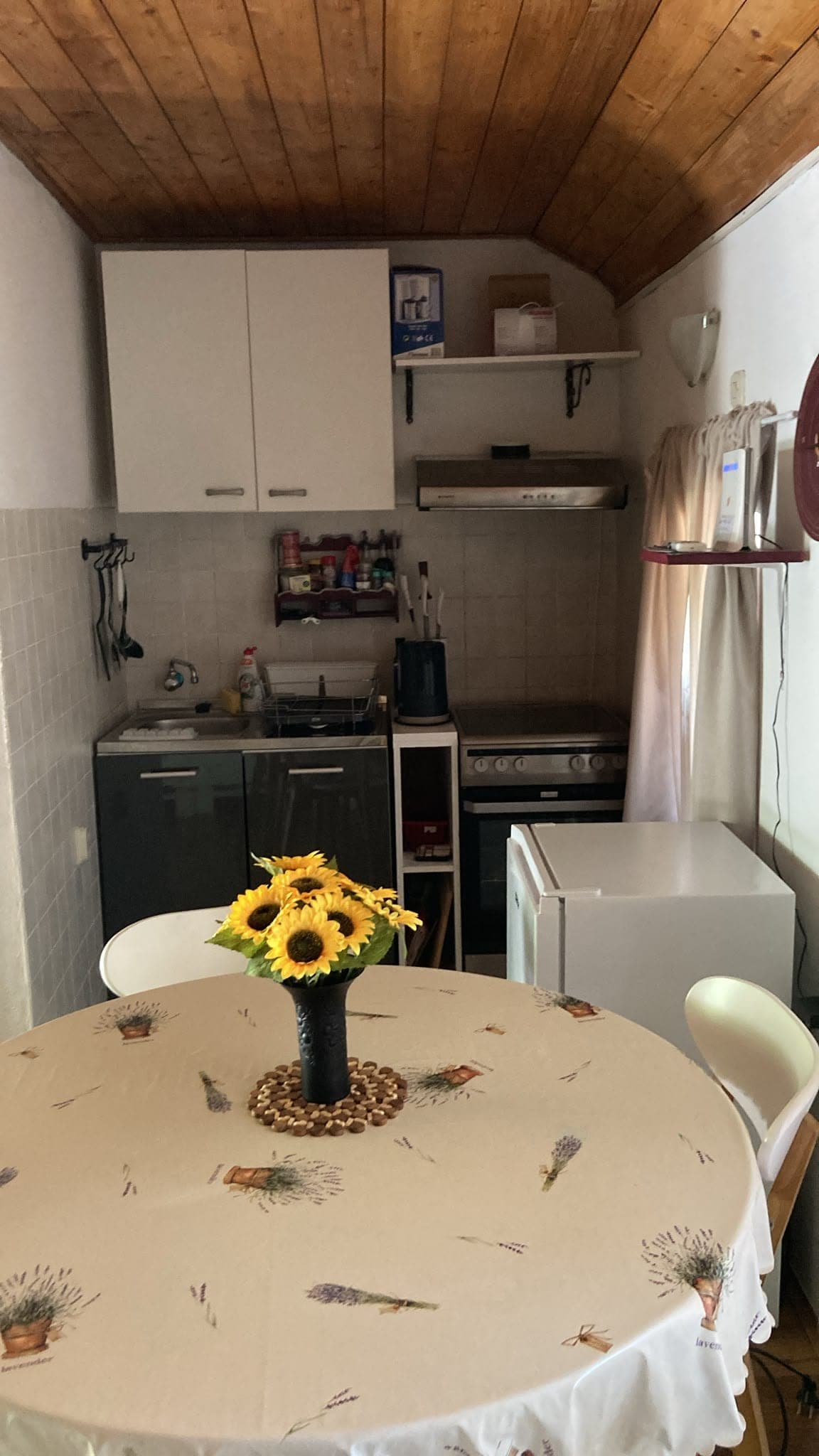 24 km from Bosanka, Dubrovnik
Be the first to list here
Guests looking for this place only see stays nearby for now. No commission, and enquiries come straight to you.
List your accommodation
Beaches
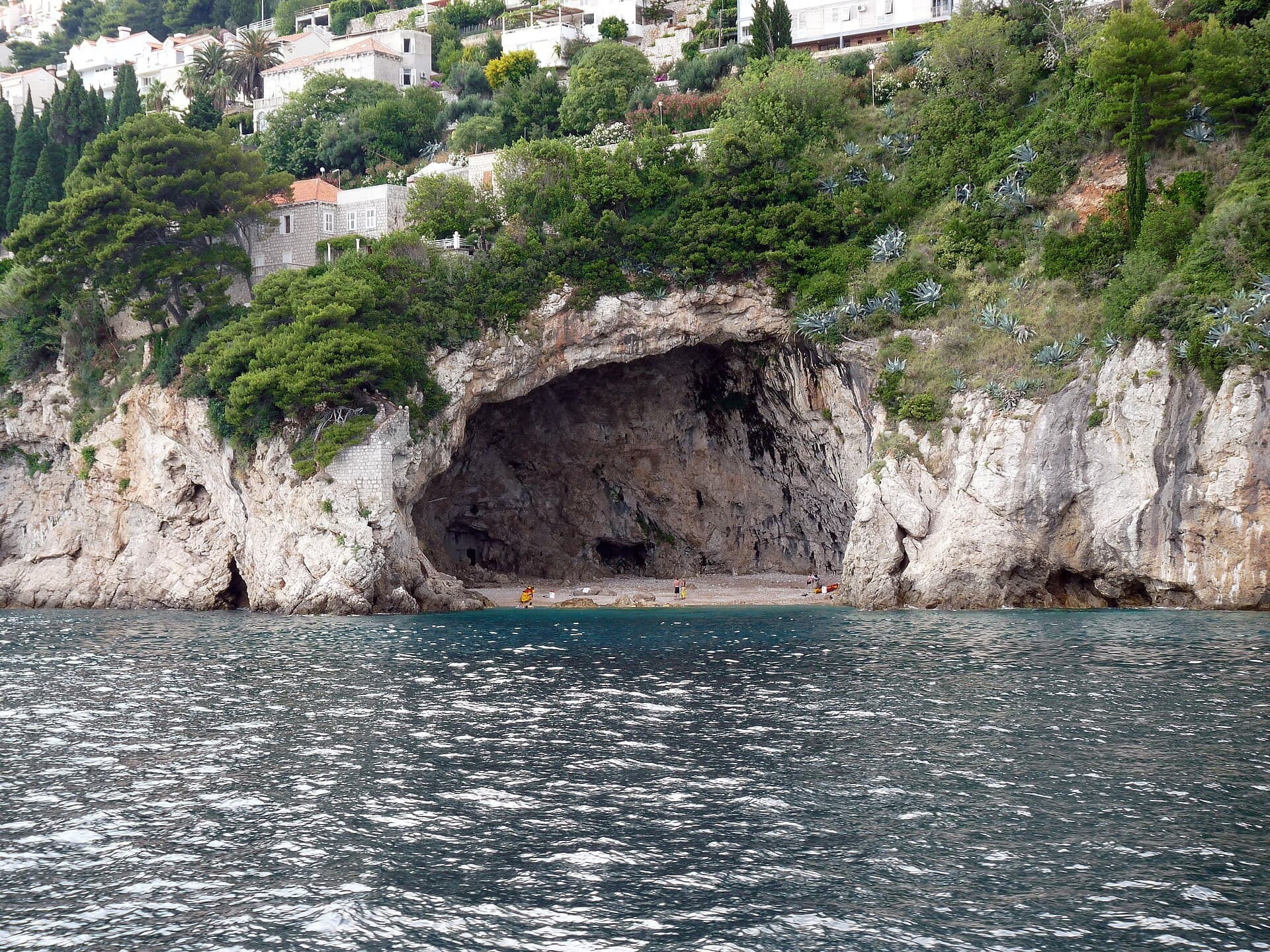
Bosanka has no beach of its own because it stands on a plateau above Dubrovnik’s coastline. The nearest bathing options are associated with Ploče and Sveti Jakov, reached by descending from the village by road; city sources identify Sveti Jakov beach, Banje and Betina Cave in this area. Sveti Jakov faces the Old Town and Lokrum across the water, whereas Betina Cave is a natural karst feature along the steep coast between Orsula and the city. Returning to Bosanka involves a substantial climb, so a car or taxi is sensible for a beach day, especially with equipment. Bus route 17 runs towards Pile rather than directly to these bathing spots.

Bathing water quality nearby
- Park Gjivović · 718 mexcellent
- Ht. Argentina · 723 mexcellent
- Hotel Villa Dubrovnik · 752 mexcellent
- Ht. Excelsior · 790 mexcellent
- Banje · 895 mexcellent
- Sveti Jakov · 1.1 kmexcellent
Source: European Environment Agency (EEA); data from Croatian authorities. · bathing water profile
Things to do
Start a morning walk at the Church of the Holy Saviour and the Ruskovina complex, then follow the approaches that open from Bosanka towards Mount Srđ. Continuing to Fort Imperial brings views over Dubrovnik’s Old Town and Lokrum, while the official trail behind the fort runs 1.3 km to Strinčjera at roughly 400 metres above sea level. Spend the second half of the day around Žarkovica and Fort Delgorgue, or descend by road towards Sveti Jakov. Film enthusiasts may recognise Bosanka’s landscape as a location used for the Kingsroad in Game of Thrones, although the village’s genuine story is most clearly read through its defensive sites and rural terrain.
Tours and activities
AdAd · partner offers: Viator, GetYourGuideThe partner handles booking, payment and support. StayBravo may earn a commission on bookings made through these links.How we choose offersWe choose offers based on the page you are viewing: the partner destination for this place or the nearest one (with its distance), and on a sight page only offers that mention it. We show offers rated at least 4.3 with at least 10 reviews, without multi-day tours or pure transfers, ordered by rating adjusted for the number of reviews and then by the partner’s order. We do not use data about you, and the commission does not affect the order.GetYourGuide offers are selected and ordered by GetYourGuide based on the name of the nearest larger town or national park; we do not influence their selection and do not use data about you.GetYourGuide · Dubrovnik
We show GetYourGuide offers once you allow their cookies.
Viator
Nearest destination: Dubrovnik (4 km)
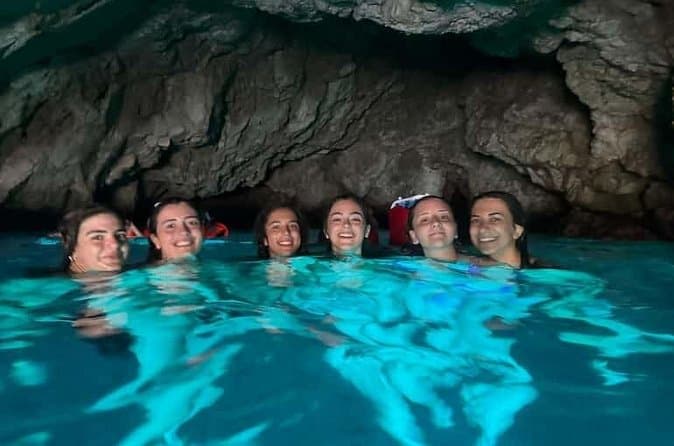
Dubrovnik: 7 Caves & Blue Cave Speedboat Tour (4h) (opens in a new tab)
Explore the famous Blue Cave and hidden sea caves on a small-group speedboat tour (max 8 guests) from Dubrovnik. Enjoy more time for swimming, snorkeling, and photo stops, plus complimentary drinks…
Rated 5 out of 5 · 1,967 reviews· 4 h
Free cancellation
from €60
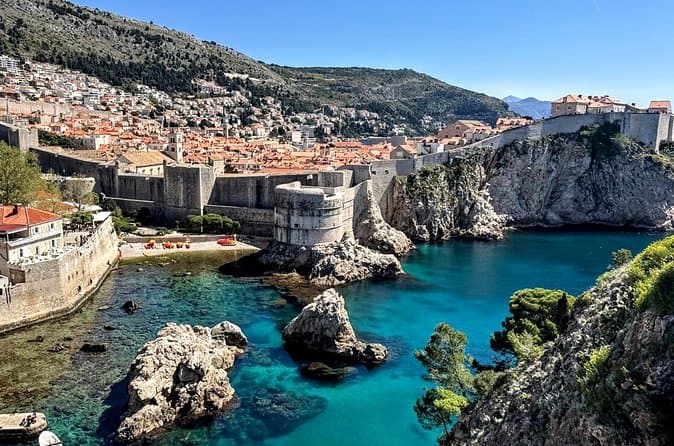
Game of Thrones and Old City Walking Tour in Dubrovnik (opens in a new tab)
Discover Dubrovnik & King's Landing – Two Experiences in One! Explore Dubrovnik's fascinating history and iconic Game of Thrones filming locations on an unforgettable 3-hour walking tour through the…
Rated 5 out of 5 · 965 reviews· 2.5–3 h
Free cancellation
from €33
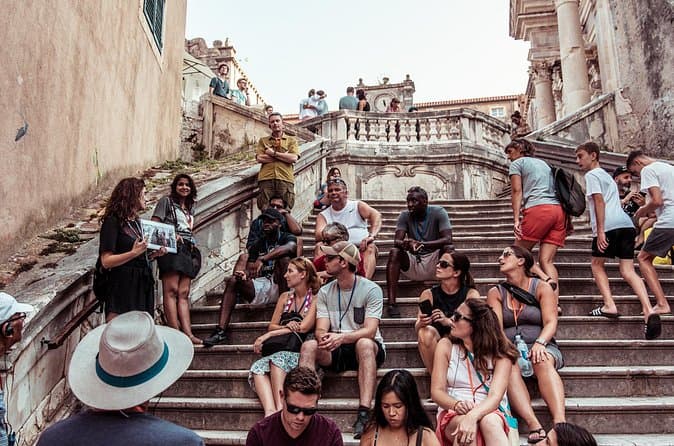
Dubrovnik: Game of Thrones Walking Tour (opens in a new tab)
Meet the real King's Landing! This tour is guided by a licensed tour guide (by the Croatian Ministry of Tourism), fluent in English (or Spanish, depending which language you book) and a Game of…
Rated 5 out of 5 · 1,930 reviews· 2 h
Free cancellation
from €25
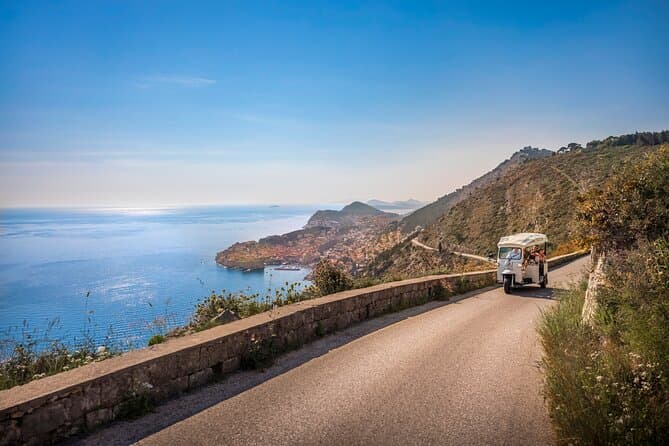
E-Tuk Tuk Tour in Dubrovnik (opens in a new tab)
This tour is ideal for the guests that want to avoid crowds. In this electric Tuk Tuk tour, we will go to the main viewpoints which are not accessible for the bigger vehicles. It is environmentally…
Rated 5 out of 5 · 1,920 reviews· 1.8 h
Free cancellation
from €40
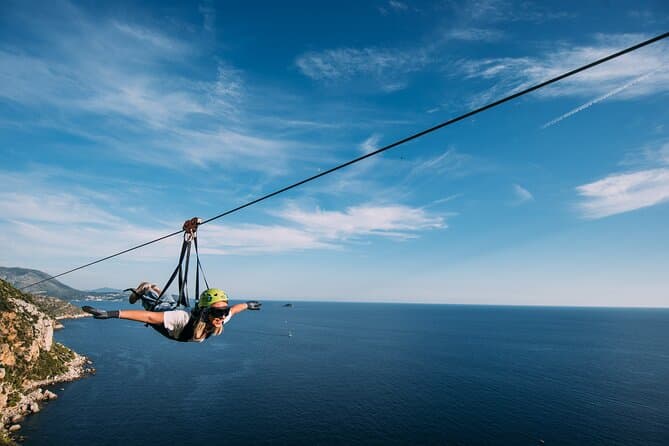
Dubrovnik Superman Zipline: 900m Over Adriatic Sea (opens in a new tab)
If you're searching for adrenaline and unique experience this is an activity for you. This 900 metres long Zipline is located on the Adriatic Sea, only 4 km from the Old town Dubrovnik. The superman…
Rated 5 out of 5 · 692 reviews· 1.3 h
Free cancellation
from €50
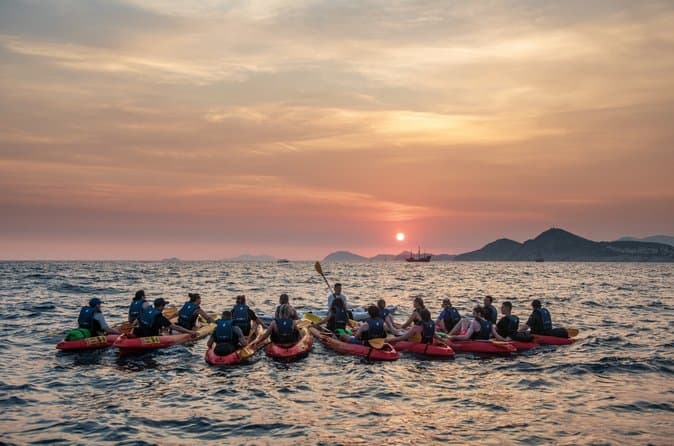
Dubrovnik: Sunset Kayaking & Snorkeling with water &wine (opens in a new tab)
Enjoy Dubrovnik's top summer activity and experience beautiful local natural and historical heritage in this 2 or 3 hour guided sea kayaking tour from the seaside. This tour features informative…
Rated 5 out of 5 · 1,231 reviews· 3 h
Free cancellation
from €40
Practical information
Getting there and around
Libertas city route 17 links Bosanka with Pile, the principal bus hub beside the western entrance to Dubrovnik’s historic centre. Under the timetable available in 2026, several weekday departures operate in both directions, Saturday has only one departure each way, and no service runs on Sundays or public holidays. Bosanka is about 4 km from Dubrovnik by road, but the climb and narrow approach make walking more demanding than the distance suggests. Fort Imperial and the cable-car upper station can be reached by continuing along local roads or on foot; the cable-car operator specifically warns that the road through Bosanka is narrow and unsuitable for large vehicles.
Frequently asked questions
Does Bosanka have its own beach?
Bosanka stands on an inland plateau without a shoreline; Sveti Jakov beach and the Betina Cave area are reached by descending by road.
Does bus 17 run on Sundays?
According to the Libertas timetable available in 2026, the Bosanka–Pile service does not run on Sundays or public holidays.
Which forts surround Bosanka?
Bosanka is framed by Fort Imperial on Srđ, Delgorgue at Žarkovica and Tumba, dating from the Dubrovnik Republic, above Gornji Brgat.
Nearby
Bosanka, Dubrovnik
Open in OpenStreetMap(opens in a new tab)Larger towns
straight-line distance
Related guides
Dubrovnik
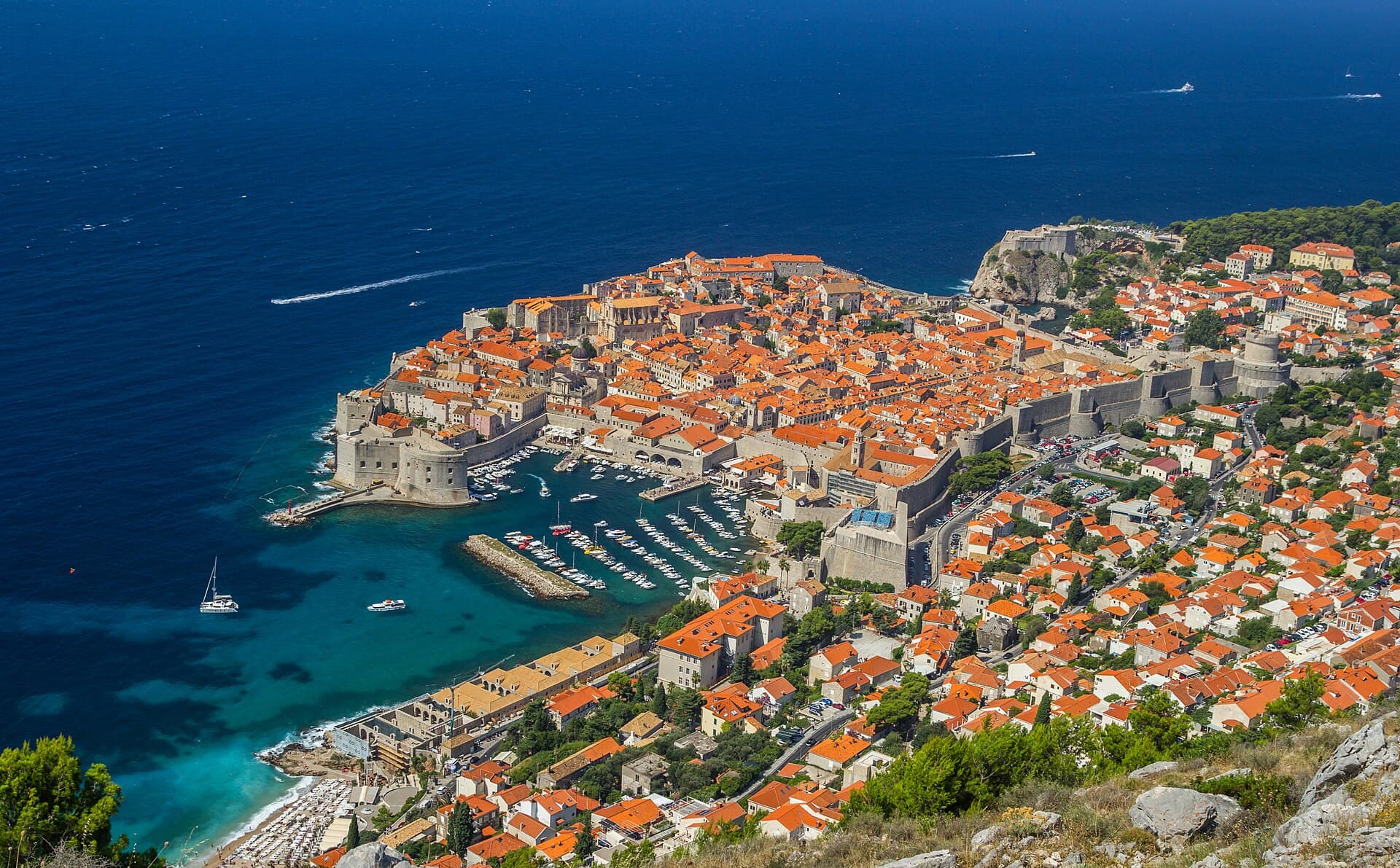
Dubrovnik’s historic centre is organised around Stradun, yet its character changes within a few steps of that main street. At the western end beside Pile stand the Large Onofrio Fountain,…
Read the guide

Orebić
Orebić is the main settlement of south-western Pelješac and has been tied to seafaring for centuries. Captains’ houses and gardens along the coastal area recall the period when Orebić…
Read the guide
Blato, Korčula
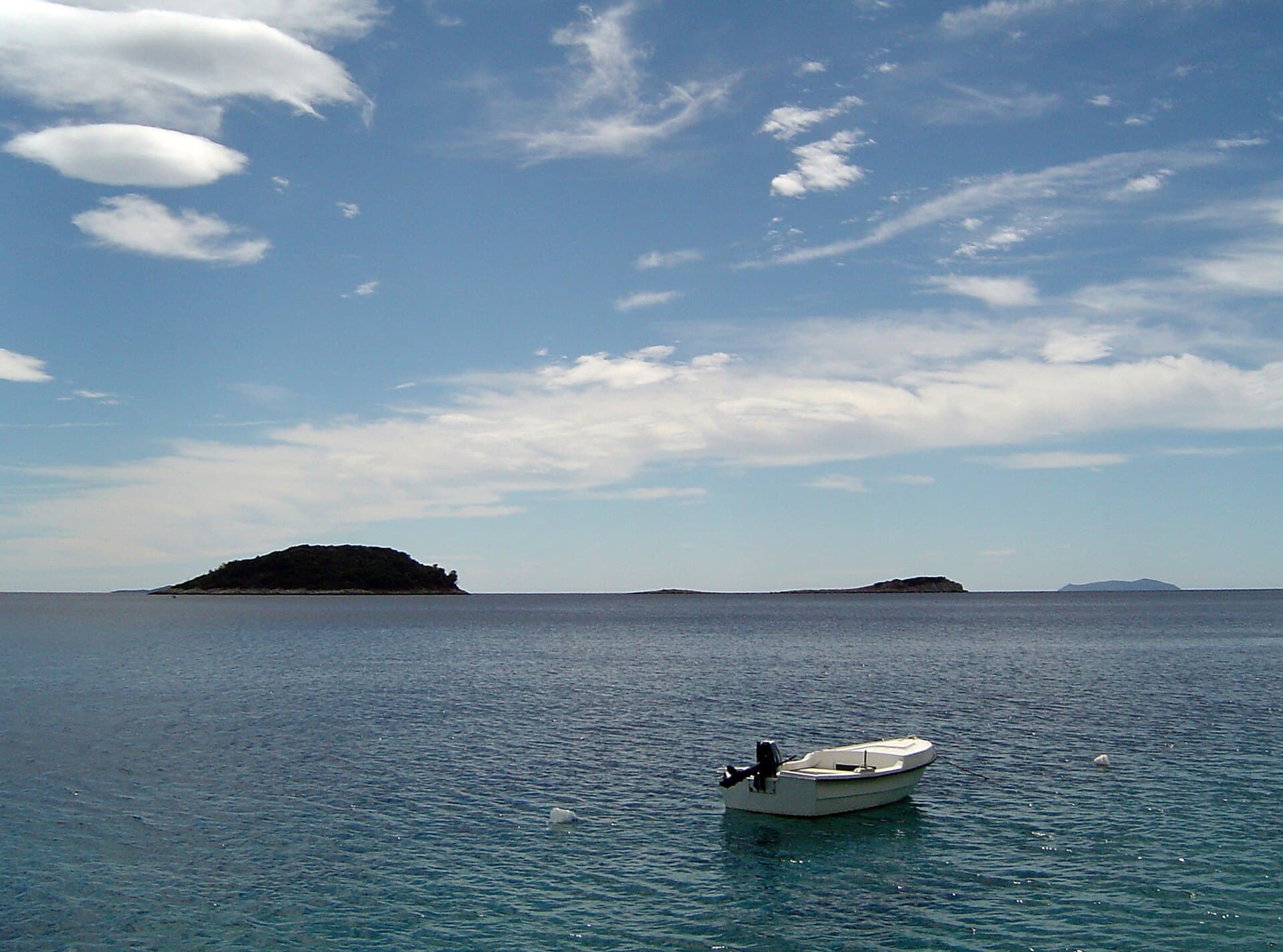
Blato is not a seaside centre but a historic inland settlement in western Korčula’s fertile interior, while its municipality reaches Prigradica on the north coast and Prižba, Gršćica,…
Read the guide
Vela Luka
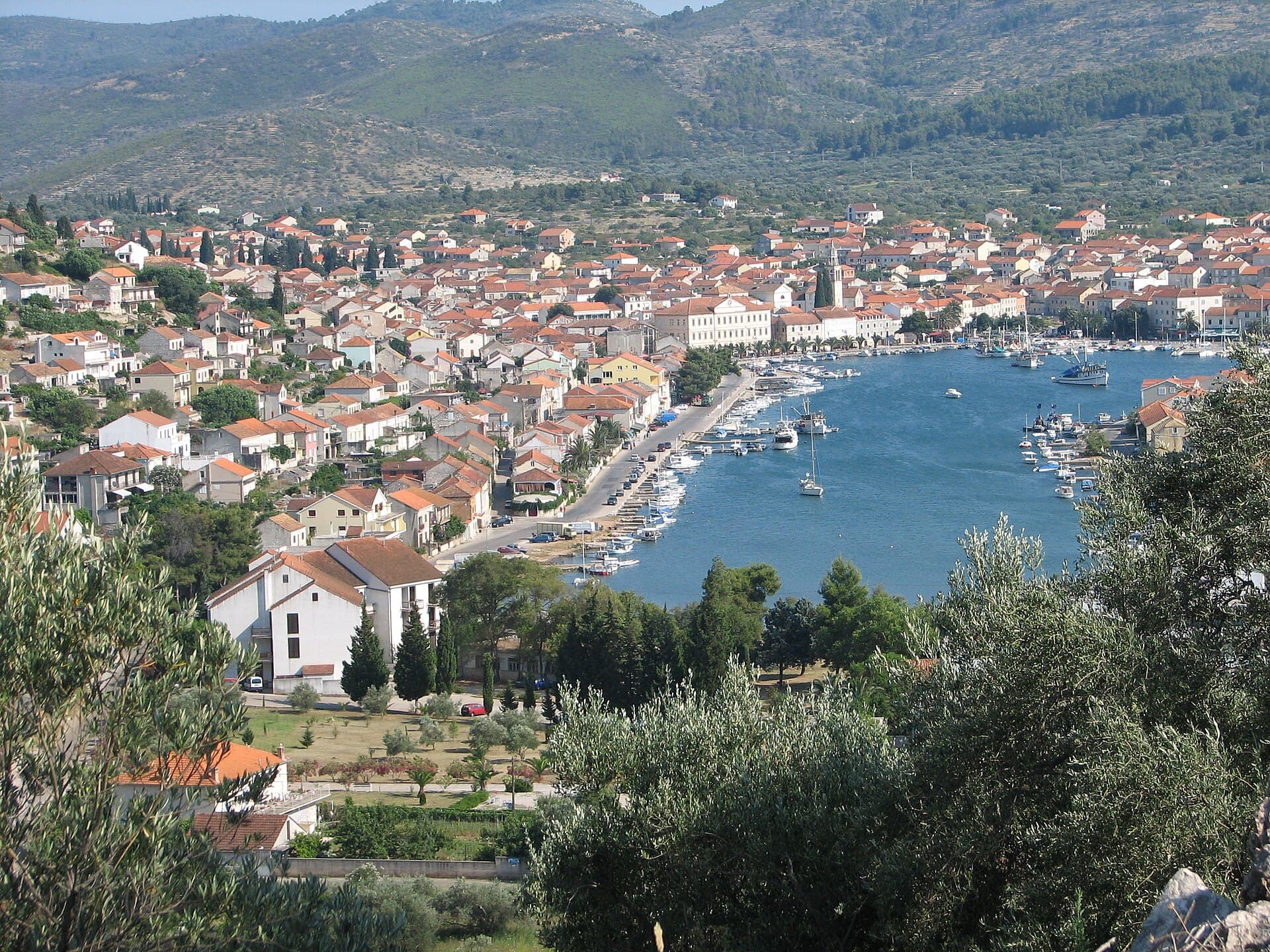
Vela Luka grew at the head of a deep bay on western Korčula, where a long waterfront links the harbour, the centre around St Joseph’s Church and the former shipbuilding area. Its maritime…
Read the guide
Know Bosanka, Dubrovnik? Correct us
Tell us in your own words what is not accurate. We check right away.Do not enter personal data. Corrections are checked by the StayBravo AI assistant; changes to the description are approved by an editor. Use the form instead
Do you know Bosanka, Dubrovnik?
Help the guests who come after you.
Help us complete
Nothing is published without an editor’s review.Report illegal content
Photo credits: Bosanka, Dubrovnik, Gornji Brgat — Bracodbk (CC BY-SA 3.0) · Dubrovnik — Zysko serhii (CC BY-SA 4.0) · Šumet, Dubrovnik, Knežica, Čajkovica, Nova Mokošica, Donje Obuljeno — Bracodbk (CC BY-SA 3.0) · Komolac, Prijevor, Donji Brgat — August Dominus (CC BY-SA 3.0) · Rožat — Braco (CC BY-SA 3.0) · Ploče Gate, Dubrovnik, Crkva Navještenja — Bernard Gagnon (CC BY-SA 4.0) · Fort Revelin — Ramón from Llanera, España (CC BY-SA 2.0) · Archaeological Museum — Sailko (CC BY 3.0) · St. Jakov Beach — dronepicr (CC BY 2.0) · Betina špilja — Karl Norling (CC BY 2.0) · Apartman Cypress, Apartmani Kamena kuća — Jelena Pecar (courtesy of the property owner) · Orebić — Quahadi Añtó 11:23, 15 January 2011 (UTC) (CC BY 3.0) · Blato, Korčula — d.graso (CC BY 3.0) · Vela Luka — Wojtkow (CC BY-SA 4.0)