Stari Grad
About this place
Stari Grad on Hvar developed on the site of the Greek colony of Pharos, founded in the 4th century BC, and belongs among the oldest urban settlements on the eastern Adriatic. In the centre stands Tvrdalj, the fortified Renaissance residence of poet Petar Hektorović with its fishpond and garden, while St Stephen’s Square, the Dominican monastery and St Roch’s Church preserve later historic layers. Behind the town stretches the Stari Grad Plain, a cultural landscape inscribed on the UNESCO World Heritage List in 2008. Its geometric land-division system dates from Greek colonisation and has survived for more than two millennia through dry-stone boundaries and paths. Grapes and olives remain important crops, so the UNESCO status concerns a living agricultural landscape rather than a field of ruins. Stari Grad is also one of Hvar’s main ferry ports and often provides travellers with their first introduction to the island. Archaeological remains of ancient Pharos add another visible layer beside the modern town.
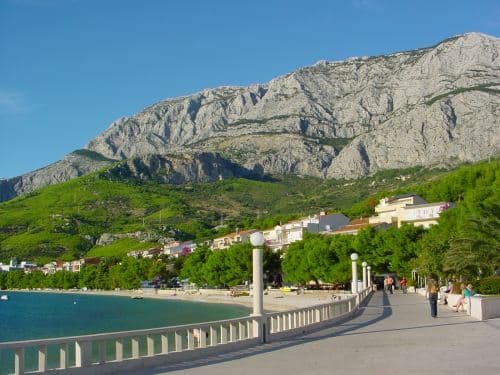
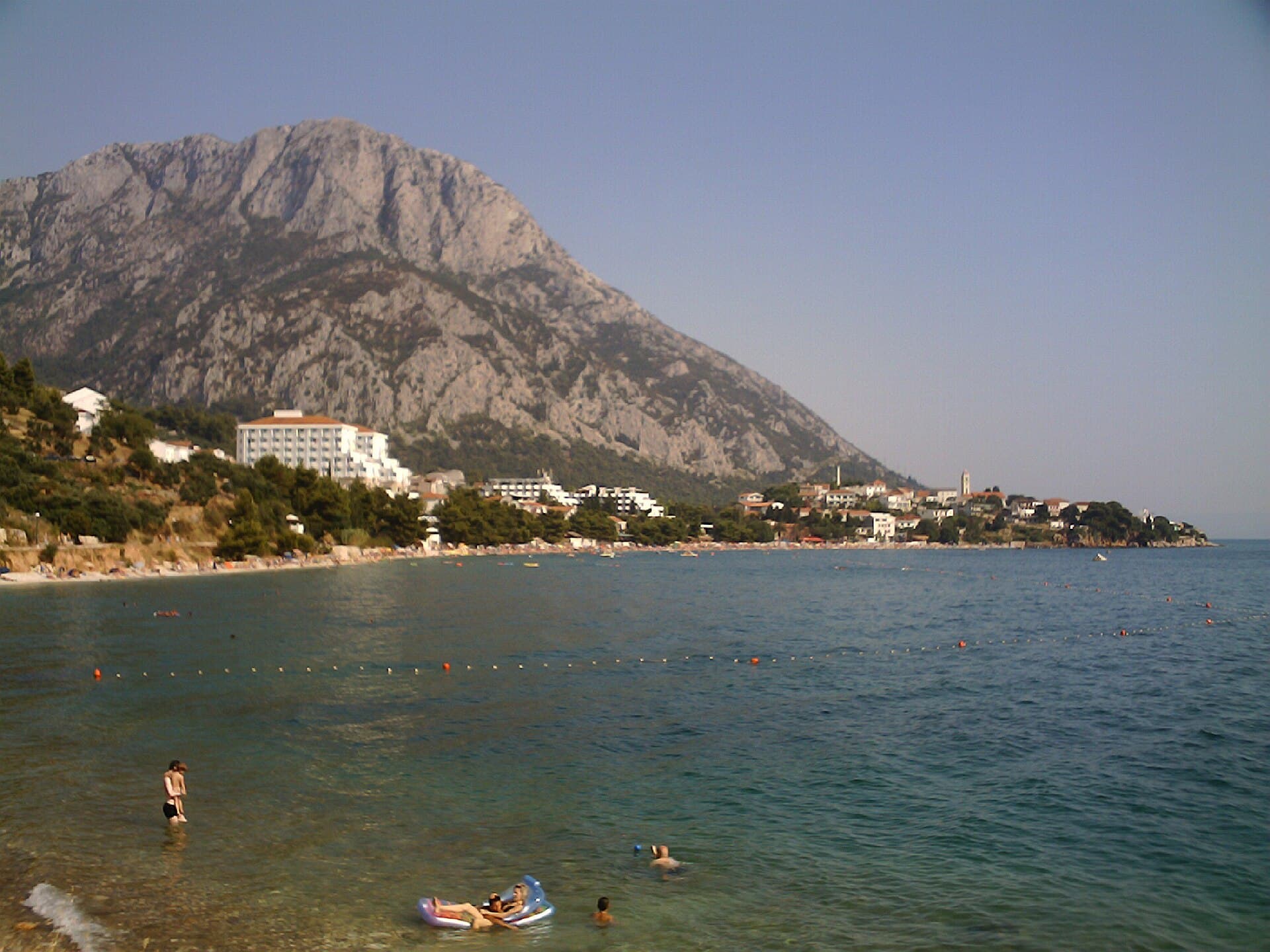
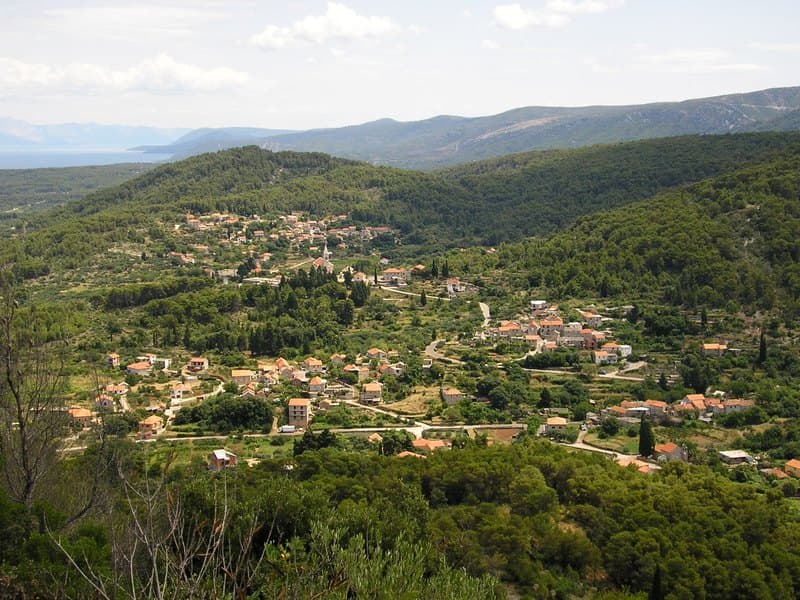
Stari Grad occupies the head of a deep bay on Hvar’s northern coast, where the waterfront and stone lanes meet the fertile plain extending towards Vrboska and Jelsa. This relationship between harbour, town and cultivated landscape sets it apart from Hvar Town on the island’s southern side. UNESCO inscribed the Stari Grad Plain in 2008 because its Greek land division, established in the fourth century BC, remains legible. Vineyards, olive groves, dry-stone walls and small stone shelters preserve some 2,400 years of agricultural continuity. Stari Grad is therefore best experienced as three connected places: a walkable historic centre, a sheltered bay for swimming and a rural cultural landscape suited to cycling.
Stays
No stays listed here yet
Things to see
Petar Hektorović’s Tvrdalj is Stari Grad’s most recognisable monument, a Renaissance complex with fishpond and garden reflecting the poet’s humanist ideals. In the historic centre it should be combined with St Stephen’s Square, the parish church, the Dominican monastery and St Roch’s Church from 1569. The Stari Grad Plain is not merely an excursion beyond town but the other half of its history: the Greek system of plots and dry-stone boundaries, known as the chora, survives from the 4th century BC. The continuity of agricultural use is precisely what gives this cultural landscape its UNESCO significance.

Beaches
Bonj is the easiest swimming spot to reach on foot from central Stari Grad, while Lanterna sits across the entrance to the narrower inner harbour. Maslinica is a separate cove west of town and suits visitors who value a more natural setting over immediate access to the waterfront. Žukova lies farther along Hvar’s northern coast and works better as a dedicated outing. The tourist board counts more than 40 sandy, pebble and rocky coves around Stari Grad Bay, including several accessible only by boat. Without a car, Bonj and Lanterna are the straightforward choices; a small rental boat opens up the more remote coves.
Bathing water quality nearby
- Banj · 647 mnot classified · season 2025
- Hotel Arkada · 856 mexcellent · season 2025
- Kupalište Lanterna · 1.1 kmexcellent · season 2025
- Uvala Maslinica · 2.6 kmexcellent · season 2025
Source: European Environment Agency (EEA); data from Croatian authorities. · bathing water profile
Things to do
Start the morning on the waterfront before turning into the lanes of Duolnje Kolo and the small squares around the centre, leaving the already-covered Tvrdalj for a separate visit. Afterwards, hire a bicycle and ride into the Stari Grad Plain, where the ancient plots, dry-stone boundaries and vineyards are far easier to appreciate than from Hvar’s main road. Return along the bay for an afternoon swim at Bonj, or continue farther to Maslinica Cove. At dusk, try starogrojski paprenjok, the local honey biscuit associated with Stari Grad’s maritime tradition, followed by Hvar gregada and a wine made from an island variety such as Bogdanuša.
Food and drink
A Stari Grad meal should make room for gregada, Hvar’s restrained fish-and-potato stew, and paprenjok as a distinctly local sweet finish. The tourist board’s directory includes Antika in Duolnjo Kolo, Kod Barba Luke and Triton on Obala hrvatskih branitelja, and Kod Damira on Trg Stjepana Radića. Hvar’s official tourism portal also identifies Kod Damira as a participant in the Dalmatian Marenda initiative. Waterfront restaurants are convenient after a swim, whereas Antika and Jurin Podrum provide a reason to step away from the harbour and explore the dense network of stone lanes behind it.
Practical information
Practical information
For local municipal matters in Stari Grad, Komunalno Stari Grad is based at Trg Ploča 7, with separate contact numbers for parking and marina services. The town administration is at Novo riva 3 and receives residents on weekdays from 9 am to noon. Visitor information for the town and island is available from the Stari Grad Tourist Board at Obala dr. Franje Tuđmana 1. Jadrolinija’s sales office is at Trajektno pristanište 1 in the ferry port; its published 2026 hours are daily, 4:30 am–6 pm. Before travelling, check the current timetable and ticket availability for line 635.
Getting there and around
Stari Grad’s principal sea link with the mainland is Jadrolinija ferry route 635 from Split, carrying both foot passengers and vehicles. The operator lists a 120-minute crossing and ties the ticket to a reserved place on the selected sailing. Its 2026 timetable changes with the season: from 19 June to 23 August, seven daily departures from Stari Grad are scheduled, with an additional late-night departure from Split for part of that period. There are fewer sailings outside peak season, so consult the official route 635 schedule for the travel date before heading to the port.
Frequently asked questions
Why is the Stari Grad Plain on the UNESCO list?
Because its Greek land-division system from the 4th century BC remains remarkably intact and agriculture has continued there for centuries.
What is Tvrdalj?
Tvrdalj is the fortified Renaissance residence of poet Petar Hektorović, with a fishpond and garden.
Does Stari Grad have Greek origins?
Yes. It developed on the site of the Greek colony of Pharos, founded in the 4th century BC.
Which nearby place is easiest to combine with Stari Grad by road?
Vrboska and Jelsa lie east across central Hvar and form the most natural continuation of a road trip.

Related guides

Split
In Split, the transition from ancient monument to ordinary street is almost imperceptible: entering the southern part of Diocletian’s Palace from the Riva leads towards the Peristyle, then…
Read the guide

Help improve this page
Spot something missing or wrong? Suggest a correction, add your photo or report a problem. Editors review every suggestion before it is published.
Photo credits
- Rudina, Church of St. Stephen, Church of Saint John (Stari Grad, island of Hvar), St. Jerome Church, Church of St. Nicholas in Stari Grad, Biankini Palace — Gampe · CC BY-SA 4.0 · Wikimedia Commons
- Dol