Vrboska
About this place
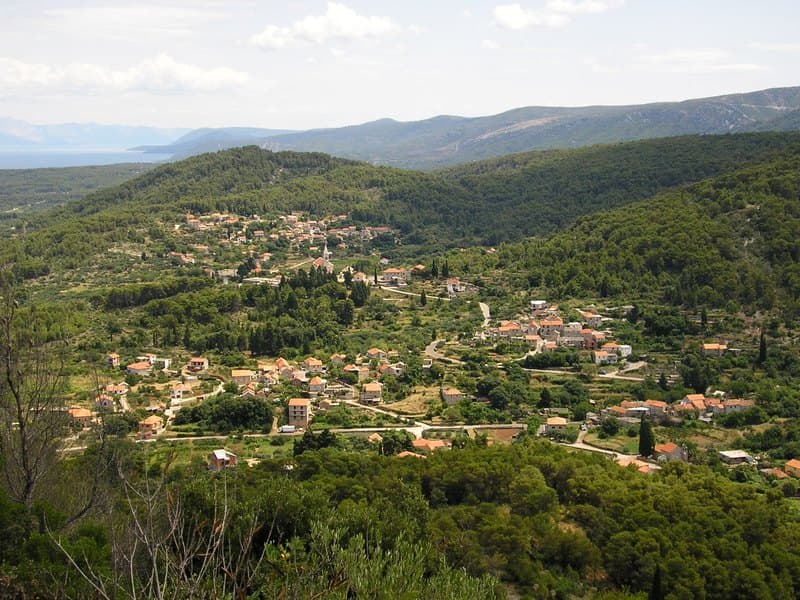
Vrboska sits on Hvar’s northern coast, deep inside a narrow, winding inlet crossed by small stone bridges. The settlement divides into Pjaca, lined with Renaissance and Baroque houses, and Podva, where churches and Gothic-Renaissance lanes predominate. Its commanding landmark is the fortified Church of St Mary, built in the 15th century and strengthened about a century later against Ottoman attacks. St Lawrence’s Church holds works by Renaissance and Baroque artists, St Peter’s was first recorded in 1331, and the votive Church of St Roch dates from 1577. The Fishermen’s Museum, founded in 1972, presents nets, tools, lamps and photographs from Vrboska’s maritime tradition. A sardine factory established in 1894 and closed in 1972 recalls the village’s industrial phase. Swimming is spread among Soline, Zavala, Milna, Maslinica and other coves; Soline lies about one kilometre from the centre, while Milna has a sandy bottom and plentiful natural shade. Vrboska connects by road to the island’s D116 state road, and its sheltered harbour contains an ACI marina operating throughout the year.
Vrboska developed as the harbour of inland Vrbanj, deep inside an inlet on Hvar’s northern coast. The narrow channel divides it into Pjaca, marked by Renaissance and Baroque houses, and Podva, characterised by churches and Gothic-Renaissance lanes. Stone bridges crossing the two sides inspired the nickname Little Venice, while the islet of Škojić remains a local symbol. Fishing has shaped Vrboska’s identity: the waterfront once held a wooden-boat yard and a sardine factory established in 1894. The sheltered bay continues its maritime role through the ACI marina, while the Fishermen’s Museum preserves equipment and photographs from Hvar’s fishing tradition.
Stays nearby
 Apartment
Apartmeni Klenovica.eu
Klenovica
Klenovica, 258 km from Vrboska
up to 4 guests · 1 bedroom
The host confirms the exact price for your dates and availability.
Things to see
The fortified Church of St Mary is Vrboska’s most imposing structure: built in the 15th century, it was strengthened about a century later against Ottoman attacks. The parish Church of St Lawrence has five altars and works by Renaissance and Baroque artists. St Peter’s Church was first recorded in 1331, while St Roch’s was built in 1577 as a votive response to plague. Founded in 1972, the Fishermen’s Museum displays nets, lamps, tools and photographs connected with Hvar’s fishing history. Kaštilac, a 16th-century watchtower, and the stone bridges spanning the channel complete the village’s secular heritage circuit.

Beaches
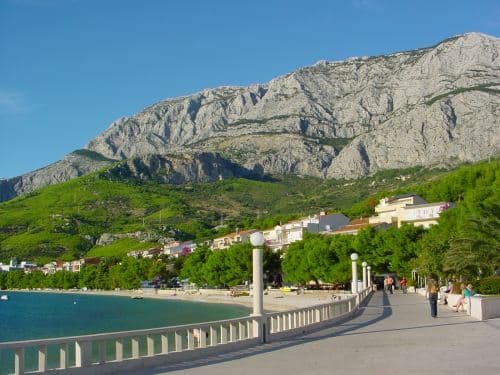
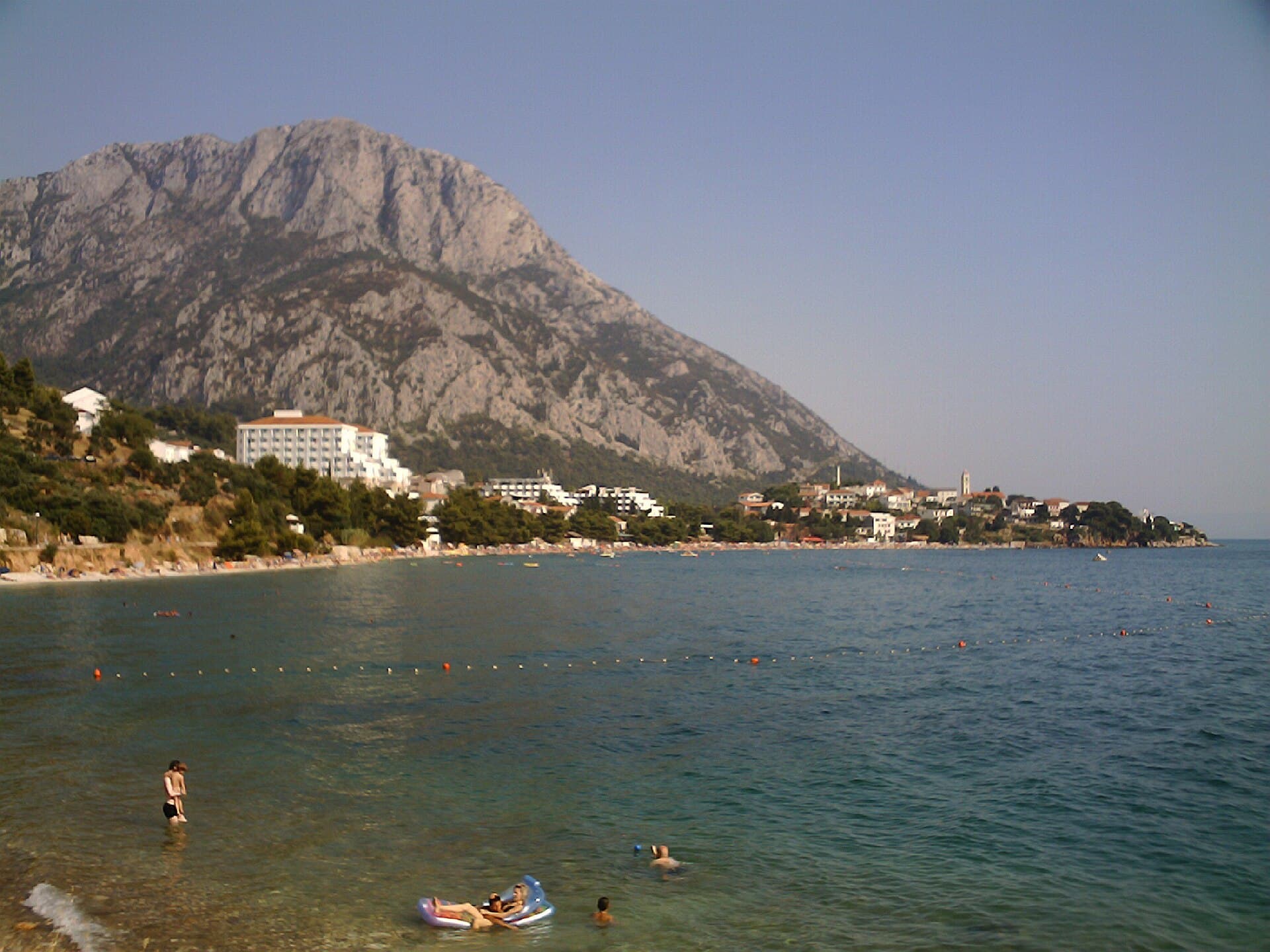
Soline lies about one kilometre from central Vrboska, reached in roughly half an hour on foot along the sea or five minutes by car. Zavala occupies the opposite side of Cape Glavice, while quiet Milna Cove has a sandy seabed, turquoise water and shade for much of the day. Maslinica is around one kilometre north of the centre and can be approached on foot, by bicycle, car or boat. Rockier Paklena is known for particularly warm water, and Zečevo islet, roughly one kilometre from Vrboska as the crow flies, traditionally attracts naturists. Nova Poštica, Rapa and Glavice add further choices around the wider bay.
Bathing water quality nearby
- Kupalište Soline · 1.9 kmexcellent · season 2025
Source: European Environment Agency (EEA); data from Croatian authorities. · bathing water profile
Things to do
Start at the bridges between Pjaca and Podva to take in the narrow channel and Škojić islet. On the Podva side, visit the fortified Church of St Mary, followed by St Lawrence’s Church with Renaissance and Baroque artworks and the Fishermen’s Museum with traditional nets and tools. On the waterfront, examine the former sardine factory founded in 1894. After the historic centre, follow the coast to Soline, about one kilometre away, or head north towards Maslinica. Extend an active day by cycling or walking through the Stari Grad Plain, whose eastern reaches approach the Vrboska area.
Food and drink
Vrboska’s fishing tradition naturally steers local menus towards fish, seafood and Hvar wines. Luka Gardelin and Trica Gardelin are presented by the local tourist board as restaurants serving Dalmatian and local specialities, while the Pinjata wine cellar stands in the old quarter directly behind the fortified Church of St Mary. Dining places along both sides of the waterfront allow dinner to be combined with a walk across the stone bridges between Pjaca and Podva. Dishes based on catch from the Hvar channel, island olive oil and local wine most directly reflect Vrboska’s fishing heritage and its agricultural hinterland.
Practical information
Practical information
The Vrboska Tourist Board office is at Vrboska 404, with +385 21 774 137 listed as its contact number. For orientation, distinguish Pjaca from Podva, the two sides of the channel linked by bridges, because the churches and Fishermen’s Museum are principally visited around Podva. Allow roughly half an hour to walk beside the sea to Soline, while Maslinica is also accessible by bicycle or boat. The ACI marina operates year-round, whereas road visitors enter Vrboska from a turn-off on the D116. Opening arrangements for churches, the museum and restaurants should be checked shortly before visiting, especially outside summer.
Getting there and around
Vrboska lies close to the D116 state road, which links Sućuraj in eastern Hvar with the island’s central and western areas. At the junction about two kilometres before Jelsa, turn north and continue for roughly another two kilometres to reach the village. Travellers arriving from the mainland must first choose a ferry or catamaran port on Hvar and then coordinate onward island transport to Vrboska. Within the settlement, short stone bridges connect Pjaca and Podva, while Soline and Maslinica can be reached on foot or by bicycle. Sailors approach directly through the deep inlet to the ACI marina on its southern shore.
Frequently asked questions
When was St Peter’s Church first recorded?
Vrboska’s Church of St Peter was first recorded in 1331.
What does the Fishermen’s Museum display?
The museum preserves traditional nets, fishing lamps, tools and photographs tracing fishing on Hvar.
How far is Soline from Vrboska?
Soline is about one kilometre from the centre, or roughly a half-hour walk along the sea.
When did the sardine factory operate?
Vrboska’s sardine factory was founded in 1894 and closed in 1972.

Related guides

Split
In Split, the transition from ancient monument to ordinary street is almost imperceptible: entering the southern part of Diocletian’s Palace from the Riva leads towards the Peristyle, then…
Read the guide

Help improve this page
Spot something missing or wrong? Suggest a correction, add your photo or report a problem. Editors review every suggestion before it is published.
Photo credits
- Vrboska — Carsten Steger · CC BY-SA 4.0 · Wikimedia Commons
- Vrbanj — Chippewa · CC BY-SA 4.0 · Wikimedia Commons
- Pitve, Jelsa, Ivan Dolac — Juloml · CC BY-SA 3.0 · Wikimedia Commons
- Vrisnik