Split
About this place
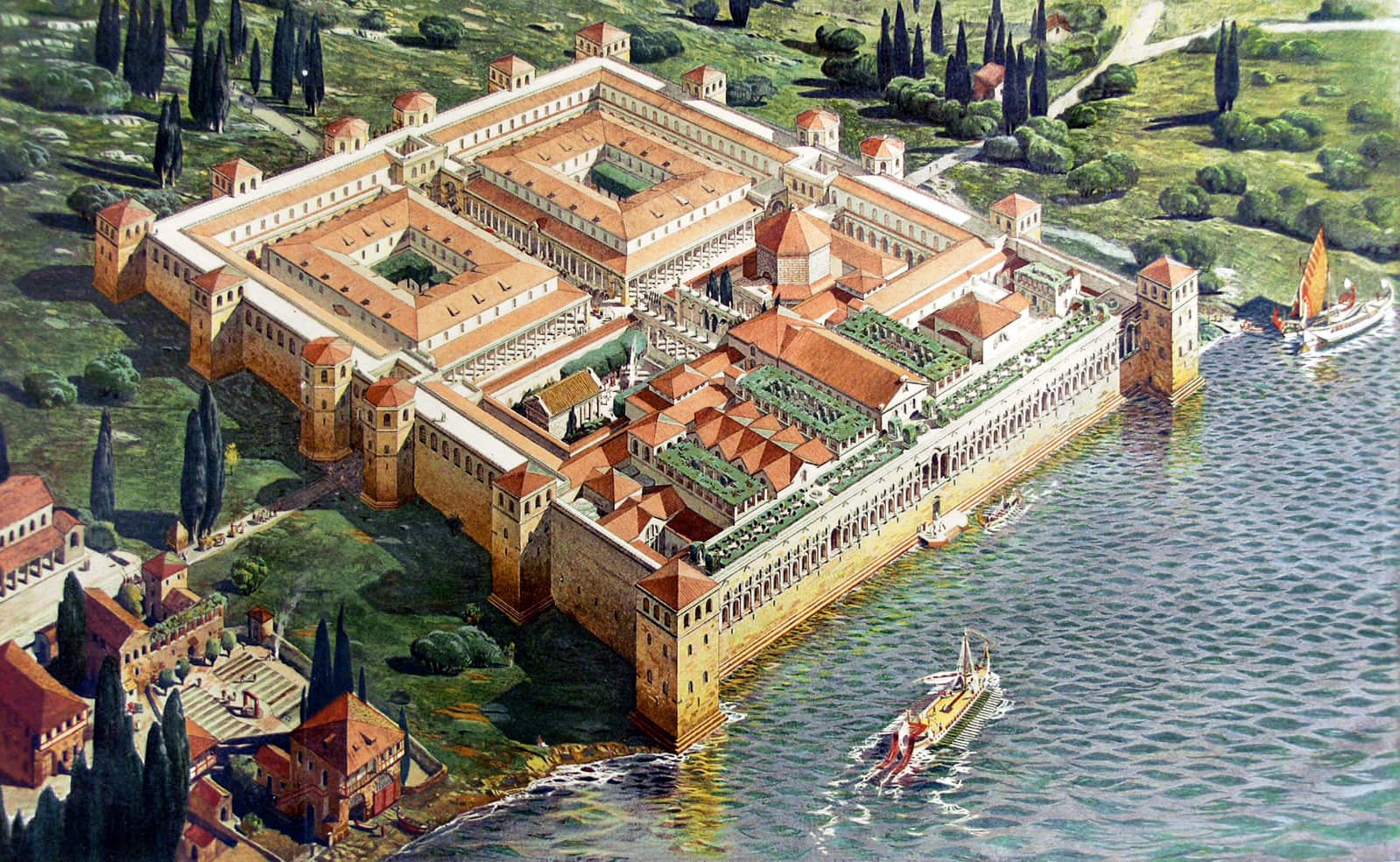
Split is a Dalmatian coastal city where the remains of a Roman palace are part of the everyday street plan rather than an isolated archaeological enclosure. Shops, small squares and places to pause sit among historic walls. UNESCO lists the historical complex with the Palace of Diocletian as a World Heritage property. Start at the Peristyle, but do not make the square your entire visit: take a side passage, look back at the changing layers of buildings and eventually return to the Riva waterfront. Marjan offers a different setting for another part of the day, with designated walking routes and views towards the city. At Bacvice, the sandy shallows and the local ball game of picigin provide a more distinctly beach-based experience. This combination of urban heritage, a bathing beach and outdoor recreation is what makes Split more than a stop between islands. For a first visit, avoid scheduling the palace, a substantial walk and several museums before lunch. Use one day to understand the centre, then allow additional time for its waterfront and surrounding neighbourhoods at a less hurried pace.
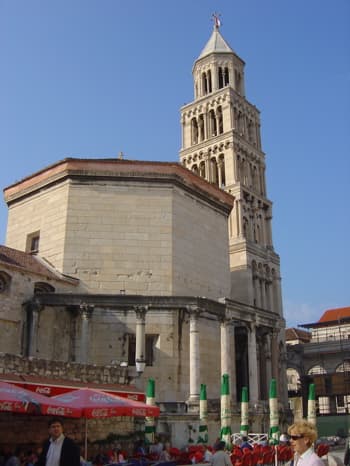
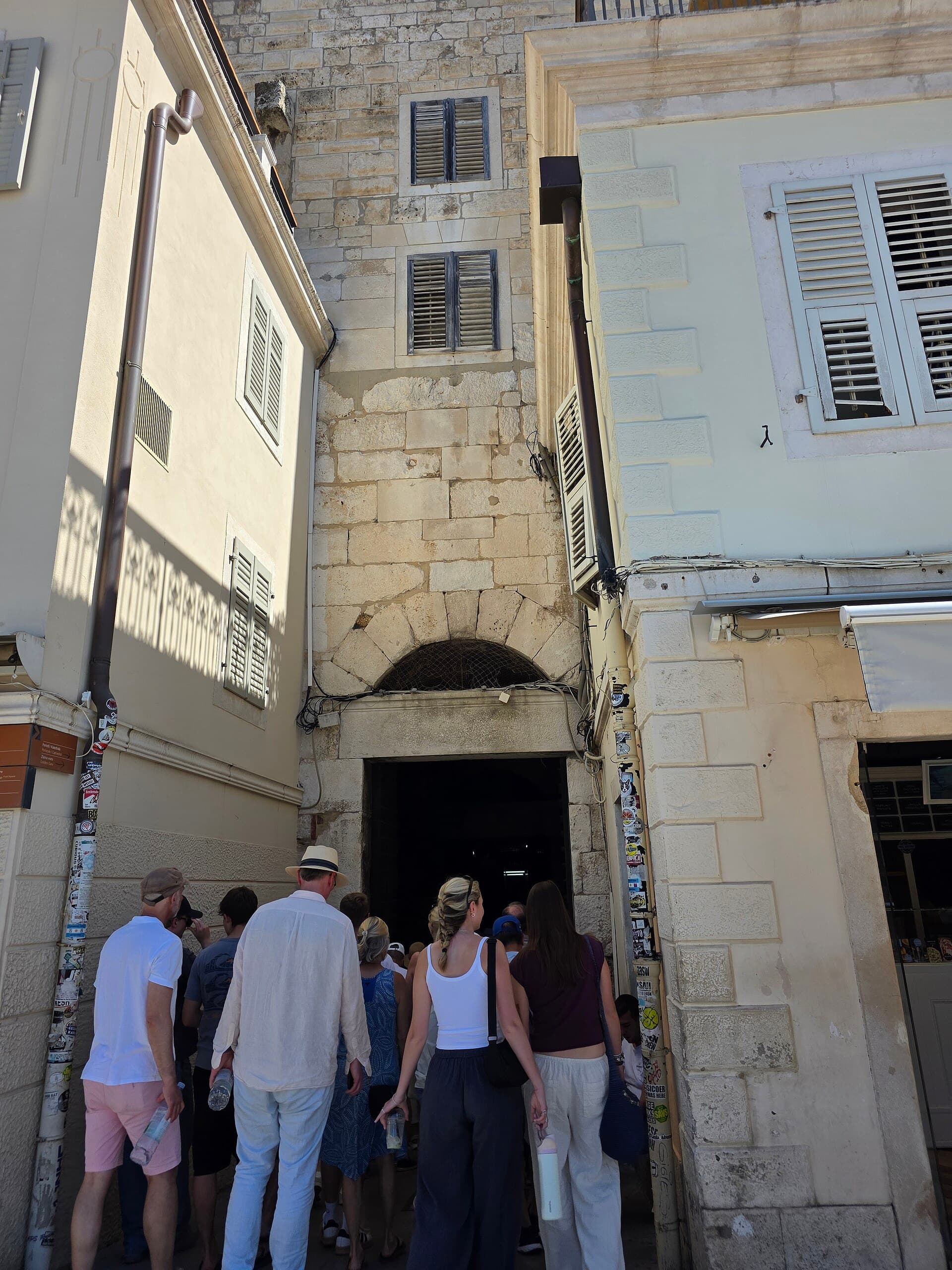
In Split, the transition from ancient monument to ordinary street is almost imperceptible: entering the southern part of Diocletian’s Palace from the Riva leads towards the Peristyle, then into passages serving shops, homes and churches. The Peristyle connects the former imperial setting with the Cathedral of St Domnius, established within Diocletian’s mausoleum. Nearby, the Temple of Jupiter became a baptistery, bringing Roman and Christian uses of the same buildings together within a short walk. At the palace’s eastern edge, Pazar and the Church of St Dominic shift the focus from monumental architecture to the buying and selling of fruit and vegetables. West of the Riva, Matejuška holds small boats and the daily activity of a fishing harbour, with Veli Varoš rising towards Marjan behind it. Varoš’s stone houses and narrow streets work on a different scale from the Peristyle colonnades; the contrast is particularly clear when leaving Trumbićeva obala for the neighbourhood. At the harbour’s southwestern end, Sustipan brings pines, a rocky shoreline and views back towards the city. Meje continues the cultural route with the Meštrović Gallery and Crikvine–Kaštilac. East of the ferry port, Bačvice combines sandy shallows with picigin, a game in which players keep a small ball above the water. The Riva, Pazar, Matejuška and Bačvice consequently reveal four different uses of Split’s waterfront and its immediate surroundings. Staying within the palace favours access to the Peristyle; Varoš connects stone lanes with Marjan, while the Bačvice neighbourhood puts the sandy beach closer. Split’s summer programme adds another transformation when the Peristyle becomes an opera stage and film screenings and performances occupy outdoor city venues.
Stays
No stays listed here yet
Things to see
Diocletian’s cellars preserve the spatial arrangement beneath the southern imperial residence: their large vaulted rooms explain the palace differently from a walk through the streets above. Continue towards the Peristyle and the Cathedral of St Domnius, where an ancient mausoleum and a Christian cathedral occupy the same building. Inside the Temple of Jupiter, look at the coffered vault, carved doorway and baptismal font assembled from earlier stone panels. Meštrović’s St John the Baptist adds a much later artistic layer to this small interior. Split City Museum in Papalićeva Street, the Emanuel Vidović Gallery on Poljana kraljice Jelene and the Old Town Hall on Narodni trg are separate museum locations connected by a walk through the centre. For sculpture beyond the palace, choose the Meštrović Gallery in Meje; Crikvine–Kaštilac on the same promenade is a separate religious-art complex, with wooden reliefs in the Church of the Holy Cross. Matejuška and Sustipan complete the western outing without another indoor exhibition: the first introduces a working fishing harbour, the second a park overlooking the marina and Split. Contrasting the cellars, the temple and Meštrović’s sculpture creates a richer cultural visit than repeatedly photographing the Peristyle.
Beaches
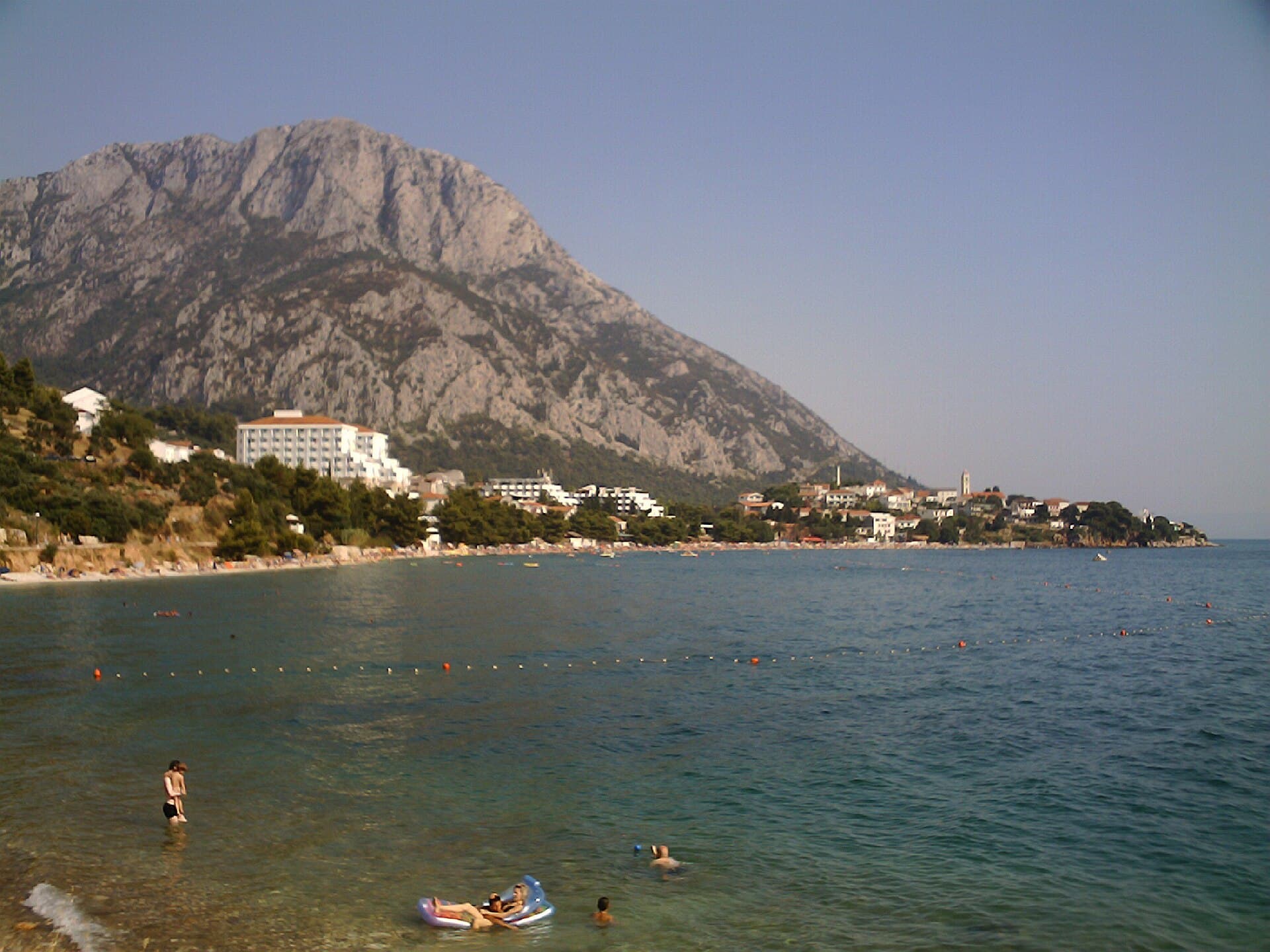
Bacvice is a useful choice when a stay needs to combine city sightseeing with sandy shallows. It is not a secluded cove: the experience includes the surrounding city and other beachgoers. On the western side of the urban coast, the official tourism source identifies Kastelet and Jezinac as pebble beaches beneath Marjan. Choose according to the surface and approach that suit you, rather than assuming all Split beaches are alike. Before travelling with a small child or someone with reduced mobility, check the actual route from parking or a bus stop to the water. A description of sand or pebbles does not establish step-free access, continuous shade or a lifeguard on duty. Follow the beach's signs and current bathing-water notices.

Things to do
For one day, keep the route simple: the Peristyle, passages inside the palace area and a return to the Riva. Read the buildings from outside first, then choose one interior for which you have time and confirmed admission. This also helps distinguish public city streets from separately ticketed visits. After lunch, choose either a short walk towards Marjan or time at Bacvice instead of rushing through both. With three days, give the first to the historical centre, the second to Marjan and the coast, and the third to a neighbourhood you merely passed through on arrival. This is a suggested allocation of time, not a guided tour or a promised walking duration. On Marjan, follow current signs and management notices, particularly where routes enter woodland. At Bacvice, watching picigin can be more revealing than searching for an organised activity. Families should allow a proper break between the stone streets and beach. Sightseeing and swimming need not share a day: reserve indoor cultural visits for poorer weather and adjust the outdoor part to the forecast.
Activities
Marjan has its own recreation network, including a fitness trail, mountain-bike route, outdoor exercise area and Bene recreation zone. For a walk from Split, choose a Marjan route by its entrance and destination, and keep cycling to the parts of the network intended for it. The coastal circuit from Matejuška towards Zvončac and Sustipan concentrates on small harbours and views towards Brač without requiring an ascent to Marjan’s summit. Bačvice supplies picigin in the shallows, an activity different from swimming in the deeper coves west of the centre. For a sea-focused day, the Split–Supetar ferry starts a separate Brač excursion, with the return bringing you back beside the Riva. Connect Marjan recreation and the palace through Varoš, whose narrow stone lanes mark the gradual transition from the centre to greener Split.
Day trips
Supetar is an excursion from Split that begins at the ferry port: Jadrolinija’s route 631 connects Split with Brač in the 2026 timetable, with a crossing of around 50 minutes. After arriving in Supetar, keep the day around its harbour and coast rather than immediately travelling across Brač. On the mainland, Salona in Solin introduces the Roman city central to the story of later Split. Trogir offers another historic Dalmatian centre, occupying its own setting between the mainland and Čiovo. Poljica east of Split provides a food-focused excursion associated with soparnik, a thin chard pie made with olive oil and garlic. Plan the Brač day around the ferry back to Split; Solin, Trogir and Poljica supply alternatives that do not involve boarding a boat.
Food and drink
Pazar beside Diocletian’s eastern wall and Peškarija west of the core represent two food traditions in Split: fruit and vegetables dominate Pazar, while Peškarija displays fish and seafood from the Adriatic. For a Dalmatian meal in Split, pašticada with gnocchi provides a meat-based alternative to fish, while black risotto brings cuttlefish and its ink to the plate. Soparnik comes from nearby Poljica and consists of thin pastry filled with chard, garlic and olive oil. Matejuška’s fishing boats add context to a seafood menu, while Pazar helps identify seasonal vegetables served alongside fish. In 2026, Split also hosted PLACe market in front of Peškarija, linking the market space with street food; its festival dates were separate from the ordinary fish trade.
Practical information
Practical information
In Split, separate the Peristyle and public passages from individual museums: Split City Museum, Diocletian’s cellars and the Emanuel Vidović Gallery use different entrances and addresses. After arriving by ferry, allow a separate transfer from the berth to accommodation in Varoš or the palace, where the final stretch often involves walking. A summer 2026 visit to the Peristyle could overlap with the Split Summer Festival stage between 14 July and 14 August; choose separate occasions for examining its architecture and attending an opera. Platanus airport buses arrive at Split’s main bus station beside the port in 2026, while city and suburban journeys use the Promet Split network. A nature day on Marjan requires choosing an actual path, with the shorter Sustipan outing offering a coastal alternative west of the centre.
Parking
Split Parking’s published 2026 tariff lists Svačićeva, Vukovarska and Bijankinijeva off-street car parks at €1.50 an hour from May to September and €1 from October to April. Stari plac has a separate, more expensive tariff, so do not equate it with neighbouring Zone I facilities. Svačićeva and Vukovarska suit the northern approach to the centre, while Bijankinijeva is on the Bačvice side. For accommodation within Diocletian’s Palace, expect to continue on foot from the car; the museum cellars are not a parking garage.
Getting there and around
Split Airport is in Kaštela, with Platanus operating a direct shuttle to Split’s main bus station in 2026. The operator publishes a 2026 fare of €10 one way or €15 return, and identifies the airport pickup point as parking zone P1. Split’s bus and railway stations stand beside the ferry port on Obala kneza Domagoja, simplifying onward travel to Brač. Jadrolinija route 631 between Split and Supetar takes approximately 50 minutes and has a year-round timetable in 2026. For more distant Split neighbourhoods, use the Promet Split network and choose a route by its origin and destination. The final approach to the palace and Riva is a walk, while Meje and the entrances to Marjan form separate directions through the city.
Frequently asked questions
Is the entire palace a museum with one ticket?
No. City streets run through the historic area; individual interiors and monuments have their own admission arrangements.
Where can I find a sandy beach?
Bacvice has sandy shallows. It is an urban beach, not an isolated quiet cove.
Is Marjan just a viewpoint?
No. It also offers walking and recreation. Use open, designated routes.
How much time should a first visit have?
Give the centre a day. Three days allow separate time for Marjan, a beach and a slower return to the city.
Nearby

Vranjic
Village · Dalmatia – Split

Related guides

Baška Voda
Baška Voda lies in the western part of the Makarska Riviera directly below the Biokovo massif. Once a fishing and seafaring settlement, it developed into a resort whose centre remains…
Read the guide
Help improve this page
Spot something missing or wrong? Suggest a correction, add your photo or report a problem. Editors review every suggestion before it is published.
Photo credits
- Split, Bačvice Beach, Firule Beach — dronepicr · CC BY 2.0 · Wikimedia Commons
- Vranjic — Ivan T. · CC BY-SA 3.0 · Wikimedia Commons
- Kaštel Sućurac