Kaštel Sućurac
About this place
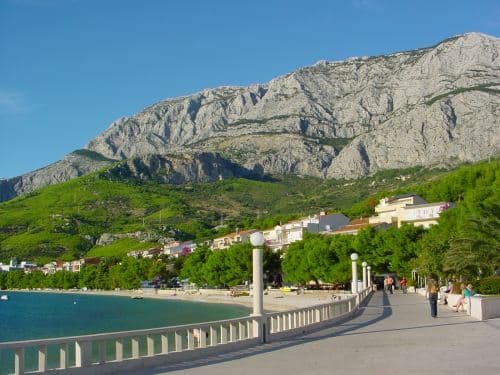
Kaštel Sućurac is the easternmost of the seven historic settlements forming the City of Kaštela, set on Kaštela Bay between Split and the other old waterfront communities. Its defining story belongs to the archbishops of Split: Archbishop Andrija Gualdo built a fort at Lučac in 1392, and an archiepiscopal palace later became the nucleus of the compact seaside quarter. Museum rooms inside the palace hold archaeological and cultural-history collections, making the building more than an attractive remnant of the defensive ensemble. Above the town, the Church of St George at Putalj recalls Duke Mislav and the 9th century, adding an early medieval layer rarely encountered in an ordinary coastal suburb. Gojača and Sokolana provide local access to the bay, while road and Promet Split bus connections make Sućurac straightforward to reach from Split. A rewarding visit combines the Archbishop’s Castle and lanes around the old waterfront with a walk toward Putalj, where the geography of Sućurac, Kaštela Bay and nearby Split becomes especially clear.
Sućurac grew from archiepiscopal estates on the eastern edge of Kaštela Field, rather than around the aristocratic castles that define several settlements farther west. The tower raised at Lučac in 1392 is regarded as the earliest seaside castle in the Kaštela area, while the palace and surrounding houses subsequently formed a tight waterfront core. The settlement’s name and the Church of St George at Putalj connect present-day Sućurac with the age of the Croatian duke Mislav. This combination of an archbishop’s stronghold, a modest Kaštela waterfront and the slopes of Mount Kozjak gives the town a character distinct from nearby Split neighbourhoods.
Stays
No stays listed here yet
Things to see

Beaches
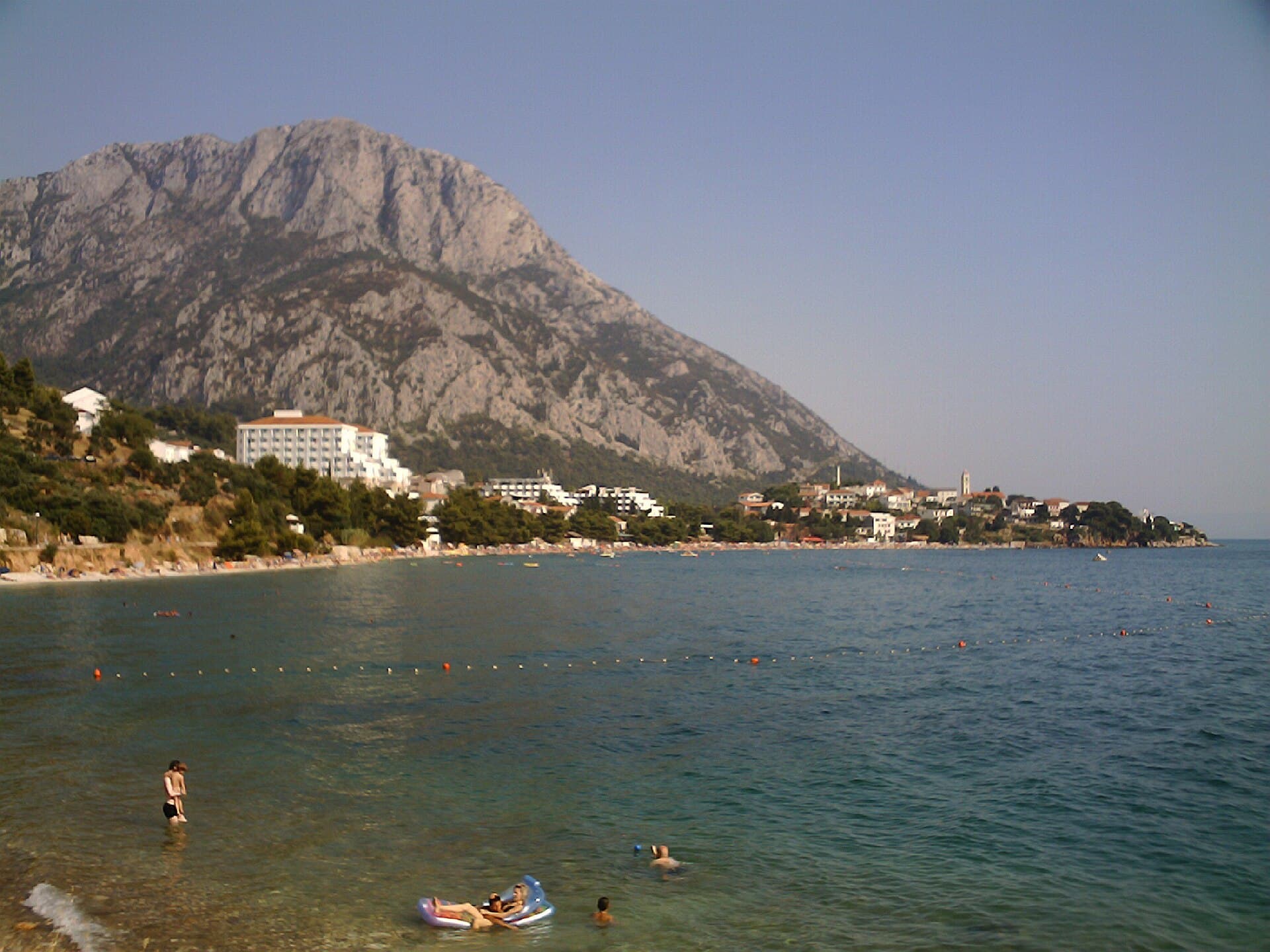
Gojača is Sućurac’s central bathing spot and a convenient break after visiting the Archbishop’s Palace and waterfront. Sokolana lies farther along the shore and provides the settlement’s other recognisable access point to Kaštela Bay. Both are neighbourhood beaches tied closely to the urban shoreline rather than secluded natural coves, so their chief advantage is proximity to the historic core and an easy approach on foot. Travellers following the chain of all seven Kaštela can therefore fit a swim in Sućurac naturally between the old centre and the continuation of the coastal route toward Kaštel Gomilica.
Bathing water quality nearby
- Gojača · 572 mgood · season 2025
- Kamp · 2.3 kmexcellent · season 2025
- Torac · 2.8 kmexcellent · season 2025
Source: European Environment Agency (EEA); data from Croatian authorities. · bathing water profile
Things to do
Begin at the Archbishop’s Palace and tower in the old quarter, where museum rooms present archaeological finds and the cultural history of Kaštela. Continue along the waterfront toward Gojača, noting the surviving elements of the complex once intended to protect workers on the archbishop’s estates. For a fuller half-day outing, head uphill to Putalj and the Church of St George, associated with a 9th-century grant by Duke Mislav. Returning toward the shore and finishing at Sokolana creates a coherent Sućurac itinerary linking a medieval defensive residence, early Croatian heritage on Mount Kozjak and the modern waterfront of Kaštela Bay.
Practical information
Getting there and around
Kaštel Sućurac occupies the eastern approach to the City of Kaštela, just beyond Solin when arriving from Split. Promet Split lists route 2 through Sukoišan terminal, central Split, Kaštel Sućurac, the main Ivana Pavla II road across Kaštela and Split Airport. Visitors bound for the historic quarter should leave the bus in central Sućurac rather than continue toward the western settlements. For drivers, Ivana Pavla II is the principal road corridor, whereas the old waterfront is better explored on foot: the Archbishop’s Palace, the local promenade and Gojača are grouped within a compact part of the town.
Frequently asked questions
When was Sućurac’s first tower built?
Archbishop Andrija Gualdo of Split had the Lučac fortification built in 1392, establishing the nucleus from which Kaštel Sućurac developed.
What is housed in the Archbishop’s Palace?
The palace’s second floor contains museum rooms displaying archaeological material and a cultural-history collection.
Which bus links Sućurac with Split?
Promet Split route 2 runs between Sukoišan terminal, Kaštel Sućurac and Split Airport.
Nearby

Kaštel Gomilica
Village · Dalmatia – Split

Related guides
Split
In Split, the transition from ancient monument to ordinary street is almost imperceptible: entering the southern part of Diocletian’s Palace from the Riva leads towards the Peristyle, then…
Read the guide

Help improve this page
Spot something missing or wrong? Suggest a correction, add your photo or report a problem. Editors review every suggestion before it is published.
Photo credits
- Kaštel Sućurac, Solin, Nadbiskupska palača u Kaštel Sućurcu — VitVit · CC BY-SA 4.0 · Wikimedia Commons
- Kaštel Gomilica — Draceane · CC BY-SA 4.0 · Wikimedia Commons
- Split — dronepicr · CC BY 2.0