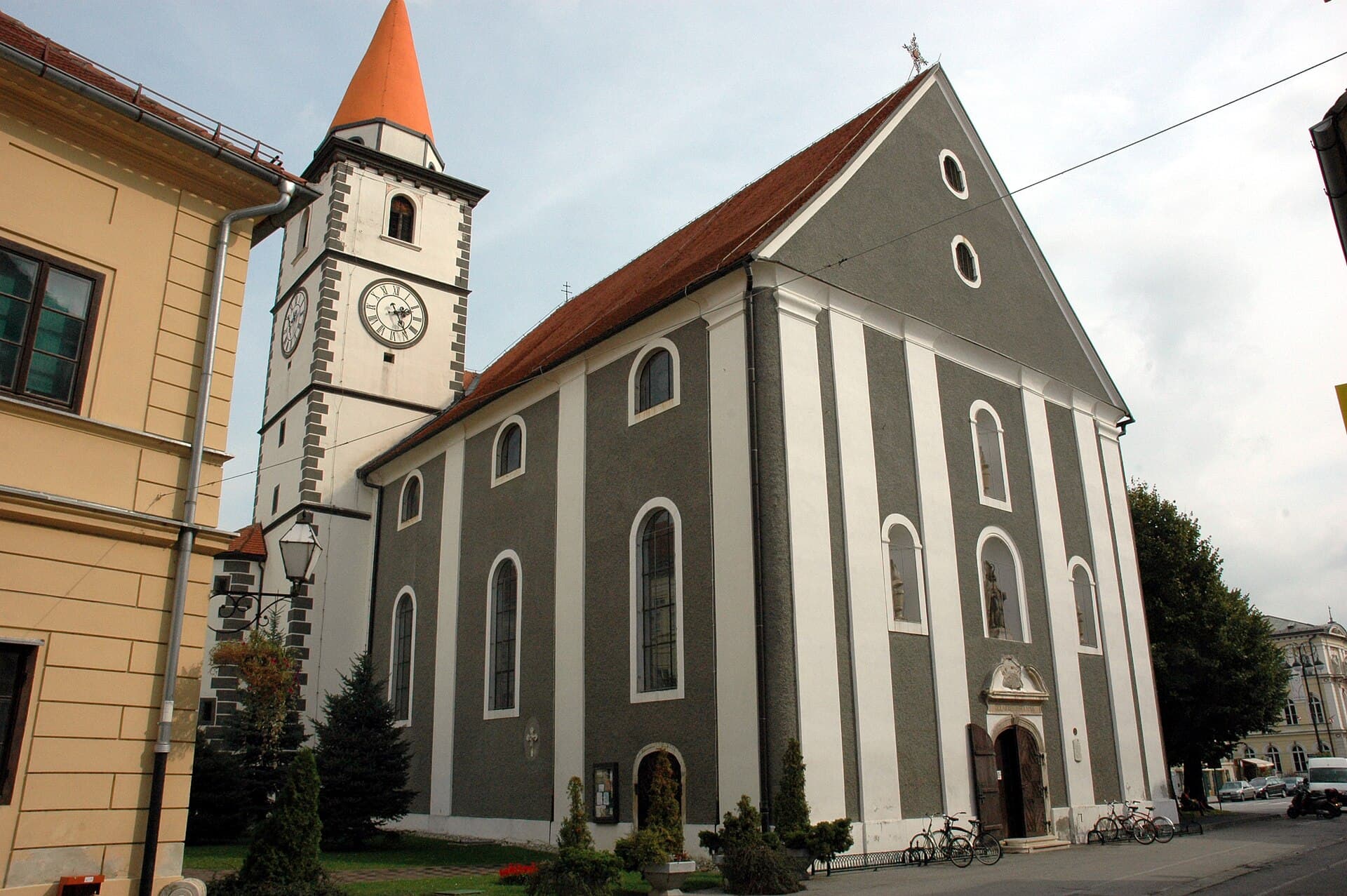
Varaždin
About this place
Varaždin is a city for unhurried attention to facades, squares and museum collections. Its familiar Stari grad is a particular fortress and museum location, not another name for the whole historic centre, and should be distinguished from Herzer and Sermage palaces. This network of buildings makes a visit more than a photograph of white fortifications. Herzer houses natural-history material, including the World of Insects, while Sermage connects the historic urban setting with art collections. An important practical point for 2026 is that the City Museum announces the Old Town fortress interior is closed for energy-renovation works. Do not schedule its museum display as a confirmed open attraction. Consider the exterior and other museum locations separately, following current notices. Varaždin suits visitors who enjoy architecture, exhibitions and urban walks; its compact cultural centre distinguishes it from countryside excursions nearby. For a first visit, choose several connected stops and leave time for the square and a coffee before adding a wider outing. Actual access and current programming matter more than a list copied from an older guide.
Stays nearby
 Apartment
Apartmeni Klenovica.eu
Klenovica
Klenovica, 177 km from Varaždin
up to 4 guests · 1 bedroom
The host confirms the exact price for your dates and availability.
Things to see
Distinguish the Old Town fortress, Herzer Palace and Sermage Palace when planning cultural visits. They are connected with the City Museum but are not one venue with one type of display. Herzer offers a natural-history focus and the World of Insects; Sermage is associated with art exhibitions. According to the museum notice checked for this work, the fortress interior is closed for renovation. It remains important to the cityscape, but that does not establish museum access. Administrative offices, exhibition buildings and the hours of individual displays are likewise not interchangeable. Before travelling, verify the particular location and exhibition you intend to see.
Things to do
Build one day around the historic centre and one museum location confirmed open. For natural history, start with Herzer Palace information; for art, check the programme at Sermage. Treat the Old Town fortress as a separate element of the cityscape, respecting work-site boundaries and closed areas. With three days, use the first for architecture, the second for exhibitions and a closer cultural visit, and the third for a nearby destination chosen according to transport. There is no need to make every day a full sightseeing marathon. Much of Varaždin's appeal comes from comparing palaces, facades and squares, then returning when a place is not occupied by an event.
For families
Herzer Palace's natural-history material may suit children more interested in animals and observation than a succession of historical dates. Check access to the World of Insects and family programmes before visiting. Turn the subsequent town walk into a search for differences between facades, windows and roof shapes. These simple observational activities do not require buying another ticket at every stop. Do not promise children a fortress interior while the museum's closure notice remains in force. A clear, feasible plan from the outset is better than trying to replace a closed attraction on arrival.
Frequently asked questions
Is the Old Town fortress interior open?
The museum currently announces closure for energy renovation. Check for an updated notice before travelling.
Does that mean there are no museums to visit?
No. Herzer and Sermage are separate locations; check their programmes and hours individually.
What is the World of Insects?
A natural-history museum display associated with Herzer Palace.
Does Stari grad mean the entire centre here?
Here it identifies the specific fortress and museum venue, not the entire historic centre.
Nearby

Gornji Kuršanec
Village · Central Croatia

Related guides
Tuhelj
The population of the municipality has fallen from a peak of 3,780 in 1971 to 2,043 in 2021, and 61 people were lost in the last census decade alone. Eleven settlements, from Banska Gorica…
Read the guide

Help improve this page
Spot something missing or wrong? Suggest a correction, add your photo or report a problem. Editors review every suggestion before it is published.
Photo credits
- Varaždin, Category:Palača Herzer (Varaždin), Category:Saint John the Baptist church (Varaždin) — Krzysztof Golik · CC BY-SA 4.0 · Wikimedia Commons
- Gornji Kuršanec, Jalkovec, Franciscan monastery and St. Nicholas church in Čakovec, Sveti Martin na Muri