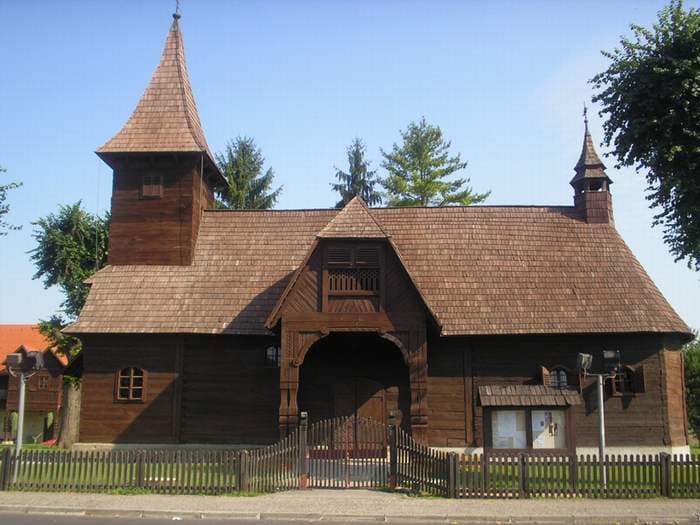
Velika Gorica
About this place
Velika Gorica is the urban centre of Turopolje, immediately south of Zagreb and beside Croatia’s main international airport. For visitors, its interest lies in the quick transition from a modern city to the Turopolje landscape of lowland villages, woodland and historic sites. The Turopolje Museum is traditionally the key institution for understanding local heritage, but its building at Trg kralja Tomislava 1 has been closed to visitors since 15 December 2025 for major renovation; museum activities also take place at the Interpretation Centre on Šetalište Franje Lučića 15. Outside the centre, the most important historic monument is Lukavec, a fortified complex whose present stone form was completed in 1752. Velika Gorica is linked to Zagreb by ZET buses, while route 290 connects the city and airport with Kvaternikov trg. This makes it practical both for a short stop between a flight and Zagreb and as a base for exploring the wider Turopolje area.
Velika Gorica is more than a satellite city of Zagreb: it is the centre of the historic Turopolje region, whose identity is preserved in museum collections, surrounding villages and old noble sites. The city has a functional modern centre, but its visitor story quickly extends towards Lukavec, Kuče and the woodland landscape around the Odra. This close meeting of urban and rural space creates a different kind of excursion from a conventional Zagreb day trip: coffee in the centre can be followed by an eighteenth-century fort, regional food and time beside the river, all in the same day. The Turopolje Museum remains the main reference point for local heritage, although its historic building has been closed for renovation since December 2025. With the airport and direct bus connections nearby, Velika Gorica is also one of the most accessible destinations in central Croatia.
Stays nearby
 Apartment
Apartmeni Klenovica.eu
Klenovica
Klenovica, 116 km from Velika Gorica
up to 4 guests · 1 bedroom
The host confirms the exact price for your dates and availability.
Things to see
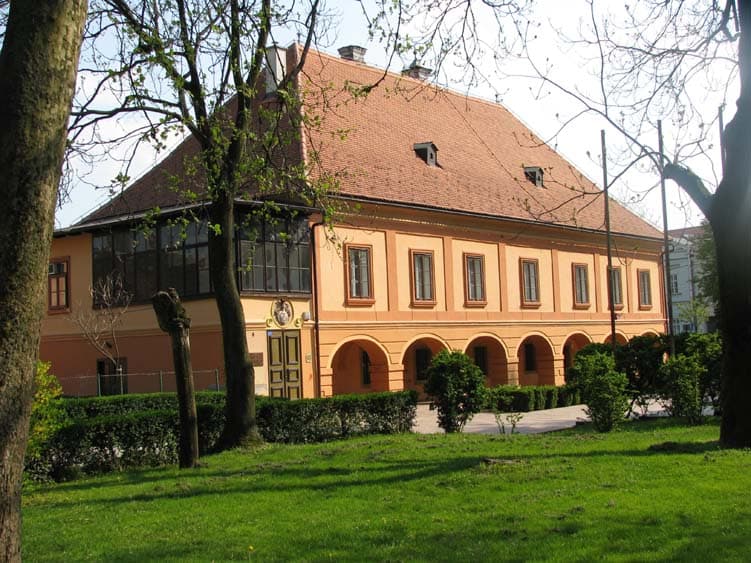
Lukavec is the strongest single historic attraction around Velika Gorica. It first appears in written sources in 1256, while the present walled-fort concept was completed in 1752 as a Renaissance castle surrounded by water, with defensive towers, seventy loopholes and a tall entrance tower. Above the entrance is the chapel of St Lucy, patron saint of Turopolje. The other key institution is the Turopolje Museum in the former town hall, but its building at Trg kralja Tomislava 1 has been closed to visitors since 15 December 2025 for full revitalisation and a new permanent exhibition. Museum exhibitions and activities should therefore be followed through the current programme of the Interpretation Centre at Šetalište Franje Lučića 15 rather than assuming the historic building is open.
Things to do
For a first visit, it makes sense to divide the day between the city centre and the wider Turopolje area. In 2026, museum activities also take place at the Interpretation Centre because the main Turopolje Museum building on Trg kralja Tomislava is closed for renovation. From there, Lukavec provides the clearest historic excursion: the moated fort has defensive towers, loopholes and an entrance tower with the chapel of St Lucy. For a more natural continuation, the official tourism offer points towards Turopolje woodland and rural excursion sites. Odranski Ribič at Kuče sits beside the Odra about ten kilometres from Velika Gorica and combines a countryside setting with a children’s playground and food. The result is a full-day programme that moves from museum heritage into the Turopolje landscape without needing to enter central Zagreb.
Food and drink
For a more local meal, it is worth leaving the immediate city centre and including the Turopolje countryside. Resort Ključić Brdo, listed by the official tourist board at Ključićka cesta 118, focuses on local cuisine and pairs lunch with a rural setting. Odranski Ribič in Kuče sits on the bank of the Odra about ten kilometres from Velika Gorica and offers grilled food alongside an excursion area and children’s playground. These two places express the local food experience better than a quick stop on a transit road because the meal is tied to the landscape and Turopolje villages. Ključić Brdo fits naturally into a drive towards the hillier hinterland, while Odranski Ribič suits a day focused on the lowlands beside the Odra and villages south of the city.
Practical information
Practical information
The Velika Gorica Tourist Board is located at Trg kralja Tomislava 2 and publishes city events, visitor guides and information about Turopolje on its official channels. The main practical change for visitors in 2026 concerns the Turopolje Museum: its historic building at Trg kralja Tomislava 1 has been closed since 15 December 2025 for renovation, so older guides should not be relied on for normal museum access. Programmes continue at the Interpretation Centre on Šetalište Franje Lučića 15. The nearby airport and bus terminal make the city straightforward to reach without a car, while a vehicle is more useful for Lukavec, Kuče and the more dispersed Turopolje countryside. Within the central area, the main urban and museum-related locations can be linked on foot.
Frequently asked questions
Which Turopolje fort has a chapel dedicated to St Lucy?
Lukavec has a chapel of St Lucy in its entrance tower; the present stone form of the fort was completed in 1752.
Which bus route links Velika Gorica with the airport and Kvaternikov trg?
ZET’s terminal plan lists route 290 between Velika Gorica, Franjo Tuđman Airport and Kvaternikov trg in Zagreb.
Where can you combine lunch with time beside the Odra?
Odranski Ribič in Kuče sits beside the Odra about ten kilometres from Velika Gorica and includes an excursion area with a children’s playground.
Which bus routes run from Velika Gorica towards Zagreb’s main railway station?
ZET’s official terminal plan lists routes 268 and 330 to Zagreb’s main railway station.
Nearby

Petrovina Turopoljska
Village · Central Croatia

Related guides
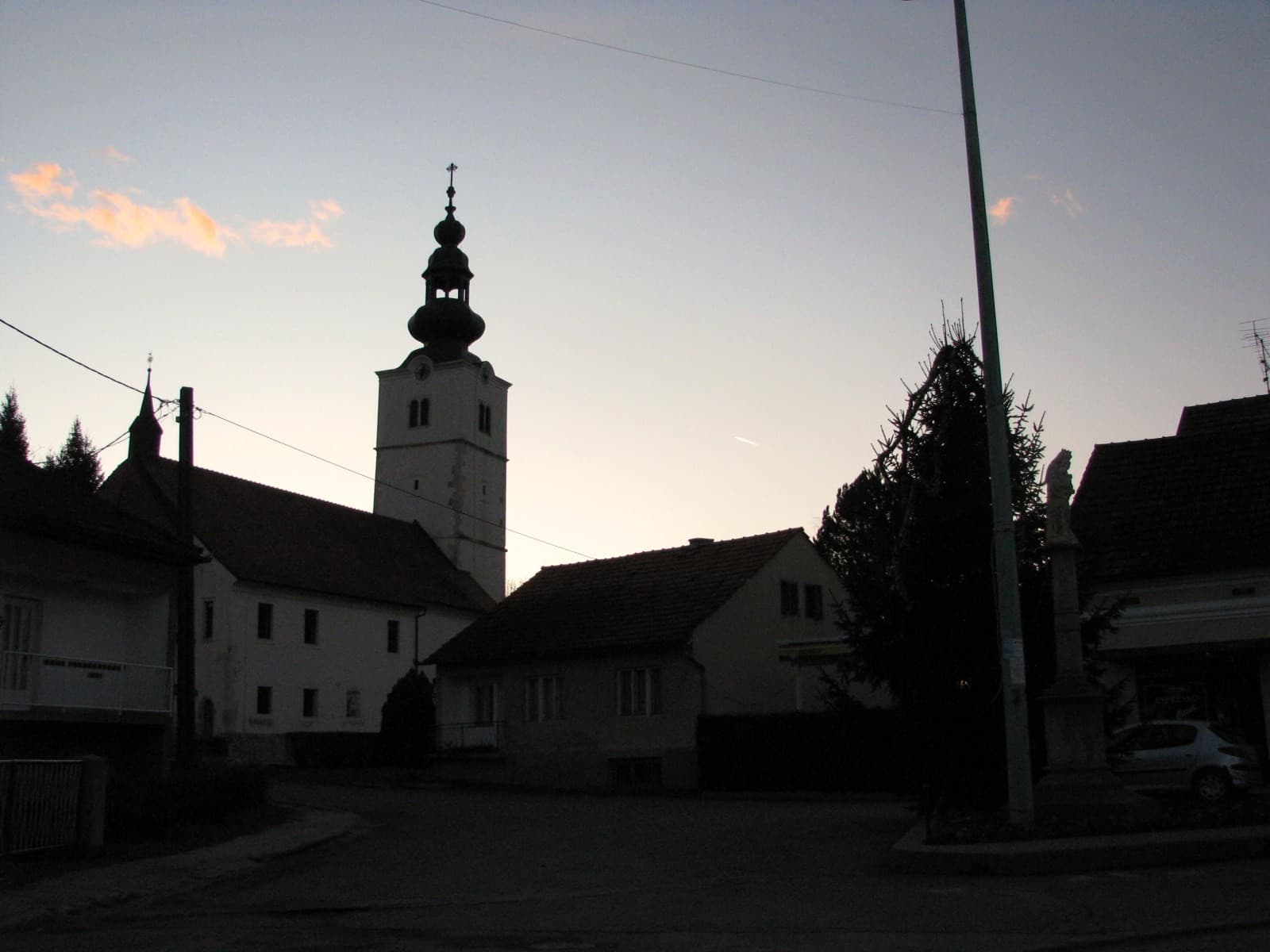
Tuhelj
The population of the municipality has fallen from a peak of 3,780 in 1971 to 2,043 in 2021, and 61 people were lost in the last census decade alone. Eleven settlements, from Banska Gorica…
Read the guide

Help improve this page
Spot something missing or wrong? Suggest a correction, add your photo or report a problem. Editors review every suggestion before it is published.
Photo credits
- Velika Gorica — Frane Lovošević · CC BY-SA 3.0 · Wikimedia Commons
- Petrovina Turopoljska — Slavko Stepanić · CC BY-SA 3.0 · Wikimedia Commons
- Donja Lomnica, Velika Mlaka — Fraxinus · CC BY-SA 3.0 · Wikimedia Commons
- Mraclin — Nikola Štuban · CC BY-SA 4.0 · Wikimedia Commons