About this place
Karlovac is a historic Croatian city shaped by four rivers — the Kupa, Korana, Mrežnica and Dobra — with its clearest urban landmark in the Renaissance star-shaped core known as the Zvijezda. From there, a visit can continue naturally to the City Museum, the Korana riverfront and Dubovac Castle, combining military history, civic architecture and river scenery in a single day. The Karlovac City Museum was founded in 1904 and has occupied the Frankopan Palace on Strossmayer Square since 1953, placing it directly inside the historic centre. Karlovac also works well without a car: Karlovac Centar rail stop is only a short walk from the bus station, while the main railway station in Banija is roughly fifteen minutes from the centre. In summer, local life shifts toward the Korana and Foginovo, while Dubovac opens onto the greener edge of town. For a longer stay, Karlovac is a convenient base for Ozalj, Duga Resa, Ogulin and Slunj, making its role as a regional crossroads useful for visitors as well as historically significant.
Karlovac began as a deliberately planned fortified town, and the present-day centre is still defined by the geometry of the Zvijezda and by the river corridors surrounding it. Rather than a medieval core that grew organically through narrow lanes, Karlovac reveals the logic of military planning, later filled with civic buildings, squares and parks. What makes the city distinctive is the ease with which history and river landscapes can be combined without a long drive: the Korana and its promenades form part of everyday urban life, while Dubovac Castle on higher ground gives a completely different view of the city. The county tourism organisation presents Karlovac as a four-river city of fortifications and parks, while the local tourism offer consistently builds the destination around the same unusual combination of water, heritage and greenery.
Stays
No stays listed here yet
Things to see
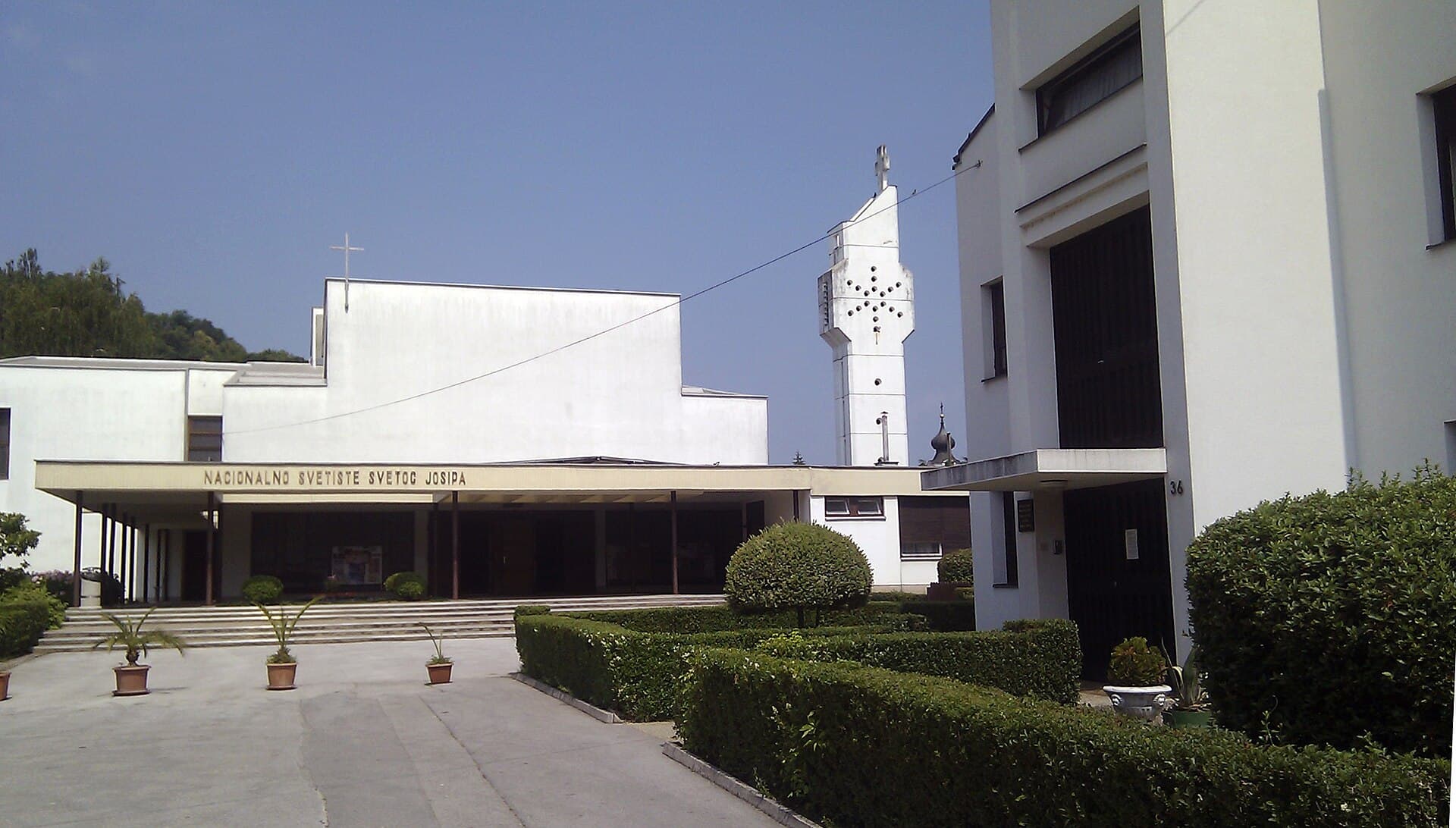
Karlovac’s most important group of sights is concentrated around the Zvijezda, where the city’s history can be read through squares, military and civic buildings and museum collections. The Karlovac City Museum was founded in 1904 and has been housed in the Frankopan Palace since 1953, creating a direct link between the collection and the historic centre. Dubovac Castle stands apart on higher ground and is one of the city’s most recognisable silhouettes. The National Shrine of Saint Joseph lies beyond the tightest part of the Zvijezda and adds an important religious landmark, while Aquatika offers a modern interpretation of Croatia’s freshwater ecosystems. These attractions work well together because they are not variations of the same experience: the museum supplies context, Dubovac offers a fortress and viewpoint, and the river and aquarium area reveal Karlovac’s natural dimension.

Beaches
Foginovo kupalište
Beach · Karlovac
Foginovo is Karlovac’s riverside bathing area on the Korana, equipped for summer swimming and recreation.
Bathing water quality nearby
- Korana Foginovo kupalište · 1.0 kmsufficient · season 2025
Source: European Environment Agency (EEA); data from Croatian authorities. · bathing water profile
Things to do
For a first visit, start in the Zvijezda and walk a few minutes to the City Museum in the Frankopan Palace before continuing toward the Korana promenades. The second half of the day can be devoted to Dubovac, where Karlovac changes character from a geometrically planned Renaissance centre to a hilltop stronghold. In warmer months, the Korana adds the option of a break around Foginovo, while Aquatika focuses on the freshwater life of Croatian rivers. With more time, both city and county tourism sources highlight cycling, kayaking and walking as logical extensions of the visit. This sequence gives Karlovac a particularly satisfying rhythm: architecture and museums first, then the river landscape, and finally either a higher viewpoint at Dubovac or an active experience on the water.
Food and drink
Karlovac has enough variety in its restaurant scene to fit a meal into different parts of a sightseeing day. The official city list includes places such as Vami, Kadoor, Tornado, Zrinski, Pod starimi krovovi, Lana Korana and Kvaka, so visitors do not need to remain in the very centre. Venues closer to the Korana work well with a riverside itinerary, while the area toward Dubovac and older neighbourhoods offers a different setting. Local food naturally connects with the wider county identity of rivers, freshwater fish and continental cooking, although the city also has restaurants with more contemporary menus. Because opening hours and seasonal operations can change, the sensible approach in 2026 is to check the current listing and then confirm details directly with the chosen restaurant before travelling.
Practical information
Practical information
Tourist information is easiest to obtain through the Karlovac Tourist Board and the county tourism office on Haulikova Street, whose official sites collect maps, events, restaurant information, transport guidance and excursion ideas. The city is compact enough to connect the Zvijezda, the Korana and several major sights on foot, although Dubovac and more distant points are easier with local transport, a bicycle or a car. In 2026, opening times for museums and visitor facilities should be checked before arrival because seasonal schedules can change. If Karlovac is being used as a base for the wider county, it is worth separating the city day from regional excursions: Ozalj, Duga Resa, Ogulin and Slunj are not merely quick roadside stops but destinations that reward dedicated time.
Getting there and around
Karlovac is a rail and bus junction on the corridor between Zagreb and the Rijeka–mountain region. Official visitor information identifies two rail stops that are useful to travellers: the main station in Banija is roughly a fifteen-minute walk from the centre, while Karlovac Centar is only a few minutes from the bus station. The bus terminal itself is about five minutes on foot from the Zvijezda, so arriving by public transport does not require another transfer to reach the historic core. The nearest major airport is Zagreb, approximately 60 kilometres away. A car gives the greatest flexibility for continuing into the surrounding county, especially toward Ozalj, Slunj and more remote river or hiking locations, while the central city sights can be explored comfortably without one.
Frequently asked questions
Which four rivers shape Karlovac’s identity?
They are the Kupa, Korana, Mrežnica and Dobra, and both city and county tourism organisations use the four rivers as a defining feature of Karlovac.
Where is the Karlovac City Museum?
The museum is housed in the Frankopan Palace on Strossmayer Square; it was founded in 1904 and has occupied the building since 1953.
How far is the bus station from the Zvijezda?
Official visitor information places the bus station about a five-minute walk from the Zvijezda.
Is public parking charged on Sundays in Karlovac?
According to the official information available in 2026, the covered public parking spaces are free on Sundays and public holidays.
Nearby

Mahićno
Village · Lika – Karlovac
More nearby
Donje Mrzlo Polje Mrežničko
Village · Lika – Karlovac
Related guides

Senj
Senj occupies a narrow strip between the sea and the Velebit foothills, so its streets climb quickly from the harbour towards Nehaj Fortress. The Uskoks, the fierce bura wind, seafaring and…
Read the guide
Help improve this page
Spot something missing or wrong? Suggest a correction, add your photo or report a problem. Editors review every suggestion before it is published.
Photo credits
- Karlovac — Bukovacka · CC BY-SA 4.0 · Wikimedia Commons
- Mahićno — DesertFox4 · Public domain · Wikimedia Commons
- Dubovac Castle, Holy Father Nikolai Church — Bearcro · CC BY-SA 3.0 · Wikimedia Commons
- National shrine of St. Josip — Vitek · CC BY-SA 4.0