
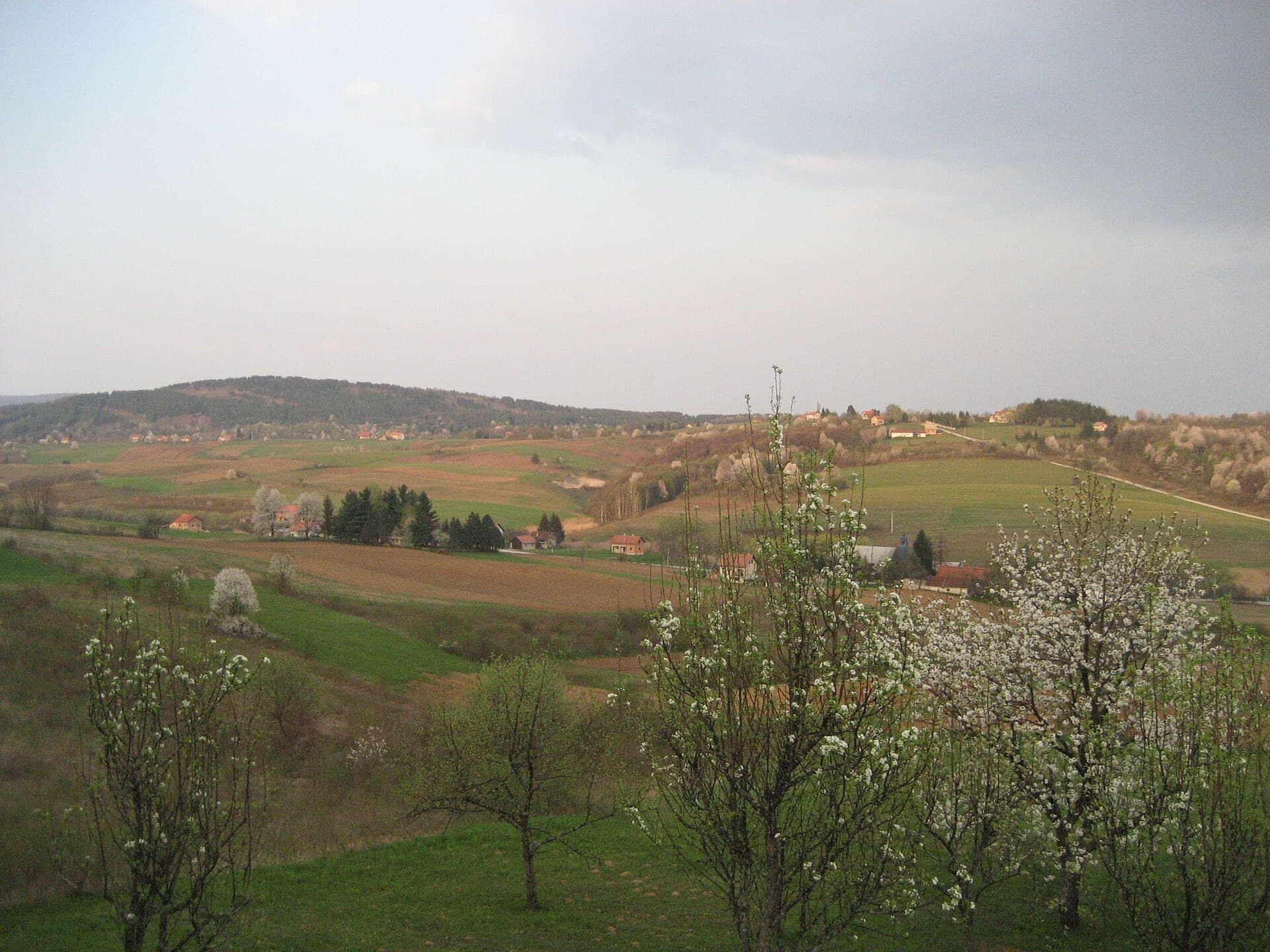
Plitvička Jezera Municipality
About this place
Plitvička Jezera as a visitor destination is organised around its national park, but the wider place name and the UNESCO-listed natural property are not interchangeable administrative entities. The main attraction is a system of lakes and waterfalls shaped by tufa barriers, where water and living organisms contribute to a landscape that is still changing. The Upper and Lower Lakes offer different shorelines and walking experiences, making the choice of route important. Kozjak is both part of the scenery and a connection served by the park's electric boat, while the Great Waterfall belongs to the more enclosed canyon setting. Unlike a lakeside bathing resort, this is not a swimming destination: park rules expressly prohibit it. It suits travellers prepared to walk and observe nature while respecting paths and seasonal restrictions. Choose an entrance and programme according to fitness rather than a famous photograph. A longer stay allows a gentler pace but does not remove the need to check tickets and route availability. Select accommodation by its real connection to the chosen entrance, particularly without a car or when travelling with children.
Stays nearby
 Apartment
Apartmeni Klenovica.eu
Klenovica
65 km from Plitvička Jezera Municipality
up to 4 guests · 1 bedroom
The host confirms the exact price for your dates and availability.
Things to see
 National parkUNESCO
Plitvice Lakes National Park
Nature · Plitvička Jezera Municipality
national park of Croatia, a UNESCO World Heritage Site
Things to do
Plan a one-day visit around one official programme. Route A from Entrance 1 covers the Lower Lakes and the Great Waterfall; the operator describes an approximately 3.5-kilometre circuit taking around two to three hours. That is a planning estimate, not a promise without breaks or queues. For a broader experience, choose a programme connecting both lake areas, subject to the electric boat and panoramic vehicle operating. Do not combine route letters casually, because each has its own starting point and return logic. With three days, use one for a shorter lake programme, another for a different park area with an appropriate ticket, and the third for relaxation near your accommodation or a separately planned local outing. Longer does not automatically mean better: attention to tufa, small watercourses and wooded shores matters alongside the largest waterfall photograph. Families should plan breaks and arrange food, water and clothing before entry. Dogs must remain on a lead, swimming is prohibited, and leaving the paths for photographs is not an acceptable shortcut.
For families
With children, choose a programme around the walking ability and patience of the slowest person, not the number of lakes on a map. Visits involve waterside passages, gradients and possible waits for transport. Pushchairs or reduced mobility require a route-specific accessibility check; national-park status does not guarantee step-free travel. Before starting, organise layers, water and planned breaks. Explain that the water is not a bathing area and that paths must be respected. A shorter visit allowing time to observe is often more rewarding than an exhausting attempt to follow every long route in a single day.
Frequently asked questions
May I swim in the lakes?
No. Swimming is prohibited by national-park rules.
Are dogs allowed?
Yes, on a lead and subject to park rules.
Are all routes equally demanding?
No. Compare distance, gradients, starting entrance and transport use.
Can everything be seen from the boat?
No. The Kozjak boat is part of certain routes; much of the visit involves walking.
Should I choose an entrance before buying?


Related guides

Senj
Senj occupies a narrow strip between the sea and the Velebit foothills, so its streets climb quickly from the harbour towards Nehaj Fortress. The Uskoks, the fierce bura wind, seafaring and…
Read the guide
Help improve this page
Spot something missing or wrong? Suggest a correction, add your photo or report a problem. Editors review every suggestion before it is published.
Photo credits
- Plitvička Jezera Municipality — Silverije · CC BY-SA 4.0 · Wikimedia Commons
- Smoljanac — ANDREJ NEUHERZ · CC BY-SA 3.0 · Wikimedia Commons
- Čatrnja — Erik van Luxzenburg · CC BY-SA 3.0 · Wikimedia Commons
- Drežnik Grad — David Franjković · CC BY-SA 3.0 · Wikimedia Commons


