
Sisak
About this place
Sisak stands on the Kupa, Sava and Odra, and its character is shaped by three unusually visible layers: Roman Siscia, a frontier fortress and the industrial city of the 19th and 20th centuries. Ancient Siscia operated an imperial mint and became the capital of Pannonia Savia in 297. At the meeting of the Kupa and Sava, the triangular Old Town fortress was begun in 1544 and ready for defence by 1550; it is inseparable from the decisive defeat of the Ottoman army on 22 June 1593. The modern centre is best explored beside the Kupa, linking archaeological traces of Siscia, the Cathedral of the Exaltation of the Holy Cross and the brick-and-stone Old Bridge completed in 1934. Mali Kaptol, one of Sisak’s oldest masonry houses and a late-18th-century building, now accommodates the tourist office. Railways, the refinery and metal industries later shaped Caprag and the city’s working landscape. The Old Town fortress remains closed for earthquake repairs following the 29 December 2020 earthquake, but its riverside setting and exterior are still central to understanding Sisak.
Sisak was shaped by the Odra flowing into the Kupa and the Kupa meeting the Sava, a geography that made it a river port, transport hub and site of unusually long urban continuity. Segestica occupied both banks of the Kupa; after Octavian’s conquest in 35 BC, a Roman military camp developed into Siscia, first a colony and later the capital of Pannonia Savia. The city’s defensive chapter is embodied by the triangular Old Town fortress near the confluence, associated with the 1593 victory over the Ottoman army. Civil Sisak and Military Sisak, once facing each other across the Kupa, were united in 1874 as a free royal city. Railways, river warehouses, the oil refinery and the ironworks later made Sisak a major Croatian industrial centre, an identity still legible in its station, workers’ districts and Ironworks Sculpture Park.
Things to see
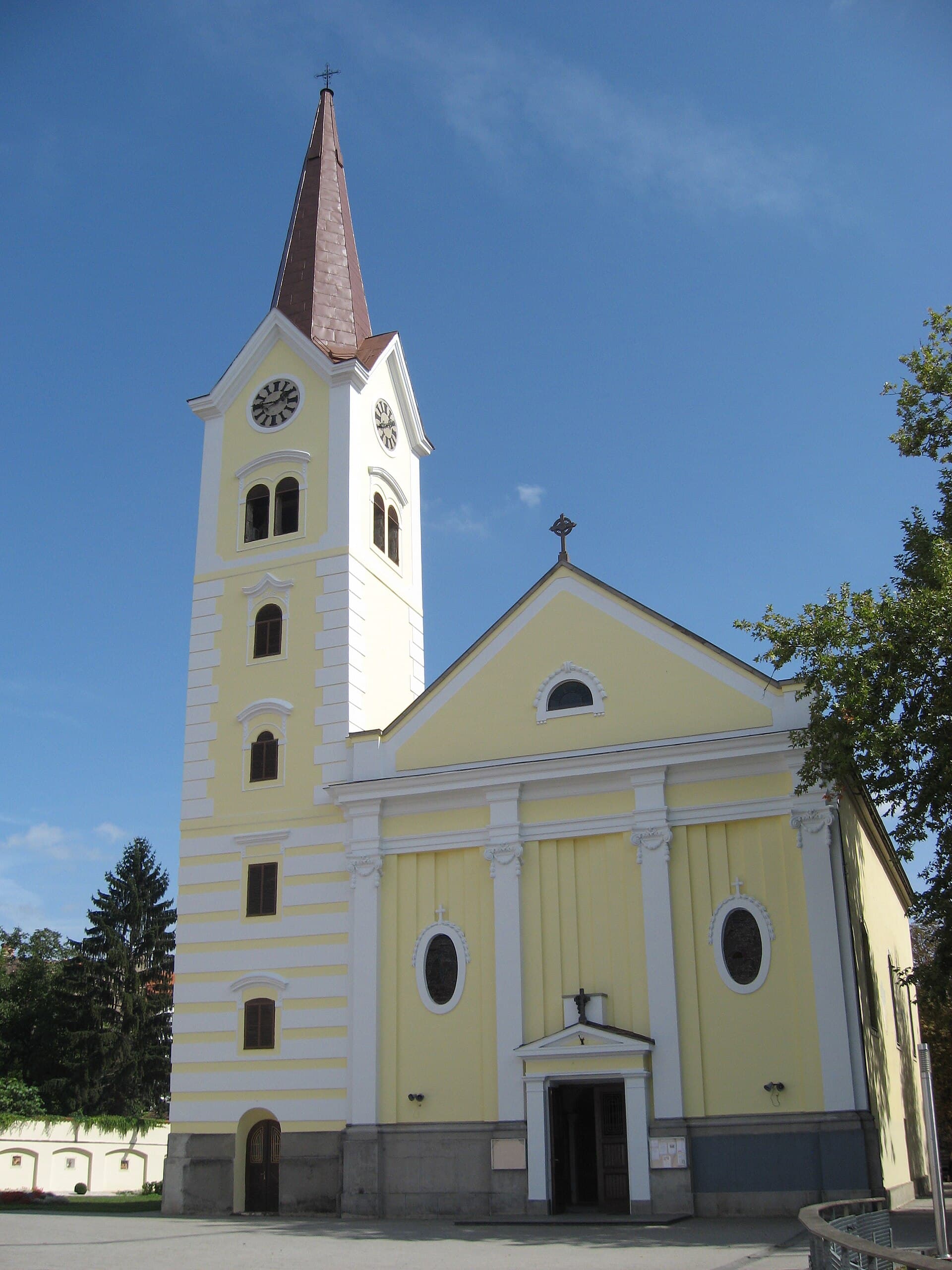
Construction of the Old Town fortress began in 1544, and it was ready for defence by 1550; stone from ruined Siscia was reused in the work. The Old Bridge, completed in 1934, is recognisable by its combination of brick and stone, while its wooden predecessor of 1862 first joined Civil and Military Sisak. Mali Kaptol dates from the late 18th century and now houses the tourist office. The Roman layer is most clearly followed between the IN SITU site and the St Quirinus Archaeological Park.


Stays further afield
- Holiday home
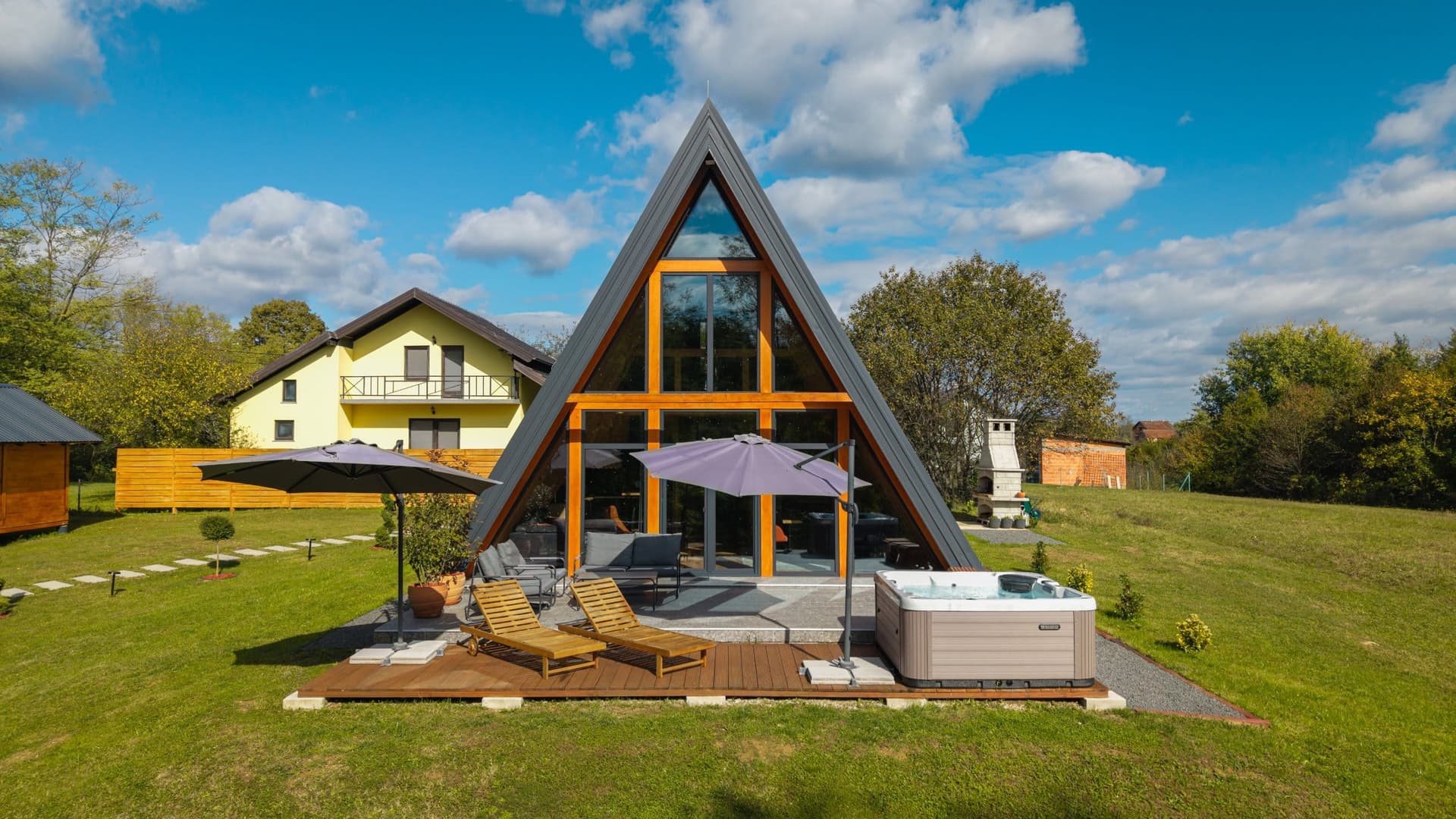 38 km from Sisak
- Apartment
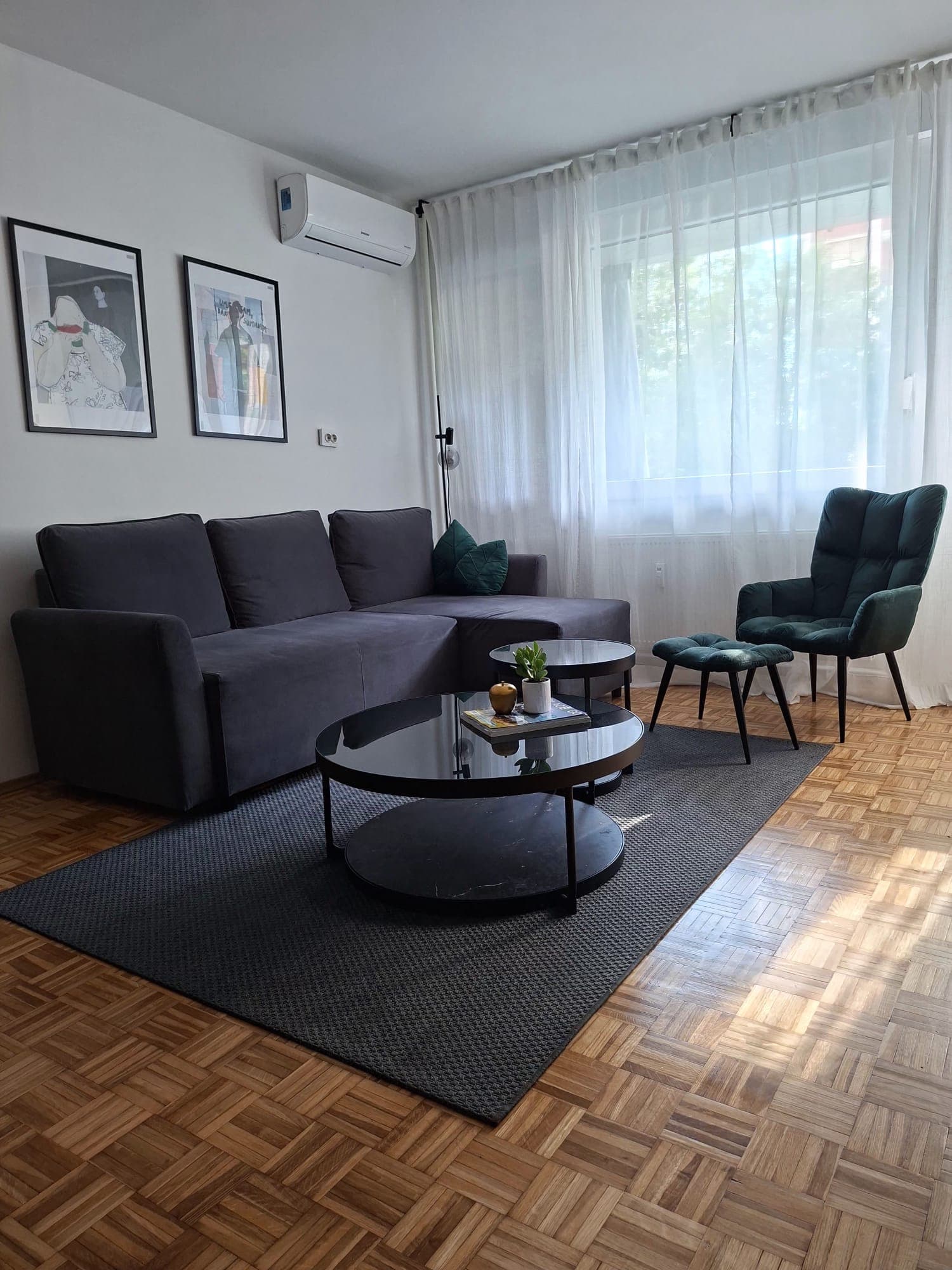 48 km from Sisak
Be the first to list here
Guests looking for this place only see stays nearby for now. No commission, and enquiries come straight to you.
List your accommodation
Things to do
Begin beside the Kupa at Mali Kaptol, where seven illuminated displays in the Sisak Historical Ring condense the city’s story from Segesta to modern times. The riverside walk leads towards the 1934 Old Bridge, whose brick-and-stone structure joins Sisak’s two historic banks. Look for the Roman layer at Siscia in situ, then follow the industrial story through the Dutch House interpretation centre and the sculpture park created around the Ironworks artists’ colony. Continue to the Old Town fortress for the view where the Kupa meets the Sava; its interior remains closed because of damage from the 2020 earthquake. For a longer ride, the Posavina cycling route starts below the fortress walls and enters Lonjsko Polje at Čigoč after leaving Sisak.
Food and drink
The Sisak tourist board maintains a dedicated restaurant directory that includes Vječna Vatra at 5 Lađarska Street, a convenient stop after walking beside the Kupa. Local menus range from weekday gablec lunches and grilled meat to river fish and contemporary Croatian or international cooking. For a setting outside the centre, Gornje Komarevo has a restaurant specialising in grilled food and game. Participating Sisak venues also create fixed promotional menus during Restaurant Week, an event traditionally held in March and October.
Tours and activities
AdAd · partner offers: Viator, GetYourGuideThe partner handles booking, payment and support. StayBravo may earn a commission on bookings made through these links.How we choose offersWe choose offers based on the page you are viewing: the partner destination for this place or the nearest one (with its distance), and on a sight page only offers that mention it. We show offers rated at least 4.3 with at least 10 reviews, without multi-day tours or pure transfers, ordered by rating adjusted for the number of reviews and then by the partner’s order. We do not use data about you, and the commission does not affect the order.GetYourGuide offers are selected and ordered by GetYourGuide based on the name of the nearest larger town or national park; we do not influence their selection and do not use data about you.GetYourGuide · Sisak
We show GetYourGuide offers once you allow their cookies.
Viator
Nearest destination: Zagreb (48 km)
Communism & Croatian Homeland War Tour (opens in a new tab)
Explore the turbulent 20th century in Croatia in a entertaining way combining historical facts and personal experiences. You will find out more about Croatia’s relations with neighbouring countries…
Rated 5 out of 5 · 1,561 reviews· 2 h
Free cancellation
from €39
Zagreb Highlights: Old Town, WWII tunnels, Funicular & Tastings (opens in a new tab)
Zagreb Highlights keeps groups small, up to 16 people, so you get a genuinely personal experience with your licensed local guide. In 2 hours, you'll cover the city's must-see landmarks, descend into…
Rated 5 out of 5 · 1,227 reviews· 2 h
Free cancellation
from €20

Zagreb Food Tour: Local Dishes & City Stories (opens in a new tab)
Join a small-group food tour of Zagreb, and spend 3 hours tasting authentic local dishes at some of the city's best food spots. From savoury street food to traditional pastries and local liquor…
Rated 5 out of 5 · 296 reviews· 3 h
Free cancellation
from €79
Plitvice Lakes Guided Day Tour from Zagreb (opens in a new tab)
Explore the beautiful Plitvice Lakes National Park on this day tour from Zagreb. Located at the top of Croatia’s Adriatic region, in the Dinaric Alps, this UNESCO-listed site is one of the must-see…
Rated 4.9 out of 5 · 526 reviews· 11 h
Free cancellation
from €65
Plitvice Lakes with Ticket & Rastoke Guided Tour from Zagreb (opens in a new tab)
Escape the city and immerse yourself in Croatia’s most stunning natural wonder—Plitvice Lakes National Park, a UNESCO World Heritage site. This full-day guided tour from Zagreb includes entry…
Rated 4.9 out of 5 · 1,045 reviews· 10 h
Free cancellation
from €75
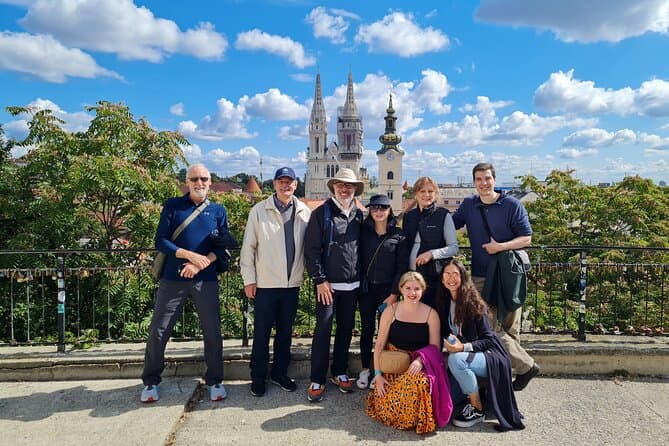
Walking tour of Zagreb (opens in a new tab)
Get your walking shoes on and take a stroll with us as we show you the highlights of our wonderful city. We have the local insights and handy tips to leave you wanting to explore some more. We will…
Rated 4.9 out of 5 · 513 reviews· 2–3 h
Free cancellation
from €20
Practical information
Practical information
The Sisak tourist office operates at 1 Trg grada Heidenheima. Visitors should note that the Old Town fortress remains closed for repairs following the 2020 earthquake and can therefore be viewed only from outside. Central sights beside the Kupa join easily into a walking route, whereas the fortress at the confluence and industrial Caprag are more convenient by car, bus or bicycle. Auto promet Sisak publishes information on urban and suburban buses, while national rail times are provided by HŽ Passenger Transport.
Parking
The intermodal Park&Ride facility in Zvonimirova Street provides 109 spaces immediately beside the railway station and bus terminal. It is reserved for passengers who leave their car in Sisak and continue by train or an Auto promet Sisak bus, so it is not general all-day tourist parking without a public-transport ticket. A valid ticket is required, while the vehicle registration can be sent to controllers through Viber, WhatsApp or Messenger without installing a dedicated app. Separate public spaces beside the Park&Ride serve other users, including visitors to the Zeleni Brijeg sports hall. Anyone planning a walk through the historic centre should therefore distinguish the passenger-only Park&Ride spaces from the adjacent public parking area.
Getting there and around
Sisak lies on the Zagreb–Novska railway corridor, and its railway station and bus terminal stand next to one another in Zvonimirova Street. Croatian Railways’ 2025/26 timetable remains valid until 12 December 2026, with several amendments introduced during the year, so departures should be checked for the precise travel date. Auto promet Sisak operates the local bus network; since May 2025, route 6 has crossed the restored Old Bridge, linking Frankopanska Street, Viktorovac and the former ironworks area before returning towards the bus terminal. The route runs on working days, with its first departure at 07:00 and last at 19:00, but does not operate on Saturdays, Sundays or public holidays.
Frequently asked questions
Can visitors enter Sisak’s Old Town fortress?
No. The fortress is closed for repairs following the earthquake of 29 December 2020.
When was Sisak’s Old Bridge built?
The present brick-and-stone Old Bridge was completed in 1934.
How many spaces does the Sisak Park&Ride have?
The Park&Ride beside the terminals on Zvonimirova Street has 109 spaces.
Where is the Sisak tourist office?
The Sisak tourist office is at 1 Trg grada Heidenheima.
When did Siscia become the capital of Pannonia Savia?
Siscia became the capital of the province of Pannonia Savia in AD 297.
Nearby
Sisak
Open in OpenStreetMap(opens in a new tab)Smaller places
straight-line distance
Related guides

Osijek
Tvrđa and the centre around the main square are distinct starting points for understanding Osijek. The former emphasises the fortified historic quarter and Baroque architecture; the latter…
Read the guide

Vukovar
A cultural visit to Vukovar has several separate centres of gravity. Eltz Palace and the City Museum address the city and its inhabitants across different periods. Vučedol reaches much…
Read the guide

Stubičke Toplice
Stubičke Toplice derives almost its entire identity from thermal water and the Zagorje landscape. There is no large urban historic core; green spaces, bathing facilities and traces of the…
Read the guide
Slavonski Brod
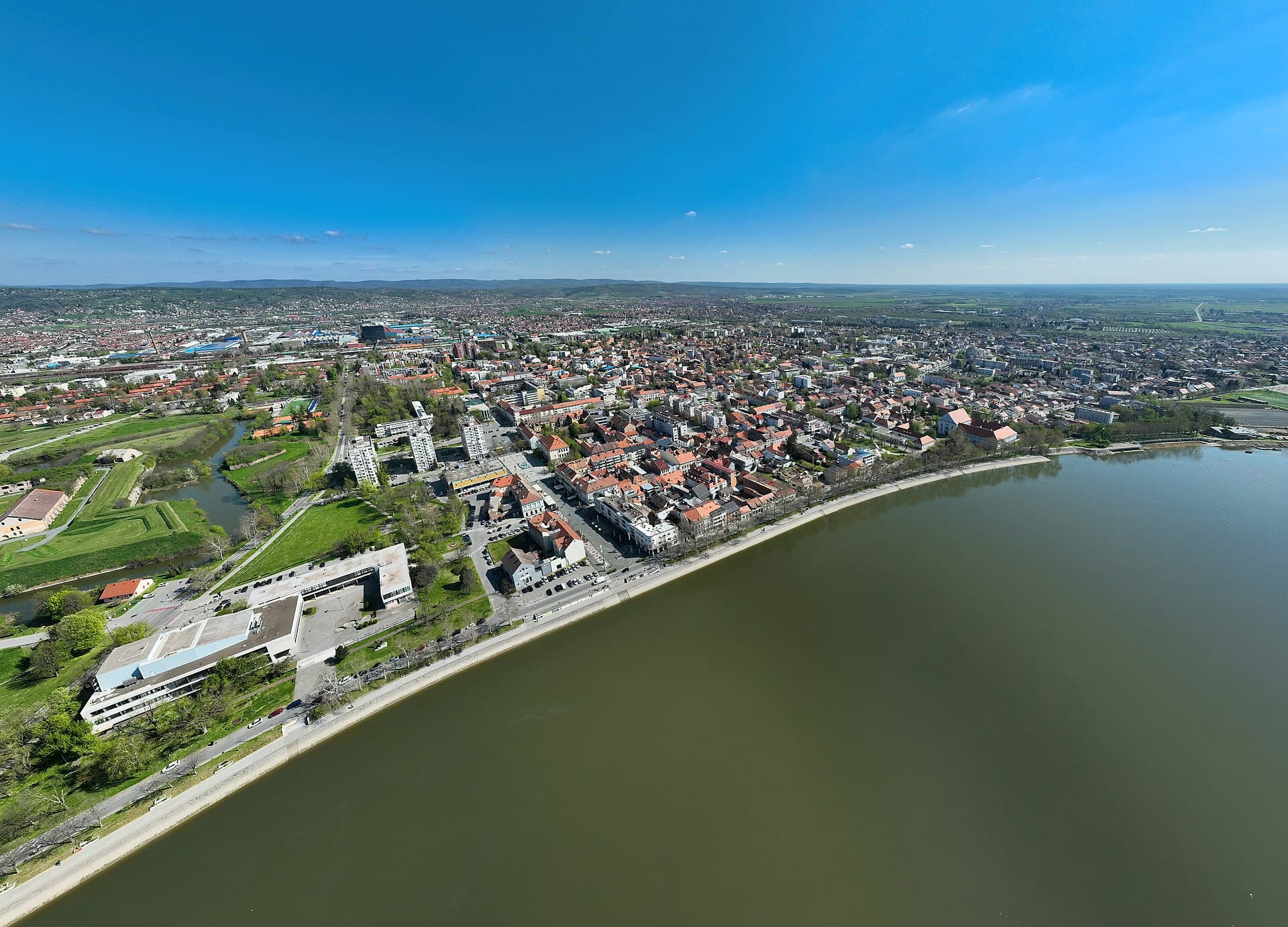
Slavonski Brod developed around one of the major crossings of the Sava, and that border and transport role left a strong mark on the city. Brod Fortress represents the eighteenth-century…
Read the guide
Know Sisak? Correct us
Tell us in your own words what is not accurate. We check right away.Do not enter personal data. Corrections are checked by the StayBravo AI assistant; changes to the description are approved by an editor. Use the form instead
Do you know Sisak?
Help the guests who come after you.
Help us complete
Nothing is published without an editor’s review.Report illegal content
Photo credits: Sisak — Lucija Bušić (CC BY-SA 4.0) · Stupno — I would appreciate being notified if you use my work outside Wikimedia. More of my work can be found in my personal gallery. (CC BY 3.0) · Sisak Fortress — Mihovilhrgovic (CC BY-SA 3.0) · Siscia — Darko Tepert Donatus (CC BY-SA 3.0) · Sisak Cathedral — Andres rus (CC BY-SA 3.0) · St. Quirinus Basilica — Antonio Pillon (CC BY-SA 4.0) · Kuća za odmor Green Zen — IVICA ŠKRINJARIĆ (courtesy of the property owner) · Book Me Apartman — Natalija Kirša (courtesy of the property owner) · Osijek — Rp031 (CC BY-SA 4.0) · Vukovar — Bybbisch94, Christian Gebhardt (CC BY-SA 4.0) · Stubičke Toplice — MOs810 (CC BY-SA 4.0) · Slavonski Brod — Petar Milošević (CC BY-SA 4.0)