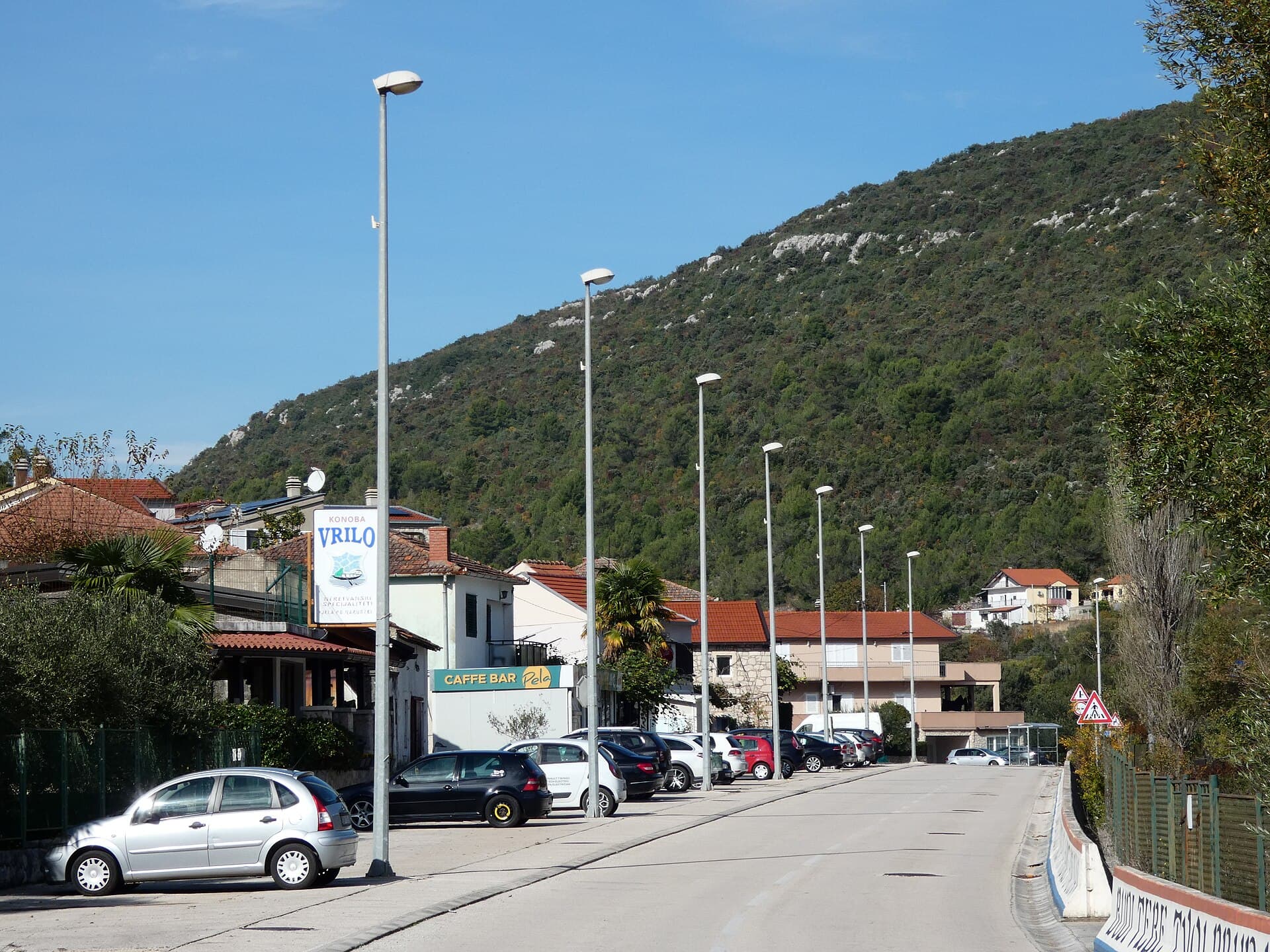
About this place
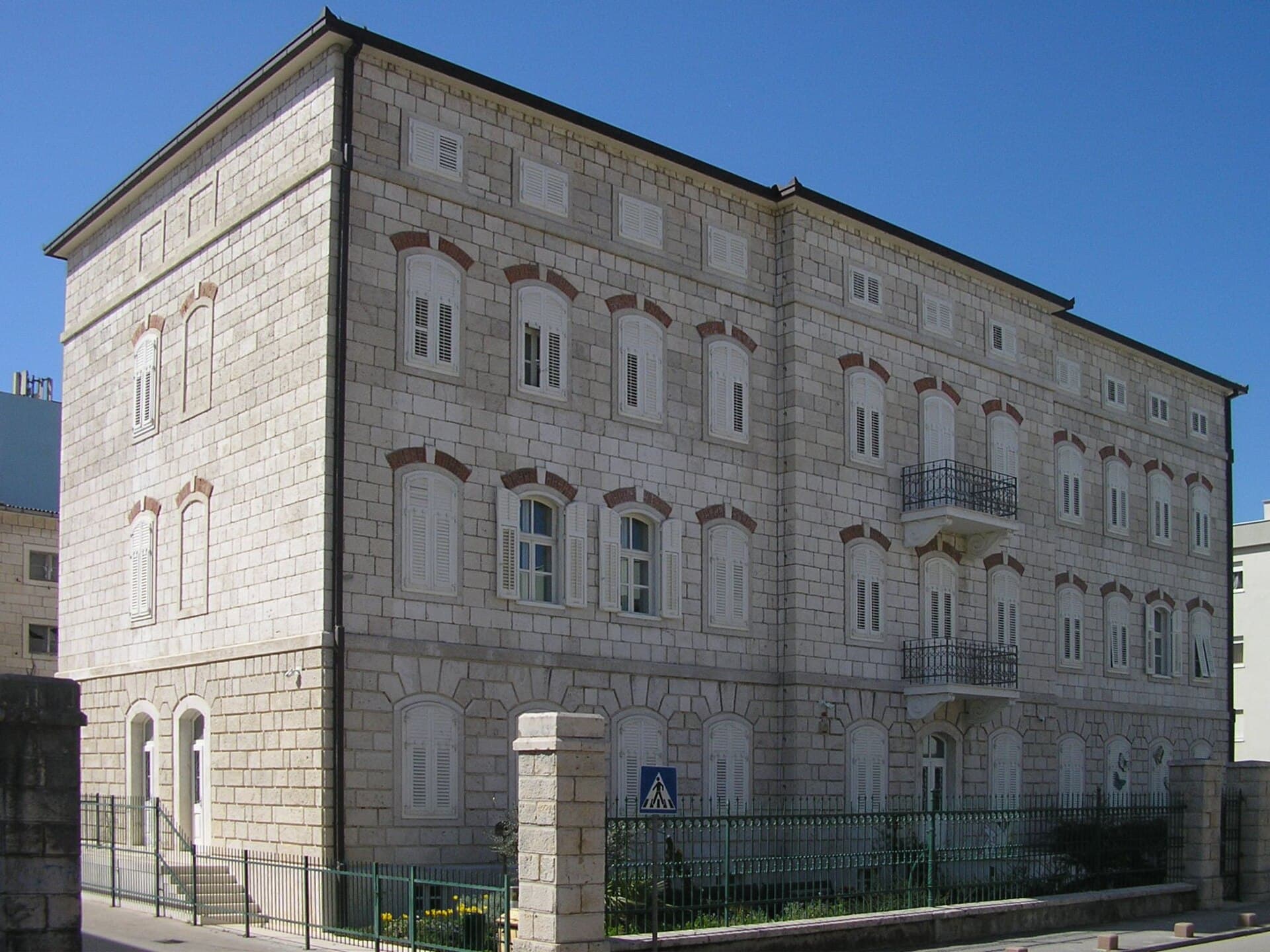
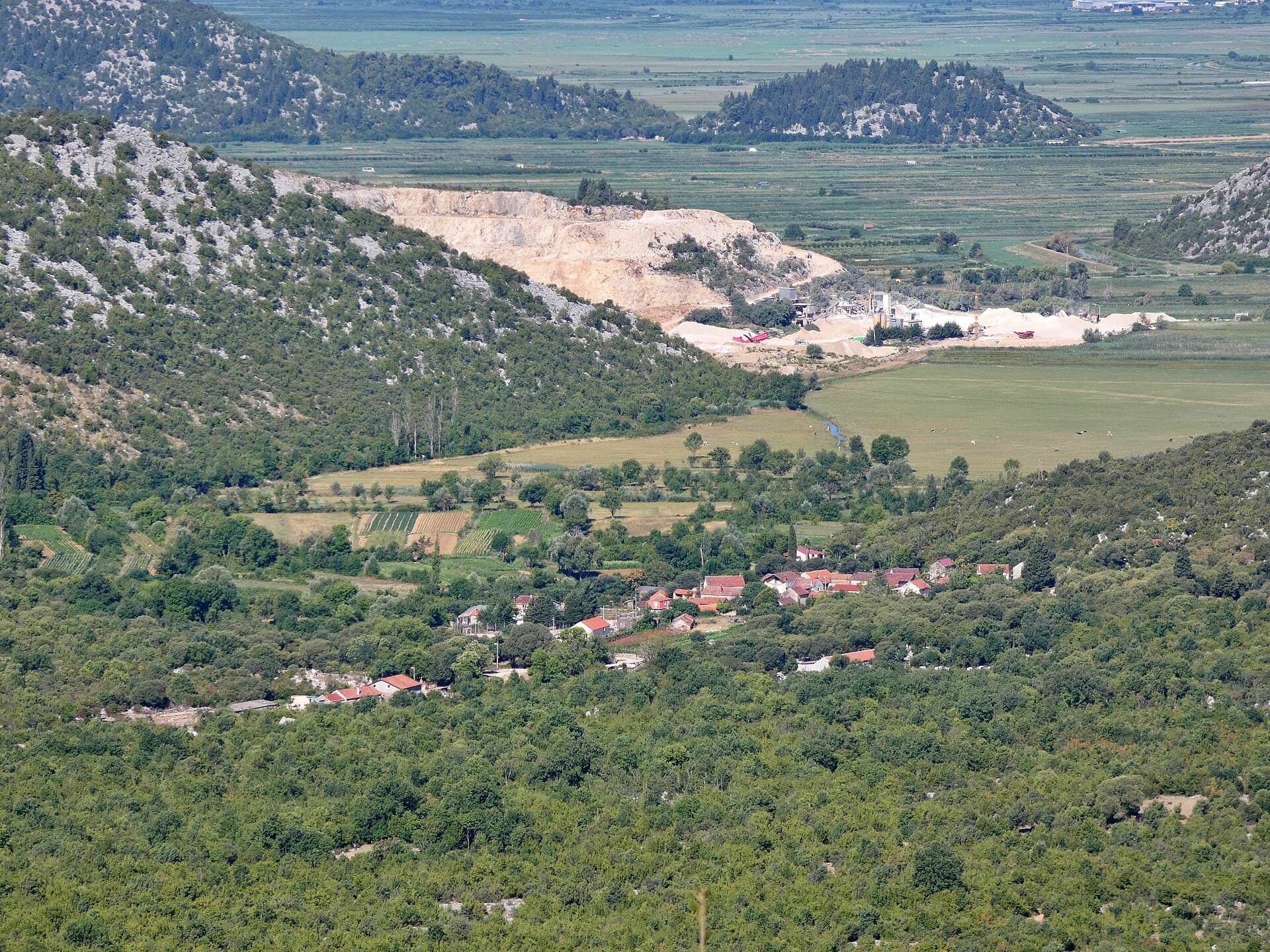
Metković stands on the Neretva close to the border with Bosnia and Herzegovina, where the river valley begins opening into its delta. Its visitor identity is not conventionally coastal: quays, channels, reed beds, mandarin orchards and traditional riverboats matter more than a seaside promenade. The Natural History Museum on Kralja Zvonimira Street displays more than 340 bird specimens and explains the formation of the delta, while nearby Vid is home to the Narona Archaeological Museum, built over the remains of an Augusteum on the Roman forum. Above town, the protected Predolac–Šibanica landscape overlooks the Neretva; near Prud, surviving wetlands shelter breeding bitterns, little bitterns and ferruginous ducks. A traditional lađa trip along the Norin and delta backwaters offers the closest encounter with the environment that shaped local fishing and citrus cultivation. The signature dish is Neretva brudet made with eel and frogs, served at restaurants in Vid and Prud. For swimming, visitors travel towards the sandy Neretva mouth or the Adriatic beaches around Klek; Metković itself is better suited to museums, food and river exploration than a conventional beach holiday.
Metković occupies both banks of the Neretva beside the national border and the upper edge of the broad delta plain. The town developed as the valley’s transport and trading centre, but its modern identity is defined most clearly by wetland channels, mandarin orchards and the traditional Neretva lađa. The Natural History Museum brings more than 340 bird specimens into the town centre, while Roman Narona in Vid and the Prud bird reserve are only a short drive away. From the Predolac–Šibanica ridge, the view encompasses the Neretva, Metković and cultivated plots reclaimed from former marshland. This is not a typical Adriatic resort but a river base for archaeology, birdwatching, mandarin harvests and delta exploration.
Stays nearby
 Apartment
Apartmeni Klenovica.eu
Klenovica
Klenovica, 320 km from Metković
up to 4 guests · 1 bedroom
The host confirms the exact price for your dates and availability.
Things to see
The Metković Natural History Museum opened in 2015, building on an ornithological collection first presented to the public in 1952; its displays cover birds, herbarium material, insects, butterflies, shells and delta fish. In Vid, the Narona Archaeological Museum shelters the remains of an Augusteum, a Roman temple built around 10 BC, and exhibits statues of the Julio-Claudian dynasty. Within Metković, the churches of St Elijah, St Nicholas and St Francis of Assisi shape the religious townscape. The Predolac–Šibanica protected landscape, designated in 1968, preserves Aleppo pine, cypress and holm oak woodland and provides a panorama over the town, river and cultivated delta plain.

St. George Orthodox church
Landmark · Metković
The Orthodox Church of St George on Predolac is a cross-plan church beside the Orthodox cemetery in old Metković.
Beaches
Metković has no conventional town beach because it lies on the river upstream from the Adriatic shoreline. The valley’s most distinctive bathing landscape is at the Neretva mouth, where broad sand and shallow water attract swimmers, kiteboarders and wind-powered board sports; beach access and parking are free. Tourism planning documents identify the sandy areas known as Ušće, Galičak and Plaža, also connected to Metković by a cycling corridor through Komin and Rogotin. For a more conventional mix of pebbles and open Adriatic water, continue towards Klek. In Metković itself, the riverfront is better suited to walking and boat trips than to spending an entire day swimming.
Things to do
Begin at the Metković Natural History Museum, where specimens representing 218 bird species explain the diversity of the Neretva’s habitats. After a walk along the town’s riverfront, travel roughly 4.8 kilometres to Vid and explore the Narona Archaeological Museum, constructed over the Roman Augusteum. From Vid or Prud, board a traditional lađa for a journey along the Norin and reed-fringed backwaters. Towards evening, climb towards Predolac for views across the town and valley. During the harvest season from late September into early January, add a visit to a mandarin orchard and finish with Neretva brudet at a restaurant in Vid or Prud.
Food and drink
Neretva brudet, locally often called brujet, is based chiefly on eel and frogs, sometimes with other river or brackish-water fish, and is generally served with polenta. Đuđa i Mate on Vid’s Velika Riva combines such a meal with a visit to Narona, while Konoba Vrilo in Prud is conveniently placed after a lađa trip or wetland outing. Villa Neretva in Krvavac II is another address highlighted by the local tourist board. Within Metković itself, the listings include Konoba Ponte on Splitska Street, Papar Grill on Dr Franjo Tuđman Square and Pizzeria Milano in Sportska Street. Autumn menus also coincide with the mandarin harvest.
Practical information
Practical information
The Metković Tourist Board is at 3 Ante Starčevića Street, while the Natural History Museum is at 4 Kralja Zvonimira Street, allowing both to be linked on foot through the centre. The Narona Museum is not downtown but in Vid, approximately 4.8 kilometres from Metković. The official visitor map marks the hospital, pharmacies, bus and railway stations, parking areas and an electric-vehicle charging point. A local operator should be arranged in advance for a Prud wetland or traditional-boat excursion, as the reed beds are not laid out like an urban park. Mandarin harvest visits run from late September until early January, giving autumn a particularly strong local character.
Parking
Metković’s official visitor map marks parking areas on both sides of the urban area and an electric-vehicle charging point, but it does not publish a single confirmed 2026 parking tariff. For the Natural History Museum and riverfront, it is sensible to leave the car centrally and continue on foot, then drive separately to Narona in Vid or the Prud reserve. At the sandy Neretva mouth, beach access and parking are free, which is useful for a full-day outing from Metković. Summer events occupy the City Park and waterfront, so temporary traffic arrangements should be expected during the Neretva diving competition, Cipolijada and the start of the traditional Boat Marathon.
Getting there and around
Metković is reached by road via the A1 motorway and the D8–D9 corridors, and its official visitor map marks both bus and railway stations. The railway follows the Neretva valley towards Ploče and across the border towards Čapljina and Mostar, although international and seasonal services must be checked for the specific travel year. Roughly 4.8 kilometres of road separate Metković and Vid, making Narona, Prud and the traditional-boat departure points easier by car or arranged transfer than on foot. In the centre, the riverfront, Natural History Museum and principal churches can be linked on foot; a car or bicycle is more practical for the Neretva mouth.
Frequently asked questions
Is the Narona Museum in central Metković?
The museum is in Vid, roughly 4.8 kilometres from Metković, built over the remains of the Roman Augusteum.
What is displayed in the Natural History Museum?
The displays include more than 340 bird specimens together with plants, insects, butterflies, shells and fish from the Neretva delta.
When is the mandarin harvest season?
Visitor harvests in the Neretva valley begin in late September and can continue into early January.
Does Metković have a sea beach?
There is no conventional sea beach in town; head to the Neretva mouth for sand or towards Klek for Adriatic pebble beaches.
Nearby

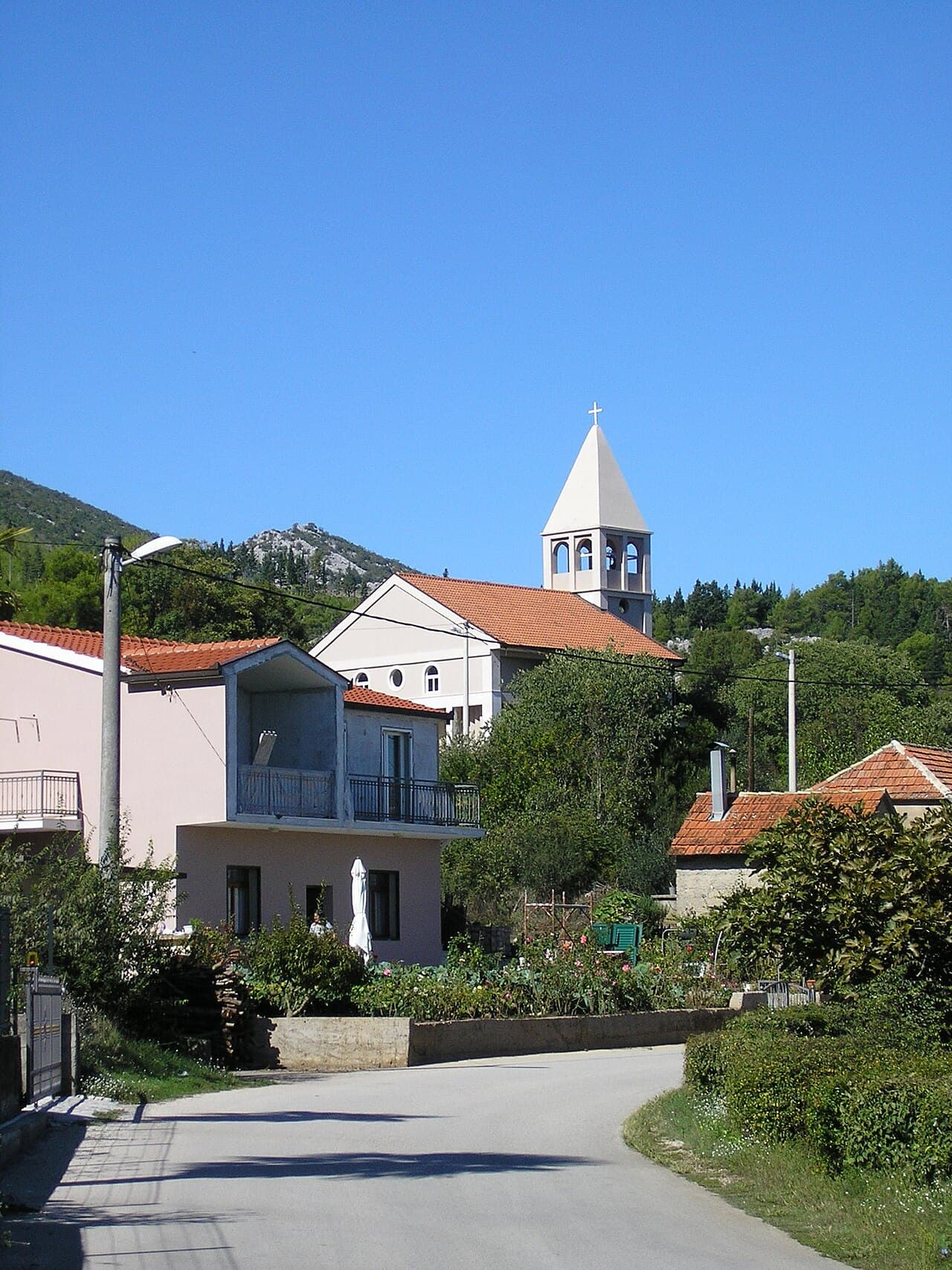
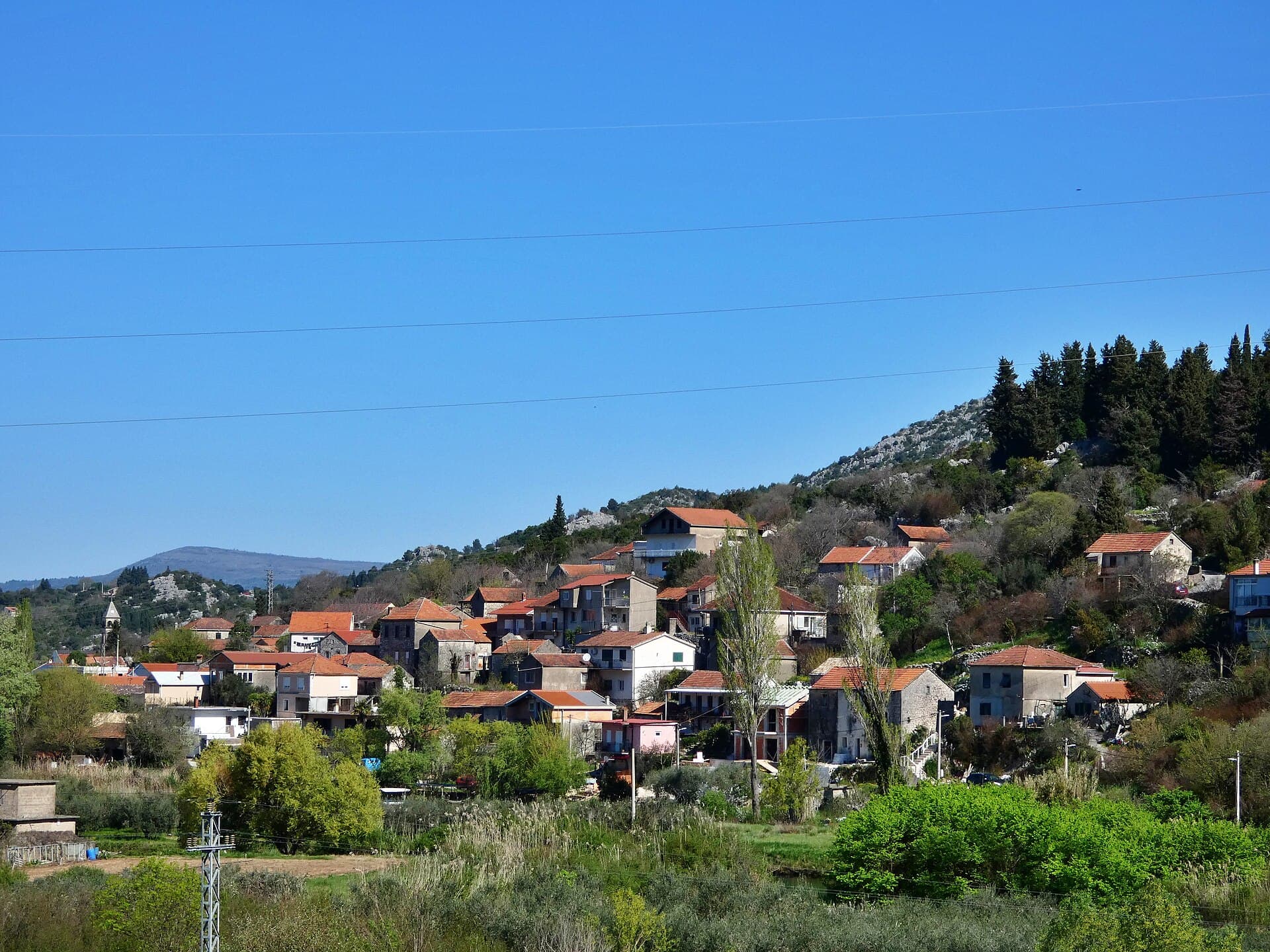
Vid
Village · Dalmatia – Dubrovnik
Related guides

Dubrovnik
Dubrovnik’s historic centre is organised around Stradun, yet its character changes within a few steps of that main street. At the western end beside Pile stand the Large Onofrio Fountain,…
Read the guide

Help improve this page
Spot something missing or wrong? Suggest a correction, add your photo or report a problem. Editors review every suggestion before it is published.
Photo credits
- Metković — Jure Grm · CC0 · Wikimedia Commons
- Vid — Miroslav.vajdic · CC BY-SA 4.0 · Wikimedia Commons
- Bijeli Vir, Glušci, Prud — Ma▀▄Ga · CC BY 4.0 · Wikimedia Commons