Vid
About this place
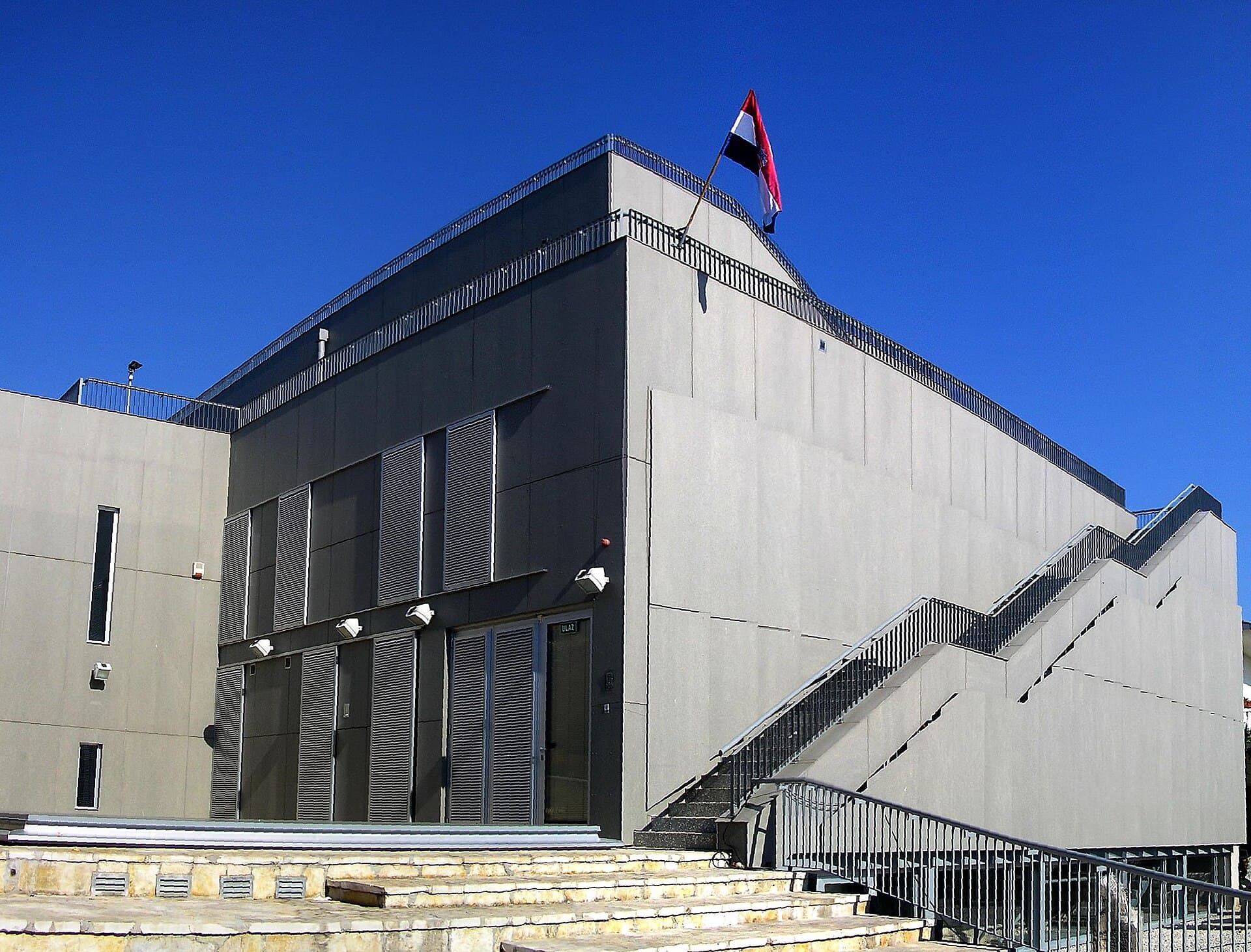
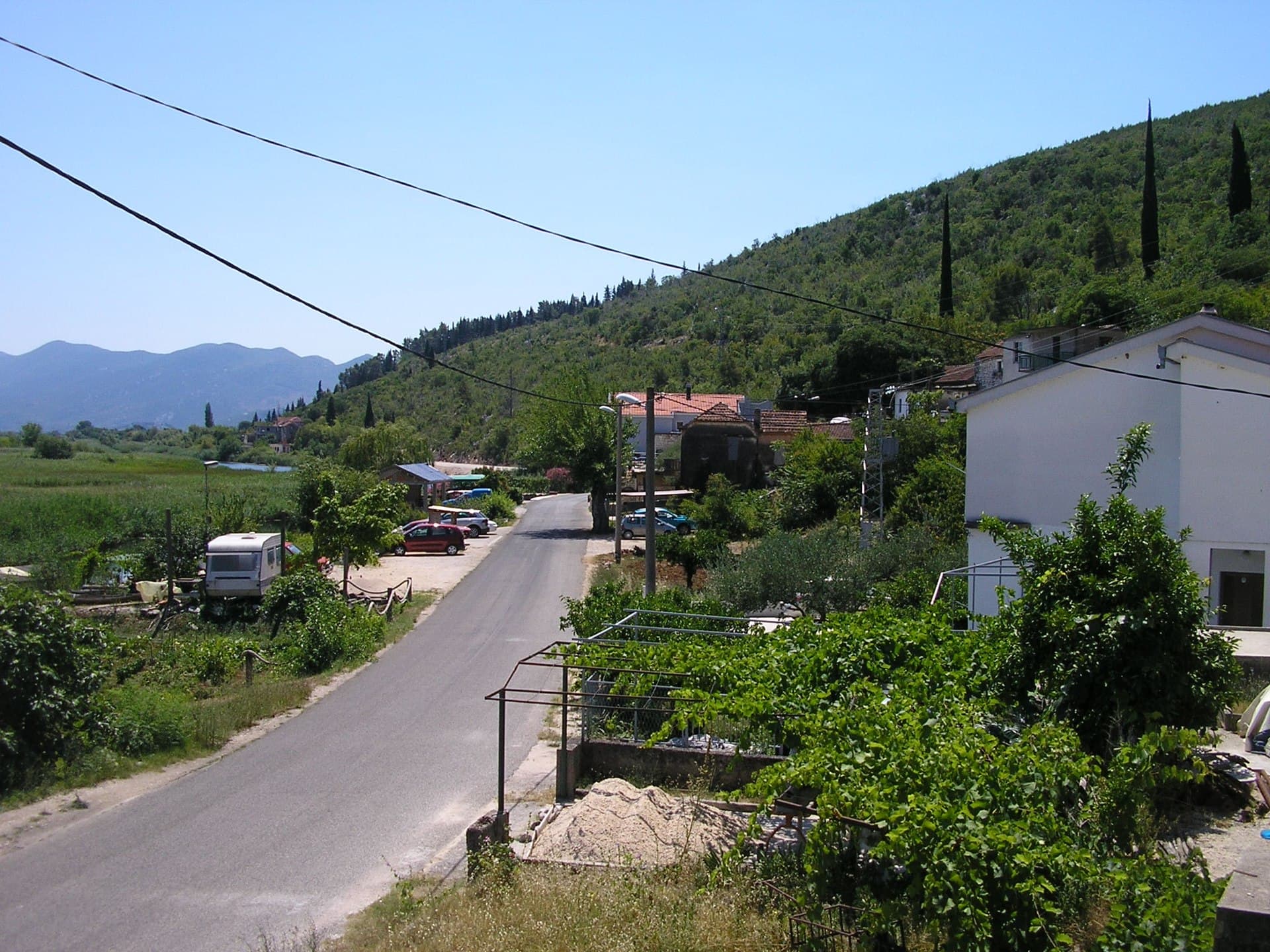
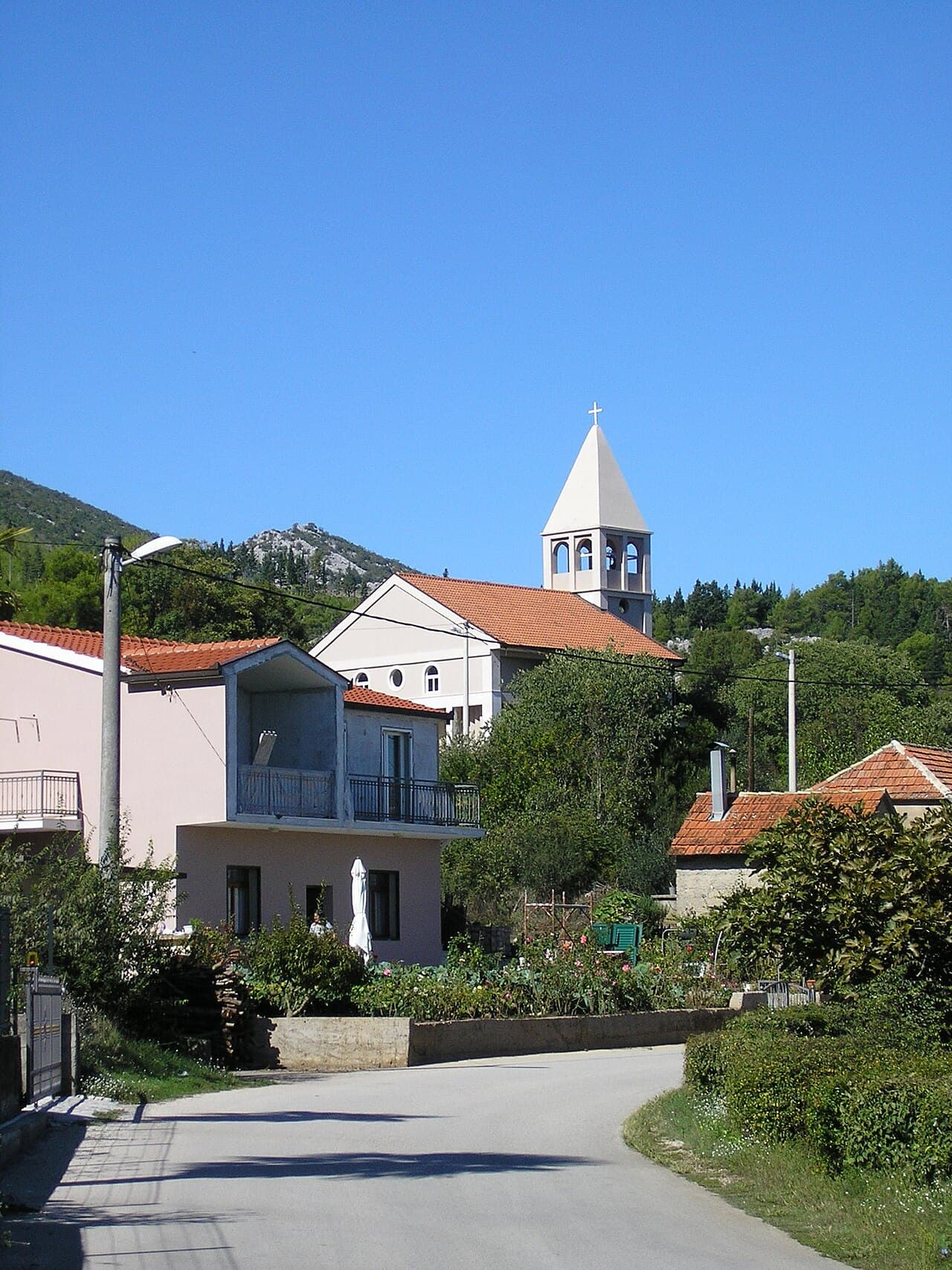
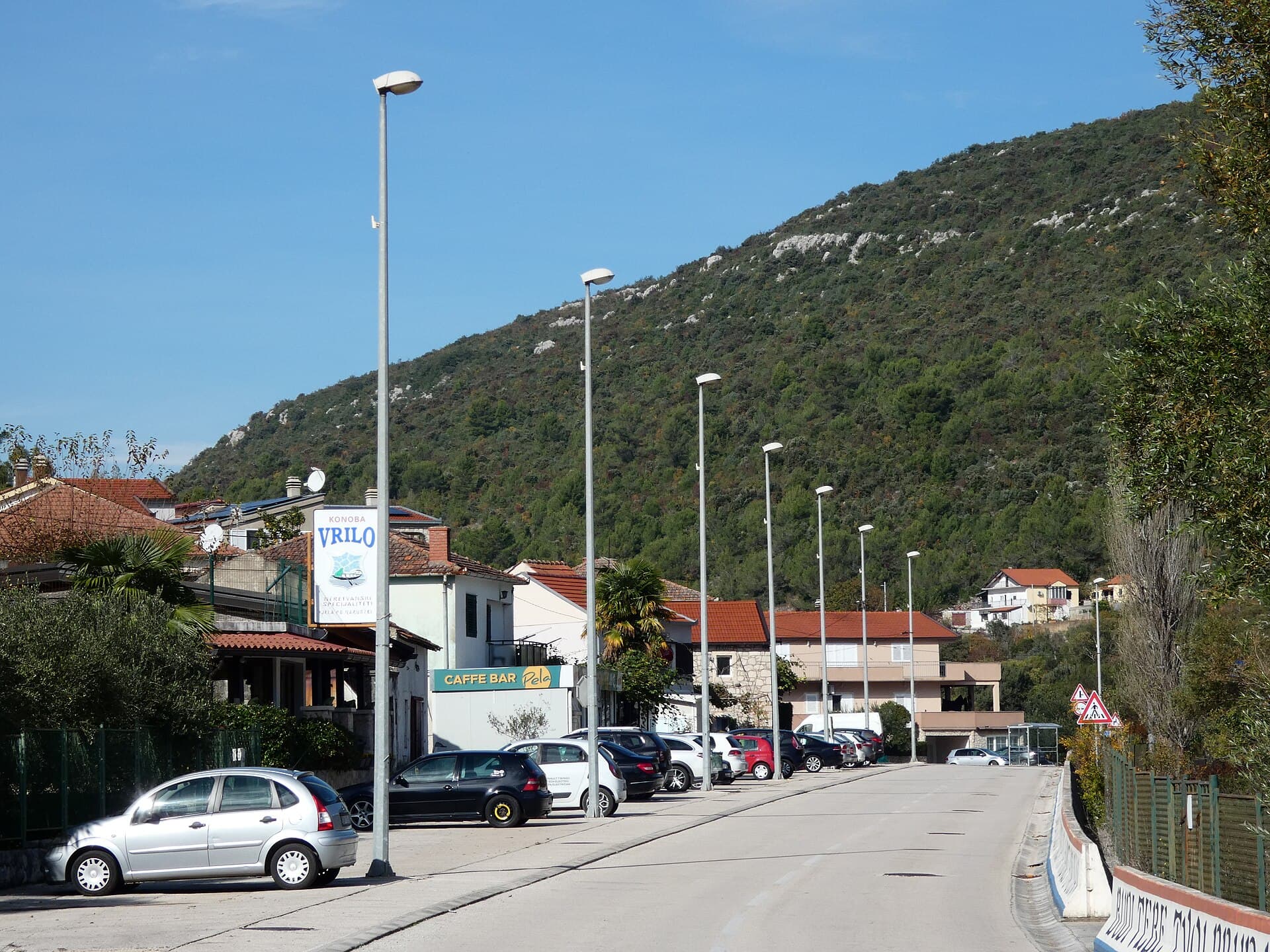
Vid lies four kilometres northwest of Metković, where the modern village occupies the very ground of ancient Narona. Rather than a fenced-off archaeological park, it is a lived-in place where a Roman forum, late-antique churches and present-day homes share the same hillside. The Narona Archaeological Museum stands directly above the Augusteum, a temple built around 10 BC, allowing visitors to see the sanctuary in its original setting. Its defining exhibit is a group of 17 marble statues portraying emperors, members of imperial families and deities, uncovered during excavations in 1995 and 1996. Higher up, surviving walls and towers trace the old city defences, while the 1825 Ereš Tower incorporates Latin inscriptions into its masonry. The sixteenth-century Church of St Vitus occupies the foundations of a fifth-century basilica, and the parish church of Our Lady of the Snows was built in 1961 to designs by Ejnar Dyggve. These tightly layered remains make Vid particularly rewarding on foot, following the slope from the museum towards its churches and fortifications.
Vid’s character comes from the direct continuity between the village and Narona, first a Greek trading settlement and later the Roman colony Colonia Iulia Narona. The ancient town spread across the slope and part of the marshy plain beside the Neretva, reaching its height in the first and second centuries. Today’s settlement is not merely near the site: its houses, churches and lanes occupy the former urban area. Narona also became a late-antique bishopric, with three identified basilicas. Although urban life ended in the early seventh century, ancient foundations, inscriptions and reused stone remain woven into the fabric of Vid.
Stays nearby
 Apartment
Apartmeni Klenovica.eu
Klenovica
Klenovica, 316 km from Vid
up to 4 guests · 1 bedroom
The host confirms the exact price for your dates and availability.
Things to see
The Narona Archaeological Museum is Vid’s principal landmark and Croatia’s first museum built directly over an excavation; it opened on 18 May 2007. Its centrepiece is the Augusteum with 17 marble statues, including representations of Augustus and Livia. Higher on the slope are sections of Narona’s walls, towers and monumental gateway. Ereš Tower was commissioned in 1825 by the parish priest Bariša Ereš, who incorporated numerous ancient inscriptions and carved fragments into the building. The sixteenth-century Church of St Vitus marks the site of a fifth-century basilica, while the 1961 Church of Our Lady of the Snows introduces Ejnar Dyggve’s distinctive architecture into this archaeological landscape.

Beaches


Things to do
Begin inside the Narona Archaeological Museum, where the imperial statues are arranged above the surviving floor of the Augusteum. Step onto the museum terraces afterwards to understand how the Roman forum occupied the hillside. Continue to Ereš Tower and examine the Latin inscriptions reused in its walls. From there, climb beside the surviving fortifications, particularly the northern sector where archaeologists identified six towers and a gate on the road towards Bigeste and Salona. Finish at the sixteenth-century Church of St Vitus, built above an early Christian basilica, before descending towards the parish church of Our Lady of the Snows.
Practical information
Getting there and around
Vid is only four kilometres by road from Metković, making that town the most practical gateway to the village. Arriving from Metković brings visitors to the foot of the archaeological slope, close to the museum and former forum. Vid itself is compact enough to connect the Church of St Vitus, the Narona Archaeological Museum, Ereš Tower and the surviving walls on foot, although the upper remains require an uphill walk. The village’s layout also reflects ancient transport routes: Narona’s gate once opened towards Bigeste near Ljubuški and Salona, while the forum developed lower down where inland and coastal roads met.
Frequently asked questions
When did the Narona Archaeological Museum open?
The museum opened on 18 May 2007 as Croatia’s first museum built in situ.
How many statues were found in the Augusteum?
Excavations in 1995 and 1996 uncovered a group of 17 marble statues.
How far is Vid from Metković?
Vid is four kilometres northwest of Metković.
What is distinctive about Ereš Tower?
The house built by Father Bariša Ereš in 1825 incorporates numerous inscriptions and stone fragments from ancient Narona.
What lies beneath the Church of St Vitus?
Nearby
Kula Norinska
Village · Dalmatia – Dubrovnik

Related guides

Dubrovnik
Dubrovnik’s historic centre is organised around Stradun, yet its character changes within a few steps of that main street. At the western end beside Pile stand the Large Onofrio Fountain,…
Read the guide

Help improve this page
Spot something missing or wrong? Suggest a correction, add your photo or report a problem. Editors review every suggestion before it is published.
Photo credits
- Vid — Miroslav.vajdic · CC BY-SA 4.0 · Wikimedia Commons
- Kula Norinska — www.metkovic.hr · CC BY-SA 3.0 · Wikimedia Commons
- Metković — Jure Grm · CC0 · Wikimedia Commons
- Desne, Krvavac II,