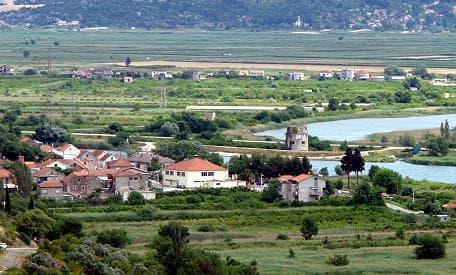
Kula Norinska
About this place
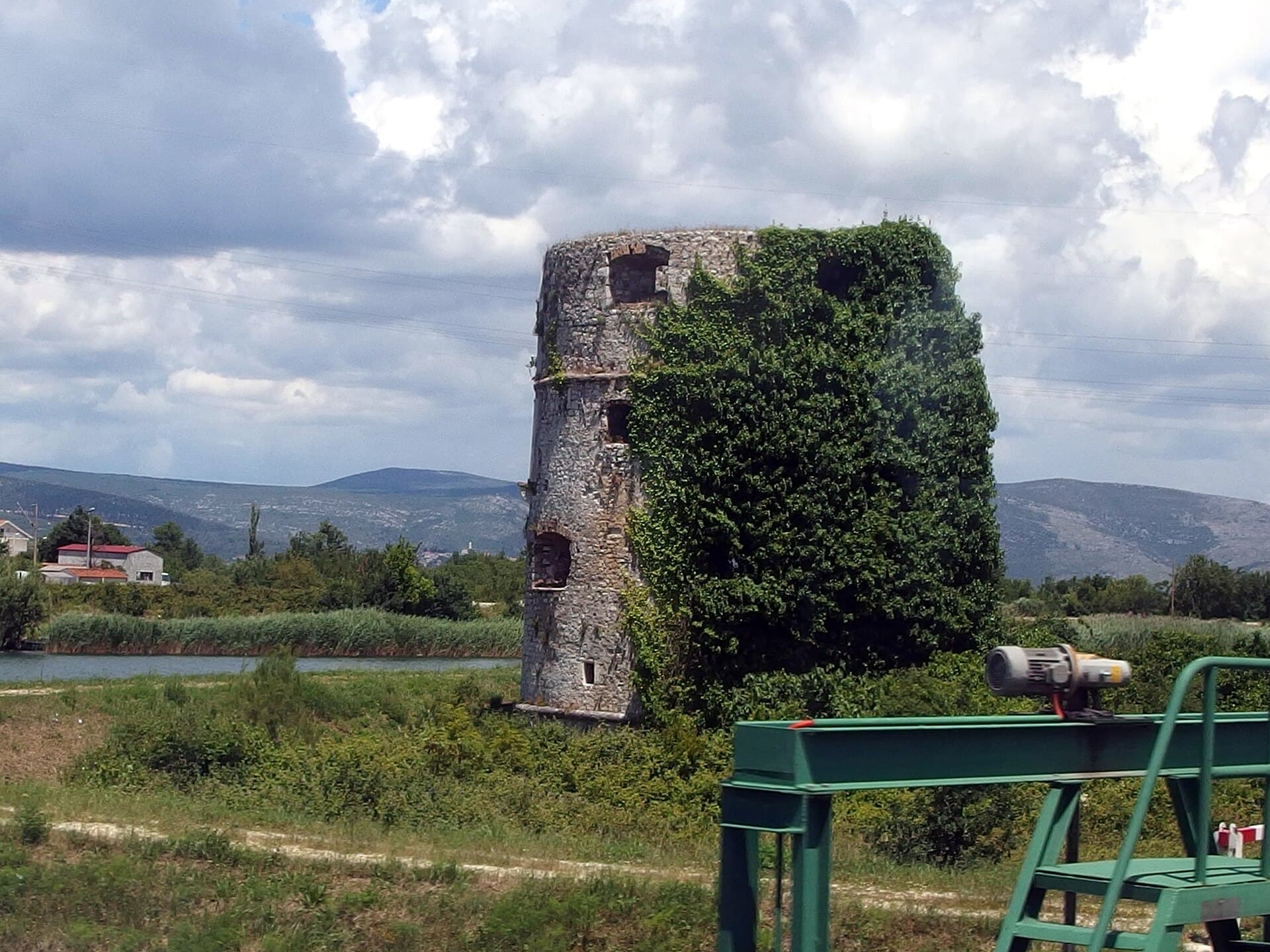
Kula Norinska stands on the right bank of the Neretva between Metković and Opuzen, while its best-known monument rises across the river on the left bank. The settlement took its name from the monumental fortress built around 1500 at the former meeting point of the Norin and the old Neretva channel. A later alteration of the riverbed separated the tower from the modern village, yet it remains the defining feature of the landscape and is clearly visible beside the road approaching Metković. The Ottoman stronghold controlled a strategic route through the valley, and its importance entered accounts of Venetian–Ottoman warfare. Modern Kula Norinska belongs to a very different environment of cultivated plots, embankments, reed beds and Lower Neretva channels. A traditional Neretva boat can enter narrow waterways lined with lilies and reeds, where farmland meets bird habitat. Despite being in a coastal county, Kula Norinska is not a seaside resort: its essential experiences are the river, the fortress and boat excursions, while developed sea beaches lie closer to the Neretva estuary and nearby coastal settlements.
Kula Norinska is a small Neretva settlement whose position and name were determined by rivers. Its houses line the Neretva’s right bank between Opuzen and Metković, while the historic tower stands opposite the village near the former confluence of the Norin and the old Neretva channel. Ottoman authorities built the fortress around 1500 to control this strategic river passage. After a new channel was cut, the structure remained on the left bank, so it is now viewed across the river or from the approach road to Metković. Embankments, canals, reed beds and cultivated plots surround the settlement in a landscape characteristic of the Lower Neretva. Here the rocky Adriatic terrain gives way to fertile river flats, making Kula Norinska distinctly Neretvan rather than a conventional seaside village.
Things to see

Saint Francis of Assisi church
Landmark · Metković
church building in Metković, Croatia
2 km from Kula Norinska

Saint Anthony of Padua church
Landmark · Dubravica, Metković
church building in Metković, Croatia
4 km from Kula Norinska

Brštanik
Landmark · Podgradina, Slivno
castle ruin in Dubrovnik-Neretva County, Croatia
4 km from Kula Norinska
Stays nearby
- Apartment
 4 km from Kula Norinska
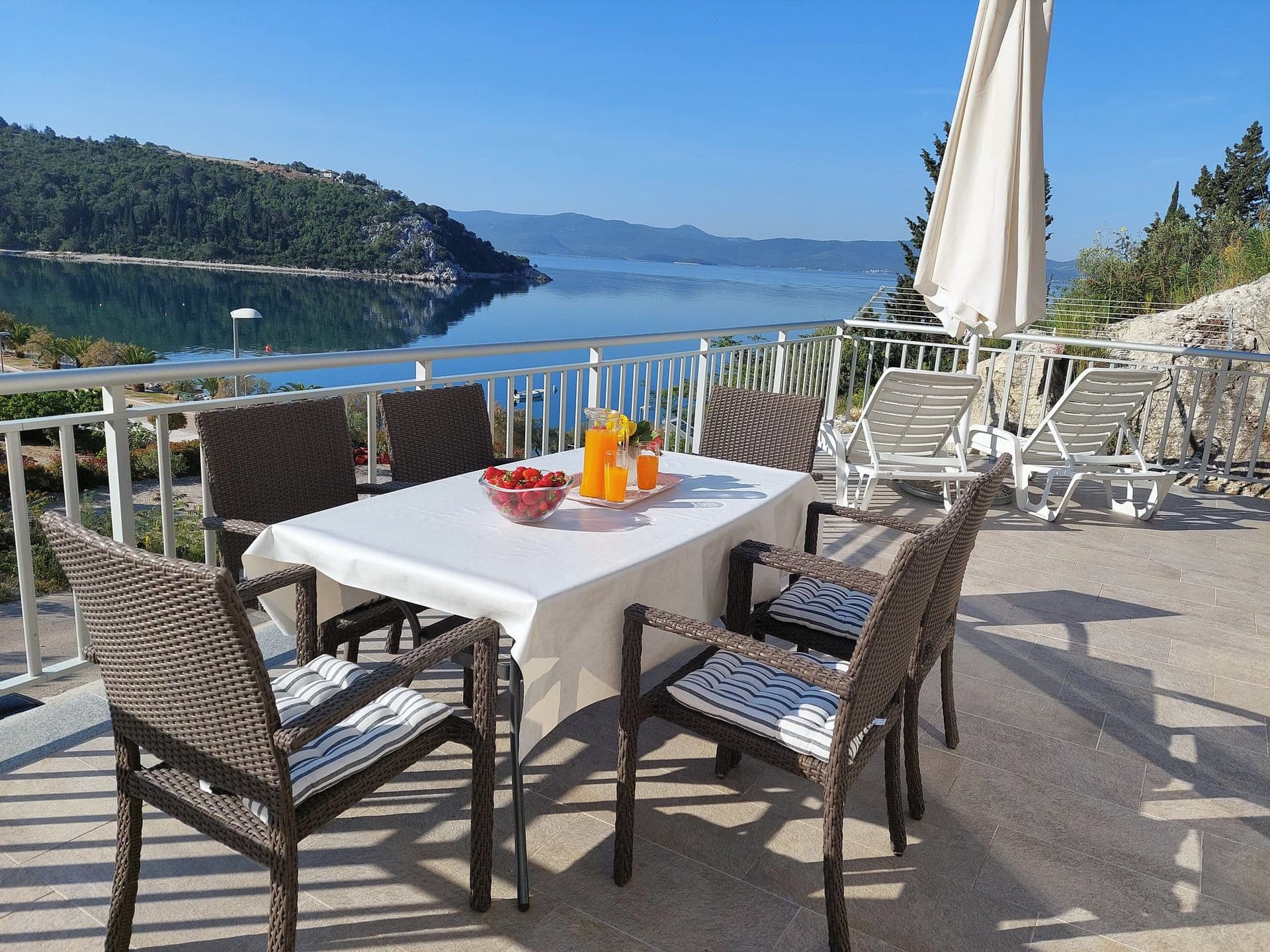
Apartman Frana DeLux - prvi red do mora, plaža 20 m
Opuzen
up to 6 guests · 2 bedrooms
from €100 / night
Check availability
- Apartment
 11 km from Kula Norinska
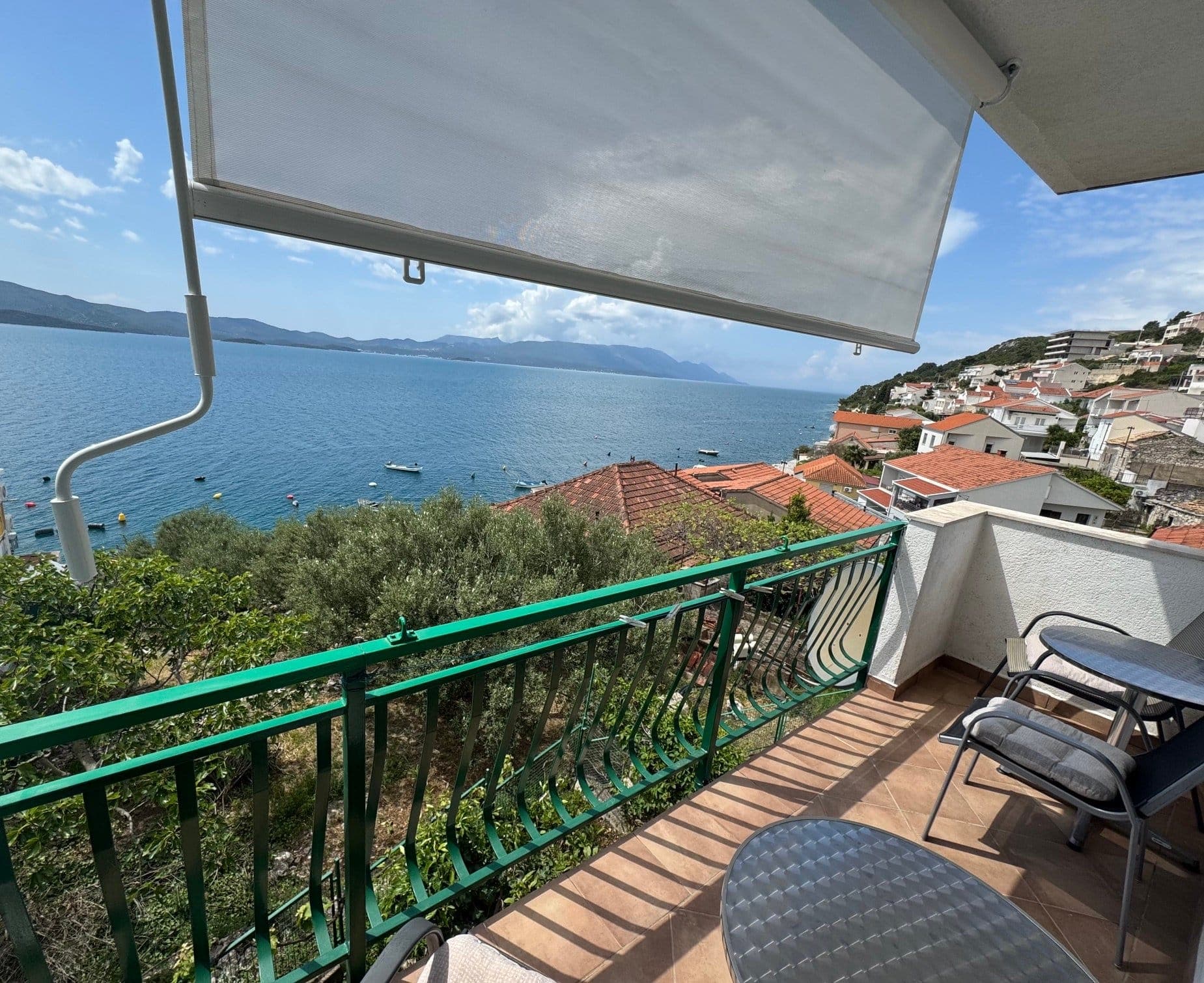
Be the first to list here
Guests looking for this place only see stays nearby for now. No commission, and enquiries come straight to you.
List your accommodation
Beaches
Kula Norinska has no seafront beach; its local bathing place is on inland surface water within the village itself. A municipal decision for 2020 formally designated it as the Kula Norinska bathing area and set that year’s season from 15 June to 15 September, with regular water-quality testing required. For sand and open-sea scenery, head down the Neretva delta, where the regional tourism plan lists the Ušće, Galičak and Plaža beaches as a separate coastal attraction. Swimming beside Kula Norinska is therefore a riverside experience, quite distinct from a beach outing on the delta’s broad Adriatic shoreline.
Things to do
Begin by viewing Kula Norinska fortress from the village bank or the road approaching Metković; its position across the Neretva makes clear how the altered river channel separated the tower from the settlement bearing its name. Continue into the river landscape on a pre-arranged trip in a traditional Neretva boat, following narrow channels edged with reeds and water lilies. This perspective reveals cultivated plots and bird habitats hidden from the main road. For a second historical site, head towards the Vratar archaeological remains above Borovci. A steep hillside path beginning near the Rastočići hamlet reaches the site in roughly 30 minutes. Footwear with a firm sole is particularly useful on Vratar’s rocky approach.
Tours and activities
AdAd · partner offers: Viator, GetYourGuideThe partner handles booking, payment and support. StayBravo may earn a commission on bookings made through these links.How we choose offersWe choose offers based on the page you are viewing: the partner destination for this place or the nearest one (with its distance), and on a sight page only offers that mention it. We show offers rated at least 4.3 with at least 10 reviews, without multi-day tours or pure transfers, ordered by rating adjusted for the number of reviews and then by the partner’s order. We do not use data about you, and the commission does not affect the order.GetYourGuide offers are selected and ordered by GetYourGuide based on the name of the nearest larger town or national park; we do not influence their selection and do not use data about you.Viator
Nearest destination: Korčula (39 km)
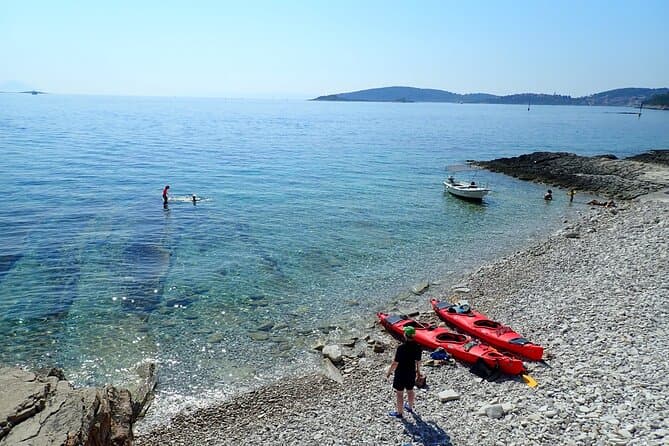
Bits of History - Half day kayak Tour with Wine delight (opens in a new tab)
Spirit of Korkyra is a small, family-run business - not a franchise. Boris and Ivka built it from scratch, and Ivka grew up right here in Lumbarda. We take you to places bigger tours can't reach…
Rated 5 out of 5 · 205 reviews· 5 h
Free cancellation
from €65
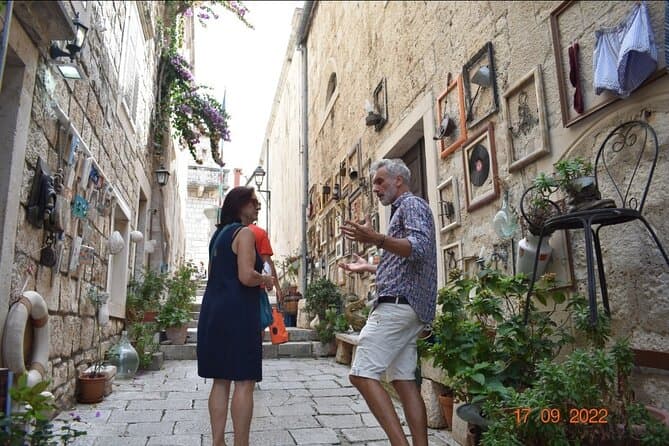
1 Hour Private Walking Tour in Korcula (opens in a new tab)
Korčula is a wonderful place to visit! History, art and present day life tell the story of a town sculpted in white stone 1000 years ago. You'll also hear about Marco Polo and his complicated and…
Rated 5 out of 5 · 103 reviews· 1 h
Free cancellation
from €35
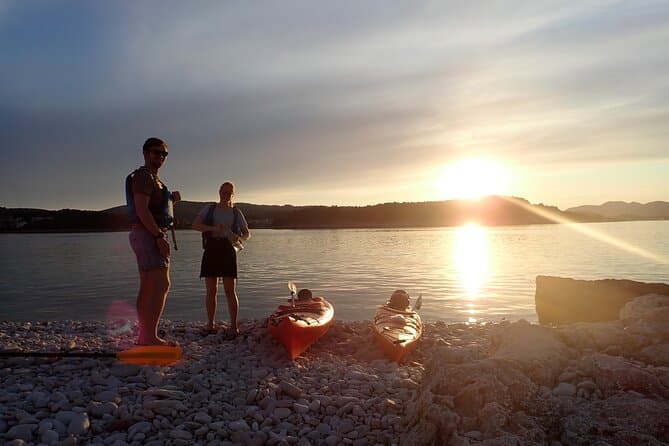
Lumbarda-Sunset Kayaking Experience with picnic: Wine and Sweets (opens in a new tab)
Spirit of Korkyra is a small, family-run business - not a franchise. Boris and Ivka built it from scratch, and Ivka grew up right here in Lumbarda. We time this tour to end golden hour on the water…
Rated 5 out of 5 · 62 reviews· 3.5 h
Free cancellation
from €65
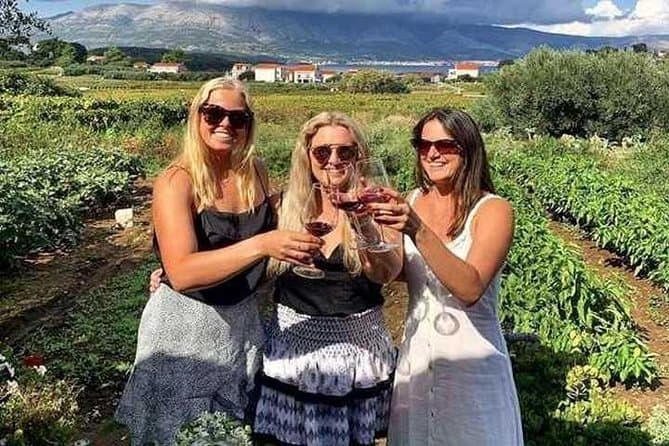
Wine tour Korčula - private tour (opens in a new tab)
Our excursion starts at the view point of Korčula, where you can take a couple of photos. The first vinyards we are going to visit are situated in Lumbarda and are famous for Grk, an autochtonous…
Rated 4.9 out of 5 · 27 reviews· 3–4 h
Free cancellation
from €151.31
Korcula Island Mountain E Bike Private tour with lunch (opens in a new tab)
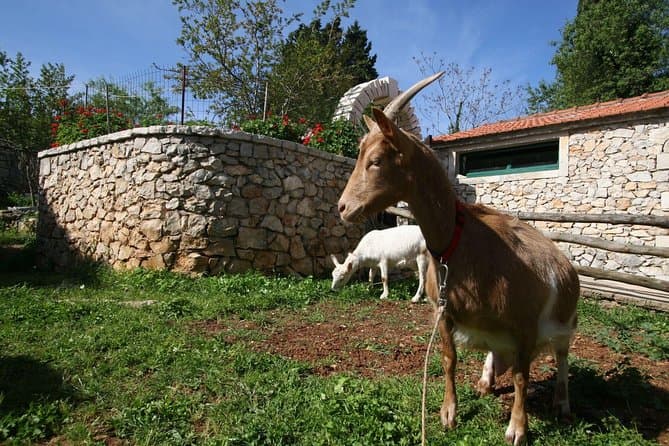
Enjoy a half-day mountain E- bike private tour on Korcula Island. Explore roads full of olive trees and vineyards. Visit a Local Winery for a wine tasting. Swim in one of the secluded beaches and…
Rated 5 out of 5 · 20 reviews· 4 h
Free cancellation
from €180
Mljet National park Private Yacht Excursion from Korcula Island (opens in a new tab)
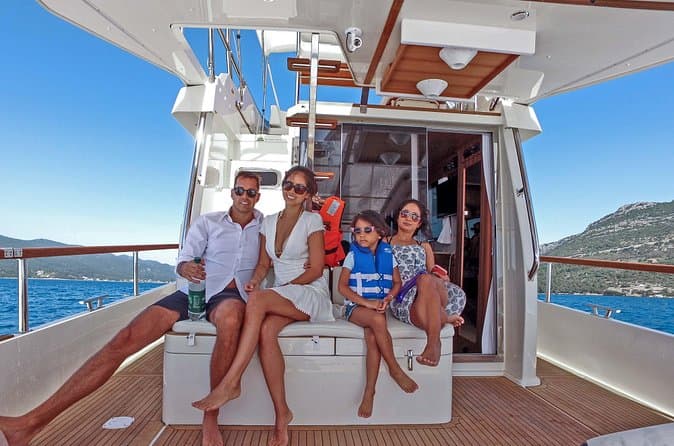
This is a Yacht Tour to the island of Mljet from Korcula. The National Park is famous for its two salt sea lakes and the 12th-century Benedictine monastery. Travel on a luxury yacht at intimate…
Rated 5 out of 5 · 18 reviews· 6 h
Free cancellation
from €700
GetYourGuide · Kula Norinska
We show GetYourGuide offers once you allow their cookies.
Practical information
Getting there and around
Kula Norinska sits at a transport junction in the Neretva Valley: state road D62 runs via Vrgorac and Kula Norinska towards Metković, while the A10 links the Bosnia and Herzegovina border with the Ploče interchange on the A1. The municipality is crossed by international main line M304, running from the state border through Metković to Ploče. HŽ Passenger Transport lists Kula Norinska as a stop in its timetable, so rail options should be checked for the current travel date. The Kula Norinska fortress stands by the Neretva and the main road at Metković’s entrance.
Frequently asked questions
Why is the fortress separated from Kula Norinska village?
The fortress was built beside the old Norin confluence; after a new Neretva channel was cut, it remained on the left bank opposite the modern settlement.
When was Kula Norinska fortress built?
The Ottoman fortress was built around 1500 to control an important passage along the Neretva.
Can visitors take a traditional boat trip from the Kula Norinska area?
Traditional boat trips operate through the Neretva Valley’s narrow channels, reeds and water lilies, with departure arranged in advance through a local provider.
Nearby
Kula Norinska
Open in OpenStreetMap(opens in a new tab)straight-line distance
Related guides
Dubrovnik
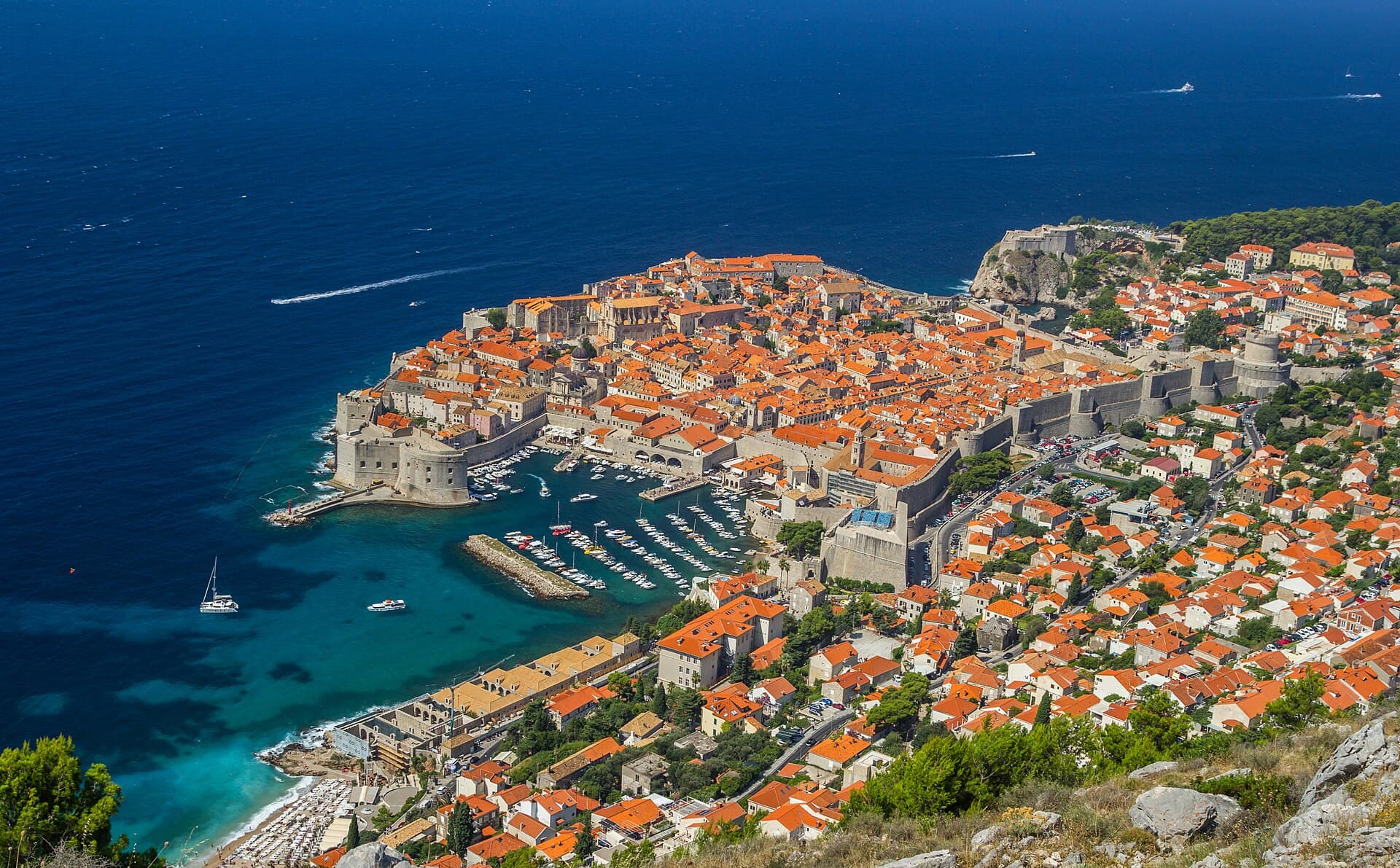
Dubrovnik’s historic centre is organised around Stradun, yet its character changes within a few steps of that main street. At the western end beside Pile stand the Large Onofrio Fountain,…
Read the guide

Orebić
Orebić is the main settlement of south-western Pelješac and has been tied to seafaring for centuries. Captains’ houses and gardens along the coastal area recall the period when Orebić…
Read the guide
Blato, Korčula
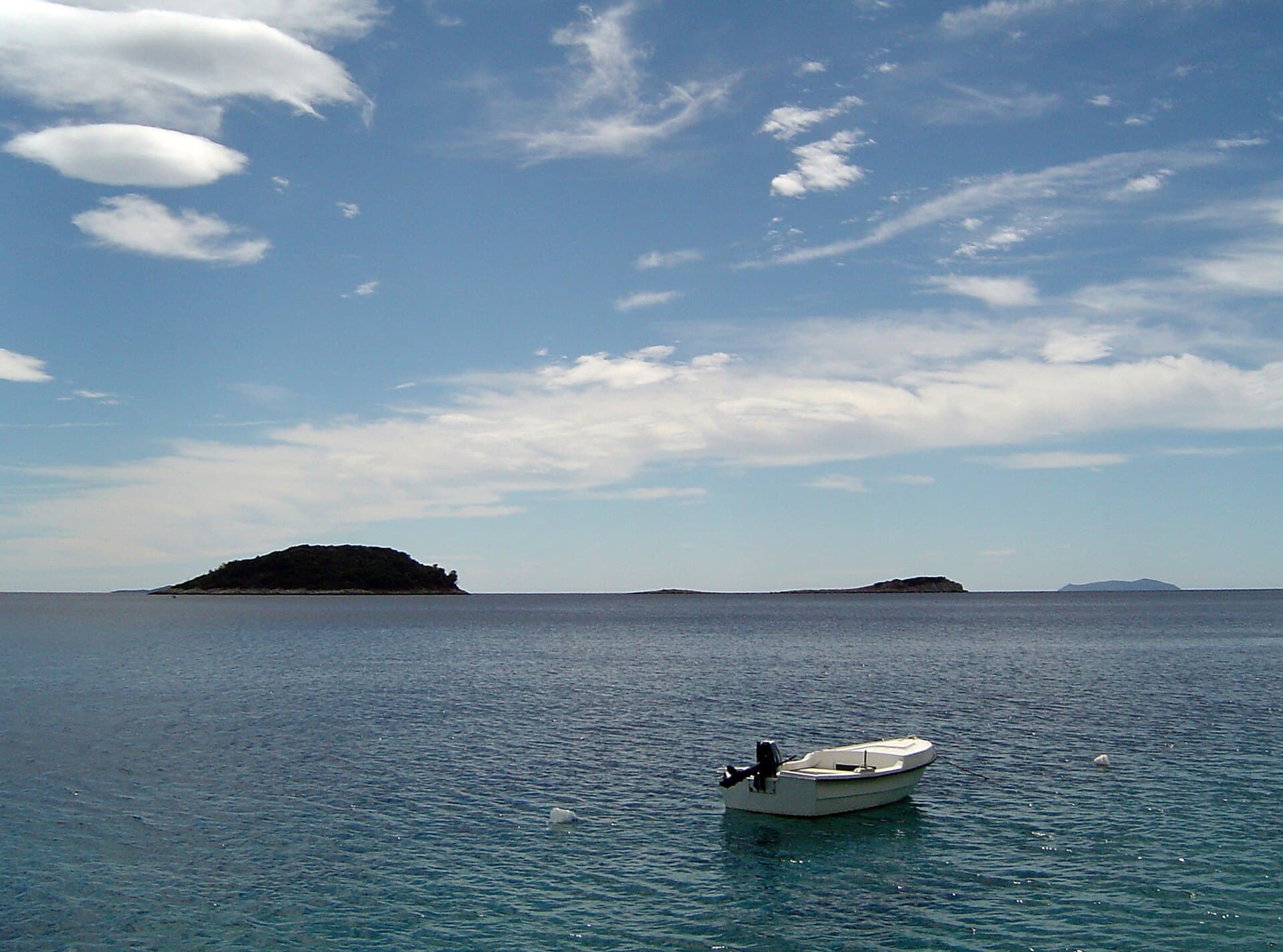
Blato is not a seaside centre but a historic inland settlement in western Korčula’s fertile interior, while its municipality reaches Prigradica on the north coast and Prižba, Gršćica,…
Read the guide
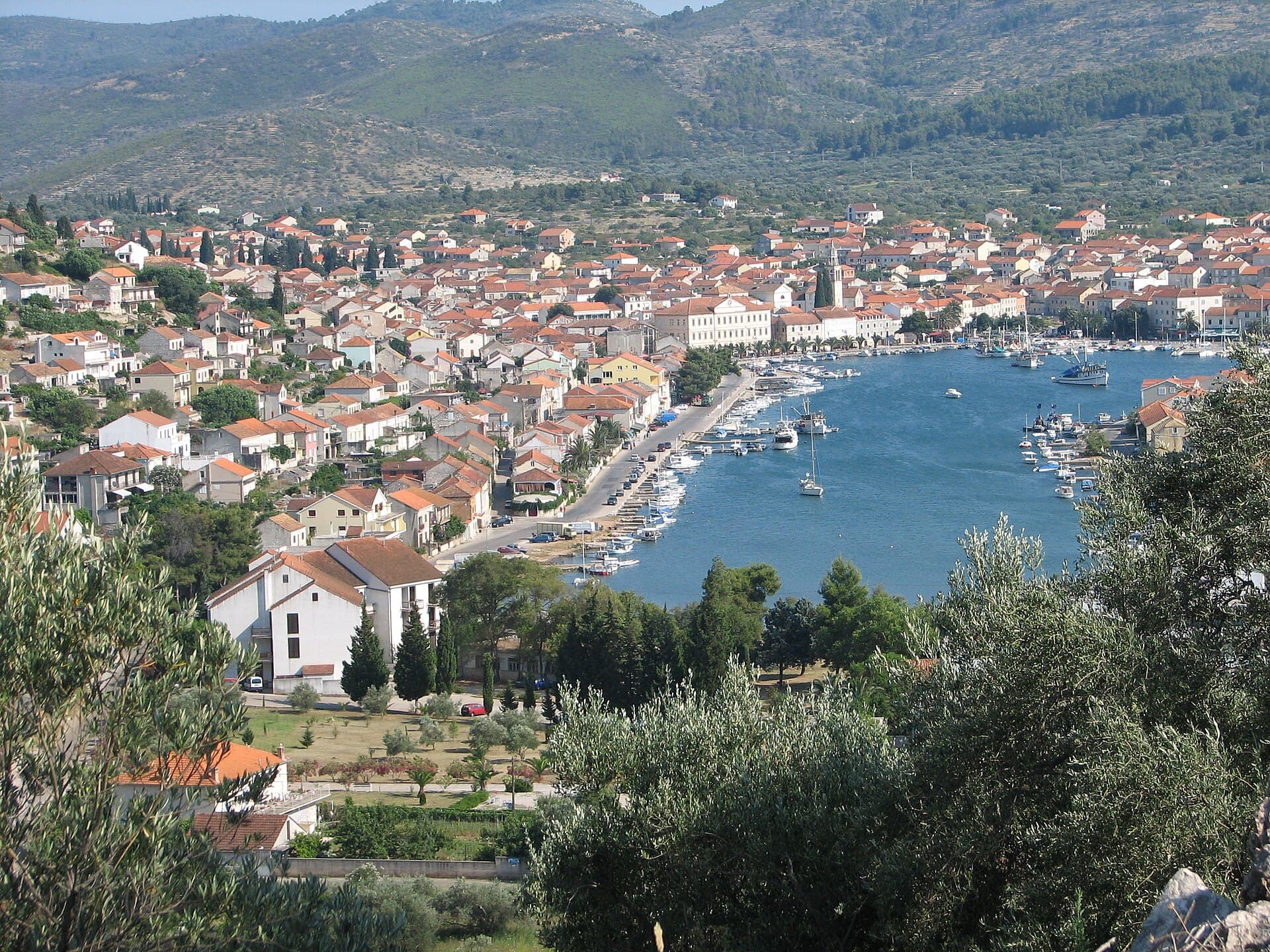
Vela Luka
Vela Luka grew at the head of a deep bay on western Korčula, where a long waterfront links the harbour, the centre around St Joseph’s Church and the former shipbuilding area. Its maritime…
Read the guide
Know Kula Norinska? Correct us
Tell us in your own words what is not accurate. We check right away.Do not enter personal data. Corrections are checked by the StayBravo AI assistant; changes to the description are approved by an editor. Use the form instead
Do you know Kula Norinska?
Help the guests who come after you.
Help us complete
Nothing is published without an editor’s review.Report illegal content
Photo credits: Kula Norinska — www.metkovic.hr (CC BY-SA 3.0) · Krvavac II, Podrujnica, Zažablje, Mlinište, Saint Francis of Assisi church, Saint Anthony of Padua church, Brštanik — Ma▀▄Ga (CC BY 3.0) · Krvavac — Nips08 at Croatian Wikipedia (Public domain) · Momići — Ma▀▄Ga (CC BY-SA 3.0) · Opuzen — croatiatipscom (CC0) · Bijeli Vir — Ma▀▄Ga (CC BY 4.0) · Kula Norinska Fort — Mark Ahsmann (CC BY-SA 3.0) · Apartman Frana DeLux - prvi red do mora, plaža 20 m — Ivan Mador (courtesy of the property owner) · Apartmani Stella — Zvjezdana Bebić (courtesy of the property owner) · Dubrovnik — Zysko serhii (CC BY-SA 4.0) · Orebić — Quahadi Añtó 11:23, 15 January 2011 (UTC) (CC BY 3.0) · Blato, Korčula — d.graso (CC BY 3.0) · Vela Luka — Wojtkow (CC BY-SA 4.0)