Gajac
About this place
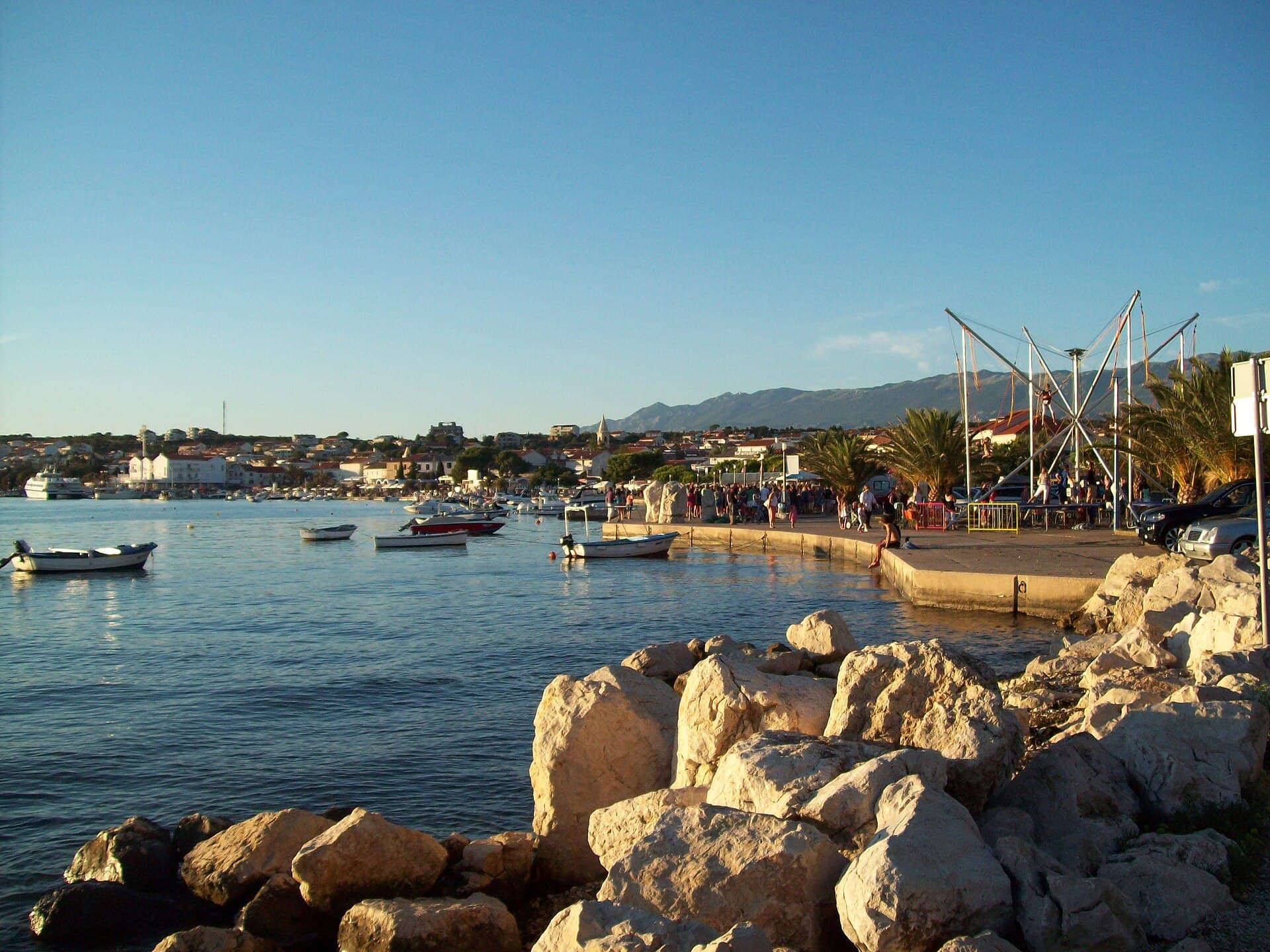
Gajac is a holiday and residential settlement on Pag’s south-western shore, roughly 2.5 kilometres south of Novalja, with its apartment blocks set immediately behind Braničevica Beach. Fewer than one hundred people live here outside summer, while the official destination brochure says the seasonal population rises to around 10,000 visitors and guests. That contrast defines the place: beach bars, shops and traffic towards Zrće bring a distinctly lively atmosphere in summer, but Gajac becomes much quieter once the main season ends. Its appeal lies less in historic monuments than in the convenient combination of a long swimming coast, a seafront promenade and easy access to Novalja. Braničevica faces the open sea and provides food, drink and recreational facilities, together with a designated pet-friendly section. Inland lies Kolanjsko Blato, an ornithological reserve protected since 1988, while seasonal town buses make nearby Zrće accessible without driving. Gajac therefore suits travellers who want to stay beside the water while keeping Novalja, Zrće and the natural landscapes of central Pag within easy reach.
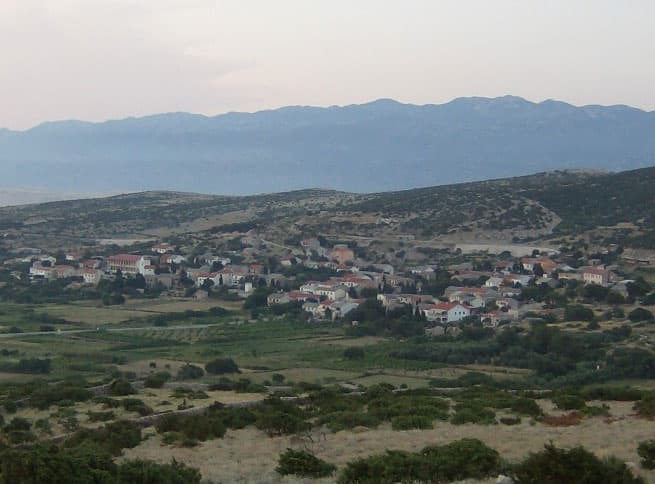
Gajac’s identity comes from its apartment neighbourhood, Braničevica Beach and the sharp contrast between summer and the rest of the year. The centre stands only a short walk from the waterfront, so the beach and promenade are normally reached on foot. Unlike Novalja’s old centre, Gajac has no network of historic squares or major monuments; its defining view is a succession of pale apartment buildings behind Pag’s exposed western coast. Official tourism sources place it about 2.5 kilometres south of Novalja and note that its tiny year-round community expands to roughly 10,000 people in summer. That seasonal transformation explains why most services and waterfront venues are concentrated around Braničevica during the holiday months.
Stays
No stays listed here yet
Things to see
Gajac has no conventional collection of monumental sights, but three nearby places define its visitor experience. Braničevica is the long waterfront immediately below the settlement, with a promenade and open-sea views. Across the island road, Kolanjsko Blato has been protected as a special ornithological reserve since 1988 and forms part of the HR2000911 Kolanjsko blato–Blato Rogoza ecological-network site. North-east of Gajac, Zrće is a large pebble beach that has held Blue Flag status since 2003 and has an organised parking area. Together, the swimming coast, bird reserve and entertainment beach give visitors three markedly different outings within a compact part of Pag.

Beaches
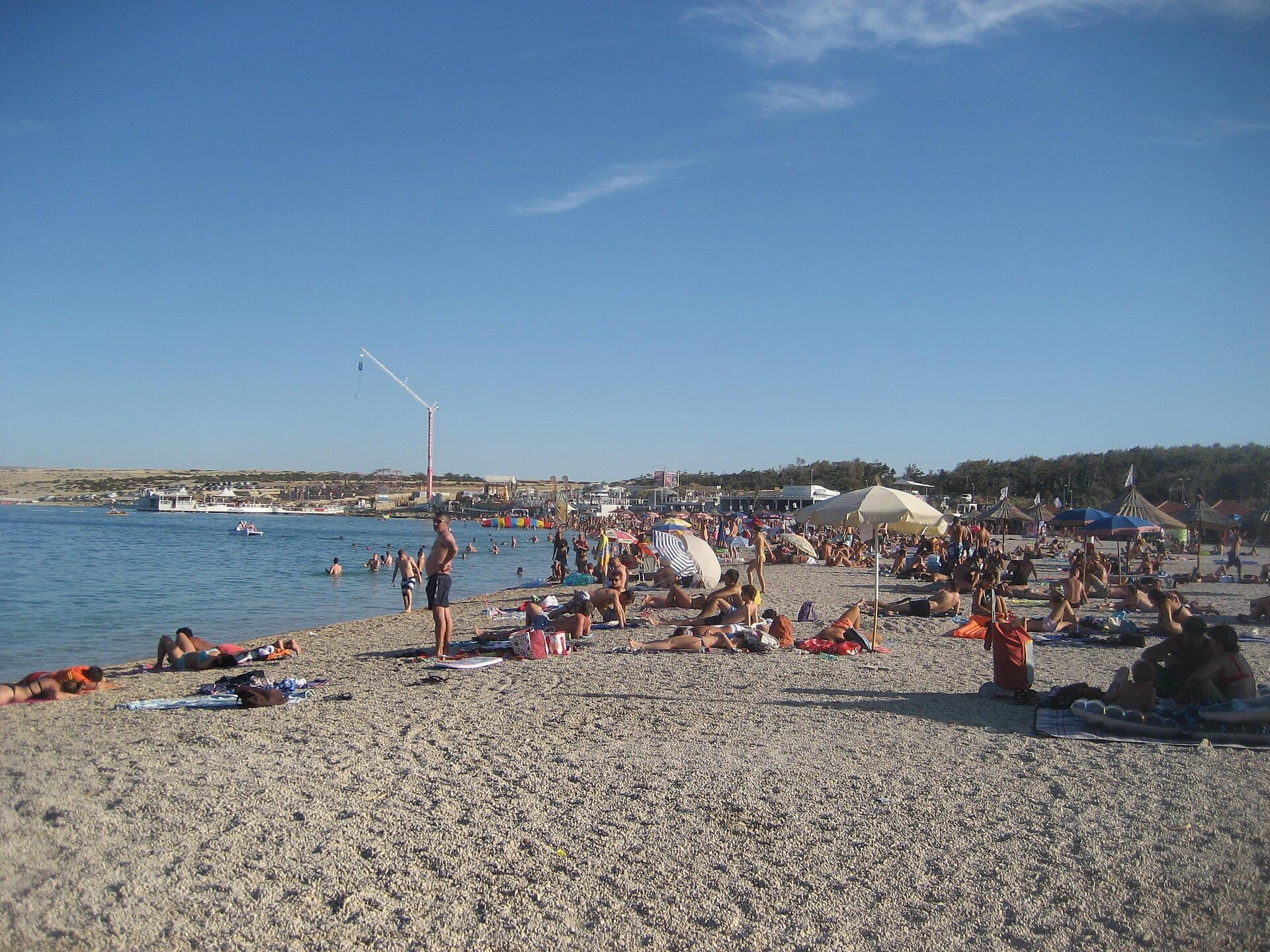
Braničevica is Gajac’s own beach, stretching directly below the apartment area beside cafés, food outlets and recreational facilities; shops and other services stand only a few dozen metres inland. The shoreline is long and faces the open sea, while official sources describe it as sandy or as a mixture of sand and pebbled sections. A specially arranged stretch welcomes swimmers with pets. At its northern end Braničevica approaches the Straško area, while nearby Zrće offers a very different setting of pebbles, clubs and a large organised car park. On Braničevica itself, morning is the best time for visitors who prefer quieter water before the settlement’s peak summer crowds arrive.
More to see
Things to do
Start a day in Gajac with an early swim at Braničevica, before residents of the large apartment quarter fill the shoreline. Afterwards, follow the long seafront promenade, which the official brochure also recommends for running beside the coves south of the settlement. The afternoon can be reserved for the nearby Kolanjsko Blato, a 240-hectare special ornithological reserve; visitors should remain on appropriate tracks to avoid disturbing its birds and reed beds. In the evening, head to Novalja, approximately 2.5 kilometres away, or continue towards Zrće. The 2025 seasonal town-bus network linked Gajac with both Zrće and Novalja bus station, offering an alternative to driving during the busiest part of summer.
Practical information
Practical information
Gajac has its broadest range of services during summer, when roughly 10,000 guests and visitors use the shops, cafés and facilities around the apartment centre. Outside the holiday season, when the official brochure records fewer than one hundred permanent residents, the choice becomes much narrower and Novalja is the practical destination for larger purchases or additional services. Braničevica lies only a few minutes on foot from the central apartment blocks, so a car is unnecessary for daily trips to the beach. Travellers with dogs can use the marked pet-friendly section. Anyone visiting Kolanjsko Blato should respect the reserve’s protection rules and avoid approaching nesting areas, particularly during the birds’ breeding period.
Getting there and around
By road, Gajac is approximately 2.5 kilometres from Novalja, the main transport hub of northern Pag. Arriva’s 2025 seasonal timetable included Gajac on services between Novalja bus station and Zrće, while line 4 operated specifically on the Zrće–Gajac–Zrće route; overnight buses ran between 10 p.m. and 6 a.m. For longer-distance travel, passengers change in Novalja, from where Arriva maintains a year-round connection with the town of Pag. Braničevica is reached on foot from the apartment quarter, meaning local buses are most useful for summer evenings at Zrće or for trips into Novalja rather than for reaching Gajac’s own beach.
Frequently asked questions
Does Braničevica have a dog-friendly section?
Yes. Braničevica has a specially designated pet-friendly beach section.
How far is Gajac from Novalja?
The Novalja Tourist Board places Gajac approximately 2.5 kilometres from Novalja.
Is there a bus from Gajac to Zrće?
Yes. Arriva’s 2025 seasonal network included a Zrće–Gajac–Zrće service.
What is Kolanjsko Blato?
Kolanjsko Blato is a 240-hectare special ornithological reserve protected since 1988.
Is Gajac lively outside summer?

Related guides
Novalja
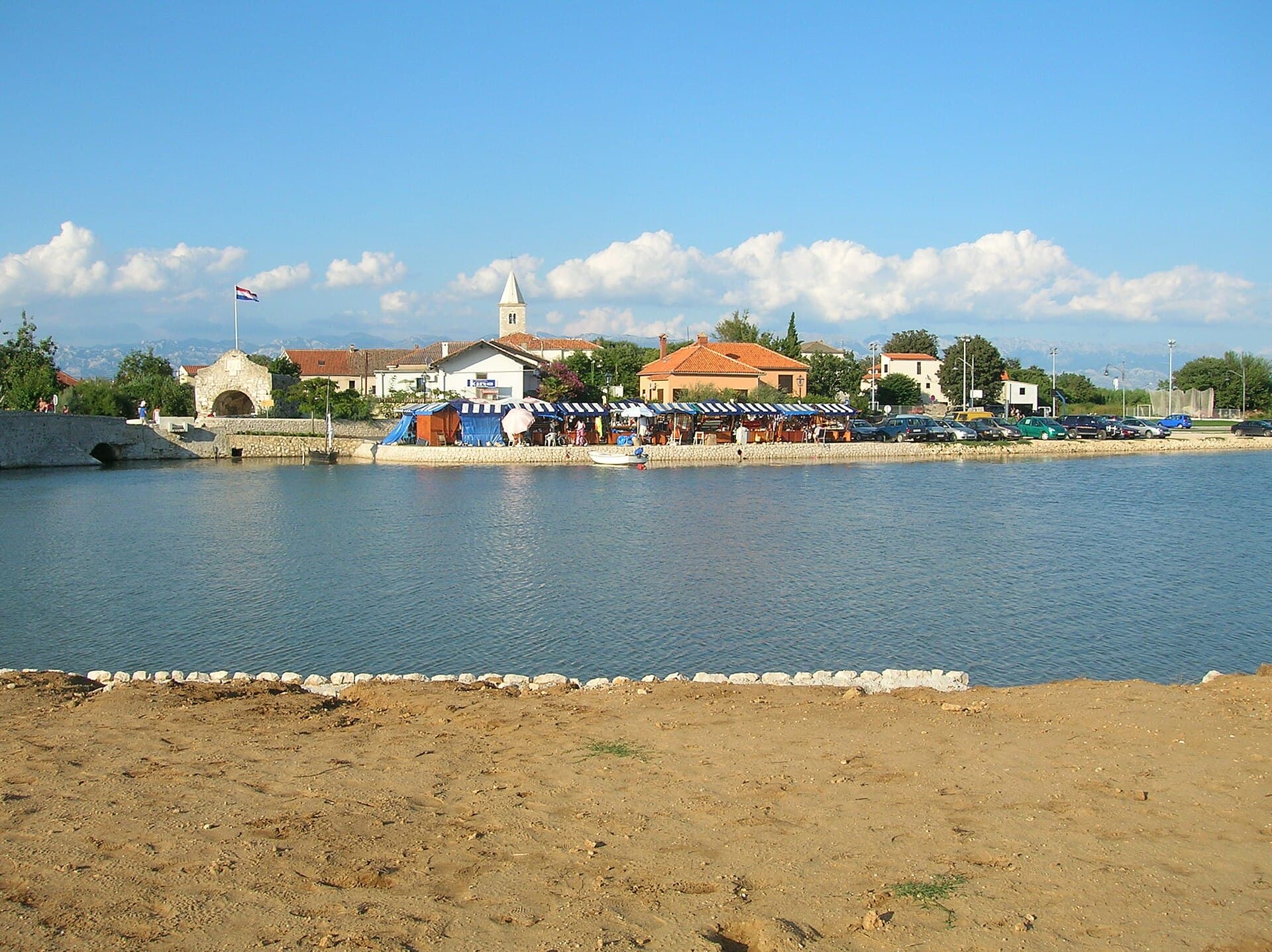
Novalja curves around a bay on Pag’s western shore, with the waterfront, Trg Bazilike and streets around Mala crikva forming the centre. Landing places and restaurants line the water, while…
Read the guide
Help improve this page
Spot something missing or wrong? Suggest a correction, add your photo or report a problem. Editors review every suggestion before it is published.
Photo credits
- Gajac — Mrdvt92 at en.wikipedia · CC BY-SA 3.0 · Wikimedia Commons
- Novalja — JoeTimBlackMax · CC BY-SA 3.0 · Wikimedia Commons
- Mandre — pepanos · CC BY 3.0 · Wikimedia Commons
- Stara Novalja — Maik Roscher · CC BY 3.0 · Wikimedia Commons
- Kolan — Marijan · Public domain