Kolan
About this place
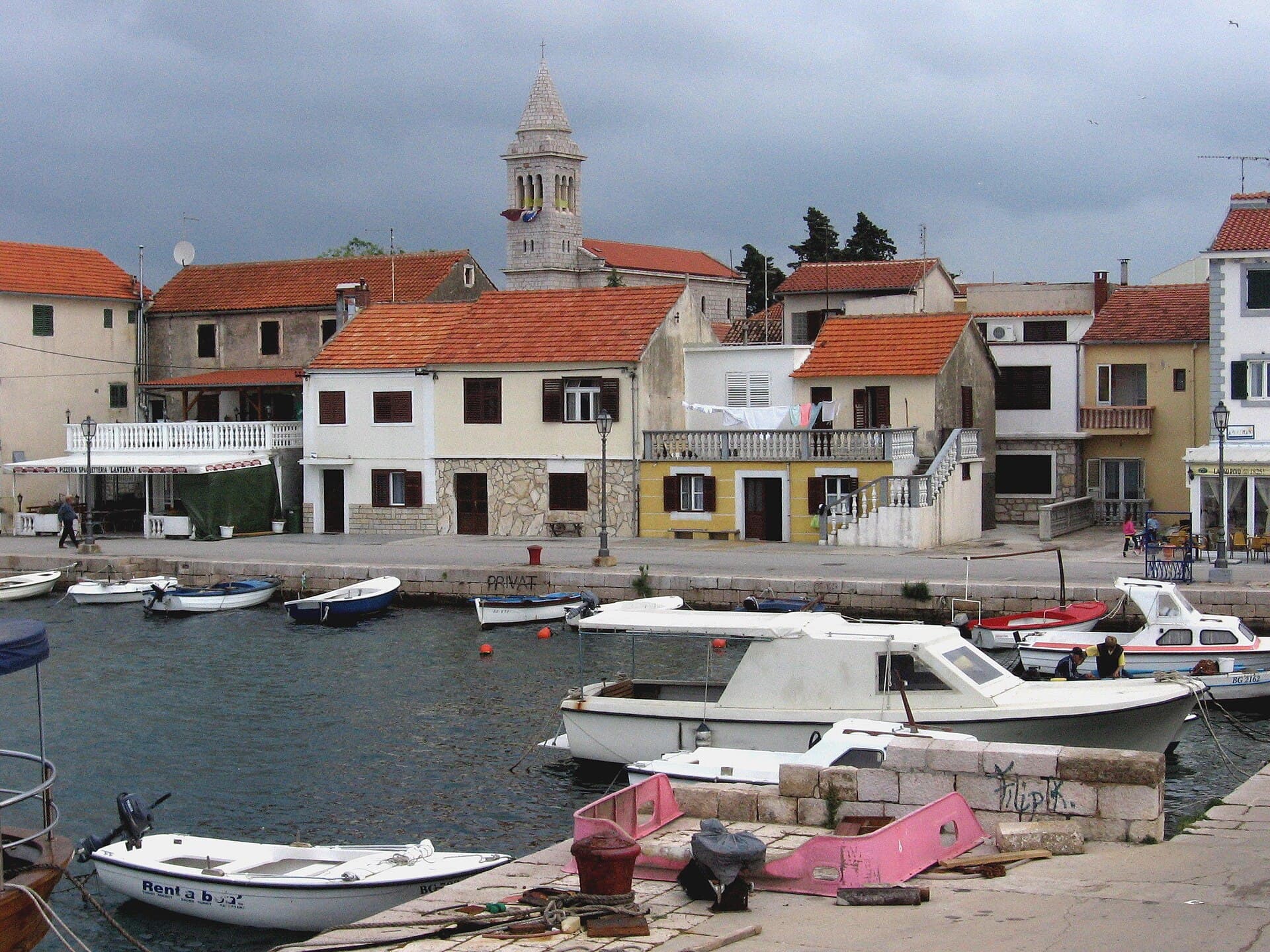
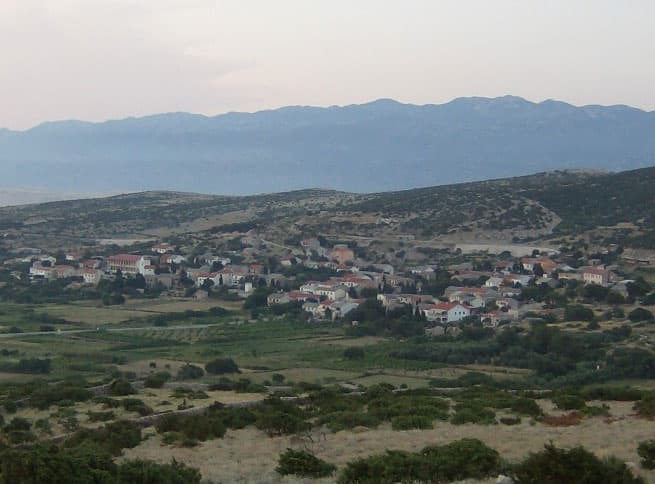
Kolan lies in the interior of Pag island between rocky sheep pastures, Kolan field and the coastal settlement of Mandre. Its strongest local identity is connected with Pag cheese, sheep farming and agriculture, because well-known dairies and grazing areas of the indigenous Pag sheep are located around Kolan. The Kolan Ethnographic Collection preserves objects related to traditional life and pastoral work, while nearby Kolansko Blato is a protected ornithological reserve with wetland habitat that is unusual on such a karst island. Mandre provides the municipality’s maritime side, with a harbour and beaches facing Maun and Škrda. Kolanjski Gajac forms the municipality’s third settlement and links the area with the tourism zone of western Pag. Hiking and cycling routes cross stony ground and field tracks, allowing sheep-grazing landscapes, wetlands and coast to appear within a short distance. Kolan is therefore particularly useful for understanding how Pag cheese, bora winds, salt and sparse vegetation shaped island life.
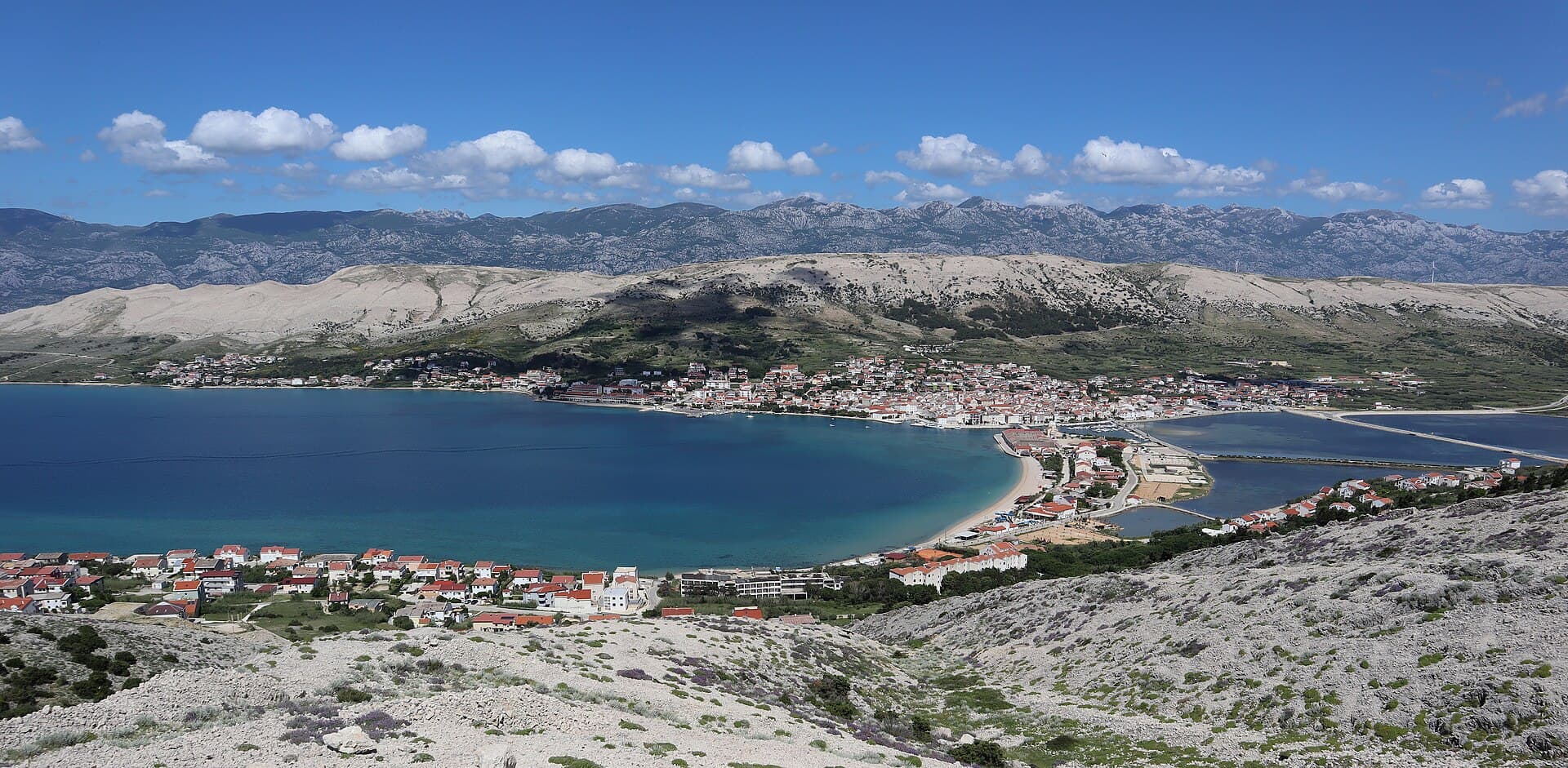
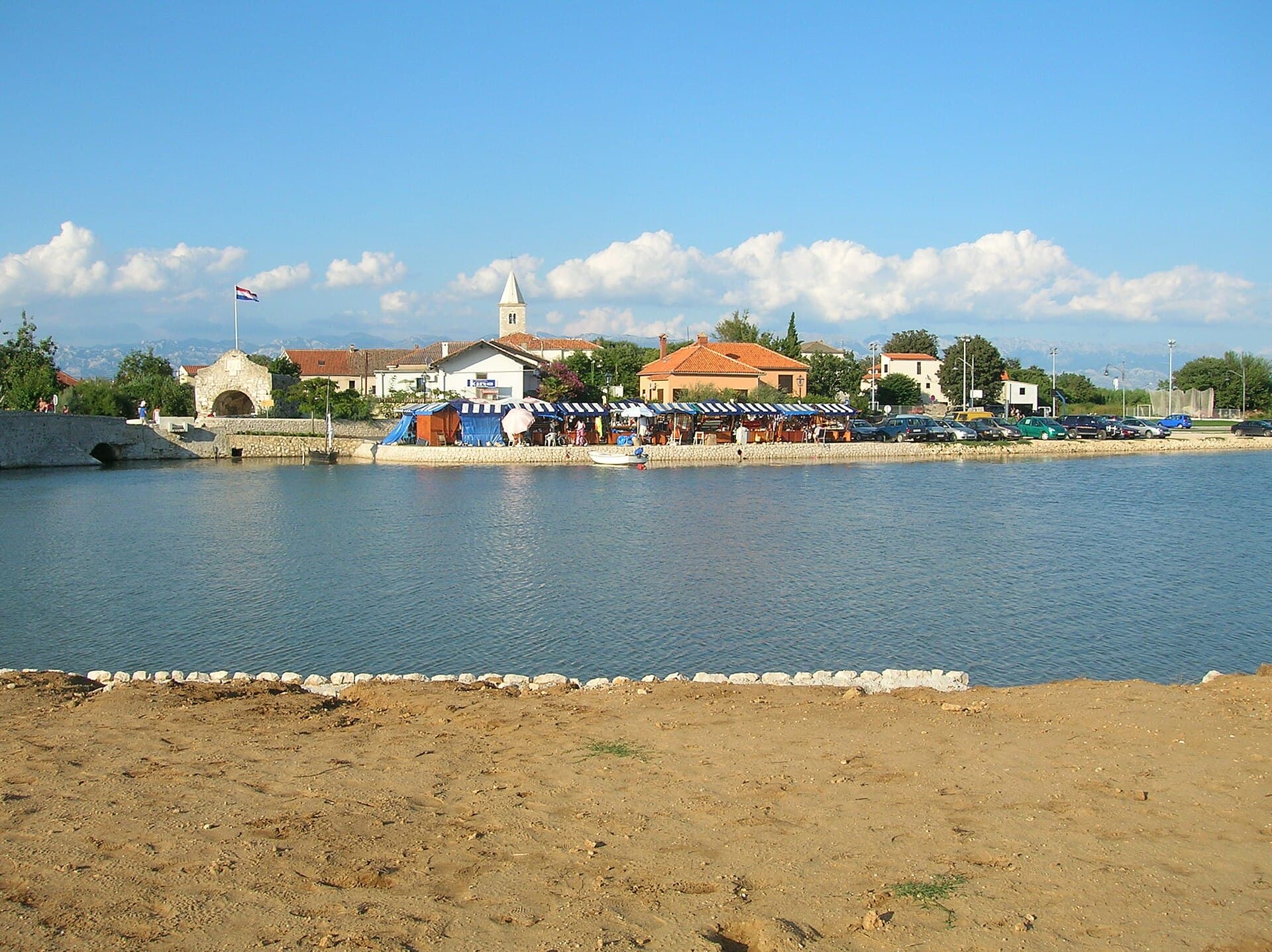
Kolan occupies Pag’s greener interior between Kolanjsko Polje and the island’s stony sheep pastures, while Mandre and Kolanjski Gajac provide access to the western coast. Unlike most Pag resorts, the village draws its identity primarily from sheep farming, cheese dairies and cultivated land rather than a seafront promenade. An ethnographic collection housed in the old school preserves tools and objects from earlier village life. Sveti Vid, the island’s highest summit, rises above Kolan, while an unpaved route crosses the fields towards the reed beds of Kolanjsko Blato and Gajac. This unusual arrangement makes it possible to combine Pag cheese tasting, birdwatching, cycling and swimming within one day, without treating Kolan merely as a stop between the towns of Pag and Novalja.
Stays nearby
 Apartment
Apartmeni Klenovica.eu
Klenovica
69 km from Kolan
up to 4 guests · 1 bedroom
The host confirms the exact price for your dates and availability.
Things to see
The Kolan Ethnographic Collection gives the clearest introduction to traditional life, sheep farming and the tools connected with the local economy. The second key site is Kolansko Blato, an ornithological reserve whose wetland landscape contrasts sharply with the rocky pastures for which Pag is famous. Kolan’s dairies are more than shops; they continue the sheep-farming tradition behind Pag cheese. For the maritime side of the municipality, head to Mandre, where the inland agricultural landscape opens toward the western coast and the offshore islands of Maun and Škrda. Together these four elements explain Kolan far better than a beach-only visit.
Beaches
Kolan itself is inland, so its bathing options are spread across the municipality’s coastal settlements and coves. Sveti Duh, Čista and Prnjica stand out for sand or shallow sandy seabeds, whereas Mandre offers roughly three kilometres of predominantly pebble shoreline. The waterfront path through Mandre continues towards quieter Girenica Bay, a more secluded choice than the central promenade. Katarelac provides the opposite experience, concentrating activities such as water-skiing, jet-skiing, banana-boat rides, pedal boats and bungee jumping. The municipality’s managed coastal areas also include Porat beach in Mandre and Solinice. Visitors should therefore distinguish between beaches within walking distance of Mandre and more dispersed coves that are easier to reach by bicycle or car from Kolan.
Bathing water quality nearby
- Uvala Šimuni · 2.8 kmnot classified · season 2025
Source: European Environment Agency (EEA); data from Croatian authorities. · bathing water profile
Things to do
Begin a day in Kolan at the ethnographic collection in the old school, then move on to a tasting of mature Pag sheep’s cheese at a local dairy. From the village, an unpaved route crosses Kolanjsko Polje towards Gajac, passing dry-stone walls, tall reeds and the Kolanjsko Blato bird reserve. A more demanding option is the climb to Sveti Vid, with views over the town of Pag, Pag Bay, Velebit and neighbouring islands. In the afternoon, continue to the sandy beaches of Sveti Duh, Čista or Prnjica, or choose the pebble shoreline at Mandre. The day can finish on Mandre’s waterfront with local fish dishes and west-facing views towards Maun and Škrda.
Food and drink
Kolan is best explored through Pag cheese, lamb and fresh whey curd, with village dairies offering tastings and direct purchases of mature sheep’s cheese. Pag curd is made by heating whey and is generally a seasonal product available from January to June. A specific dining address in Kolan is Konoba Giardin at Vanđelje 1a, while Restaurant Program sits on the waterfront at Lungo mare in Mandre. Local destination guides also list Beledvir, Prtorić, Figurica, Harpun and Nono across Kolan and its coastal area. The most place-specific order is a plate of local cheese followed by Pag lamb; restaurants closer to Mandre’s harbour additionally foreground fresh fish and seafood from the island’s western shore.
Practical information
Practical information
Kolan Municipality Tourist Board is located at Trg kralja Tomislava 6 in Kolan and can be contacted on +385 23 698 290 or at [email protected]. The office covers three distinct settlements—Kolan, Mandre and Kolanjski Gajac—so accommodation, beach and event enquiries should name the exact area. Kolan village is the practical choice for dairy visits and cheese purchases, while Mandre concentrates the waterfront promenade, seaside restaurants and the broadest choice of swimming spots. Restaurant hours may differ outside the main summer season. Binoculars and closed footwear are useful at Kolanjsko Blato, while exposed routes across Pag’s pastures require preparation for the bora wind and the scarcity of shade.
Getting there and around
Kolan can be approached from southern Pag via Pag Bridge or from the north by the Prizna–Žigljen ferry, after which the island road leads inland between Pag and Novalja. A local bus service connects the town of Pag with Kolan, while Pag itself has intercity links to Zadar, Zagreb, Split, Rijeka and Senj. Mandre is the municipality’s nearest coastal settlement, but a car or bicycle is more practical for combining Kolan village with dispersed beaches and hiking trailheads. Cyclists can use the unpaved route across Kolanjsko Polje towards Gajac, whereas Sveti Duh, Čista and Prnjica are reached by island roads outside the village centre.
Frequently asked questions
Why is Kolan important for Pag cheese?
Kolan is surrounded by Pag sheep pastures and is home to well-known dairies that continue the local pastoral tradition.
What does the Kolan Ethnographic Collection preserve?
The collection presents objects and customs connected with traditional life, agriculture and sheep farming.
What is Kolansko Blato?
It is a protected ornithological reserve and wetland habitat on Pag island.
Where is the coastal part of Kolan municipality?
Mandre is the municipality’s main coastal settlement, with a harbour and beaches on western Pag.
Nearby

Šimuni
Village · Pag

Related guides
Novalja
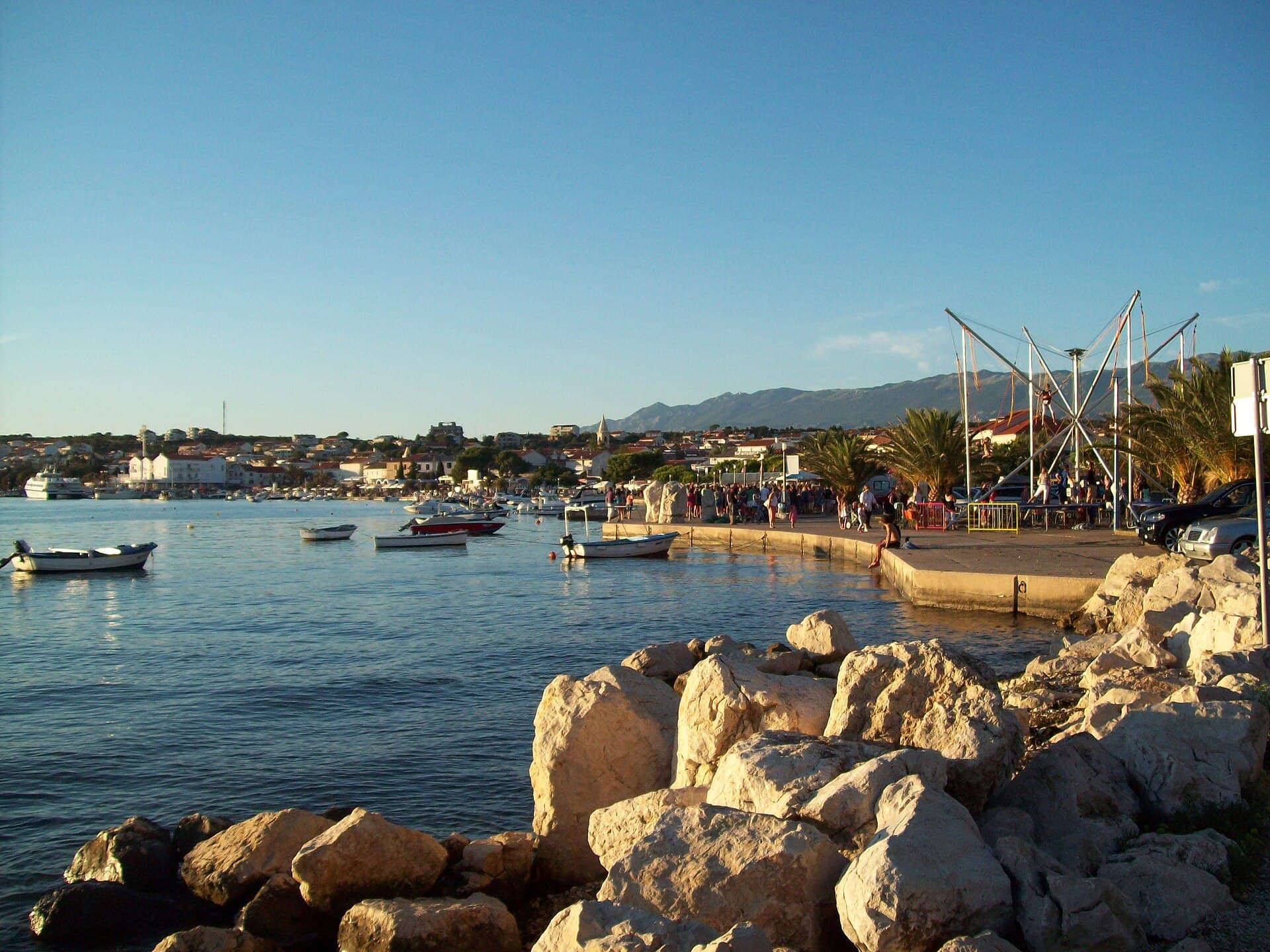
Novalja curves around a bay on Pag’s western shore, with the waterfront, Trg Bazilike and streets around Mala crikva forming the centre. Landing places and restaurants line the water, while…
Read the guide
Help improve this page
Spot something missing or wrong? Suggest a correction, add your photo or report a problem. Editors review every suggestion before it is published.
Photo credits
- Kolan — Marijan · Public domain · Wikimedia Commons
- Šimuni — Silverije · CC0 · Wikimedia Commons
- Zubovići, Novalja, Pag — Palauenc05 · CC BY-SA 4.0 · Wikimedia Commons
- Mandre — pepanos · CC BY 3.0 · Wikimedia Commons