Božava
About this place
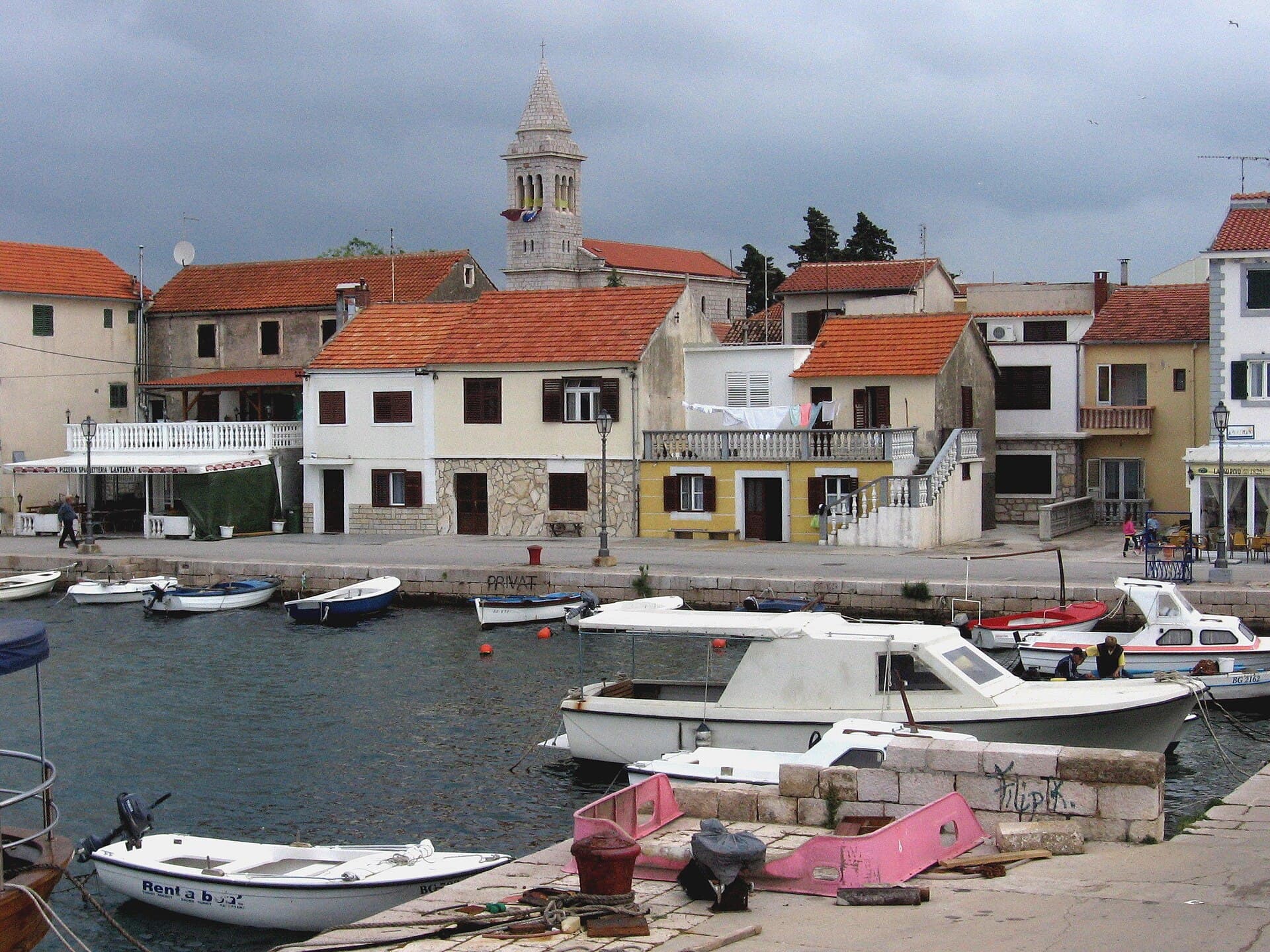
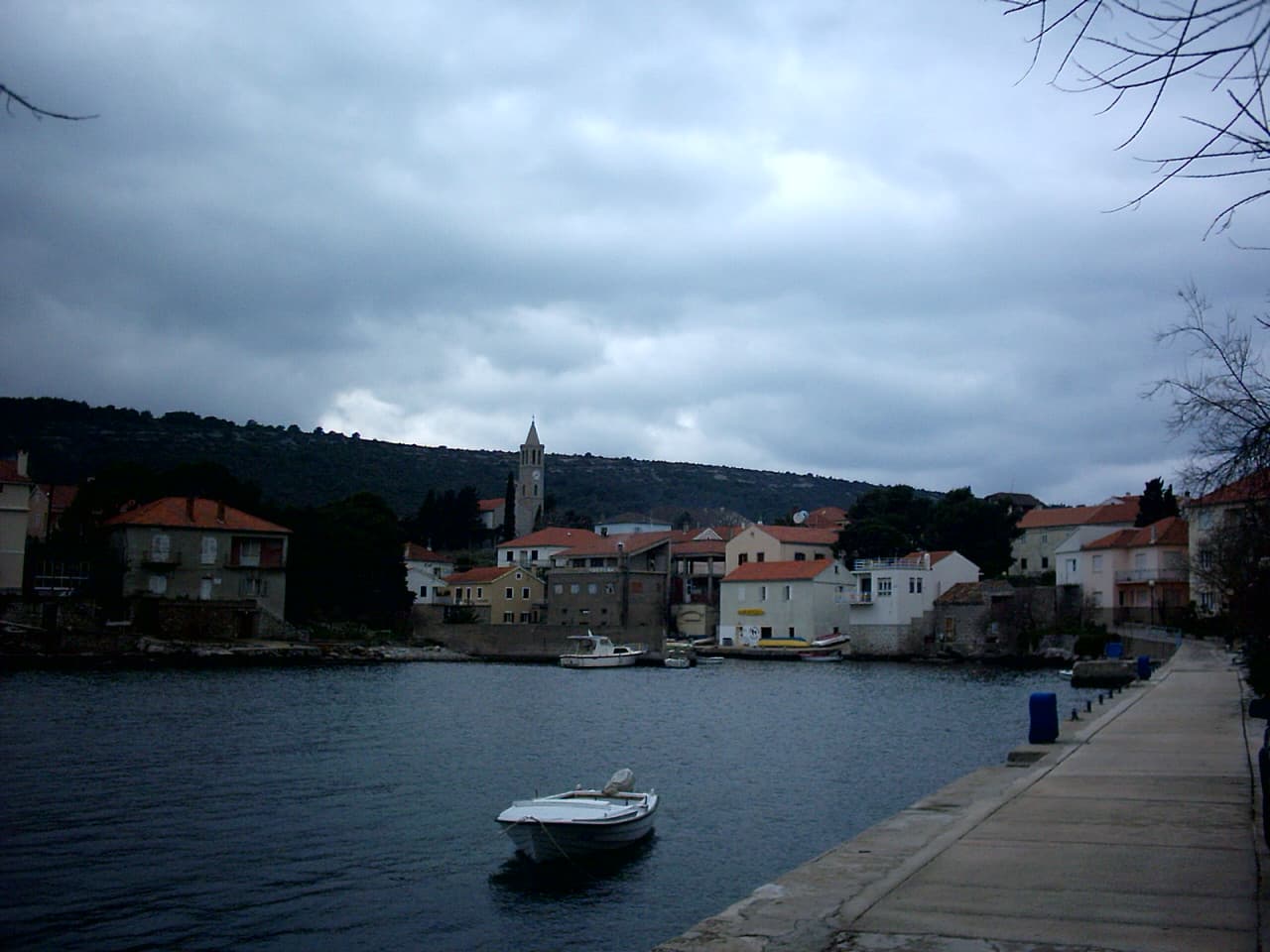
Božava occupies a pine-fringed inlet in north-western Dugi otok, on the island’s more sheltered eastern shore. Records first mention it as Bosane in 1327, although nearby fortified remains and traces from antiquity reveal a much longer human presence. The present-day village combines a fishing heritage, a compact harbour and a four-hotel resort, making it a useful base for the island’s northern end. Visiting boats can use local berths supplied with water and electricity, while passenger services arrive close to the village centre. Behind the waterfront, stone-walled courtyards pierced with defensive loopholes recall the pirate raids that troubled Dugi otok during the 18th century. Božava’s churches include the parish church of St Nicholas, completed in 1882, and an older cemetery chapel associated with the early medieval period. In summer, a tourist road train links the village with Sakarun, whose pale seabed and extensive shallows are the north’s signature swimming experience. Jadrolinija’s passenger route 9404 provides a direct link with Zadar, whereas travellers bringing a car reach Dugi otok on the vehicle ferry to Brbinj.
Božava’s character comes from its sheltered harbour, surrounding pinewoods and position between Dugi otok’s northern coves and the island’s main road. The name Bosane was recorded in 1327, and the older livelihoods of olive, vine and fig cultivation were later joined by hotels and nautical tourism. Its harbour remains functional rather than merely decorative: berths provide water and electricity, and passenger boats dock within walking distance of the houses and hotels. Behind the waterfront stand courtyards enclosed by stone walls with firing slits, a distinctive legacy of Božava’s response to 18th-century pirate raids. This mixture of maritime infrastructure, agricultural history and surviving defensive details gives the village a markedly different atmosphere from a purpose-built island resort.
Stays nearby
 Apartment
Apartmeni Klenovica.eu
Klenovica
Klenovica, 107 km from Božava
up to 4 guests · 1 bedroom
The host confirms the exact price for your dates and availability.
Things to see


Beaches
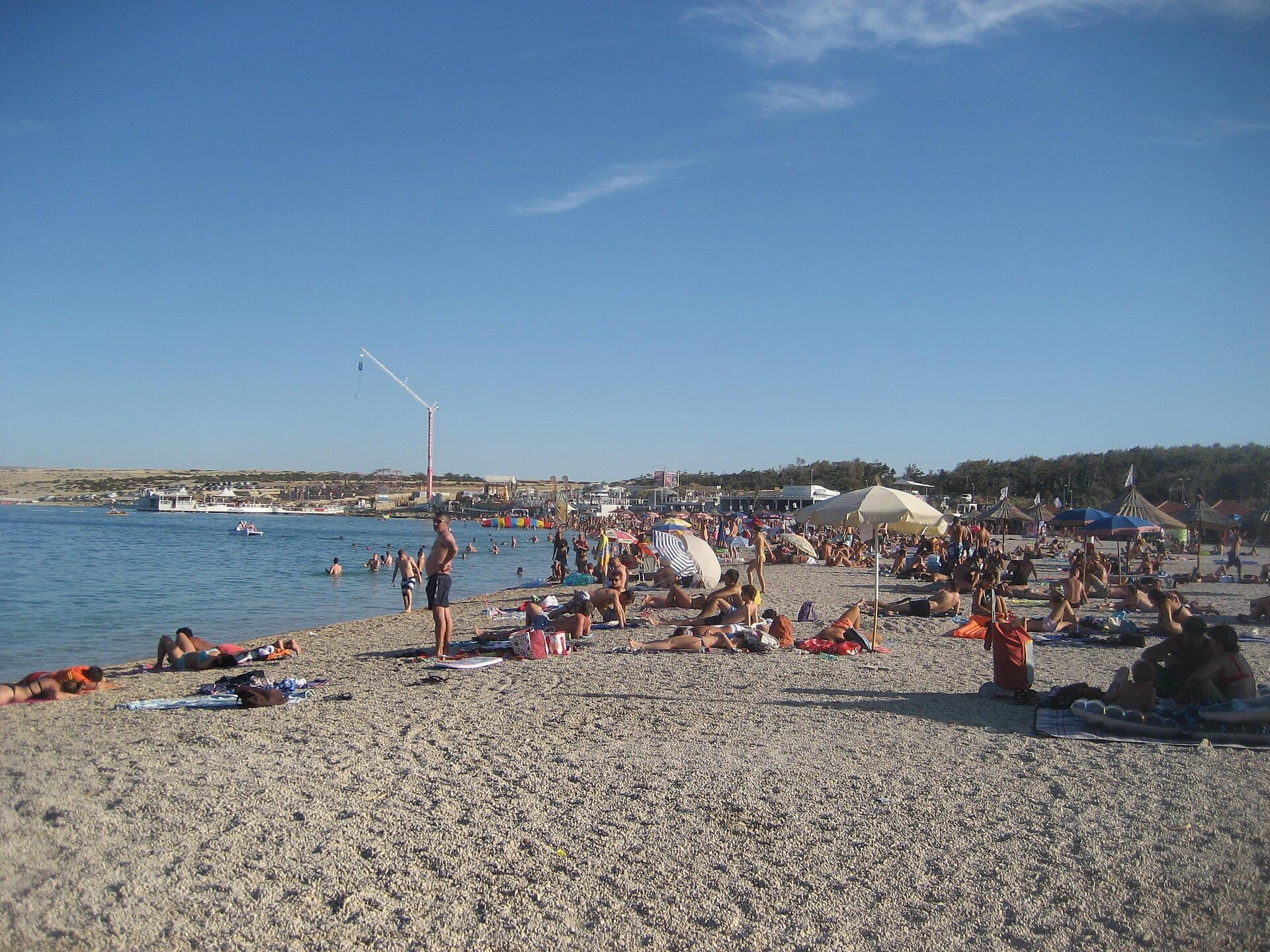
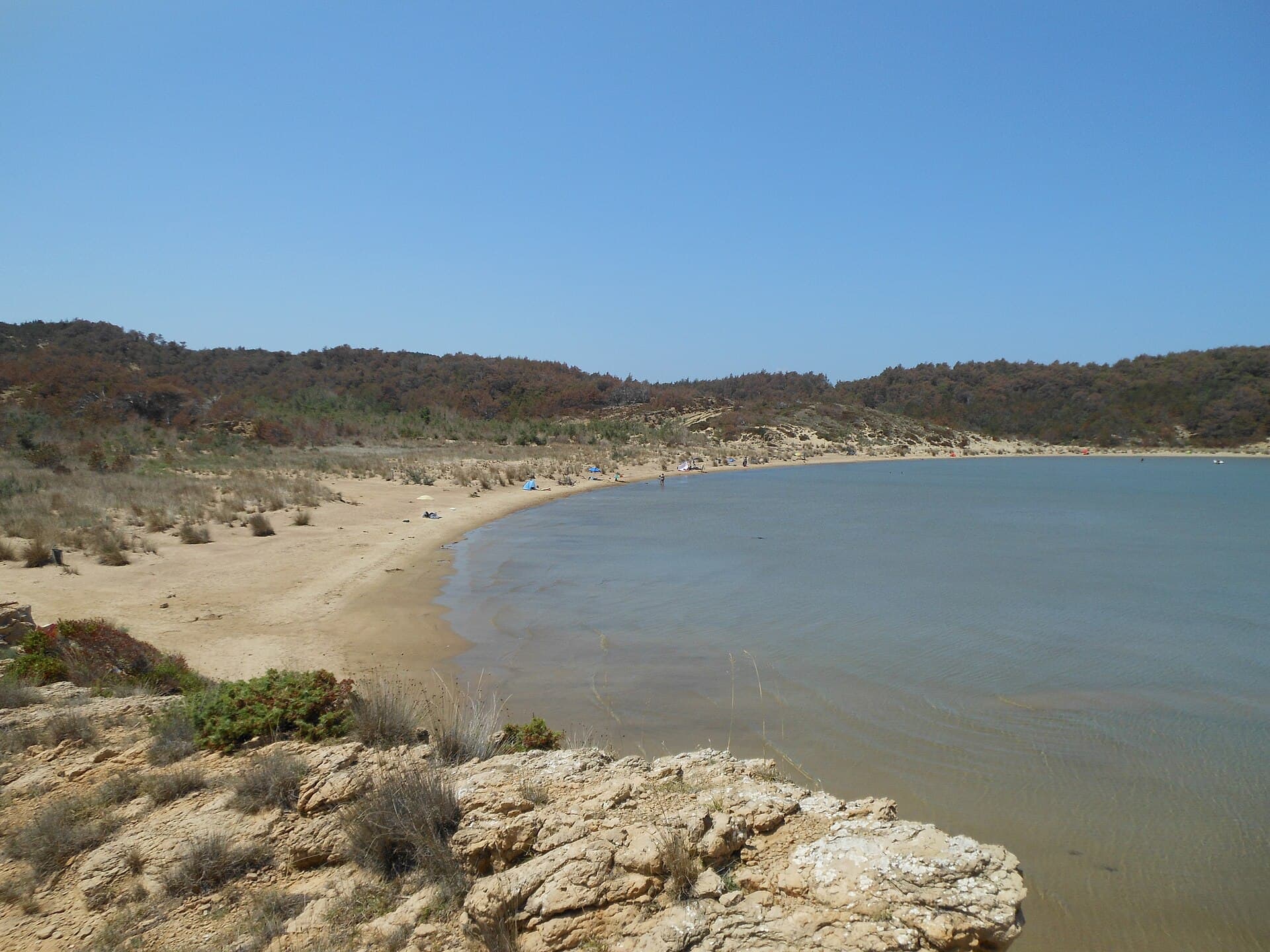
Sakarun is the principal beach excursion from Božava, particularly in summer when a tourist road train serves the bay. Its defining features are a pale seabed, broad shallows and pines behind the shore, making it attractive to families seeking a gradual entry into the water. Sakarun faces the more exposed north-western side of Dugi otok, so conditions can differ noticeably from those in Božava’s protected harbour. For a quick swim, visitors use the stone and prepared access points around Božava Bay; Sakarun is better treated as a separate half-day outing. The road train and beach facilities are seasonal and should not be assumed to operate outside the main summer period.

Things to do
Begin at Božava’s waterfront, where the passenger landing, yacht berths and historic village share the same compact bay. Continue through the stone houses to look for the walled courtyards with firing slits, then climb towards the 1882 parish church of St Nicholas. A further stop is the older St Nicholas chapel at the village cemetery, associated with the 9th–10th-century period. Reserve a summer afternoon for the tourist road train from Božava to Sakarun and a swim over the bay’s pale, shallow seabed. Plan the return around the final train service, as this seasonal connection is considerably more convenient than walking along the island road.
Food and drink
Božava’s dining scene is seasonal and closely tied to the hotel complex, waterfront and visiting yachts. The island guide specifically lists Bistro Propela, while the hotel resort operates its own restaurant and bar facilities. The fishing-harbour setting naturally favours Adriatic fish, shellfish and straightforward Dalmatian accompaniments, although particular dishes depend on the day’s supply. Anyone planning dinner at Propela or one of the hotel restaurants should confirm opening dates outside July and August, when demand in Božava drops sharply. Travellers without a car are best served by eating within the village, since an evening return from Soline or Veli Rat should not be planned around the daytime tourist train to Sakarun.
Practical information
Practical information
Basic groceries are available from Božava’s village shop, while larger purchases are best completed before reaching northern Dugi otok. Harbour berths offer water and electricity connections, an important facility for crews staying overnight in the bay. Visitors should coordinate their stay with fast-boat route 9404; for Jadrolinija’s 2026 service, a purchased ticket also reserves a place on the selected departure. The road train to Sakarun is a seasonal summer service, so its final return should be checked in Božava before setting out. For a broader range of medical, banking and shopping services, Sali or Zadar is more practical than Božava’s small centre.
Getting there and around
Jadrolinija’s fast-passenger route 9404 links Božava with Zadar, Rivanj, Sestrunj, Zverinac and Brbinj during 2026. This is a passenger vessel, so cars cannot travel on the route. Vehicles reach Dugi otok on the ferry from Zadar’s Gaženica terminal to Brbinj, followed by a drive along the island’s main road to Božava. Route 9404 operates daily during the summer portion of the 2026 timetable, although departure times vary by weekday. A tourist road train connects Božava with Sakarun in summer; for other island villages, a private or rental vehicle remains the more dependable option.
Frequently asked questions
Is there a direct boat from Zadar to Božava?
Yes. Jadrolinija’s passenger route 9404 links Zadar and Božava in 2026, but it does not carry cars.
How do you reach Sakarun from Božava?
A tourist road train runs from Božava to Sakarun in summer; check the final return before leaving.
Is water available at Božava harbour?
Yes. Božava’s equipped berths provide both water and electricity connections.
Where do cars arrive on Dugi otok?
Cars travel on the ferry from Gaženica to Brbinj, followed by a drive along the island road to Božava.

Related guides
Novalja
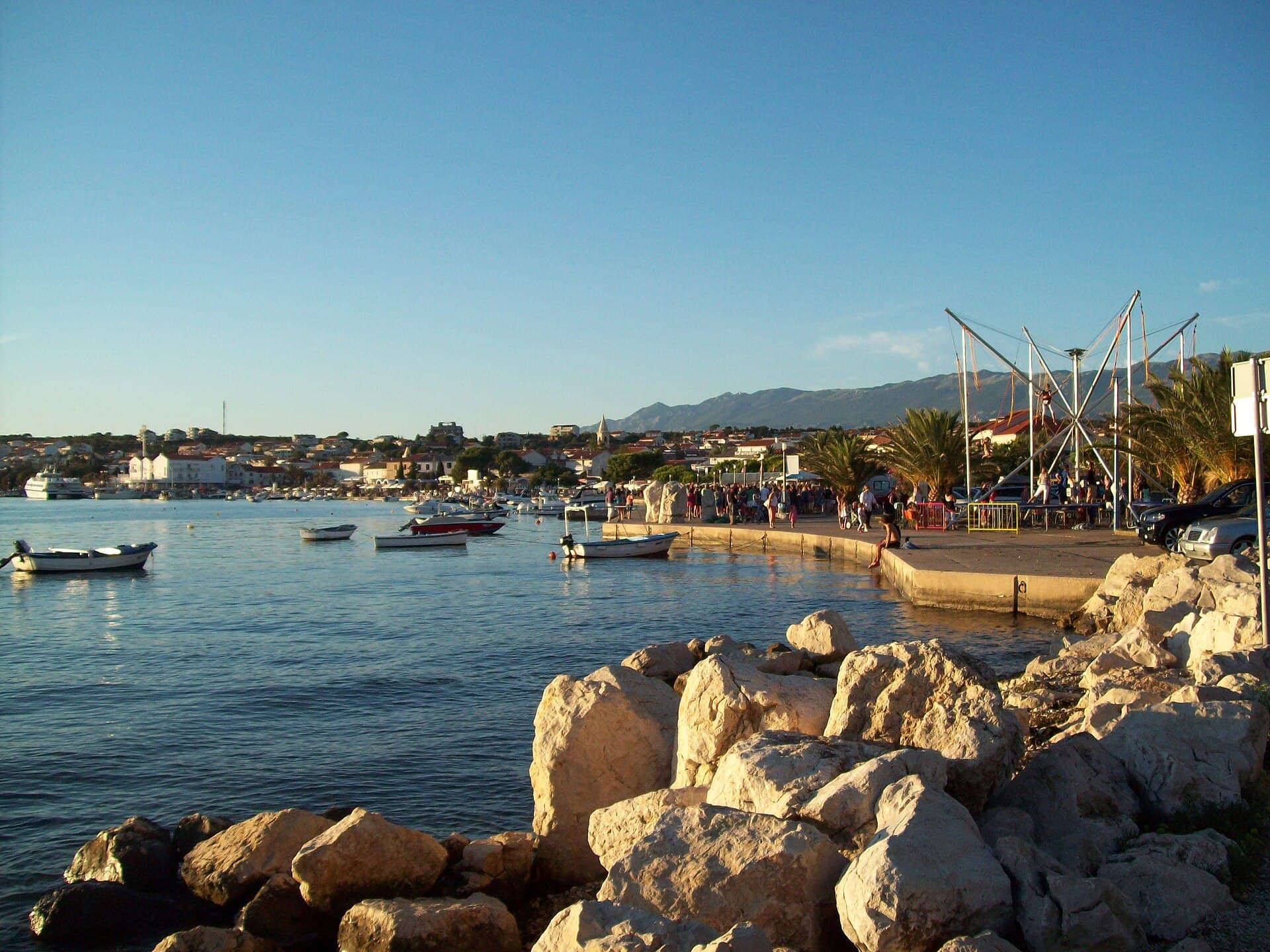
Novalja curves around a bay on Pag’s western shore, with the waterfront, Trg Bazilike and streets around Mala crikva forming the centre. Landing places and restaurants line the water, while…
Read the guide
Help improve this page
Spot something missing or wrong? Suggest a correction, add your photo or report a problem. Editors review every suggestion before it is published.
Photo credits
- Božava — Janeway · Public domain · Wikimedia Commons
- Molat — Veverica · CC BY-SA 4.0 · Wikimedia Commons
- Verunić — Romanm · CC BY-SA 4.0 · Wikimedia Commons
- Veli Rat — Dominik Matus · CC BY-SA 3.0 · Wikimedia Commons
- Brbinj — Mich973 · CC BY-SA 4.0