Zadar
About this place
Zadar is best approached through the contrast between stone squares and an open seafront. On the peninsula, the Forum and St Donatus create a recognisable historical setting, while the Sea Organ draws attention to sound generated by the movement of the sea. That change from looking to listening is a good reason not to reduce the city to a few sunset photographs. The Archaeological Museum helps contextualise remains seen outdoors, and the Museum of Ancient Glass offers a focused encounter with one material and its uses. Compared with smaller coastal settlements around Zadar, the city suits visitors who want several distinct cultural experiences connected by a walking visit. For a first day, choose one museum, a historic square and the waterfront. Additional days do not have to be filled with excursions: return to a place you previously crossed in passing. Leave time by the sea without expecting a predetermined melody or guaranteed perfect sunset. Zadar becomes more interesting when treated as a city of different experiences rather than scenery for a single imagined photograph.
Stays nearby
 Apartment
Apartmeni Klenovica.eu
Klenovica
Klenovica, 114 km from Zadar
up to 4 guests · 1 bedroom
The host confirms the exact price for your dates and availability.
Things to see


Beaches
Vitrenjak
Beach · Zadar
Vitrenjak is an urban beach beside the marina in northwestern Zadar, with a children’s playground and easy access from nearby neighbourhoods.
Punta Bajlo
Beach · Zadar
Punta Bajlo is a rocky and pebble bathing area in pine surroundings south of central Zadar, valued for shade and open sea views.
Things to do
For one day, use the Forum as your orientation point, then choose one museum and finish on the waterfront at the Sea Organ. Before entering a museum, decide whether you want a broader archaeological overview or the more focused subject of ancient glass; the distinction is thematic, not merely geographical. Leave the remaining time for city passages and a break. With three days, use the first for this basic circuit, the second for the cultural visit you omitted and the third for a slower day by the sea or a separately checked excursion. Island transport needs its own verification of port and departures: a town walk does not imply a ferry connection from every waterfront. At the Sea Organ, you need not arrive at the same moment as everyone seeking a sunset. Listening to the sea can be a worthwhile daytime pause. With children, choose a short museum visit around one theme, such as the shapes of glass vessels, rather than a complete inventory of exhibits. This itinerary assumes no particular opening hours or Forum event during your stay.
Frequently asked questions
Does the Sea Organ play set compositions?
Sound is generated by sea movement rather than a predetermined concert programme.
Which museum focuses on ancient glass?
The Museum of Ancient Glass, which is distinct from the Archaeological Museum Zadar.
Must I visit the Sea Organ at sunset?
No. The sound experience can form part of a daytime waterfront walk.
Can I explore the described centre without a car?
Yes, the programme connects urban walking stops. Arrange access to accommodation separately.
Nearby
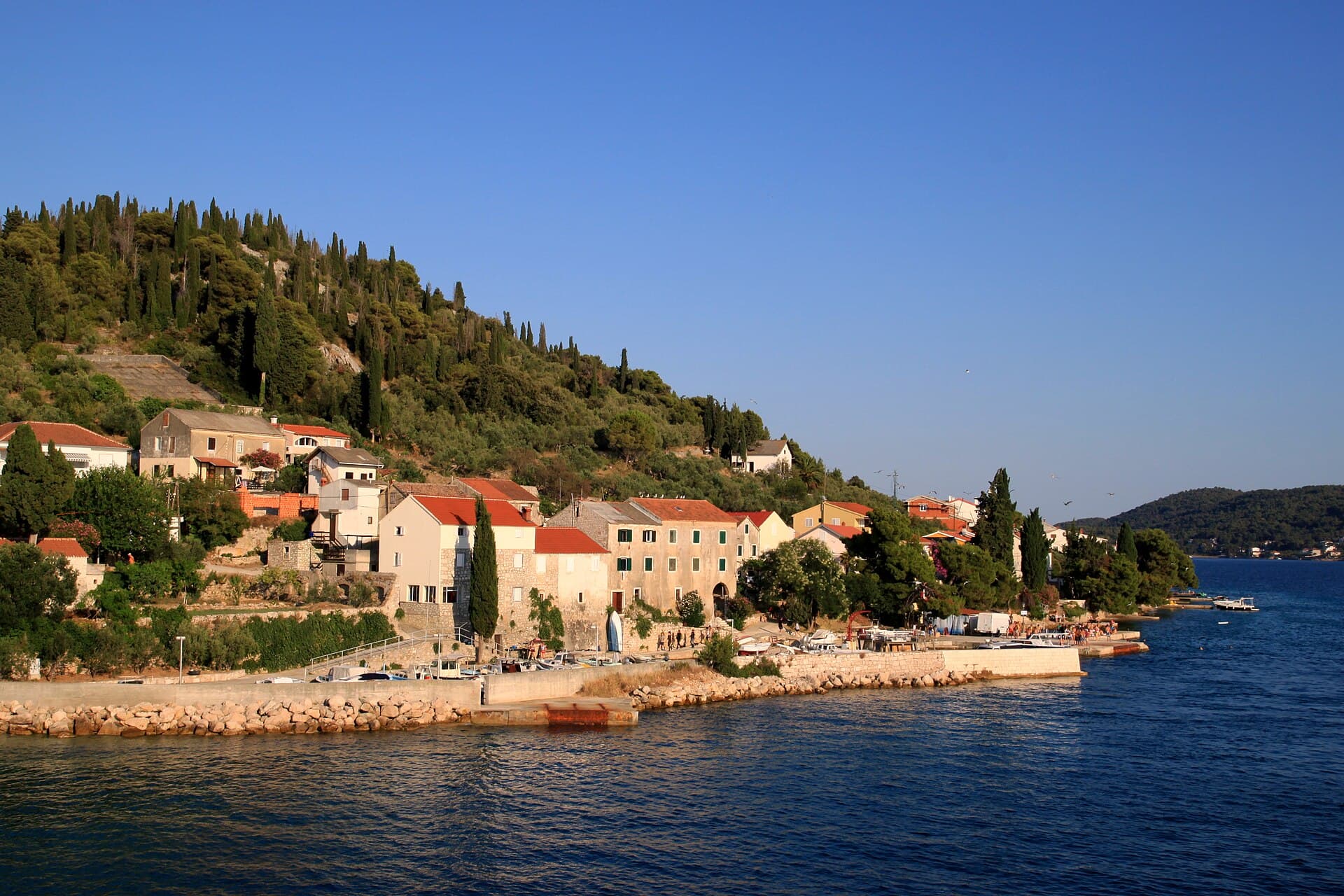
Ošljak, Preko
Village · Ošljak

Related guides
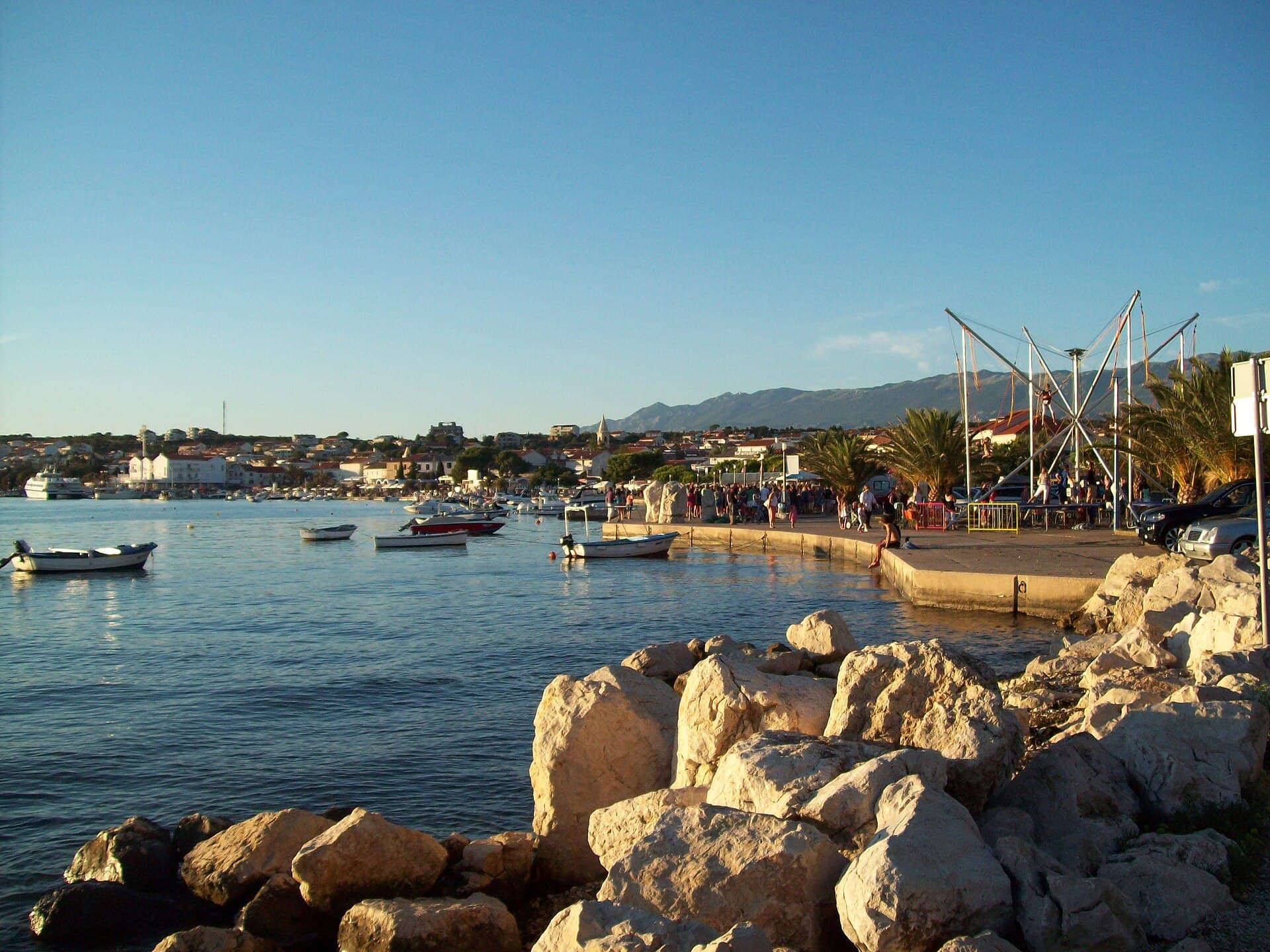
Novalja
Novalja curves around a bay on Pag’s western shore, with the waterfront, Trg Bazilike and streets around Mala crikva forming the centre. Landing places and restaurants line the water, while…
Read the guide
Help improve this page
Spot something missing or wrong? Suggest a correction, add your photo or report a problem. Editors review every suggestion before it is published.
Photo credits
- Zadar — dronepicr · CC BY 2.0 · Wikimedia Commons
- Ošljak, Preko — Lovro Rumiha from Zagreb · CC BY 2.0 · Wikimedia Commons
- Poljana, Ugljan — Falk2 · CC BY-SA 4.0 · Wikimedia Commons
- Preko — Andres rus · CC BY-SA 3.0 · Wikimedia Commons