Lastovo
About this place
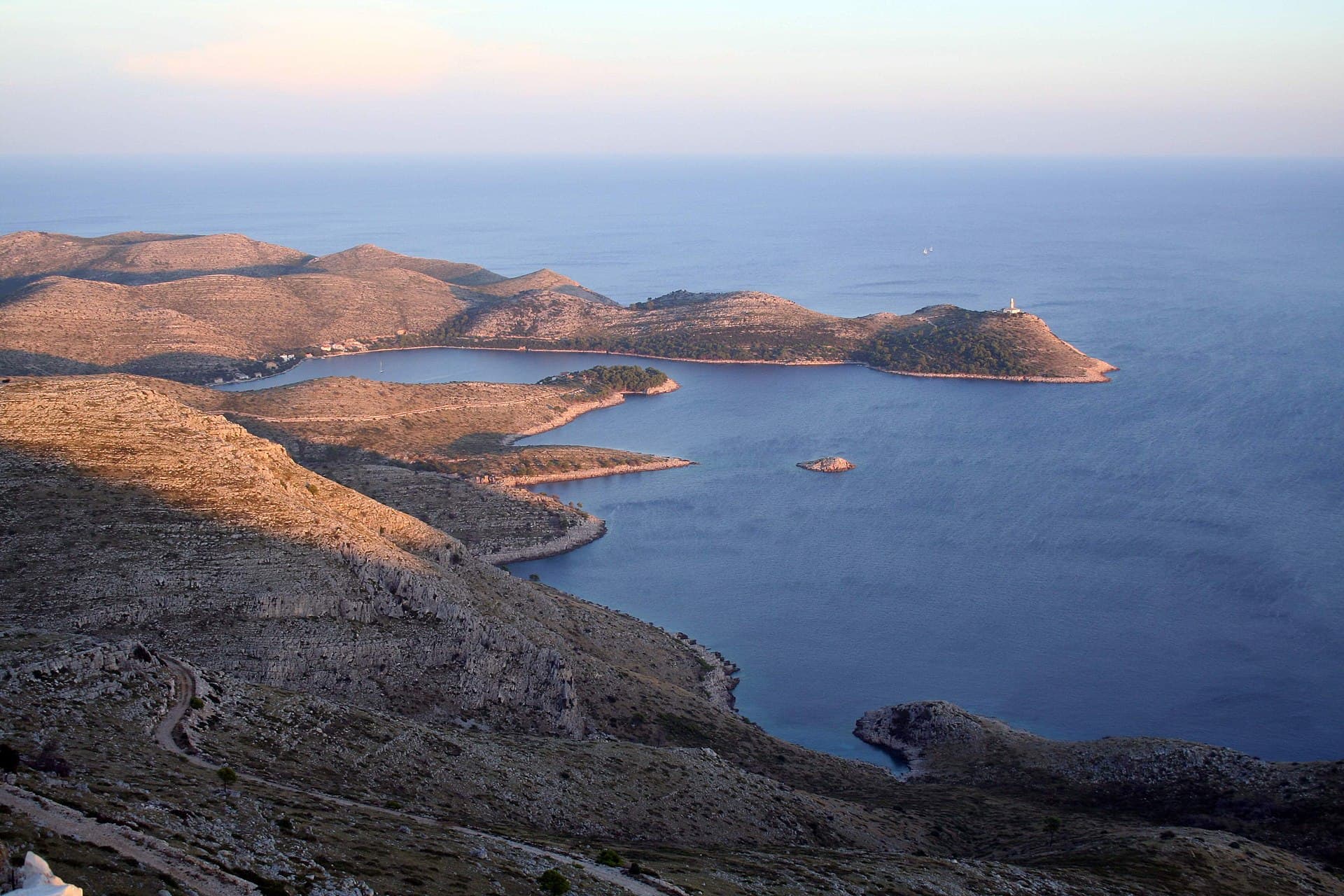
Lastovo is one of the most remote larger inhabited islands of southern Dalmatia and the centre of an archipelago protected as Lastovo Islands Nature Park. The main settlement of Lastovo lies inland among hills rather than directly on the coast, with stone houses and distinctive fumari chimneys. The island is famous for the Lastovo Carnival, a centuries-old tradition involving a ceremonial dance and the lowering of the Poklad figure. Skrivena Luka lies on the south coast, Zaklopatica on the north, and Pasadur in the west beside the islet of Prežba. Ubli is the main ferry port for travellers arriving by sea. The nature park includes the island and surrounding archipelago, making diving, kayaking and boating important parts of a stay. Lastovo's night sky is valued for low light pollution. Lučica, an old fishing settlement by the sea, offers a different architectural setting from inland Lastovo. A car or bicycle is useful because bays and villages are spread out. The island particularly suits travellers seeking quiet landscapes, nature and local traditions rather than large resorts.
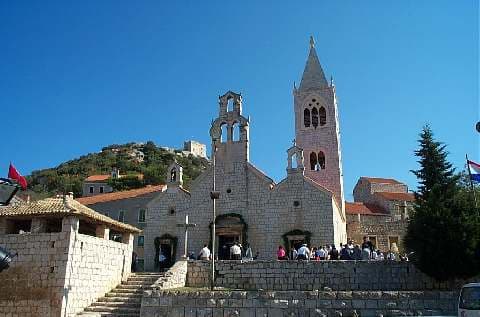
Lastovo village has an unusual position for a Dalmatian island settlement: it lies inland among hills rather than directly on the sea, a location historically chosen for greater protection from maritime attacks. The local tourist board describes it as a medieval amphitheatre-shaped settlement with fifteenth- and sixteenth-century houses, stone stairways, traditional terraces and richly decorated fumari chimneys. Those chimneys give the village a silhouette unlike the more familiar waterfront views of Dalmatia. Lastovo is the island’s administrative and cultural centre, but reaching the bays and ferry port requires descending by road. The settlement is best understood together with Lastovo Archipelago Nature Park: isolation, rugged relief and dispersed coves explain why the island is experienced not as one continuous seaside promenade but as a network of distinct small places.
Stays
No stays listed here yet
Things to see
In Lastovo village, the stone houses and decorated fumari chimneys are among the most distinctive architectural details. The carnival tradition gives the settlement a strong intangible identity, with the Lastovo Carnival following rules transmitted locally across generations. Exploring the natural side requires leaving the village: Skrivena Luka, Zaklopatica and Pasadur reveal three different coastal settings, while Lastovo Islands Nature Park also includes the surrounding islets. Lučica preserves the appearance of an old fishing settlement directly by the sea. Architecture, carnival heritage and protected marine scenery are therefore not concentrated in a single place; they are best understood by moving between the inland settlement and several parts of the coast.
 Nature park
Beaches
Lastovo does not have one main town beach attached to the village; instead, swimming is spread among coves reached by road or on foot. The official tourist board highlights Kručica, with two pebble beaches and natural shade, as well as Lučica and Mihajla near Lastovo village and Mali žal in Skrivena Luka. The same guide lists additional coves around the island, which matters when planning because sea conditions and atmosphere vary with the side of the island and the wind. Families or visitors staying for a full beach day may prefer a cove with easier access and more services, while remoter locations suit those looking for quiet. In 2026, local conditions should be checked before setting out, particularly for bays approached by narrow island roads.
Bathing water quality nearby
- Sv. Mihovil · 1.1 kmexcellent · season 2025
Source: European Environment Agency (EEA); data from Croatian authorities. · bathing water profile
Things to do
In Lastovo village, begin by following the stone stairways through the old core, looking for the different fumari chimneys and visiting the area around the parish Church of Saints Cosmas and Damian. The settlement is then best viewed from the surrounding hills, because its amphitheatre-like arrangement becomes much clearer from above. The second part of the day should move toward the sea: Lučica lies close to the village, while Skrivena Luka, Zaklopatica and Pasadur offer completely different island landscapes. The nature park and tourist board highlight walking, cycling and diving as key activities, and the island has more than 200 kilometres of walking paths. Because the coves are dispersed, choosing one coastal area for the day is more rewarding than trying to cover the entire island in only a few hours.
Food and drink
In Lastovo village, the official tourist board lists Konoba Bačvara and Konoba Fumari, while the wider island selection includes Lučica, Santor, Aragosta, Triton, Nautica and other venues in coastal bays. Bačvara lies at the foot of the village and focuses on fish and meat dishes linked to traditional Lastovo cooking. Zaklopatica has a particularly strong concentration of waterfront taverns, making dinner there easy to combine with an evening by the sea or a return from swimming. Menus across the island feature local fish, vegetables and island wines, with varieties such as Plavac and Maraština appearing at some establishments. In the 2026 season, reservations are sensible for popular evenings, and opening hours should be checked directly because part of the island’s restaurant offer operates seasonally.
Practical information
Practical information
Lastovo requires more planning than many larger Dalmatian islands because the ferry port is in Ubli, Lastovo village lies inland, and beaches and restaurants are spread across separate bays. The tourist board gathers contacts for the clinic, pharmacy, shops, taxis and other local services, while the nature park provides information for visiting the protected archipelago. In 2026, ferry, catamaran and island bus schedules should be checked for the actual travel date rather than relying on older general descriptions. A useful daily rhythm is to combine one inland area with one coastal area instead of repeatedly crossing the island. Walkers should carry sufficient water, particularly in summer, because routes between settlements and viewpoints can be exposed to strong sun.
Getting there and around
The main maritime gateway to Lastovo is the port of Ubli. The tourist board’s summer 2026 timetable lists connections from Split via Vela Luka and Hvar, as well as a seasonal catamaran link with Dubrovnik, and separately publishes the island bus route linking Lastovo village, Ubli and Pasadur. For the period from 29 May to 27 September 2026, the bus has several daily departures connecting the inland village with the ferry port, which is particularly important for travellers without a car. Schedules outside that period may differ and should be checked before tickets are purchased. A car offers more flexibility for bays such as Skrivena Luka and Zaklopatica, although narrow island roads require slower driving and realistic travel times between locations.
Frequently asked questions
What are Lastovo fumari?
Fumari are distinctively shaped chimneys on Lastovo houses and one of the settlement's recognised symbols.
Where does the ferry arrive on Lastovo?
The island's main ferry port is at Ubli.
What is the Lastovo Carnival?
The Lastovo Carnival is a centuries-old island tradition with a distinctive procession, dance and Poklad figure.
Where is Skrivena Luka on Lastovo?
Skrivena Luka lies on the island's southern coast within Lastovo Islands Nature Park.
Nearby

Zaklopatica
Village · Lastovo

Related guides

Dubrovnik
Dubrovnik’s historic centre is organised around Stradun, yet its character changes within a few steps of that main street. At the western end beside Pile stand the Large Onofrio Fountain,…
Read the guide

Help improve this page
Spot something missing or wrong? Suggest a correction, add your photo or report a problem. Editors review every suggestion before it is published.
Photo credits
- Zaklopatica, Uble, Pasadur — August Dominus · CC BY-SA 3.0 · Wikimedia Commons
- Lastovo Islands Nature Park — Björn Ehrlich · CC BY-SA 3.0 · Wikimedia Commons
- Church of Saints Cosmas and Damian — The original uploader was Luka Jačov at English Wikipedia.. Photographer: Vinko Frlan · Public domain · Wikimedia Commons
- Svjetionik Rt Struga — Aleksandar Topuzović · CC BY 3.0 · Wikimedia Commons