Vir
About this place
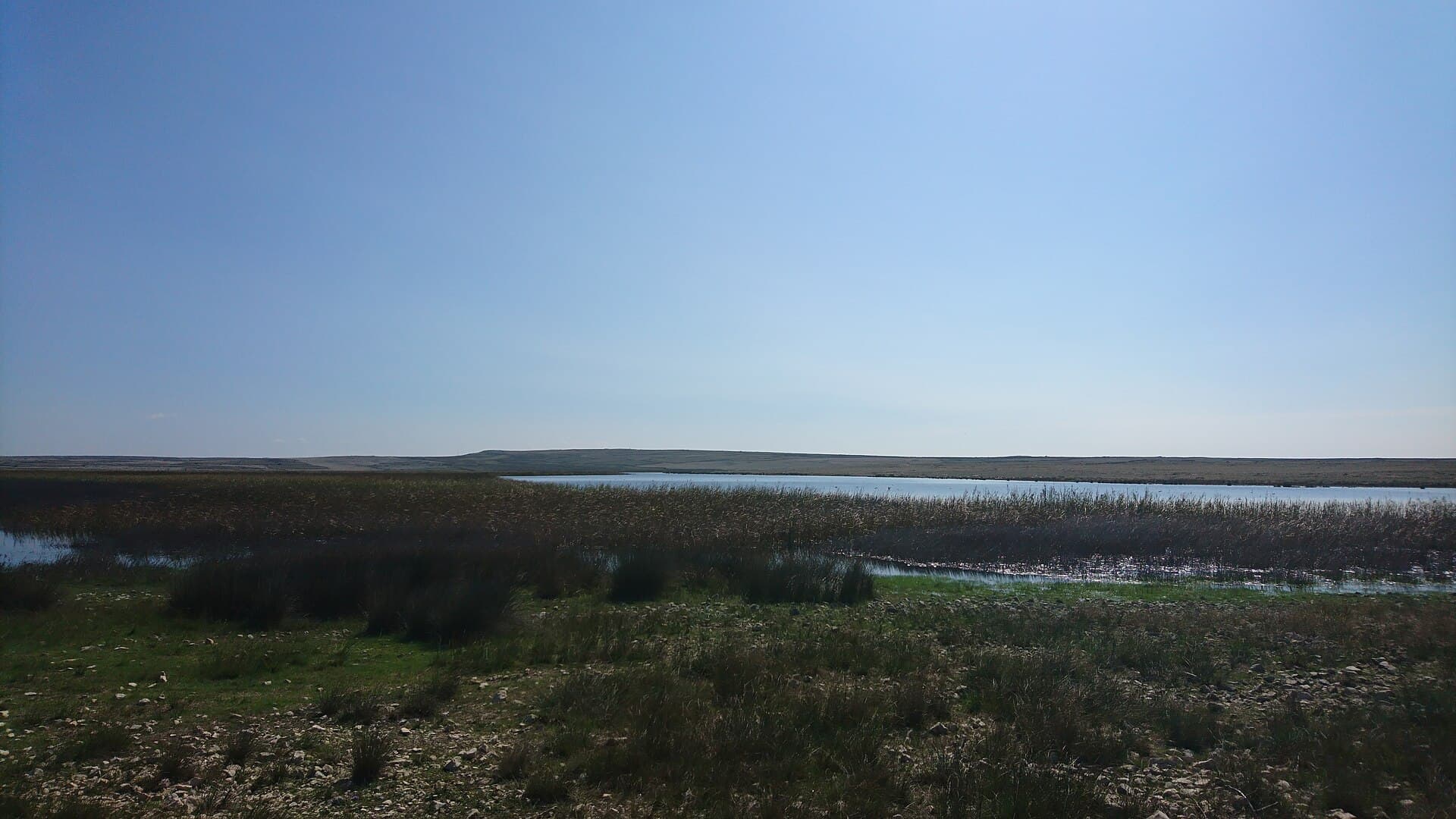
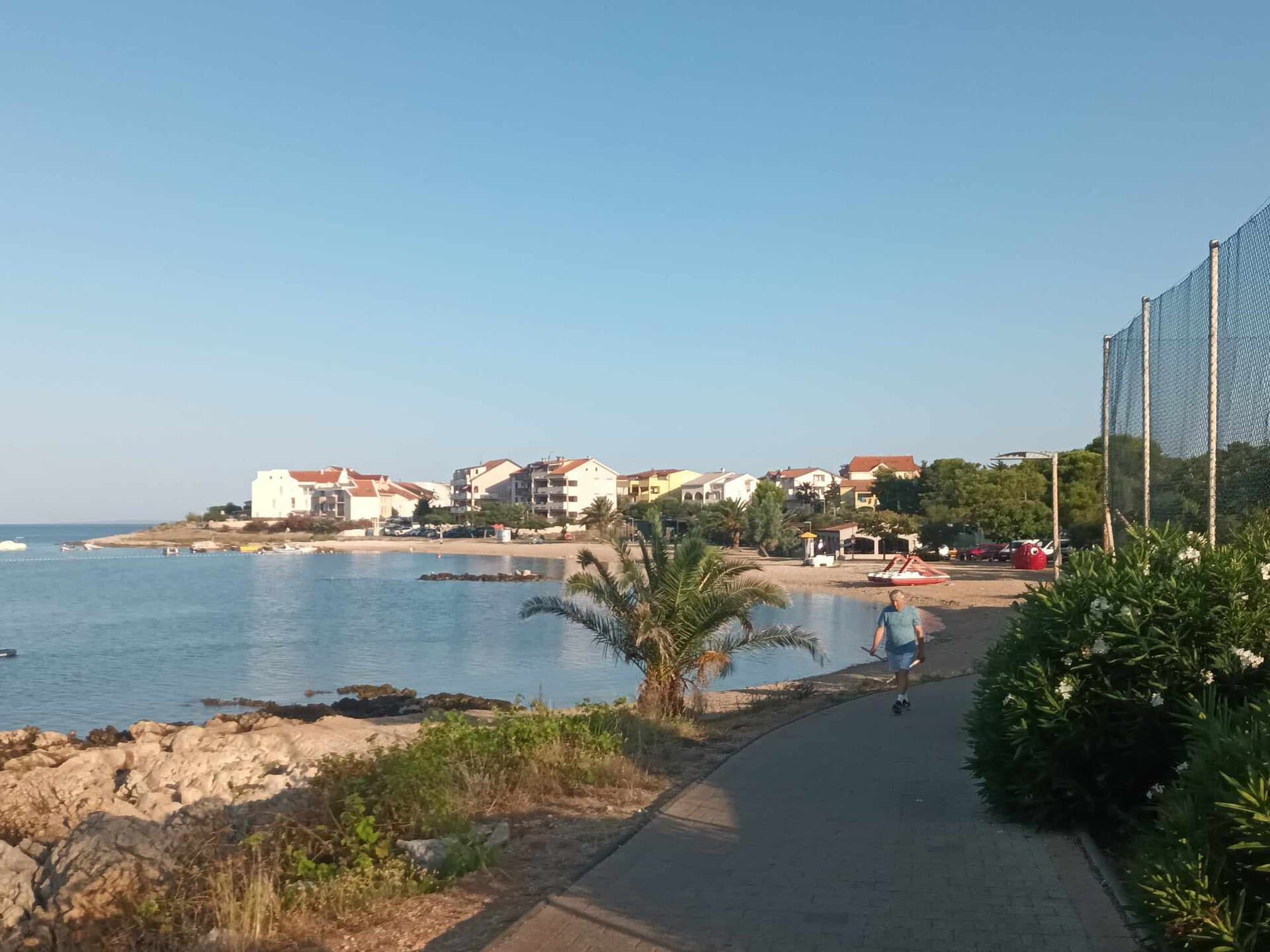
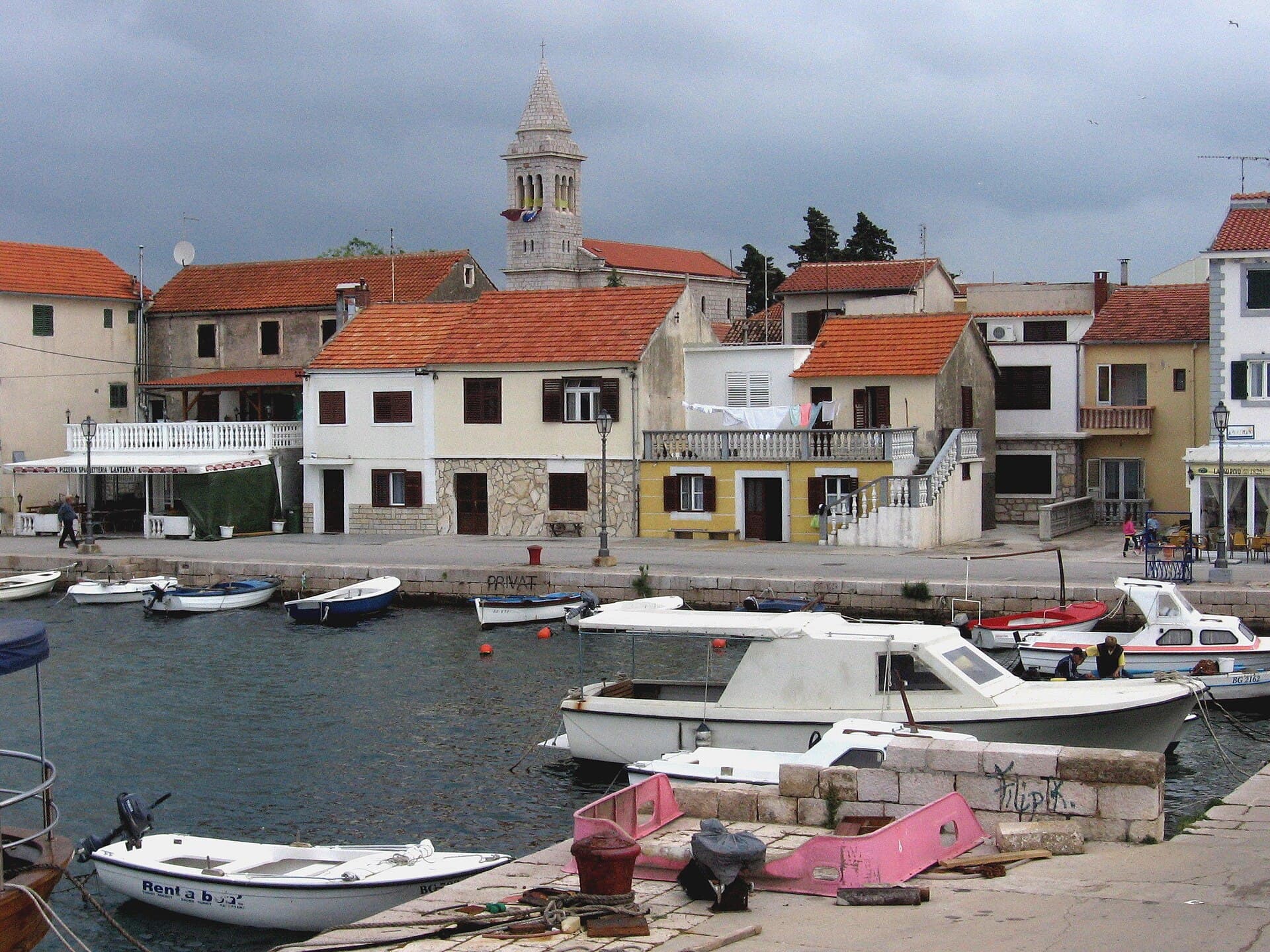
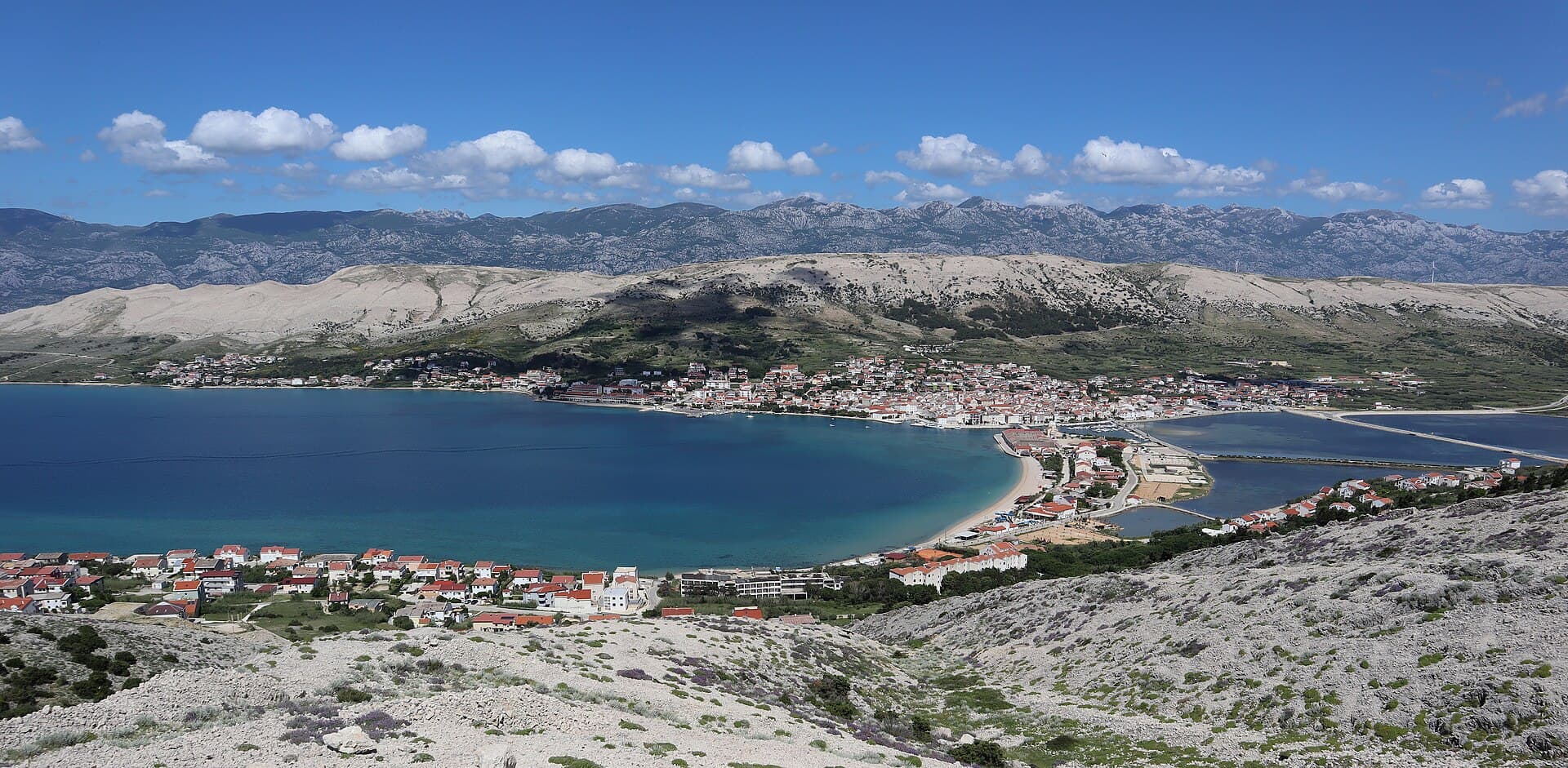
Vir is a Zadar-area island where the sea, Velebit and a low island interior meet within a compact area. A bridge to Privlaka removes the need for a ferry, making the island easy to combine with Nin and Zadar. On Vir itself, sheltered coves near the main settlement feel different from the more exposed northern and western shores. Kaštelina at Sapavac recalls the period of Venetian-Ottoman conflict, while the lighthouse on the island’s western side dates from 1881. Duboka Draga stands out for reddish cliffs, whereas Radnjača, Slatina, Lučica, Žitna and Prezida show how much the bathing landscape changes around the coast. The Smratine archaeological site adds late-antique and medieval layers to the island’s story. Vir therefore suits travellers who want contrasting coastal scenery without long transfers: a morning can begin at a historic site, continue with swimming on another shore and finish with views towards Velebit. A car or bicycle is especially useful for reaching the more distant coves.
Stays nearby
 Apartment
Things to see
At Sapavac stand the remains of Kaštelina, a fortification that the local tourist board associates with the early 16th century and the island’s defensive period under Venice. Farther west is the lighthouse built in 1881 on the side of Vir facing more open water. Smratine offers a different kind of site, with remains of a 6th-century late-antique church and a medieval church from the 12th century. These landmarks are not concentrated in a single old town, so Vir’s history is best explored by moving around the island. Kaštelina remains the easiest historic feature to recognise because its stone walls stand directly beside the coast.

Beaches
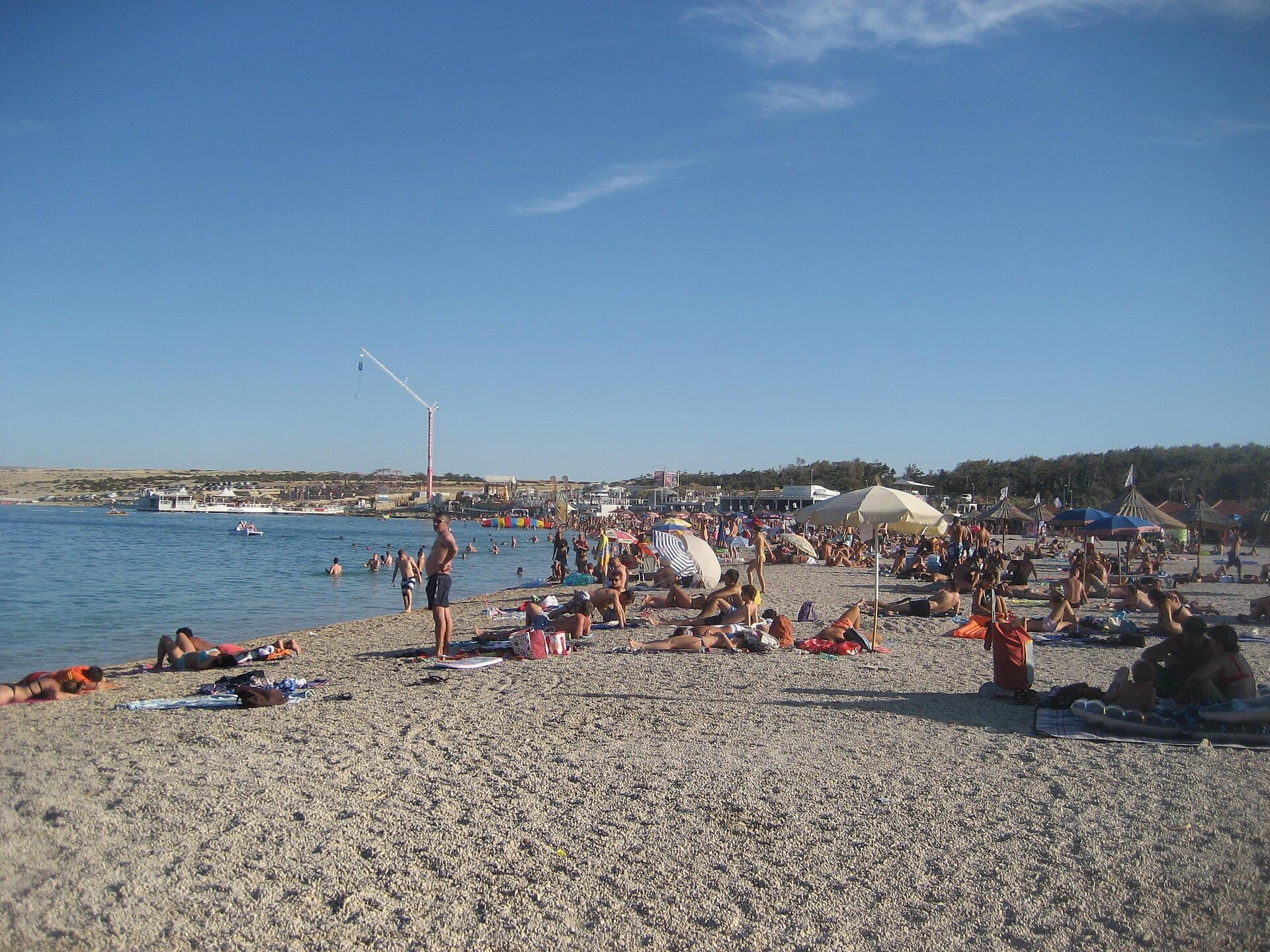
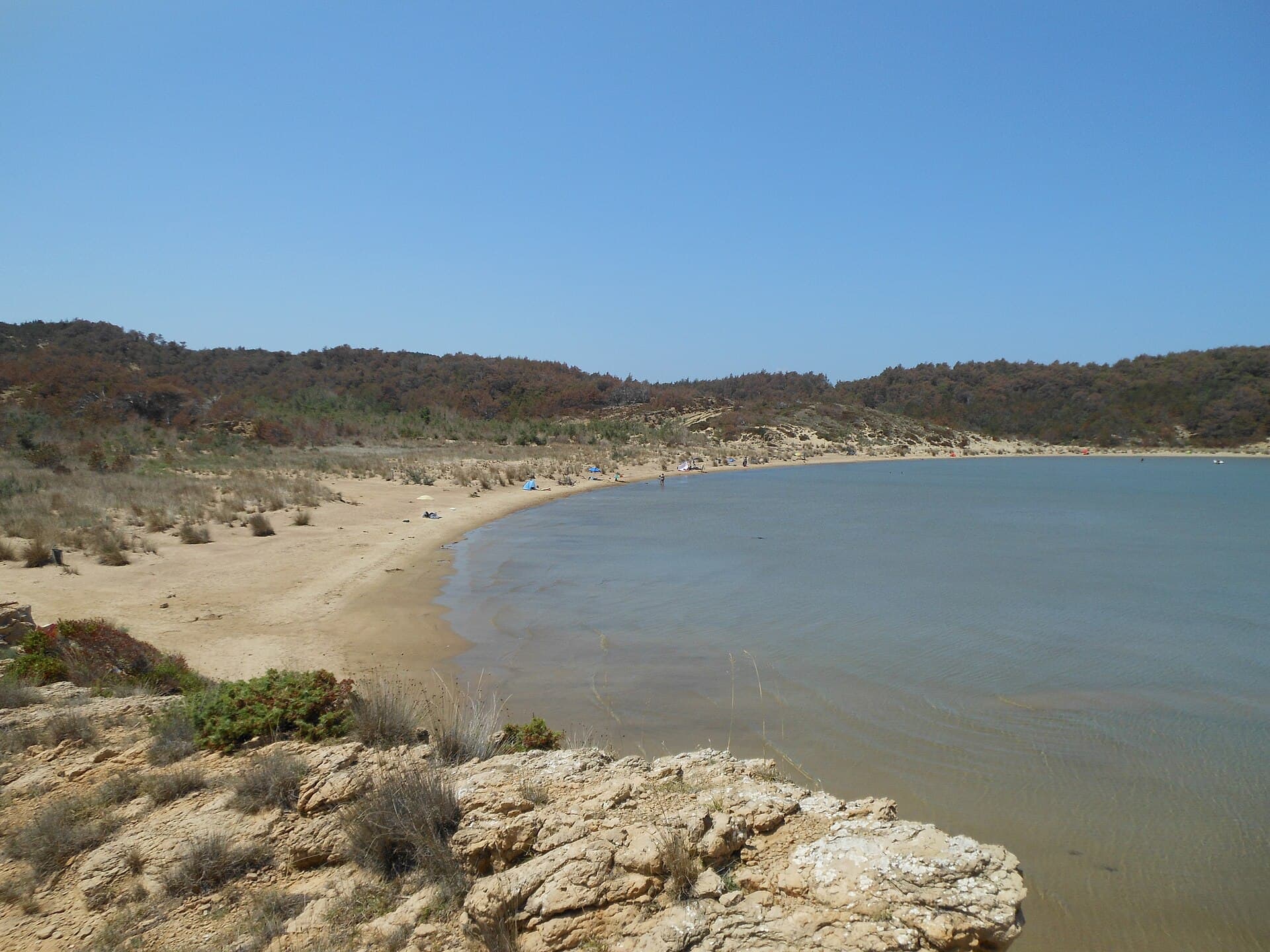
Jadro is Vir’s central beach and promenade, stretching for about a kilometre with sandy and pebbled sections, four showers, three changing cabins and the Maritimo and Mul beach bars. Farther south-west, Sapavac lies beside Kaštelina and is known for its shallow bay and reddish sediment. Pedinka on the southern coast combines a pebble shoreline, rocky and sandy seabed and shade from pine trees. For a wilder setting, choose northern Duboka Draga; the island’s official beach list also includes Žitna, Lučica, Biskupljača, Radovanjica, Bruselina and Velika Slatina.

Things to do
A morning circuit can begin along Jadro’s roughly one-kilometre promenade, then follow the southern shore towards Sapavac and the remains of Kaštelina. For a contrasting landscape, head north to Duboka Draga, recognised by its reddish cliffs, before cycling the Vir Ring around the island’s western and northern sectors. Fire roads across the slopes of Barbenjak and Bandira double as walking and trekking routes. Vir-based excursion agencies also advertise boat trips to Sakarun, Kornati and Telašćica, allowing a day on the island to be paired with a longer exploration of the Zadar archipelago.
Food and drink
Kotarina is the oldest and most recognisable restaurant highlighted by Vir’s tourist board, located close to the central Jadro beach and promenade. Paradiso is singled out for its sea view, while family-run Viranka combines traditional and international cooking. Konoba Kunjka concentrates on fresh fish, shellfish and other Mediterranean ingredients, making it a logical choice for a seafood-focused dinner. Maestral stands directly beside the beach and provides extra children’s facilities, suiting families who prefer not to interrupt a day by the water with a long trip into the island’s built-up interior.
Practical information
Getting there and around
Vir is linked to the mainland by a bridge near Privlaka, so neither cars nor buses require a ferry crossing. Zadar is approximately 25 kilometres away, with the road approach passing through the Nin and Privlaka area. Liburnija route 101 connects Zadar with Vir, serving Kožino, Petrčane, Zaton, Nin and Privlaka before reaching several stops on the island. As departures vary by season, travellers in 2026 should consult Liburnija’s current notice rather than an older timetable. A bicycle is useful for the western and northern coastline, particularly along the circular route known as the Vir Ring.
Frequently asked questions
What can be seen at Kaštelina in Sapavac?
Sapavac preserves the stone remains of Kaštelina, a Venetian defensive fortification associated with the early 16th century.
Why does Duboka Draga look different from other coves on Vir?
Duboka Draga stands out for its reddish cliffs and the more exposed, dramatic landscape of Vir’s northern coast.
Do visitors need a ferry to reach Vir?
No. Vir is connected to Privlaka by a road bridge, so the island can be reached directly by car, bus or bicycle.
What has been found at the Smratine site?
Smratine contains recorded remains of a 6th-century church and a medieval church dating from the 12th century.


Related guides
Novalja
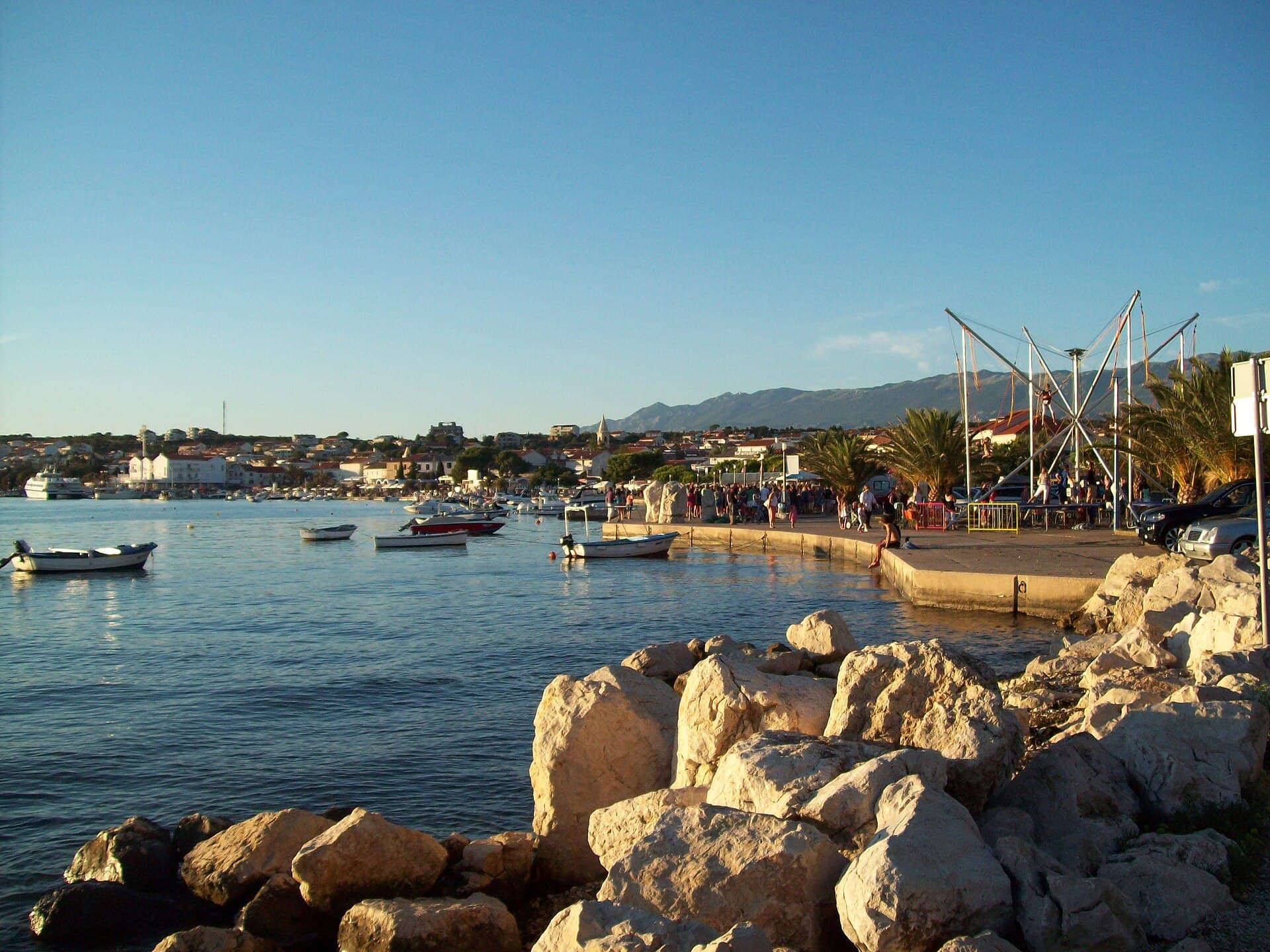
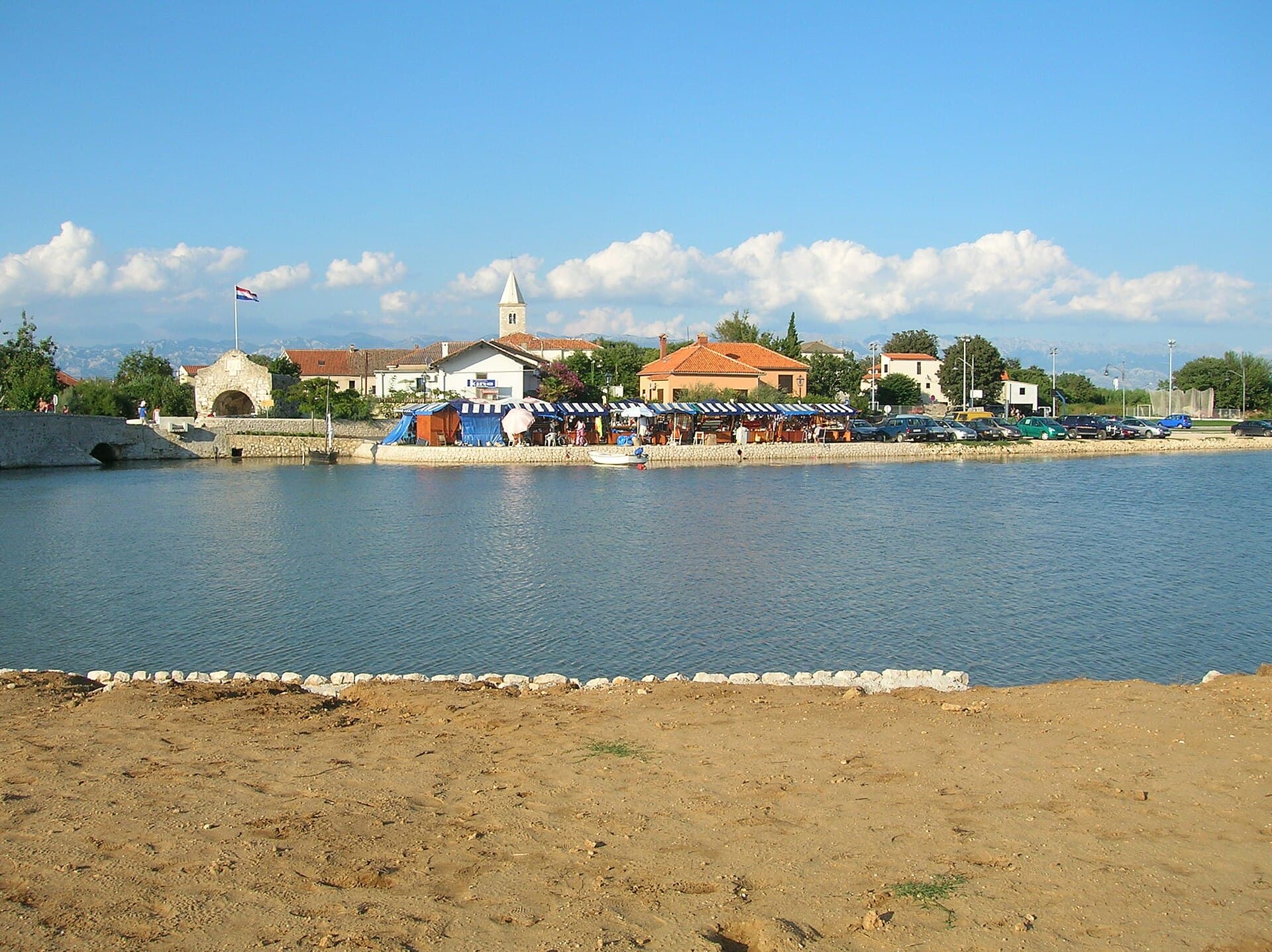
Novalja curves around a bay on Pag’s western shore, with the waterfront, Trg Bazilike and streets around Mala crikva forming the centre. Landing places and restaurants line the water, while…
Read the guide
Help improve this page
Spot something missing or wrong? Suggest a correction, add your photo or report a problem. Editors review every suggestion before it is published.
Photo credits
- Vir — Cro-Cop · CC BY-SA 3.0 · Wikimedia Commons
- Privlaka — Andrzej Mlynarz · CC BY 3.0 · Wikimedia Commons
- Vrsi — AwOiSoAk KaOsIoWa · CC BY-SA 3.0 · Wikimedia Commons
- Povljana, Dinjiška — Moson81 · CC BY-SA 4.0