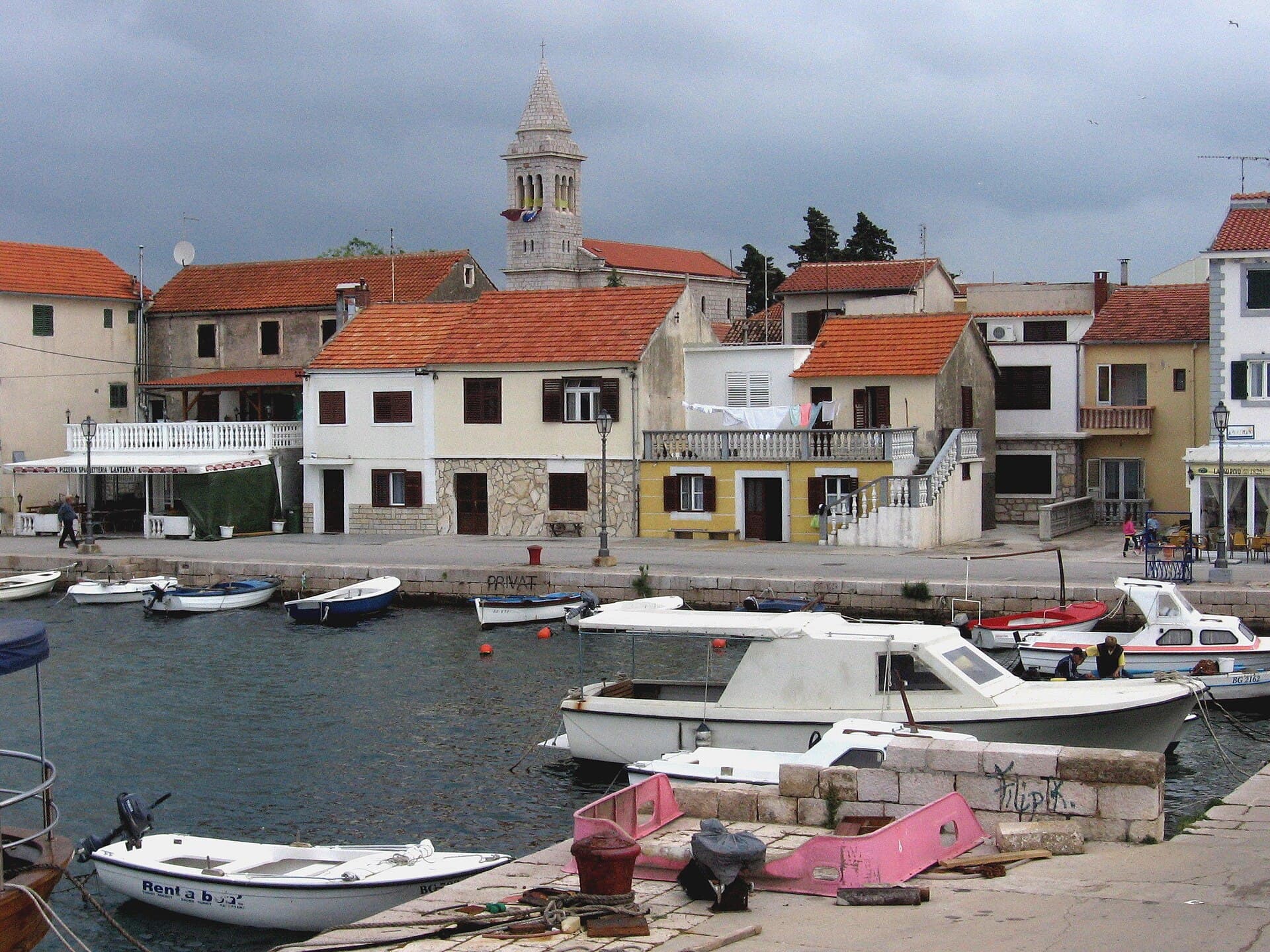
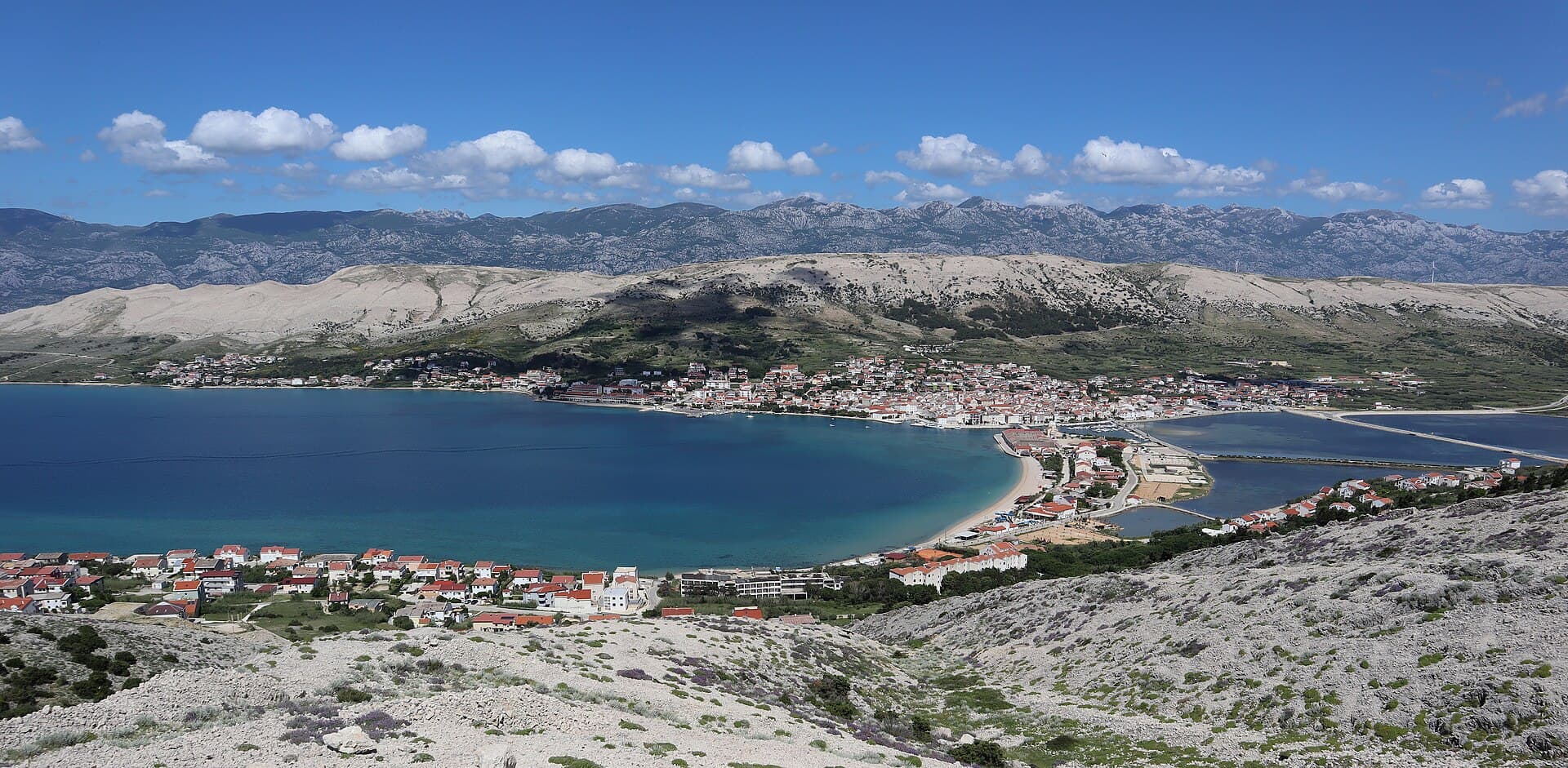
Vrsi
About this place
Vrsi lies close to Nin, in an area with as much as 34 kilometres of indented coastline, according to the local tourist board. The coast gives the destination several distinct characters: Duboka Draga is set among rocks with views of Velebit, Ričina has a sandy shore and shallow sea, while Mulo is an equipped urban beach with a promenade, hospitality venues and recreation. Kukinica is quieter and can only be reached on foot or by sea, making it suitable for visitors seeking a less developed cove. Vrsi is not a traditional historic centre like nearby Nin; its main appeal is the arrangement of beaches and coves along the coast. Nin and Zadar are close enough for an excursion, while views towards Velebit remain a visual backdrop to the northern coastline. On a first visit, it is worth exploring more than one beach: Ričina, Mulo and Duboka Draga each reveal a different local landscape. Zukve and Mulo form the developed coastal part of the municipality, while natural coves such as Duboka Draga and Kukinica lie outside built-up areas.
Vrsi combines an older inland village with the waterfront districts of Mulo and Zukve on Nin Bay. The local tourist board records 34 kilometres of indented shoreline, alternating between urban beaches with promenades, sandy shallows and rocky coves facing Velebit. The seafaring tradition is especially visible around Mulo, while olive trees and vines remain part of the inland landscape. The small Church of St James, dating from the late 11th or early 12th century, and the 124 medieval graves discovered around it show that Vrsi has a much deeper identity than its modern beach developments suggest.
Stays nearby
 Apartment
Apartmeni Klenovica.eu
Klenovica
98 km from Vrsi
up to 4 guests · 1 bedroom
The host confirms the exact price for your dates and availability.
Things to see
The beaches around Vrsi differ considerably within a relatively small area. Duboka Draga is a rocky cove among cliffs, about a ten-minute walk from the centre, with open views towards Velebit. Ričina is more family-oriented because it has a sandy shore and shallow, warm water. Mulo is an organised urban beach beside a promenade, with an outdoor gym, a beach-volleyball court and food outlets. Kukinica is entirely different: it can be reached only on foot or by sea, helping it retain a quieter character. The local tourist board states that the municipality has 34 kilometres of coastline, so exploring several coves makes more sense than spending the entire stay at a single bathing spot.
Beaches
Mulo is the main urban beach, backed by a promenade, restaurants, cafés and seasonal services. Ričina stands out for sand and shallow water; the municipality’s maritime-domain plan includes sunbed rental, jet skis and an inflatable aqua park there. Duboka Draga occupies a rocky cove with a Velebit view and a beach bar, while Kukinica, Ljaljkovača and Mala Rasovača remain more natural coves beyond the principal developed waterfront. In Zukve, a concrete bathing section runs beside the holiday-home district and the local tourist information centre.
Bathing water quality nearby
- Ričina · 2.8 kmnot classified · season 2025
Source: European Environment Agency (EEA); data from Croatian authorities. · bathing water profile
Things to do
Start in the old village at the Church of St James, then descend to Mulo and follow its developed waterfront past cafés and restaurants. Choose sandy Ričina for shallow family swimming, while Duboka Draga offers a rockier setting and an open view of Velebit. The approach to Kukinica continues along an unsealed track, making walking or cycling more suitable than taking a low-clearance car. Return towards Školjić Cove or the Park of Vrsi Seafarers in the evening; these two Mulo locations host a large share of the tourist board’s summer programme.
Food and drink
The strongest concentration of places to eat is along Mulo, where restaurants and cafés line the promenade behind the beach. Restaurant and Pizzeria Vukić sits beside Nin Bay in Vrsi-Mulo and presents home-style dishes in a Dalmatian setting. Capo Grill on Obala kneza Branimira focuses on charcoal-grilled food, while Konoba Orient is in Zukve. The municipality specifically identifies Vrsi wine, rakija, olive oil, grapes, figs and olives as local products, so seafood is best paired with oil or wine made by producers from the village.
Practical information
Practical information
The Vrsi Tourist Board is based at 31. ulica 2 in Zukve and publishes +385 23 360 607 and [email protected] as its contacts. From 1 July to 31 August it also operates an information point at Mulo’s main pier; a separate listing places the Mulo tourist office at Put Mula 76. During the main season, the board publishes consultation dates for the tourist clinic in Nin, roughly six kilometres away. Vrsi’s post office and exchange service are located on Ulica dr. Franje Tuđmana.
Getting there and around
Liburnija’s suburban service links Vrsi with Zadar bus station, and on weekends and public holidays the route runs via Nin, Ninski Stanovi, Briševo and Murvica. The municipality’s published timetable lists departures from the Gusterna terminus and a one-way fare of €3.19, although the price should be checked for the actual travel date. Zadar is about 21 kilometres away by road and Nin about six. A bicycle or car is more useful for Duboka Draga, Kukinica and other outlying coves, since the regular bus serves the settlement rather than individual beaches.
Frequently asked questions
Which Vrsi beach has views towards Velebit from between rocky cliffs?
Duboka Draga is known for its rocky setting and views towards Velebit.
Which Vrsi beach is suitable for its shallow sandy water?
Ričina has a sandy shore and shallow, warm water.
What facilities are found by Mulo Beach?
Mulo has a promenade, food outlets, an outdoor gym and a beach-volleyball court.
How can Kukinica be reached?
Kukinica can be reached on foot or by sea.
How much coastline does the Vrsi tourist board report?

Related guides
Novalja
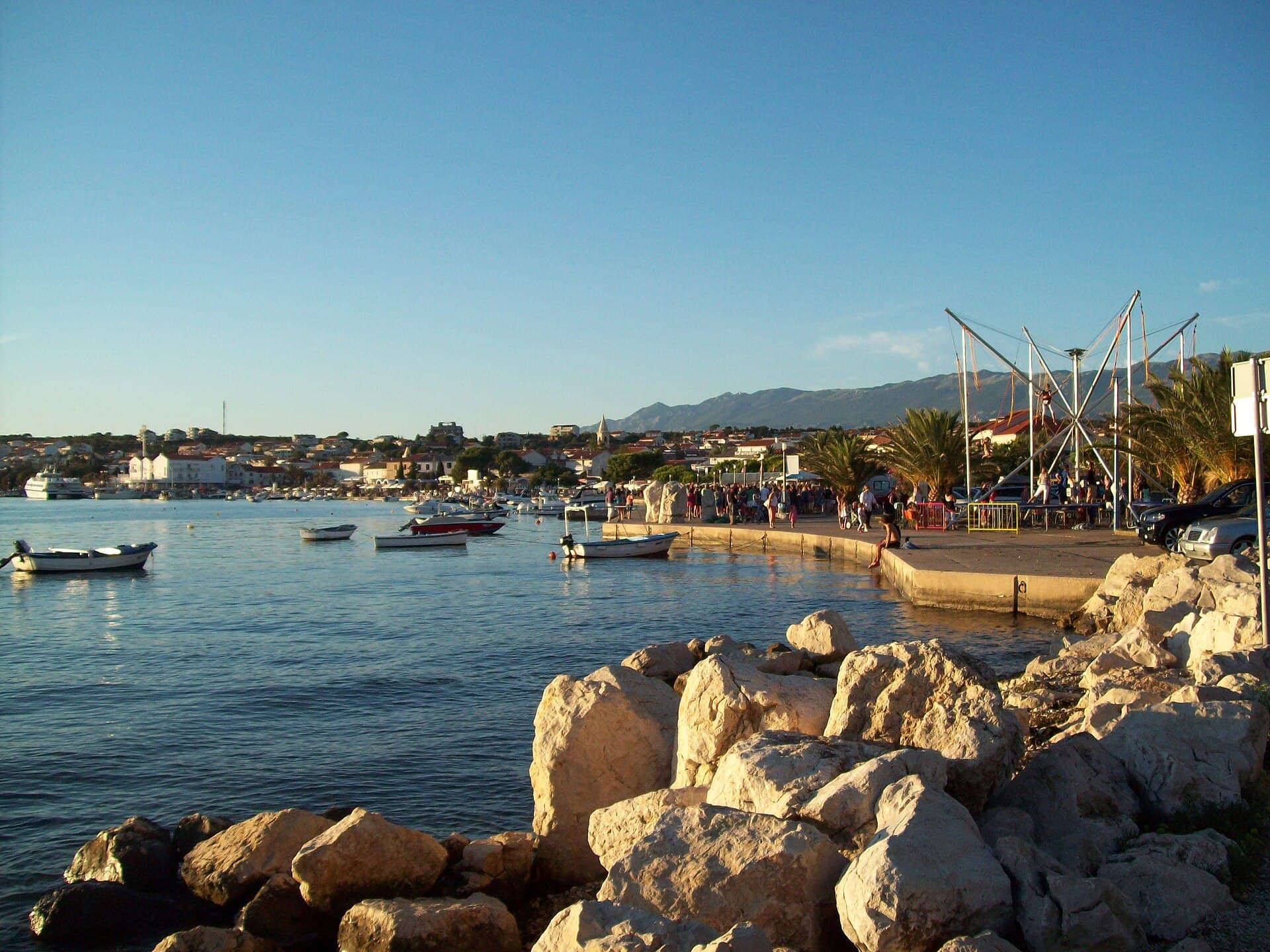
Novalja curves around a bay on Pag’s western shore, with the waterfront, Trg Bazilike and streets around Mala crikva forming the centre. Landing places and restaurants line the water, while…
Read the guide
Help improve this page
Spot something missing or wrong? Suggest a correction, add your photo or report a problem. Editors review every suggestion before it is published.
Photo credits
- Vrsi — AwOiSoAk KaOsIoWa · CC BY-SA 3.0 · Wikimedia Commons
- Nin — Amphisbène · CC BY 2.5 · Wikimedia Commons
- Rtina — ANDREJ NEUHERZ · CC BY-SA 3.0 · Wikimedia Commons
- Ljubač, Ražanac — F.Krikava, Znojmo · CC BY-SA 3.0