About this place
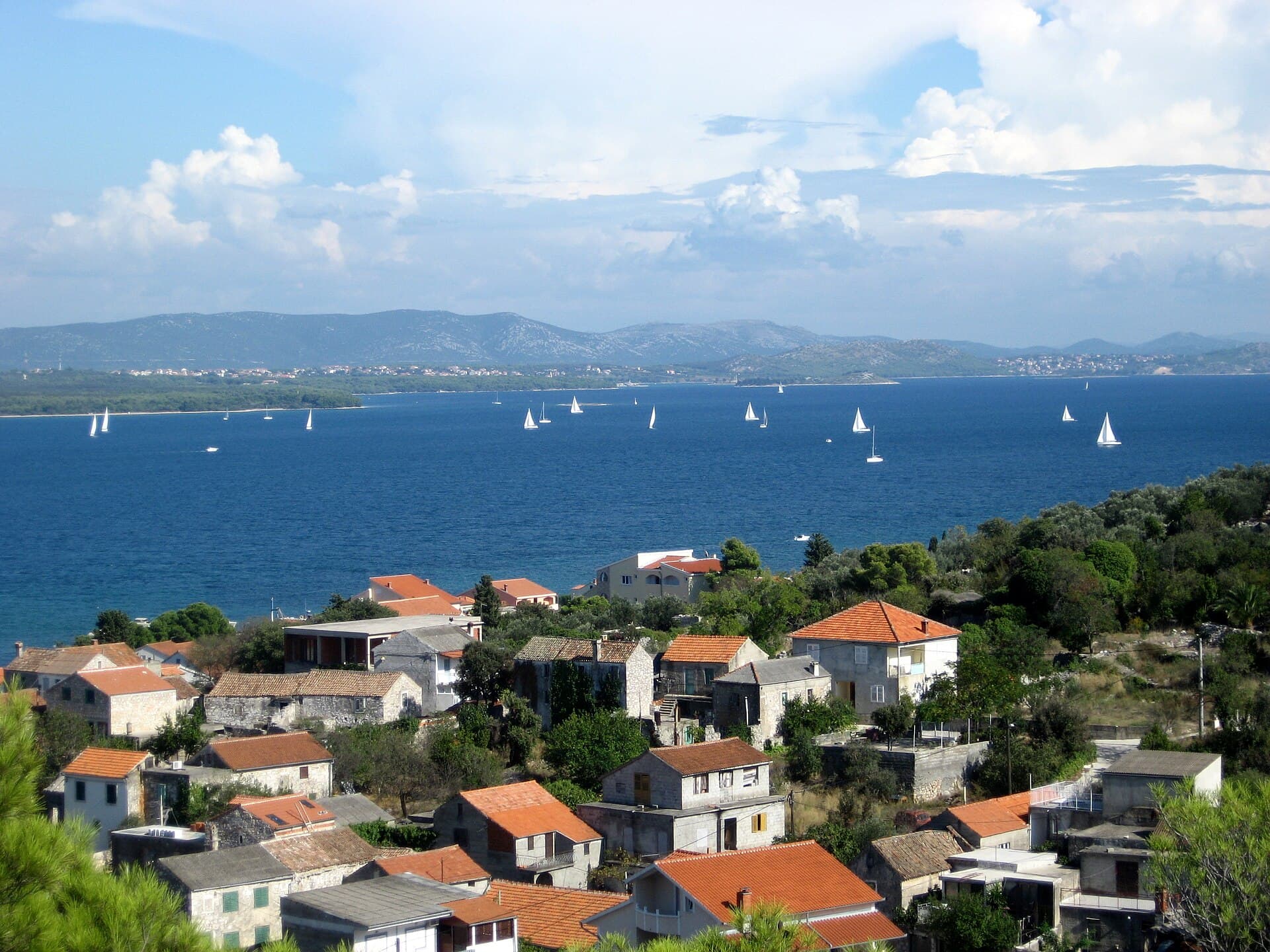
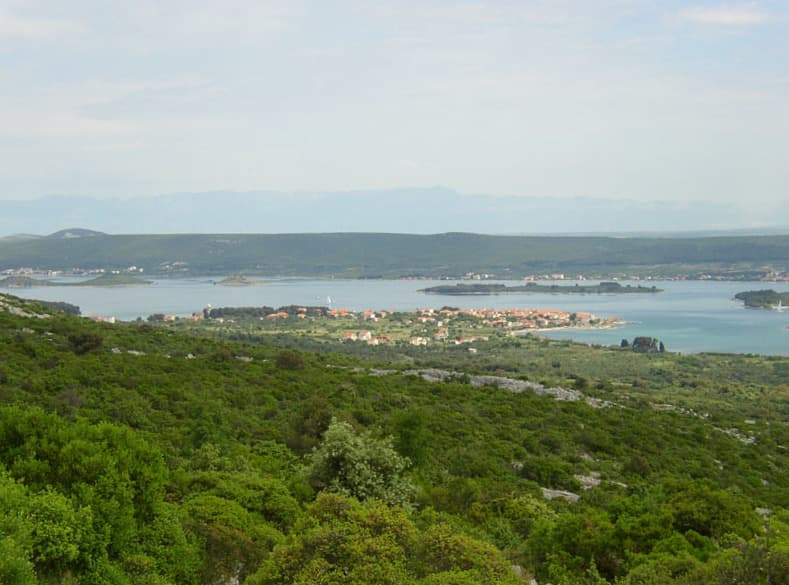
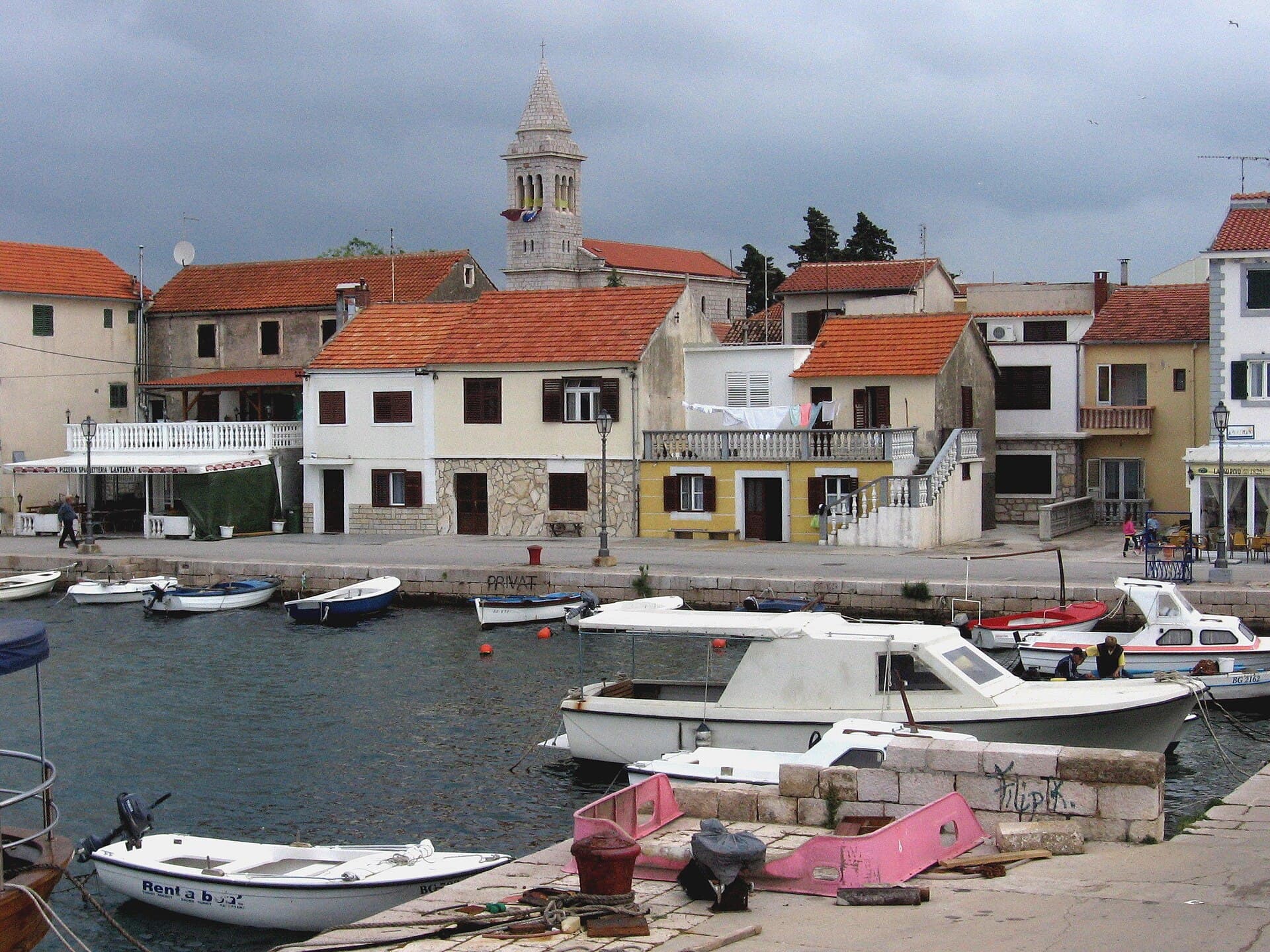
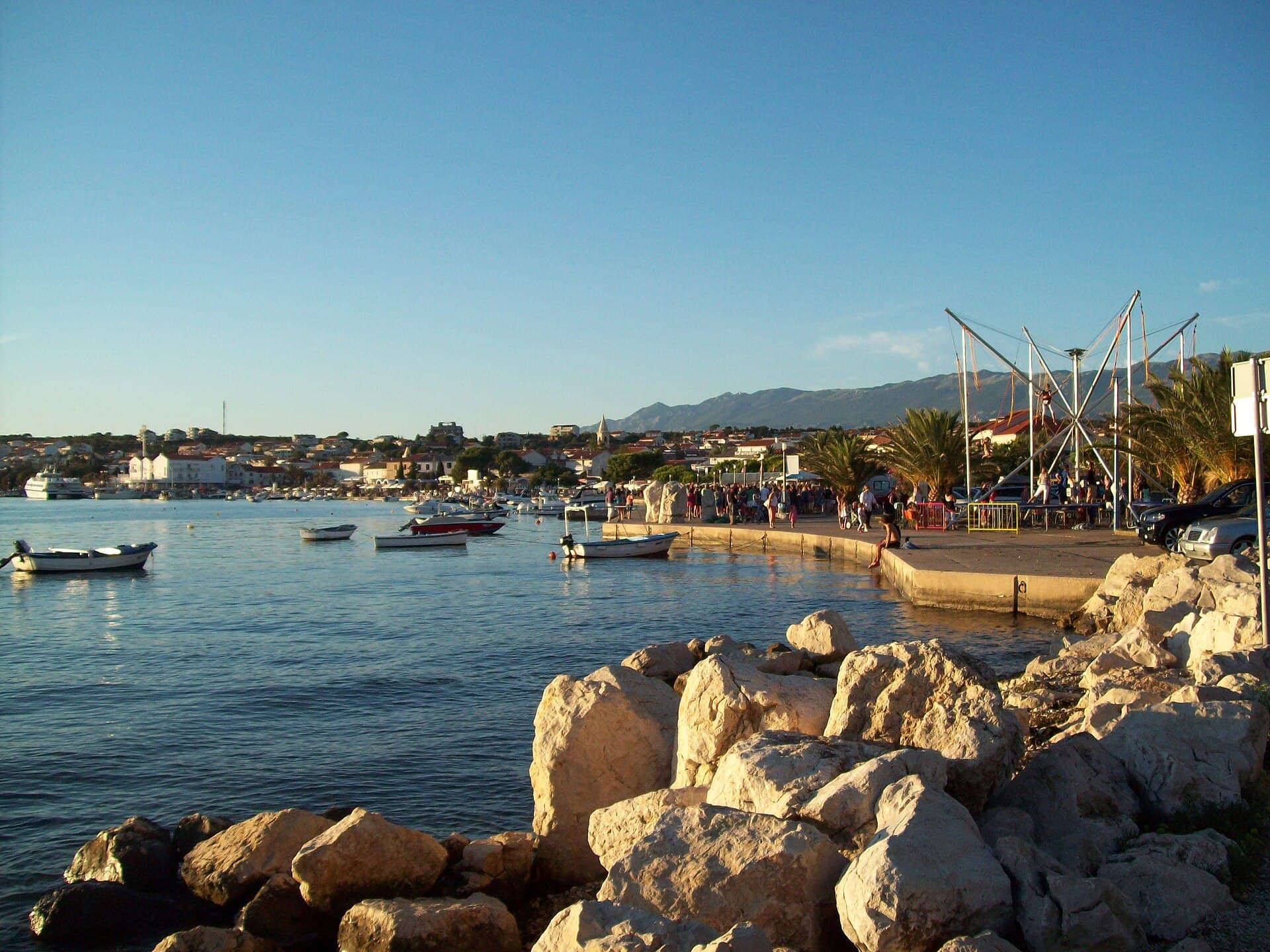
Sveti Filip i Jakov lies on the Pašman Channel, three kilometres northwest of Biograd na Moru. The settlement developed around the former Rogovo harbour, which served the Benedictine abbey at Rogovo as its access to the sea, while the present name derives from a church dedicated to Saints Philip and James. Earlier layers include traces of a Liburnian settlement, Roman agricultural buildings and villas, while the present village core largely took shape in the 17th and 18th centuries. The parish Church of St Michael and remains of the abbey’s Dvorine complex are among the main historic points. The village is also known for summer residences and parks created by noble families from Zadar; Borelli Park is the best-known surviving example. The coastline continues toward Turanj and Sveti Petar, while Biograd lies immediately to the southeast. Views across the Pašman Channel toward Pašman island give the place a distinctly island-facing landscape despite its mainland position.
Stays nearby
 Apartment
Apartmeni Klenovica.eu
Klenovica
Klenovica, 135 km from Sveti Filip i Jakov
up to 4 guests · 1 bedroom
The host confirms the exact price for your dates and availability.
Things to see
Borelli Park and the remains of the village’s noble summer-residence tradition distinguish Sveti Filip i Jakov from many other settlements on the Biograd Riviera. In the historic core, the parish Church of St Michael, consecrated in 1707, is a central landmark, while Dvorine preserves the connection with the Benedictine abbey of Rogovo. The site of the modern village also contained an earlier Liburnian settlement, and the Roman period left traces of agricultural buildings and villas. On the nearby islet of Frmić, remains of a late-antique cistern extend the local archaeological story into the Pašman Channel itself.
Beaches
Bathing water quality nearby
- Iza Banja · 295 mexcellent · season 2025
- ispod apartmanskog naselja · 405 mexcellent · season 2025
- Morovička · 1.9 kmnot classified · season 2025
- Primorje · 2.0 kmnot classified · season 2025
- Bošana · 2.3 kmexcellent · season 2025
Source: European Environment Agency (EEA); data from Croatian authorities. · bathing water profile
Things to do
Begin at St Michael’s Church and thread through the old lanes towards Borelli Park before descending to the promenade and the village beaches. Make Iza Banja the first swimming stop; sports courts and small-craft rentals allow visitors to follow a swim with a pedal-boat or rowing-boat outing. Continue later towards Croatia beach, another waterfront area with recreational courts. For a more energetic finish, climb towards the Crni krug viewpoint. The local tourist board highlights its broad outlook across the Pašman Channel towards the Kornati islands, Lake Vrana and the Ravni Kotari hinterland, bringing the village’s coastal and inland geography together in one view.
Food and drink
Several styles of restaurant line the waterfront. The official directory lists Angela at Obala kralja Krešimira IV 3, Rea and Pristan on Obala kralja Tomislava, and Konoba Kojo at number 21. Pikolo, at Put Primorja 51, serves fish and meat menus, wood-fired pizza and charcoal-grilled dishes. A distinctly local meal should end with Filipjanska torta, whose published recipe uses a generous quantity of almonds with lemon zest, rum and chocolate icing. The tourist board also records sugared almonds, tomato šalša, fritule and fish brudet among the recipes associated with Sveti Filip i Jakov and its coastal cooking.
Practical information
Practical information
The tourist board is located at Obala kralja Tomislava 16; its official contacts are +385 23 388 631, +385 23 389 071 and [email protected]. Published information gives weekday office hours of 8:00 to 15:00. Dial 112 for emergencies, while Croatian roadside assistance uses 1987. Summer visitors should distinguish the central Zone 0 parking area from Zone 1 and purchase the appropriate ticket through the marked machine or digital payment channel. For sailing lessons and small-craft rental, the tourist board’s active-tourism pages provide contacts for local clubs and operators working in the Pašman Channel.
Getting there and around
The village stands on the coastal road between Zadar and Biograd na Moru, only about three kilometres from Biograd. Liburnija’s Zadar–Biograd service runs through Bibinje, Sukošan, Sveti Petar, Turanj and Sveti Filip i Jakov, providing a car-free approach from either direction; passengers should check the operator’s current timetable before travelling. For Pašman Island, continue first to Biograd’s ferry port and take the local crossing to Tkon. Within the village, the promenade and beach strip are easily covered on foot, while the shoreline route continues towards neighbouring Turanj without requiring a return to the main coastal road.
Frequently asked questions
Why is Borelli Park associated with Sveti Filip i Jakov?
The park survives from the tradition of summer residences created by noble families from Zadar and is valued as historic garden architecture.
What was the Rogovo harbour?
It was the medieval sea access used by the Benedictine abbey of Rogovo on the site of the present settlement.
How close is Sveti Filip i Jakov to Biograd?
The village lies about three kilometres northwest of Biograd na Moru.
Which church is central to the village?
The parish Church of St Michael, consecrated in 1707, is one of the village’s principal historic buildings.
Nearby

Turanj
Village · Dalmatia – Zadar

Related guides
Novalja
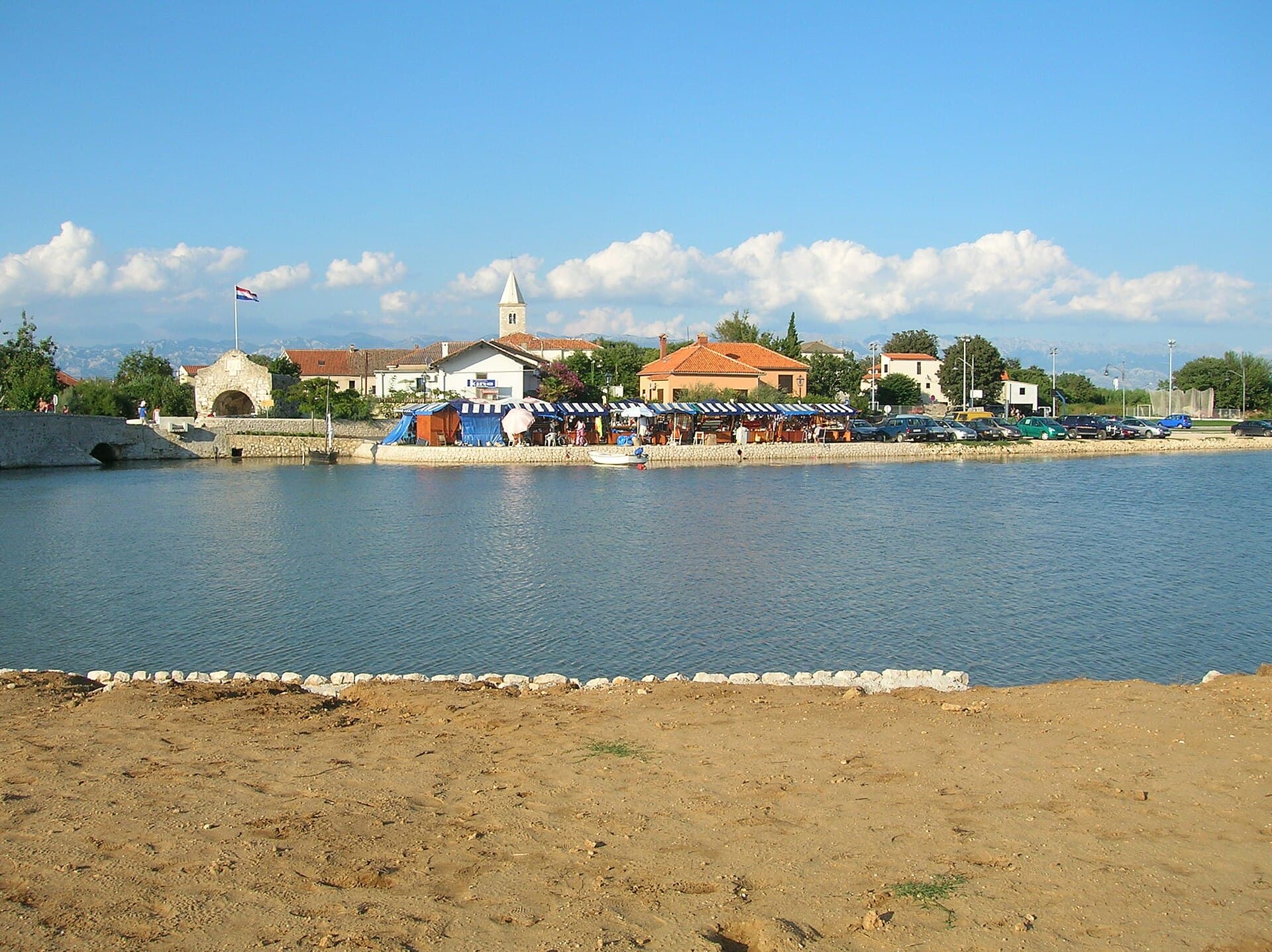
Novalja curves around a bay on Pag’s western shore, with the waterfront, Trg Bazilike and streets around Mala crikva forming the centre. Landing places and restaurants line the water, while…
Read the guide
Help improve this page
Spot something missing or wrong? Suggest a correction, add your photo or report a problem. Editors review every suggestion before it is published.
Photo credits
- Sveti Filip i Jakov — Matio · CC BY-SA 4.0 · Wikimedia Commons
- Turanj — Bostjan Vodopivc · CC BY 3.0 · Wikimedia Commons
- Biograd na Moru — japus · CC BY 2.5 · Wikimedia Commons
- Tkon — Andres rus · CC BY-SA 3.0 · Wikimedia Commons
- Kraj, Pašman