Pašman
About this place
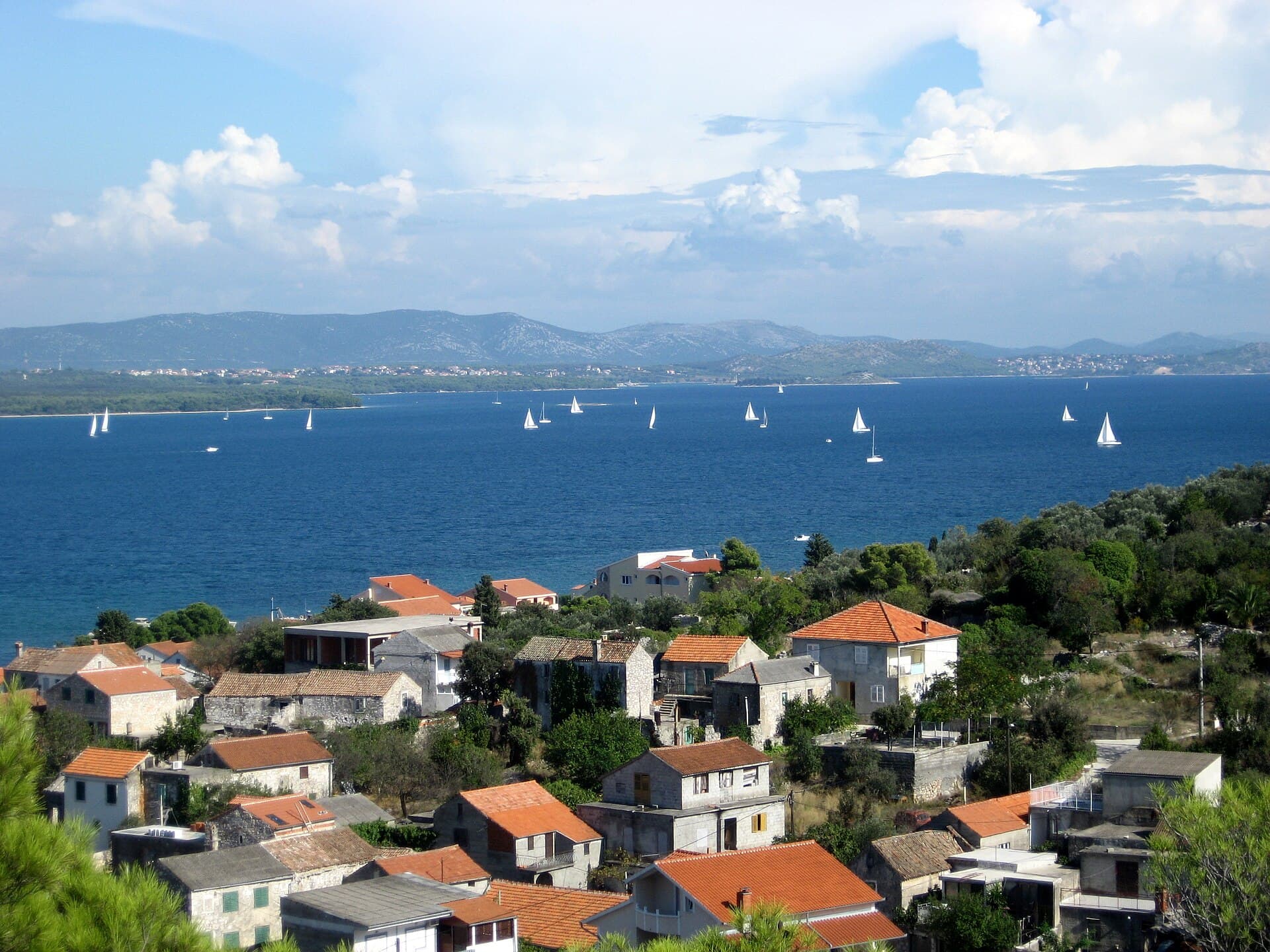
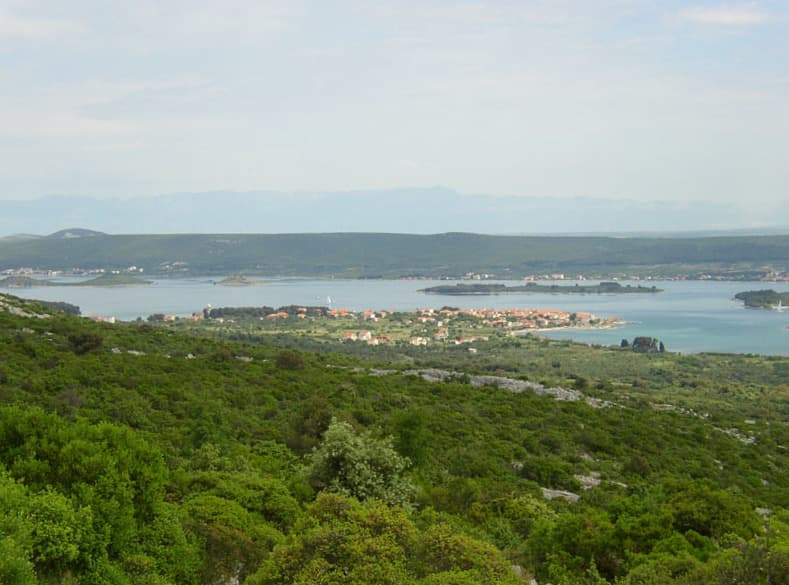
The village of Pašman lies on the northeastern coast of the island of the same name, opposite Turanj, with the small islands of Babac and Komornik in the channel offshore. The settlement consists of Veliki Pašman, Mali Pašman and Barotul and has long been connected with agriculture, fishing and the wider island’s Glagolitic culture. The parish Church of the Nativity of the Virgin incorporates a medieval layer from the 9th century, while the churches of St Mark and St Roch add further local sacred heritage. Pašman island is linked to Ugljan by the bridge over the Ždrelac passage, so Preko and its ferry to Zadar can be reached by road without another boat. Southeast, Tkon maintains the ferry connection with Biograd. The island’s western side is much steeper and wilder than the settled eastern coast and opens views toward the Kornati archipelago. Pašman therefore works well for travellers seeking a quieter island village with access to cycling and walking routes across the interior.
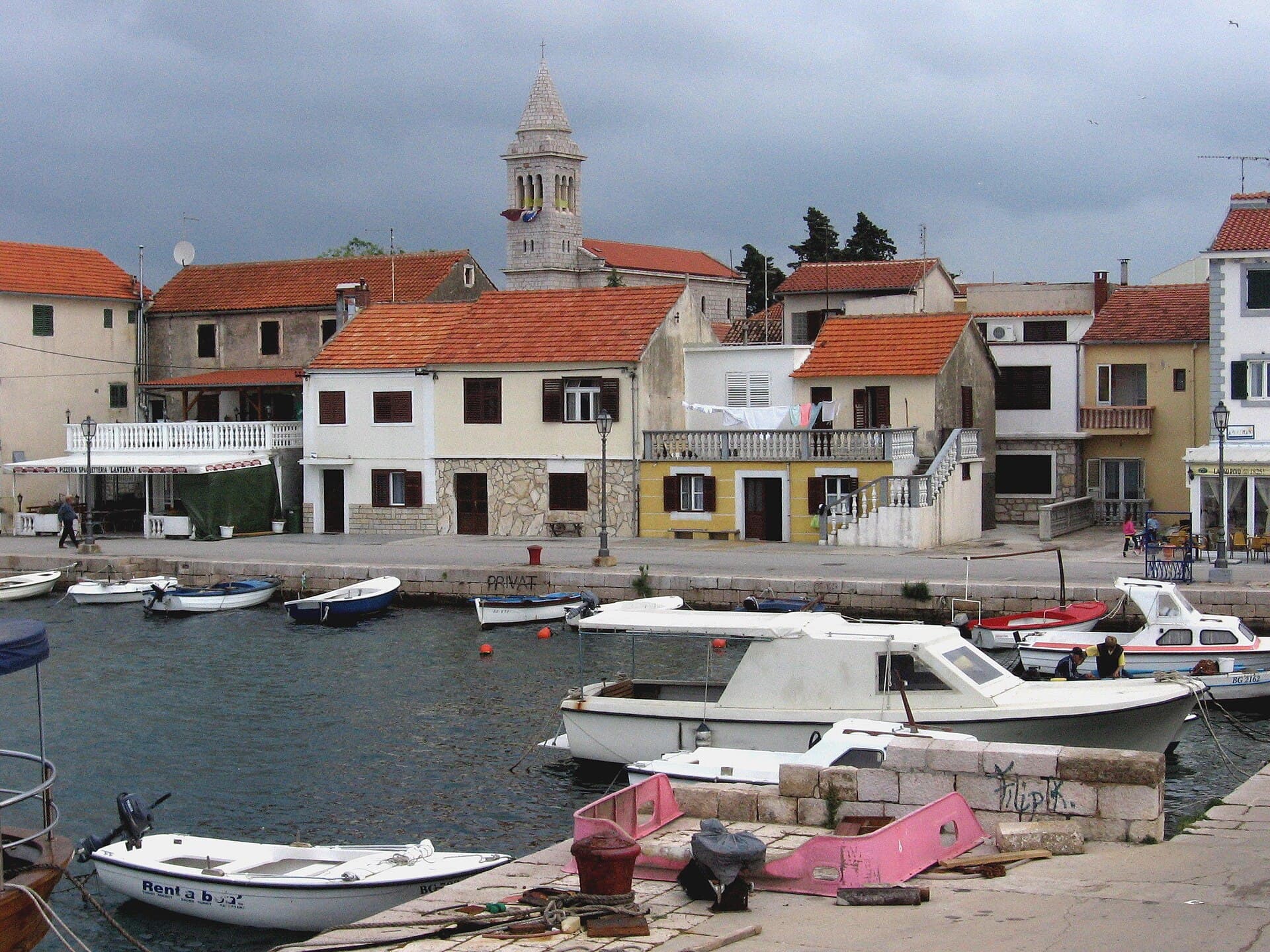
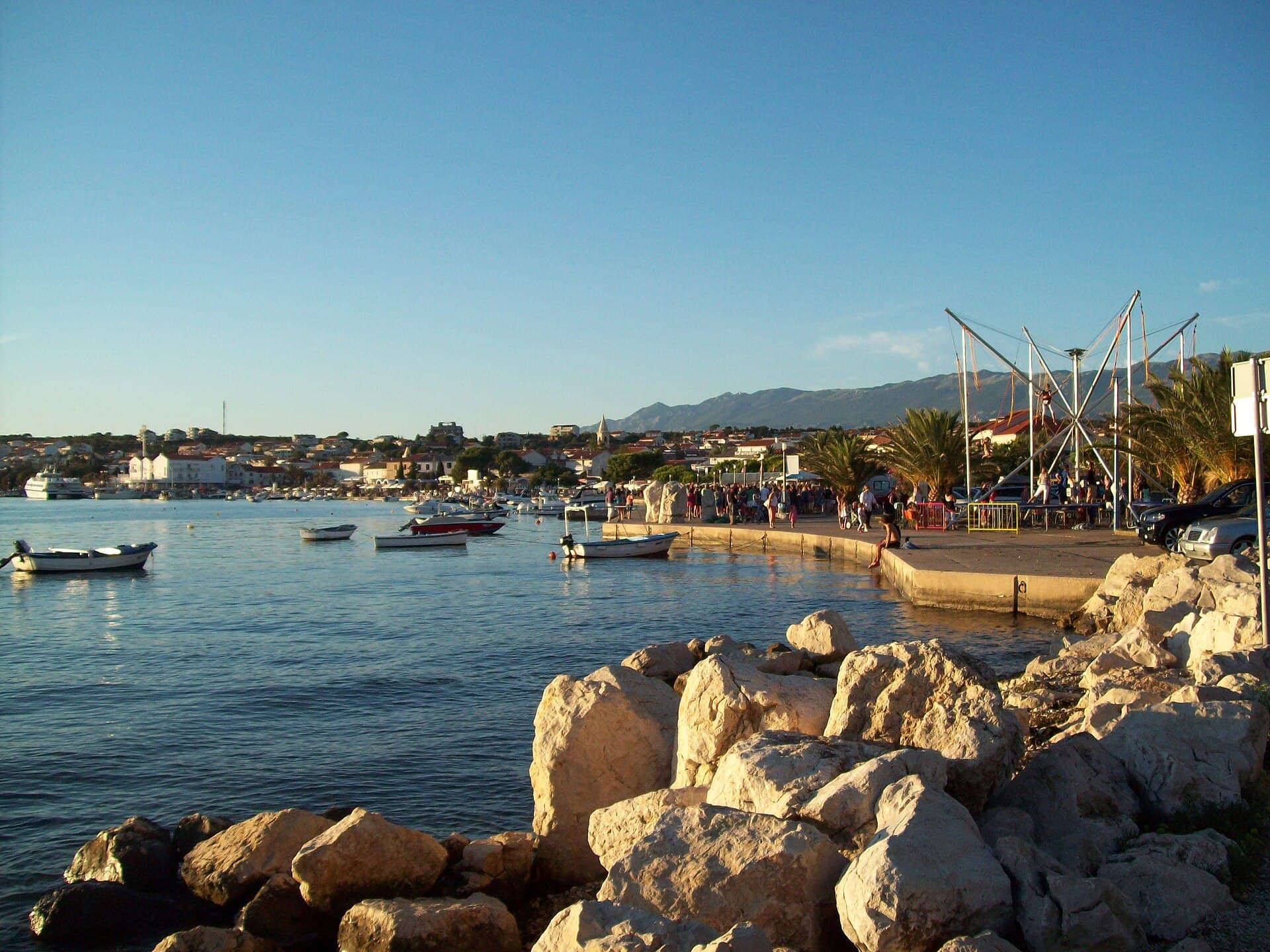
Facing the Pašman Channel, the village looks directly towards the small islands of Babac, Komornik and Muntan. Its character comes through in the old stone lanes, pocket-sized harbours and long waterfront promenade, while sandy coves soften the island’s otherwise rugged scenery. A position near the middle of Pašman makes trips equally practical towards the Tkon ferry port in the southeast and Ždrelac Bridge, the road link to Ugljan, in the northwest. This is a base for unhurried swimming, waterfront walks and island cooking rather than urban sightseeing or a busy nightlife programme.
Stays
No stays listed here yet
Things to see
The parish Church of the Nativity of the Virgin is the most important historic monument in Pašman village because the present building preserves the sanctuary of a medieval church from the 9th century. The votive Church of St Mark and the small Church of St Roch in Mali Pašman show the continuity of smaller sacred architecture. Offshore, Babac and Komornik shape the view across the channel toward the mainland. For a wider cultural context, include the Benedictine monastery on Ćokovac near Tkon, one of the island’s key Glagolitic sites and the only active male Benedictine monastery in Croatia.

Beaches
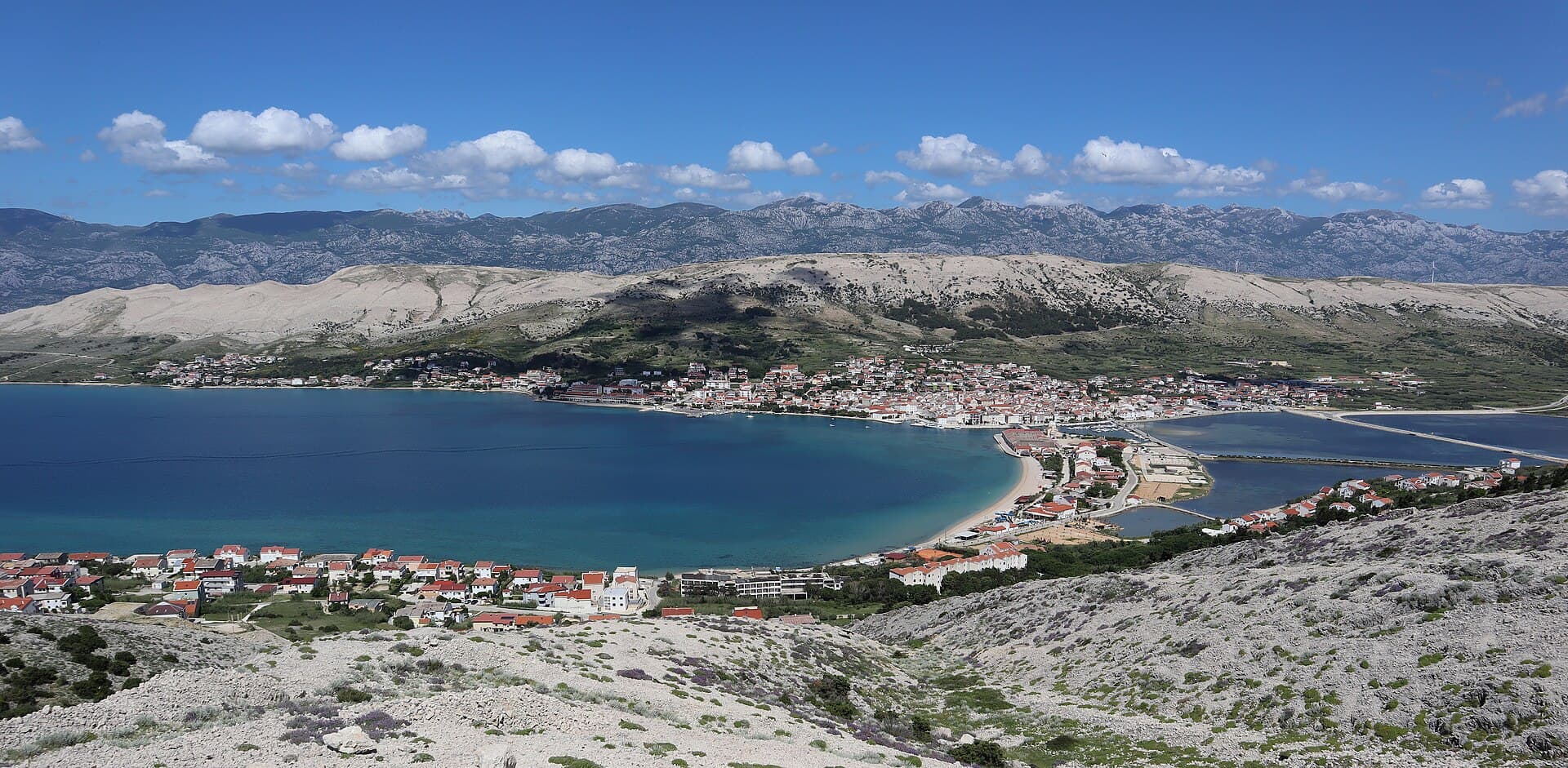
The village’s two principal swimming spots have distinct personalities. Jasenice, almost at the entrance to Pašman, has a paved sunbathing area, sandy seabed, showers, changing cabins, sports courts and designated nearby parking. Lučina occupies a calmer natural cove, pairing showers and cabins with a broad sunbathing area and natural shade. At nearby Barotul, sand alternates with pebbles; facilities include showers and a volleyball court, while the waterfront path continues to the beach at Mrljane. The sheltered setting and sandy sections make Lučina and Barotul particularly convenient for families with younger swimmers.
Bathing water quality nearby
- Uvala Jasenica · 756 mnot classified · season 2025
- Morovička · 2.4 kmnot classified · season 2025
Source: European Environment Agency (EEA); data from Croatian authorities. · bathing water profile
Things to do
Begin among the old stone houses, then descend to the waterfront and follow the Pašman Channel promenade, keeping Babac and Komornik in view. Swim at Jasenice, almost at the village entrance, or choose the quieter Lučina cove. Jasenice combines showers and changing cabins with tennis, volleyball and bocce facilities, making it the better stop for an active morning. Towards evening, continue along the shore to Barotul, whose beach joins the neighbouring Mrljane waterfront in one extended walk. Cyclists can branch onto the island routes, while the Bobića and Mariščica caves offer a more demanding outing in Pašman’s interior.
Food and drink
For a meal within Pašman itself, Konoba San Marko provides a specifically island-focused choice built around cuttlefish, squid, octopus, tuna and salt cod. Its listed dishes range from cuttlefish with broad beans and chickpeas, cuttlefish brodet and octopus cooked under a peka bell to salt cod from the bread oven; prawn pasta and tuna or octopus carpaccio add more contemporary options. A lunch here pairs naturally with a swim at Jasenice or Lučina and avoids an evening drive across the island. Anyone hoping to order a slow-cooked peka should arrange its preparation directly with the konoba in advance.
Practical information
Practical information
The Pašman Municipality Tourist Board publishes village, beach and island information at pasman.hr, making it the most useful first reference during a stay. Everyday services in Pašman cluster around the island road and waterfront, while Tkon—the ferry gateway from Biograd—offers a broader transport hub. Both Jasenice and Lučina provide showers and changing cabins; Jasenice also has sports courts, and refreshments are available near the swimming areas. Travellers exploring the island’s sparsely settled western coast should carry water and sun protection, as the village’s practical services are concentrated on Pašman’s northeastern, channel-facing side.
Parking
Within the village, cars may be left only in areas designated by traffic signs; the municipal public-order rules specifically exclude pavements and other unmarked public surfaces. For a beach visit, the simplest option is the arranged parking by Jasenice near the entrance to Pašman. Spaces are also provided at Barotul beach, convenient for continuing on foot towards Mrljane. The tourist board does not list parking among Lučina’s facilities, so drivers should not take narrow cove access lanes as an invitation to leave a vehicle there. As no current 2026 tariff is published, any charge or time restriction should be read from the signs at the individual parking area.
Getting there and around
The most direct mainland approach is Jadrolinija’s Biograd–Tkon ferry, with a 2026 timetable published for the route; from Tkon, the island road continues northwest to Pašman village. An alternative is the ferry to Preko on Ugljan followed by a drive through Ždrelac and across the bridge joining Ugljan to Pašman. A car is particularly useful because beaches and settlements are spread along the island. Travellers relying on public transport should match their onward bus to the ferry arrival: regional operator Liburnija lists Pašman among the islands served by its county network, but departures need checking for the chosen travel date.
Frequently asked questions
Which islets lie in front of Pašman village?
Babac and Komornik lie in the Pašman Channel directly offshore.
How old is the church in Pašman village?
The present parish church incorporates the sanctuary of a medieval church from the 9th century.
How do you drive from Pašman to Ugljan?
The islands are connected by a bridge across the Ždrelac passage.
Where does the ferry to Biograd depart?
The ferry to Biograd departs from Tkon on the southeastern part of the island.


Related guides
Novalja
Novalja curves around a bay on Pag’s western shore, with the waterfront, Trg Bazilike and streets around Mala crikva forming the centre. Landing places and restaurants line the water, while…
Read the guide
Help improve this page
Spot something missing or wrong? Suggest a correction, add your photo or report a problem. Editors review every suggestion before it is published.
Photo credits
- Pašman — The original uploader was Maestralni at Croatian Wikipedia. · CC BY-SA 3.0 · Wikimedia Commons
- Mrljane — Console007 · CC BY-SA 3.0 · Wikimedia Commons
- Barotul — Kat · CC0 · Wikimedia Commons
- Kraj, Pašman — antonioskara · CC BY-SA 3.0 · Wikimedia Commons
- Turanj — Bostjan Vodopivc · CC BY 3.0