Silba
About this place
Silba’s only village occupies the narrow waist of its namesake island in the Zadar archipelago, where roughly 700 metres separate the two shores. This makes it possible to walk from the western harbour at Žalić to the eastern coast and Šotorišće’s sandy shallows in about ten minutes. Cars are absent, and bicycles are restricted during the busiest part of summer, leaving the island lanes largely to pedestrians. The village landmark is the 15-metre Toreta, a stone tower wrapped in an exterior spiral staircase and associated with seafarer Petar Marinić and a local love story. Silba’s maritime past also survives in its captains’ houses and the 15th-century Church of St John the Baptist. The nearby swimming spots are notably varied: Šotorišće has a pale sandy seabed, Pocukmarak is a pebble cove close to late-antique sarcophagi, while Pernastica and Dobre Vode reward a longer walk. Sea routes connect Silba with Zadar, Ist, Olib, Premuda and Mali Lošinj, but seasonal timetables vary, so the crossing should be checked before accommodation is booked.
Silba village was shaped by seafaring. From the mid-16th century, islanders developed shipping links towards Istria, Venice and Trieste, while the 18th-century livestock trade between Zadar and Venice brought a period of prosperity. Two- and three-storey captains’ houses with enclosed gardens still reflect the wealth of shipowners whose sailing vessels travelled across the Mediterranean and even the Atlantic. In 1579, Silba opened the earliest known school on the Zadar islands; during the same century, four small forts with drawbridges were built against pirate raids. Today’s settlement spans the island’s narrow waist between Žalić and Mul, surrounded by maquis, holm oak and pine woodland.
Things to see
Toreta—also called Marinić’s Toreta or the Monument to Love—is Silba’s defining landmark. This 19th-century stone tower stands 15 metres high and has an external spiral stair; local tradition links it to Captain Petar Marinić and Antonija Mauro. In the village centre, the Church of St John the Baptist is the island’s oldest church, from the 15th century. Continue the historical walk to Pocukmarak, where sarcophagi dating to the 5th and 6th centuries were found near the bay. Captains’ houses along the lanes add another tangible trace of Silba’s seafaring past and wooden sailing ships.

Stays further afield
- Apartment
 29 km from Silba
- Apartment
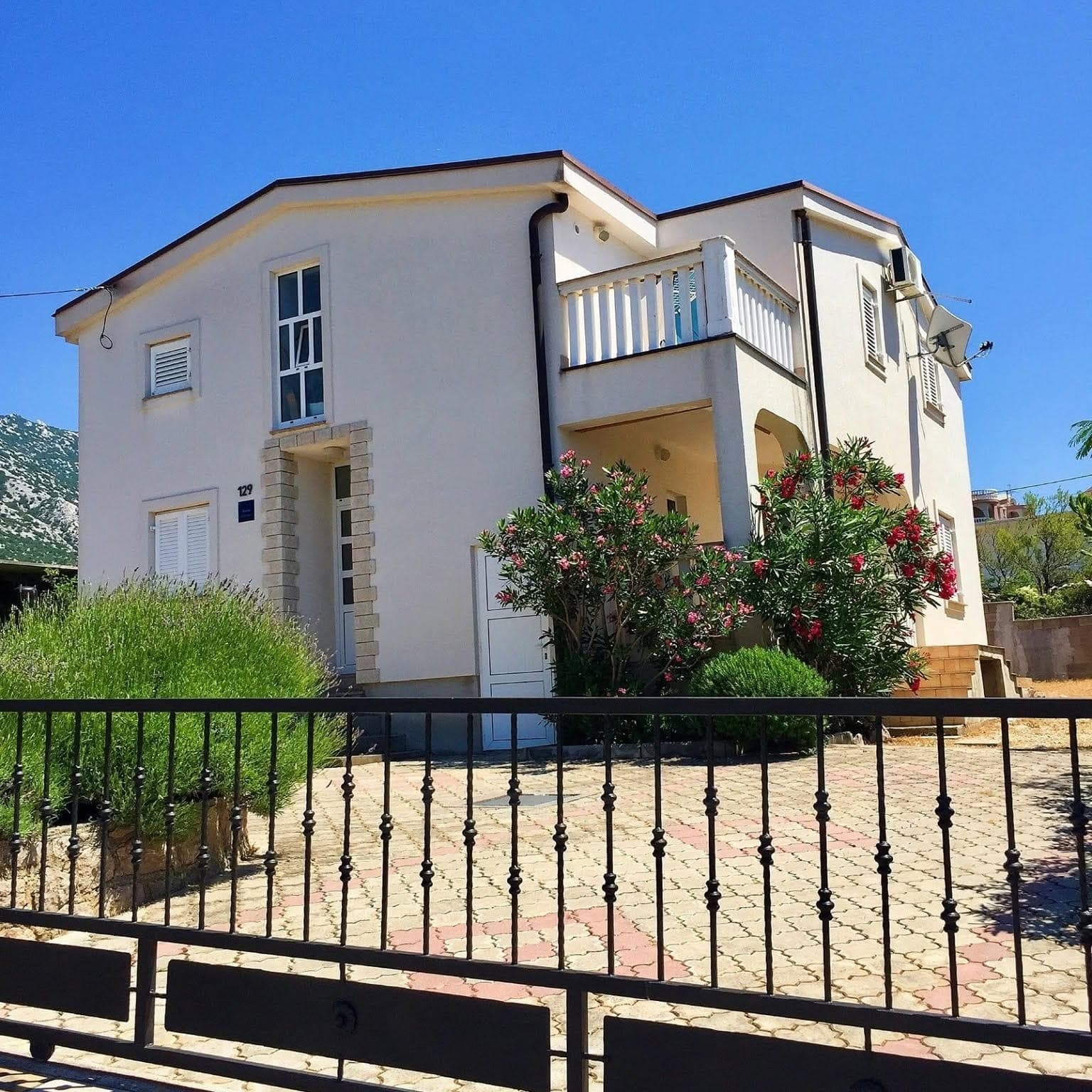 33 km from Silba
- Apartment
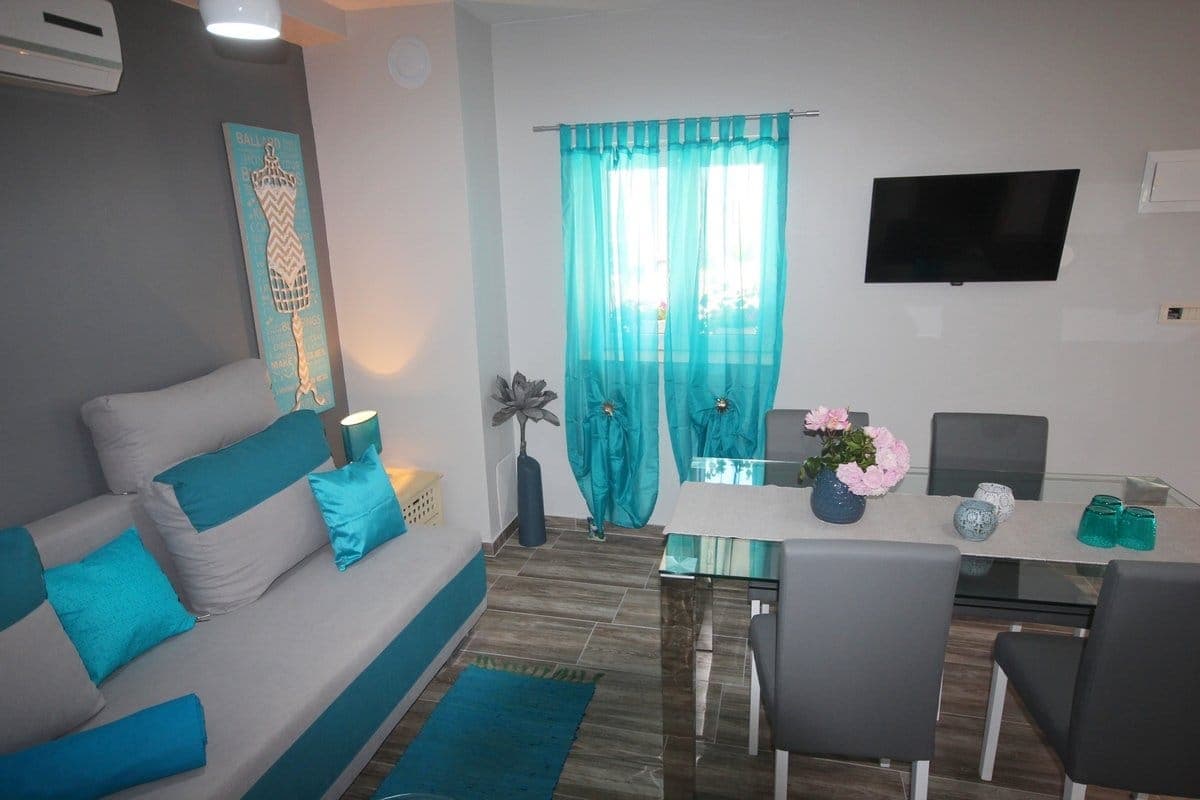 49 km from Silba
- Villa
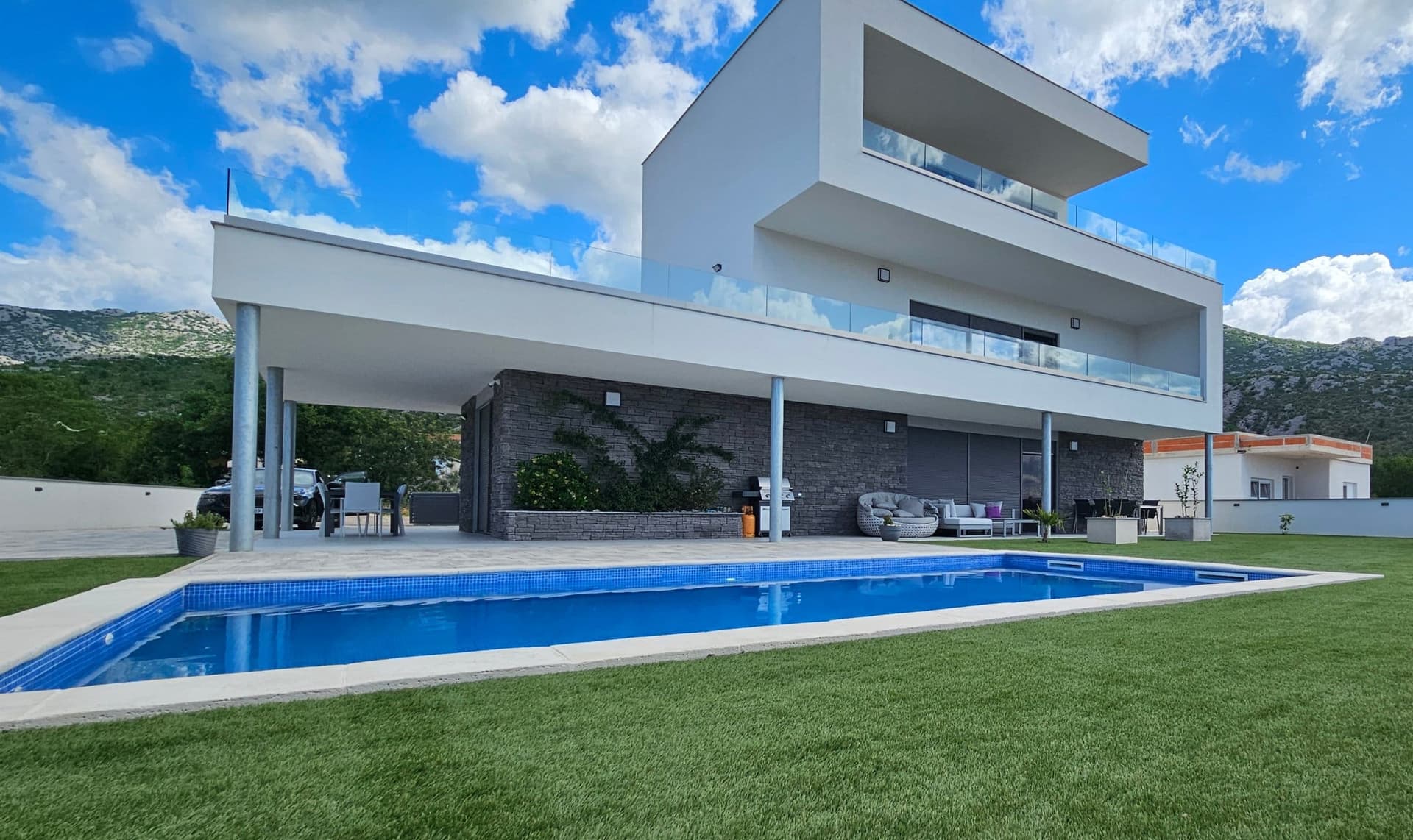 63 km from Silba
- Apartment
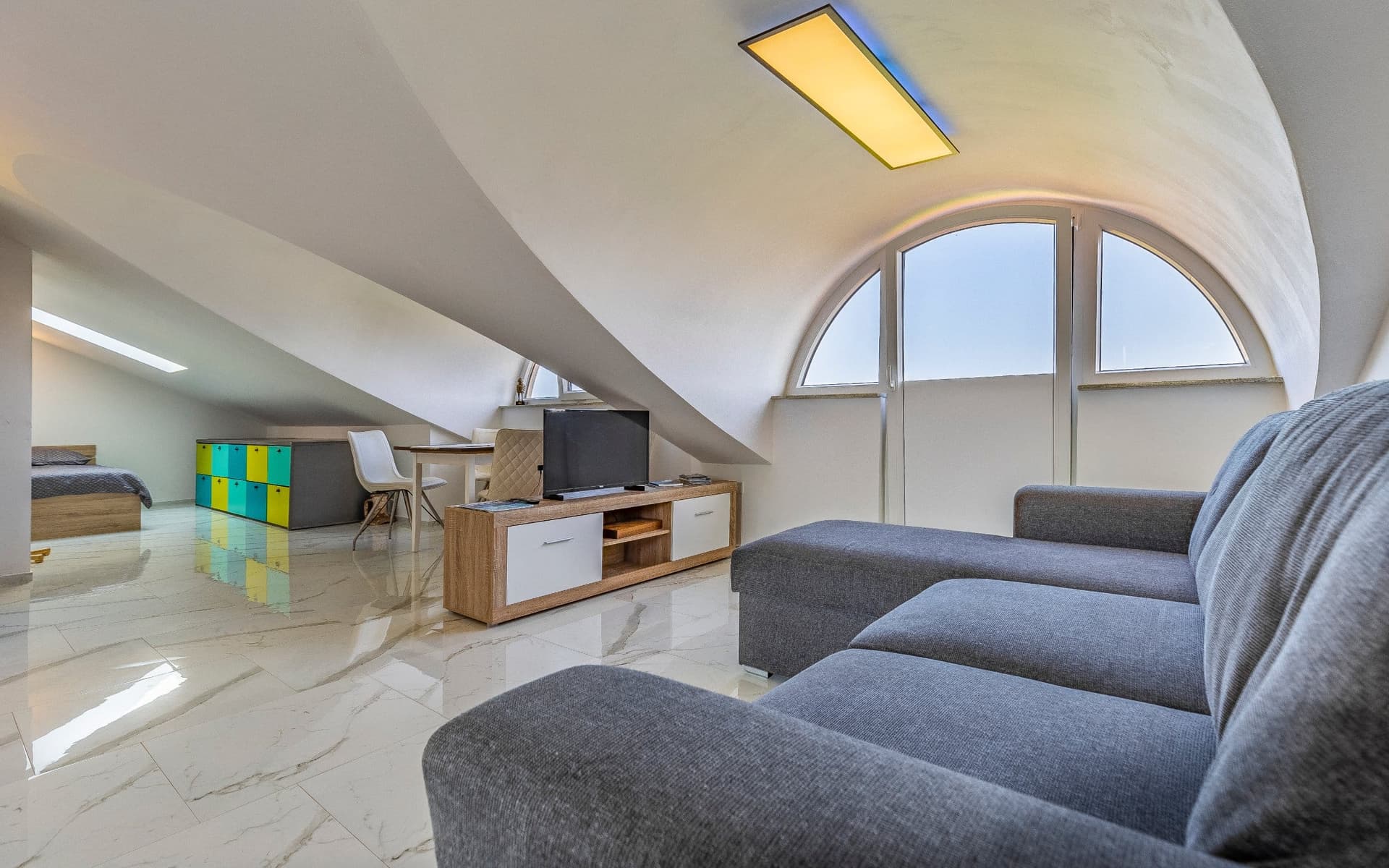 78 km from Silba
Be the first to list here
Guests looking for this place only see stays nearby for now. No commission, and enquiries come straight to you.
List your accommodation
Beaches
Šotorišće is Silba’s most visited beach, distinguished by a pale sandy seabed and turquoise water. The wide, shallow inner bay suits children, while beach volleyball and a nearby café add simple facilities. Carpusina lies closer to the village centre, with clear water over pebbles. Žalić sits beside the main harbour on the settlement’s south-west side; quieter coves such as Pernastica and Dobre Vode are reached on foot through the island landscape or by small boat. Outside the village centre, expect less developed shores than at Šotorišće.
Bathing water quality nearby
- Žalić · 509 mnot classified
Source: European Environment Agency (EEA); data from Croatian authorities. · bathing water profile
Things to do
From Žalić harbour, walk through the centre past Silba’s former sea captains’ houses, then look for Šime Vulas’s stone sail sculpture on the waterfront. Continue to Marija Ujević’s sculpture park before visiting the parish Church of the Nativity of the Blessed Virgin Mary and nearby Our Lady of Mount Carmel, both closely tied to the island’s maritime identity. Finish on the southern shore at Pocukmarak, roughly 400 metres from the centre; the Church of St Mark and the village cemetery stand about 100 metres uphill. For a longer outing, choose sandy Pernastica Bay, around 4.5 kilometres away and reached by an hour-long woodland walk or a small boat.
Food and drink
Silba’s places to eat are scattered between its two harbours and the lanes in between. Konoba Alavija stands beside Žalić pier, making it a convenient first stop after landing on the western shore. Across the village, Konoba Mul is located at Port Mul, while Yeshka is at Silba 43. Family-run Vila Velebita dates to 1991 and highlights black cuttlefish risotto, Adriatic fish, meat gnocchi and stuffed calamari with potatoes cooked under a peka lid. An established island directory also lists Fregadon, Žalić, Restaurant Silba and Oaza, though their seasonal opening should be checked once on the island.
Tours and activities
AdAd · partner offers: Viator, GetYourGuideThe partner handles booking, payment and support. StayBravo may earn a commission on bookings made through these links.How we choose offersWe choose offers based on the page you are viewing: the partner destination for this place or the nearest one (with its distance), and on a sight page only offers that mention it. We show offers rated at least 4.3 with at least 10 reviews, without multi-day tours or pure transfers, ordered by rating adjusted for the number of reviews and then by the partner’s order. We do not use data about you, and the commission does not affect the order.GetYourGuide offers are selected and ordered by GetYourGuide based on the name of the nearest larger town or national park; we do not influence their selection and do not use data about you.Viator
Nearest destination: Zadar (51 km)
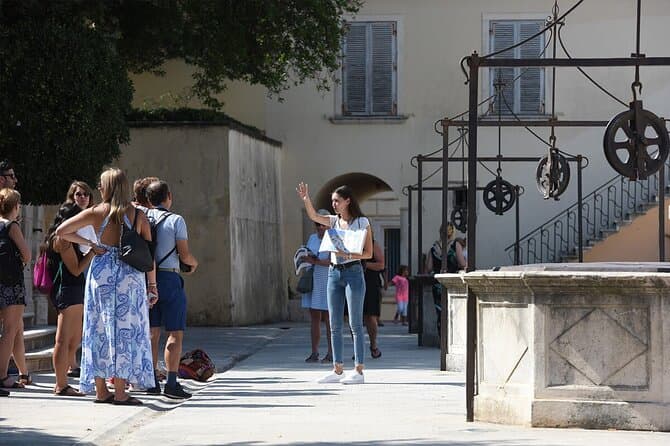
Zadar Highlights: Old Town, Sea Organ & Local Tastings (opens in a new tab)
A 2-hour small-group walk through Zadar's Old Town covering the city's top landmarks, the world-unique Sea Organ, and a tasting of local maraschino liqueur and cheese with a licensed local guide.
Rated 5 out of 5 · 478 reviews· 2 h
Free cancellation
from €20
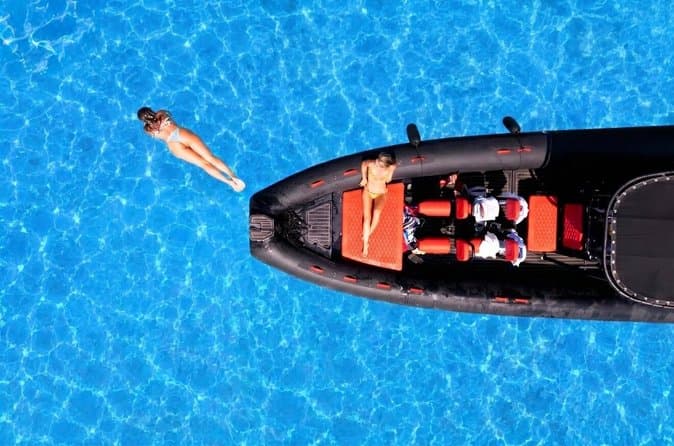
Zadar: Luxury Island Boat Tour, Snorkeling & Unlimited Wine (opens in a new tab)
Embark on an unforgettable adventure and explore the wonderful islands that adorn our Adriatic Sea. You have two types of tour, 4 hour with 3 stops and 3 hour with 2 stops. Explore the crystal clear…
Rated 5 out of 5 · 1,393 reviews· 4 h
Free cancellation
from €47

From Zadar Plitvice Lakes Guided Day Tour with Tickets (opens in a new tab)
Discover the UNESCO-listed Plitvice Lakes with a passionate local guide and enjoy one of the easiest ways to visit Croatia’s most iconic national park from Zadar. Travel through the scenic Croatian…
Rated 4.9 out of 5 · 1,689 reviews· 10 h
Free cancellation
from €45

Zadar: Romantic Luxury Sunset Boat Tour with Aperol Spritz (opens in a new tab)
We will start our tour from the oldest harbor in Zadar, Foša. After that we will cruise by the Zadar seafront and famous Sea Organs where thousands of people come every night to see world famous…
Rated 5 out of 5 · 330 reviews· 1.3 h
Free cancellation
from €25
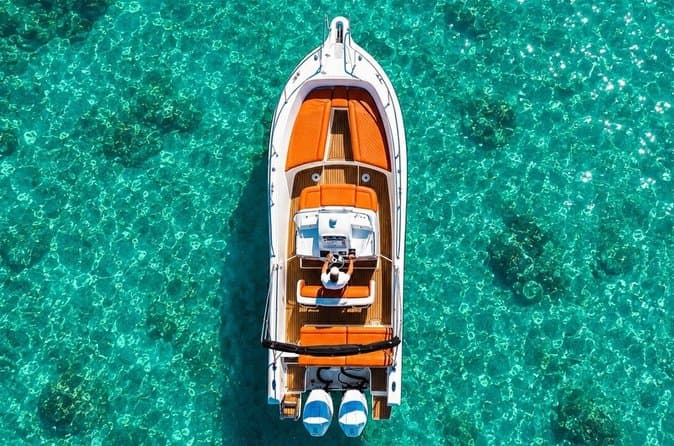
Zadar: Half Day Island Hopping Tour & Old Town Panoramic Cruise (opens in a new tab)
Step off the beaten path and discover the authentic soul of Dalmatia. On the islands, time moves slower and local traditions are still alive. Swim, snorkel, sunbathe, stroll through charming…
Rated 4.9 out of 5 · 418 reviews· 4 h
Free cancellation
from €19
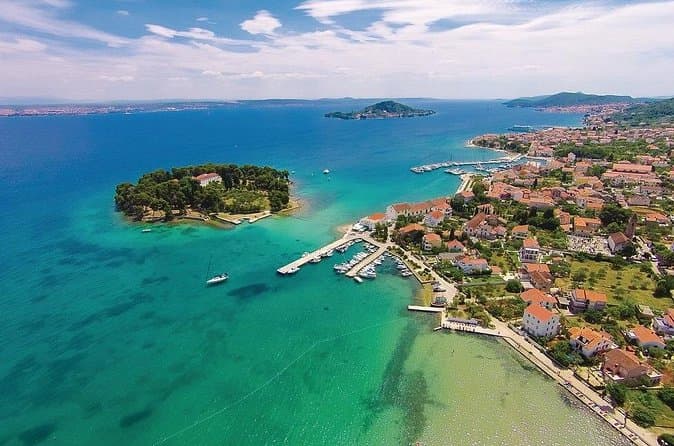
Private Sailing Tours in Zadar Archipelago (opens in a new tab)
We are a family business with a vision of presenting the beautiful nature and history of Zadar and Island Ugljan, Croatia. Sail away with us and absorb the sea breezes and panoramic views over Zadar…
Rated 5 out of 5 · 135 reviews· 4 h
Free cancellation
from €450
GetYourGuide · Novalja
We show GetYourGuide offers once you allow their cookies.
Practical information
Practical information
Pack for a walkable arrival on Silba: from the Žalić or Mul landings, accommodation is generally reached on foot because the island has no cars. Water-delivery vehicles, small mopeds and bicycles are the limited transport exceptions, and bicycles are not used during the peak season. The village centre, less than a minute from the Church of St John the Baptist, has shops, a bakery, cafés and restaurants. The island also has a post office, exchange office and tourist-information office. For swimming, choose the shore according to the day’s wind; the village’s east and west coasts are only about ten minutes apart on foot.
Parking
Silba has no visitor car parks because the village is a designated pedestrian zone. Motor traffic is limited to specified public services, deliveries and authorised vehicles, while stopping or parking without permission is prohibited; bicycles also face seasonal time restrictions. Leave your car in Zadar, Pula or Mali Lošinj before boarding. Travellers departing through Zadar’s Gaženica terminal can use the port’s A, B and C parking zones. The port authority’s 2024 tariff document set different maximum hourly rates for summer and winter, so check the current charge before leaving a vehicle there for several days.
Getting there and around
Jadrolinija’s local route 401 links Zadar’s Gaženica port with Ist, Olib, Silba, Premuda and Mali Lošinj. A direct Zadar–Silba–Mali Lošinj fast-boat service also operates in summer for foot passengers. Since Silba has no car traffic, vehicles remain on the mainland and the final leg continues on foot from the pier. Travellers leaving Zadar should distinguish the city passenger harbour from Gaženica, as the relevant services do not necessarily use the same terminal. Sailings vary by season, so the current Jadrolinija schedule for the precise travel date should replace any timetable saved from a previous year.
Frequently asked questions
Are cars allowed on Silba?
No; Silba is a pedestrian island, apart from a small number of service vehicles such as those used for water distribution.
How tall is Toreta?
Silba’s Toreta stands 15 metres high and is distinguished by its exterior spiral staircase.
Which Silba beach has a sandy seabed?
Šotorišće has an entirely sandy seabed and shallow water with a distinctive turquoise colour.
Where are Silba’s sarcophagi?
The 5th- and 6th-century sarcophagi stand by Pocukmarak Cove, near the island cemetery.
Which ferry route calls at Silba?
Jadrolinija route 401 connects Silba with Zadar, Ist, Olib, Premuda and Mali Lošinj.
Nearby
Silba
Open in OpenStreetMap(opens in a new tab)Smaller places
straight-line distance
Related guides
Novalja
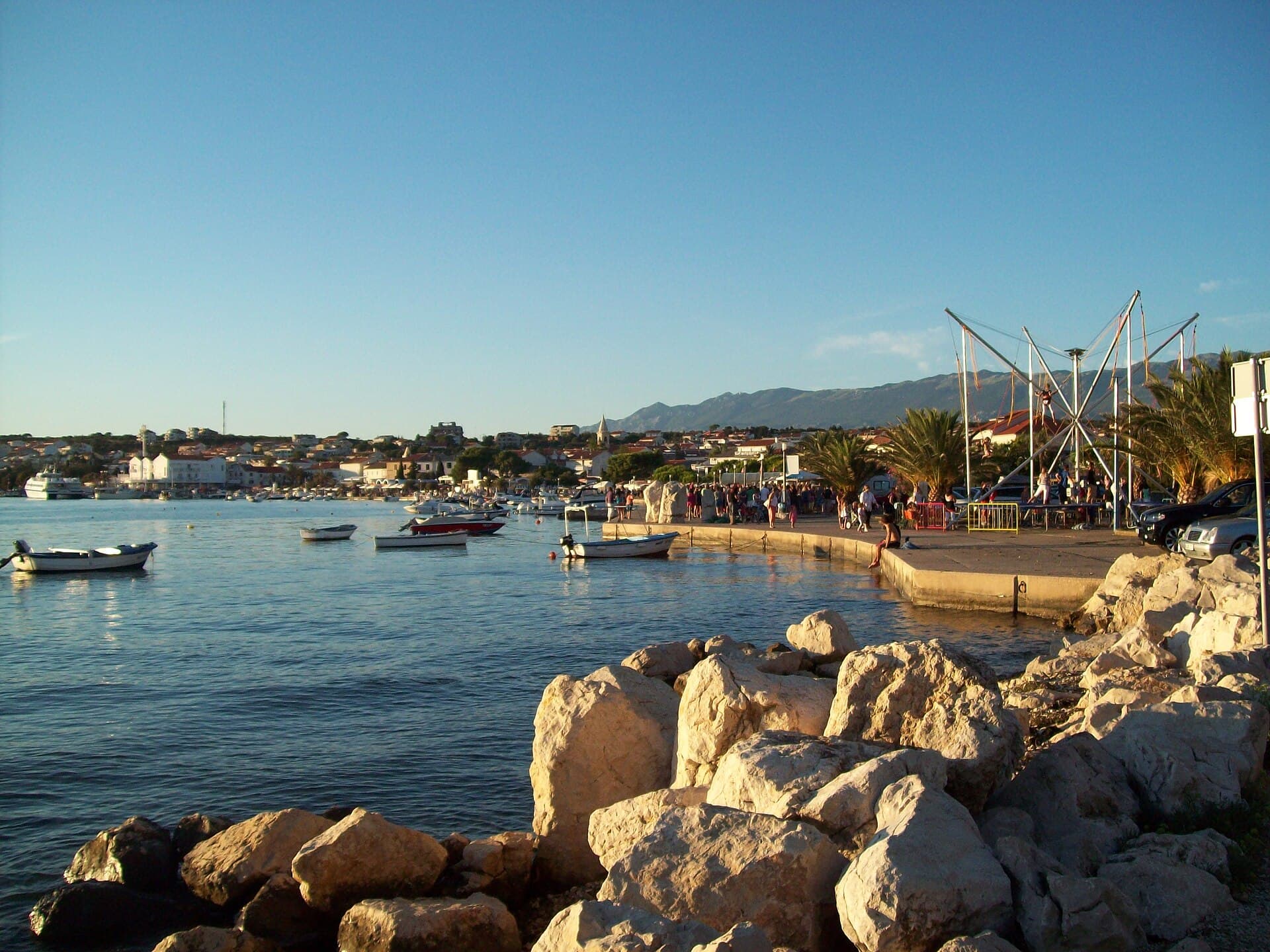
Novalja curves around a bay on Pag’s western shore, with the waterfront, Trg Bazilike and streets around Mala crikva forming the centre. Landing places and restaurants line the water, while…
Read the guide
Nin
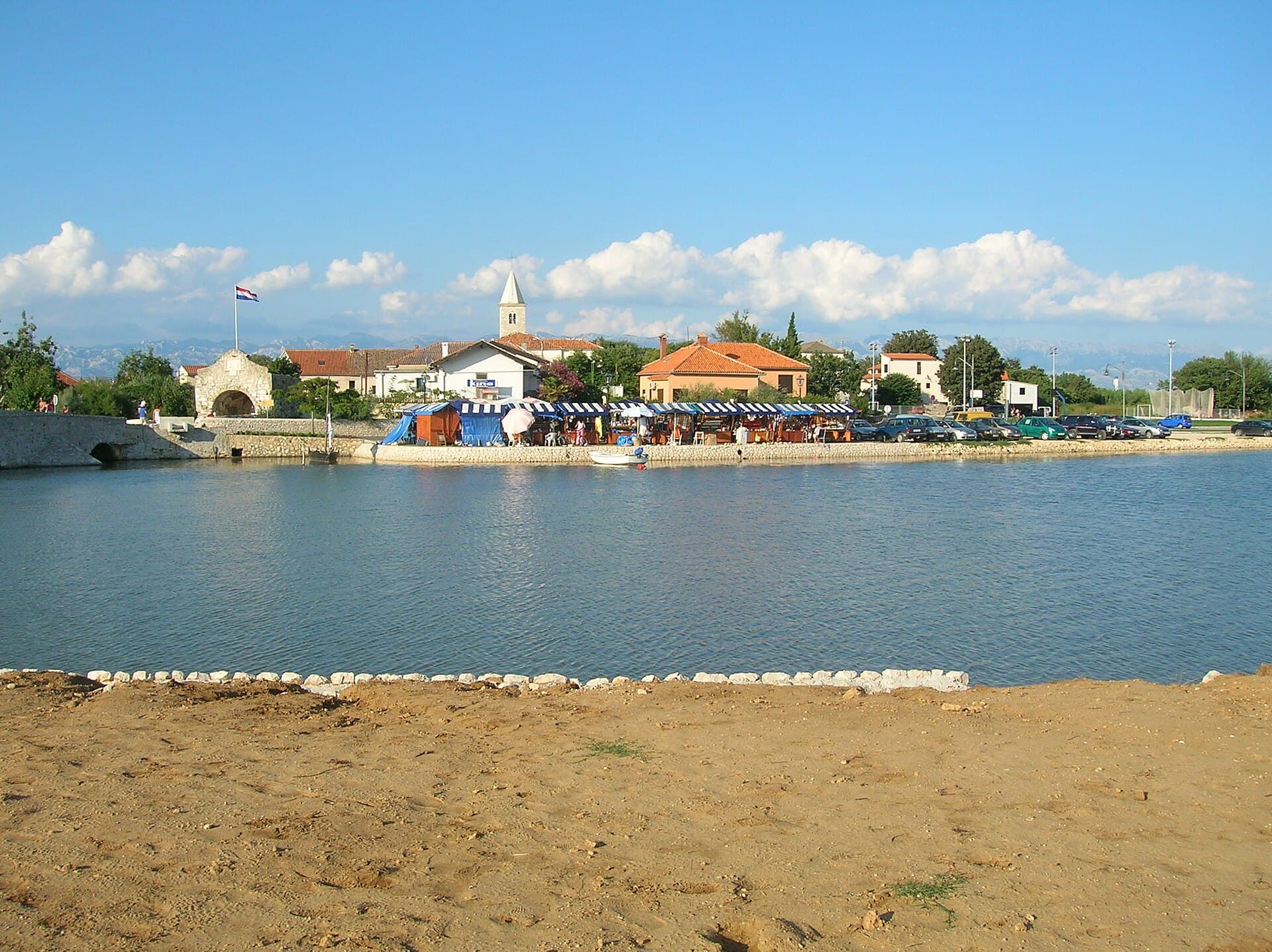
Nin’s historic centre occupies a low islet within a lagoon, connected to the mainland by bridges. Crossing into the centre creates a different first impression from arriving in nearby…
Read the guide
Pakoštane
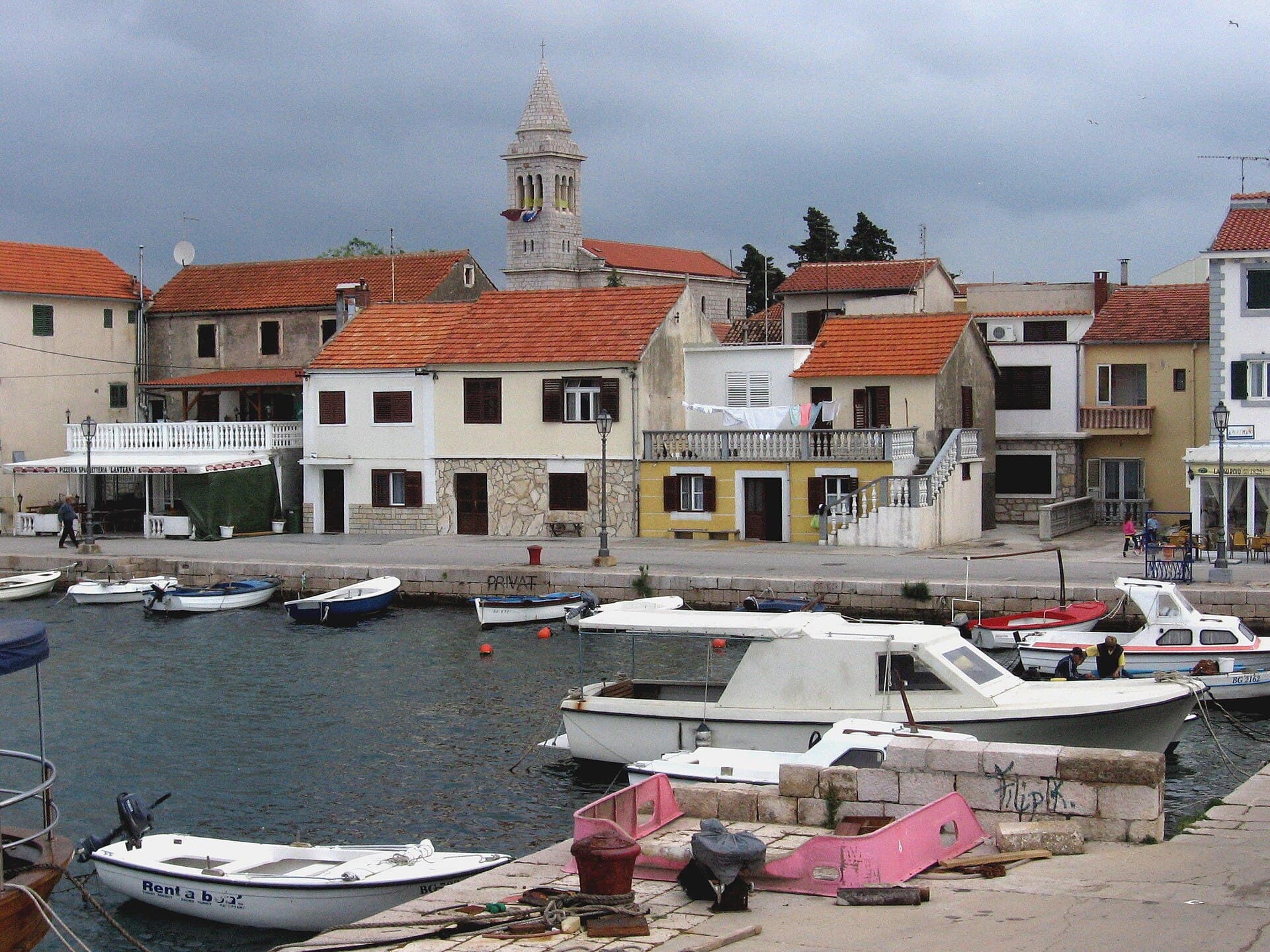
Pakoštane occupies a narrow strip between the Adriatic and Lake Vrana, allowing visitors to move from a Dalmatian waterfront to the reeds of an ornithological reserve within minutes. The…
Read the guide
Pag
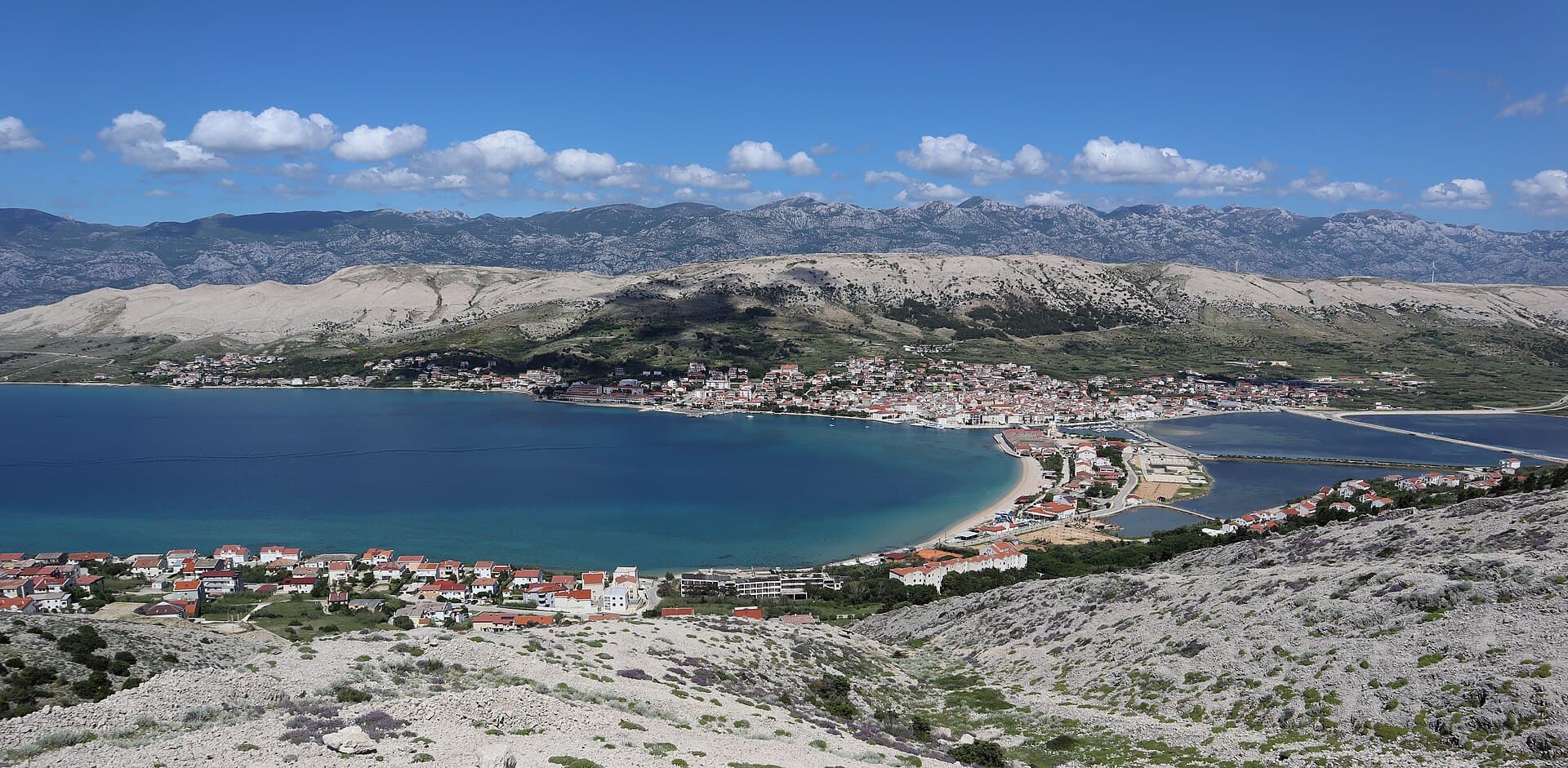
Pag is a planned stone town whose orderly street grid converges on Petar Krešimir IV Square, the Collegiate Church of the Assumption and the Rector’s Palace. The settlement moved to its…
Read the guide
Know Silba? Correct us
Tell us in your own words what is not accurate. We check right away.Do not enter personal data. Corrections are checked by the StayBravo AI assistant; changes to the description are approved by an editor. Use the form instead
Do you know Silba?
Help the guests who come after you.
Help us complete
Nothing is published without an editor’s review.Report illegal content
Photo credits: Olib — Nilsiboy (CC BY-SA 3.0) · Premuda — Tom Cvetko. Original uploader was Tom Cvetko at de.wikipedia (Public domain) · Ist — Giorgio Davanzo (CC BY-SA 3.0) · Sveti Petar — Darko Tepert Donatus (CC BY-SA 2.5) · Grujica Lighthouse — Zoran Kurelić Rabko (CC BY-SA 3.0) · Kolansko blato — Lendert Van Laer (CC BY-SA 4.0) · Veli Rat Lighthouse — Dominik Matus (CC BY-SA 3.0) · Dubrava Hanzine — Christian Pirkl (CC BY-SA 4.0) · Apartmani Bukal, Premium apartman Pina — Partner (courtesy of the property owner) · Apartman Mira — Marijan Ćaćan (courtesy of the property owner) · Apartmani Rustica — Zdenko Dusevic (courtesy of the property owner) · Villa Slatki — Saša Slatki (courtesy of the property owner) · Novalja — JoeTimBlackMax (CC BY-SA 3.0) · Nin — Amphisbène (CC BY 2.5) · Pakoštane — Roman Klementschitz, Wien (CC BY-SA 3.0) · Pag — Palauenc05 (CC BY-SA 4.0)