Veli Iž
About this place
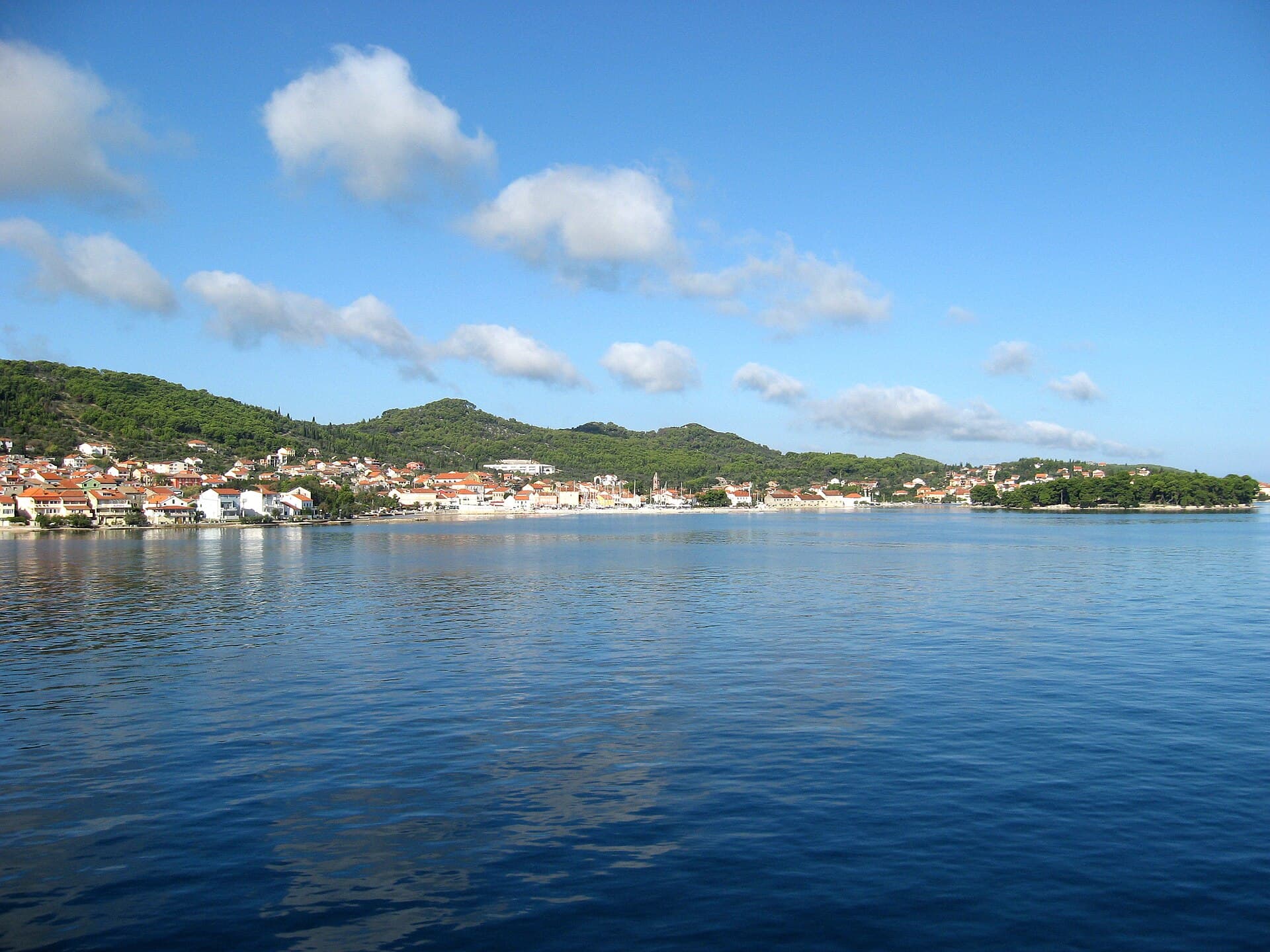
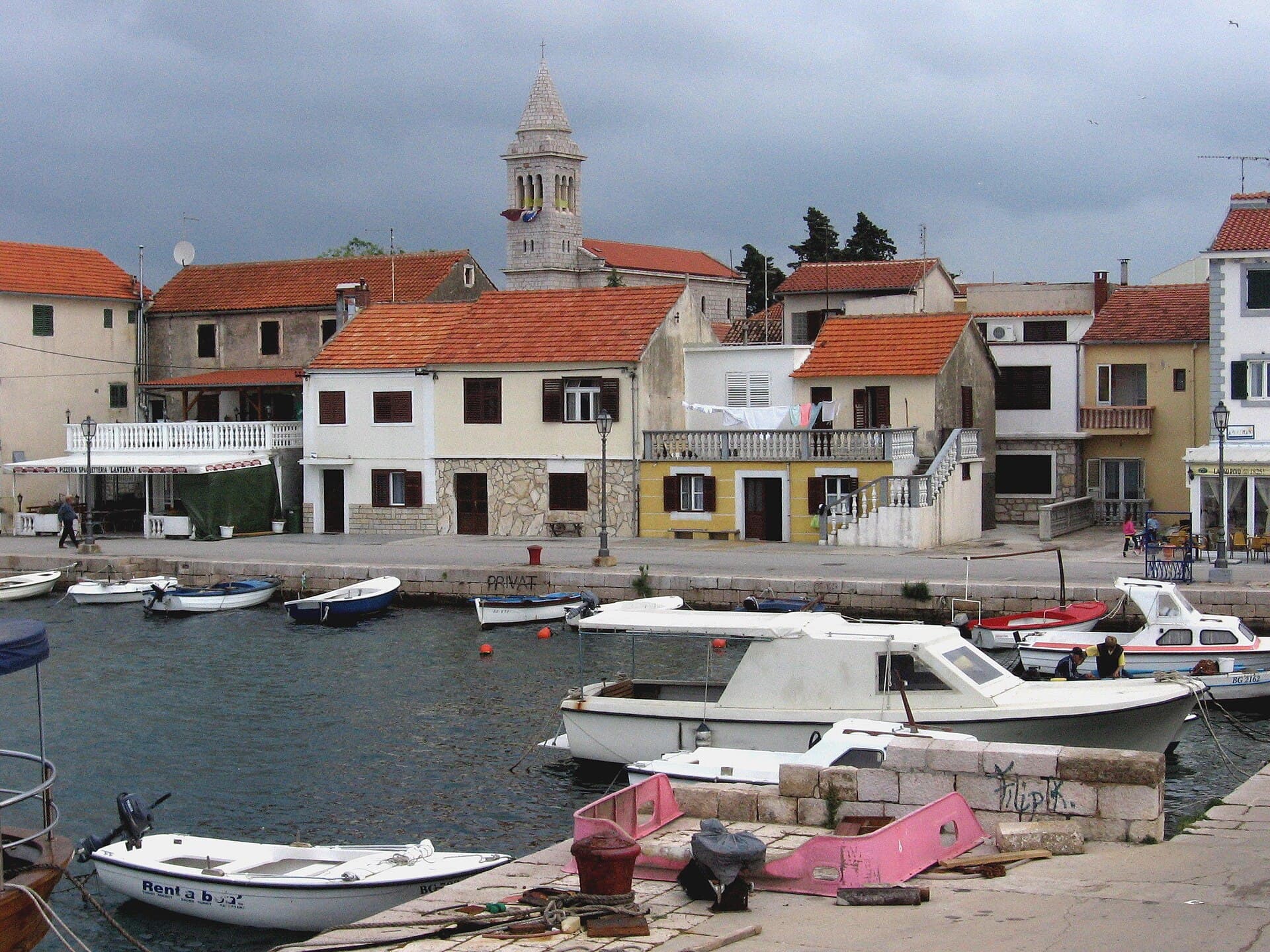
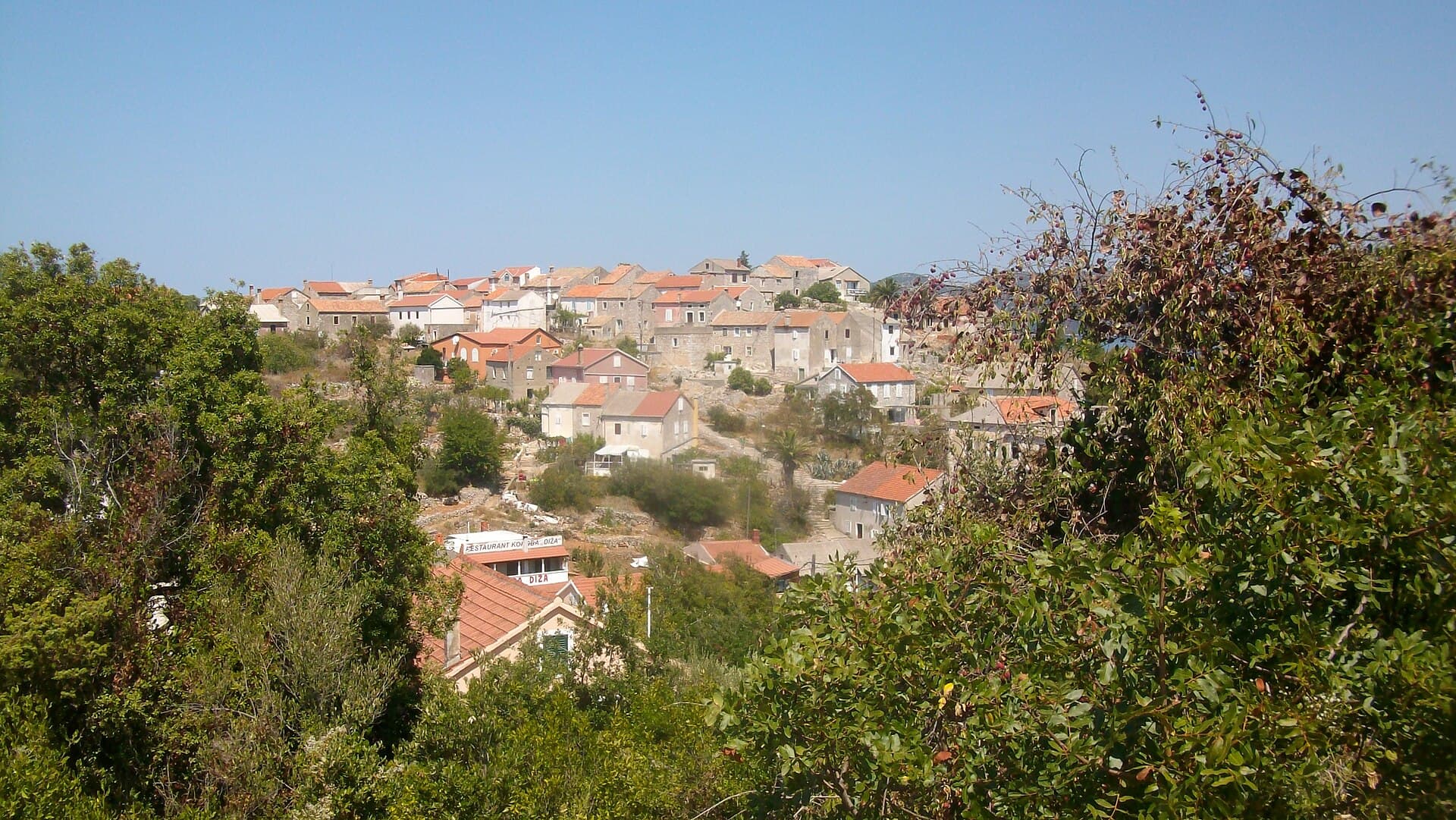
Veli Iž is the principal settlement on the western shore of Iž, the island set between Ugljan and Dugi otok in the Zadar archipelago. Stone houses run down towards its harbour and marina, while the restored Church of St Peter and Paul anchors the old centre. Iž and its surrounding islets are a natural draw for sailors, and a daily boat link with Zadar keeps the village connected to the mainland. Pottery is what gives Veli Iž its most distinctive identity. The National Museum Zadar’s branch ethnographic collection occupies the former 18th-century Fanfogna family summer residence, used as a school in the 19th century before becoming a museum in 1975. Its displays include Iž cooking pots, lopiži, baking bells and fish kettles, together with hand-pottery tools, fishing and farming objects, costume and household material. This craft tradition makes Veli Iž more than a quiet island port: it is a key place for Dalmatia’s vernacular material culture.
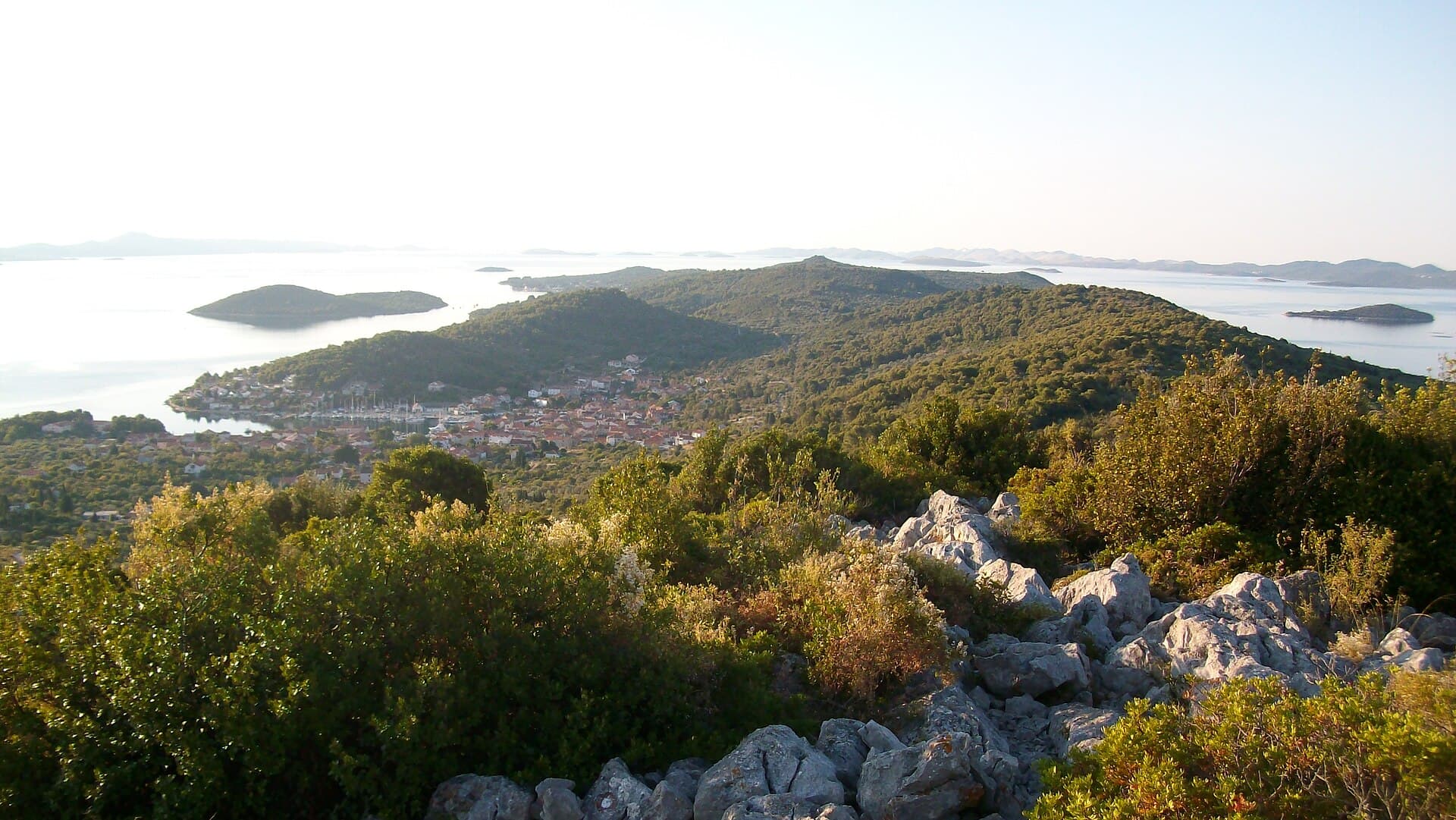
Veli Iž developed around a sheltered harbour on Iž’s western coast, facing Dugi Otok. Its preserved stone core, marina and hotel make it the island’s principal visitor centre, while Mali Iž remains a group of three smaller hamlets in the south. Olive growing, fishing, seafaring and pottery define local identity, with the last craft distinguishing Veli Iž from most other islands in the Zadar archipelago. Houses and narrow lanes descend towards the port, where daily rhythms follow arrivals from Zadar and Rava. Nearby islets and channels attract sailing crews, while the village marina offers more secure berthing than exposed coves. Olive groves and dry-stone walls remain immediately inland and can be reached on short walks from the waterfront.
Stays nearby
 Apartment
Apartmeni Klenovica.eu
Klenovica
Klenovica, 119 km from Veli Iž
up to 4 guests · 1 bedroom
The host confirms the exact price for your dates and availability.
Things to see
The parish church of Saints Peter and Paul rises above Veli Iž’s stone centre as the village’s principal religious landmark. The former summer residence of Zadar’s noble Fanfogna family is associated with the regional ethnographic collection created from objects donated by islanders. Its holdings cover characteristic pottery, potters’ tools, weaving, clothing, domestic life, agriculture and fishing. The museum describes the collection as a broad record of traditional life in Veli Iž, although renovation has kept it closed since 11 September 2026. The harbour and marina are the modern spatial landmarks, opening views towards the islets between Iž and Dugi Otok. The entire historic core can be explored on foot directly from the passenger-boat landing.
Things to do
Begin at the harbour, climbing through the stone centre to the church of Saints Peter and Paul before continuing to the former Fanfogna family residence. Its regional ethnographic collection normally presents Iž pottery and weaving, but has been closed for renovation since 11 September 2026. Continue the ceramic theme by seeking out iški lopiž, the traditional dish named after the large clay vessel in which it cooks. In the afternoon, walk above the village among olive groves and dry-stone walls for views across the Iž Channel towards Dugi Otok. Along the shore, choose rocky or pebble bathing points near the settlement, or arrange a small-boat circuit of nearby coves. A passenger sailing onward to Mala Rava and Rava adds another small island without returning through Zadar.
Food and drink
Veli Iž’s clearest culinary symbol is not a particular restaurant but iški lopiž, an island dish of meat, vegetables and aromatic Mediterranean herbs. Its name comes from the large clay vessel used for cooking, directly joining local food with Veli Iž’s pottery tradition. Lopiž is closely associated with island celebrations and meals prepared in advance, so it should not be expected as a permanent item on every daily menu. Ask taverns around the harbour whether it is being made during the visit or must be ordered beforehand. Fish, olive oil and vegetables naturally continue Iž’s fishing and olive-growing heritage, but the earthenware cooking vessel is what distinguishes lopiž from related Dalmatian meat dishes.
Practical information
Practical information
Veli Iž is easiest to explore on foot because the harbour, stone centre and church of Saints Peter and Paul are linked by short village lanes. The regional ethnographic collection has been temporarily closed for renovation since 11 September 2026, so a visit should not be planned without a fresh announcement from the National Museum Zadar. Arriving by car involves a different sea route from arriving on foot: vehicles disembark at Bršanj on Mali Iž and continue along the island road. The published 2026 transport information recommends securing a vehicle ticket two to three weeks ahead. Foot passengers from central Zadar arrive directly in Veli Iž harbour, immediately below the historic core.
Getting there and around
Jadrolinija’s catamaran from Zadar’s city harbour links Mali Iž, Veli Iž, Mala Rava and Rava; the full route takes about one hour and five minutes and, under the 2026 information, operates daily except Sundays and public holidays. The vessel Anamarija, operated by G&V Line Iadera, provides an additional passenger connection to Veli Iž. Both passenger services depart from Zadar’s old-town peninsula and dock in Veli Iž harbour. Cars cannot use those boats: the vehicle ferry leaves from Gaženica for Bršanj on Mali Iž, followed by an island-road drive. The 2026 transport notice advises purchasing vehicle space two to three weeks in advance. Direct passenger services are more convenient for pedestrians because they arrive beside the village itself.
Frequently asked questions
Does the car ferry dock in Veli Iž?
No. The vehicle ferry docks at Bršanj on Mali Iž, while passenger boats sail directly into Veli Iž.
Is the ethnographic collection open in 2026?
The collection is temporarily closed for renovation from 11 September through the end of 2026.
What is iški lopiž?
It is a dish of meat, vegetables and Mediterranean herbs cooked in a large clay vessel linked to Iž pottery.
Where do boats for Veli Iž leave from in Zadar?
Passenger boats and the catamaran depart from the city harbour on Zadar’s old-town peninsula.

Related guides
Novalja
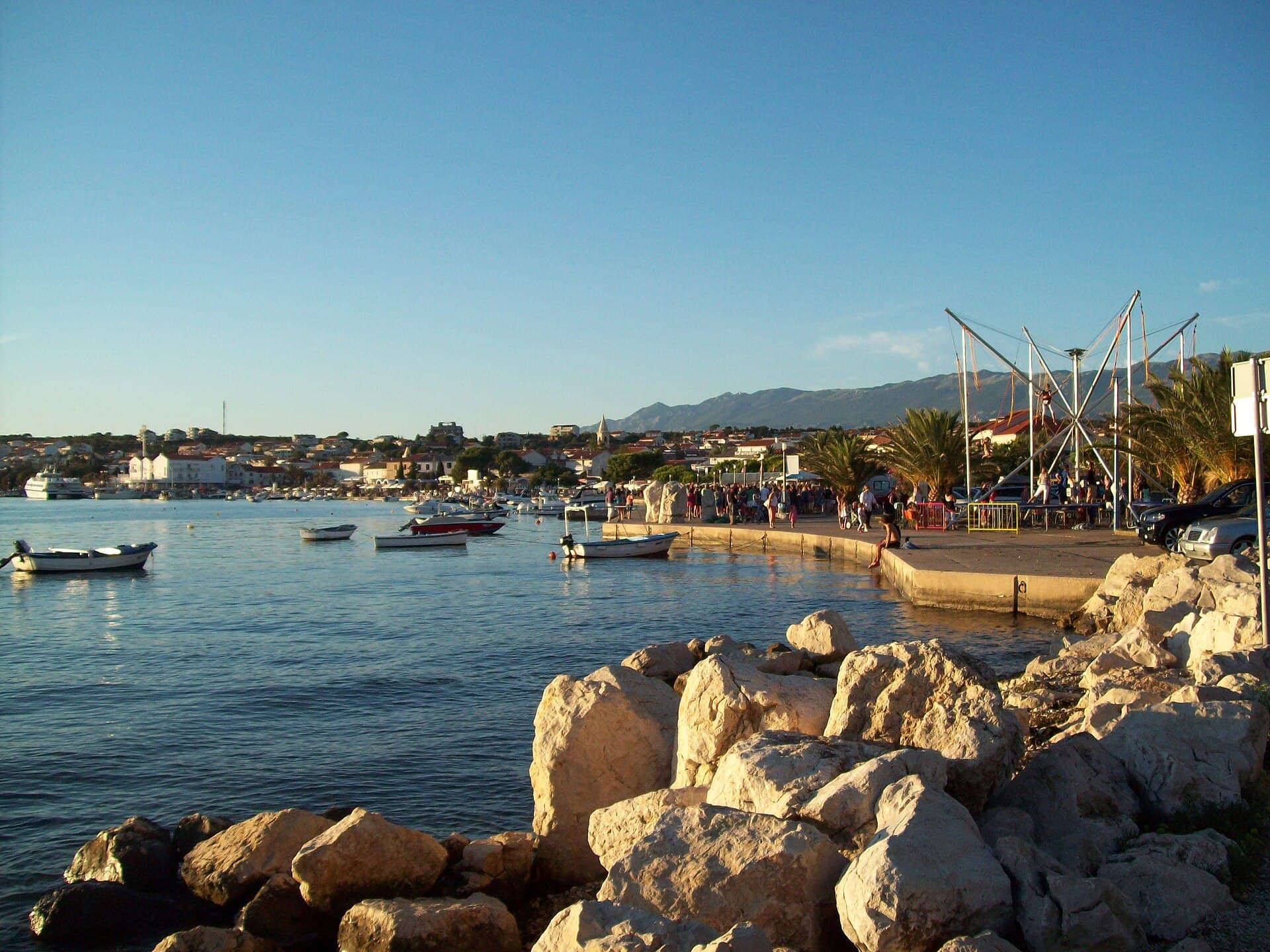
Novalja curves around a bay on Pag’s western shore, with the waterfront, Trg Bazilike and streets around Mala crikva forming the centre. Landing places and restaurants line the water, while…
Read the guide
Help improve this page
Spot something missing or wrong? Suggest a correction, add your photo or report a problem. Editors review every suggestion before it is published.
Photo credits
- Veli Iž, Mali Iž — Ambroix · CC BY-SA 4.0 · Wikimedia Commons
- Rava — Mate Mavar · Public domain · Wikimedia Commons
- Lukoran — The original uploader was Maestralni at Croatian Wikipedia. · CC BY-SA 3.0 · Wikimedia Commons
- Luka, Žman — J.Vítek · CC BY 3.0 · Wikimedia Commons