About this place
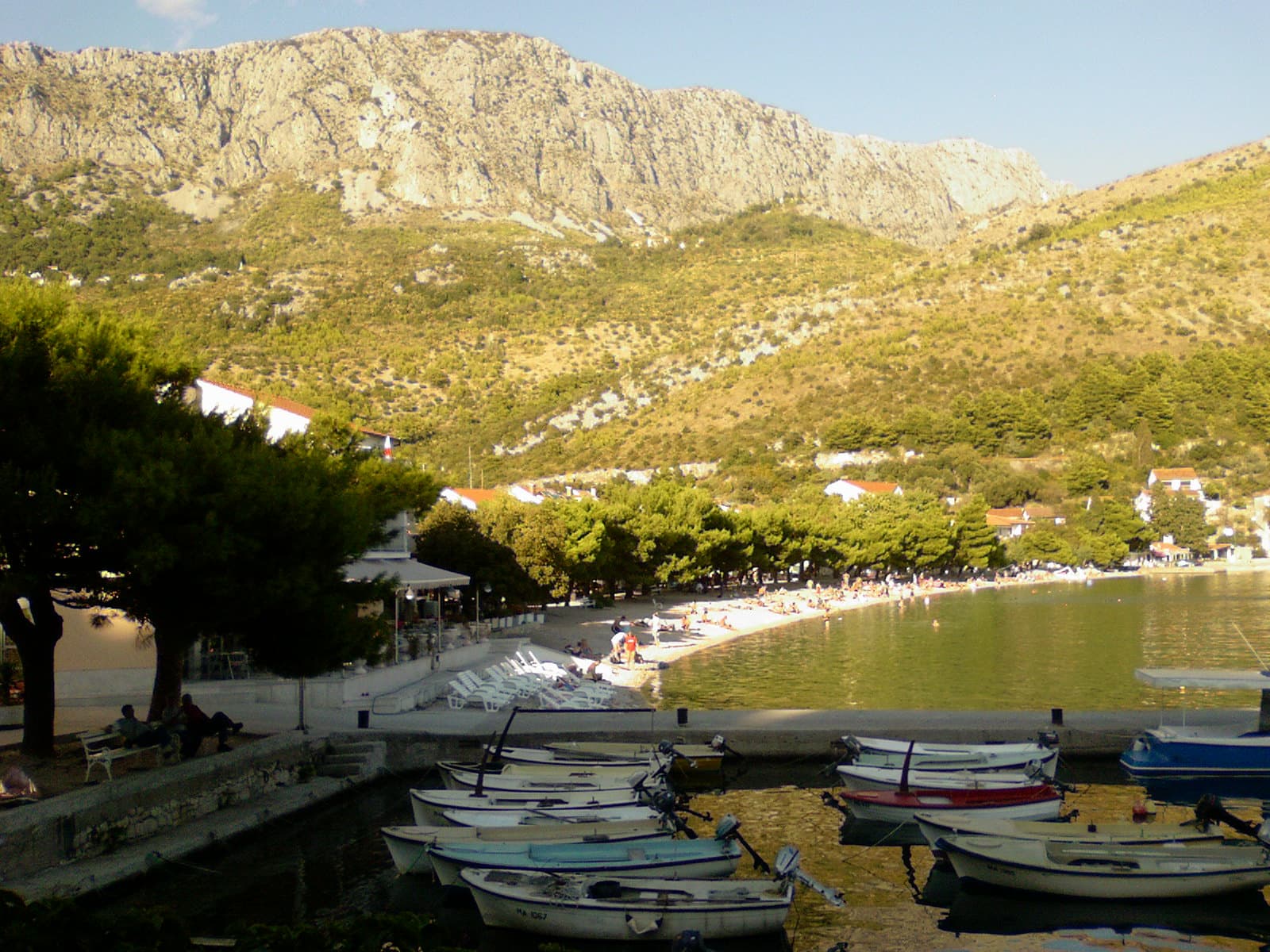
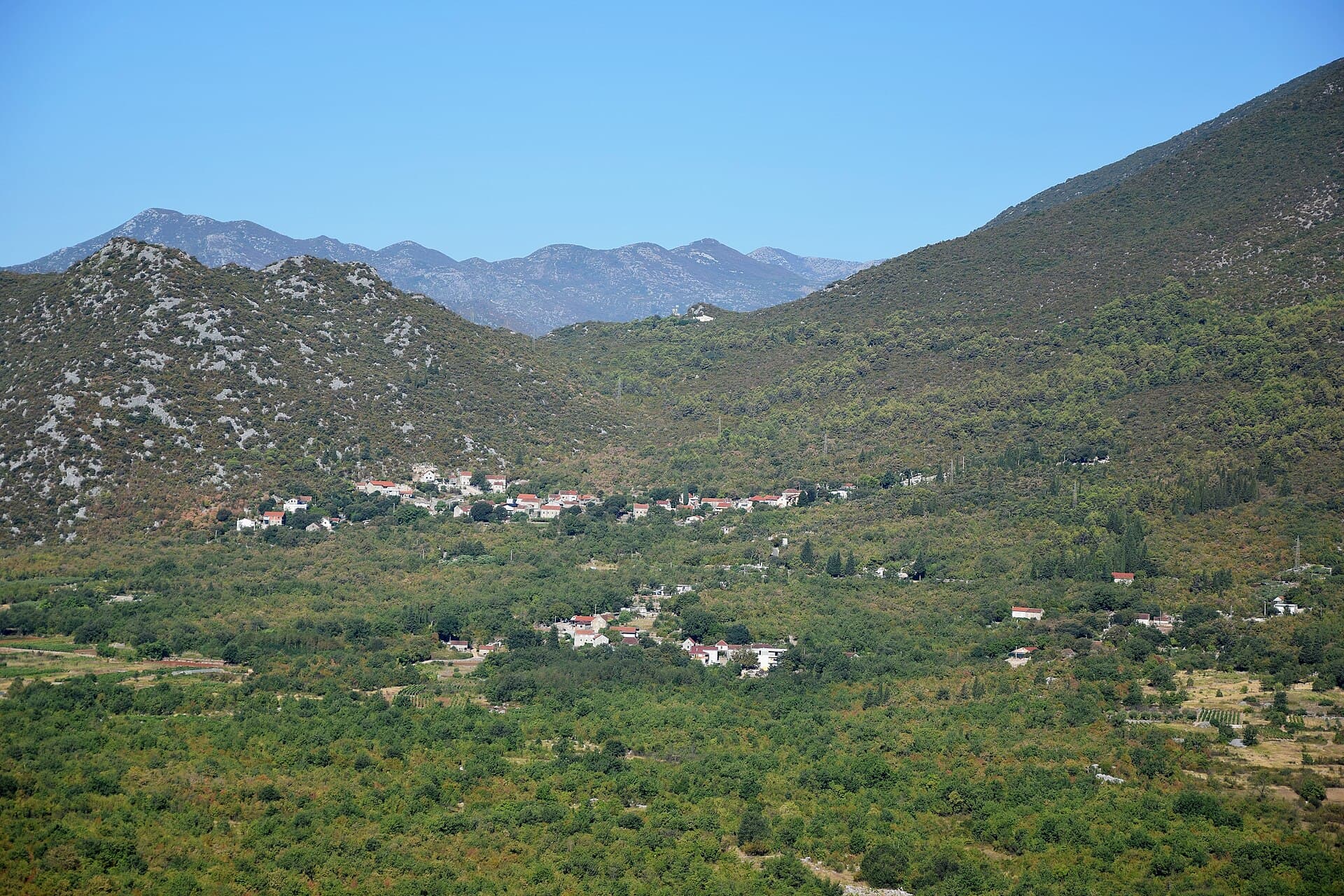
Podaca is a coastal village in the Municipality of Gradac, comprising the hamlets of Kapeć, Viskovića Vala and Ravanje on the southern Makarska Riviera. Today’s houses and bathing areas extend between the Adriatic Highway and the sea, while Old Podaca occupies the rocky slopes beneath Biokovo. The climb to the abandoned village leads past ruined stone houses, a defensive tower associated with the Cretan War, a bell tower commissioned by Ivan Tomić and a viewpoint over the coast. Its most important monument is the early Croatian Church of St John, which contains graves of the Kačić family; finds from Podaca span periods from the Neolithic to Roman rule. Long pebble bathing areas line the coast around Viskovića Vala and Ravanje, making it easy to divide a stay between the sea and the historic hillside settlement. Podaca forms part of the roughly 15-kilometre coastal sequence of Zaostrog, Podaca, Brist and Gradac. Gradac supplies a broader range of services and excursions, while Zaostrog’s Franciscan monastery keeps a Neolithic stone threshing tool discovered in the Podaca area.
Podaca consists of three distinct hamlets: Kapeć, Viskovića Vala and Ravanje. Its coastal section developed between the Adriatic Highway and pebble beaches, while Old Podaca occupies higher, rocky ground beneath Biokovo. This split layout defines the village: a modern holiday settlement stands by the sea, with an abandoned historic core of ruins, a tower and a church above it. Archaeological evidence reaches back to the Neolithic, while Roman-period finds include an urn containing a coin of Emperor Severus, dated to 193–211. Podaca consequently differs from neighbouring resorts through the unusually visible relationship between its shoreline and old hillside village.
Stays nearby
 Apartment
Apartmeni Klenovica.eu
Klenovica
Klenovica, 294 km from Podaca
up to 4 guests · 1 bedroom
The host confirms the exact price for your dates and availability.
Things to see
Podaca’s historical walk leads to the old village and the early Croatian Church of St John, beside which are the graves of the Kačić family. Despite later changes to its roof and openings, the small church retains part of its original form. The Podaca area also produced a Neolithic grain-threshing mallet, now displayed at the Franciscan monastery in Zaostrog. Roman-period finds include a broken urn containing a silver coin of Emperor Severus, dated 193–211. The old village and its defensive tower complete the picture of stone-built heritage above today’s coast.
Beaches
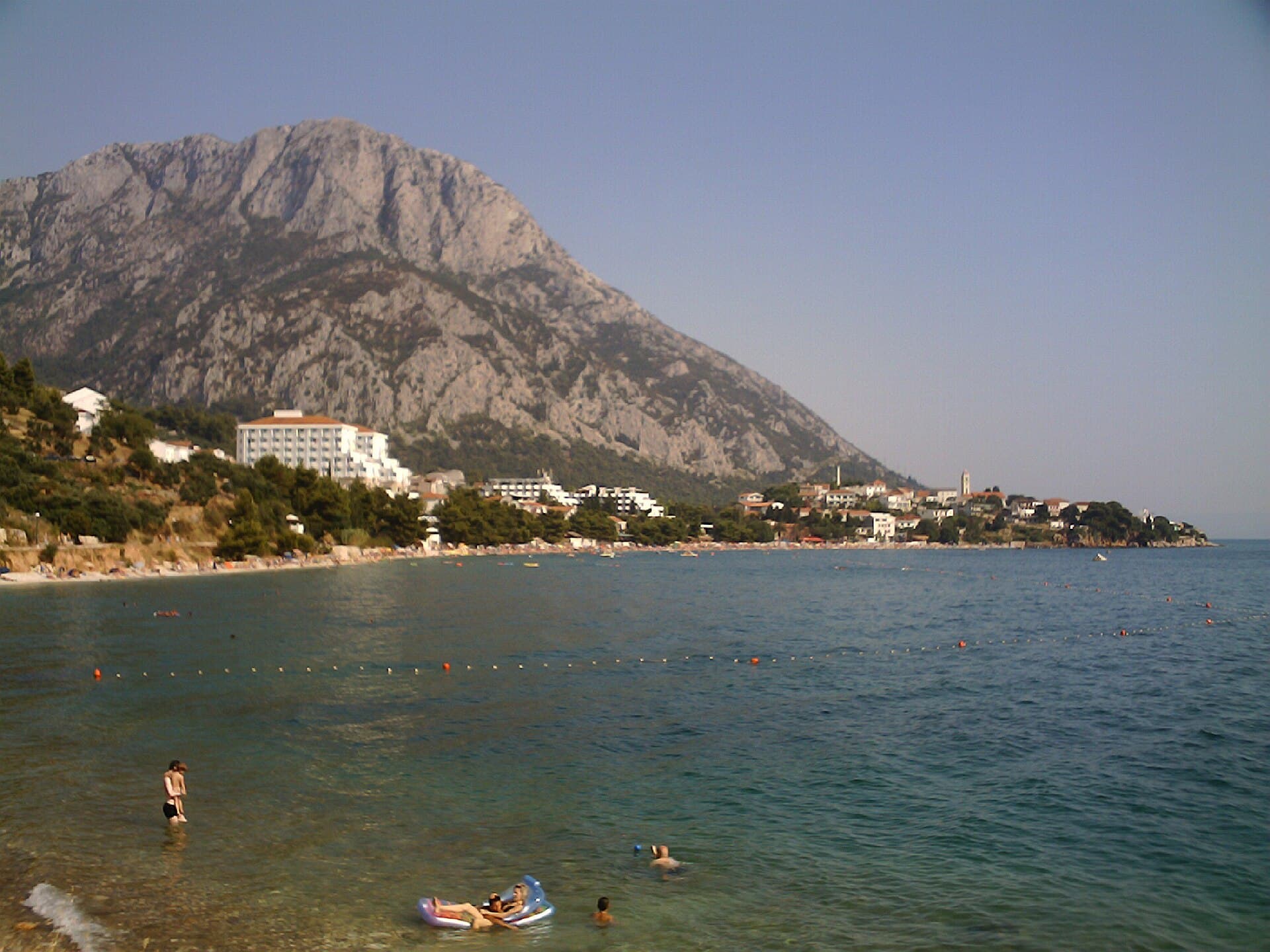
Podaca’s pebble shoreline extends along Viskovića Vala and Ravanje, with swimming areas immediately below the houses and coastal walkway. This surface continues the beach character found along the Municipality of Gradac’s roughly 15-kilometre coast between Zaostrog and Gradac. Unlike the larger resort beaches in Gradac, Podaca’s bathing places are divided into smaller sections associated with individual parts of the village. The sea is reached on foot from coastal Podaca, whereas visitors coming from Old Podaca must descend from the Biokovo slope. For a longer seaside walk with swimming stops, the coastal route naturally continues towards Brist to the southeast and Zaostrog to the northwest.
Bathing water quality nearby
- Viskovića vala · 327 mnot classified · season 2025
- Zaostrog - Plaža · 1.7 kmexcellent · season 2025
- Brist - plaža · 2.1 kmexcellent · season 2025
Source: European Environment Agency (EEA); data from Croatian authorities. · bathing water profile
Things to do
Spend the morning swimming around Viskovića Vala or Ravanje, where Podaca opens onto a chain of pebble shores. Once the heat eases, follow the road uphill towards Old Podaca on Biokovo’s lower slopes. In the abandoned core, first seek out the remains of the defensive tower from the period of the Cretan War, then the bell tower commissioned by Ivan Tomić and the early Croatian Church of St John with Kačić graves. Finish at the viewpoint above the ruins, where the relationship between the old village, the highway and modern coastal settlement becomes clear. For an evening walk, follow the shoreline towards Brist or Zaostrog.
Frequently asked questions
What can be seen in Old Podaca?
Old Podaca contains ruined stone houses, a defensive tower, a bell tower, St John’s Church and a viewpoint.
Where is Podaca’s Neolithic tool kept?
The stone tool discovered around Podaca is displayed in Zaostrog’s Franciscan monastery.
Which church in Podaca is associated with the Kačić graves?
The early Croatian Church of St John in Old Podaca has the graves of the Kačić family.
Where is the Neolithic mallet found in the Podaca area displayed?
The stone mallet from Podaca is displayed at the Franciscan monastery in Zaostrog.


Related guides

Split
In Split, the transition from ancient monument to ordinary street is almost imperceptible: entering the southern part of Diocletian’s Palace from the Riva leads towards the Peristyle, then…
Read the guide

Help improve this page
Spot something missing or wrong? Suggest a correction, add your photo or report a problem. Editors review every suggestion before it is published.
Photo credits
- Podaca — Z. Blace · CC BY-SA 4.0 · Wikimedia Commons
- Zaostrog, Baška Voda — Mario Žamić · CC BY-SA 3.0 · Wikimedia Commons
- Brist, Gradac — Silvio John, Elsterwerda · CC BY 2.5 · Wikimedia Commons
- Drvenik, Gradac