Gradac
About this place
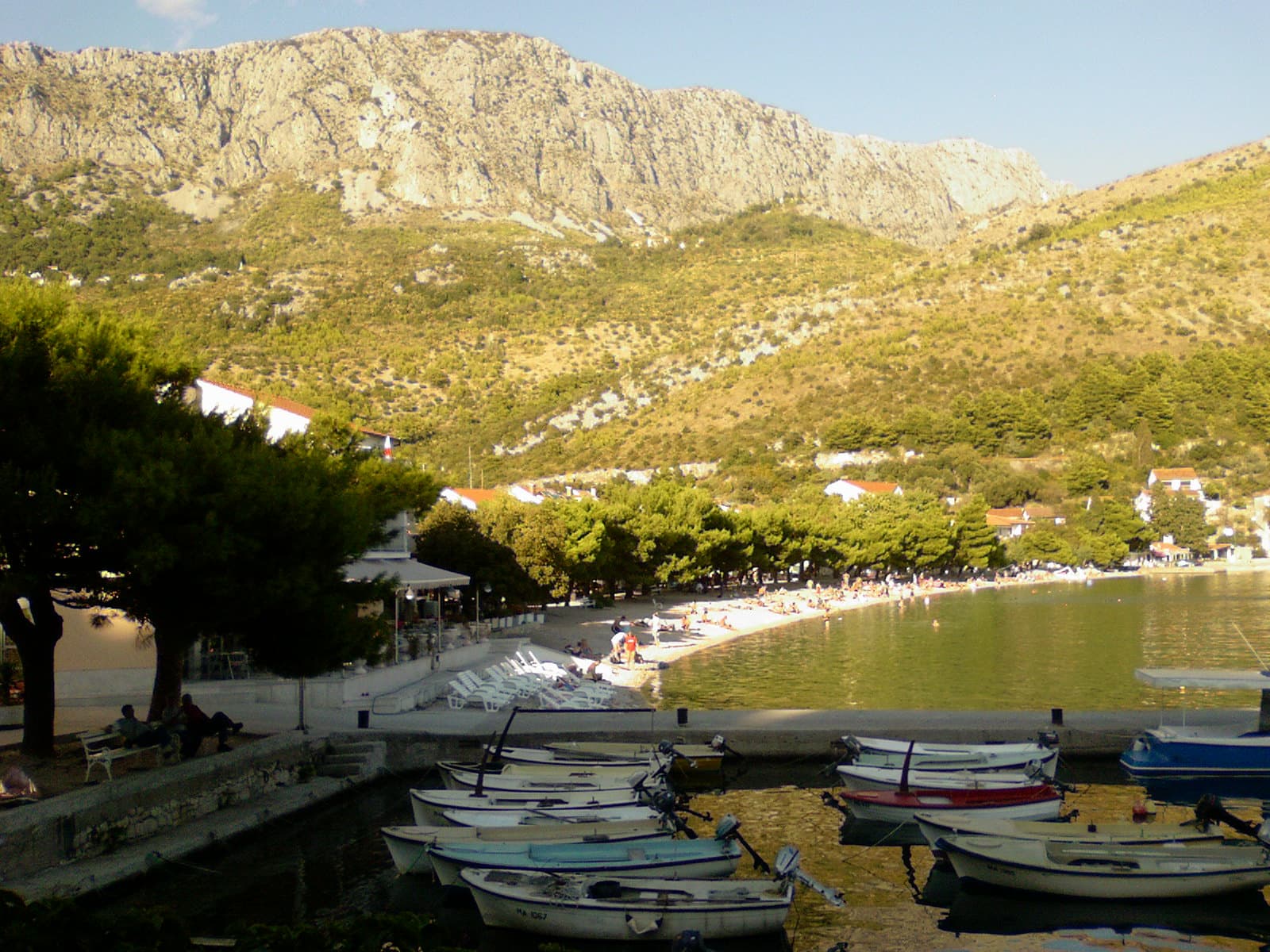
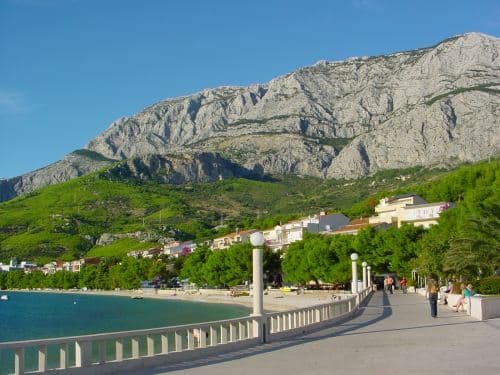
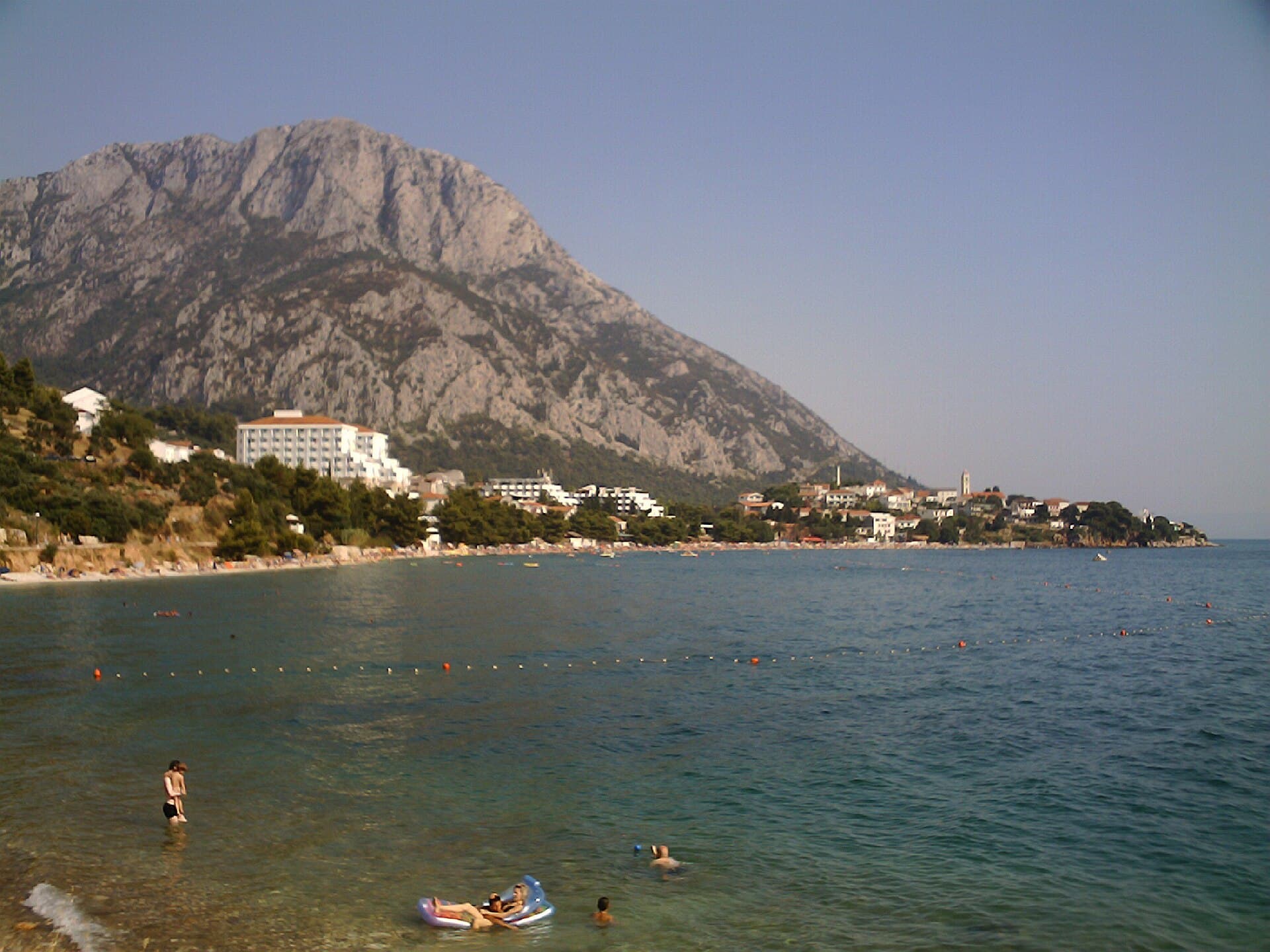
Gradac is the southernmost major resort on the Makarska Riviera and the centre of a municipality whose coastline continues through Brist, Podaca and Zaostrog. Long pebble beaches are the main reason for a summer stay; the local tourist board describes roughly seven kilometres of pebble shoreline across the riviera. Behind the settlements, the terrain rises quickly towards the Biokovo foothills and older hamlets, allowing beach time to alternate with walking or cycling routes. Gradac does not have a monumental historic centre on the scale of Split or Dubrovnik, but its position between the sea and steep hinterland gives it a clear sense of place. Zaostrog is the main cultural excursion because of its Franciscan monastery of St Mary, while Brist and Podaca provide quieter coastal walks along the same riviera. Gradac is also practical for travellers continuing towards the Neretva valley or Pelješac, although a short stay is best focused on the local coast rather than long daily excursions.
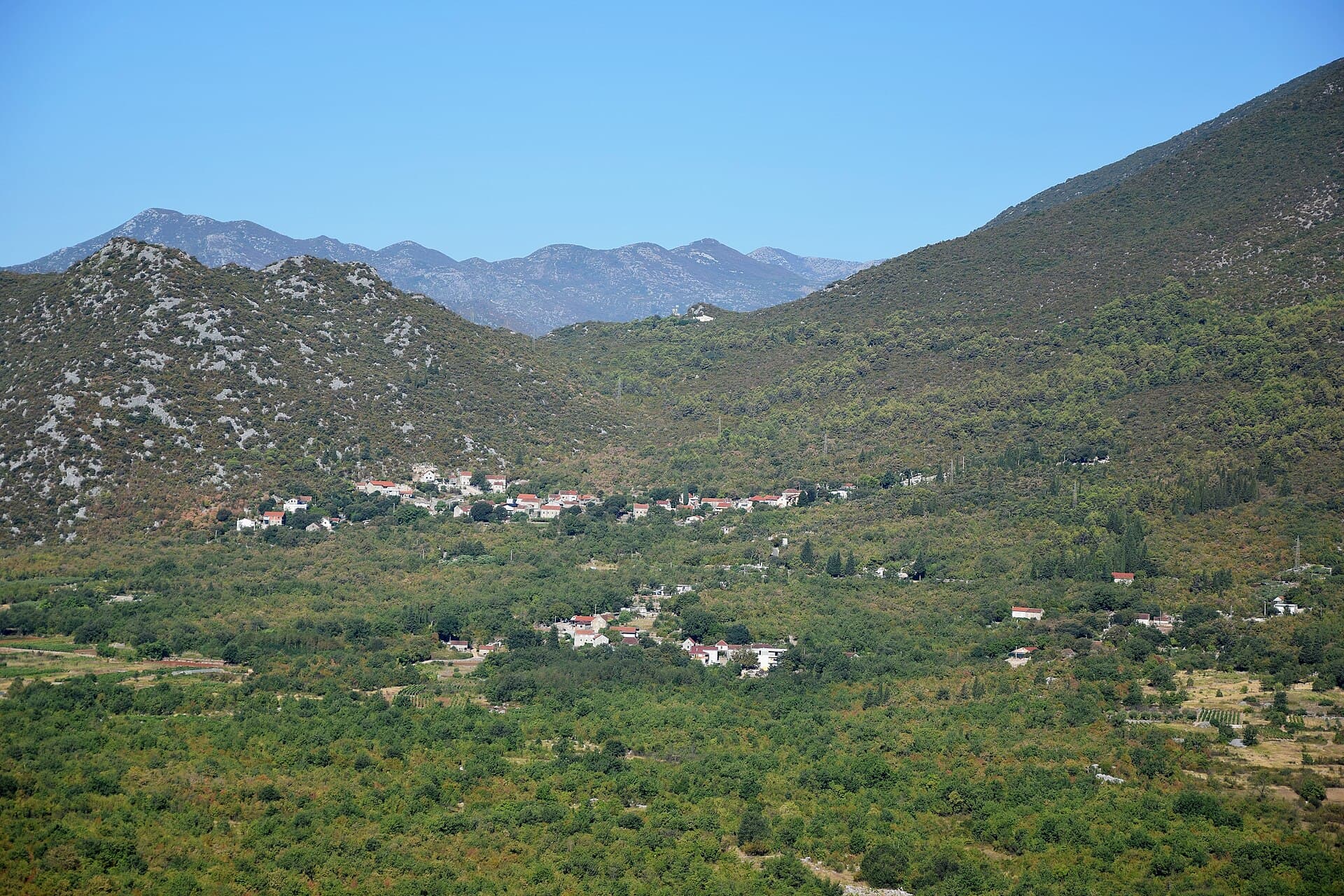
Gradac is the administrative and tourist centre of the municipality of the same name at the southern end of Split-Dalmatia County. The municipal riviera includes Gradac, Brist, Podaca and Zaostrog along roughly fifteen kilometres of coastline, so the name Gradac is often used in travel planning for a wider chain of neighbouring settlements. Behind the shore rise the Biokovo foothills and old hamlets containing examples of traditional Dalmatian architecture. This relationship between a long pebble coast and steep hinterland defines the area more strongly than any single major monument, and local walking and cycling routes connect these two landscapes.
Stays nearby
 Apartment
Apartmeni Klenovica.eu
Klenovica
Klenovica, 298 km from Gradac
up to 4 guests · 1 bedroom
The host confirms the exact price for your dates and availability.
Things to see
Zaostrog is the principal cultural excursion within the Gradac Riviera because of the Franciscan monastery of St Mary and the collections preserved there. In Gradac itself, attention is directed more towards the waterfront, traces of older settlement and routes to hamlets on the slopes than towards one monumental complex. Brist is associated with poet Andrija Kačić Miošić, whose home area forms part of the local cultural story. Combining Gradac, Brist, Podaca and Zaostrog therefore gives a more meaningful picture of the area than remaining on a single waterfront, as each settlement adds a different layer to the history of this narrow coastal strip.
Beaches
Gradac and the neighbouring settlements are known for long pebble beaches; the local tourist board describes about seven kilometres of pebble shoreline across the riviera. Gornja Vala is one of the recognisable beaches in Gradac and runs along the resort area, while bathing places continue towards Brist, Podaca and Zaostrog. The advantage of this layout is the ability to change beaches without travelling to another part of Dalmatia. Mediterranean vegetation provides shade in some sections, but sun exposure and natural shade vary along the coast, so for a full beach day it is useful to choose according to the part of the riviera where you are staying.
Bathing water quality nearby
- Gradac - Plaža · 355 mexcellent · season 2025
- Gradac - Vodice · 719 mnot classified · season 2025
- Brist - plaža · 2.2 kmexcellent · season 2025
Source: European Environment Agency (EEA); data from Croatian authorities. · bathing water profile
Things to do
Begin a day in Gradac with a waterfront walk and a swim before the strongest summer heat, then explore the lanes around the old harbour and below the remains of the earlier settlement. In the afternoon, follow the coastal promenade towards Brist, one of the four communities on the Gradac Riviera. Return to the Gradac waterfront for dinner: Nicolo Polo runs themed programmes that include a Dalmatian evening, a peka night and a fish-and-lobster evening. More active visitors can replace one beach day with a ride on part of the Riviera’s local cycling network, which the tourist board measures at approximately 40 kilometres in total.
Food and drink
Gradac’s dining scene clusters around Obala, Bošac and the old harbour, putting several restaurants within an easy walk of the beach. Nicolo Polo on Obala publishes a themed weekly programme: a Dalmatian menu on Tuesday, peka on Wednesday, and a fish-and-lobster evening on Friday. Konoba Naše malo misto sits by the old harbour, while Malo more and Tona are on Obala Bošac. Marina at Obala 7 focuses on fish, shellfish, risotto and grilled dishes; its highlighted choices include a seafood platter, grilled tuna and prawns prepared buzara-style. The compact waterfront layout makes an evening meal possible without driving from central Gradac.
Frequently asked questions
Which places form the Gradac Riviera?
Gradac, Brist, Podaca and Zaostrog extend along roughly fifteen kilometres of coastline.
What are the beaches in Gradac like?
Gradac and neighbouring settlements are known for long pebble beaches.
What should you visit in Zaostrog?
The Franciscan monastery of St Mary is the principal cultural sight in Zaostrog.
Is Gradac on the Makarska Riviera?
Yes. Gradac lies at the far southern end of the Makarska Riviera.
Can you walk into the hinterland from Gradac?


Related guides

Split
In Split, the transition from ancient monument to ordinary street is almost imperceptible: entering the southern part of Diocletian’s Palace from the Riva leads towards the Peristyle, then…
Read the guide

Help improve this page
Spot something missing or wrong? Suggest a correction, add your photo or report a problem. Editors review every suggestion before it is published.
Photo credits
- Gradac, Brist — Silvio John, Elsterwerda · CC BY 2.5 · Wikimedia Commons
- Podaca — Z. Blace · CC BY-SA 4.0 · Wikimedia Commons
- Baćina — Hedwig Storch · CC BY-SA 3.0 · Wikimedia Commons
- Zaostrog