Zavala, Jelsa
About this place
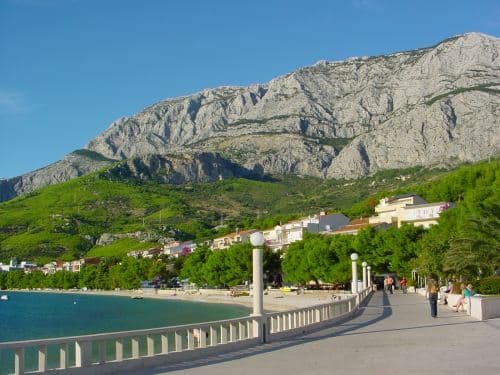
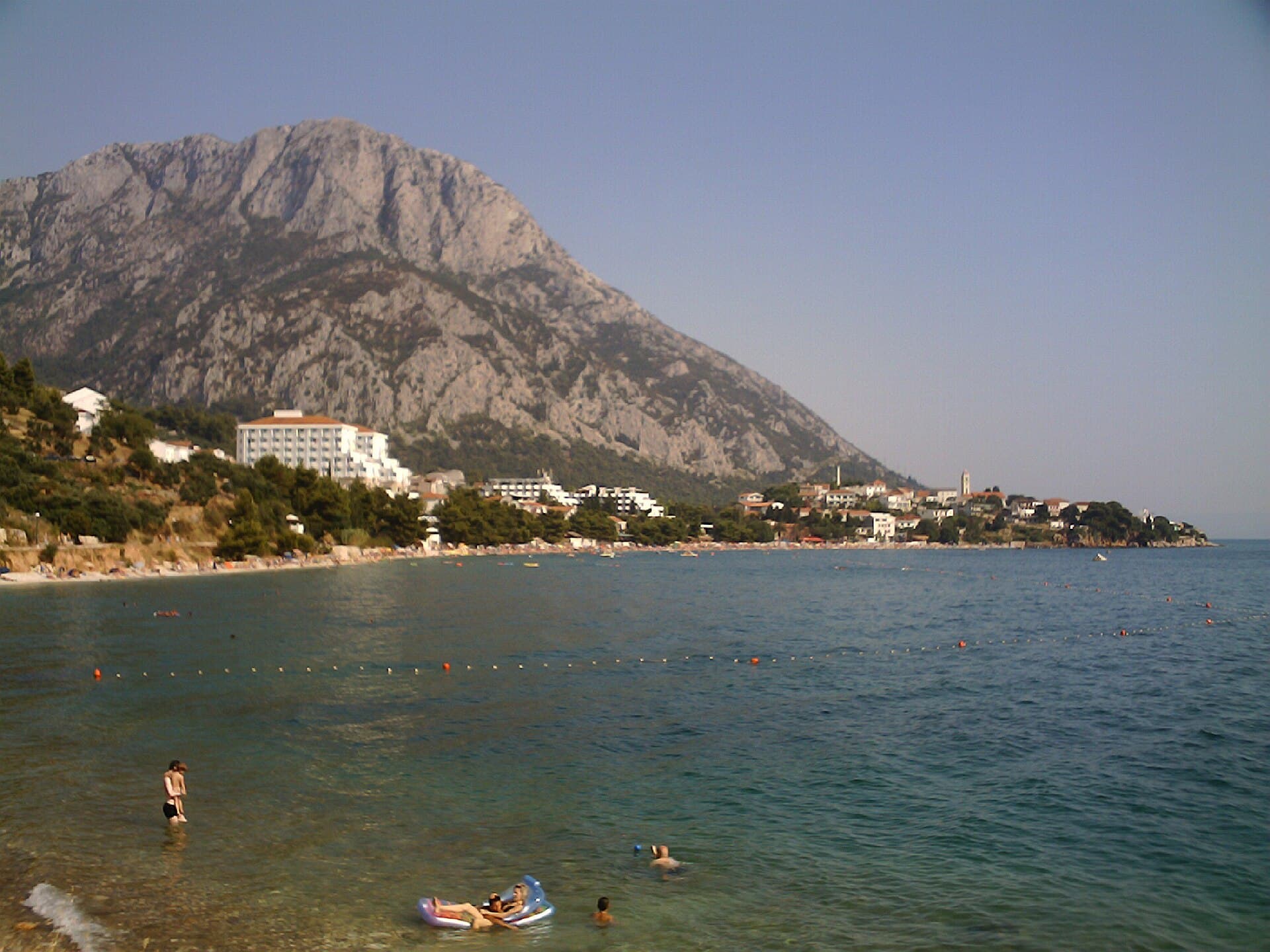
Zavala occupies Hvar’s sun-drenched southern shore, beneath steep vineyard terraces and directly opposite the islet of Šćedro. The older stone village sits higher on the slope, while newer houses and bathing places line a coastal promenade of about two kilometres between Petarčica Bay and Zarac harbour. From Jelsa, the approach runs through Pitve and the 1,400-metre Vratnik tunnel, bored in 1963 as part of Hvar’s water-supply system. Narrow, unlit and single-lane, it has two passing bays and traffic lights at both entrances. Emerging from the tunnel reveals Šćedro, Korčula, Vis and the Pelješac peninsula, framed by vineyards of plavac mali that define Hvar’s south-facing slopes. Swimming options include Velo žalo, Skalinada, small coves towards the harbour, and Žukova and Žučica in the direction of Gromin Dolac. Zavala’s essential excursion is the boat trip to Šćedro, 2.7 kilometres offshore, where Mostir Bay contains the ruins of a 15th-century Dominican monastery and the Church of Our Lady of Mercy.
Zavala is a south-Hvar settlement defined by the sea, plavac mali vineyards and an uninterrupted view of Šćedro. Its origins are traced to the 17th century, when Prince Tadija Kačić received land here after service in the Venetian navy and settled several families. The restored stone core stands above the shore, while the newer holiday settlement descends between Petarčica Bay and Zarac harbour. A promenade of roughly two kilometres links a succession of bathing places instead of one dominant town beach. The south coast’s sense of seclusion is reinforced by the arrival through the Vratnik tunnel, whose exit suddenly reveals Šćedro, Korčula, Vis and the Pelješac peninsula.
Stays nearby
 Apartment
Apartmeni Klenovica.eu
Klenovica
Klenovica, 265 km from Zavala, Jelsa
up to 4 guests · 1 bedroom
The host confirms the exact price for your dates and availability.
Things to see
The Vratnik tunnel between Pitve and Zavala is one of Hvar’s most unusual pieces of infrastructure. Built in 1963 for the island’s water system, it is 1,400 metres long, barely over two metres wide and unlit; traffic alternates under signals that are Hvar’s only traffic lights. In Zavala itself, the new Church of St Nicholas, begun in 2001, contains a collection of Stations of the Cross carved by Rato Radonić. Across the channel on Šćedro, the principal heritage site is the Dominican Monastery of Our Lady of Mercy, founded in 1486 beside an older church. Abandoned in the 18th century, its substantial ruins still overlook Mostir Bay.

Dominikanska crkva i samostan na Šćedru
Landmark · Zavala, Jelsa
In Mostir Bay on Šćedro, the ruins of a Dominican monastery and the Church of Our Lady of Mercy recall the island’s late-medieval life.
Beaches
Zavala’s shoreline is a chain of pebble coves and rocky entry points into exceptionally clear water. Velo žalo lies in front of Skalinada, with a smaller beach and caves beside it; the main bathing strip then continues below a high stone wall towards the quay. Eastwards, flat rocks and pocket-sized beaches lead to Zarac harbour, whose sheltered inner section is also used for swimming. Beyond the harbour, Žukova and Žučica lie in the direction of Gromin Dolac. At the settlement’s western end, Petarčica Bay has a campsite and its own beach. Without a car, the simplest strategy is to sample several spots along Zavala’s roughly two-kilometre waterfront promenade.
Things to do
In the morning, follow the waterfront from Petarčica towards Velo žalo and Skalinada, then continue past the smaller coves to Zarac harbour. During the midday heat, alternate swimming with a taste of plavac mali, the grape associated with Zavala’s sun-exposed vineyards. The most rewarding full-day outing is the boat trip to Šćedro: the crossing to Porat Bay takes about half an hour, and island paths continue towards Mostir and the ruins of a late-15th-century Dominican monastery. More active visitors can climb towards St Anthony or follow Hvar’s marked cycling routes. Finish with dinner at Davor, Restaurant Zavala or Skalinada, or pass back through the tunnel while daylight still illuminates the island road.
Food and drink
Zavala’s official visitor listing names the restaurants Davor, Zavala and Skalinada, together with the Zaca, Terra Nova and Petarčica beach bars. Skalinada stands by Velo žalo, combining lunch with the central section of the waterfront. Petarčica is the natural choice at the promenade’s western end, while Zaca serves the area around Zarac harbour. Day-trippers on Šćedro also have three seasonal restaurants in the island’s bays; Mostir’s food tradition centres on fresh fish and Dalmatian dishes. Because Zavala’s venues are spread along an extended shoreline, it makes sense to choose lunch around the day’s beach rather than repeatedly driving through the settlement’s narrow access roads.
Practical information
Practical information
A stay in Zavala requires planning around the Vratnik tunnel: it has no lighting, is only slightly over two metres wide and uses traffic signals to alternate direction. Drivers should switch on their lights and wait for their signal before entering the 1,400-metre bore. Along the shore, a promenade links roughly two kilometres of bathing spots, so most local movement can be done without returning to the car. For a day on Šćedro, carry sufficient water and cash because the island has neither mains water nor grid electricity. Seasonal boats from Zavala to Šćedro remain weather-dependent, despite their regular published summer pattern.
Getting there and around
From Jelsa, Stari Grad, Hvar or Sućuraj, follow the D116 to the Pitve turning and continue through the Vratnik tunnel to Zavala. The tunnel carries one direction at a time, is unlit and is controlled by traffic lights. From the mainland, the most straightforward car route uses Jadrolinija’s Split–Stari Grad ferry; in 2026 the crossing takes 120 minutes, and a purchased ticket reserves space on the selected sailing. The alternative Drvenik–Sućuraj car ferry involves a considerably longer drive along the D116 afterwards. In summer, taxi boats leave Zavala for Šćedro, taking approximately half an hour to reach Porat Bay.
Frequently asked questions
How long is the tunnel to Zavala?
The Vratnik tunnel is 1,400 metres long, unlit and controlled by signals at both entrances.
Which is Zavala’s main beach?
Velo žalo in front of Skalinada is the central beach, followed by a smaller cove with caves and another strip below a stone wall.
How long is the boat ride to Šćedro?
The crossing from Zavala to Porat Bay on Šćedro takes approximately 30 minutes.
When was the monastery on Šćedro founded?
The Dominican monastery beside the Church of Our Lady of Mercy was founded in 1486 and abandoned in the 18th century.

Related guides

Split
In Split, the transition from ancient monument to ordinary street is almost imperceptible: entering the southern part of Diocletian’s Palace from the Riva leads towards the Peristyle, then…
Read the guide

Help improve this page
Spot something missing or wrong? Suggest a correction, add your photo or report a problem. Editors review every suggestion before it is published.
Photo credits
- Zavala, Jelsa — Topalaska · CC BY-SA 4.0 · Wikimedia Commons
- Jelsa, Pitve, Ivan Dolac — Juloml · CC BY-SA 3.0 · Wikimedia Commons
- Vrisnik, Humac — Martin Brož · CC BY 3.0 · Wikimedia Commons
- Vrbanj