
Ivan Dolac
About this place
Ivan Dolac is a small settlement on Hvar’s south coast, facing the open sea beneath slopes associated with Plavac Mali vineyards. The approach from the island’s interior runs through Pitve and the narrow Pitve–Zavala tunnel, then descends to the coast and continues past Zavala. That distinctive arrival separates the village from Hvar’s busier northern ports and sets the pace for a beach-focused stay. The shoreline combines small shingle beaches with rocky stretches, and the local tourist board highlights the area as particularly suitable for families. Apartment houses, small farms and vineyards rise behind the water, with local producers selling wine, olive oil and seasonal vegetables in the village. Bottles carrying the Ivan Dolac or Zavala vineyard designation express the area’s clearest identity: red Plavac Mali grown on Hvar’s sunlit southern slopes. Ivan Dolac is therefore less a base for monument-hopping than a place for swimming, short coastal walks, local wine and dinner overlooking the sea.
Ivan Dolac belongs to the Municipality of Jelsa, yet its setting on Hvar’s southern shore feels markedly different from Jelsa and Stari Grad. A coastal road links it with Zavala and Sveta Nedjelja, while access to the island’s interior passes through the Vratnik tunnel beneath the central ridge. Its identity combines a beach settlement with a working agricultural landscape: vineyards, olive trees and small family farms remain among the holiday homes. The Jelsa tourist board particularly highlights wines carrying the Ivan Dolac and Zavala vineyard designation, made from Plavac Mali. This meeting of southern exposure, rocky coastline and steep vineyards distinguishes the village from Hvar’s northern harbours.
Things to see
Ivan Dolac’s principal small landmark is the Church of St Mary—also known as Our Lady of Pompeii or Our Lady of the Rosary—in the older part of the village. The Jelsa tourist board dates it to 1852, while a plaque placed by Ivan Carić in 1901 invokes protection for local vines against downy mildew and phylloxera. At the village entrance, Lokva survives as a reminder of the watering place once used by herders and farmers from the earlier hamlet of Taja. Together, these two sites trace Ivan Dolac’s shift from a farming outpost to a coastal village framed by Plavac Mali vineyards.

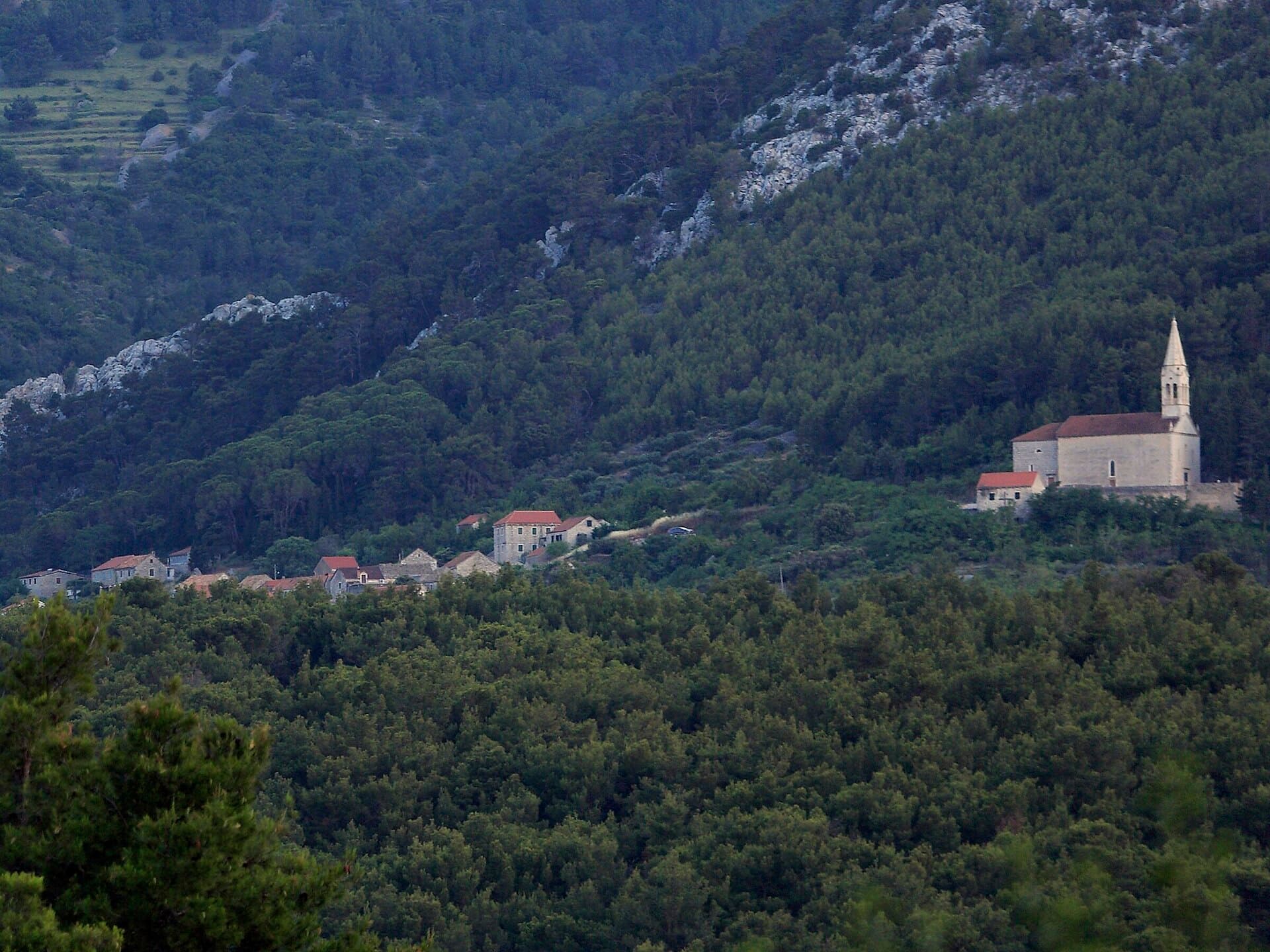
Crkva sv. Jakova u Pitvama
Landmark · Pitve
The Parish Church of St James the Apostle in Pitve is a Historicist church built on the site of an earlier parish church.
3 km from Ivan Dolac

Chapel of St. Roch in Dol, Hvar
Landmark · Dol
church building in Stari Grad, Croatia
4 km from Ivan Dolac

Stays further afield
- Apartment
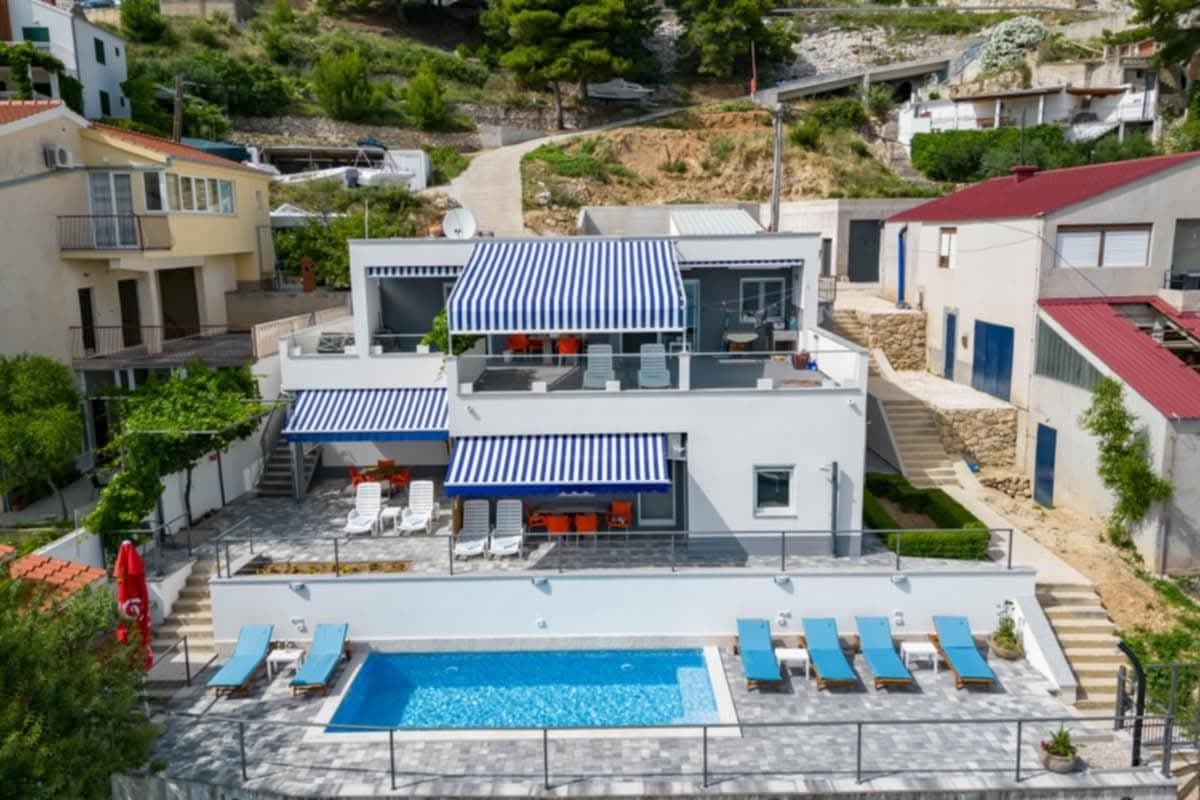 32 km from Ivan Dolac
- Apartment
 45 km from Ivan Dolac
- Apartment
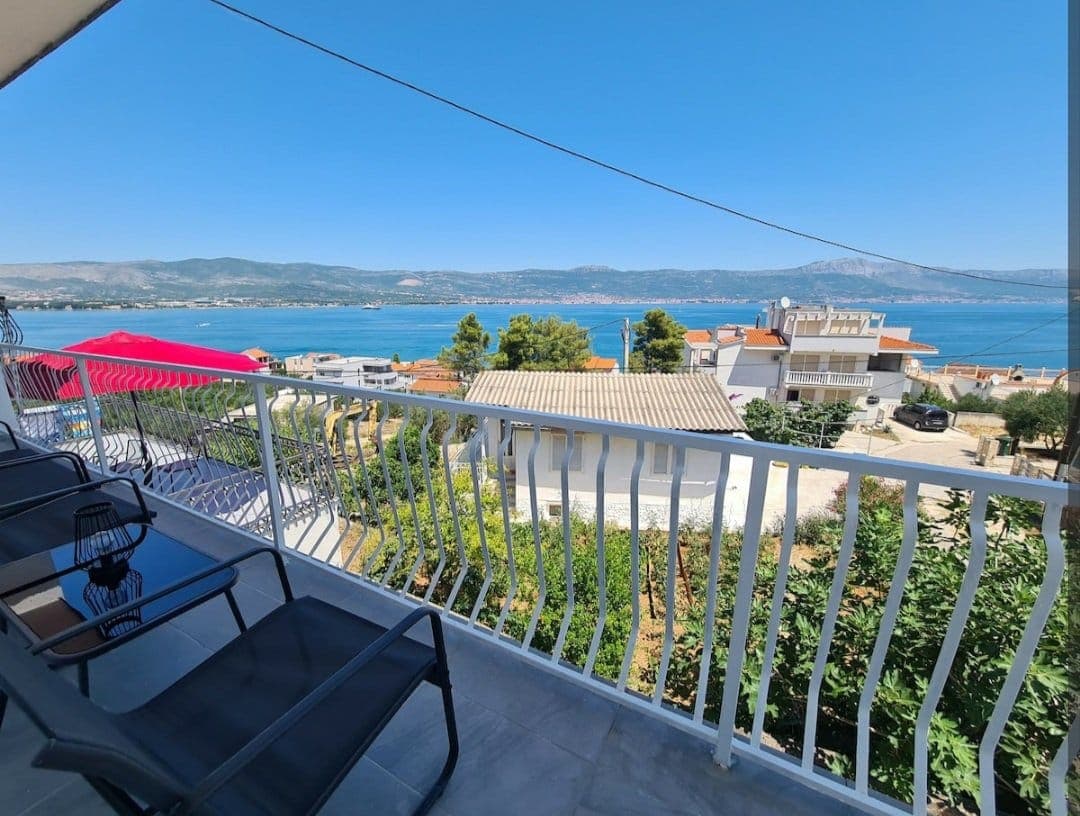 48 km from Ivan Dolac
- Apartment
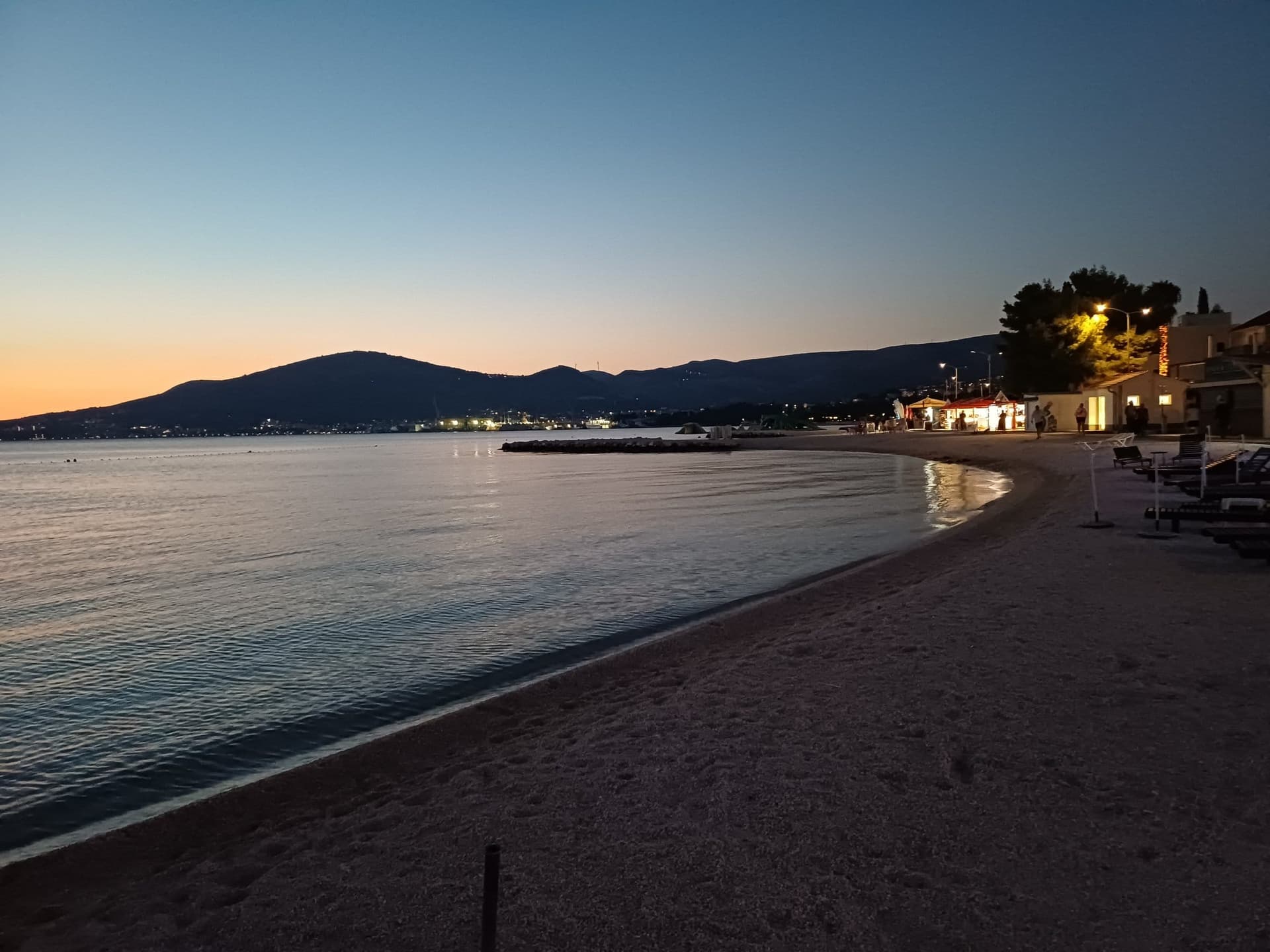 51 km from Ivan Dolac
- Apartment
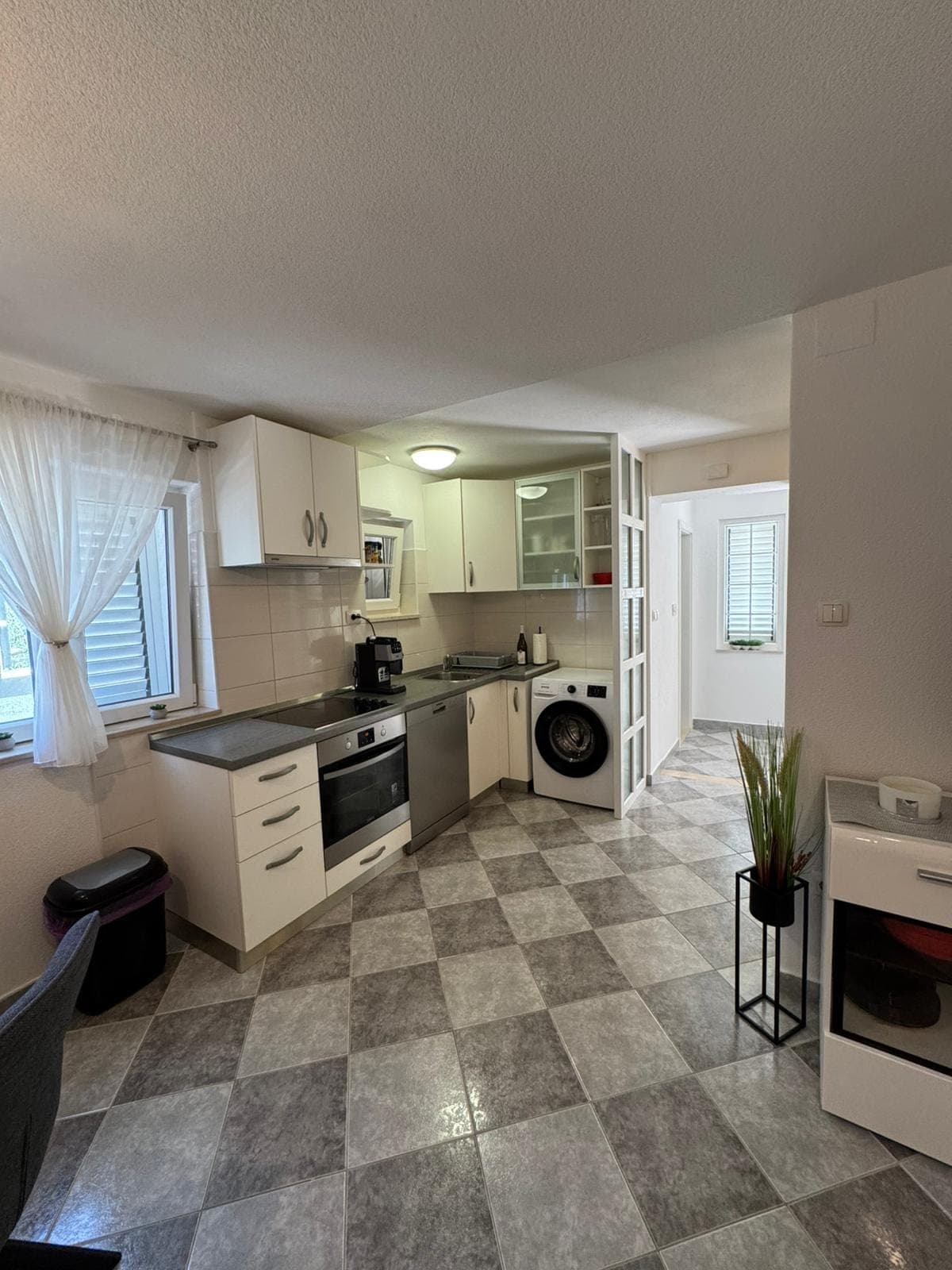 51 km from Ivan Dolac
Be the first to list here
Guests looking for this place only see stays nearby for now. No commission, and enquiries come straight to you.
List your accommodation
Beaches
Ivan Dolac’s waterfront includes the central beach, Malo Žalo and Pod Nožicu, linked by a coastal path passing small pebble coves and boat jetties. The municipal maintenance programme specifically covers cleaning these beaches, replenishing their gravel and maintaining the jetties east and west of the central beach. Swimmers can therefore alternate between the more accessible pebble entries and rockier edges exposed to the open southern coast. The Jelsa tourist board describes the village beaches as suitable for adults and children, and also identifies a pet-friendly bathing area along Ivan Dolac’s stretch of the south coast.
Things to do
Start the day on Ivan Dolac’s main beach before the sun fully reaches the south-facing shore. After swimming, follow the coast towards the smaller shingle and rocky spots between Ivan Dolac and Zavala, keeping to established access paths rather than steep shortcuts across the rocks. In the afternoon, look for locally produced olive oil, vegetables or a bottle of Plavac Mali bearing the Ivan Dolac vineyard designation. Towards sunset, walk along the road towards Sveta Nedjelja to Restaurant Rot, about 400 metres outside the village. Its fresh fish and peka dishes are paired with wines made from the surrounding southern slopes.
Food and drink
Restaurant Rot stands roughly 400 metres outside Ivan Dolac on the road towards Sveta Nedjelja, making it an easy evening walk from the village. Its menu centres on locally grown ingredients, fresh fish, food cooked under the peka bell and estate wines. Dry red Plavac Mali, the variety associated with Hvar’s warm southern slopes, is a natural focus. Because peka dishes require prolonged preparation, they should be arranged with the restaurant in advance. Dining choices within Ivan Dolac are seasonal, so summer visitors should reserve and confirm the current menu directly with the venue.
Tours and activities
AdAd · partner offers: Viator, GetYourGuideThe partner handles booking, payment and support. StayBravo may earn a commission on bookings made through these links.How we choose offersWe choose offers based on the page you are viewing: the partner destination for this place or the nearest one (with its distance), and on a sight page only offers that mention it. We show offers rated at least 4.3 with at least 10 reviews, without multi-day tours or pure transfers, ordered by rating adjusted for the number of reviews and then by the partner’s order. We do not use data about you, and the commission does not affect the order.GetYourGuide offers are selected and ordered by GetYourGuide based on the name of the nearest larger town or national park; we do not influence their selection and do not use data about you.Viator
Nearest destination: Hvar (17 km)
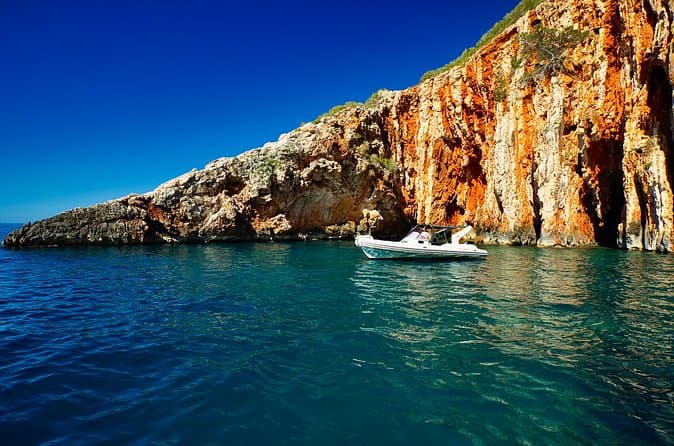
Exclusive Private Tour: Red Rocks & Pakleni Islands (opens in a new tab)
Enjoy the best adventure private boat trip from town Hvar. Discover most beautiful places, beaches, hidden bays and old villages on the south side of Hvar island and around Pakleni islands in 8…
Rated 5 out of 5 · 184 reviews· 4–8 h
Free cancellation
from €700
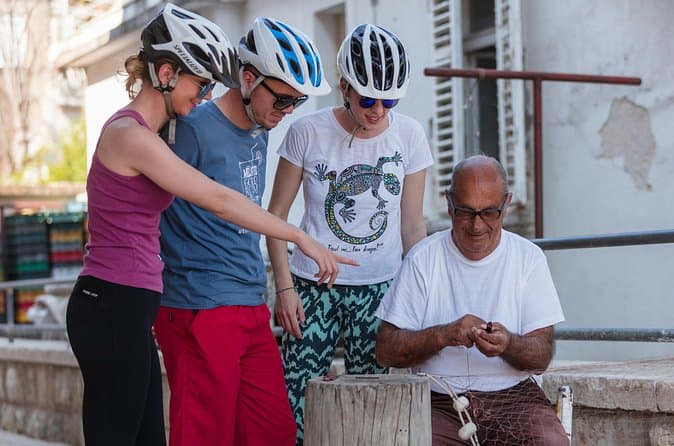
Boutique Hvar Cycling Experience | Hosted by a Local Family (opens in a new tab)
DURATION: 3-5 hours SKILL LEVEL: Easy – intermediate WHAT TO WEAR? Equipment suitable for cycling, trainers, a hat or cap Take a peek at the islands beauty and find a unique place of serenity…
Rated 5 out of 5 · 139 reviews· 3–5 h
Free cancellation
from €135
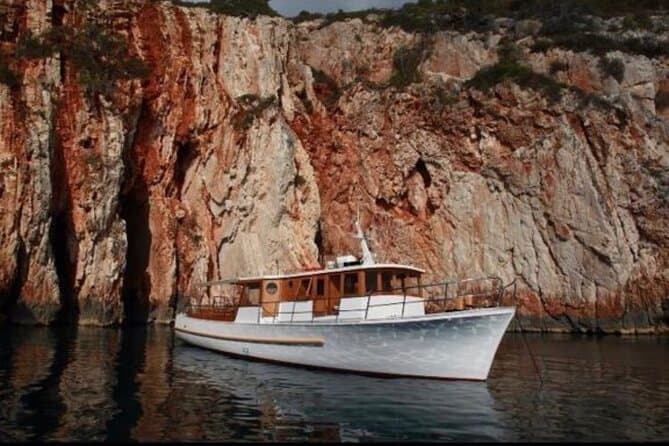
Boat Tour at Delfina Hvar (opens in a new tab)
Let our crew show you hidden beaches and secret places. Exploring Hvar and the surrounding islands with us will be an everlasting memory of your visit.
Rated 5 out of 5 · 293 reviews· 5 h
Free cancellation
from €73
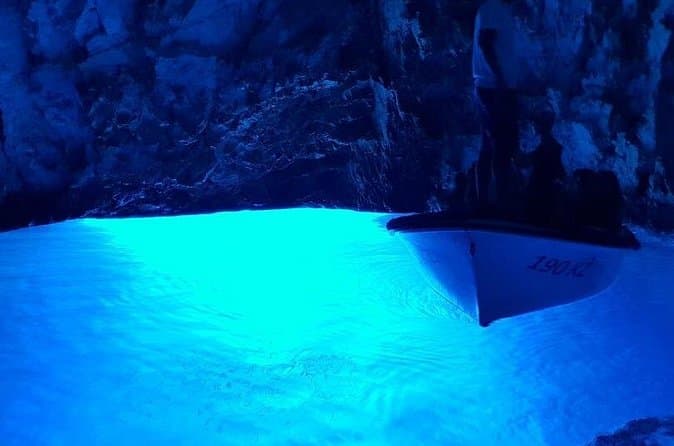
Blue & Green Cave Vis Island and Pakleni Islands Private Day Trip from Hvar (opens in a new tab)
Experienced skipper,good local tour guide and new speedboat. Tour is private and it's limited to maximum of 6 people. It's possible to customize this tour.
Rated 5 out of 5 · 121 reviews· 8–10 h
Free cancellation
from €880
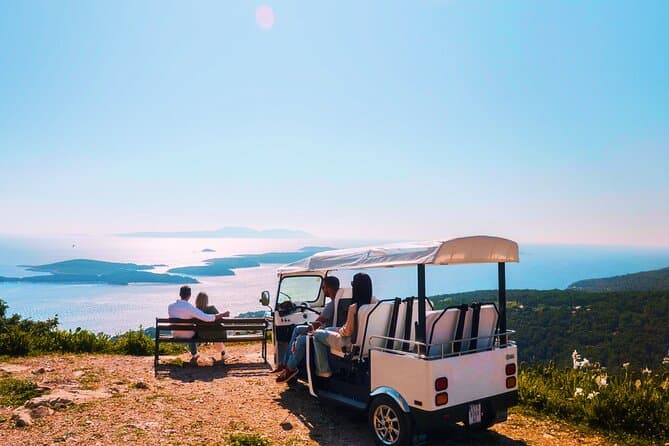
Hvar Lavender Fields,Stone Villages & Scenic Views by eTuk Tuk (opens in a new tab)
Leave the crowds behind and discover Hvar’s hidden treasures on this unforgettable eTuk Tuk adventure. Visit abandoned stone villages, stroll through famous lavender fields, enjoy spectacular…
Rated 5 out of 5 · 132 reviews· 1.5–2 h
Free cancellation
from €200
Blue Cave & Vis Island speedboat tour from Hvar (opens in a new tab)
Join us on our tour that starts at 10:15 in the morning from Hvar town. Enthusiastic crew full of knowledge about the local archipelago will take you to five breathtaking stops! Enjoy the comfort of…
Rated 4.9 out of 5 · 1,135 reviews· 7–8 h
Free cancellation
from €99.99
GetYourGuide · Bol
We show GetYourGuide offers once you allow their cookies.
Practical information
Practical information
Ivan Dolac has a village shop for basic supplies, while local households sell wine, olive oil and seasonal vegetables. A broader range of shops and services is available in Jelsa, across the island’s central ridge. Since reaching the northern side requires passing through the Pitve–Zavala tunnel, it is sensible to combine errands into one trip, particularly in the busy summer period. Bring water shoes for the rockier bathing spots and reliable sun protection, as shade differs from one cove to the next. On wine labels, the names Ivan Dolac and Zavala identify the local Plavac Mali vineyard area.
Getting there and around
Drivers reach Ivan Dolac from the D116 by turning towards Pitve, passing through Lower and Upper Pitve and entering the Pitve–Zavala tunnel, also known as Vratnik. After descending to the sea, the road runs through Zavala and continues west to Ivan Dolac. From the mainland, the most practical car-ferry approach is Jadrolinija’s Split–Stari Grad route, a crossing of about 120 minutes; tickets on this route reserve a place on the selected departure. For 2026, Jadrolinija advises arriving at least 45 minutes before sailing, or 60 minutes during the high season. From Stari Grad, the drive crosses the island’s interior towards Pitve and the tunnel.
Frequently asked questions
Which tunnel leads to Ivan Dolac?
From the D116, the route passes through Pitve and the Pitve–Zavala tunnel, also called Vratnik, before continuing along the coast through Zavala.
Which wine is associated with Ivan Dolac?
Red Plavac Mali is most closely associated with Ivan Dolac’s southern slopes; look for the Ivan Dolac or Zavala vineyard designation.
Are Ivan Dolac’s beaches suitable for children?
The Jelsa tourist board identifies the local beaches as family-friendly, with a shoreline combining shingle and rocky sections.
How long is the Split–Stari Grad ferry crossing?
Jadrolinija gives a crossing time of approximately 120 minutes.
Where is Restaurant Rot?
Rot is about 400 metres from Ivan Dolac on the road towards Sveta Nedjelja.
Nearby
Ivan Dolac
Open in OpenStreetMap(opens in a new tab)straight-line distance
Related guides
Split
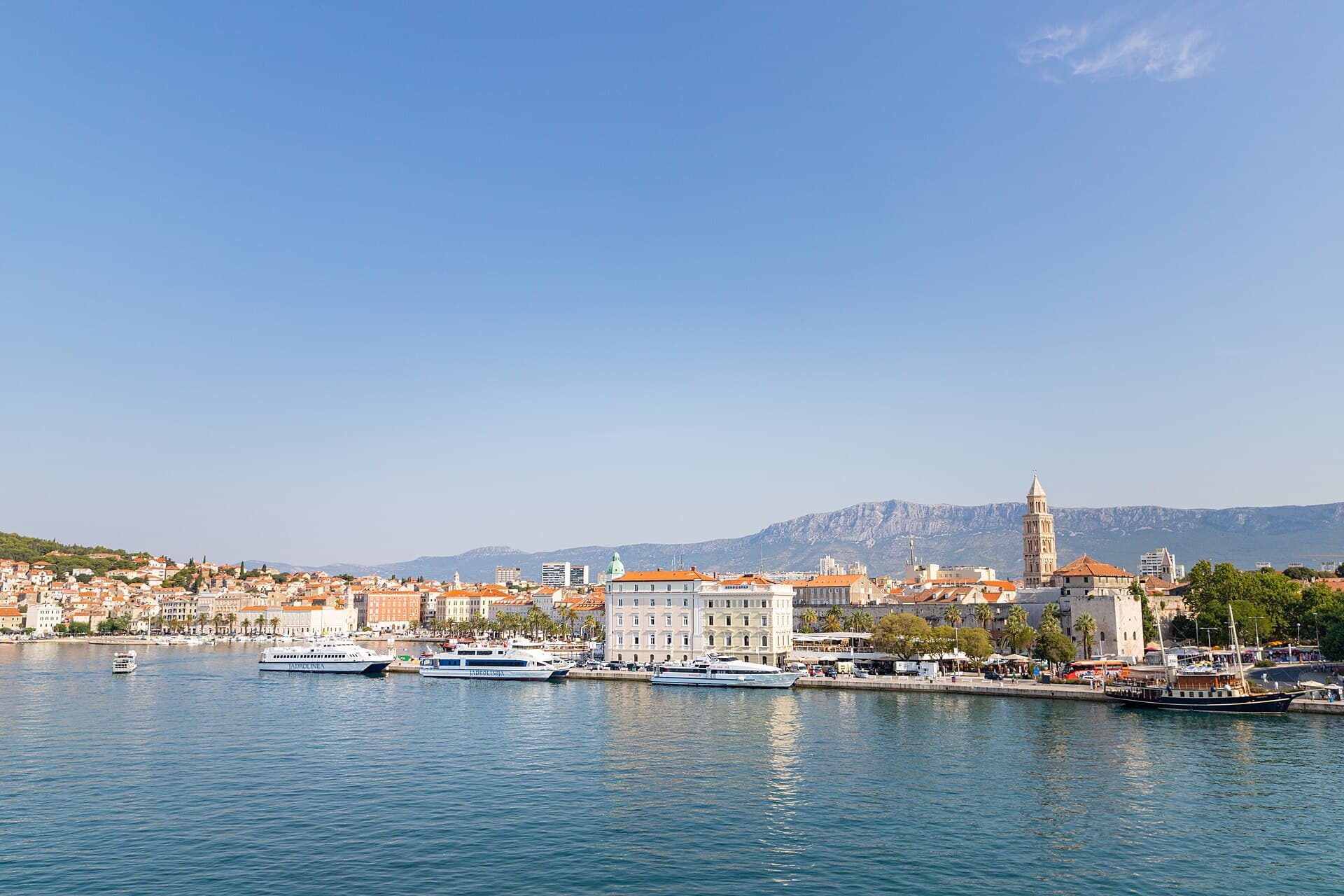
In Split, the transition from ancient monument to ordinary street is almost imperceptible: entering the southern part of Diocletian’s Palace from the Riva leads towards the Peristyle, then…
Read the guide

Baška Voda
Baška Voda lies in the western part of the Makarska Riviera directly below the Biokovo massif. Once a fishing and seafaring settlement, it developed into a resort whose centre remains…
Read the guide
Podstrana
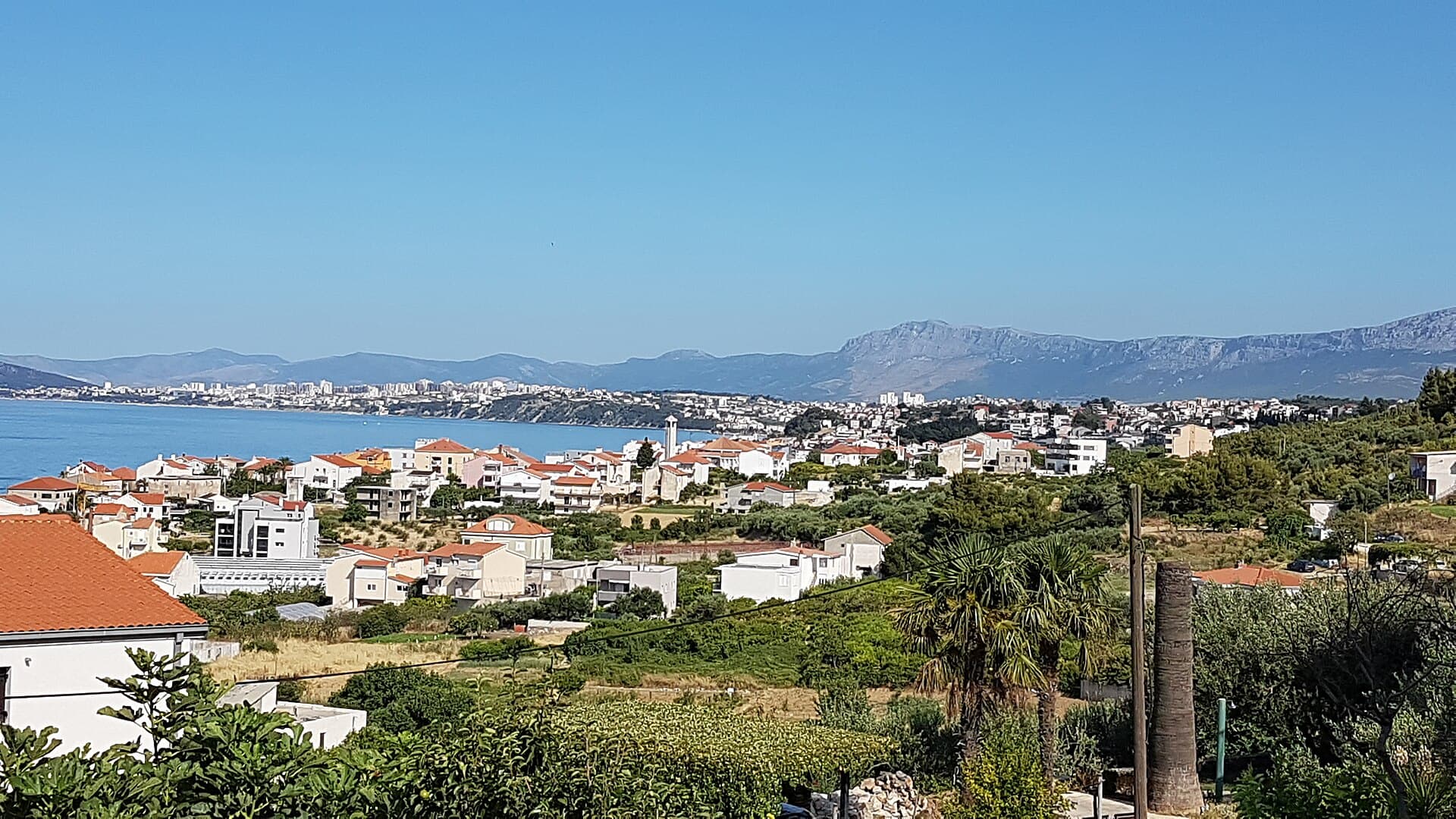
Podstrana is made up of five settlements. The oldest is Gornja Podstrana, set 290 to 340 metres above sea level beneath Perun, while Strožanac, Grljevac, Sveti Martin and Mutogras follow…
Read the guide

Brela
Brela is a municipal seat at the northern end of the Makarska littoral, about 15 km northwest of Makarska, on the Adriatic Highway and in a belt of pine forest at the foot of Biokovo. The…
Read the guide
Know Ivan Dolac? Correct us
Tell us in your own words what is not accurate. We check right away.Do not enter personal data. Corrections are checked by the StayBravo AI assistant; changes to the description are approved by an editor. Use the form instead
Do you know Ivan Dolac?
Help the guests who come after you.
Help us complete
Nothing is published without an editor’s review.Report illegal content
Photo credits: Ivan Dolac, Pitve, Jelsa — Juloml (CC BY-SA 3.0) · Vrisnik — Martin Brož (CC BY 3.0) · Vrbanj — Chippewa (CC BY-SA 4.0) · Zavala, Jelsa — Topalaska (CC BY-SA 4.0) · Dol — Tartajun (CC BY-SA 3.0) · Vrboska — Carsten Steger (CC BY-SA 4.0) · Rudina — Gampe (CC BY-SA 4.0) · Saint Anthony the Great church in Vrisnik — Argo Navis (CC BY-SA 4.0) · Crkva sv. Jakova u Pitvama — Falk2 (CC BY-SA 4.0) · Chapel of St. Roch in Dol, Hvar — The original uploader was Chippewa at Croatian Wikipedia. (CC BY-SA 3.0) · Ruins of the church of St. Vitus — Chippewa at Croatian Wikipedia (CC BY-SA 3.0) · Villa Sara — Sara Stanic (courtesy of the property owner) · In The Palace — Partner (courtesy of the property owner) · Apartman A&K — Jelena Boban (courtesy of the property owner) · Apartman Lucija — Ljubica Munjiza (courtesy of the property owner) · Apartmani Mirjana — Mirjana Rapić (courtesy of the property owner) · Split — dronepicr (CC BY 2.0) · Baška Voda — Mario Žamić (CC BY-SA 3.0) · Podstrana — Romanm (CC BY-SA 4.0) · Brela — Josip-Pino Žamić (CC BY-SA 4.0)