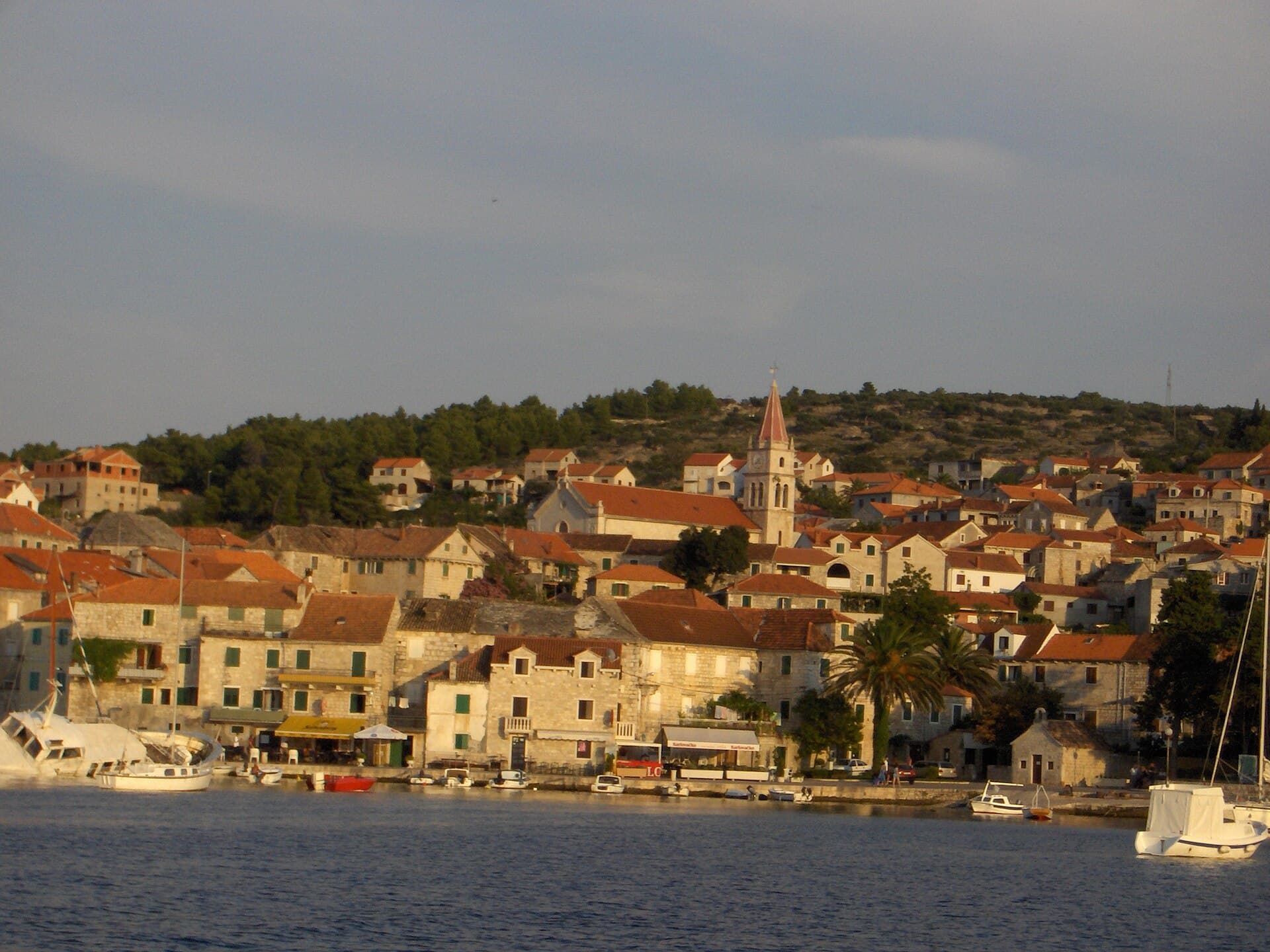
Postira
About this place
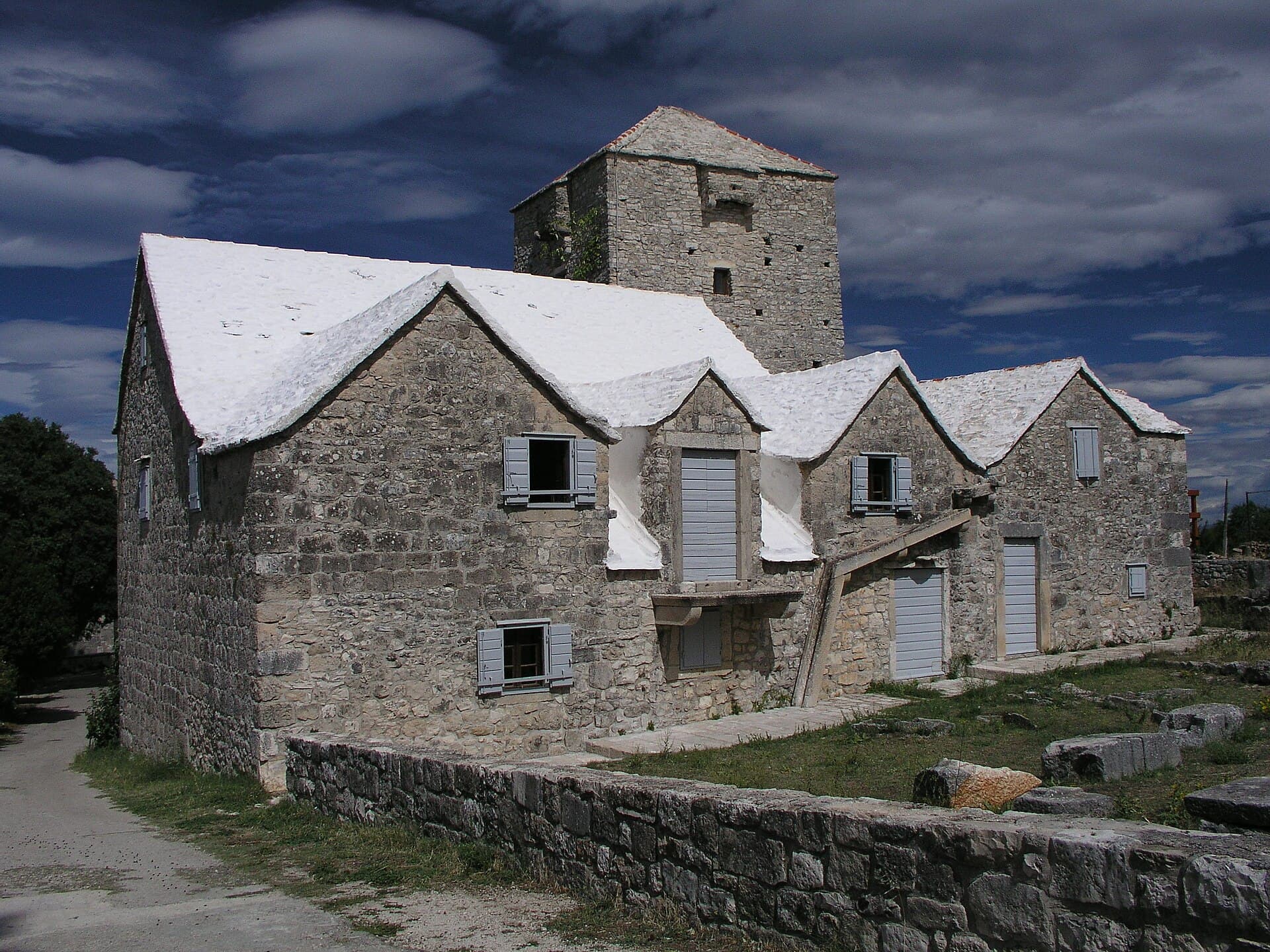
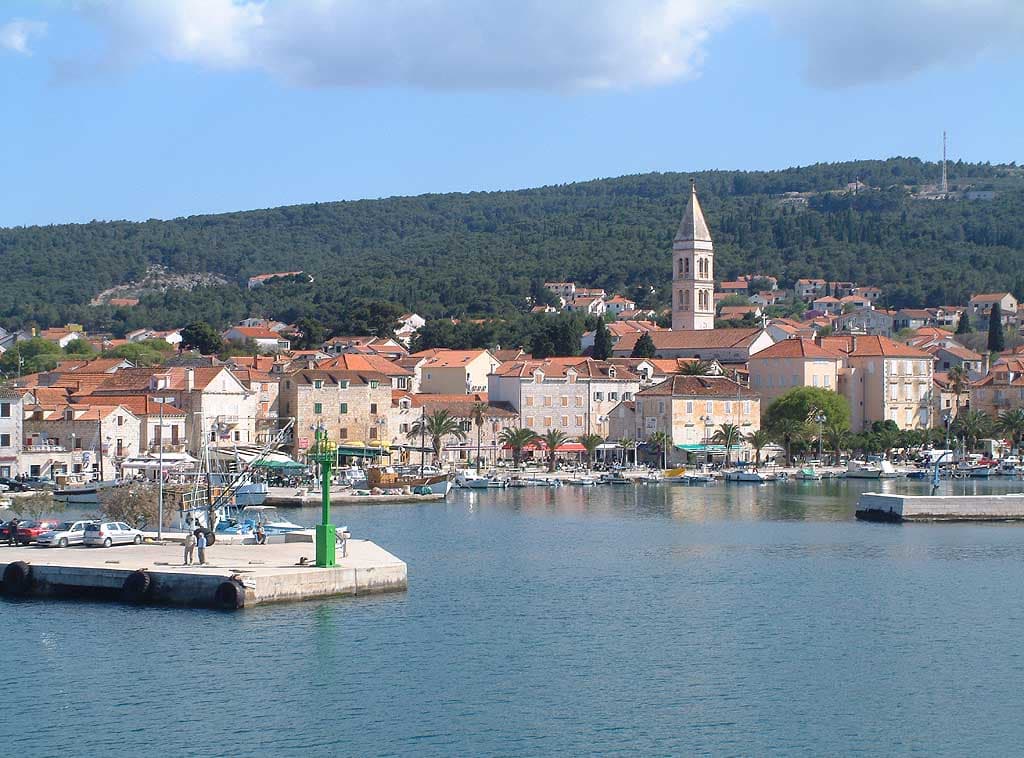
Postira lies on the northern coast of Brač between Splitska and Pučišća, with its harbour facing the Brač Channel. The settlement took shape in the early 16th century through migration from inland Dol and the mainland, although the name Postira appears in documents from the 14th century. The parish Church of St John the Baptist contains older layers and defensive features, while the Renaissance Lazarić complex stands out among the stone houses. Postira is also the birthplace of writer Vladimir Nazor. East of town, Lovrečina Bay is particularly important because it combines a sandy beach with the remains of an early Christian basilica. Inland, Dol is a preserved stone village linked with agriculture and traditional Brač cuisine. Postira has a long fishing and fish-processing tradition; its sardine-canning factory was founded in 1907. Olive groves, vineyards and nearby quarries further show how both sea and interior shaped the local economy. The Mirje archaeological site adds another nearby historical layer.
Postira sits on Brač’s northern coast, where the harbour, stone lanes and beaches follow one another with barely a break. The old quarter is distinguished by pebble-paved passages, Škarića dvori and the tiny lane called “Pust me proć”, while the harbour still reflects the village’s fishing and seafaring traditions. Fields, olive groves and vineyards immediately behind the settlement explain why Postira is tied as closely to farming as to the sea. Its practical advantage is the ability to walk from the centre to a succession of pebble and sandy swimming spots, then continue along the coast towards Lovrečina, four kilometres east.
Stays nearby
 Apartment
Apartmeni Klenovica.eu
Klenovica
Klenovica, 239 km from Postira
up to 4 guests · 1 bedroom
The host confirms the exact price for your dates and availability.
Things to see
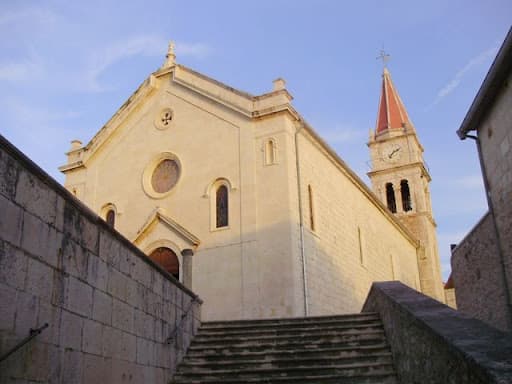
The parish Church of St John the Baptist is Postira’s central historic monument, and its apse was strengthened with firing openings in the 16th century during the period of Ottoman threat. Around the harbour and old core stand numerous stone houses, including the Renaissance Lazarić complex. The birthplace of Vladimir Nazor connects the village with Croatian literary history. The most important archaeological excursion is Lovrečina, where a sandy bay contains remains of early Christian buildings. Postira therefore combines defensive church architecture, Renaissance residential heritage and an early Christian coastal site within a relatively small area.
Beaches
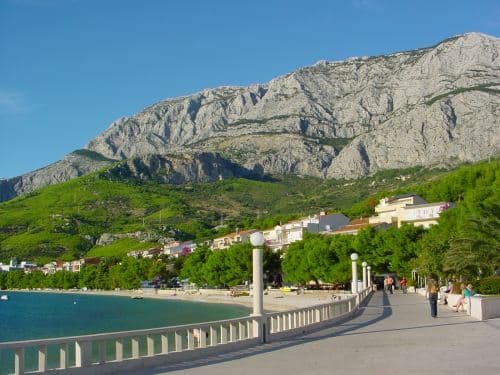
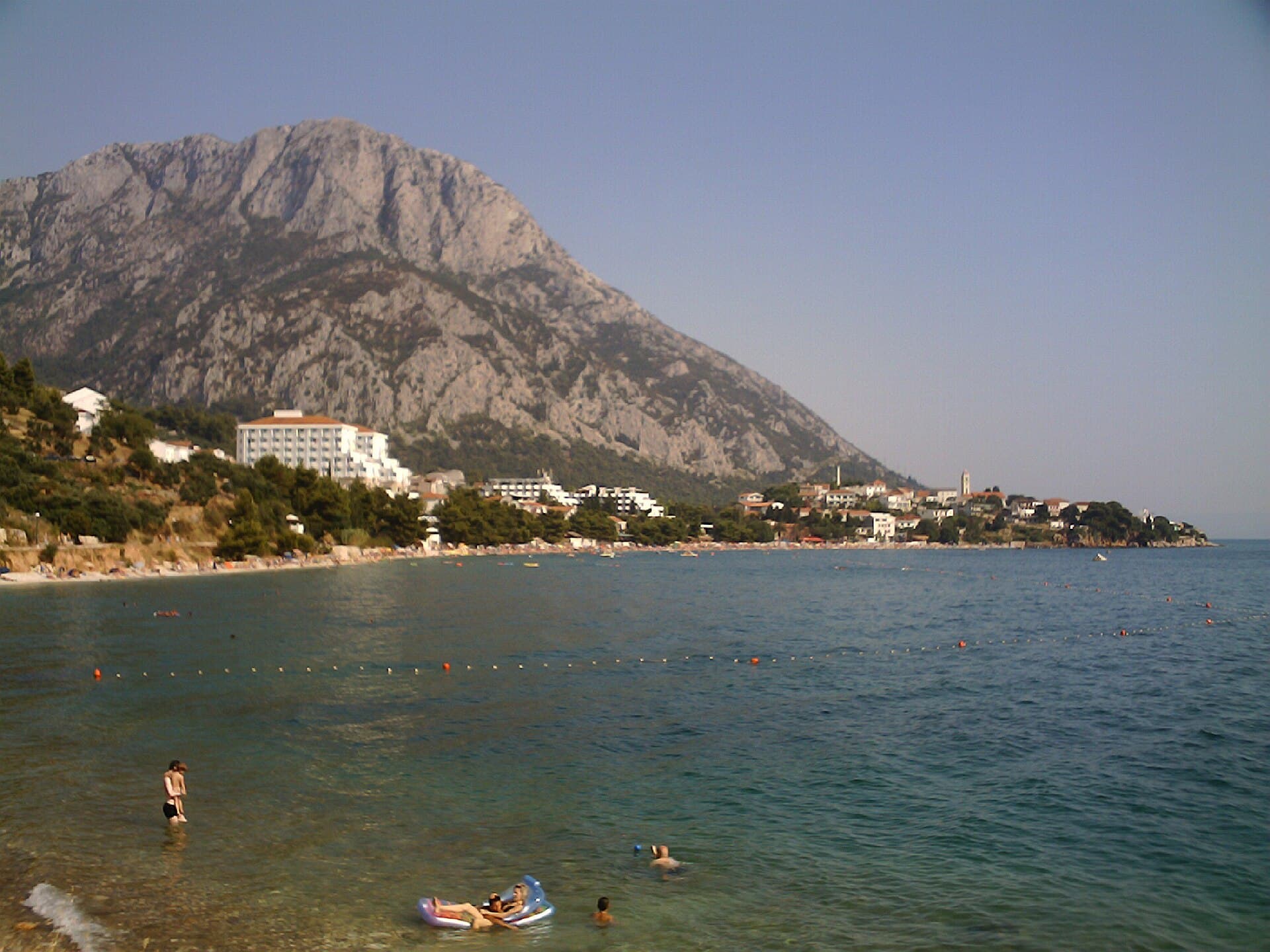
Postira offers a varied chain of bathing places along roughly three kilometres of shoreline. At the western end, Prja combines pebbles and rock with a sandy seabed and works well for families with small children. Rot and Žolo sit in the centre; Rot has an adapted sea entrance for disabled visitors, while a grocery shop stands beside Žolo. Eastwards come Molo lozna, the dog beach at Punta Trstene, Trstena and the small sandy Velo lozna. Four kilometres from the village, Lovrečina is Brač’s largest sandy bay, with adapted access to the water and the remains of the Basilica of St Lawrence close by.
Bathing water quality nearby
- Zastivanje · 179 mexcellent · season 2025
- Prvlja · 709 mexcellent · season 2025
- Mala Lozna · 767 mnot classified · season 2025
- Baldazar · 1.9 kmexcellent · season 2025
Source: European Environment Agency (EEA); data from Croatian authorities. · bathing water profile
Things to do
A compact walking tour begins on the waterfront, crosses the Pjaca and enters the old quarter’s pebble-paved lanes, including “Pust me proć” in Škarića dvori. From there, turn west for Punta Vrilo and Prja beaches or east past Žolo and Molo lozna. A full coastal walk is best aimed at Lovrečina: the route passes the rocky naturist beach Bok, the dog beach at Punta Trstene, pebbly Trstena and sandy Velo lozna before reaching the broad sandy bay. At Lovrečina, swimming can be combined with the remains of the fifth-century early Christian Basilica of St Lawrence.
Food and drink
Postira’s food identity is clearest in Brač dishes and produce from the hinterland rather than in a single harbour ingredient. Vitalac, made from lamb or kid offal, is among the island’s most distinctive specialities. For dessert, look for hrapoćuša from nearby Dol, a cake whose craggy surface resembles the local stone that gave it its name. Škarića dvori, beside the “Pust me proć” passage, preserves an unusual concentration of old wine cellars where local families store wine and olive oil. When choosing a place to eat in Postira, it is therefore worth asking specifically for Brač olive oil, vitalac or Dol’s hrapoćuša.
Practical information
Practical information
The Postira Tourist Board is at Strančica 3, with published contacts +385 21 632 966 and [email protected]. The harbour, a grocery shop beside Žolo beach and several swimming spots all lie within walking distance of the centre, so a car is unnecessary for everyday village life. Rot has an adapted entrance to the sea for disabled visitors, and accessible water entry is also listed at Lovrečina. The Plaja coastal app can help identify the nearest beach and local forecast. Lovrečina requires allowing for a four-kilometre journey from the village, whereas most central beaches are only a short walk away.
Getting there and around
The principal route to Postira uses the Split–Supetar ferry followed by a drive of about ten kilometres east along Brač’s northern coast. The island’s other car-ferry connection is Makarska–Sumartin, although Sumartin leaves a considerably longer road journey across eastern Brač. Once in Postira, a vehicle can often remain parked because the harbour and beaches such as Rot, Žolo, Prja and Molo lozna are linked on foot. Lovrečina can be reached by the coastal path, road or boat; the small Dučac cove, according to the tourist board, is most easily approached from the sea.
Frequently asked questions
What is special about Lovrečina Bay?
Lovrečina combines a sandy beach with the remains of an early Christian basilica.
Which writer was born in Postira?
Vladimir Nazor was born in Postira, and his birthplace forms part of the local cultural heritage.
Why does St John the Baptist’s Church have defensive features?
Its apse was strengthened with firing openings in the 16th century because of the Ottoman threat.
Which village is the nearest inland excursion from Postira?
Dol lies directly inland and is known for stone architecture and traditional Brač cuisine.


Related guides

Split
In Split, the transition from ancient monument to ordinary street is almost imperceptible: entering the southern part of Diocletian’s Palace from the Riva leads towards the Peristyle, then…
Read the guide

Help improve this page
Spot something missing or wrong? Suggest a correction, add your photo or report a problem. Editors review every suggestion before it is published.
Photo credits
- Postira — Jan Záruba · Public domain · Wikimedia Commons
- Splitska, Dugi Rat, St. Anthony Church — Falk2 · CC BY-SA 4.0 · Wikimedia Commons
- Dol — Ante Perkovic · CC BY 3.0 · Wikimedia Commons
- Škrip