
Splitska
About this place
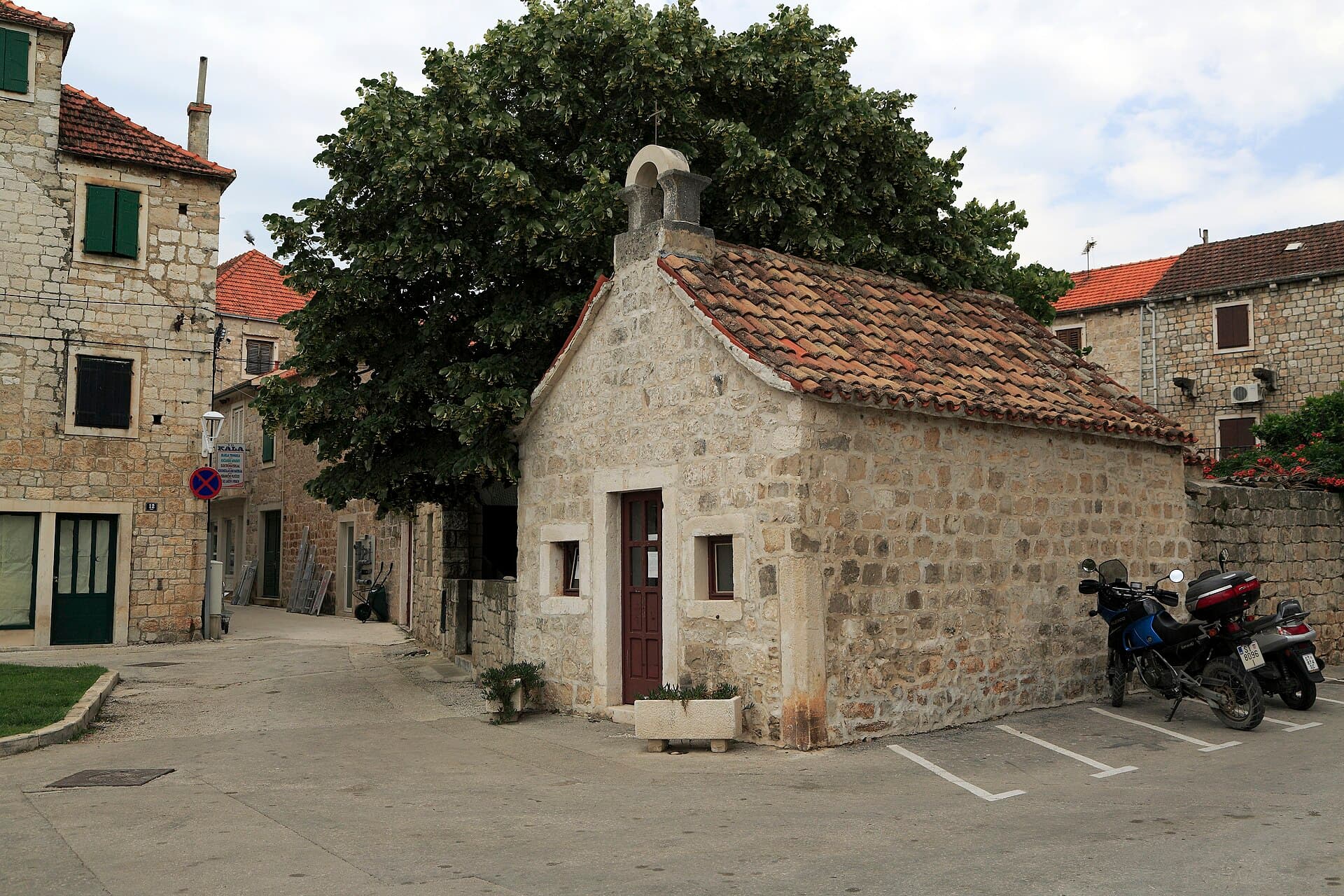
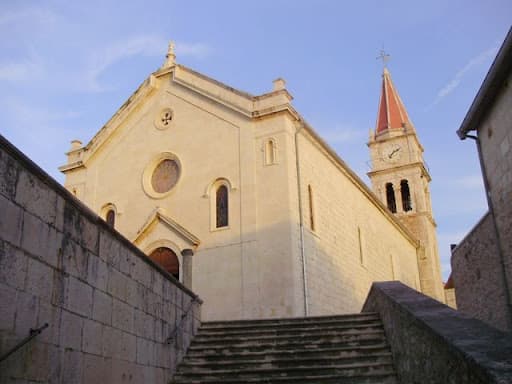
Splitska is a small Brač village eight kilometres from Supetar, set in a deep bay whose history is closely tied to Brač stone. In antiquity the area served as an export harbour for stone used in Diocletian’s Palace, and the Rasohe quarry above the village still preserves a relief of Hercules. The present settlement developed after the sixteenth century following the destruction of an older village, with the Church of the Blessed Virgin Mary Stomorena, standing on the foundations of a church from 1288, and the Cerinić castle from 1577 among its main historic features. Splitska’s shoreline is divided into several smaller bathing places and coves listed by the Supetar Tourist Board as Bok, Japjenka, Uvala Splitska and Zastup. Konoba Kod Tonča at Riva 16 appears in the official Brač gastro programme with Brač plate, black risotto with Brač olive oil and Brač cake. The nearest ferry gateway is Supetar, linked with Split by a year-round Jadrolinija route taking about 50 minutes in 2026.
Splitska lies in a sheltered bay eight kilometres from Supetar, with an identity shaped by the meeting of the sea and Brač stone. In antiquity it served as the shipping port for blocks quarried at Plate, Rasohe and Stražišće and associated with the construction of Diocletian’s Palace. The present village developed in the 16th century after an earlier 13th-century settlement disappeared. From the waterfront, the two-kilometre Hercules theme trail climbs to Rasohe, where a relief of the ancient hero survives in the rock. Along the shore stand the parish church of Our Lady of Stomorena, built over an earlier church, and the Cerinić residence dating from 1577. The village’s story can thus be followed from its former export harbour uphill to the Roman quarries.
Things to see
Splitska’s most distinctive attraction is the Rasohe quarry with its Hercules relief, linked to ancient extraction of stone for Diocletian’s Palace. In the village itself, the Church of the Blessed Virgin Mary Stomorena stands on the foundations of a church from 1288 and contains an altarpiece by Leandro Bassano dated 1577. Cerinić castle also dates from 1577 and is identified by the tourist board as the oldest surviving building in present-day Splitska. Together these three sites form a clear chronological sequence from ancient quarrying through medieval church tradition to the Renaissance rebuilding of the settlement.
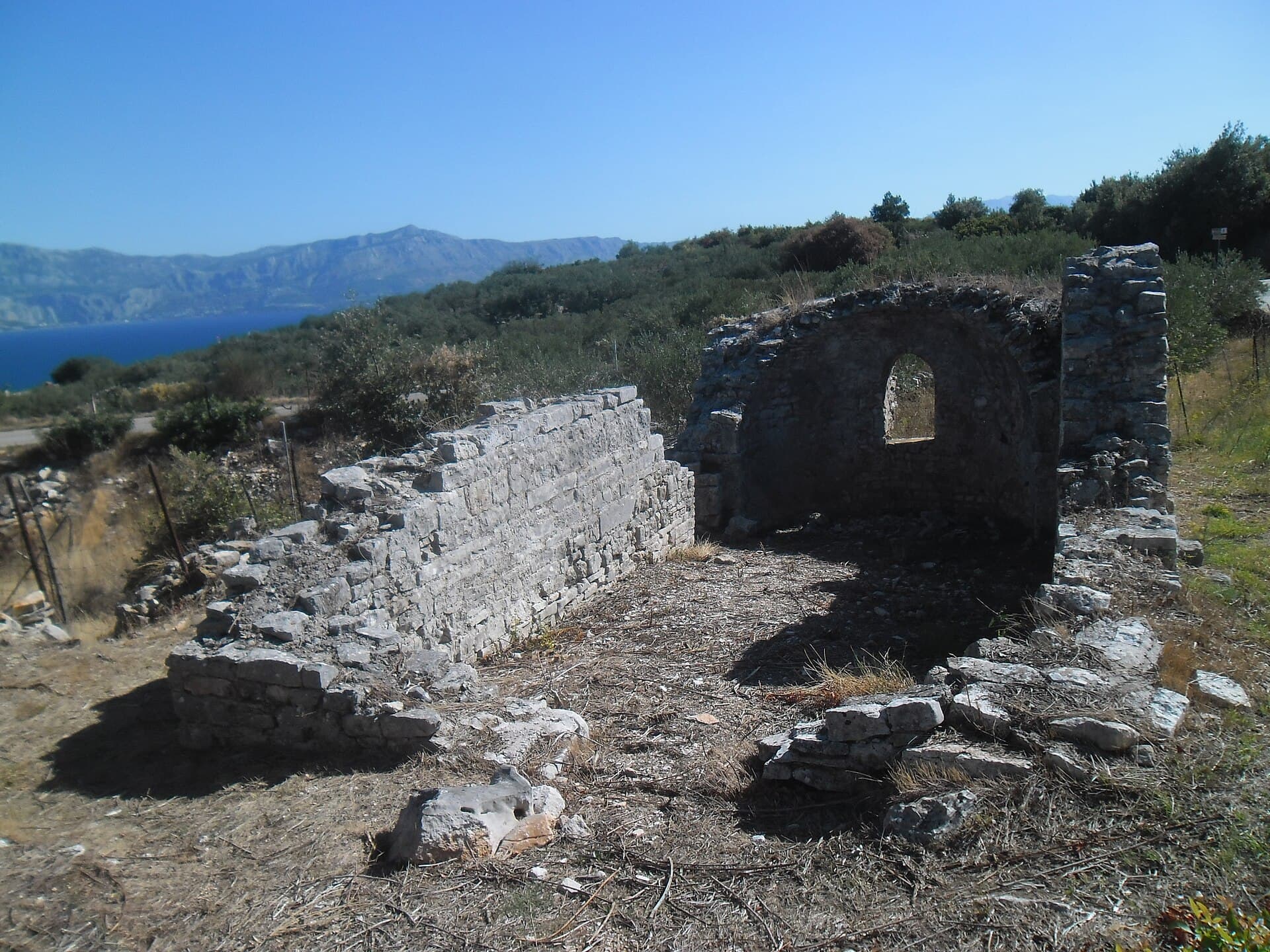
Crkva sv. Jadre kod Splitske
Landmark · Splitska
The ruins of St Jadre Church are an early Christian sacred site on the road between Splitska and Škrip on Brač.

Stays further afield
- Apartment
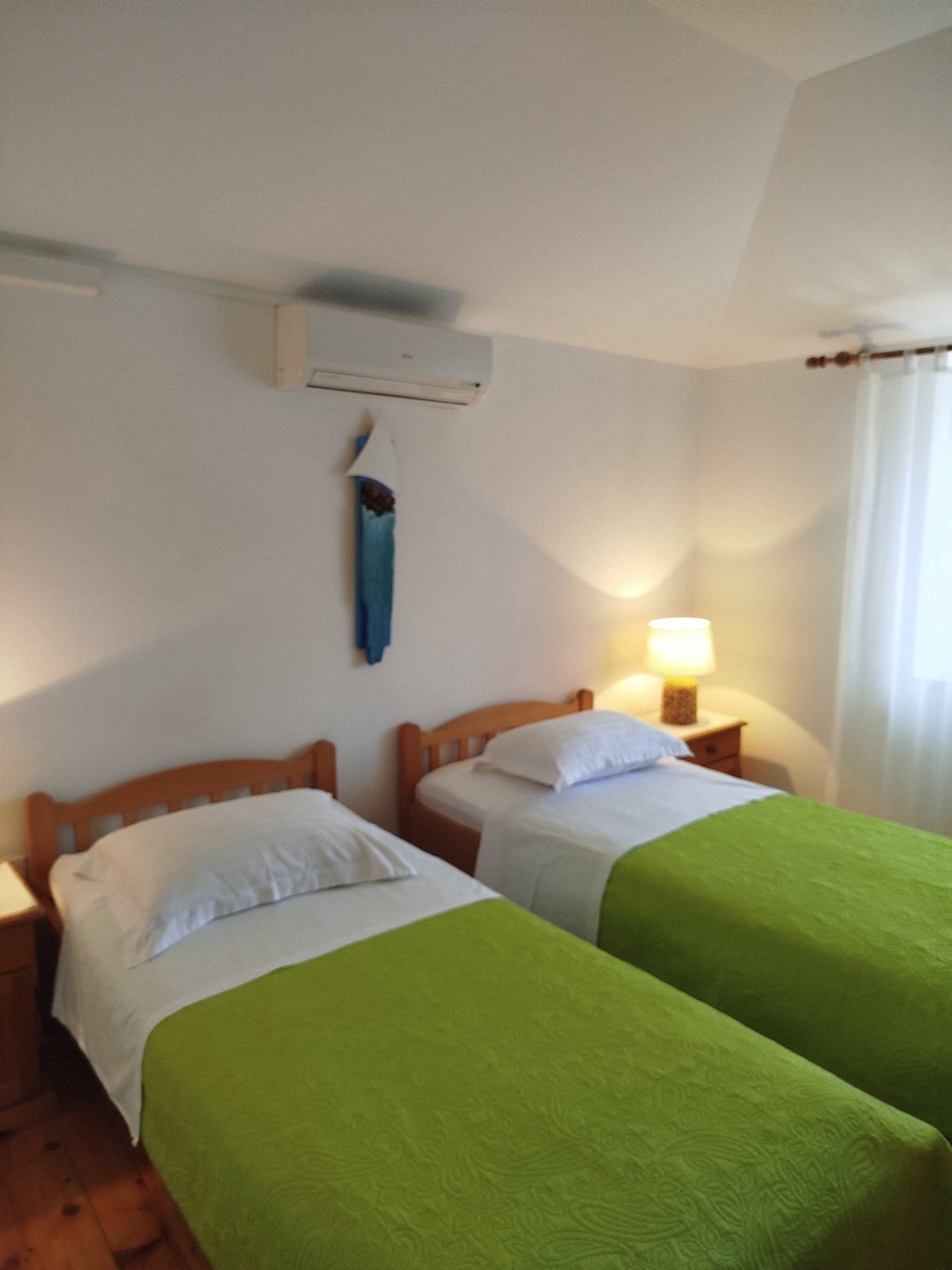
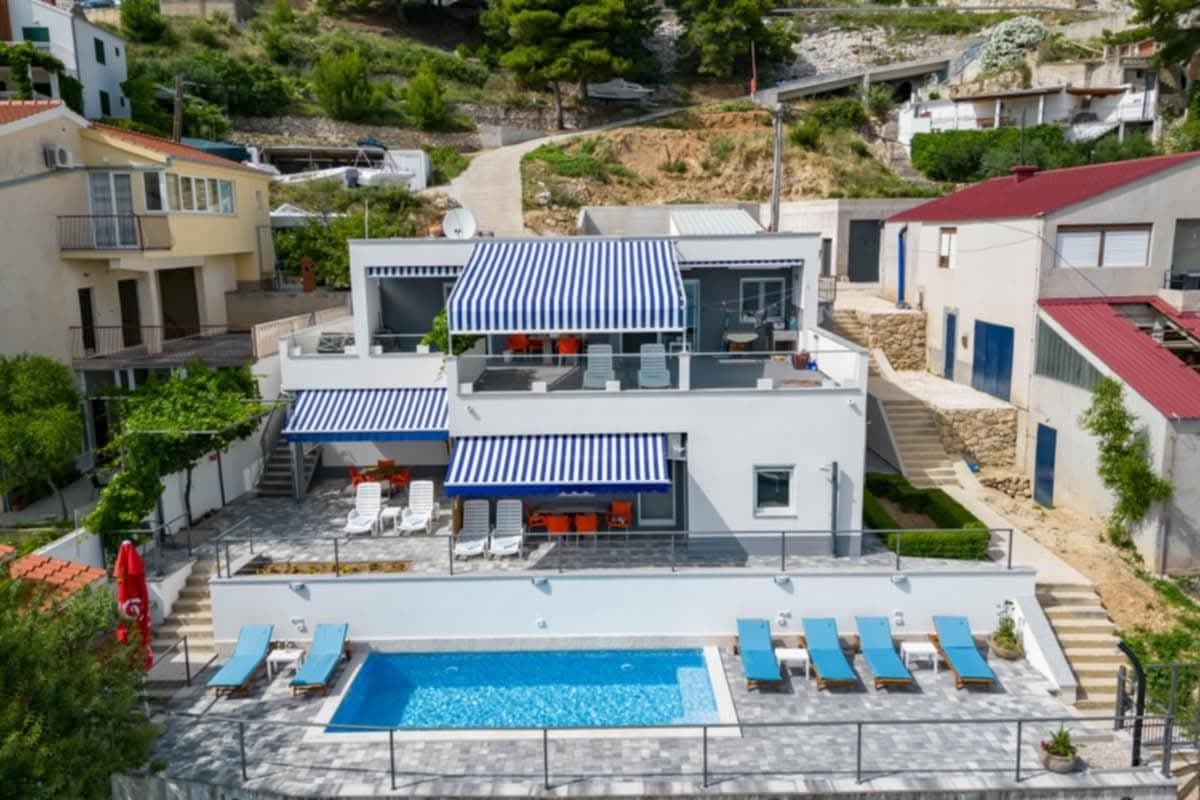 11 km from Splitska
- Apartment
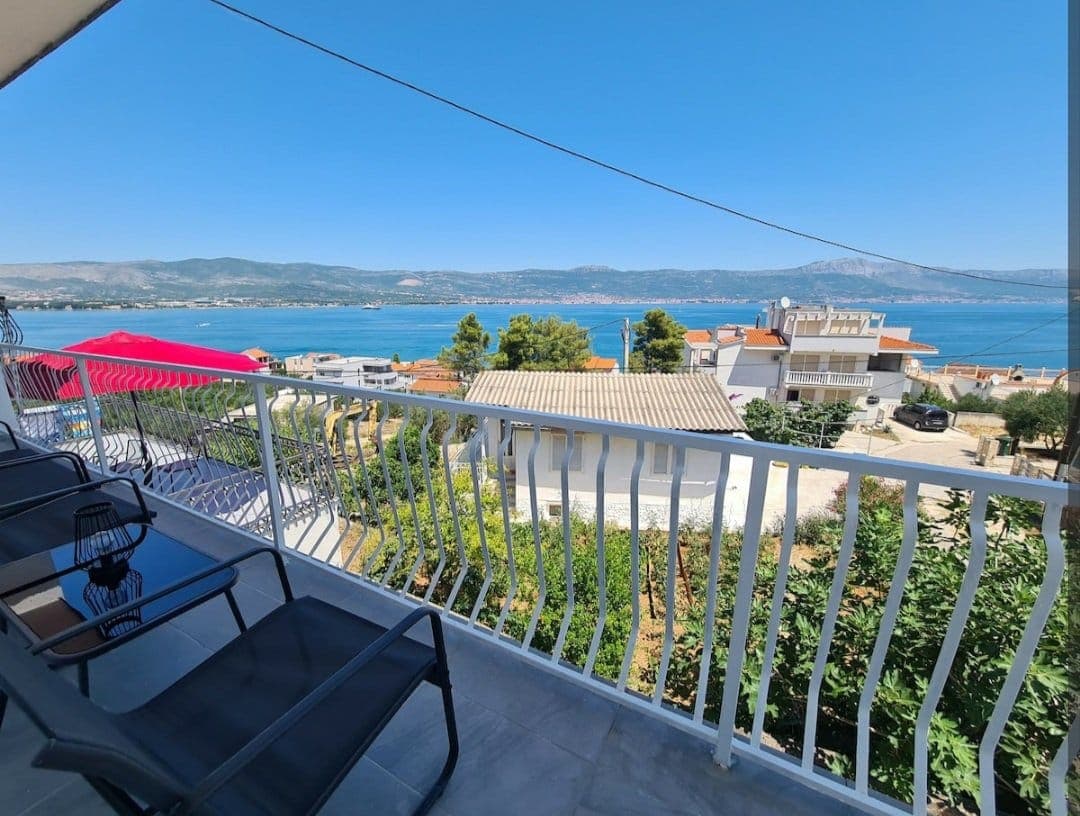
 20 km from Splitska
- Apartment
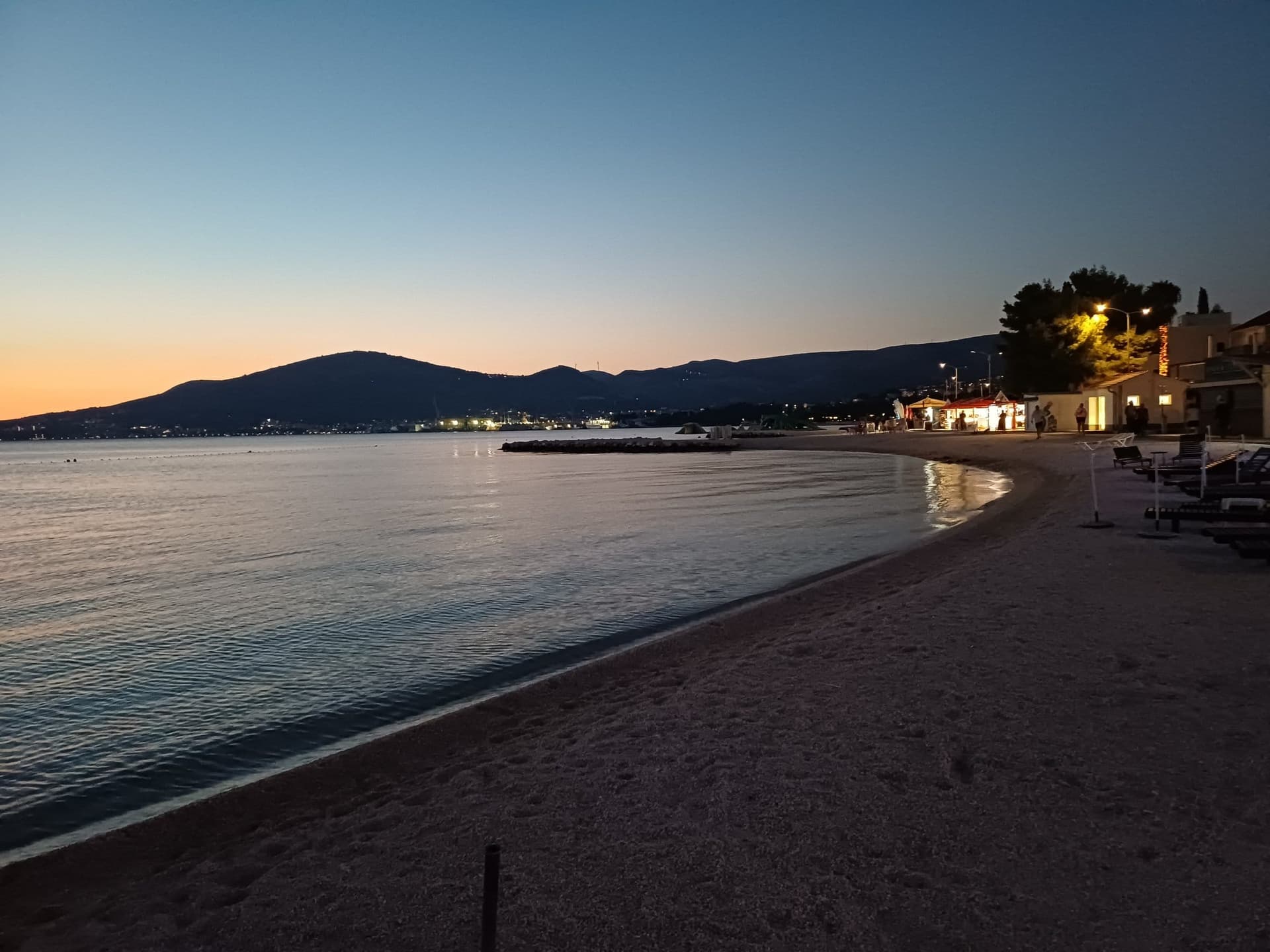
 26 km from Splitska
- Apartment
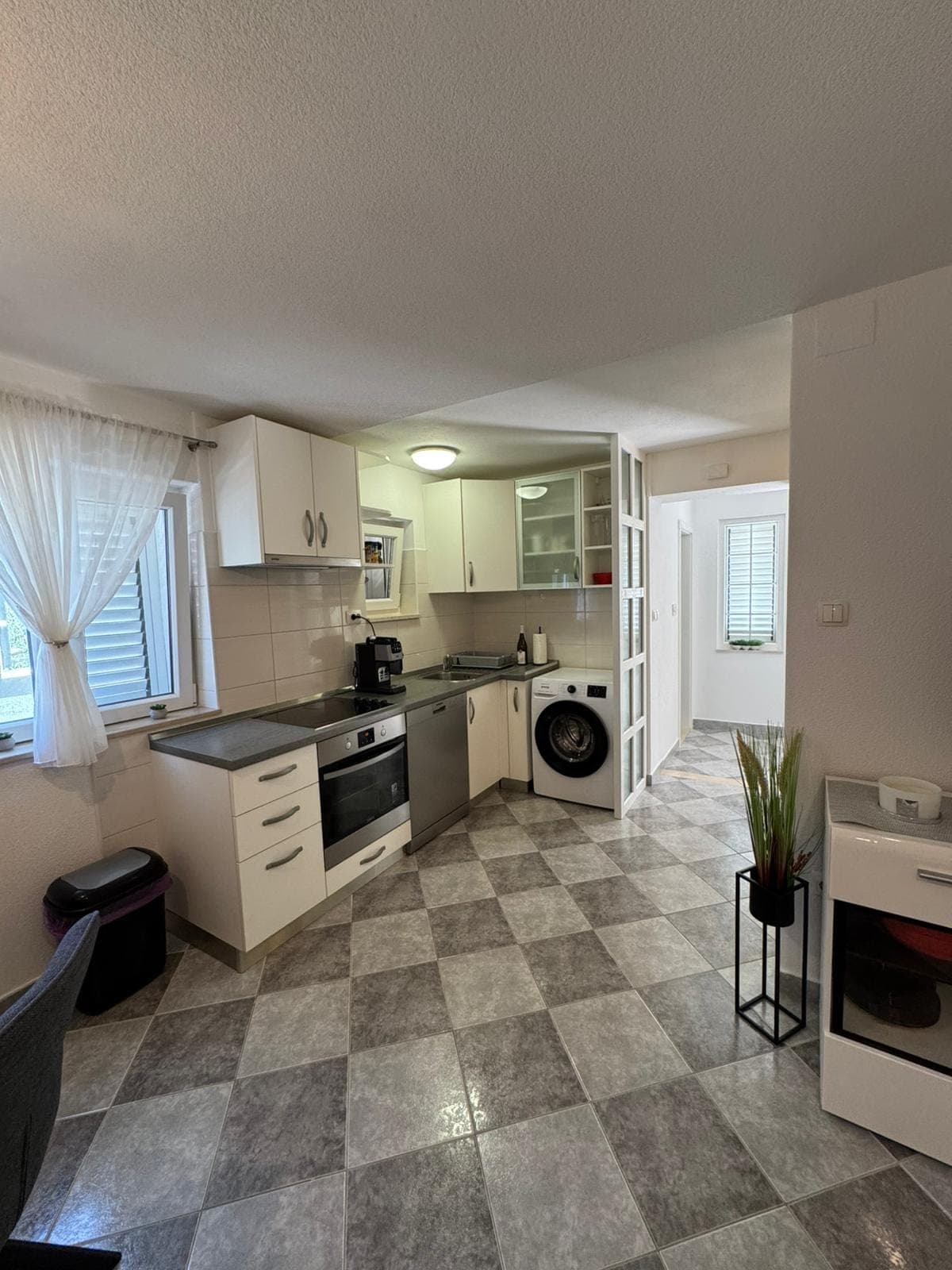
 31 km from Splitska
- Apartment
 31 km from Splitska
Be the first to list here
Guests looking for this place only see stays nearby for now. No commission, and enquiries come straight to you.
List your accommodation
Beaches
The Supetar Tourist Board identifies four bathing areas in Splitska: Bok, Japjenka, Uvala Splitska and Zastup. Uvala Splitska provides the most direct swim beside the village centre and waterfront, making it easy to combine with the Church of Stomorena and the Cerinić residence. Bok and Japjenka offer alternatives to the middle of the bay, while Zastup is a separately named beach towards the edge of the settlement. As the swimming spots are spread around the indented bay, exploring them on foot allows visitors to choose a shore according to the day’s sun and wind. Saving Bok, Japjenka and Zastup on a map is useful because access is not concentrated at a single central beach.
Bathing water quality nearby
- Baldazar · 300 mexcellent
- Prvlja · 1.3 kmexcellent
- Zastivanje · 2.1 kmexcellent
- Mala Lozna · 2.7 kmnot classified
Source: European Environment Agency (EEA); data from Croatian authorities. · bathing water profile
Things to do
The most rewarding way to explore Splitska is to connect its waterfront with the Rasohe quarry. Begin at the harbour and the Church of the Blessed Virgin Mary Stomorena, see Cerinić castle, then continue towards the quarry above the village where the ancient Hercules relief survives. After the heritage section of the visit, swimming can be divided between Bok, Japjenka, Uvala Splitska and Zastup, all listed as local beaches by the official tourism site. The day can finish at Konoba Kod Tonča at Riva 16, where the official Brač gastro programme highlights Brač plate, black risotto with Brač olive oil and Brač cake.
Food and drink
Three named dining options cluster along Splitska’s waterfront: Konoba Kod Tonča at Riva 16, Bistro Vila Marija at Riva 17 and Konoba Vala at Riva 19, all listed by the Supetar Tourist Board. Their close spacing makes dinner easy to combine with a harbour walk without travelling into Supetar. Kod Tonča is particularly associated with Brač cheese and olive oil, black risotto, seafood and the island’s Bračka torta cake. An earlier official visitor guide also places Caffe Bar Skalinada in Splitska, confirming that the village’s small food-and-drink scene is centred on the shore. For an evening table beside the bay, contacting the chosen venue directly is sensible.
Tours and activities
AdAd · partner offers: Viator, GetYourGuideThe partner handles booking, payment and support. StayBravo may earn a commission on bookings made through these links.How we choose offersWe choose offers based on the page you are viewing: the partner destination for this place or the nearest one (with its distance), and on a sight page only offers that mention it. We show offers rated at least 4.3 with at least 10 reviews, without multi-day tours or pure transfers, ordered by rating adjusted for the number of reviews and then by the partner’s order. We do not use data about you, and the commission does not affect the order.GetYourGuide offers are selected and ordered by GetYourGuide based on the name of the nearest larger town or national park; we do not influence their selection and do not use data about you.GetYourGuide · Omiš
We show GetYourGuide offers once you allow their cookies.
Viator
Nearest destination: Brac Island (9 km)
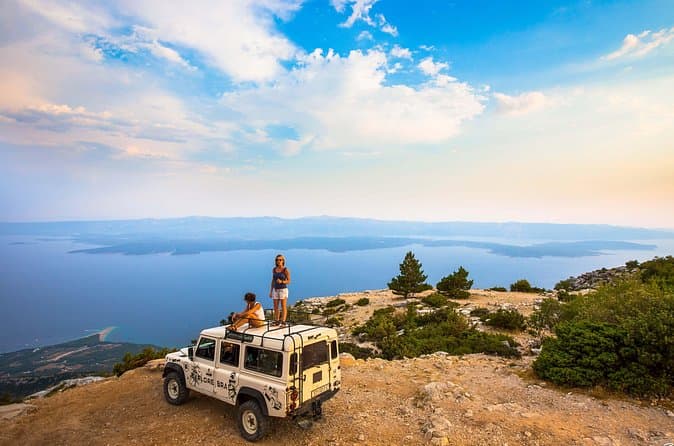
Feel and Taste island Brac with local experts - island adventure to remember (opens in a new tab)
• Meet real Brač heritage by visiting original places with a local guide • Visit a family Olive Oil museum, hear the story about tradition and do the tasting • Have an authentic lunch in a…
Rated 5 out of 5 · 110 reviews· 8–9 h
Free cancellation
from €260
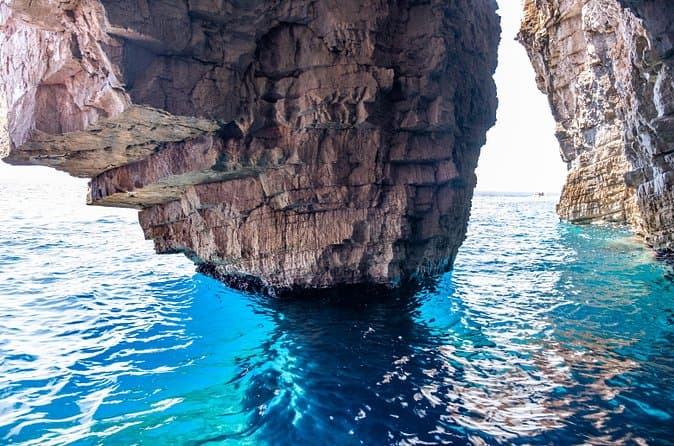
Luxury Blue Cave, Hvar and Vis Boat Tour from Split and Brac (opens in a new tab)
A brand new powerful speedboat equipped with a cabin, WIFI, toilet and hard top is ideal for spending the day out at sea with our young and enthusiastic team. For over a decade we have been sharing…
Rated 4.9 out of 5 · 566 reviews· 10 h
Free cancellation
from €174

Private Blue Cave Tour from Split, Brač, Trogir and Hvar (opens in a new tab)
The private version of our Blue Cave tour is more than just a boat trip – it’s a fully customized Adriatic adventure designed to match your pace, preferences, and travel style. ⚓ What’s Included: •…
Rated 5 out of 5 · 51 reviews· 10 h
Free cancellation
from €1,500
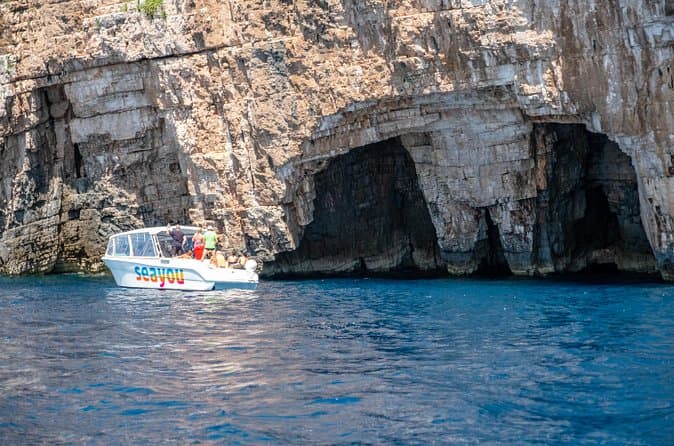
Private Luxury Boat tour for 12 from Split, Brac, Trogir, Hvar (opens in a new tab)
Explore the Middle Dalmatian islands with our 12m aluminum speedboat equipped with a cabin, toilet, WIFI, a hard top and high quality electronics with great music performance for a fun and exciting…
Rated 5 out of 5 · 65 reviews· 10 h
Free cancellation
from €1,650
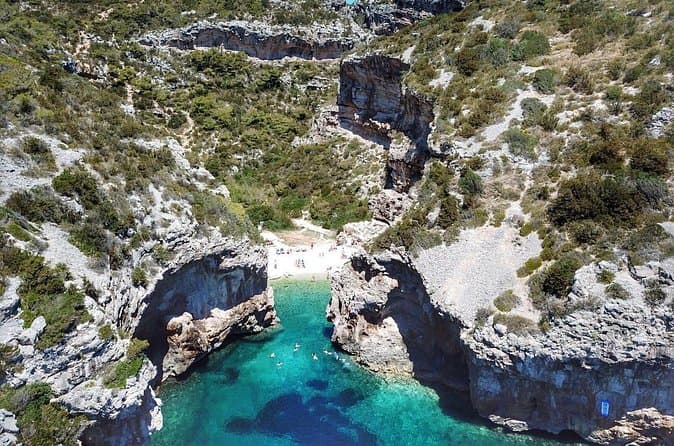
Blue Cave and Hvar Boat Tour: Small-Group from Split or Brac (opens in a new tab)
We are a small, family-owned company with years of experience, specializing in tourist boat excursions. Investing in our fleet of excursion boats continually for years, we now have a fleet of 7…
Rated 4.8 out of 5 · 561 reviews· 10 h
Free cancellation
from €140
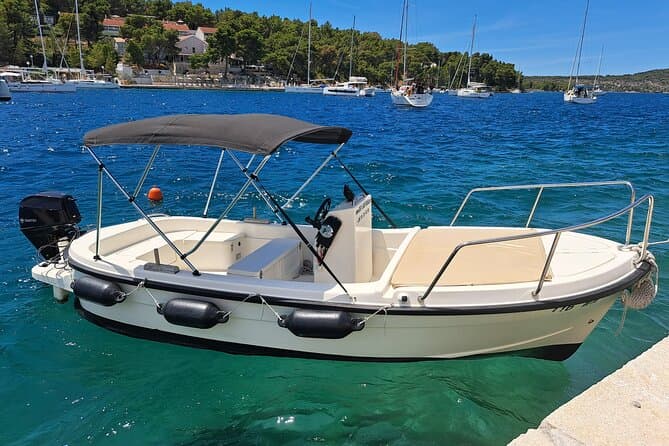
Explore by Betina boat West side of island Brac and Bobovisca (opens in a new tab)
Explore the most unique coast on island Brac. West coast offers you a lot of unexplored bays and coves, hidden villages including Bobovisca with free mooring for your boat and 2 top restaurants by…
Rated 5 out of 5 · 48 reviews· 8 h
Free cancellation
from €215
Practical information
Practical information
Splitska is administratively part of the City of Supetar, and the Supetar Tourist Board publishes official visitor information, events and the village’s beach list. The nearest larger service centre is Supetar, eight kilometres away, where most mainland arrivals disembark and many public services are concentrated. In 2026 Jadrolinija publishes a year-round timetable on the Split–Supetar ferry route, so Splitska can be planned outside the peak summer season as well. For local events, the Supetar website is worth checking: Dani Varoša is held in mid-July, while the Assumption feast in Splitska is celebrated on 15 August.
Getting there and around
The simplest mainland route to Splitska is by ferry from Split to Supetar, followed by an eight-kilometre road transfer to the village. Jadrolinija’s Split–Supetar route operates throughout the year, with the 2026 crossing taking about 50 minutes. The Supetar Tourist Board identifies Supetar as the principal ferry gateway for this part of Brač, while Sumartin on the other side of the island connects with Makarska. Travellers without a car should coordinate the ferry with their onward local transfer from Supetar, as Splitska has no separate ferry service to Split.
Frequently asked questions
How far is Splitska from Supetar?
The Supetar Tourist Board states that Splitska is 8 km from Supetar.
Which beaches are in Splitska?
The official tourism site lists Bok, Japjenka, Uvala Splitska and Zastup.
What is Rasohe above Splitska?
Rasohe is an ancient quarry above the village containing a Hercules relief and linked with the extraction of Brač stone.
Where is Konoba Kod Tonča?
Konoba Kod Tonča is at Riva 16 in Splitska.
How do I get from Split to Splitska?
Take the Jadrolinija Split–Supetar ferry first, then continue another 8 km by road to Splitska.
Nearby
Splitska
Open in OpenStreetMap(opens in a new tab)Larger towns
straight-line distance
Related guides
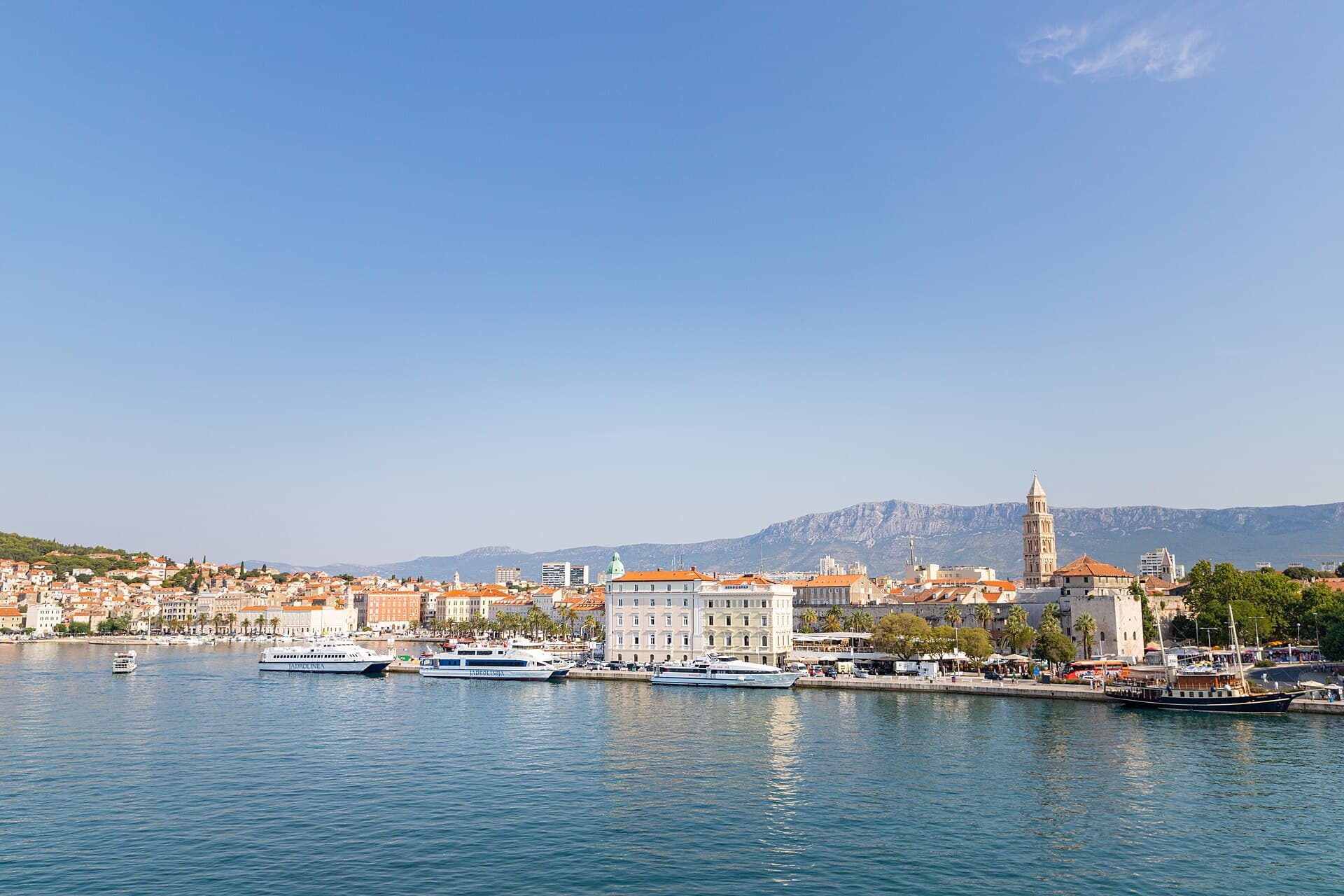
Split
In Split, the transition from ancient monument to ordinary street is almost imperceptible: entering the southern part of Diocletian’s Palace from the Riva leads towards the Peristyle, then…
Read the guide

Baška Voda
Baška Voda lies in the western part of the Makarska Riviera directly below the Biokovo massif. Once a fishing and seafaring settlement, it developed into a resort whose centre remains…
Read the guide
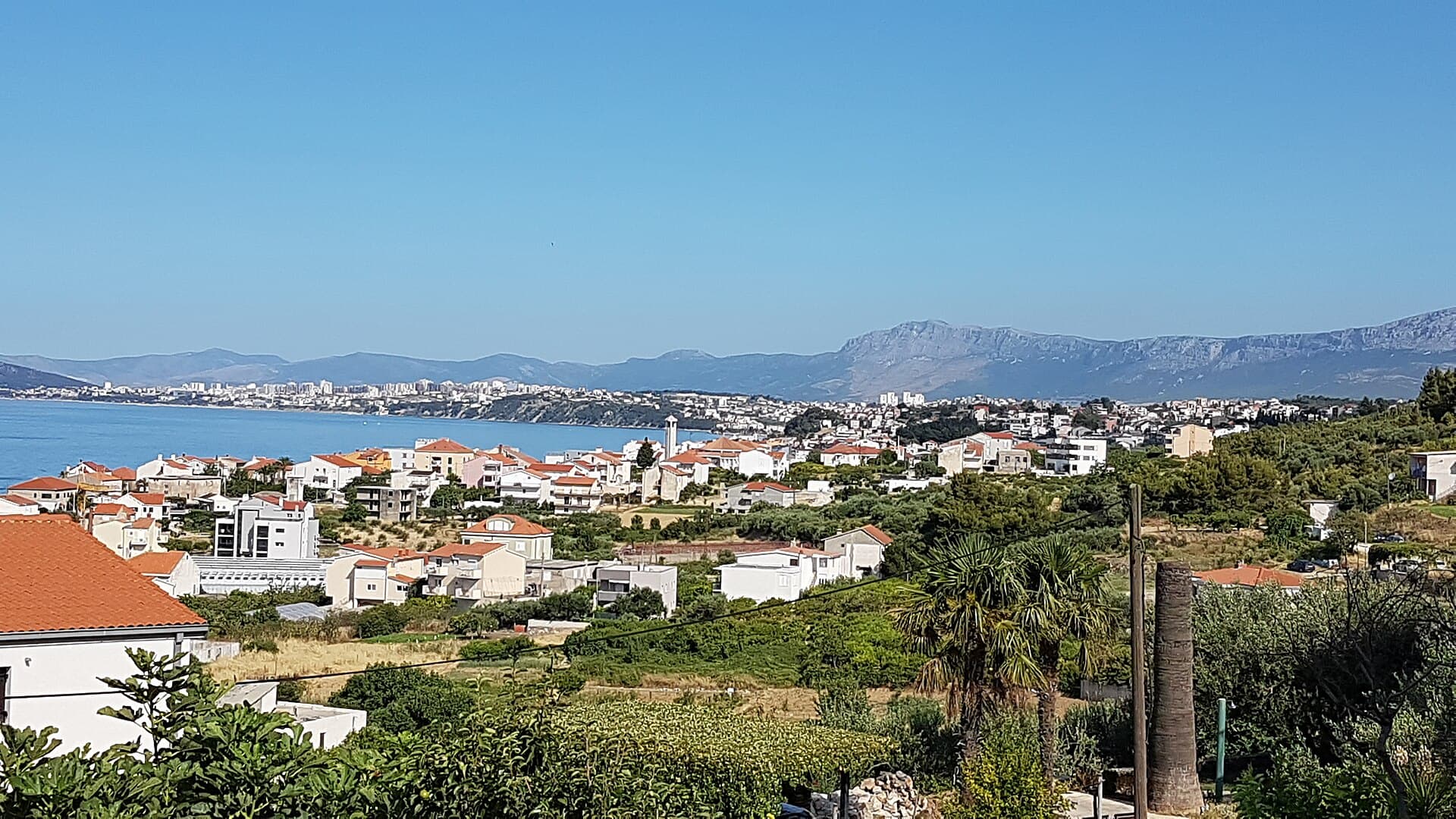
Podstrana
Podstrana is made up of five settlements. The oldest is Gornja Podstrana, set 290 to 340 metres above sea level beneath Perun, while Strožanac, Grljevac, Sveti Martin and Mutogras follow…
Read the guide

Brela
Brela is a municipal seat at the northern end of the Makarska littoral, about 15 km northwest of Makarska, on the Adriatic Highway and in a belt of pine forest at the foot of Biokovo. The…
Read the guide
Know Splitska? Correct us
Tell us in your own words what is not accurate. We check right away.Do not enter personal data. Corrections are checked by the StayBravo AI assistant; changes to the description are approved by an editor. Use the form instead
Do you know Splitska?
Help the guests who come after you.
Help us complete
Nothing is published without an editor’s review.Report illegal content
Photo credits: Splitska, Dugi Rat, St. Anthony Church — Falk2 (CC BY-SA 4.0) · Škrip — Honza Beran (CC BY 2.5) · Dol — Ante Perkovic (CC BY 3.0) · Supetar — Kork~commonswiki (Public domain) · Nerežišća — Marijan (Public domain) · Donji Humac — Denny (CC BY-SA 4.0) · Mirca — IvanOS (CC BY-SA 3.0) · Dračevica — Kelovy (Public domain) · Pražnica, Crkva sv. Jadre kod Splitske — August Dominus (CC BY-SA 4.0) · St. John the Baptist Church — Slavko Stepanić (CC BY-SA 3.0) · Cerineo Castle in Škrip — Gaius Cornelius (CC BY-SA 4.0) · Villa Sara — Sara Stanic (courtesy of the property owner) · In The Palace — Partner (courtesy of the property owner) · Apartman A&K — Jelena Boban (courtesy of the property owner) · Apartman Lucija — Ljubica Munjiza (courtesy of the property owner) · Apartmani Mirjana — Mirjana Rapić (courtesy of the property owner) · Split — dronepicr (CC BY 2.0) · Baška Voda — Mario Žamić (CC BY-SA 3.0) · Podstrana — Romanm (CC BY-SA 4.0) · Brela — Josip-Pino Žamić (CC BY-SA 4.0)