Škrip
About this place
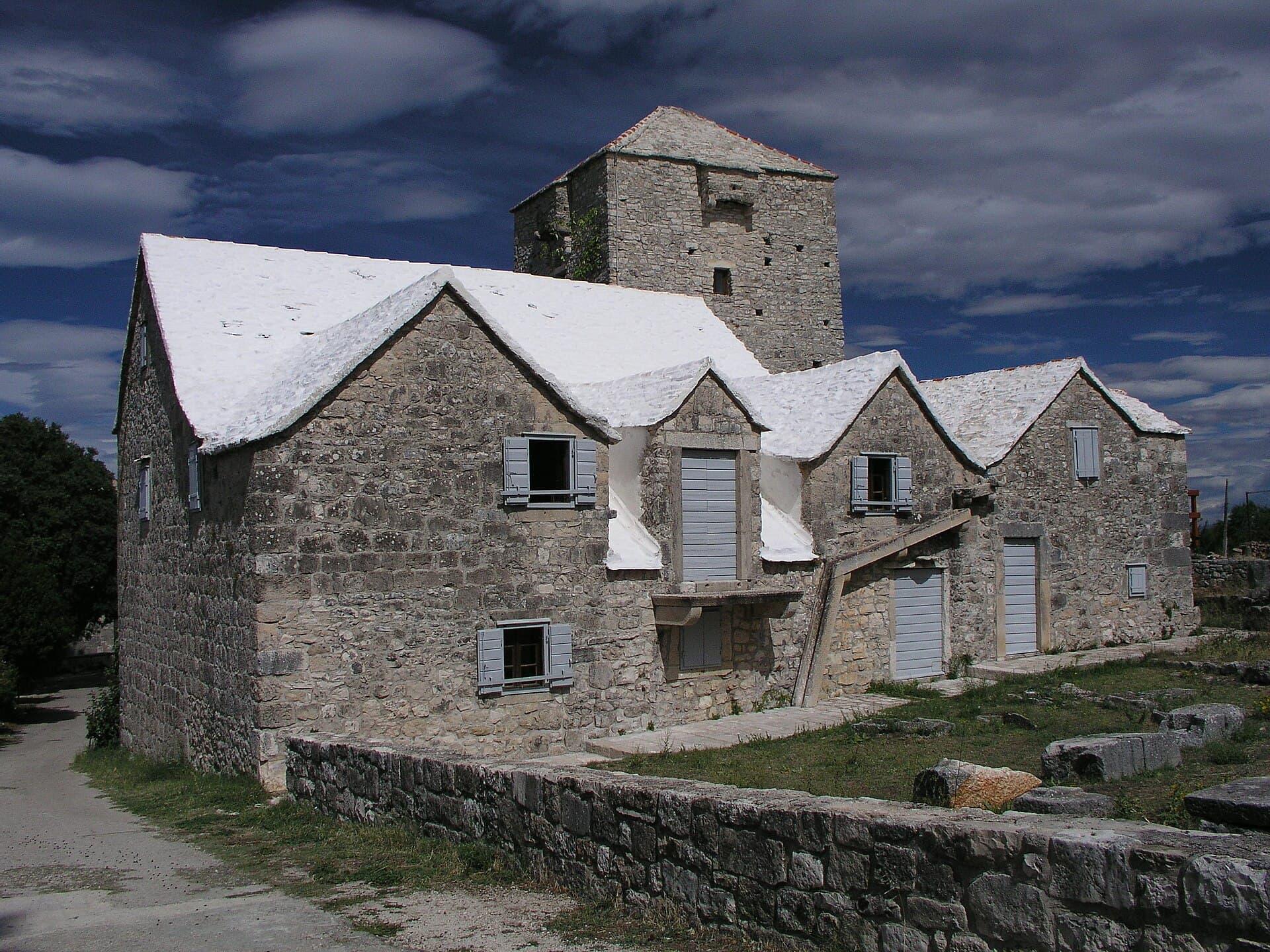
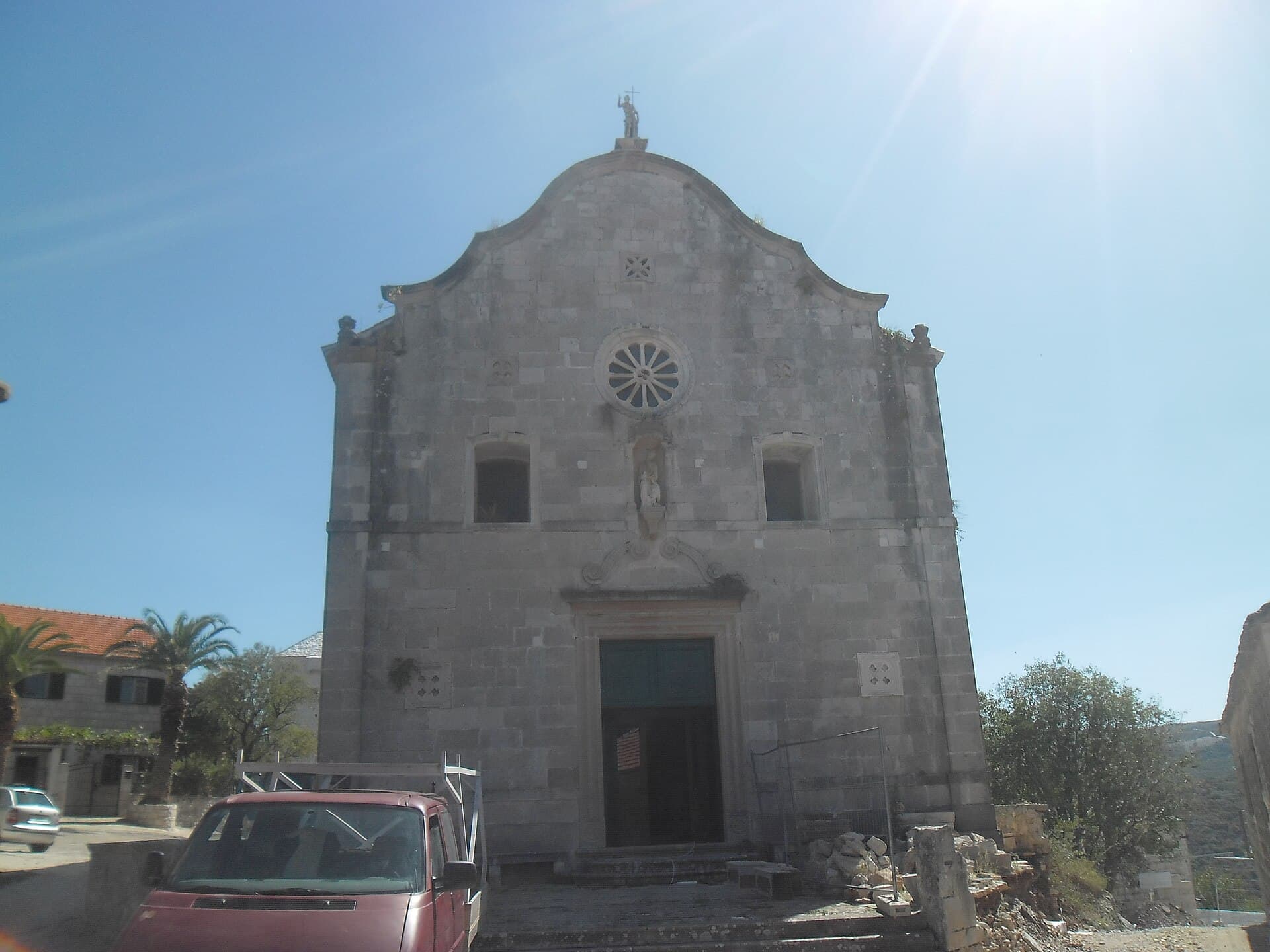
Inland Škrip compresses several millennia of Brač history into a remarkably small village of stone lanes, churches and fortified houses. Its name is associated with the Latin “scrupus,” a reference to the large, sharp stones found behind the nearby Roman quarrying area. The Island of Brač Museum occupies a complex where Illyrian walls, a late-third-century Roman mausoleum and the sixteenth-century Radojković Tower overlap. Displays move from finds discovered in Kopačina Cave and inscriptions from Roman quarries to the island’s sheep farming, olive growing, seafaring and stoneworking traditions. A short walk through Škrip also reaches Cerineo Castle and the churches of St Helen, the Holy Spirit and St John the Baptist, making the village easy to explore as one concentrated heritage site. The Cukrov family’s Museum of Olive Oil adds a working-life perspective through an old mill, press and traditional oil-production equipment. Because Škrip stands away from the coast, a visit pairs naturally with swimming in Splitska or Supetar before returning inland for its museums, masonry and views across Brač.
Škrip differs from Brač’s coastal settlements because its identity comes from dry-stone walls, defensive buildings and quarrying heritage rather than a harbourfront. The central museum complex is physically embedded in earlier layers of the village: traditional houses enclose part of the Illyrian walls, while Radojković Tower rises above a Roman mausoleum. The Island of Brač Museum consequently interprets the very ground and masonry through which visitors are walking. Škrip’s churches and Cerineo Castle complete the picture of a settlement shaped by defence, olive cultivation and Brač stone. Its Chakavian identity also survives through a festival dedicated to Škrip-born sociologist and poet Stjepan Pulišelić, the author of fourteen poetry collections written in the island’s Chakavian speech.
Things to see

Radojković Castle in Škrip
Landmark · Škrip
More to see
Crkva sv. Duha u Škripu
Landmark · Škrip
Crkva sv. Ivana Krstitelja u Škripu
Landmark · Škrip
Stays further afield
- Apartment
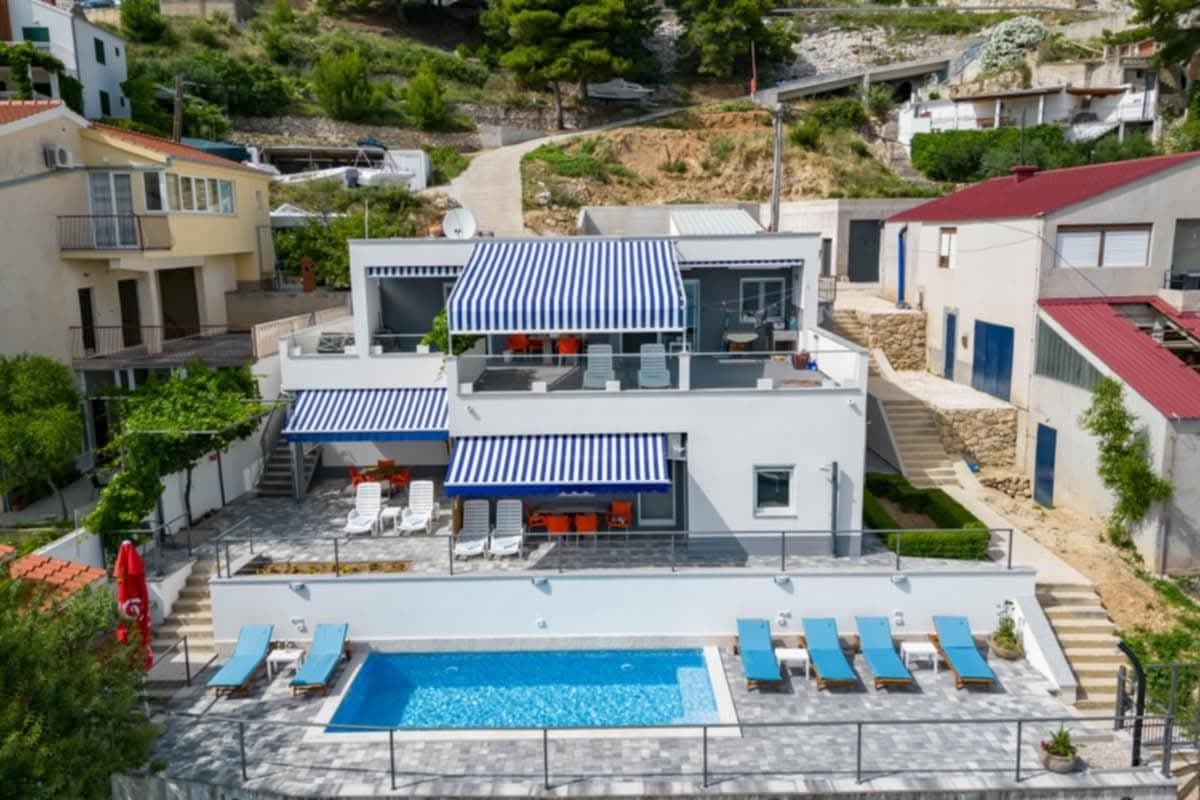 12 km from Škrip
- Apartment
 22 km from Škrip
- Apartment
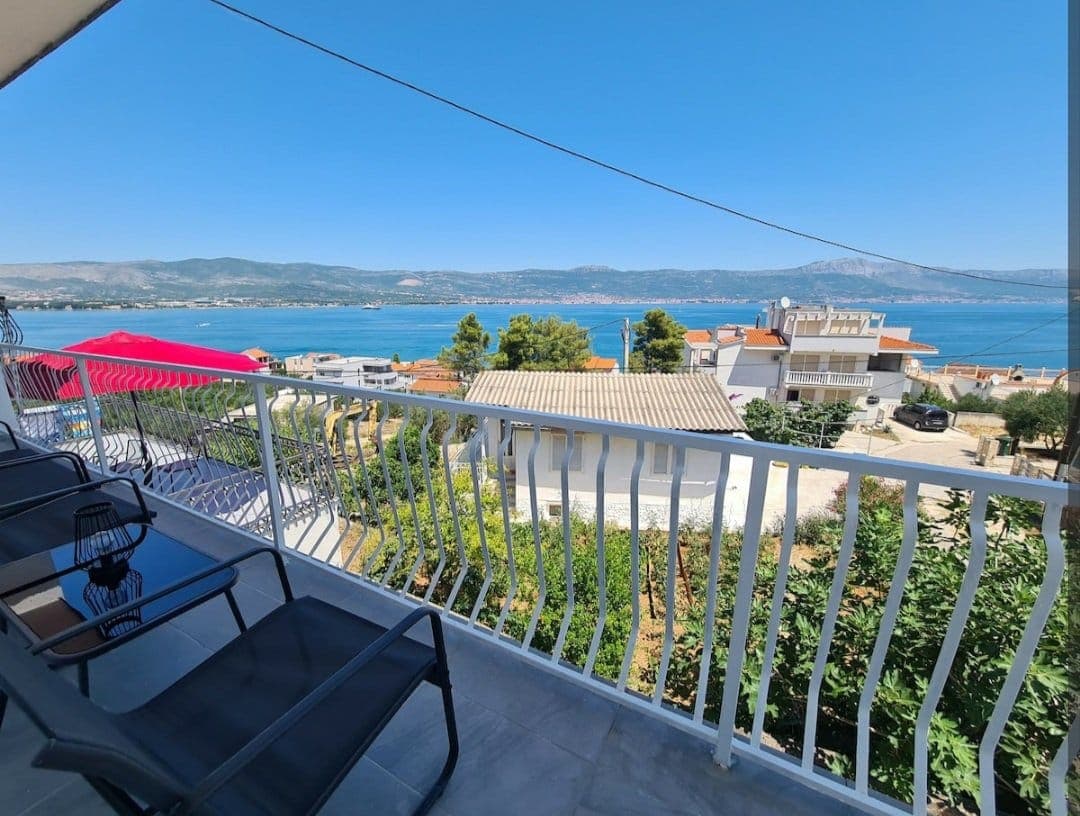 27 km from Škrip
- Apartment
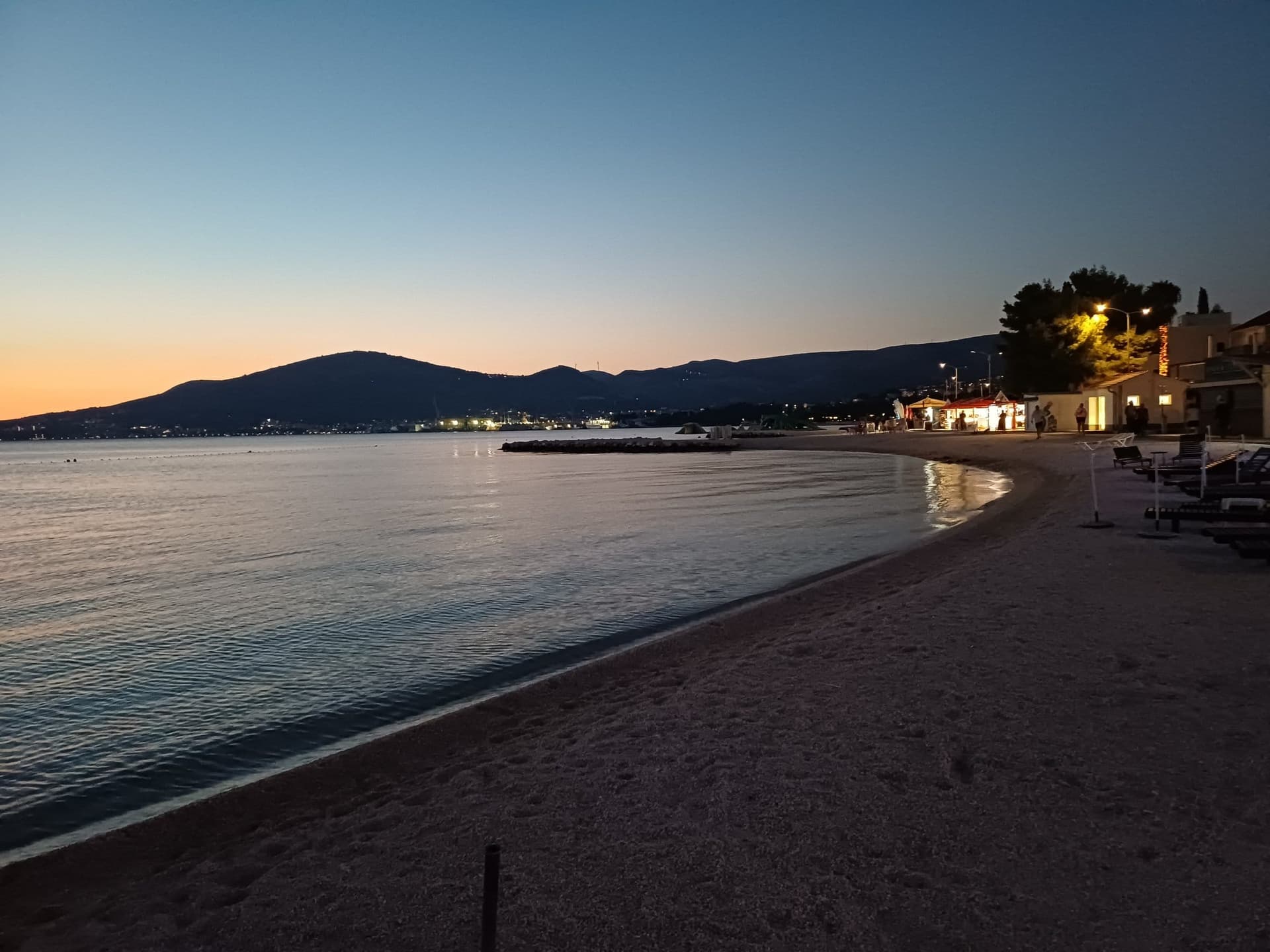 31 km from Škrip
- Apartment
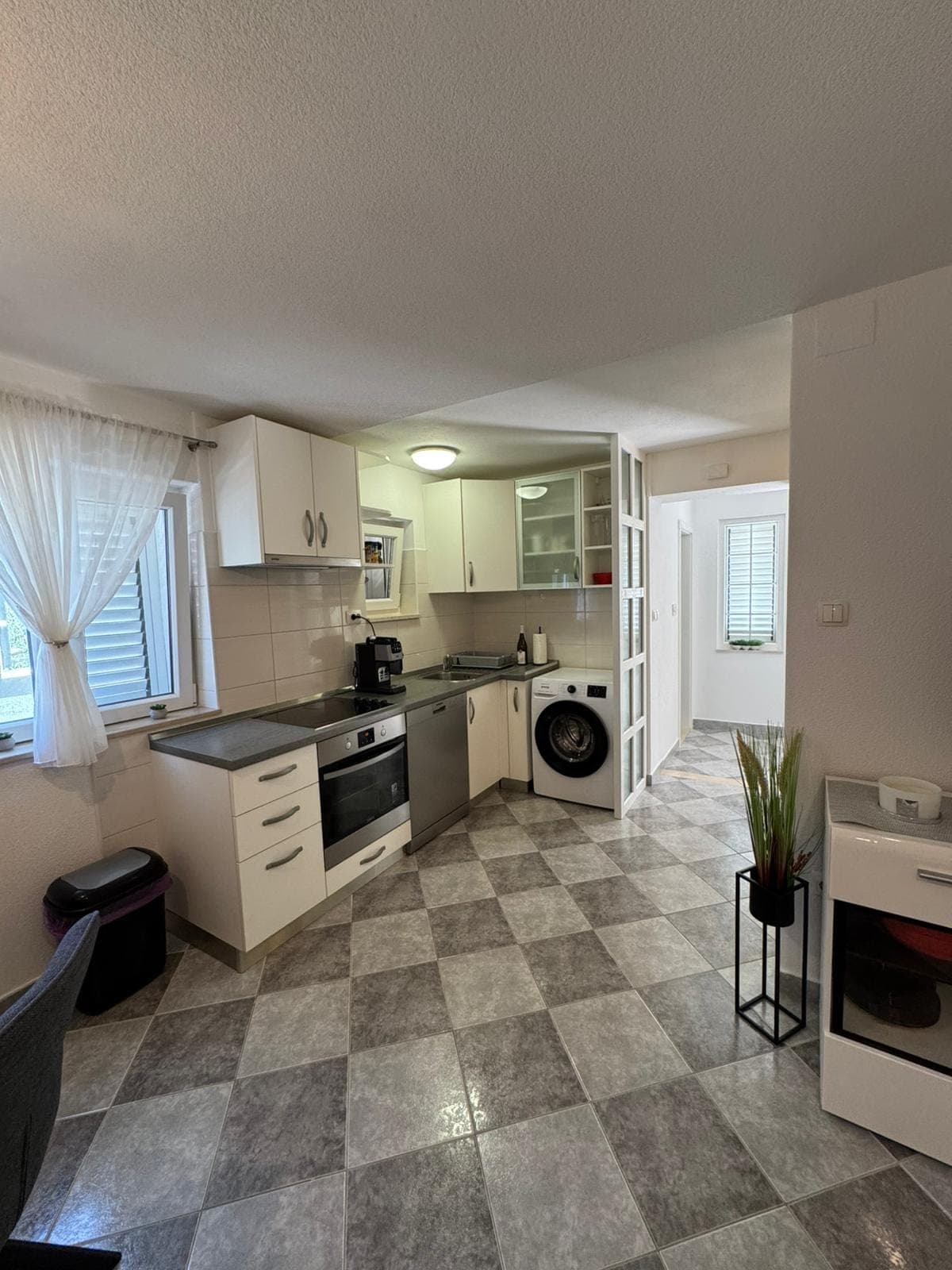 31 km from Škrip
Be the first to list here
Guests looking for this place only see stays nearby for now. No commission, and enquiries come straight to you.
List your accommodation
Beaches
Inland Škrip has no seaside beach of its own, so swimming means descending to Brač’s northern coast. Nearby Splitska offers Zastup, Mali bok, Bok, Japjenka and the waterfront in Splitska Bay; municipal planning documents specifically classify Mali bok and Zastup as developed beaches. Continuing towards Supetar opens up a broader choice, including Acapulco, Banj, Tri mosta, Bili rat and Vela luka. Banj can also be paired with Supetar’s “A Day with Rendić” cultural walk, which passes the town beach before finishing at the cemetery. From Škrip, choose Splitska for a smaller coastal setting or Supetar when several named bathing areas within the same town are more convenient.
Bathing water quality nearby
- Baldazar · 2.5 kmexcellent
- Prvlja · 2.6 kmexcellent
Source: European Environment Agency (EEA); data from Croatian authorities. · bathing water profile
Things to do
Begin at the Island of Brač Museum, where the Roman mausoleum and Radojković Tower establish a timeline for everything else seen around Škrip. Inside the archaeological collection, look for material from Kopačina Cave, reliefs and inscriptions associated with Roman quarries, and a cast of the Povlja Threshold. Continue through the village to St Helen’s Church and Cerineo Castle, then seek out the smaller churches of the Holy Spirit and St John the Baptist. Reserve the second half of the visit for the Cukrov family’s Museum of Olive Oil, whose old mill, press, sacks and screw spindle demonstrate production before modern machinery. Travellers in Škrip on 18 August encounter the village fair, when the same stone streets acquire a livelier local setting.
Tours and activities
AdAd · partner offers: Viator, GetYourGuideThe partner handles booking, payment and support. StayBravo may earn a commission on bookings made through these links.How we choose offersWe choose offers based on the page you are viewing: the partner destination for this place or the nearest one (with its distance), and on a sight page only offers that mention it. We show offers rated at least 4.3 with at least 10 reviews, without multi-day tours or pure transfers, ordered by rating adjusted for the number of reviews and then by the partner’s order. We do not use data about you, and the commission does not affect the order.GetYourGuide offers are selected and ordered by GetYourGuide based on the name of the nearest larger town or national park; we do not influence their selection and do not use data about you.Viator
Nearest destination: Brac Island (7 km)
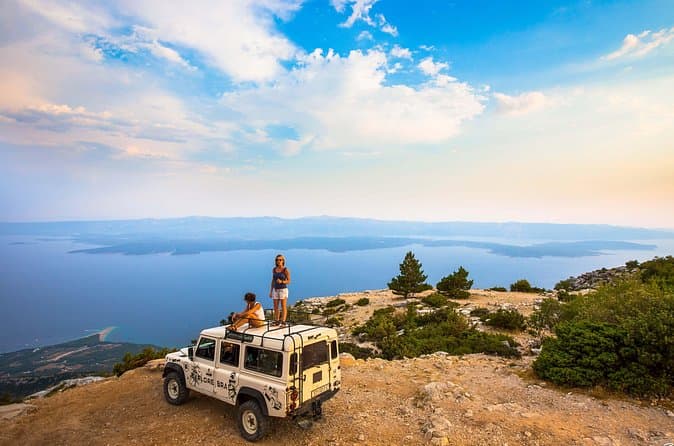
Feel and Taste island Brac with local experts - island adventure to remember (opens in a new tab)
• Meet real Brač heritage by visiting original places with a local guide • Visit a family Olive Oil museum, hear the story about tradition and do the tasting • Have an authentic lunch in a…
Rated 5 out of 5 · 110 reviews· 8–9 h
Free cancellation
from €260
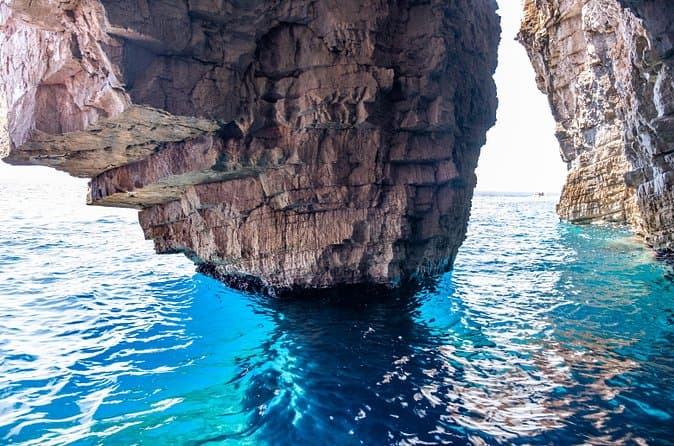
Luxury Blue Cave, Hvar and Vis Boat Tour from Split and Brac (opens in a new tab)
A brand new powerful speedboat equipped with a cabin, WIFI, toilet and hard top is ideal for spending the day out at sea with our young and enthusiastic team. For over a decade we have been sharing…
Rated 4.9 out of 5 · 566 reviews· 10 h
Free cancellation
from €174

Private Blue Cave Tour from Split, Brač, Trogir and Hvar (opens in a new tab)
The private version of our Blue Cave tour is more than just a boat trip – it’s a fully customized Adriatic adventure designed to match your pace, preferences, and travel style. ⚓ What’s Included: •…
Rated 5 out of 5 · 51 reviews· 10 h
Free cancellation
from €1,500
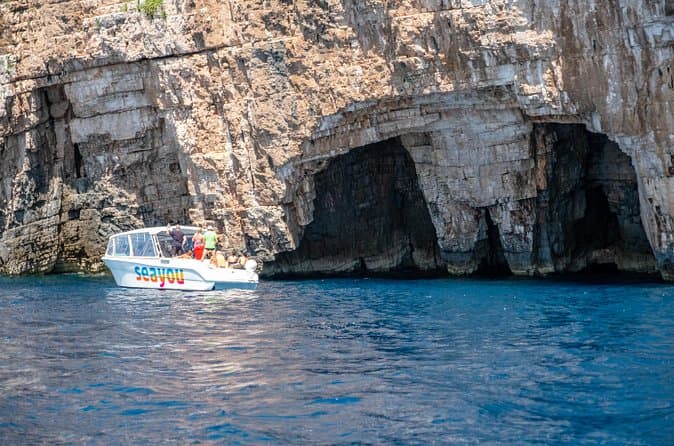
Private Luxury Boat tour for 12 from Split, Brac, Trogir, Hvar (opens in a new tab)
Explore the Middle Dalmatian islands with our 12m aluminum speedboat equipped with a cabin, toilet, WIFI, a hard top and high quality electronics with great music performance for a fun and exciting…
Rated 5 out of 5 · 65 reviews· 10 h
Free cancellation
from €1,650
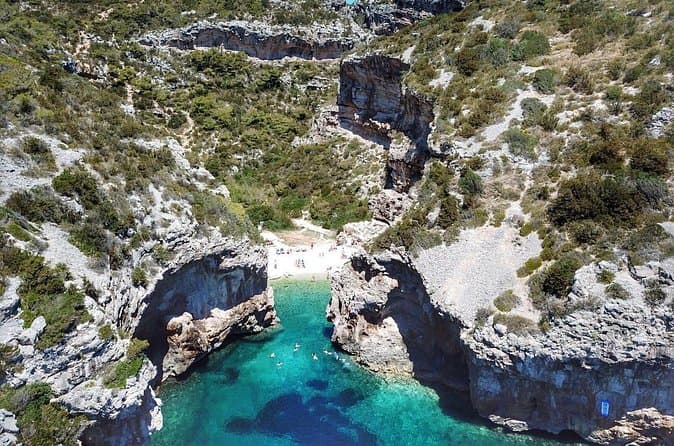
Blue Cave and Hvar Boat Tour: Small-Group from Split or Brac (opens in a new tab)
We are a small, family-owned company with years of experience, specializing in tourist boat excursions. Investing in our fleet of excursion boats continually for years, we now have a fleet of 7…
Rated 4.8 out of 5 · 561 reviews· 10 h
Free cancellation
from €140
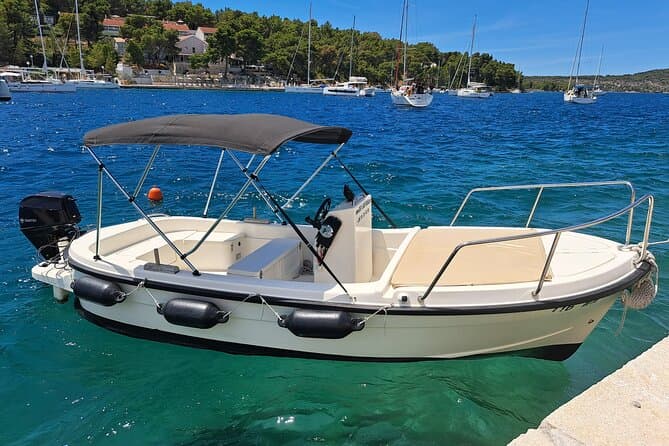
Explore by Betina boat West side of island Brac and Bobovisca (opens in a new tab)
Explore the most unique coast on island Brac. West coast offers you a lot of unexplored bays and coves, hidden villages including Bobovisca with free mooring for your boat and 2 top restaurants by…
Rated 5 out of 5 · 48 reviews· 8 h
Free cancellation
from €215
GetYourGuide · Bol
We show GetYourGuide offers once you allow their cookies.
Practical information
Getting there and around
The main island approach to Škrip is through Supetar, reached by Jadrolinija’s ferry from Split in roughly 50 minutes under the 2026 timetable. Arriva links Škrip with Supetar, although its published island schedule distinguishes among weekdays, Saturdays, Sundays and public holidays rather than providing uniform daily departures. With relatively few village services, the return connection should be checked before entering the museum, especially outside summer. Drivers may use the square in front of St Helen’s parish church, from which the Island of Brač Museum and central Škrip sights are reached on foot. Arriving through Supetar also makes it straightforward to pair inland Škrip with coastal Splitska, while a car offers greater flexibility after the museum closes.
Frequently asked questions
Where can visitors park for the Island of Brač Museum?
Parking is available in the square in front of St Helen’s parish church in Škrip.
What lies beneath Radojković Tower?
Radojković Tower was erected in the late sixteenth century above a Roman mausoleum dating from the late third century.
Is there a direct bus between Škrip and Supetar?
Arriva’s island timetable lists direct Škrip–Supetar services, with different patterns for weekdays, Saturdays, Sundays and public holidays.
Nearby
Škrip
Open in OpenStreetMap(opens in a new tab)Larger towns
straight-line distance
Related guides
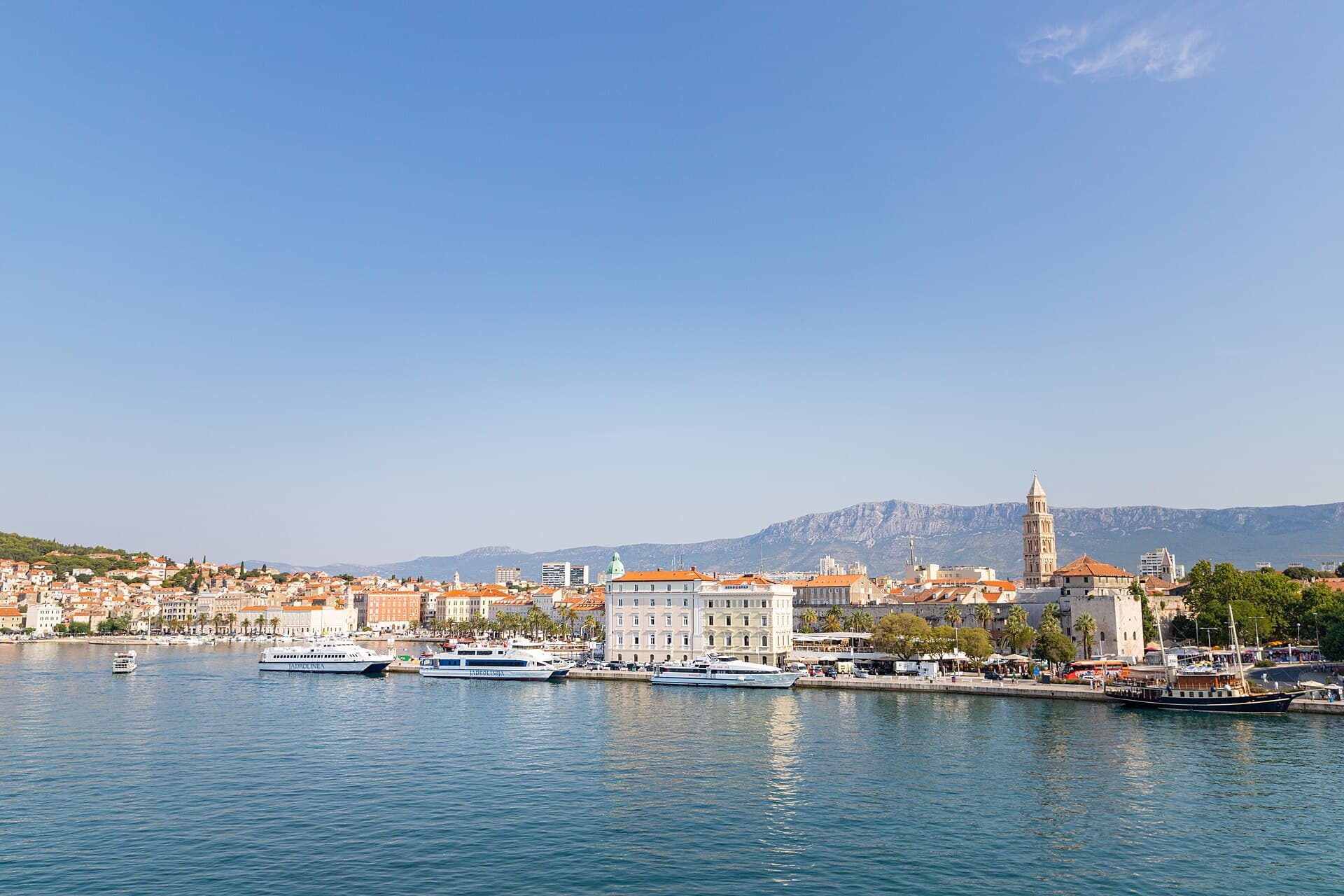
Split
In Split, the transition from ancient monument to ordinary street is almost imperceptible: entering the southern part of Diocletian’s Palace from the Riva leads towards the Peristyle, then…
Read the guide

Baška Voda
Baška Voda lies in the western part of the Makarska Riviera directly below the Biokovo massif. Once a fishing and seafaring settlement, it developed into a resort whose centre remains…
Read the guide
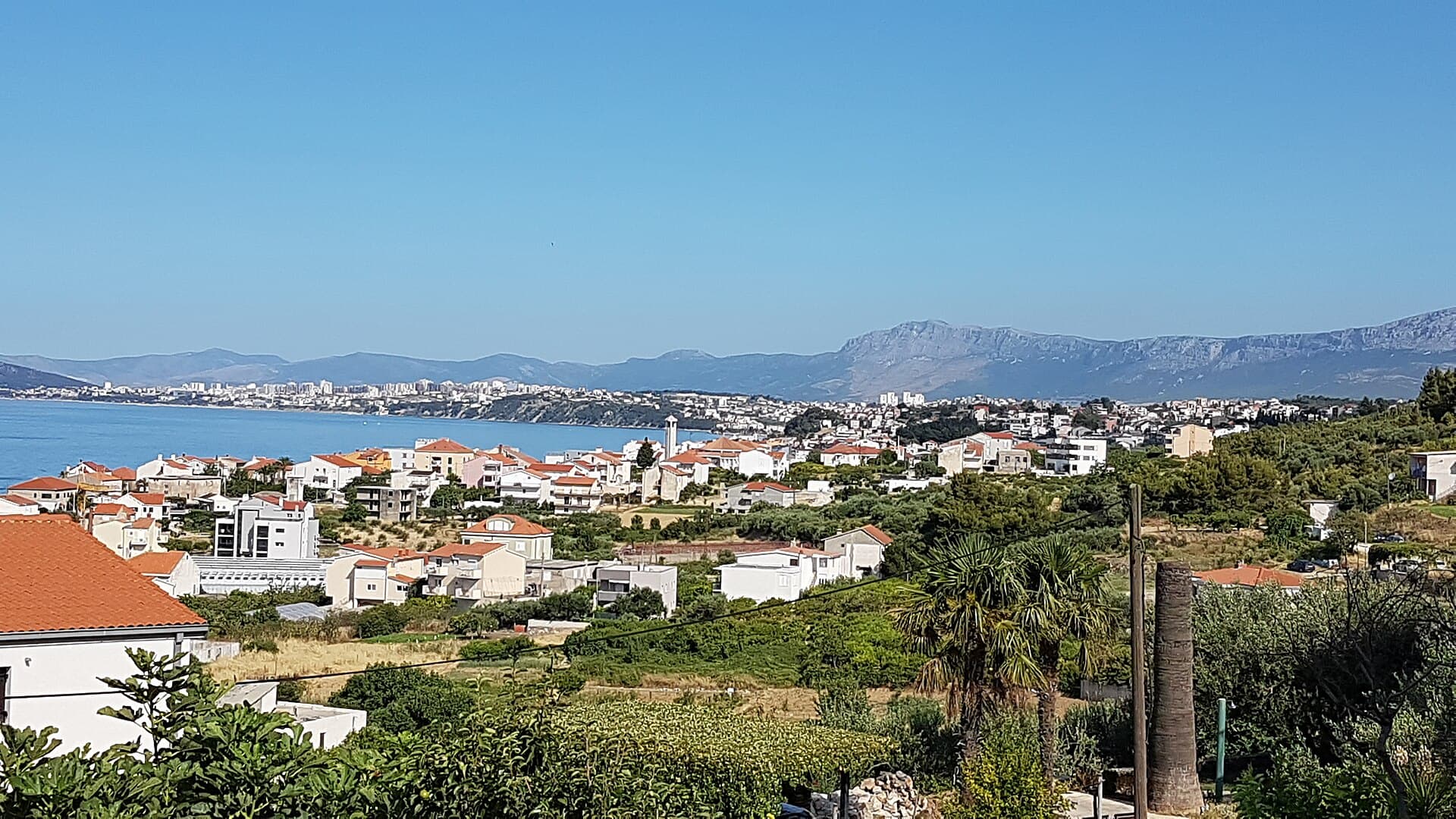
Podstrana
Podstrana is made up of five settlements. The oldest is Gornja Podstrana, set 290 to 340 metres above sea level beneath Perun, while Strožanac, Grljevac, Sveti Martin and Mutogras follow…
Read the guide

Brela
Brela is a municipal seat at the northern end of the Makarska littoral, about 15 km northwest of Makarska, on the Adriatic Highway and in a belt of pine forest at the foot of Biokovo. The…
Read the guide
Know Škrip? Correct us
Tell us in your own words what is not accurate. We check right away.Do not enter personal data. Corrections are checked by the StayBravo AI assistant; changes to the description are approved by an editor. Use the form instead
Do you know Škrip?
Help the guests who come after you.
Help us complete
Nothing is published without an editor’s review.Report illegal content
Photo credits: Škrip, Ložišća — Honza Beran (CC BY 2.5) · Dol — Ante Perkovic (CC BY 3.0) · Splitska — Falk2 (CC BY-SA 4.0) · Nerežišća — Marijan (Public domain) · Donji Humac — Denny (CC BY-SA 4.0) · Supetar — Kork~commonswiki (Public domain) · Dračevica, Murvica — Kelovy (Public domain) · Mirca — IvanOS (CC BY-SA 3.0) · Pražnica, Church of Saint Helena — August Dominus (CC BY-SA 4.0) · Cerineo Castle in Škrip — Gaius Cornelius (CC BY-SA 4.0) · Villa Sara — Sara Stanic (courtesy of the property owner) · In The Palace — Partner (courtesy of the property owner) · Apartman A&K — Jelena Boban (courtesy of the property owner) · Apartman Lucija — Ljubica Munjiza (courtesy of the property owner) · Apartmani Mirjana — Mirjana Rapić (courtesy of the property owner) · Split — dronepicr (CC BY 2.0) · Baška Voda — Mario Žamić (CC BY-SA 3.0) · Podstrana — Romanm (CC BY-SA 4.0) · Brela — Josip-Pino Žamić (CC BY-SA 4.0)