Sikirevci
About this place
Sikirevci is a Slavonian village about 40 kilometres east of Slavonski Brod, close to the Sava River and the border with Bosnia and Herzegovina. The settlement was first recorded in 1540 as a river crossing served by a ferry, while an Ottoman register from 1579 described it as a small market town with 31 households. After Ottoman rule, Sikirevci became a Military Frontier village and the headquarters of the Brod Regiment’s fifth company, a legacy still reflected in its long, orderly street plan. The parish Church of St Nicholas dominates the centre; its foundation stone was blessed on 29 May 1848, and the completed church was blessed in 1851. The village’s most distinctive living tradition is the Sikirevci motif, a local form of sun lace worked with a needle on a wooden frame and traditionally inserted into shirts, aprons, tablecloths and other textiles. The craft is protected as intangible cultural heritage, while a surviving bedspread made by Franca Rakitić in 1928 documents its early local practice. Sikirevci therefore combines Posavina’s frontier history, nineteenth-century religious heritage and an active lace-making tradition, making it a rewarding cultural stop between Slavonski Brod, Županja and the eastern Sava plain.
Sikirevci developed as an elongated Posavina village near the Sava, on land historically connected with a river crossing. Its first written mention in 1540 refers directly to a ferry, while an Ottoman register from 1579 records a market settlement of 31 households. Following the end of Ottoman rule, the village became part of the Military Frontier and served as headquarters of the Brod Regiment’s fifth company. The mid-eighteenth-century reorganisation of houses into orderly street rows remains legible in the settlement plan. Modern Sikirevci combines the nineteenth-century Church of St Nicholas with its signature sun-lace motif, a local needlework tradition produced on wooden frames and incorporated into the folk costume of the Brod Posavina area.
Things to see
 Significant landscape
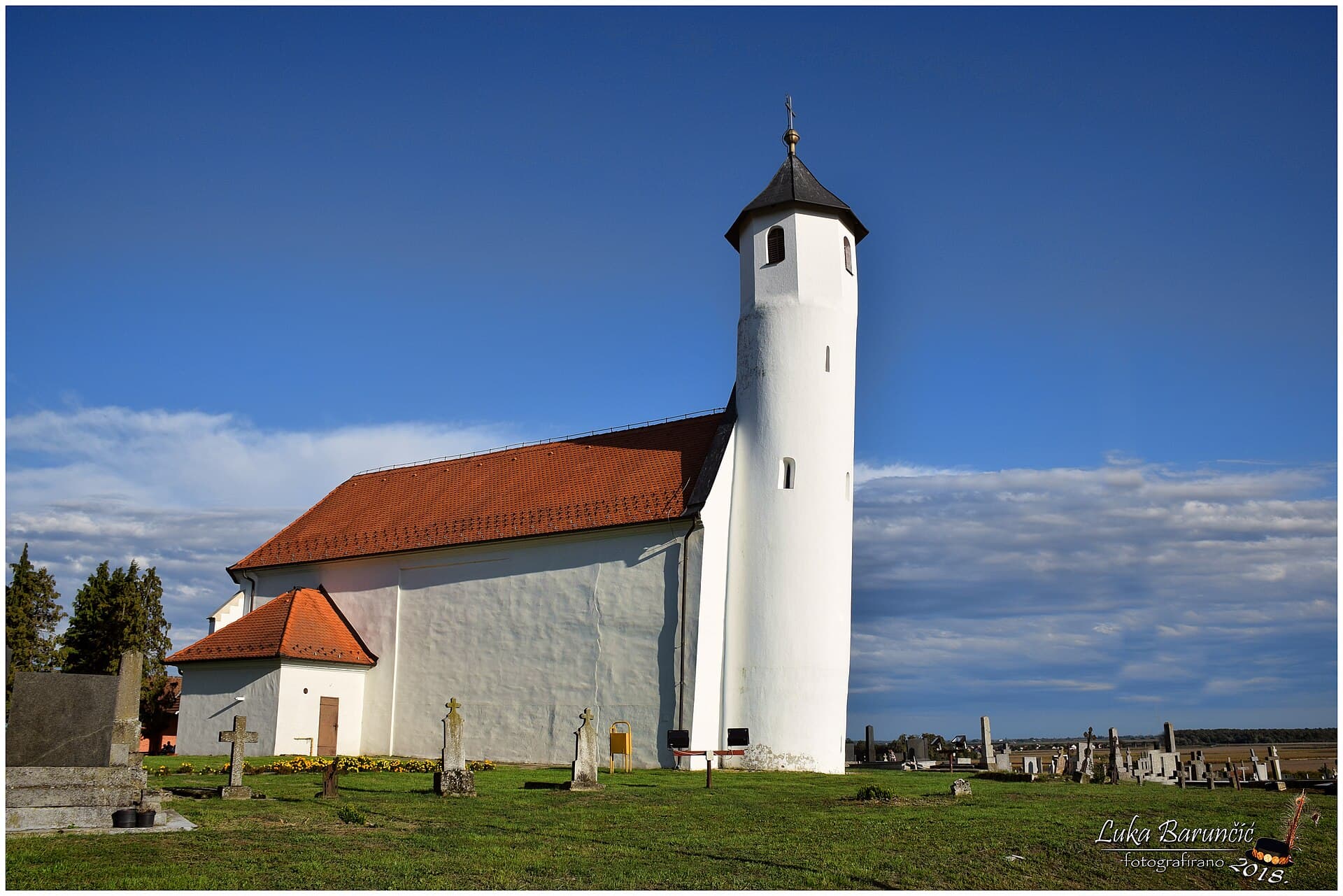
St. Bartholomew's Church in Novi Mikanovci
Landmark · Novi Mikanovci
church building in Stari Mikanovci, Croatia
21 km from Sikirevci


Stays
No stays listed here yet
Things to do
Begin at the parish Church of St Nicholas, built after the village’s small 1773 church was demolished; the present foundation was blessed in 1848 and the completed building in 1851. A walk along the main street then reveals the ordered house rows inherited from Sikirevci’s Military Frontier period. For the village’s most distinctive cultural experience, contact the Sikirevački motivi association in Gajeva Street in advance and ask whether its sun-lace work can be presented. Members create round, heart-shaped, square and eye-shaped motifs on wooden frames for folk dress and household textiles. A short local excursion can continue five kilometres to Jaruge, a Sava-side village whose Church of the Ascension dates from 1902.
Tours and activities
AdAd · partner offers: GetYourGuideThe partner handles booking, payment and support. StayBravo may earn a commission on bookings made through these links.How we choose offersGetYourGuide offers are selected and ordered by GetYourGuide based on the name of the nearest larger town or national park; we do not influence their selection and do not use data about you.GetYourGuide · Đakovo
We show GetYourGuide offers once you allow their cookies.
Practical information
Getting there and around
Sikirevci lies about 40 kilometres east of Slavonski Brod, close to the A3 motorway and the D7 state road. The Đakovo–Slavonski Šamac railway passes nearby, but travellers should verify actual stops and connections in the 2026 timetable. Road links lead north and west towards Velika Kopanica and Slavonski Brod, and south towards Slavonski Šamac and the Sava crossing. Jaruge is five kilometres away on county road Ž4210, which connects through Oprisavci with the Slavonski Brod direction and the D7. A car is the practical choice for combining the Church of St Nicholas, the lace-makers’ association and neighbouring Posavina settlements, as local public transport does not provide the flexibility needed for a short cultural circuit.
Frequently asked questions
What makes Sikirevci lace distinctive?
The Sikirevci motif is a form of sun lace made with a needle on a wooden frame and inserted into folk costume; the craft is protected intangible cultural heritage.
When was Sikirevci first mentioned?
Sikirevci was first recorded in 1540 as a river crossing served by a ferry.
How far is Jaruge from Sikirevci?
Jaruge lies about five kilometres northwest of Sikirevci on the left bank of the Sava.
Nearby
Sikirevci
Open in OpenStreetMap(opens in a new tab)Smaller places
straight-line distance
Related guides

Osijek
Tvrđa and the centre around the main square are distinct starting points for understanding Osijek. The former emphasises the fortified historic quarter and Baroque architecture; the latter…
Read the guide

Vukovar
A cultural visit to Vukovar has several separate centres of gravity. Eltz Palace and the City Museum address the city and its inhabitants across different periods. Vučedol reaches much…
Read the guide

Stubičke Toplice
Stubičke Toplice derives almost its entire identity from thermal water and the Zagorje landscape. There is no large urban historic core; green spaces, bathing facilities and traces of the…
Read the guide
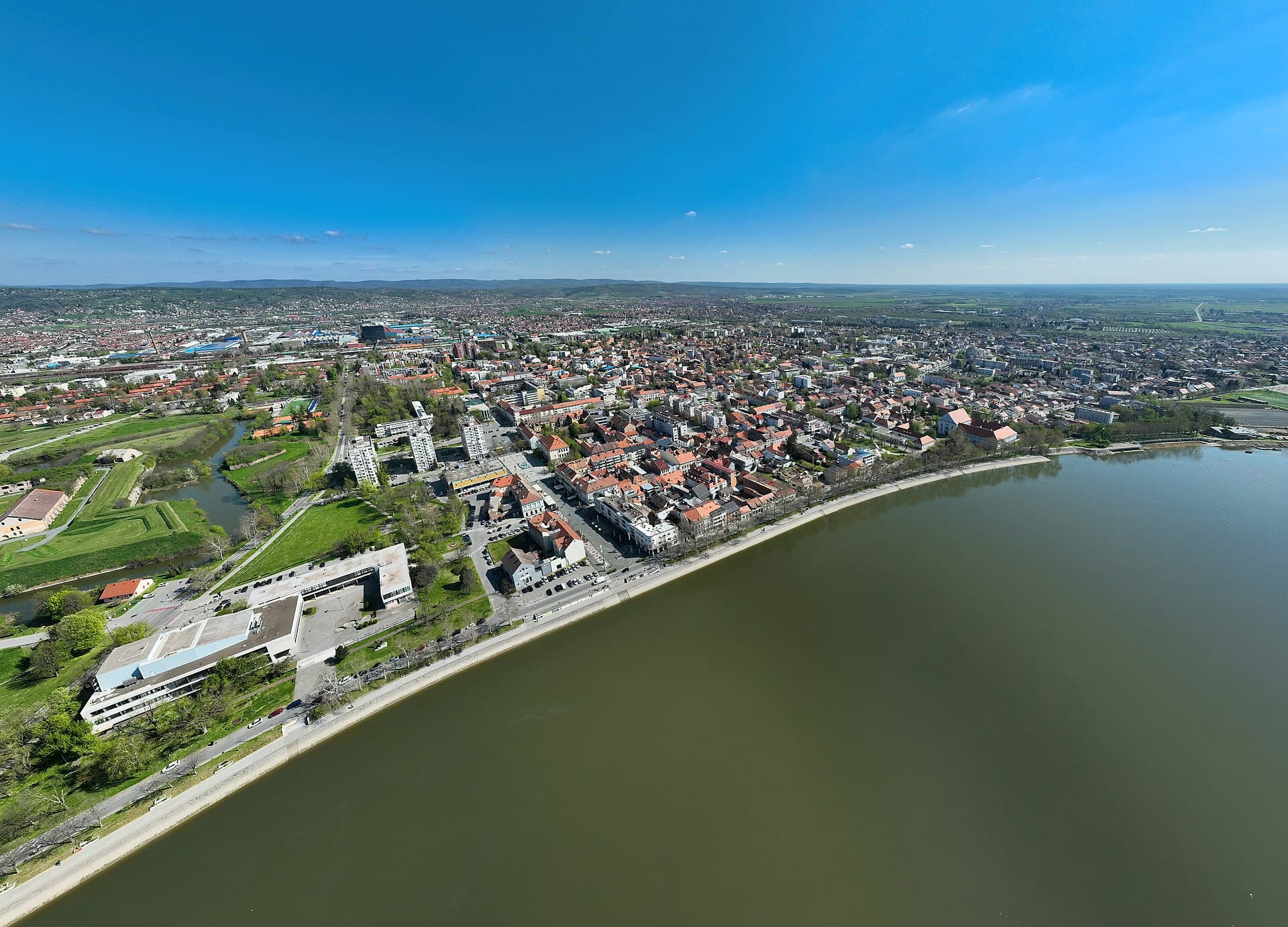
Slavonski Brod
Slavonski Brod developed around one of the major crossings of the Sava, and that border and transport role left a strong mark on the city. Brod Fortress represents the eighteenth-century…
Read the guide
Know Sikirevci? Correct us
Tell us in your own words what is not accurate. We check right away.Do not enter personal data. Corrections are checked by the StayBravo AI assistant; changes to the description are approved by an editor. Use the form instead
Do you know Sikirevci?
Help the guests who come after you.
Help us complete
Nothing is published without an editor’s review.Report illegal content
Photo credits: Babina Greda, St. Bartholomew's Church in Novi Mikanovci — Barun501 (CC BY-SA 4.0) · Slavonski Šamac — Szajci (CC BY-SA 4.0) · Prnjavor, Gajna — Frka (CC BY-SA 3.0) · Kupina, Velika Kopanica — Antun Švaganović (CC BY 3.0) · Đakovo Cathedral — Author's own photo (CC BY 2.5) · Bošnjaci Forestry Museum — Vunić (CC BY-SA 4.0) · Osijek — Rp031 (CC BY-SA 4.0) · Vukovar — Bybbisch94, Christian Gebhardt (CC BY-SA 4.0) · Stubičke Toplice — MOs810 (CC BY-SA 4.0) · Slavonski Brod — Petar Milošević (CC BY-SA 4.0)