
Babina Greda
About this place
Babina Greda lies in the Županja Posavina, between the Slavonian plain, woodland and the Sava’s floodplain. Horses have shaped the village’s identity: around 1780 it was among the few Military Frontier settlements with a stallion stud, while systematic Lipizzaner breeding began in 1936. The Babina Greda Horse Breeders’ Association, founded in 1942, organises the Konji bijelci event, featuring decorated carriages, courier riding, pole driving and former skills such as assembling a wagon. Another distinctive element is the tradition of stanovi, detached livestock holdings with farm buildings outside the village, whose daily life is recreated during Starinski susreti. The nineteenth-century Church of St Lawrence forms the sacred focal point, while the site of the former Kostroman stronghold lies about 3.5 kilometres south of the settlement. Babina Greda particularly suits visitors interested in Lipizzaners, Šokac customs and the Sava lowlands, especially when its equestrian celebrations are taking place.
Babina Greda is more than a large Posavina village: its layout and customs grew from livestock farming, horse breeding and life at detached farmsteads known as stanovi. Woodland covers 17.81 percent of the municipality, while the Sava floodplain supports wetland plants and animals characteristic of the Županja Posavina. The Lipizzaner is the village’s defining symbol; its first purebred stallion arrived from Kutjevo in 1936, and the local breeders’ association was founded in 1942. Historical depth comes from Kostroman, the site of a former stronghold and the Church of St Dionysius about 3.5 kilometres south of the modern settlement. Within Babina Greda itself, the Church of St Lawrence, ethnographic collections and equestrian celebrations sustain its Šokac identity.
Things to see

Bošnjaci Forestry Museum
Museum · Bošnjaci
forestry museum in Bošnjaci, Croatia
19 km from Babina Greda
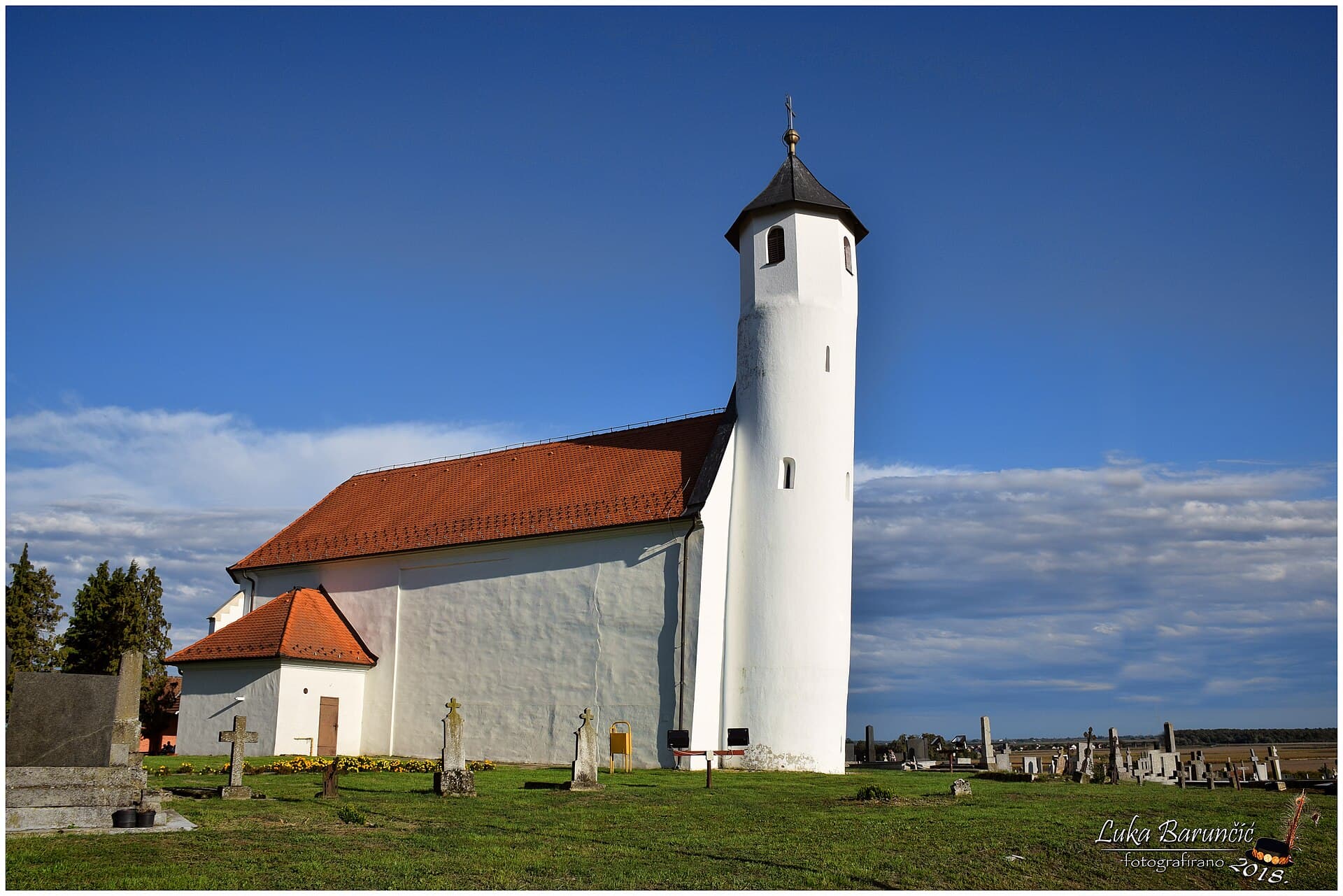
St. Bartholomew's Church in Novi Mikanovci
Landmark · Novi Mikanovci
church building in Stari Mikanovci, Croatia
19 km from Babina Greda
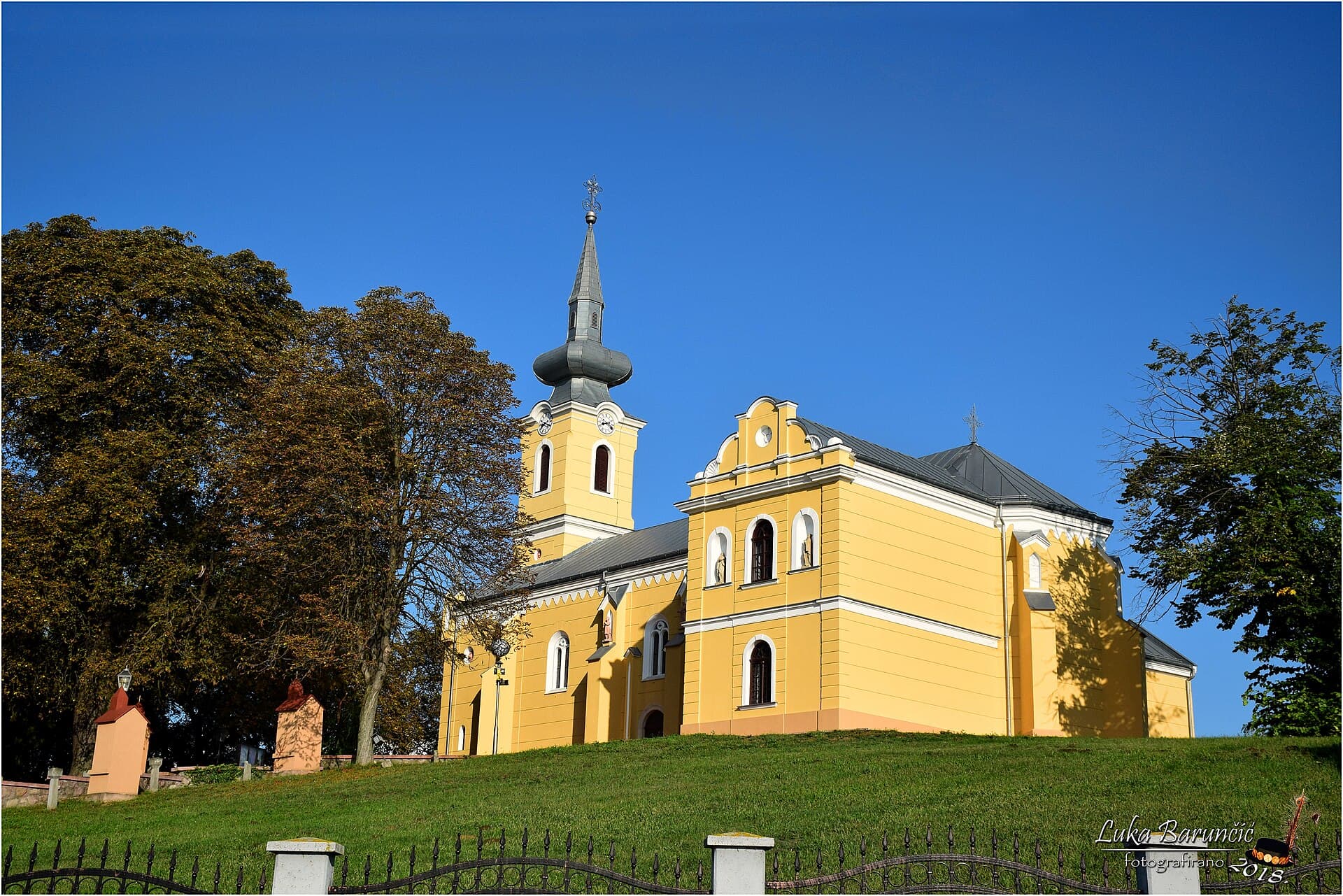
župa Rođenja sv. Ivana Krstitelja
Landmark · Ivankovo
The Parish Church of the Nativity of St John the Baptist in Ivankovo is a medieval church distinguished by a single nave and polygonal sanctuary.
23 km from Babina Greda

Stays
No stays listed here yet
Things to do
For a first look at Babina Greda, walk through the centre to the Church of St Lawrence, then seek out displays interpreting former life at the Posavina stanovi. The village’s horse-breeding culture is most vivid during Konji bijelci, when ceremonial carriages parade and competitors demonstrate pole driving, courier riding, harnessing and wagon assembly. Outside the event dates, a visit to the breeders’ association at Sajmište 7 should be arranged in advance. A short field excursion can lead toward the Kostroman site south of the village, though visitors should not expect a restored monumental fortress. Complete the day with a drive around the municipality’s wooded margins and the floodplain landscape toward the Sava.
Tours and activities
AdAd · partner offers: GetYourGuideThe partner handles booking, payment and support. StayBravo may earn a commission on bookings made through these links.How we choose offersGetYourGuide offers are selected and ordered by GetYourGuide based on the name of the nearest larger town or national park; we do not influence their selection and do not use data about you.GetYourGuide · Đakovo
We show GetYourGuide offers once you allow their cookies.
Practical information
Getting there and around
Babina Greda has direct road access through the Babina Greda interchange on the A3 Zagreb–Lipovac motorway, making it straightforward to reach by car from Zagreb, Slavonski Brod or Županja. The D520 links the motorway interchange with Babina Greda and Slavonski Šamac, while county roads connect the village with Cerna, Gundinci, Štitar and Prkovci. The Croatian Encyclopedia places Babina Greda 18 kilometres northwest of Županja and 32 kilometres southeast of Đakovo. There is no passenger railway station in the village, so a car is preferable for reaching the former farmstead landscape, woodland margins and Kostroman site. Bus departures toward Županja or Vinkovci should be checked immediately before travel.
Frequently asked questions
When is Konji bijelci held?
The local horse breeders’ association identifies the second weekend in June as the traditional date for Konji bijelci.
What are Babina Greda’s stanovi?
The stanovi were detached holdings outside the village, containing farm buildings, livestock and the family members who tended the animals.
Does Babina Greda have its own motorway interchange?
The Babina Greda interchange is on the A3 motorway, with the D520 connecting it to the village and Slavonski Šamac.
Nearby
Babina Greda
Open in OpenStreetMap(opens in a new tab)straight-line distance
Related guides

Osijek
Tvrđa and the centre around the main square are distinct starting points for understanding Osijek. The former emphasises the fortified historic quarter and Baroque architecture; the latter…
Read the guide

Vukovar
A cultural visit to Vukovar has several separate centres of gravity. Eltz Palace and the City Museum address the city and its inhabitants across different periods. Vučedol reaches much…
Read the guide

Stubičke Toplice
Stubičke Toplice derives almost its entire identity from thermal water and the Zagorje landscape. There is no large urban historic core; green spaces, bathing facilities and traces of the…
Read the guide
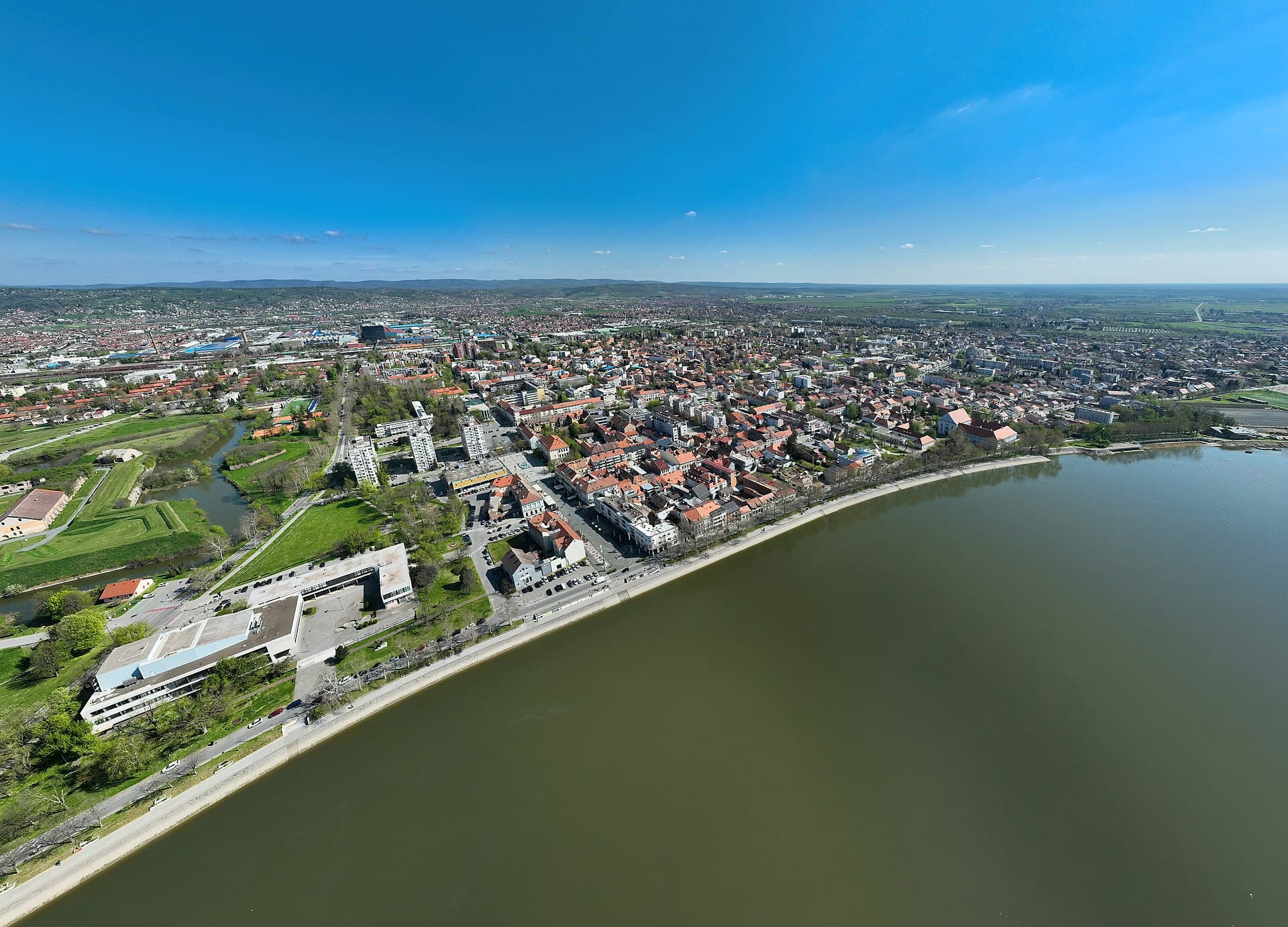
Slavonski Brod
Slavonski Brod developed around one of the major crossings of the Sava, and that border and transport role left a strong mark on the city. Brod Fortress represents the eighteenth-century…
Read the guide
Know Babina Greda? Correct us
Tell us in your own words what is not accurate. We check right away.Do not enter personal data. Corrections are checked by the StayBravo AI assistant; changes to the description are approved by an editor. Use the form instead
Do you know Babina Greda?
Help the guests who come after you.
Help us complete
Nothing is published without an editor’s review.Report illegal content
Photo credits: Babina Greda, Prkovci, St. Bartholomew's Church in Novi Mikanovci, župa Rođenja sv. Ivana Krstitelja — Barun501 (CC BY-SA 4.0) · Slavonski Šamac — Szajci (CC BY-SA 4.0) · Bošnjaci Forestry Museum — Vunić (CC BY-SA 4.0) · Đakovo Cathedral — Author's own photo (CC BY 2.5) · Osijek — Rp031 (CC BY-SA 4.0) · Vukovar — Bybbisch94, Christian Gebhardt (CC BY-SA 4.0) · Stubičke Toplice — MOs810 (CC BY-SA 4.0) · Slavonski Brod — Petar Milošević (CC BY-SA 4.0)