Tar
About this place
Tar occupies a fertile Istrian plateau 112 metres above the Adriatic, midway between Poreč and Novigrad, with its coastal side descending towards Tarska Vala and the Lanterna peninsula. The local landscape unites Tar, Vabriga and Frata, settlements that once had separate parishes, churches and bell towers. Old Tar appears in records from 983, while the present village took shape in the later 13th century around St Martin’s Church, the parish church from the 14th century onward. At nearby Loron, workshops produced amphorae for transporting olive oil from the 1st to the 6th century, giving today’s olive growers an unusually tangible historical backdrop. Tastings and the Olive Oil Trail carry that identity into a visit. Swimming requires a short descent from the plateau to Santa Marina, Tarska Vala or the broad resort shoreline at Lanterna, while the Fisherman’s House in Santa Marina interprets the area’s maritime livelihood. The road linking Poreč and Novigrad makes both towns easy day trips, yet Tar’s defining combination remains distinctly local: hilltop fields and olive groves above small fishing coves and old stone churches.
Tar is not a conventional seaside village: its centre sits on a plateau, with the coast unfolding below towards Tarska Vala, Santa Marina and Lanterna. The main Poreč–Novigrad road separates Tar from Vabriga physically, although olive growing, fishing and tourism bind their daily life together. St Martin’s Church marks central Tar; the Church of the Immaculate Conception belongs to Vabriga, while Frata is identified by St Michael’s Church and its Romanesque bell tower. Olive oil provides the strongest thread through this small area, from the Roman amphora workshops at Loron to present-day groves and tasting rooms around Tar.
Things to see
Tar’s parish church of St Martin preserves a stone inscription marking Pope Pius VII’s stay in the port of Tarska vala on 13 and 14 August 1800; the church was enlarged and restored in the early 19th century. In Vabriga, the Church of the Blessed Virgin Mary holds two 1602 paintings by Zorzi Ventura, while Frata is marked by a 13th-century Romanesque bell tower. Loron and Santa Marina add an ancient-Roman dimension, with recorded rural estates, oil mills, amphora production and harbour remains.
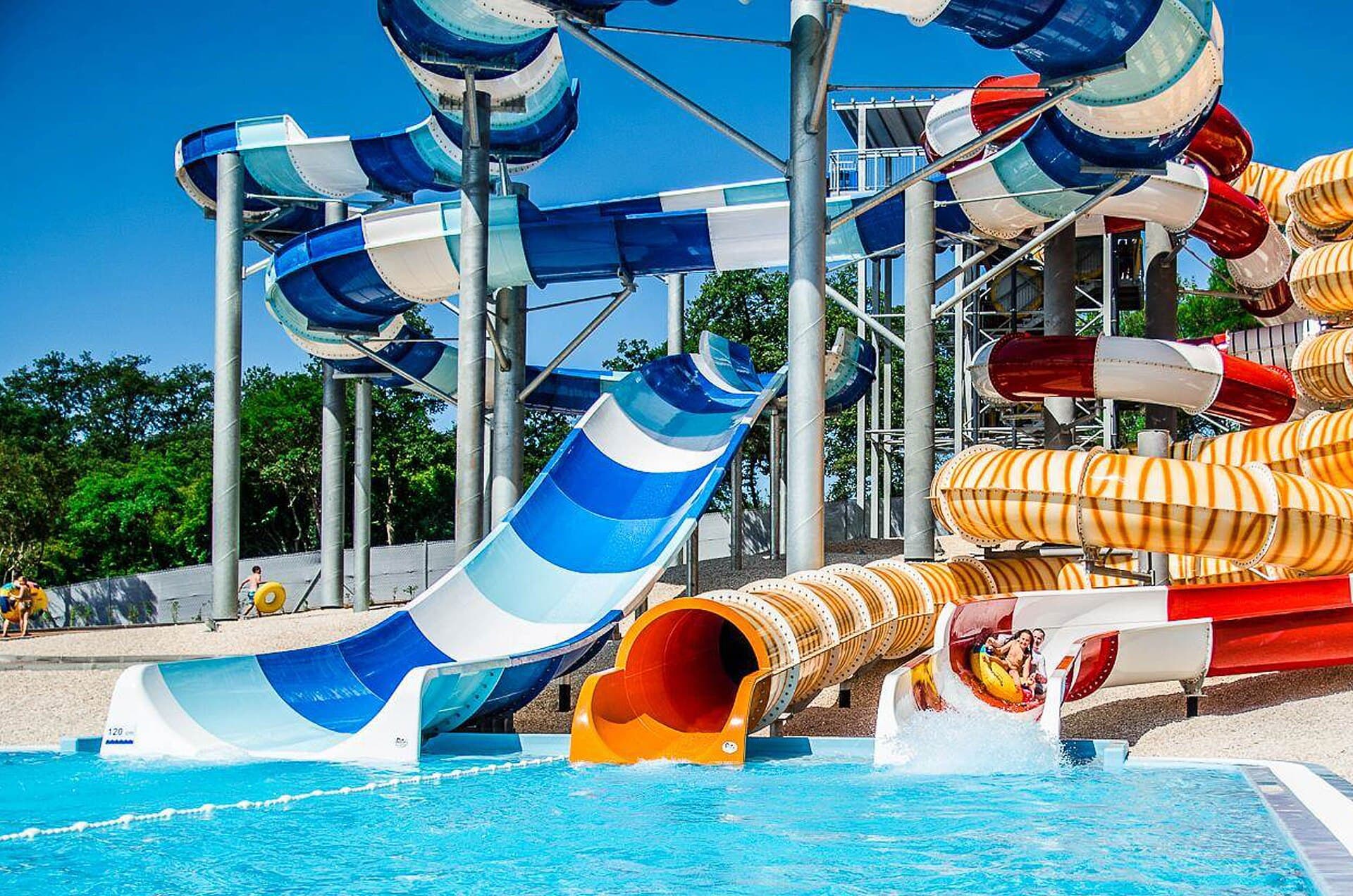

Church of Saint Pelage in Novigrad, Istria
Landmark · Novigrad
church building in Novigrad, Croatia
5 km from Tar
 UNESCO
Stays nearby
- Apartment
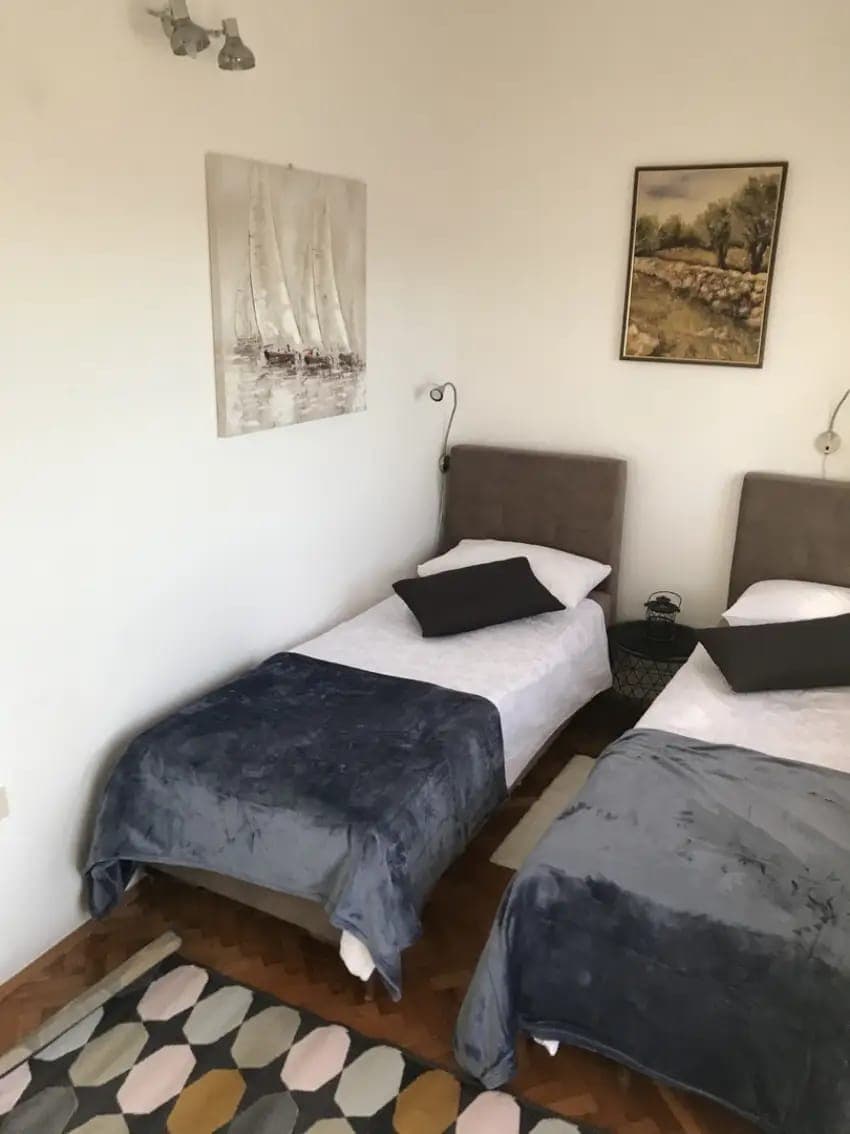 3 km from Tar
- Apartment
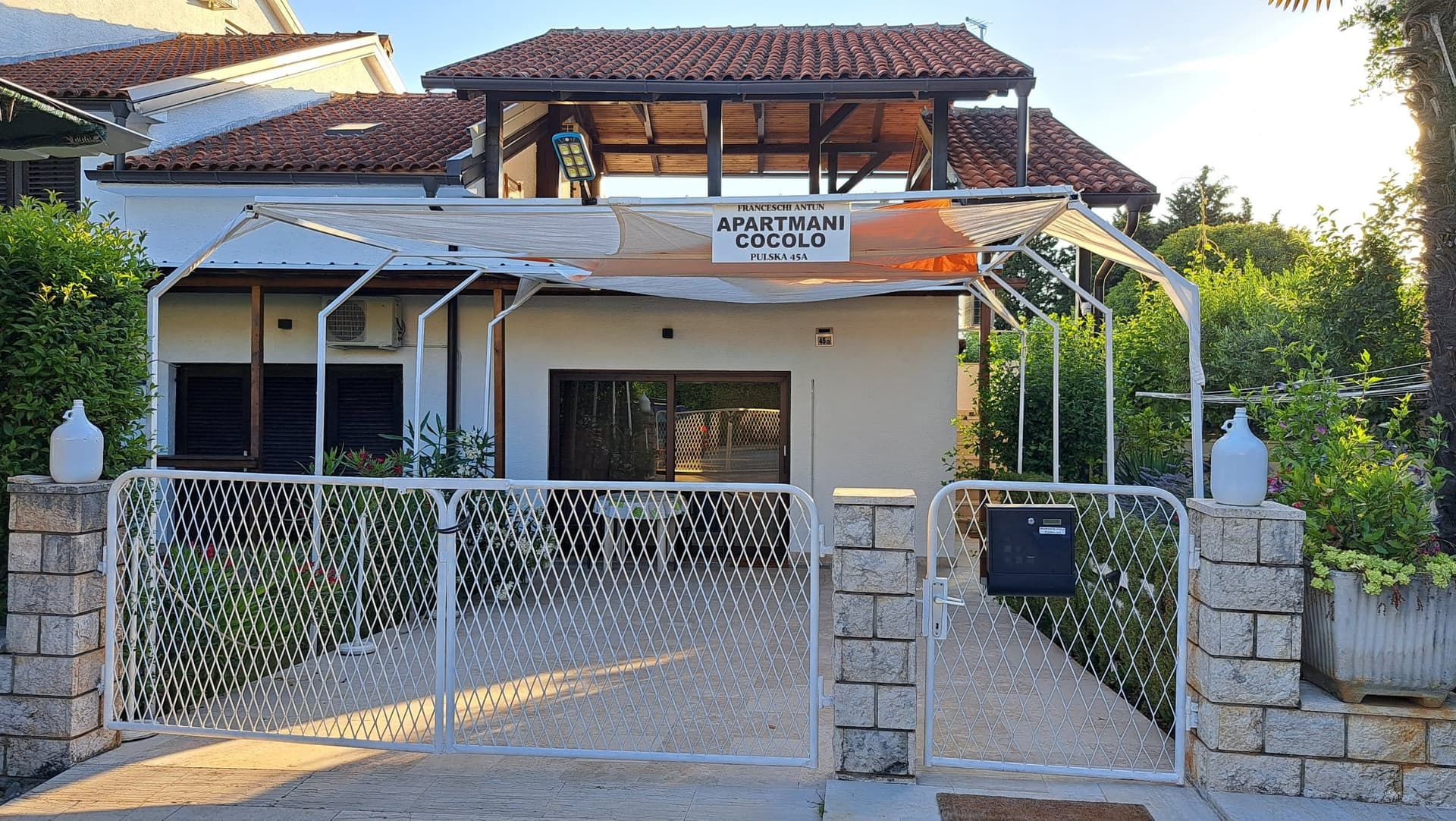 9 km from Tar
- Apartment
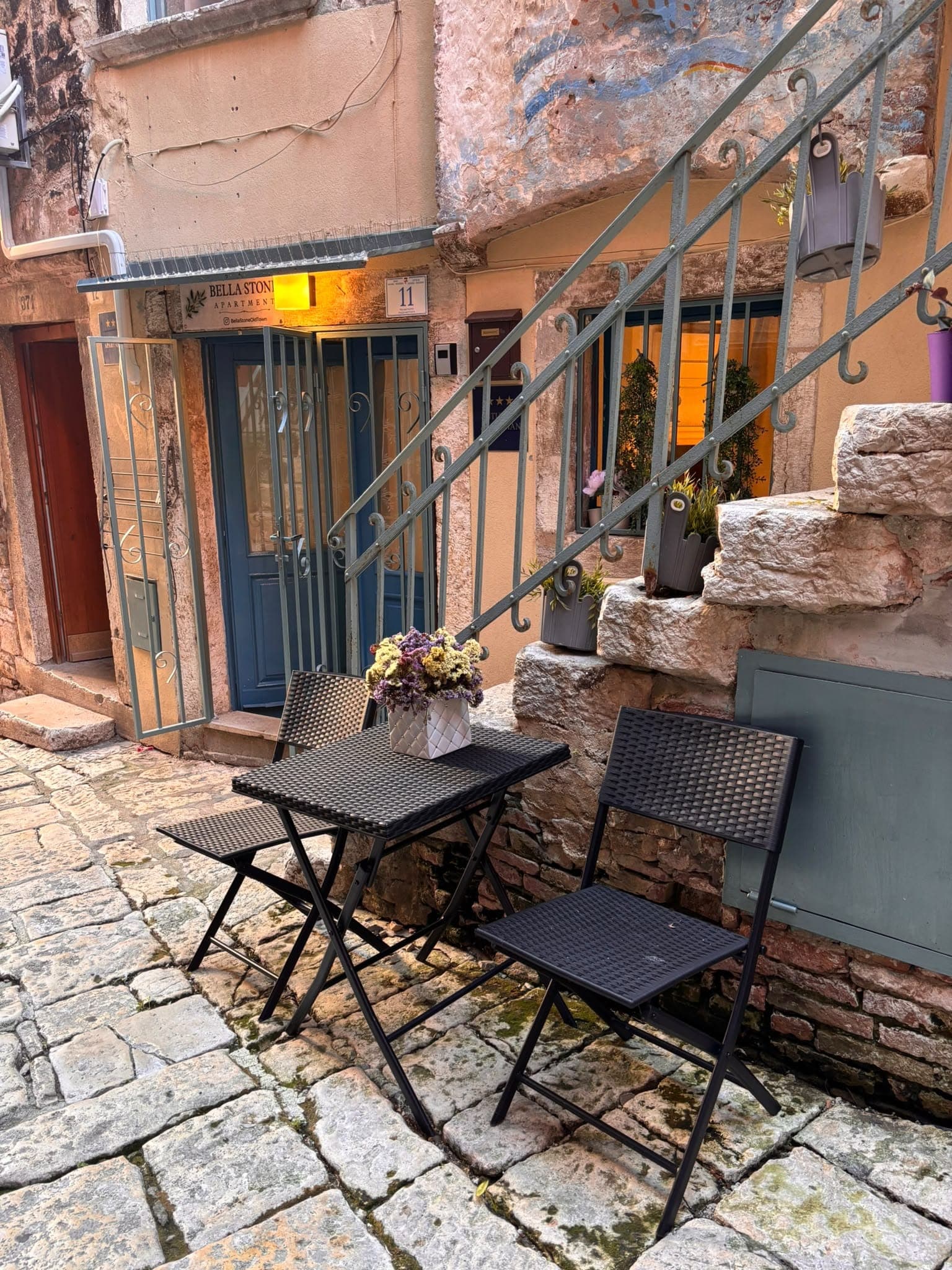 24 km from Tar
- Apartment
 24 km from Tar
- Holiday home
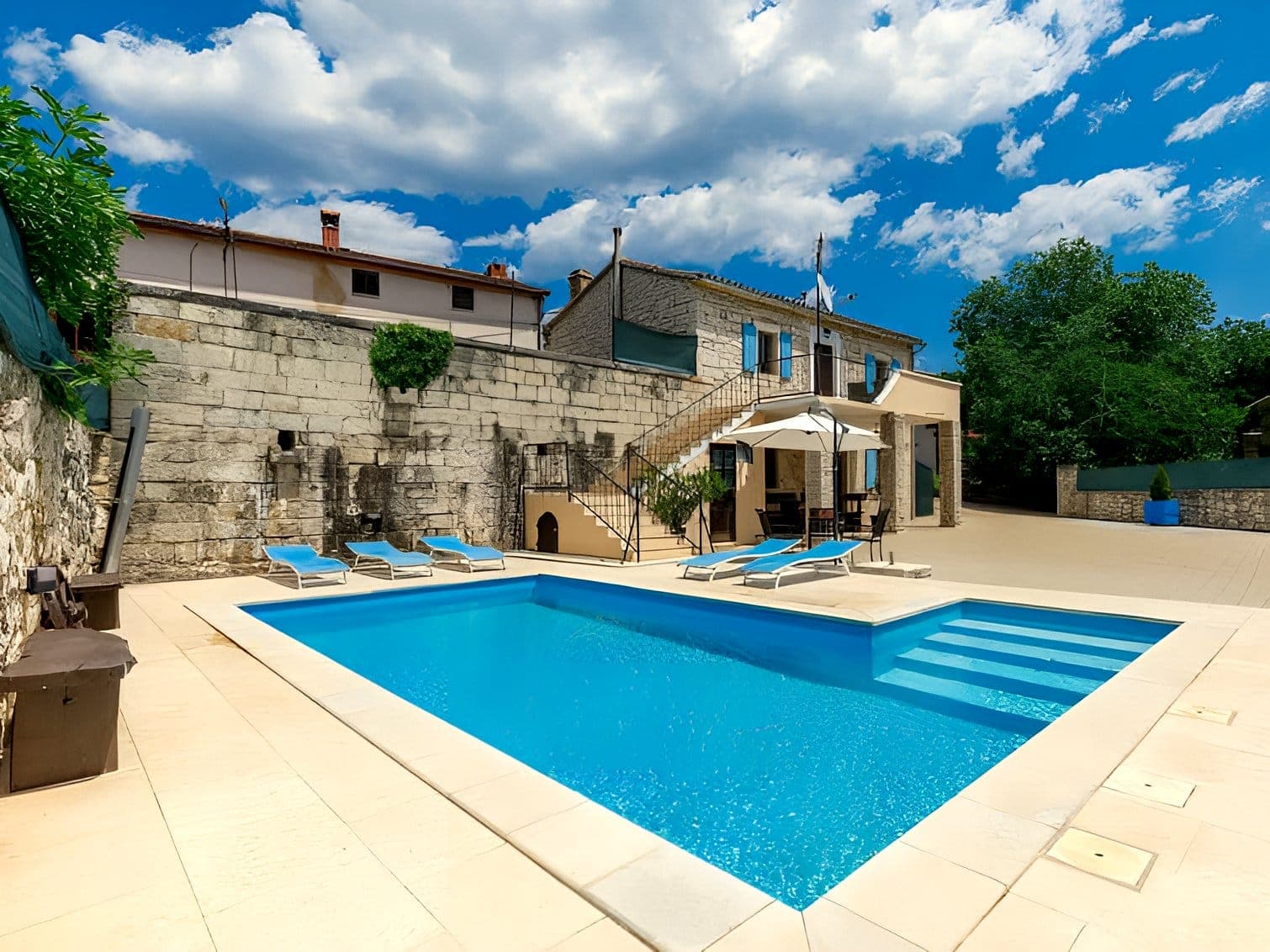 25 km from Tar
Be the first to list here
Guests looking for this place only see stays nearby for now. No commission, and enquiries come straight to you.
List your accommodation
Beaches
Tar stands several kilometres above the shoreline, so beach time means travelling down to Tarska Vala, Santa Marina or Lanterna. The official bathing-water profile for Tarska Vala records free parking, useful when arriving from the plateau. Lanterna provides the widest choice of developed resort shoreline, whereas Santa Marina is a smaller harbour closely tied to Vabriga’s fishing identity. A free summer shuttle pilot in 2025 linked Tar and Vabriga with Santa Marina, Valamar Camping Lanterna, Lanterna Resort and Solaris, clearly identifying the coastal areas most closely connected with the village.
Bathing water quality nearby
- Tarska vala · 1.8 kmexcellent
- AC Lanterna - Plaža Valeta · 2.8 kmexcellent
Source: European Environment Agency (EEA); data from Croatian authorities. · bathing water profile
Things to do
Begin in Tar at St Martin’s parish church, whose façade inscription records the visit of Pope Pius VII in 1800. Follow St Martin’s Path through the old centre, then continue towards Vabriga, St Anthony’s Church and the waterfront at Santa Marina. Cyclists can take the Olive Oil Trail, shown on the official Tar–Vabriga map beside Tar’s olive mill and the groves leading towards Larun. On the headland between Santa Marina and Valelunga, the Roman site of Loron preserves traces of a country estate, pottery workshops, an olive press and water cisterns. Finish at the Fisherman’s House in Santa Marina, an interpretation venue devoted to the area’s fishing heritage.
Food and drink
Food in Tar is best explored through olive oil, Adriatic fish and produce from the surrounding fields. A catalogue of local growers connects today’s oils with Loron, the Roman centre that manufactured amphorae for the oil trade, while the destination map identifies oil-and-wine tasting rooms and a local dairy. At Santa Marina, Al Penon serves fish and seafood directly beside the cove and pairs naturally with a visit to the Fisherman’s House. The local “Na pjatu” programme has featured combinations such as mullet ceviche with Tar olive oil, green ravioli filled with salt cod and garfish in Malvasia sauce, joining the fishing coast to inland Istrian flavours.
Tours and activities
AdAd · partner offers: Viator, GetYourGuideThe partner handles booking, payment and support. StayBravo may earn a commission on bookings made through these links.How we choose offersWe choose offers based on the page you are viewing: the partner destination for this place or the nearest one (with its distance), and on a sight page only offers that mention it. We show offers rated at least 4.3 with at least 10 reviews, without multi-day tours or pure transfers, ordered by rating adjusted for the number of reviews and then by the partner’s order. We do not use data about you, and the commission does not affect the order.GetYourGuide offers are selected and ordered by GetYourGuide based on the name of the nearest larger town or national park; we do not influence their selection and do not use data about you.Viator
Nearest destination: Poreč (9 km)
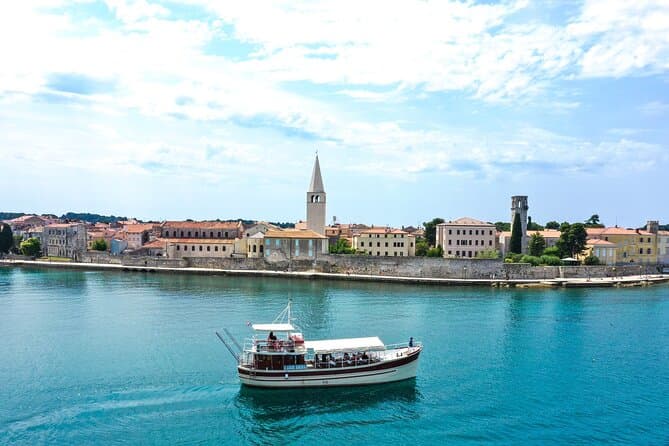
Morning Panorama: Relaxing Among 20 Islands around Poreč Riviera (opens in a new tab)
Start your journey from the port of Poreč, with panoramic view of Istrian west coast. Embark on a boat ride along the coast towards the beautiful town of Vrsar, which will take you on an…
Rated 4.9 out of 5 · 22 reviews· 2 h
Free cancellation
from €24
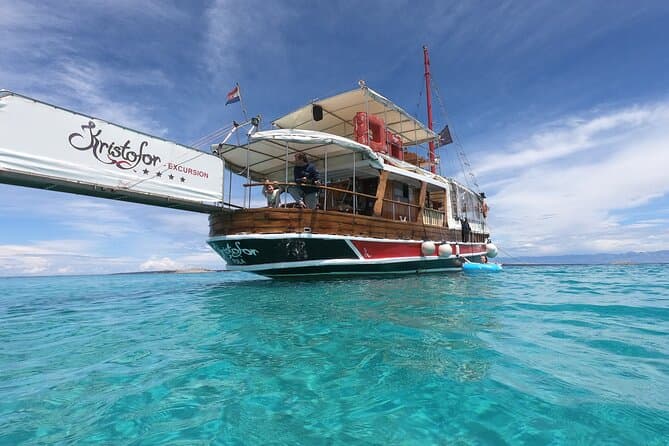
Fish Picnic excursion on Kristofor boat (opens in a new tab)
Ready for a day sea trip from Poreč to Rovinj? Enjoy an amazing view of the west coast of Istria and then a romantic walk through Rovinj. You'll be able to enjoy a delicious lunch on board just…
Rated 4.8 out of 5 · 27 reviews· 7 h
Free cancellation
from €50
Exploration of the Istrian Coast Poreč Rovinj Lim fjord and Vrsar (opens in a new tab)
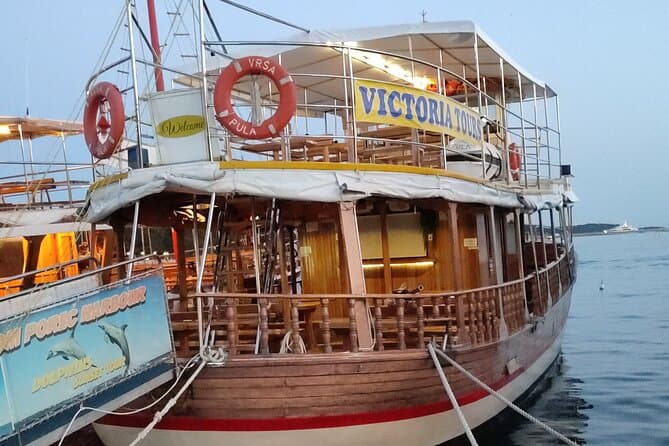
Islands, rocks, wildlife, bays, romantic villages... you will see the beautiful Istrian coast, taking a daily excursion with our beautiful wooden boat. Starting from Poreč you can see the various…
Rated 4.7 out of 5 · 42 reviews· 6 h
Free cancellation
from €40
GetYourGuide · Poreč
We show GetYourGuide offers once you allow their cookies.
Practical information
Practical information
The Tar–Vabriga tourist office is at Istarska 8a in Tar and can be reached on +385 52 443 250 or at [email protected]. The official village map marks Tar’s post office, bank, cash machines, shops, bakery and petrol station, together with charging points for electric cars and bicycles. It also locates the tourist office, public parking and a toilet, making the map useful before setting out for the coast. As Tar and Vabriga occupy the plateau while Tarska Vala, Santa Marina and Lanterna lie below by the sea, accommodation and daily journeys should be planned around that real geographic separation.
Parking
The official Tar–Vabriga map marks public parking areas in central Tar, making it practical to leave the car before exploring St Martin’s Church and the surrounding streets on foot. Municipal documents specifically identify the car park by Kaštel as a public area in Tar. The urban plan also designates a public parking zone south of the school; because this multipurpose space may host sporting events and celebrations, availability can change when a local programme is under way. Trips to Loron, Santa Marina or Lanterna require separate coastal parking rather than leaving the vehicle in Tar’s hilltop centre.
Getting there and around
Tar lies on the Poreč–Novigrad road corridor between the two towns’ bus stations; Arriva describes the full route as roughly 17 kilometres and about 20 minutes by bus. Tar appears in the operator’s fare documentation, although departures should be checked for the intended travel date. In summer 2025, a local shuttle stopped at the bus stops in Tar and Vabriga, the entrances to Lanterna and Solaris, Lanterna Resort and Santa Marina. Drivers can use the official destination map to follow the approaches from the D75 towards Tarska Vala, Santa Marina and the Lanterna peninsula.
Frequently asked questions
Where can I get a tourist map in Tar?
The tourist office is at Istarska 8a, and its official map marks churches, parking areas, tasting rooms and routes to the coast.
Can Tarska Vala be reached by car?
Yes; the official bathing-water profile for Tarska Vala lists free parking.
What connects Tar with Roman olive growing?
Loron manufactured amphorae for transporting olive oil from the 1st to the 6th century, a legacy now linked with Tar’s present-day growers.
What is Tar’s principal historic church?
St Martin’s became the parish church in the 14th century and still anchors the centre of Tar.
Where can visitors explore Tar–Vabriga’s fishing heritage?
The Fisherman’s House is in the coastal cove of Santa Marina, below Vabriga.
Nearby
Tar
Open in OpenStreetMap(opens in a new tab)Larger towns
straight-line distance
Related guides
Novigrad
Novigrad-Cittanova developed on Istria’s north-western coast near the mouth of the Mirna, in a maritime setting that shaped centuries of fishing and trade. The historic centre still…
Read the guide
Funtana
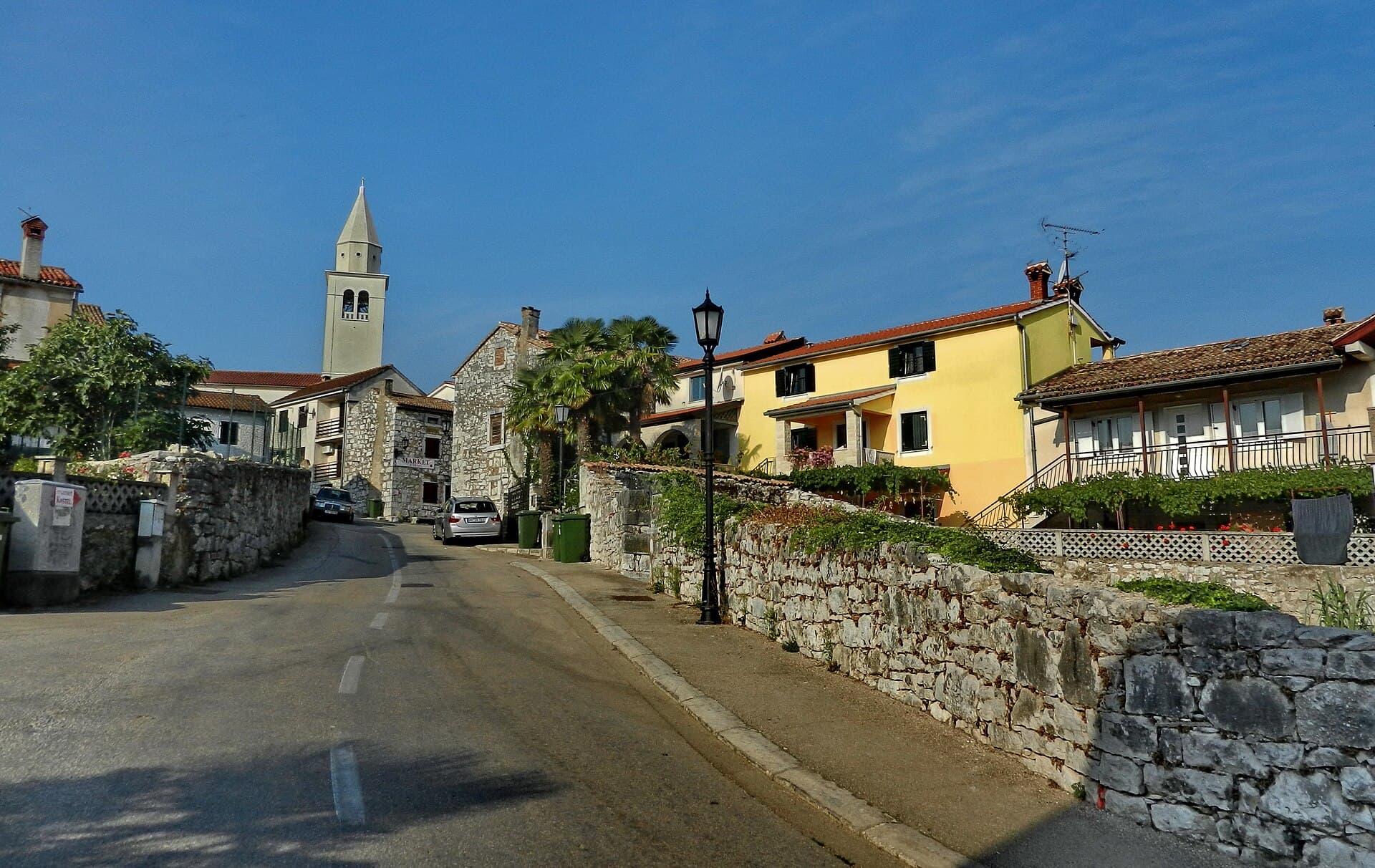
Funtana sits on Istria’s west coast along the Poreč–Vrsar road, while its shoreline extends between Zelena Laguna and Valkanela. The local tourist board links the settlement with a long…
Read the guide
Pula
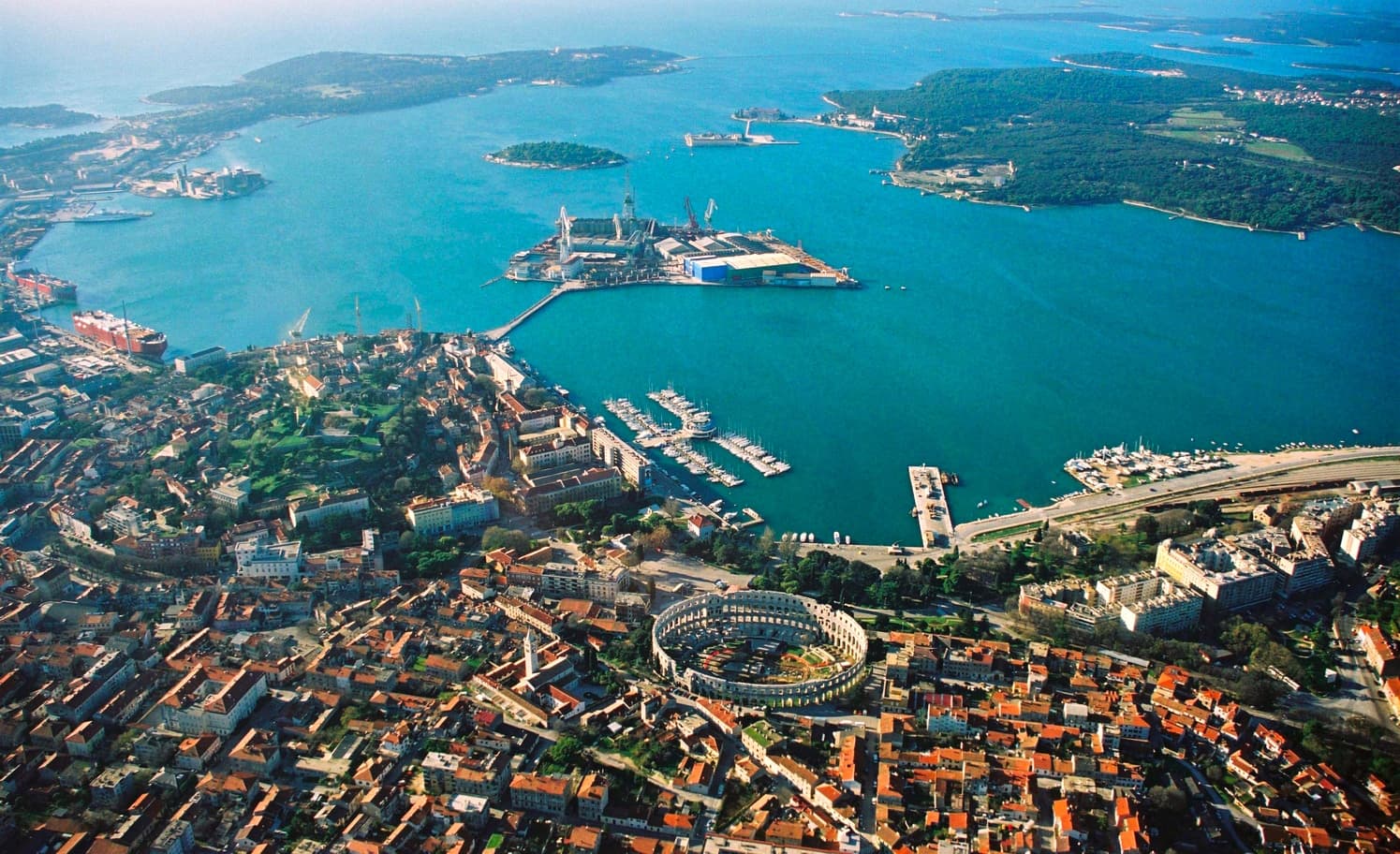
Central Pula offers two connected but different sightseeing strands. One follows public spaces and visible Roman monuments: the Arena, gates, Forum and temple. The other explores museum…
Read the guide
Poreč
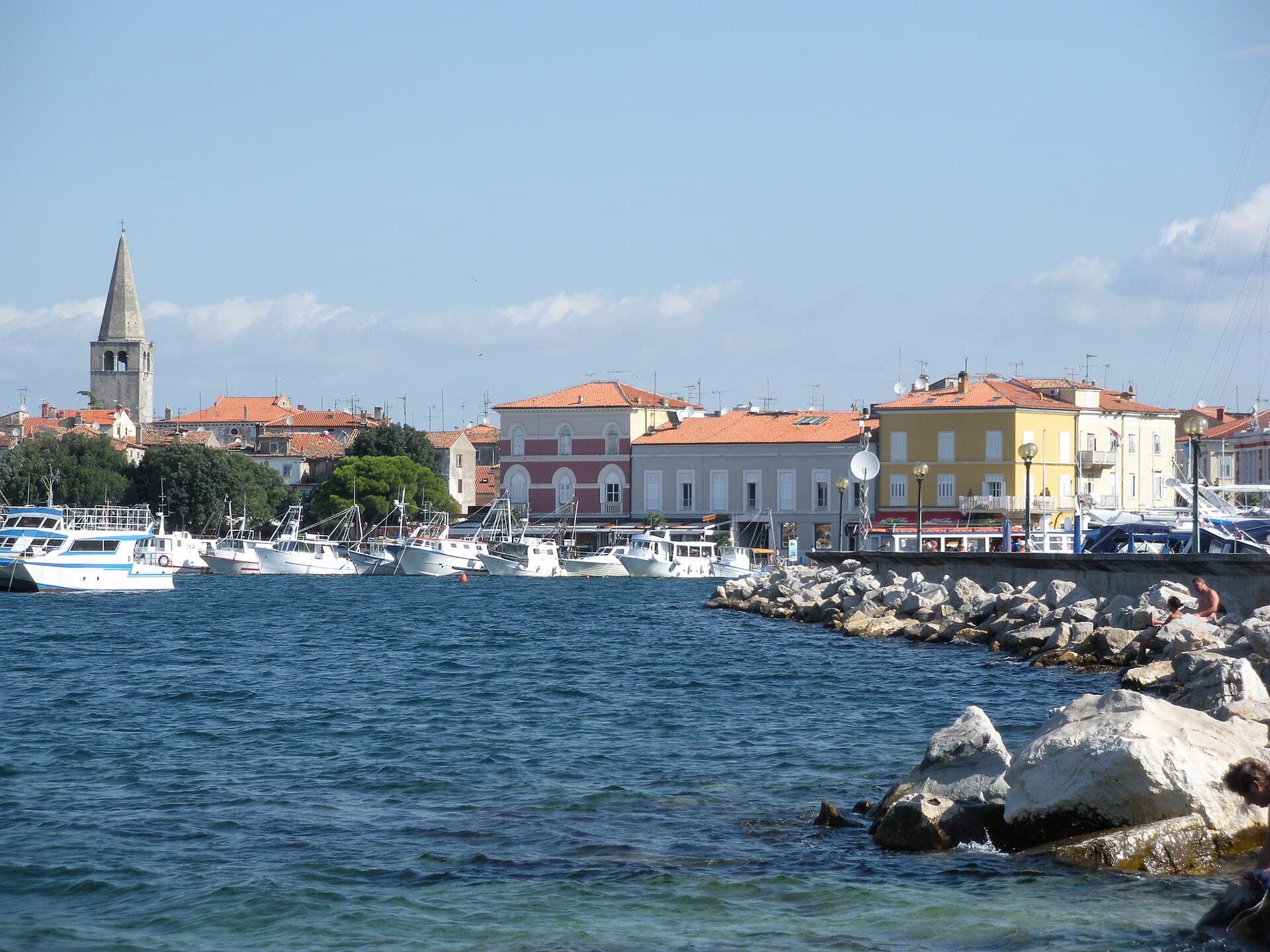
Organise the stay around the distinction between the centre and the wider holiday area. In the centre, a cultural visit can form part of a walk, while beaches, excursions and additional…
Read the guide
Know Tar? Correct us
Tell us in your own words what is not accurate. We check right away.Do not enter personal data. Corrections are checked by the StayBravo AI assistant; changes to the description are approved by an editor. Use the form instead
Do you know Tar?
Help the guests who come after you.
Help us complete
Nothing is published without an editor’s review.Report illegal content
Photo credits: Vabriga — Petar Milošević (CC BY-SA 4.0) · Antenal — Petar Milošević (CC BY-SA 3.0) · Červar-Porat, Church of Saint Pelage in Novigrad, Istria — Sl-Ziga (Public domain) · Zub Lighthouse — NordNordWest (CC BY-SA 3.0) · Istralandia — Istralandia (CC BY-SA 4.0) · Euphrasian Basilica — Tiefkuehlfan (CC BY-SA 4.0) · Apartman Antenal — Ivan Pavkovic (courtesy of the property owner) · Apartmani Cocolo — Antun Franceschi (courtesy of the property owner) · Bella Stone Old Town — Partner (courtesy of the property owner) · StayBravo App Review Demo — StayBravo App Review (courtesy of the property owner) · Holiday House Šterna — Vjekoslav Simon (courtesy of the property owner) · Funtana — Tanya Dedyukhina (CC BY 3.0) · Pula — Orlovic (CC BY-SA 3.0) · Poreč — Hobe / Holger Behr (Public domain)