Novigrad
About this place
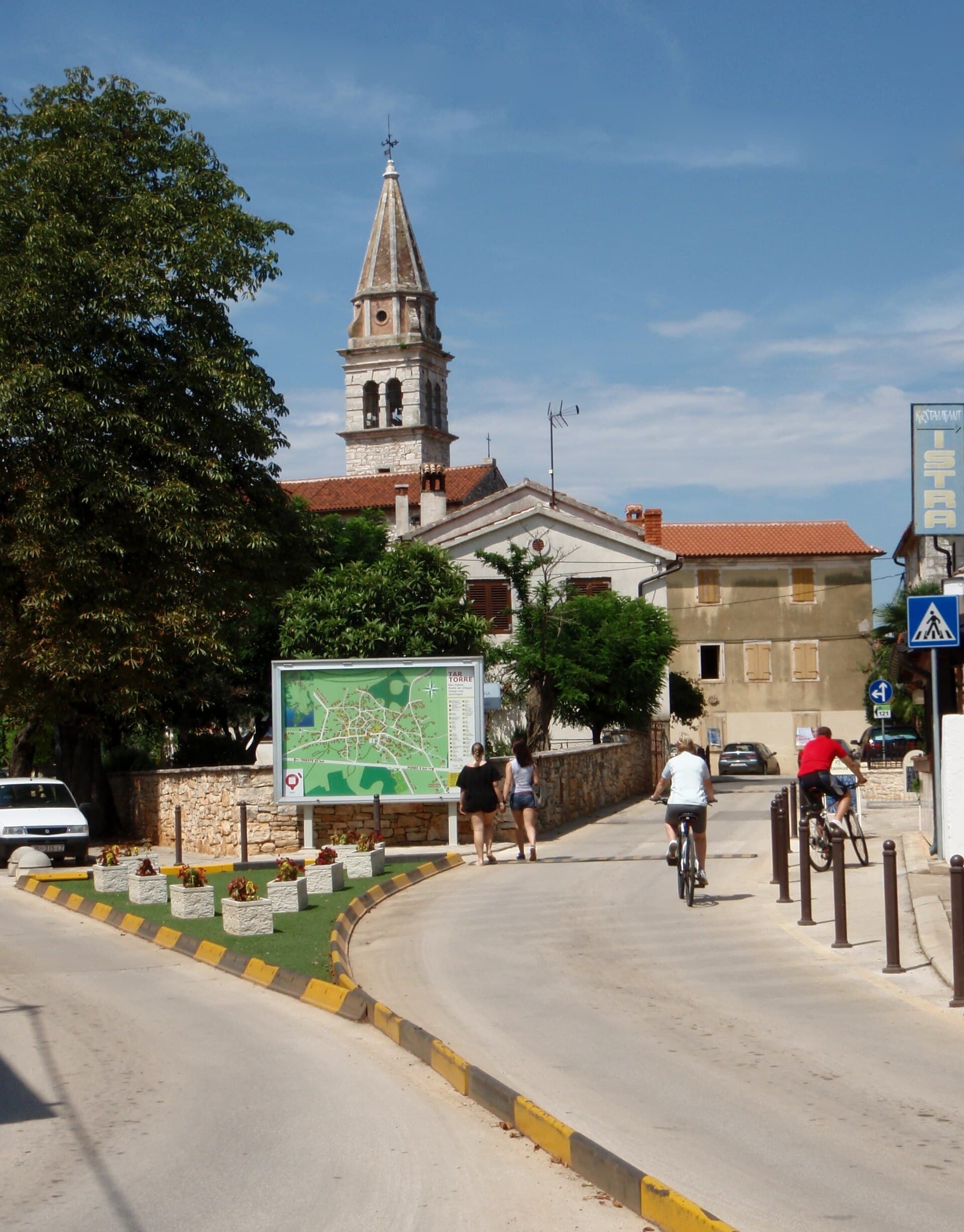
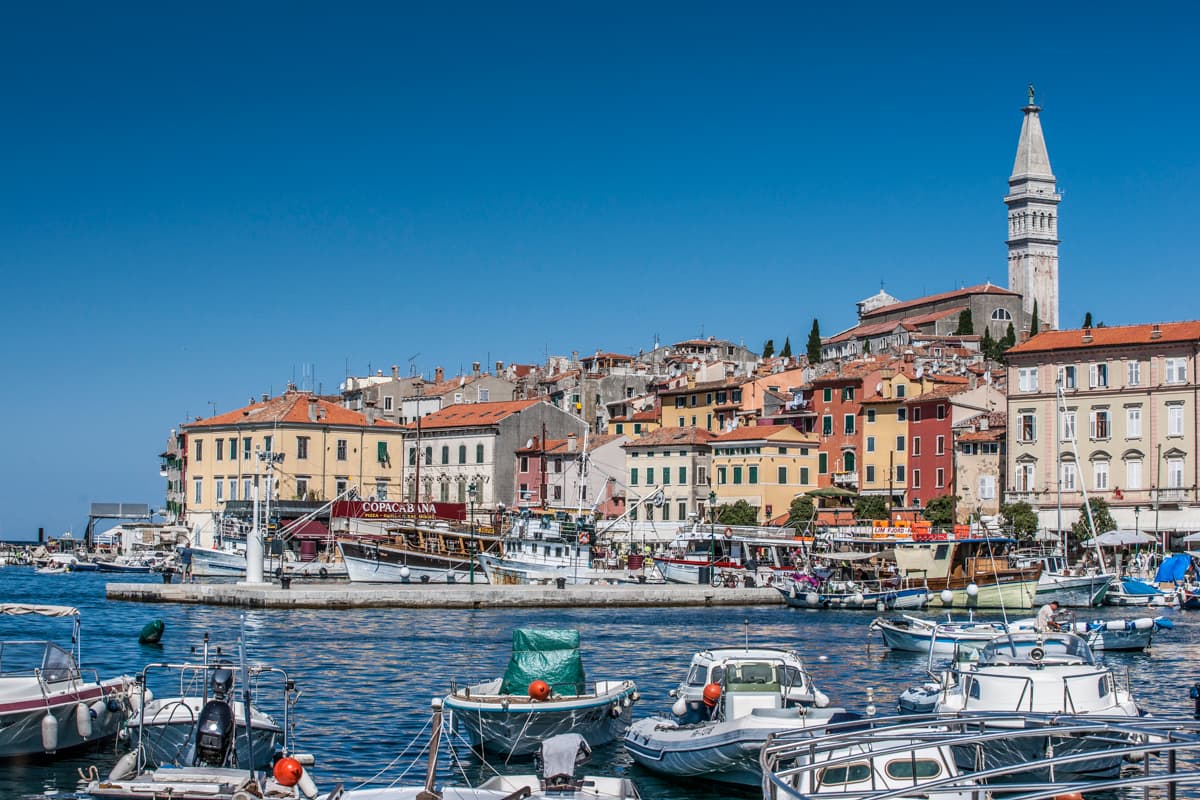
Novigrad on Istria’s west coast combines a small historic centre, surviving town walls and the sea within an area that is easy to explore on foot. The Lapidarium Museum is its main cultural stop: the collection covers stone monuments from antiquity to the late Middle Ages, with the late eighth-century Mauritius ciborium among its highlights. In the old town, look for the Church of St Pelagius and St Maximus and the seaside loggia beside the former defensive line. Swimming fits naturally into a city visit: Rivarela lies beside the historic centre, while Karpinjan offers a long pebble shore and a promenade also suited to cycling. Novigrad has a strong fishing and food tradition, but its appeal is not limited to restaurants; museums, urban architecture and the immediate waterfront provide enough material for a full day. For longer stays, its position between Poreč and Umag makes north-western Istria easy to explore.
Novigrad-Cittanova developed on Istria’s north-western coast near the mouth of the Mirna, in a maritime setting that shaped centuries of fishing and trade. The historic centre still preserves sections of medieval walls and a seaside loggia, while the Church of St Pelagius and St Maximus recalls the period when Novigrad was an episcopal seat. The town is compact enough to connect the museum, church, walls, harbour and Rivarela bathing area on foot. That proximity distinguishes Novigrad from larger Istrian bases: cultural sightseeing and time by the sea do not need to be planned as separate excursions.
Stays nearby
 Apartment
Apartmeni Klenovica.eu
Klenovica
Klenovica, 104 km from Novigrad
up to 4 guests · 1 bedroom
The host confirms the exact price for your dates and availability.
Things to see
Muzej-Museo Lapidarium preserves stone monuments dating from the first to the eighteenth century, with particular emphasis on early medieval fragments associated with the Church of St Pelagius and St Maximus. Its best-known object is the late eighth-century Mauritius ciborium, an important example of early Carolingian art. The museum building itself was completed in 2006 as a contemporary insertion into the historic centre. From the museum, the walk naturally continues to the Church of St Pelagius and St Maximus, the town walls and the seaside loggia. Rigo Gallery adds a contemporary cultural stop within the same compact urban area.
Beaches
Karpinjan has a long pebble shoreline with a gentle entry into the sea and a promenade also used for cycling, making it practical for families and more active beach days. Rivarela sits beside the old town and allows swimming to be combined with sightseeing without using a car; it mixes pebble sections with developed waterfront surfaces. Maestral, south of the centre, has a pebble shore and a broader range of sports facilities. These three locations serve different needs: Karpinjan for a longer beach stay, Rivarela for a swim during a town walk, and Maestral for a more activity-focused day.
Karpinjan
Beach · Novigrad
Karpinjan is a spacious pebble beach in Novigrad with a shallow entrance, pine shade and a Green Flag.
Things to do
Begin at the fishing harbour of Mandrač and enter the walled centre through its narrow lanes. Visit the maritime Visitor Centre, which displays a replica of a Novigrad batana, then continue to the Lapidarium Museum on Veliki trg and the crypt of St Pelagius and St Maximus. From there, find the six-slab stone cistern and the 1770 Rigo Palace before following the fortifications to the Belvedere, Istria’s only municipal loggia built directly beside the sea. In summer, climb the 44-metre bell tower, constructed in 1883, for views across the peninsula and harbour. Finish on the breakwater known locally as the Diga, an excellent place to look back at the compact old town.
Food and drink
Novigrad’s dining scene reflects both its fishing harbour and the produce of north-western Istria. Damir & Ornella, Marina and Čok are among the restaurants highlighted by Istria’s official tourism portal, while the local directory also lists Rivarela on the street of the same name, Parangal at Mandrač and Kod Kristijana in Bolnička Street. For a seafood lunch, the harbour and lanes within the walls are the natural hunting ground, pairing fish and shellfish with Malvasia and Istrian olive oil. Karpinjan offers a different setting: Lungomare lies in the coastal district north of the centre and works well after a swim or waterfront walk. Summer reservations are sensible, particularly for the smaller, ingredient-led restaurants.
Practical information
Practical information
The Tourist Information Centre stands at the entrance to the old town beside the park and Mandrač harbour. It supplies free maps, multilingual brochures and information on cycling routes, restaurants, winemakers and olive growers, and it can assist accommodation providers and guests with eVisitor registration. The official town map is valuable because it extends beyond the historic core to Karpinjan, Kastanija, Mareda, Dajla, Bužinija and Antenal, marking beaches, medical services, the pharmacy and bus station. Check the Lapidarium’s seasonal timetable before a cultural visit: its published 2026 hours vary by month, with admission listed at €2 for adults and free entry for children under twelve.
Getting there and around
Novigrad bus station is at Murvi 15, outside the historic core but within walking distance of Mandrač. Arriva runs daily year-round services to Umag; the 16-kilometre trip takes about 20 minutes. The operator’s network also lists Poreč–Novigrad, making buses useful for journeys along Istria’s western coast. Drivers arriving from the north enter through the Kaštel–Dragonja or Plovanija–Sečovlje corridors before continuing towards the Umag–Novigrad area. Pula Airport is roughly 80 kilometres away, while Trieste’s Ronchi airport is about 90 kilometres distant. Once in town, the old centre, Mandrač, Rivarela and Karpinjan form a compact area that is generally easier to cover on foot.
Frequently asked questions
What should you see in Novigrad?
The Lapidarium, Church of St Pelagius and St Maximus, town walls and seaside loggia fit into one walking route.
Which beach is closest to Novigrad old town?
Rivarela lies directly beside the historic centre.
What is Karpinjan beach like?
Karpinjan is a long pebble beach with a gentle entry and a waterfront promenade.
What does the Lapidarium contain?
It preserves stone monuments from antiquity to the Middle Ages, including the late eighth-century Mauritius ciborium.


Related guides
Poreč
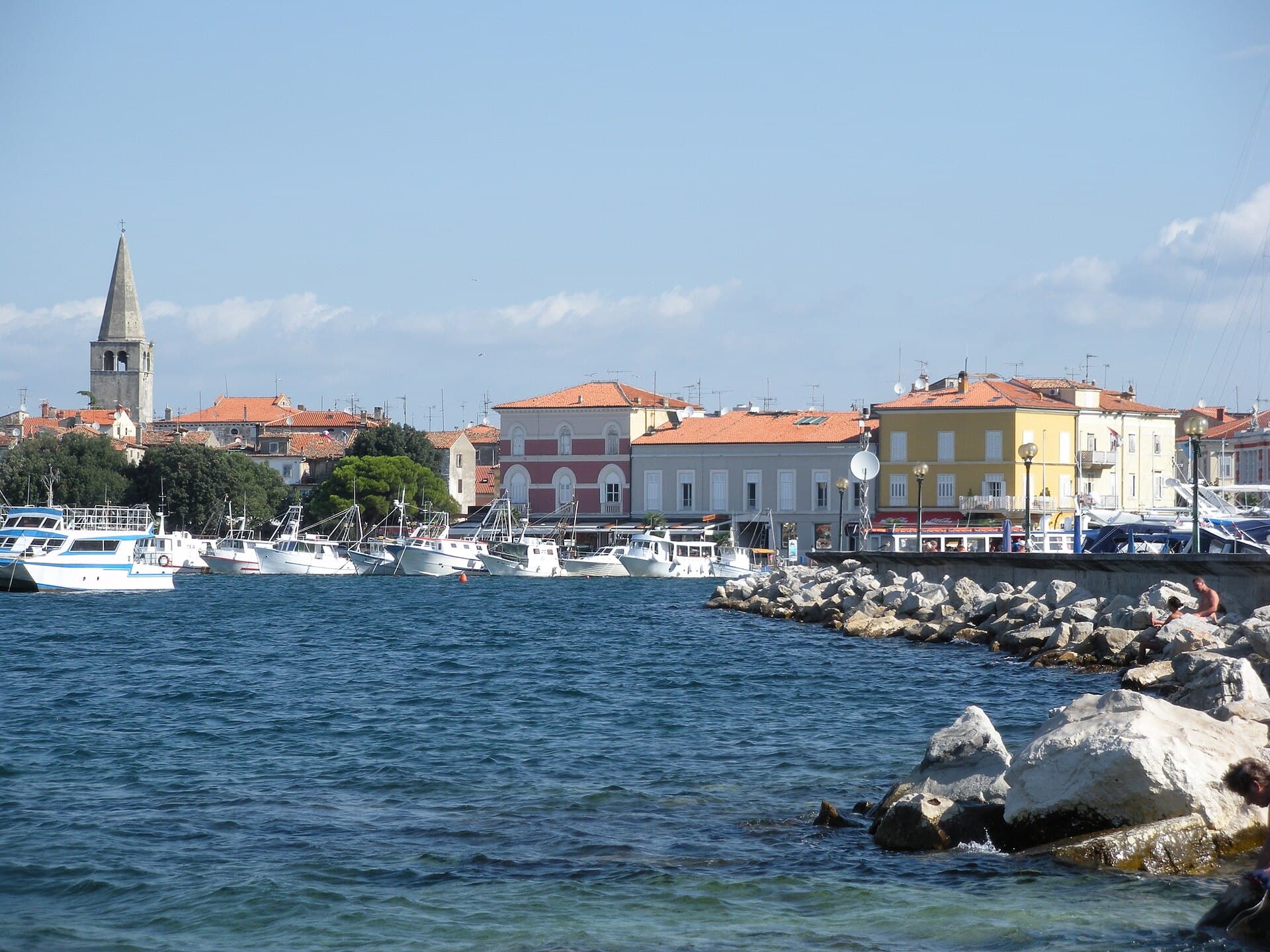
Organise the stay around the distinction between the centre and the wider holiday area. In the centre, a cultural visit can form part of a walk, while beaches, excursions and additional…
Read the guide
Help improve this page
Spot something missing or wrong? Suggest a correction, add your photo or report a problem. Editors review every suggestion before it is published.
Photo credits
- Novigrad — Sl-Ziga · Public domain · Wikimedia Commons
- Mareda — Petar Milosevic · CC BY-SA 4.0 · Wikimedia Commons
- Antenal — Petar Milošević · CC BY-SA 3.0 · Wikimedia Commons
- Dajla — Andorado · CC BY-SA 3.0 · Wikimedia Commons
- Bužinija — ModriDirkac · CC BY-SA 4.0