
Petlovac
About this place
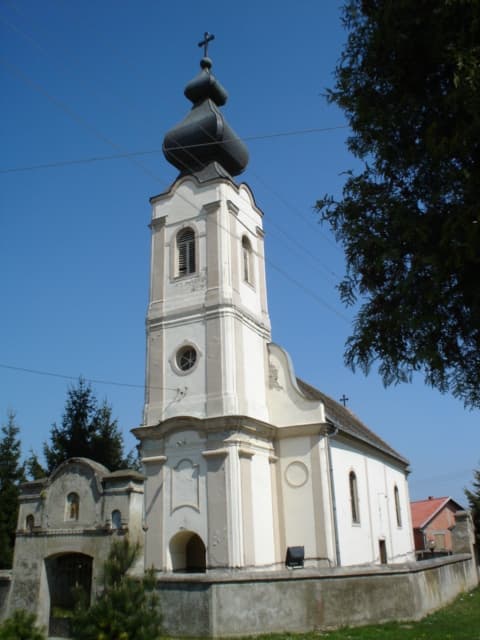
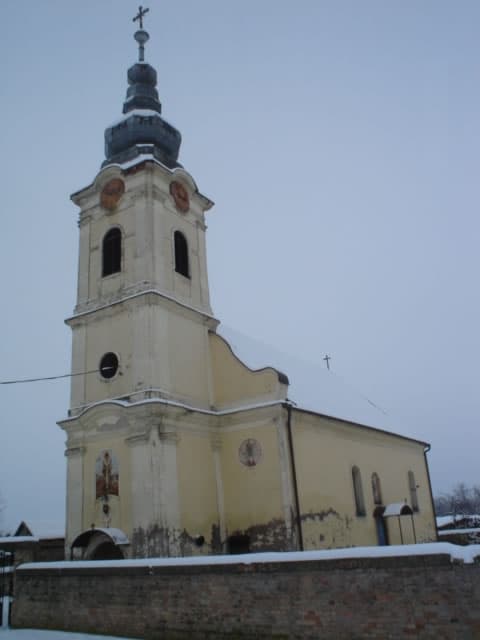
Petlovac is a village and municipal centre in western Baranja, shaped by overlapping Croatian, Hungarian and German histories. The municipality records that German Catholic settlers from Alsace-Lorraine cleared woodland and called the settlement Blumendorf, or “flower village”, a name still associated with old courtyards and carefully planted gardens. A substantial German section survives in Petlovac cemetery, making it one of the clearest places to read the village’s layered past. Petlovac had 180 inhabitants in 1757 and then belonged to the Catholic parish of Luč; by the 1910 census its population had reached 926 and was predominantly German. Following the collapse of Austria-Hungary and the incorporation of southern Baranja into the Kingdom of Serbs, Croats and Slovenes, the village received its present Croatian name in 1920. Local history also records an early-20th-century brickworks, one of 27 once operating across Baranja. Petlovac is therefore best explored through the traces of Baranja’s settlement history, garden culture, cemetery heritage and the political changes reflected in its names.
Petlovac lies in western Baranja and serves as the administrative centre of the municipality bearing its name. Its former name, Blumendorf or “flower village”, came from German Catholic settlers from Alsace-Lorraine who cleared woodland and gradually shaped the settlement. The municipal history connects that floral tradition with Petlovac’s old courtyards, planted gardens and cemetery, roughly one third of which is German. The adoption of the name Petlovac in 1920 reflects the political break following Austria-Hungary’s collapse and southern Baranja’s incorporation into a new state. Within a compact village, western Baranja’s agricultural landscape meets the visible Central European heritage of Petlovac’s former residents.
Things to see


Stays
No stays listed here yet
Things to do
A walk through Petlovac is most rewarding when organised around the story of its former name, Blumendorf. Follow the older village streets and notice the courtyards and planted gardens that the municipal history associates with the “flower village” tradition. At Petlovac cemetery, a German section covering roughly one third of the grounds preserves traces of the community that formed the village majority in the 1910 census. Complete the walk by looking for elements of rural Baranja connected with Petlovac’s former brickworks—one of 27 operating in the region in the early 20th century—and with the settlement’s renaming in 1920.
Tours and activities
AdAd · partner offers: GetYourGuideThe partner handles booking, payment and support. StayBravo may earn a commission on bookings made through these links.How we choose offersGetYourGuide offers are selected and ordered by GetYourGuide based on the name of the nearest larger town or national park; we do not influence their selection and do not use data about you.GetYourGuide · Osijek
We show GetYourGuide offers once you allow their cookies.
Practical information
Getting there and around
Petlovac is reached via the D517 state road, the Baranja route leading east towards Beli Manastir and south across the Drava towards Belišće and Valpovo. Approaching from Beli Manastir, D517 passes Širine before continuing to Petlovac, while the local road from Luč joins the same state route by the municipal centre. Buses along this corridor link Petlovac with Širine, Beli Manastir, Baranjsko Petrovo Selo and Osijek via Bolman, Jagodnjak, Darda and Bilje. Travellers relying on public transport should check the current timetable before setting out, particularly for the return journey from Petlovac.
Frequently asked questions
What was Petlovac formerly called?
German settlers called the village Blumendorf, meaning “flower village”; the name Petlovac was adopted in 1920.
What is distinctive about Petlovac cemetery?
According to the municipality’s history, roughly one third of the cemetery is German, preserving an important trace of Petlovac’s former community.
Did Petlovac have a brickworks?
Yes. Petlovac had an early-20th-century brickworks, one of 27 recorded across Baranja at the time.
Nearby
Petlovac
Open in OpenStreetMap(opens in a new tab)straight-line distance
Related guides

Osijek
Tvrđa and the centre around the main square are distinct starting points for understanding Osijek. The former emphasises the fortified historic quarter and Baroque architecture; the latter…
Read the guide

Vukovar
A cultural visit to Vukovar has several separate centres of gravity. Eltz Palace and the City Museum address the city and its inhabitants across different periods. Vučedol reaches much…
Read the guide

Stubičke Toplice
Stubičke Toplice derives almost its entire identity from thermal water and the Zagorje landscape. There is no large urban historic core; green spaces, bathing facilities and traces of the…
Read the guide
Slavonski Brod
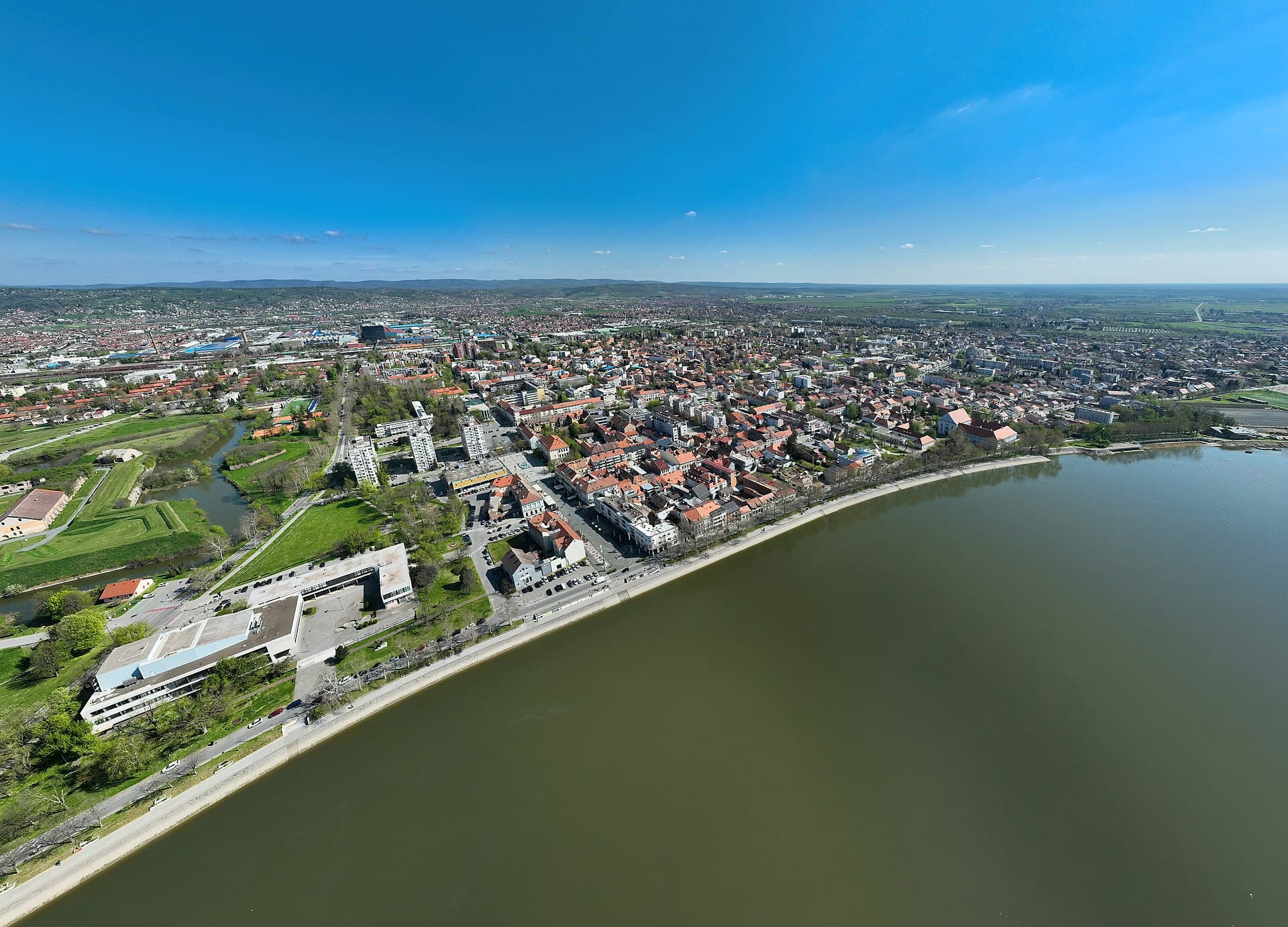
Slavonski Brod developed around one of the major crossings of the Sava, and that border and transport role left a strong mark on the city. Brod Fortress represents the eighteenth-century…
Read the guide
Know Petlovac? Correct us
Tell us in your own words what is not accurate. We check right away.Do not enter personal data. Corrections are checked by the StayBravo AI assistant; changes to the description are approved by an editor. Use the form instead
Do you know Petlovac?
Help the guests who come after you.
Help us complete
Nothing is published without an editor’s review.Report illegal content
Photo credits: Petlovac — Szajci (CC BY-SA 3.0) · Majške Međe, Bolman, Church of St. Nicholas — Ljubomir Damjanovic (CC BY-SA 3.0) · Branjin Vrh — Biljanabekic (CC BY-SA 2.5) · Baranjsko Petrovo Selo — Belirac (Public domain) · Šećerana, Beli Manastir — Belirac (CC BY-SA 3.0) · Church of St. George — Wéber György (CC BY-SA 3.0) · Prandau-Normann Castle — Roko Poljak (CC BY-SA 4.0) · Osijek — Rp031 (CC BY-SA 4.0) · Vukovar — Bybbisch94, Christian Gebhardt (CC BY-SA 4.0) · Stubičke Toplice — MOs810 (CC BY-SA 4.0) · Slavonski Brod — Petar Milošević (CC BY-SA 4.0)