About this place
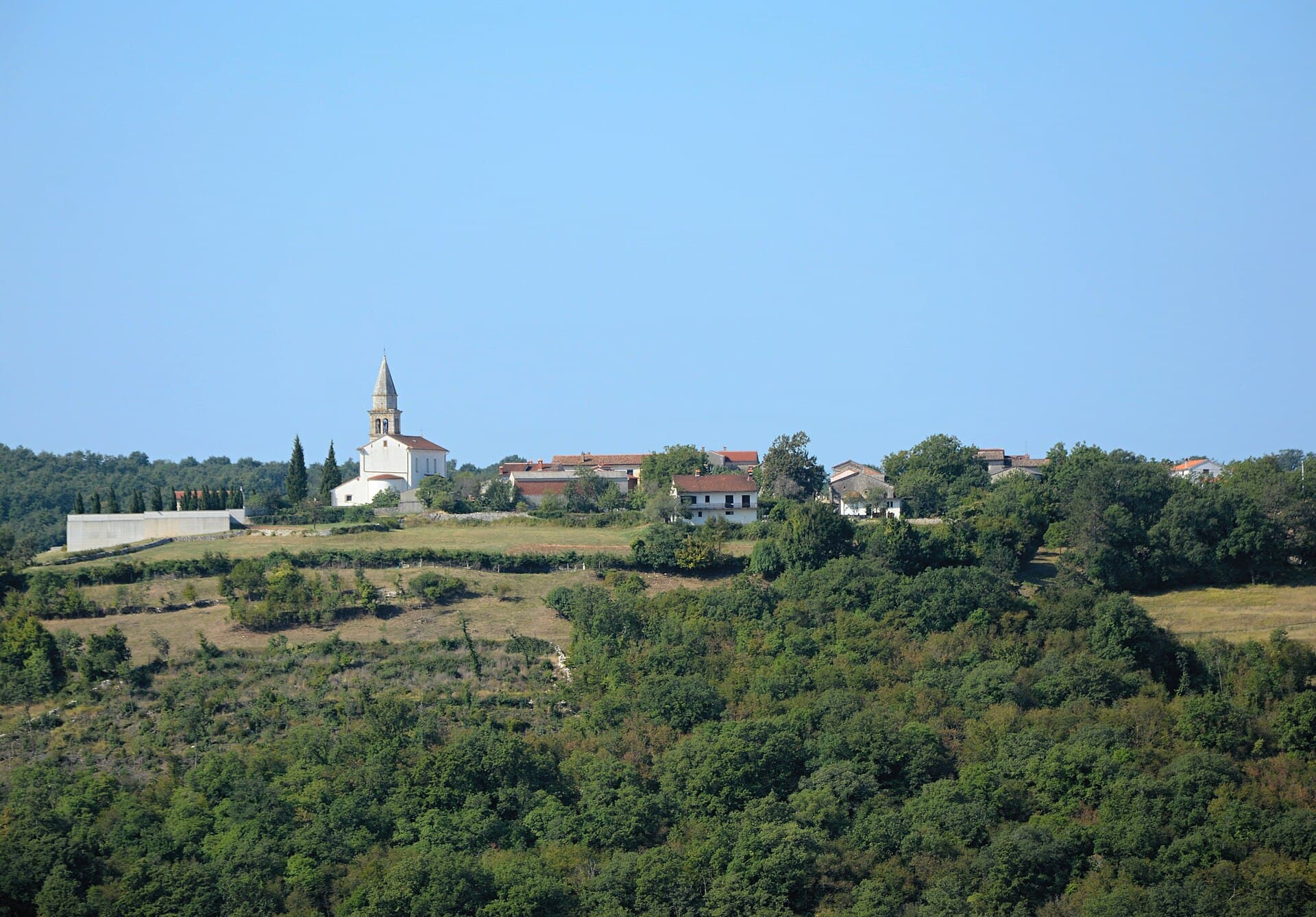
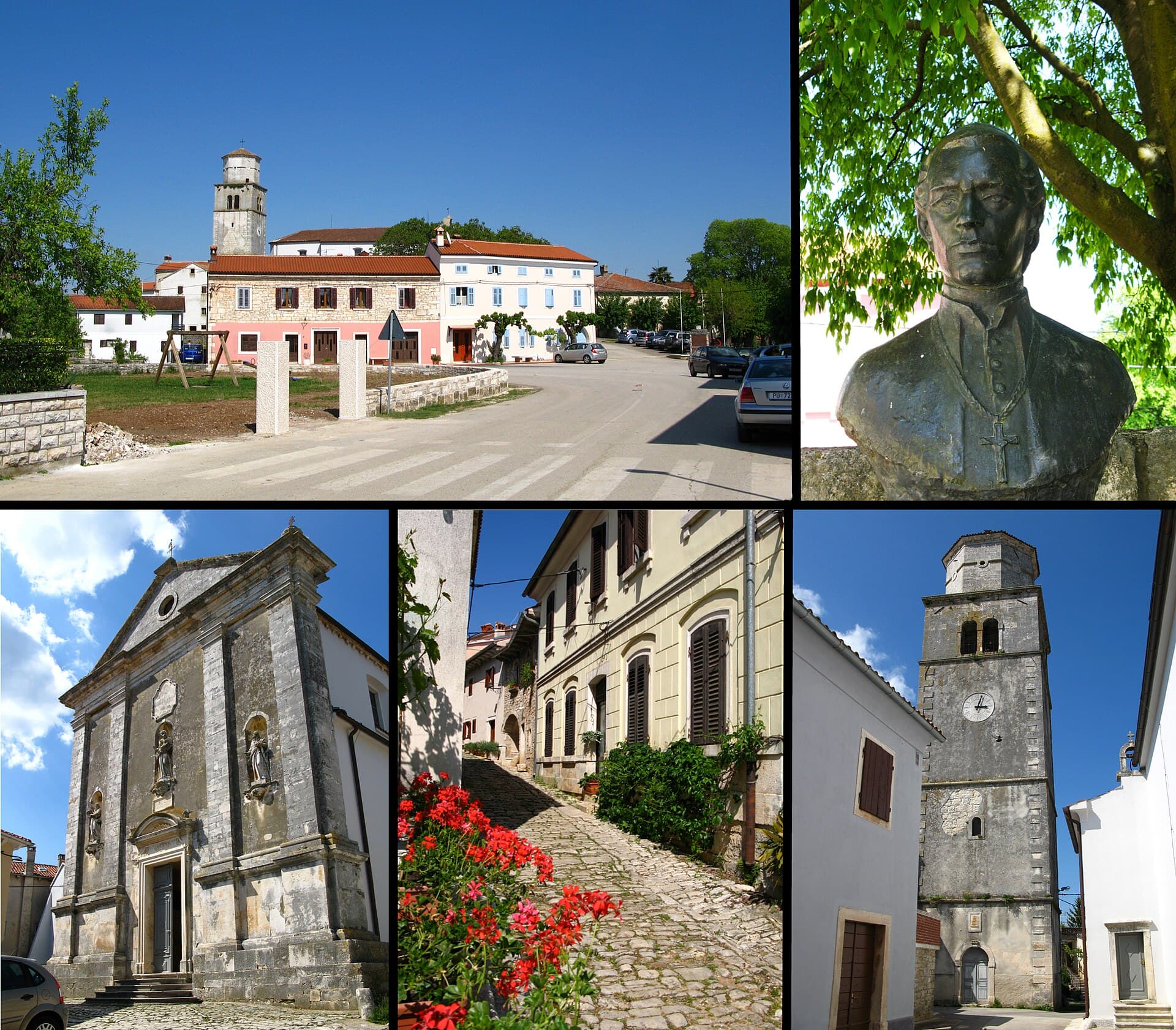
Sveti Petar u Šumi lies in inland Istria, about 320 metres above sea level and eleven kilometres south-west of Pazin. Unlike the compact hilltop towns found elsewhere in the peninsula, its houses developed away from the monastery so that the religious community could retain silence and seclusion. The defining landmark is the Pauline monastery and the Baroque Church of Saints Peter and Paul, whose 18th-century furnishings include work from a Pauline woodcarving workshop and altarpieces by Leopold Keckheisen. A Benedictine monastery existed here before 1134; the Pauline order took possession in 1459–60 and returned to the village in 1993. Today, that monastic heritage shares the spotlight with the production of Istrian sausages. The Croatian House of Sausages presents the subject through a museum-gallery display, while the “S klobasicom u EU” fairs bring producers and visitors together around cured meats and regional recipes. The village has a railway stop on the Istrian line, although a car is more convenient for reaching its scattered hamlets, food producers and neighbouring hill towns.
Sveti Petar u Šumi takes its name from the Benedictine Monasterium Sancti Petri in Sylvis, recorded in 1174 with an indication that it had already existed for several decades. Unlike Pazin, Motovun or Gračišće, houses here did not cluster around a hilltop church but remained dispersed beside fields and vineyards. The monastery complex consequently retains an unusually detached and monumental presence. More recently, the village has fashioned a second identity as an Istrian centre of sausage-making, expressed through the Croatian House of Sausages and fairs dedicated to regional cured-meat producers.
Stays nearby
 Apartment
Apartmeni Klenovica.eu
Klenovica
78 km from Sveti Petar u Šumi
up to 4 guests · 1 bedroom
The host confirms the exact price for your dates and availability.
Things to see
Sveti Petar u Šumi takes its name from a Benedictine monastery recorded in Latin as Monasterium Sancti Petri in Sylvis. The monastery first appears in documents in 1174, with a note that it had already existed before then; today’s Pauline complex remains the village’s focal landmark. For a visit, head to Sveti Petar u Šumi 1, the address of both the monastery and the Parish of Saints Peter and Paul. The parish publishes Mass times for weekdays, Saturdays and Sundays, allowing a visit to be planned around services.

Saint Elijah Church
Landmark · Kanfanar
The Chapel of St Elias near Dvigrad is a protected 15th-century sacred monument in the municipality of Kanfanar.
7 km from Sveti Petar u Šumi
Beaches
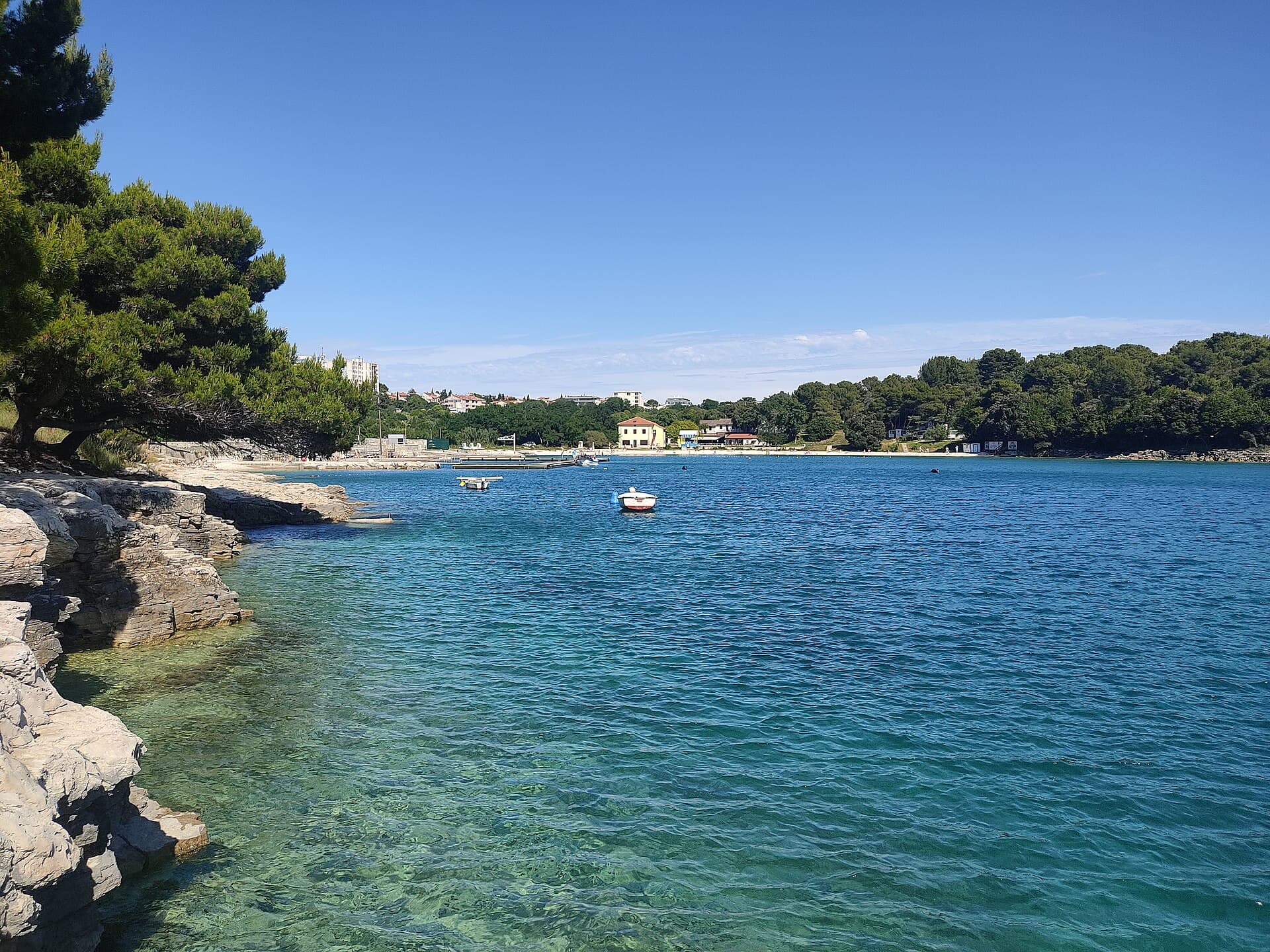
Valsaline
Beach · Pješčana Uvala
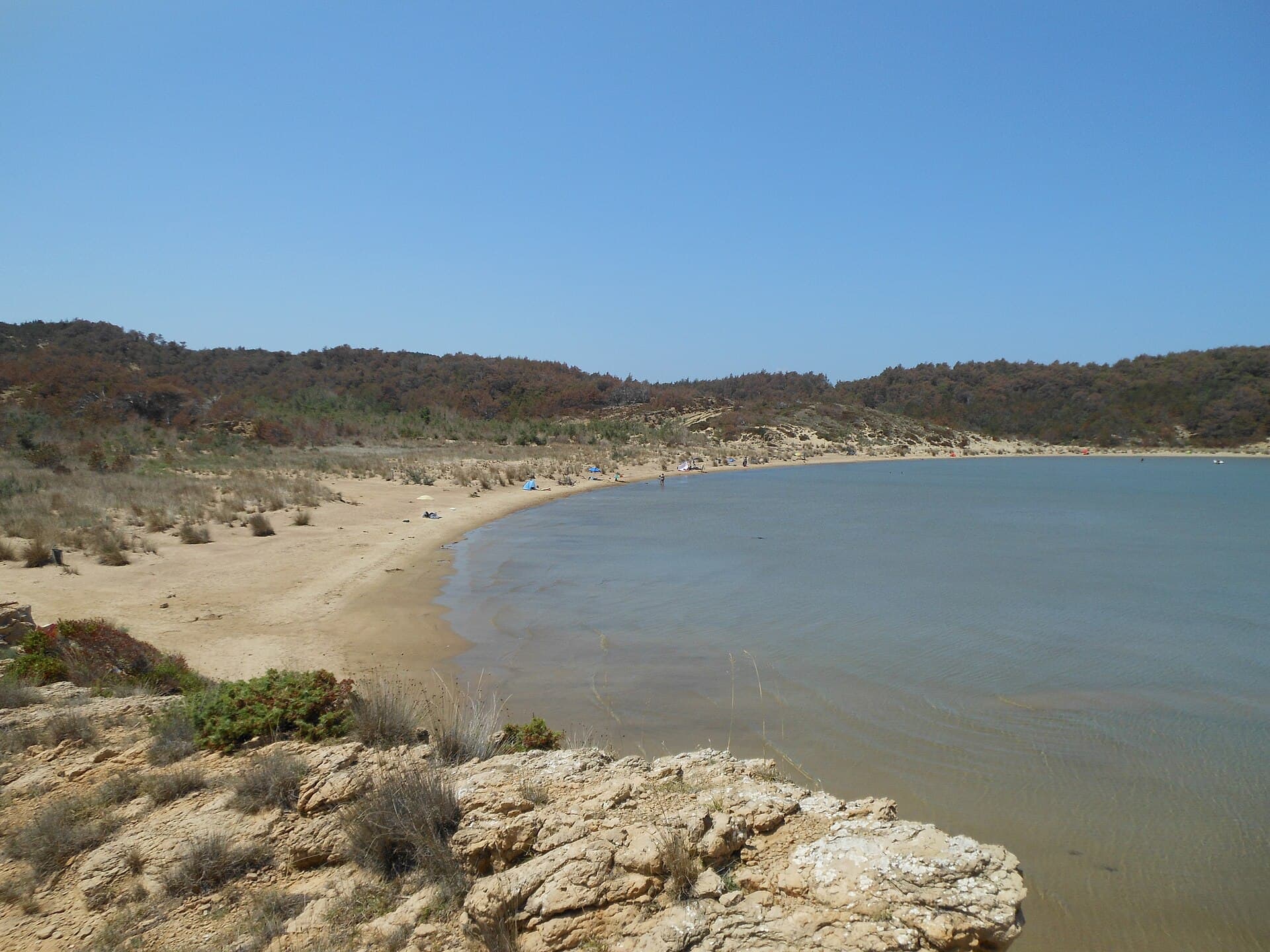
Valsaline, also known as Mornar, is a quiet pebble-and-rock beach in a small bay at the end of Pula’s Lungomare promenade.
37 km from Sveti Petar u Šumi

Things to do
Start with the Church of Saints Peter and Paul and the exterior of the Pauline monastery, where the village’s transition from Benedictine to Pauline rule becomes tangible. Inside the church, focus on the rich Baroque furnishings created between 1755 and 1772. Continue to the cemetery Church of St Roch, built in 1737. The Croatian House of Sausages introduces the tools, spices and methods behind Istrian sausage-making, after which tastings can be sought from local producers. Visitors arriving by rail should shape their day around the relatively limited services on the Istrian line.
Food and drink
Sveti Petar u Šumi builds its culinary reputation on Istrian sausages, kosnica and other cured meats rather than on a broad conventional restaurant scene. The Croatian House of Sausages uses four thematic sections to explain home-made products, Istrian sausage traditions and sausage-making elsewhere in Croatia and the world. The “S klobasicom u EU” fair combines producers, competitions and tastings; its summer edition on 17–18 July 2026 took place at the House of Sausages. For a full meal or producer tasting, advance contact with a local farm or household is sensible because availability and opening arrangements vary.
Practical information
Practical information
Homes in Sveti Petar u Šumi are widely dispersed, so distances between the monastery, railway stop and individual producers feel different from those in a compact town centre. Visits to the active Pauline monastery and church should be planned outside services, with due respect for the religious community. The Croatian House of Sausages and local tastings may follow pre-arranged hours or event schedules, so confirming access before arrival is advisable. Current visitor information is provided by the municipality and the Central Istria tourism portal, while rail details should be checked with HŽ Passenger Transport.
Frequently asked questions
How did the village get its name?
The name derives from the Benedictine Monasterium Sancti Petri in Sylvis, meaning the Monastery of St Peter in the Woods.
When did the Pauline monks return?
The Pauline order returned to Sveti Petar u Šumi in 1993.
What does the Croatian House of Sausages present?
Its museum-gallery display covers home-made products, Istrian traditions and sausage-making in Croatia and abroad.
Do trains stop in Sveti Petar u Šumi?
Yes, the village has a stop on the Istrian railway, but departures and operating-day notes should be checked with HŽPP.

Related guides
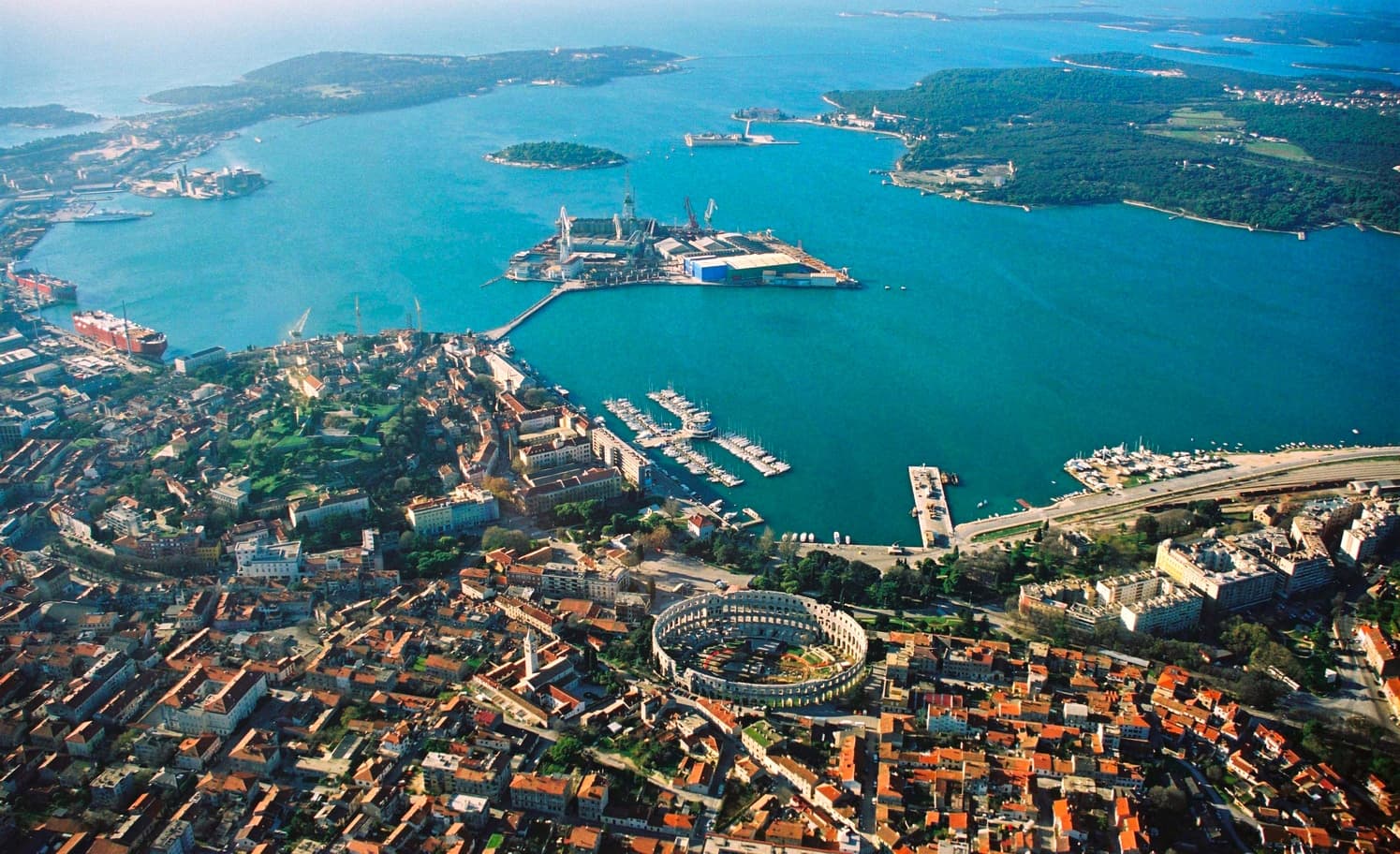
Pula
Central Pula offers two connected but different sightseeing strands. One follows public spaces and visible Roman monuments: the Arena, gates, Forum and temple. The other explores museum…
Read the guide

Help improve this page
Spot something missing or wrong? Suggest a correction, add your photo or report a problem. Editors review every suggestion before it is published.
Photo credits
- Sveti Petar u Šumi, Kringa — Petr Štefek · CC BY 3.0 · Wikimedia Commons
- Tinjan — Petar Milošević · CC BY-SA 4.0 · Wikimedia Commons
- Žminj, Zrće — Croq · CC BY-SA 3.0 · Wikimedia Commons
- Kanfanar — Orlovic · Public domain · Wikimedia Commons