
Roč
About this place
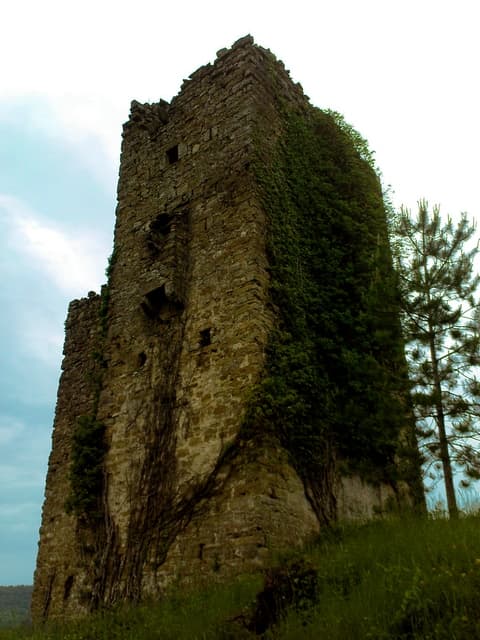
Roč crowns a hill 348 metres above sea level, ten kilometres south-east of Buzet beside the D44 road to Lupoglav. Its story begins with a prehistoric settlement and Roman castrum, followed by its transformation into a fortified medieval town. Defence, however, is only half of its identity. From the 13th century Roč became an important centre of Glagolitic writing, and during the 15th and 16th centuries it played a notable role in Croatian literacy, publishing and printing. The Venetians rebuilt its walls in 1421, nine years after destroying them during their conquest. Within the compact old town, visitors can still find a Renaissance house dated 1475, an 18th-century loggia and the surviving tower of the former castle. The Glagolitic Alley begins below Roč and runs towards Hum through eleven sculptural stations created between 1977 and 1985. Few Istrian villages bring prehistoric origins, Venetian fortifications and the memory of Glagolitic culture together so clearly.
Roč’s identity rests on a living Glagolitic tradition, not merely on its medieval walls. The chapel of St Anthony preserves a Glagolitic alphabet inscription, while the local information point houses a replica Gutenberg-style Glagolitic press created in 2000 through a Čakavski sabor project designed by Frane Paro. That legacy continues through the Little Glagolitic Academy, where sixth-grade pupils from across Croatia learn the historic script. Roč also has a distinctive musical signature: every May, “Z armoniku v Roč” brings together performers of the diatonic accordion locally known as the trieštinka. Few settlements of this size combine Glagolitic lettering, Chakavian culture and the folk music of northern Istria within one fortified hilltop core.
Things to see
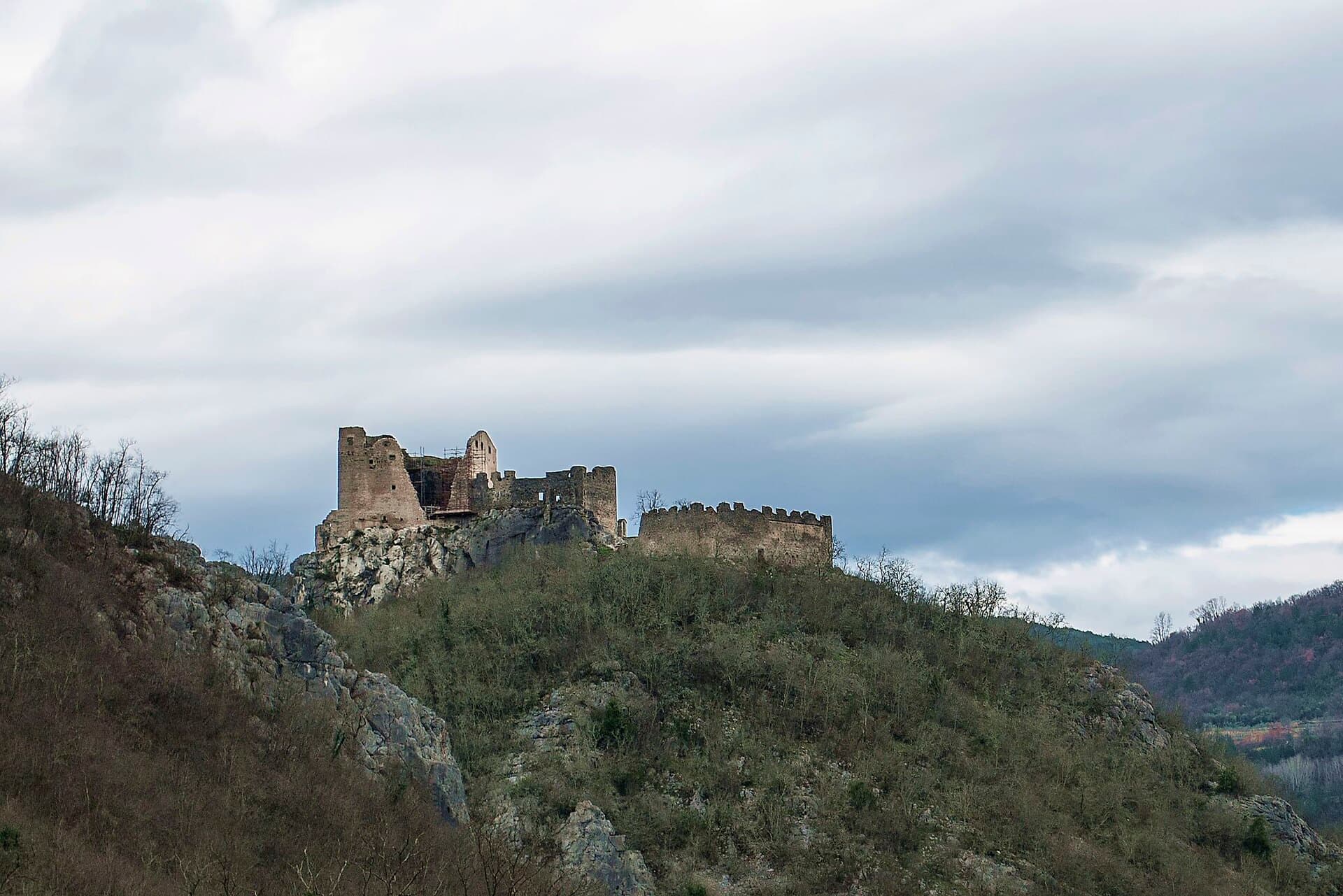
Roč’s principal attraction is the surviving fortified ensemble of town walls, defensive towers and the Great and Small gates. Within the compact core stands the medieval parish church of St Bartholomew, while the stone houses and passages reveal the Venetian layer behind the settlement’s present appearance. Outside the walls begins the Glagolitic Alley, created between 1977 and 1985 from an idea by Zvane Črnja and realised through the work of scholar Josip Bratulić and sculptor Želimir Janeš. Its eleven monuments lead to Hum, beginning below Roč with the Pillar of the Chakavian Parliament, a symbol of the origins of Slavic literacy.
 Nature park
Stays nearby
- Holiday home
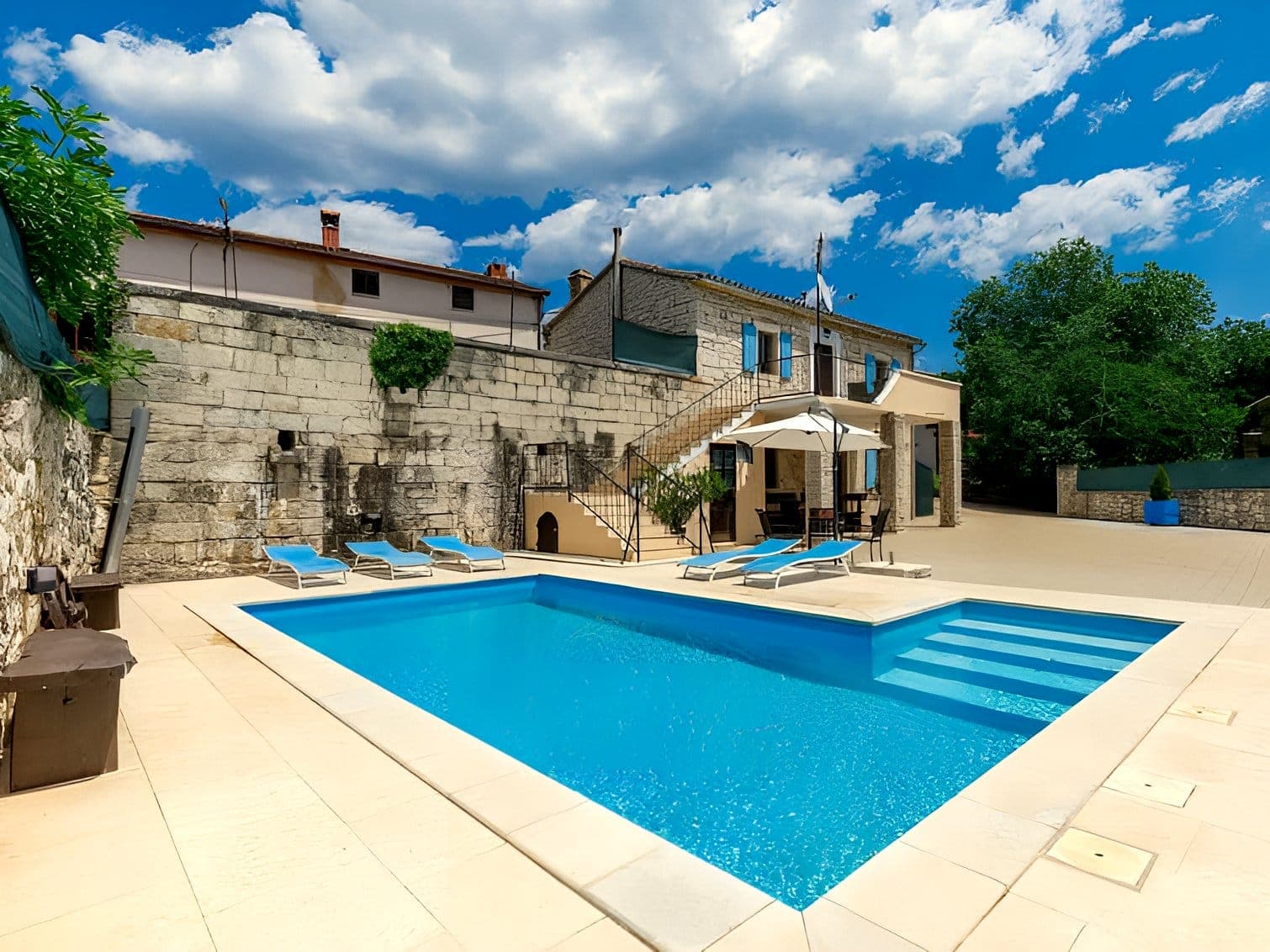 20 km from Roč
Be the first to list here
Guests looking for this place only see stays nearby for now. No commission, and enquiries come straight to you.
List your accommodation
Things to do
Begin in Roč at St Anthony’s church, where a Glagolitic alphabet is painted on the wall; with advance arrangement, you can also see the replica Glagolitic Gutenberg press installed by the local Čakavski Sabor chair in 2000. Then leave through the town gates for the junction below the settlement. The 1977 Čakavski Sabor Pillar marks the start of Glagolitic Alley and points the way to Hum. This seven-kilometre route passes ten further monuments, among them the Table of Cyril and Methodius, the Glagolitic Lapidarium and the Gates of Hum. It works best by car or bicycle, stopping at individual markers before finishing in Hum.
Food and drink
Ročka Konoba stands at Roč 14/1 and connects its menu directly with the town’s Glagolitic identity. Listed specialities include the Glagolitic platter, truffle ravioli and gnocchi served with chocolate and jam. The dining room seats 29 guests, the terrace another 25, and the property provides parking and welcomes dogs. Istria’s official restaurant listing records payment by cash as well as Mastercard, Visa and Maestro. Given its modest capacity and status as the principal dining address within Roč itself, booking ahead is sensible when planning dinner after exploring the Glagolitic Alley.
Tours and activities
AdAd · partner offers: Viator, GetYourGuideThe partner handles booking, payment and support. StayBravo may earn a commission on bookings made through these links.How we choose offersWe choose offers based on the page you are viewing: the partner destination for this place or the nearest one (with its distance), and on a sight page only offers that mention it. We show offers rated at least 4.3 with at least 10 reviews, without multi-day tours or pure transfers, ordered by rating adjusted for the number of reviews and then by the partner’s order. We do not use data about you, and the commission does not affect the order.GetYourGuide offers are selected and ordered by GetYourGuide based on the name of the nearest larger town or national park; we do not influence their selection and do not use data about you.GetYourGuide · Pazin
We show GetYourGuide offers once you allow their cookies.
Viator
Nearest destination: Central Croatia (31 km)
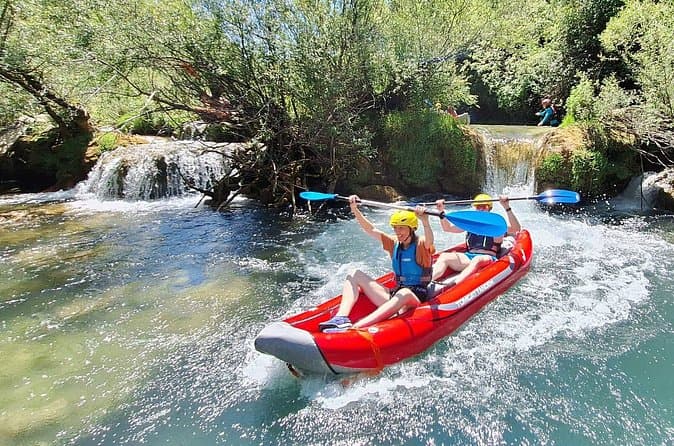
Mreznica Waterfalls Kayaking Adventure Near Plitvice Lakes (opens in a new tab)
Discover the hidden canyon of the Mreznica River, just 30 minutes from Plitvice Lakes. Unlike crowded tourist attractions, this kayaking adventure takes you through crystal-clear water, small…
Rated 5 out of 5 · 147 reviews· 4 h
Free cancellation
from €55
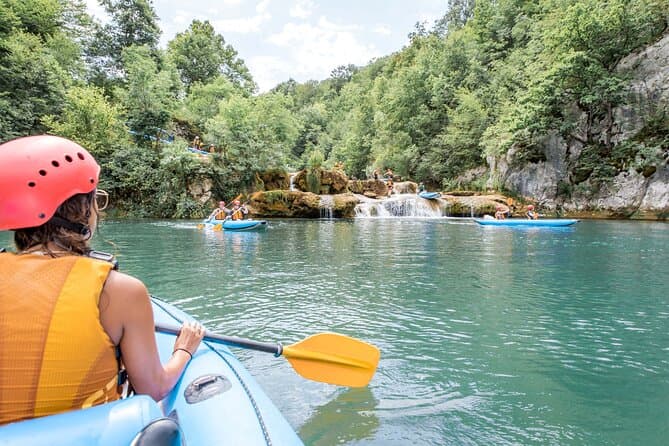
Kayaking at the Mreznica Canyon (opens in a new tab)
Get back to nature on a small-group Mrežnica Canyon kayaking tour (max 16 people vs standard 20+). Enjoy the upper canyon of Mreznica between Primislje and Trzic, the most beautiful part of the…
Rated 5 out of 5 · 184 reviews· 3 h
Free cancellation
from €50
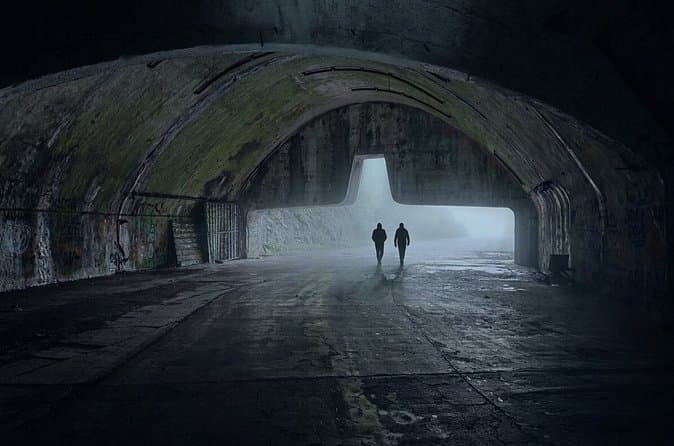
Zeljava Airbase: History and Adventure Tour/Plitvice (opens in a new tab)
Explore the abandoned military complex of Zeljava Airbase with a local guide. Discover its strategic role during the Cold War and its connection to the fall of Yugoslavia. Wander through massive…
Rated 5 out of 5 · 96 reviews· 2 h
Free cancellation
from €50

3,5 hours Guided Buggy Tour in Plitvice lakes (opens in a new tab)
If you like a combination of adrenaline and nature, then Inspiration Resort is the right place for you! We offer you an unforgettable adventure - guided tours on buggy vehicles in the surroundings…
Rated 5 out of 5 · 73 reviews· 3.5 h
Free cancellation
from €129
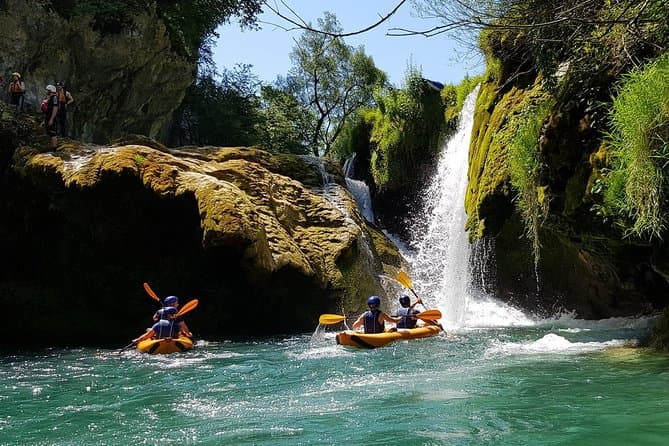
Kayaking Mrežnica river (opens in a new tab)
We’re passing through the most beautiful part of Mrežnica, length of 5 kilometers with abundance of magical places for swimming and recreation. You will pass in total 9 waterfalls and 3 rapids…
Rated 4.9 out of 5 · 171 reviews· 4 h
Free cancellation
from €65
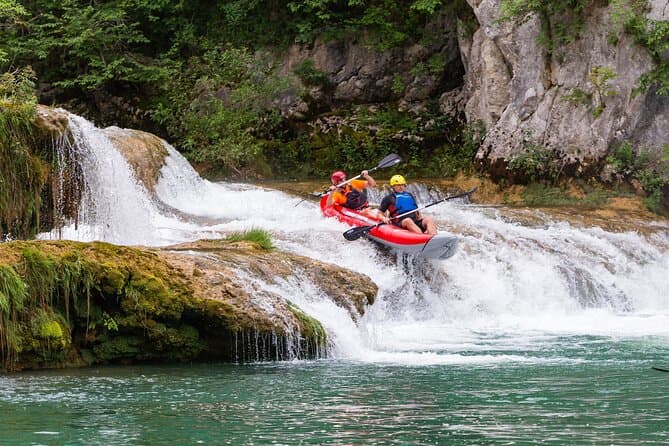
Kayaking in Mreznica Waterfalls near Slunj and Plitvice Lakes (opens in a new tab)
This is a unique opportunity to discover one of the most beautiful rivers in Croatia ho is hidden in the canyon and you can explore her only by kayaking. You'll be able to make amazing memories of…
Rated 5 out of 5 · 56 reviews· 3 h
Free cancellation
from €50
Practical information
Practical information
Visitor information for Roč is presented within the wider Buzet destination, whose centre is ten kilometres away. Roč’s historic core is compact enough to cover on foot, but walking the seven-kilometre Glagolitic Alley requires extra time, drinking water and sun protection. Ročka Konoba has its own parking area and accepts cash plus Mastercard, Visa and Maestro, a useful facility in such a small settlement. When planning the Alley, remember that its eleven monuments are distributed beside the road between Roč and Hum rather than gathered inside a single museum or enclosed attraction.
Getting there and around
Roč is ten kilometres by road from Buzet, while the seven-kilometre Glagolitic Alley links it with Hum. The settlement also has a Roč railway stop on the Istrian network operated by HŽ Passenger Transport. The 2025/2026 timetable remains in force until 12 December 2026, so departures should be checked for the intended travel date. A car is convenient for stopping at all eleven monuments between Roč and Hum, whereas walking allows more time to examine their reliefs and inscriptions. Within Roč’s fortified core, distances are short and no vehicle is needed for sightseeing.
Frequently asked questions
How far is Roč from Buzet?
Roč lies ten kilometres from Buzet at an elevation of 348 metres.
How many monuments are on the Glagolitic Alley?
The route between Roč and Hum contains eleven monuments spread along seven kilometres of road.
When was the Glagolitic Alley created?
The monument complex was created between 1977 and 1985.
Does Roč have a railway stop?
Yes, Roč is listed as a stop on the HŽ Passenger Transport network; departures should be checked against the 2026 timetable.
Which dish at Ročka Konoba reflects local heritage?
The Glagolitic platter directly references Roč’s defining Glagolitic tradition.
Nearby
Roč
Open in OpenStreetMap(opens in a new tab)straight-line distance
Related guides

Novigrad
Novigrad-Cittanova developed on Istria’s north-western coast near the mouth of the Mirna, in a maritime setting that shaped centuries of fishing and trade. The historic centre still…
Read the guide
Funtana
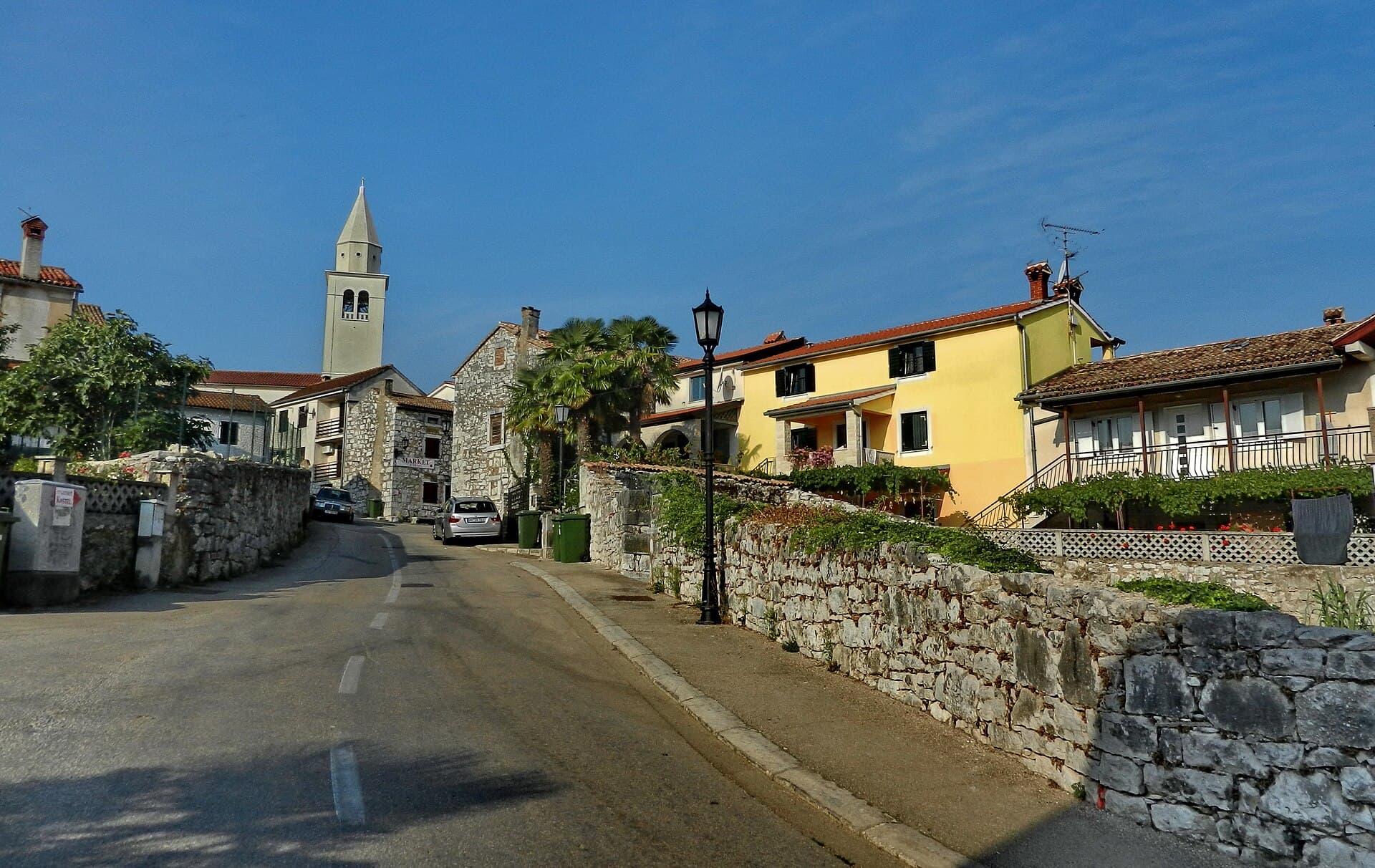
Funtana sits on Istria’s west coast along the Poreč–Vrsar road, while its shoreline extends between Zelena Laguna and Valkanela. The local tourist board links the settlement with a long…
Read the guide
Pula
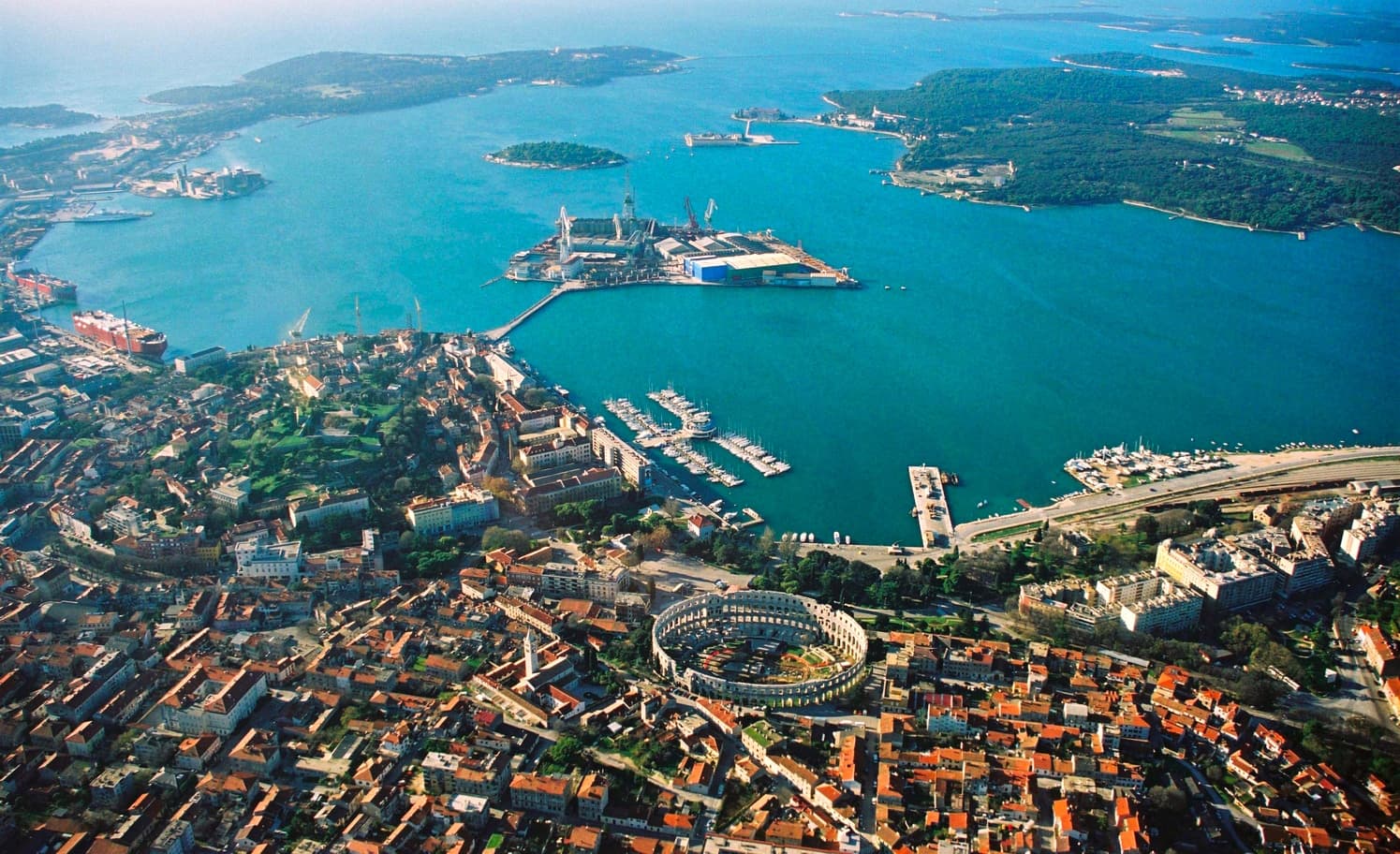
Central Pula offers two connected but different sightseeing strands. One follows public spaces and visible Roman monuments: the Arena, gates, Forum and temple. The other explores museum…
Read the guide
Poreč
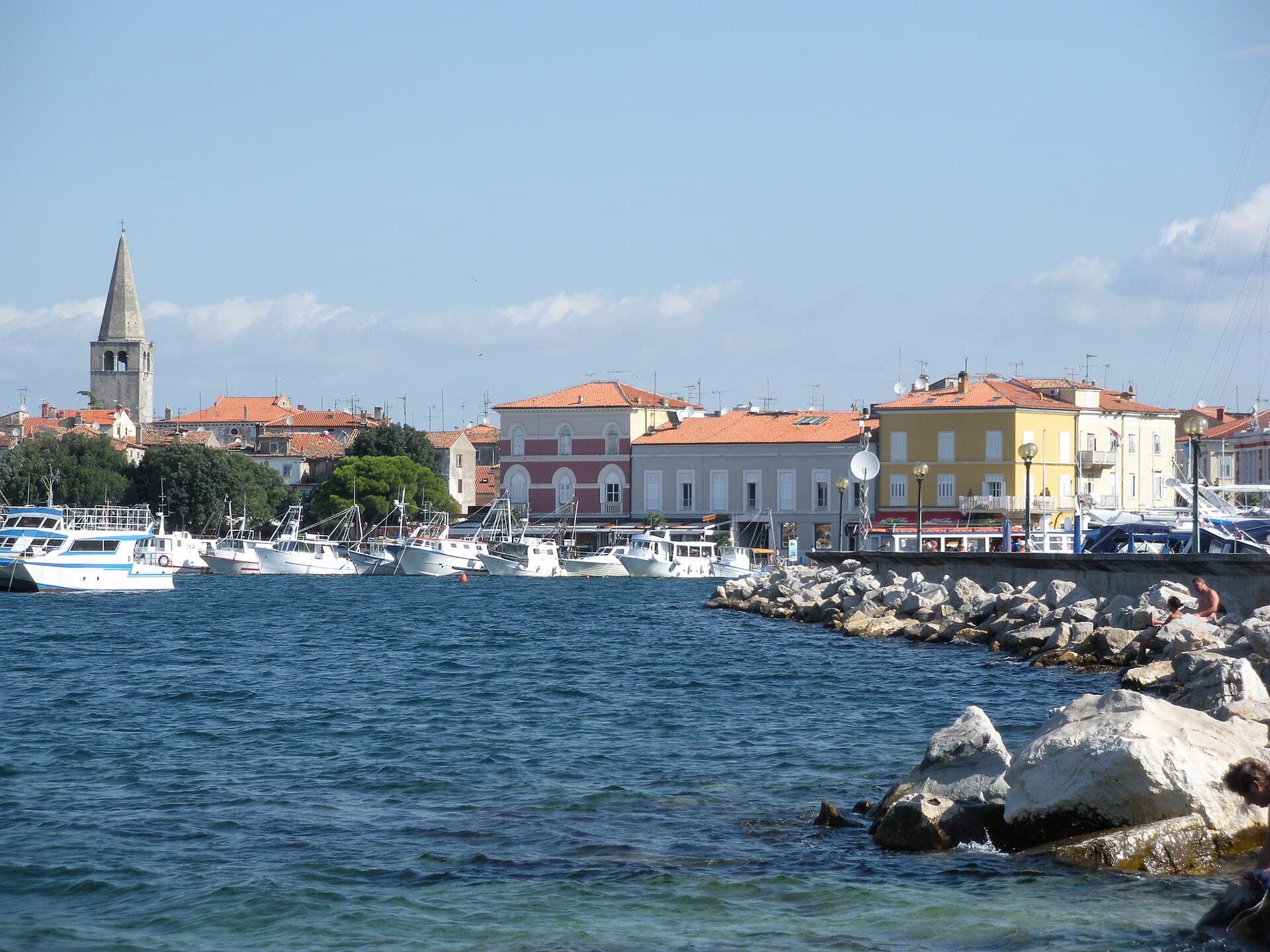
Organise the stay around the distinction between the centre and the wider holiday area. In the centre, a cultural visit can form part of a walk, while beaches, excursions and additional…
Read the guide
Know Roč? Correct us
Tell us in your own words what is not accurate. We check right away.Do not enter personal data. Corrections are checked by the StayBravo AI assistant; changes to the description are approved by an editor. Use the form instead
Do you know Roč?
Help the guests who come after you.
Help us complete
Nothing is published without an editor’s review.Report illegal content
Photo credits: Roč, Ročko Polje — Ante Perkovic (CC BY-SA 3.0) · Selca — SIG SG 510 (CC0) · Lanišće — Ante Perkovic (CC BY 3.0) · Hum — Anton.ash (CC BY-SA 4.0) · Pietrapelosa, Posert Castle — Dinko Gubic (CC BY-SA 3.0) · Belaj Castle — MSmateo (CC BY-SA 4.0) · Nature park Učka — Modzzak (CC BY-SA 3.0) · Holiday House Šterna — Vjekoslav Simon (courtesy of the property owner) · Novigrad — Sl-Ziga (Public domain) · Funtana — Tanya Dedyukhina (CC BY 3.0) · Pula — Orlovic (CC BY-SA 3.0) · Poreč — Hobe / Holger Behr (Public domain)