About this place
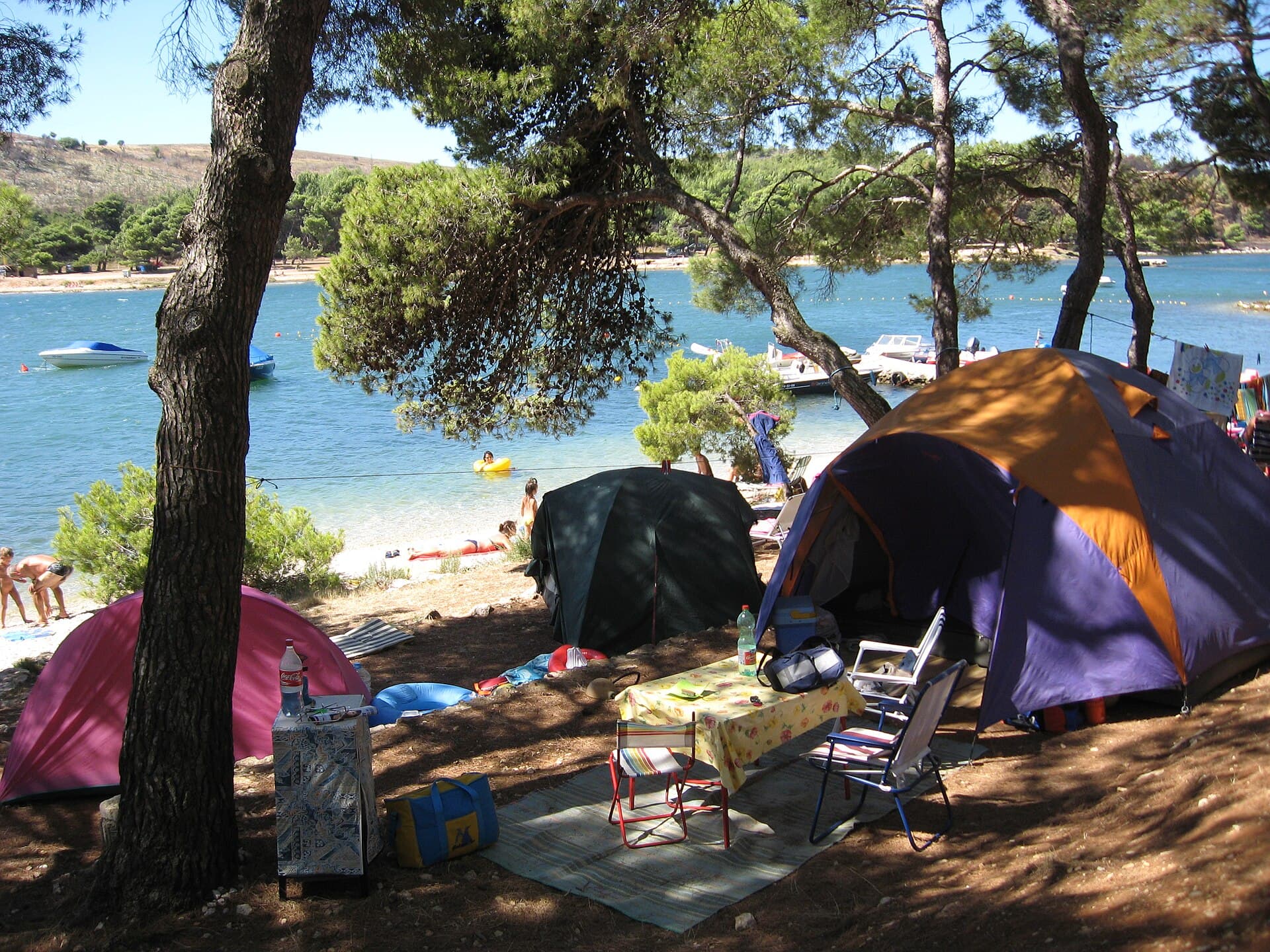
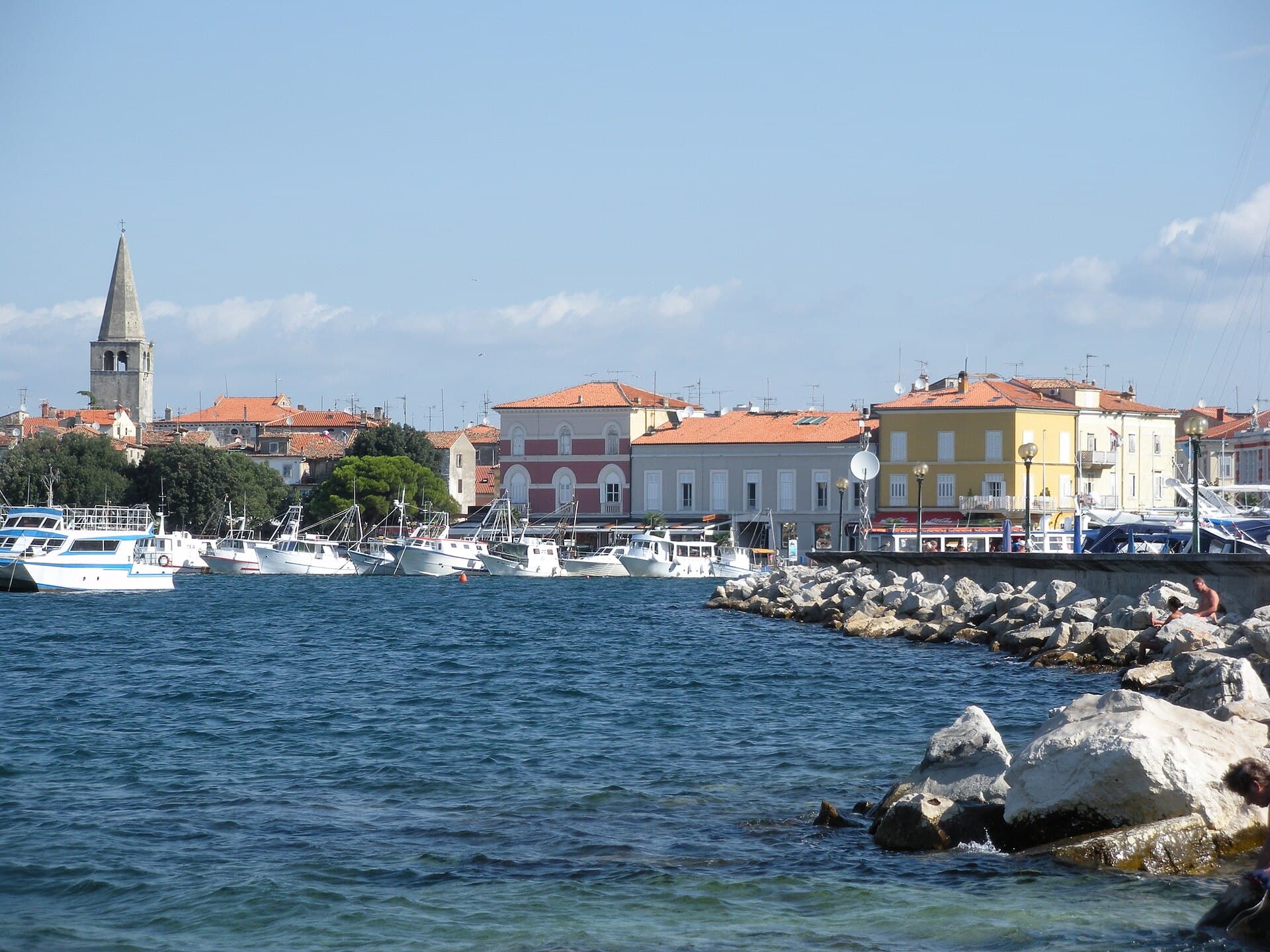
Medulin faces a shallow bay in southern Istria, bringing a sandy beach, small boats and the remains of a Roman seaside residence within the same holiday setting. There is more here than the hotel waterfront. Streets above the harbour lead towards the Church of St Agnes, recognised by its twin bell towers, while the Vižula peninsula reveals a much older relationship with the coast. Its archaeological remains reward a slow walk: surviving walls and floors help visitors picture how a substantial Roman house occupied this maritime landscape. Bijeca is the obvious starting point for anyone who prefers sand and a gradual entrance into the sea. Afterwards, return along the waterfront and look towards Malin, the reconstructed windmill beside the harbour. A longer stay can include an outing to Premantura and Kamenjak, where rocky shores offer a marked contrast to the town beach. Medulin suits families and travellers who want an uncomplicated seaside base with archaeology close at hand. Keep the first day local, then give the rougher paths and coves of Kamenjak a separate outing rather than treating them as another stretch of Bijeca.
The distinction matters when choosing accommodation near Bijeca or Vižula. The archaeological peninsula and the bathing area have different purposes: follow site signs and do not use architectural remains as beach furniture or surfaces.
Stays nearby
 Apartment
Apartmeni Klenovica.eu
Klenovica
78 km from Medulin
up to 4 guests · 1 bedroom
The host confirms the exact price for your dates and availability.
Things to see
Vižula deserves the longest stop on a first visit to Medulin. The peninsula preserves the remains of a Roman coastal villa, with walls and floors that reveal the scale of the former complex. Its position is central to the experience: archaeological traces continue beneath the water as well as across the land. Follow the visible layout and shoreline, noticing how the rooms and terraces relate to the sea. A garden associated with plants used in Roman daily life adds another way to understand the setting. The Church of St Agnes marks the older settlement with its two bell towers. Reaching it is a good reason to leave the promenade and explore the streets above the harbour. Back beside the water, Malin recalls the processing of grain; today's windmill is a reconstruction of the historic mill, not an untouched original. Bijeca supplies the natural bathing element, with sand and a gradual entrance into the bay. Archaeology, village streets and beach life together give Medulin its character. Kamenjak adds rocky coves and walking routes outside the town, best treated as a separate excursion through Premantura rather than another stop on the same urban circuit.
Culture and history
At Vižula, Medulin’s past emerges through the remains of a Roman seaside residence, floor mosaics and objects associated with daily life. The villa developed through several centuries of construction and alteration, so the surviving walls represent successive phases of occupation. An ancient-style garden created by the Kamenjak Public Institution approaches that history through olive trees, vines, bay, myrtle and other plants familiar to Roman households and agriculture. Between 2017 and 2019, Vižula was developed as an archaeological park in a project involving the Croatian Conservation Institute. At another point along the waterfront, Malin explains a later chapter of Medulin’s heritage: the reconstructed windmill contains a grinding stone, wooden machinery and a rotating cap with eight sails. The contrast between Roman residence and harbour windmill shows how the coast’s purposes changed over time. Within the settlement, Šantadur preserves local customs and domestic objects; its Museum Night programme in 2026 focused on life before electric lighting. Together, Vižula, Malin and Šantadur connect archaeology, milling and everyday life in old Medulin.
Nature
At Vižula, landscape and archaeology form a combined experience. Keep to established paths and marked features. The story of a historic residence does not mean that every stone is an archaeological find, nor that remains may be touched, moved or collected.
Beaches
Official information describes Bijeca as a sandy beach with a gradual entry into the sea. This is useful for family planning but does not replace supervision or an assessment of conditions on the day.
Bijeca
Beach · Medulin
Bijeca is Medulin’s best-known sandy beach, with a long shallow zone and a gentle entry that suits families.
Bathing water quality nearby
- Hotel Holiday - Ispod hotela · 988 mexcellent · season 2025
- Hotel Belvedere - Molo · 1.1 kmexcellent · season 2025
- Uvala Bijeca - Plaža · 1.2 kmexcellent · season 2025
Things to do
For one day, start on the waterfront and walk into the older village towards the twin towers of St Agnes. This short inland detour gives the town a different perspective before you return to the sea. Continue to Vižula, taking time to follow the surviving walls and understand the Roman villa's coastal position. Walk around part of the peninsula rather than rushing straight to the next stop, then spend the afternoon on Bijeca. End back at the harbour, where the reconstructed Malin windmill changes the scene from beach umbrellas to maritime surroundings. For three days, make that local circuit your first day. Keep the second for Bijeca, a leisurely waterfront meal and unhurried swimming. Cyclists can replace a full beach day with the signposted Medulinka route, which links the waterfront, the village pond and other parts of Medulin. Reserve day three for Premantura and Kamenjak. Choose one coastal walk and a suitable cove instead of attempting the entire headland. Its stony paths require different footwear from Bijeca; carry water and leave enough energy for the return. With younger children, shorten the walk and allow more time at the chosen stop.
Activities
Cycle route 317, Medulinka, starts on Medulin’s waterfront and links the pond, views of St Agnes’s twin bell towers and the little church of St Peter at Barbolan. Vižula makes a cultural detour from this circuit before returning towards the Malin windmill by the harbour. Clivo Sailing Club’s Medulin base is in Burle, opposite Vižula, placing its sailing activities in the bay rather than among the exposed rocks of southern Kamenjak. The tennis courts at the sports centre beside Park Plaza Belvedere provide a land-based alternative to watersports. Kamenjak Direct and Premanturka belong to the wider cycling network and extend an outing beyond Medulin itself. Medulinka is the more town-focused choice for combining local landmarks with the waterfront in a single ride.
Day trips
From Medulin, head towards Premantura for Kamenjak, where coves and rocky shores extend beyond Medulin’s developed bathing waterfront. Walkers and cyclists enter Lower Kamenjak without an admission ticket, while motor vehicles pay during the summer under the protected area’s visitor rules. A boat trip across Medulin Bay offers another route: Ceja, Levan and Bodulaš are island destinations reached on the chosen sailing itinerary. For a cultural excursion by land, Pula combines the Roman amphitheatre, the Archaeological Museum of Istria and other urban monuments, with bus links from Medulin. Pomer is a closer option for visiting the marina and a quieter side of the bay. Choose between Premantura, Pomer and Pula according to the outing’s focus rather than treating their different directions as one short beach-day detour.
Food and drink
Medulin’s fishing tradition is especially apparent in spider-crab salad, cuttlefish black risotto and brodet fish stew served with polenta. Brodet centres on a sauce made with different fish, whereas cuttlefish ink gives black risotto its colour and character. Along the Medulin Riviera, sardines appear grilled or prepared na savor, offering distinct treatments of the same catch. The Istrian side of the menu brings fuži pasta with žgvacet stew, cured ham and maneštra, a substantial soup combining beans and potatoes with seasonal ingredients. Olive oil connects Medulin’s seafood and inland dishes, and local tastings offer a way to compare different styles. The restored Malin windmill adds a grain-growing story to the waterfront’s food heritage: its equipment explains the transformation from grain into flour.
Practical information
Practical information
Medulin’s tourist information office is at Brajdine 41, above the waterfront and Vižula area. The archaeological park has its own entrance information point, while Lower Kamenjak visitor information is provided by a separate public institution at Selo 120 in Premantura. A Kamenjak excursion therefore involves different access arrangements from a walk around Vižula. In 2026, open fires are prohibited in Lower Kamenjak, and summer motor-vehicle entry is charged. Guests relying on buses should note Pulapromet’s early-September timetable change: autumn services to Medulin differ from the summer pattern. Malin, Vižula and Bijeca occupy different stretches of Medulin’s waterfront, making the accommodation’s actual address important when choosing a daily walking or bathing base.
Parking
A paid car park beside Belvi restaurant at Osipovica 17 serves the waterfront, with published 2026 rates of €2 per hour in June, €3 in July and August, and €1 in September. These prices apply to that particular car park, not every parking space along Medulin’s coast. Marina Medulin at Osipovica 40 has its own parking for marina users. When visiting Bijeca, distinguish waterfront public-access parking from spaces belonging to the marina or an accommodation property.
Getting there and around
Pulapromet connects Medulin with Pula through direct and circular suburban services. The autumn 2026 timetable includes routes 26, 26a, 26b and 26c along the Vinkuran–Banjole–Medulin corridor, so the displayed route number matters when assessing stops in other Riviera settlements. Premantura and Pješčana Uvala have their own links from Pula and are not served by every Medulin departure. Rail travellers arrive in Pula and continue to Medulin by road. Boats leaving Medulin harbour mainly support excursions around the archipelago, while buses provide the everyday connection with Pula. Once in Medulin, local walking routes connect Vižula, Malin and Bijeca; reaching Kamenjak involves continuing towards Premantura and the protected area’s entrances.
Frequently asked questions
Which Medulin beach is sandy?
Bijeca is the sandy beach along Medulin’s bathing waterfront, with a shallow entry to the sea.
Can I travel from Medulin to Pula by bus?
Yes. Pulapromet’s suburban services connect Medulin and Pula; variants of route 26 also pass through other Riviera settlements.
Are Vižula and Kamenjak the same place?
Vižula is the archaeological peninsula in Medulin, whereas Lower Kamenjak is approached from Premantura.
What is Malin on Medulin’s waterfront?
Malin is a reconstructed windmill with a grinding stone and displays relating to local milling heritage.
Nearby

Premantura
Village · Istria

Related guides

Novigrad
Novigrad-Cittanova developed on Istria’s north-western coast near the mouth of the Mirna, in a maritime setting that shaped centuries of fishing and trade. The historic centre still…
Read the guide
Help improve this page
Spot something missing or wrong? Suggest a correction, add your photo or report a problem. Editors review every suggestion before it is published.
Photo credits
- Medulin — Juloml · CC BY-SA 3.0 · Wikimedia Commons
- Premantura — www.hubschrauberpilot.at/ · CC BY-SA 3.0 · Wikimedia Commons
- Šišan — Janko Hoener · CC BY-SA 2.0 · Wikimedia Commons
- Pomer — Stefanocek · CC BY-SA 3.0 · Wikimedia Commons