
Ugljan
About this place
Ugljan is the green island facing Zadar across a narrow channel, with frequent passenger and car-ferry connections centred on Preko. Its landscape is defined by olive groves, fishing villages and dry-stone paths: the regional tourist board counts more than 200,000 olive trees, while Muline preserves remains connected with Roman-era oil production. Preko is both the island’s principal port and the natural starting point for the climb to St Michael’s Fortress, whose hilltop views stretch across Zadar and its archipelago. In Kali, the island’s maritime identity is expressed through a long tradition of fishing and tuna boats; farther south, Kukljica retains the scale and atmosphere of an old fishing settlement. Northern Ugljan offers a different rhythm, combining the sandy beaches of Mostir and Južna Luka with rocky coves and the Franciscan Monastery of St Jerome. The 25-minute passenger crossing from central Zadar makes Ugljan easy to visit for a day, although several nights allow time to follow olive-grove trails, swim on both sides of the island and explore the villages between Ugljan and Kukljica.
Ugljan runs parallel to the Zadar coast, yet its main settlements have distinct personalities. Preko revolves around the ferry harbour and views of Zadar’s peninsula; Kali is closely associated with fishing and tuna fleets; Kukljica retains the character of an old fishing village in the south. The northern settlement of Ugljan includes hamlets such as Batalaža, Sušica and Muline, where remains evoke the island’s Roman-era olive-oil economy. More than 200,000 olive trees and a web of paths beside dry-stone walls explain the island’s familiar nickname, the garden of Zadar. At its southern end, the Ždrelac bridge carries the island road directly onto neighbouring Pašman.
Stays further afield
- Apartment
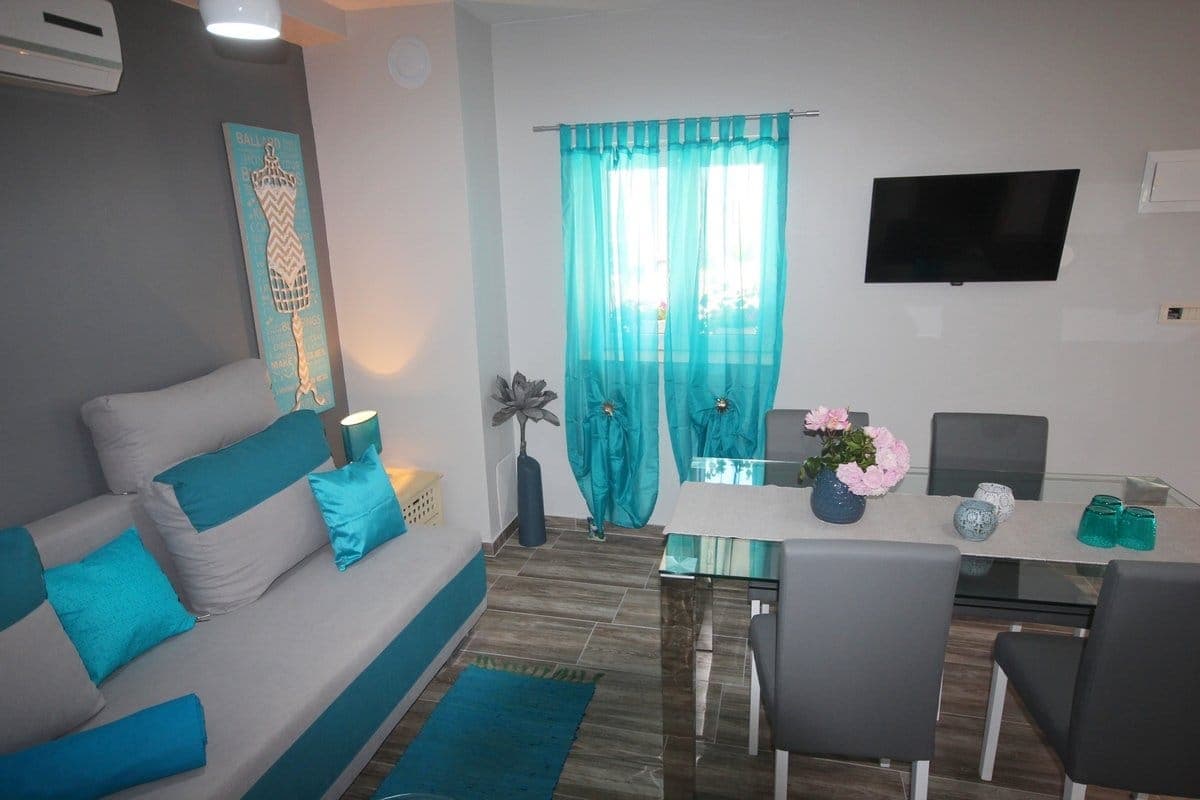 22 km from Ugljan
- Villa
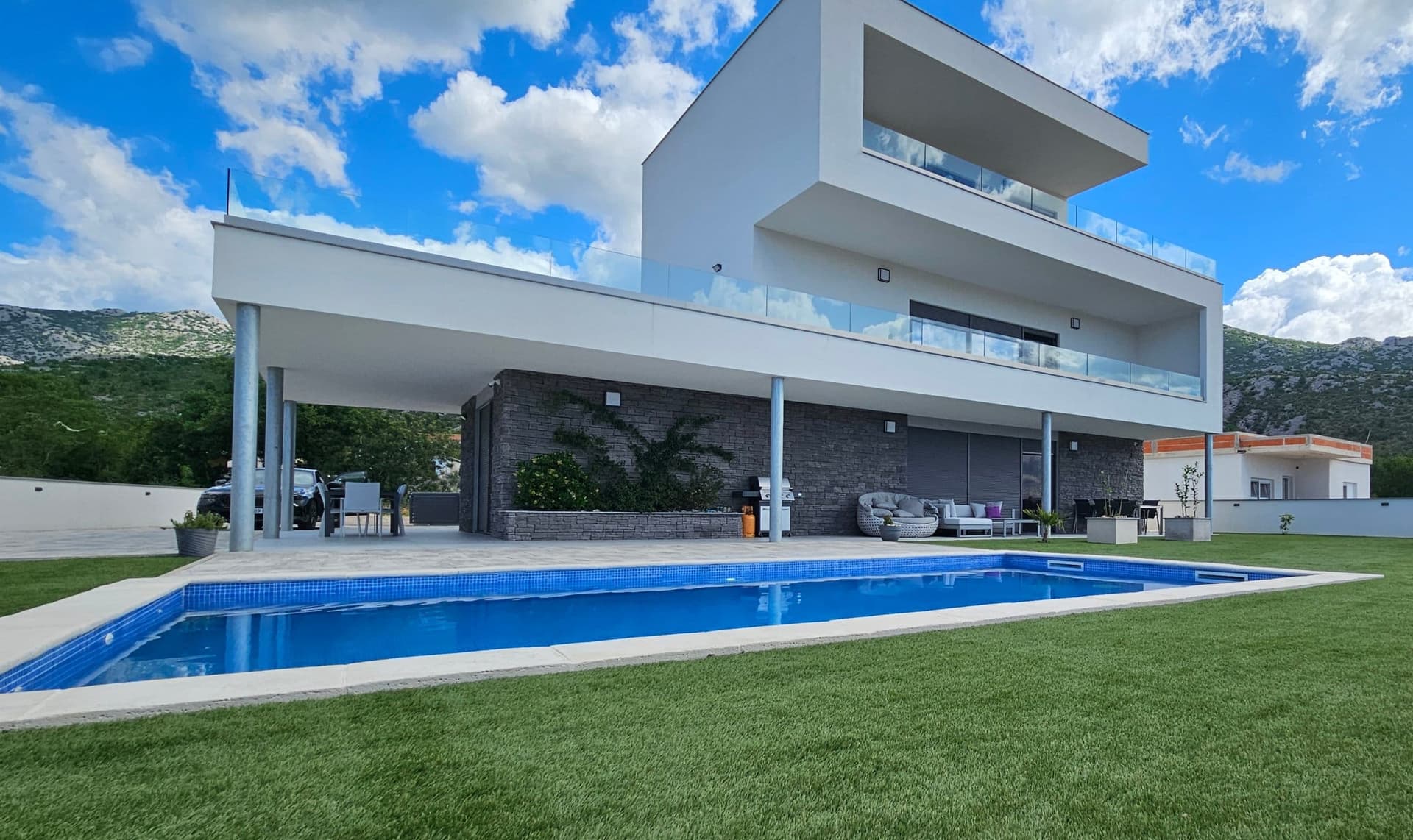 34 km from Ugljan
- Apartment
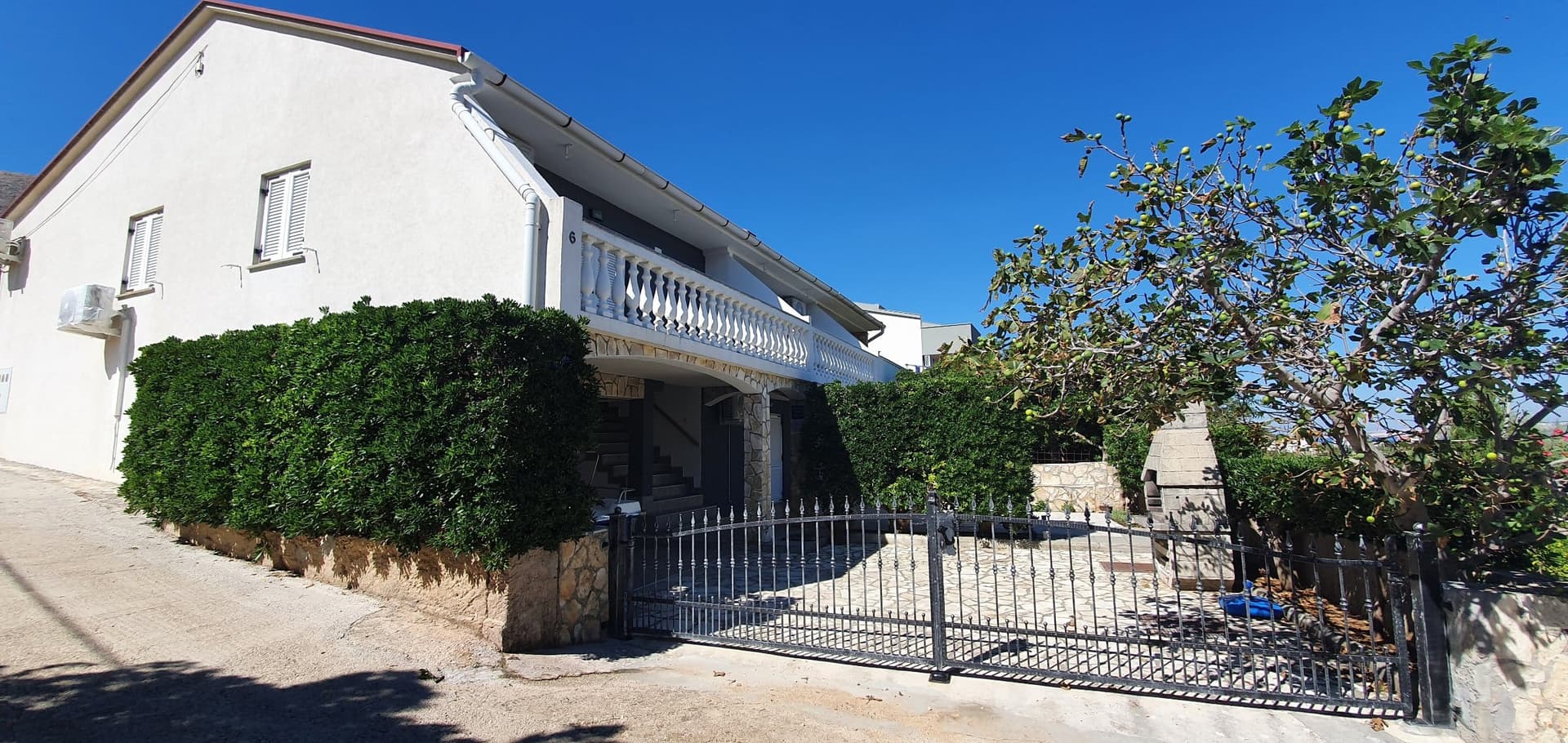 40 km from Ugljan
- Apartment
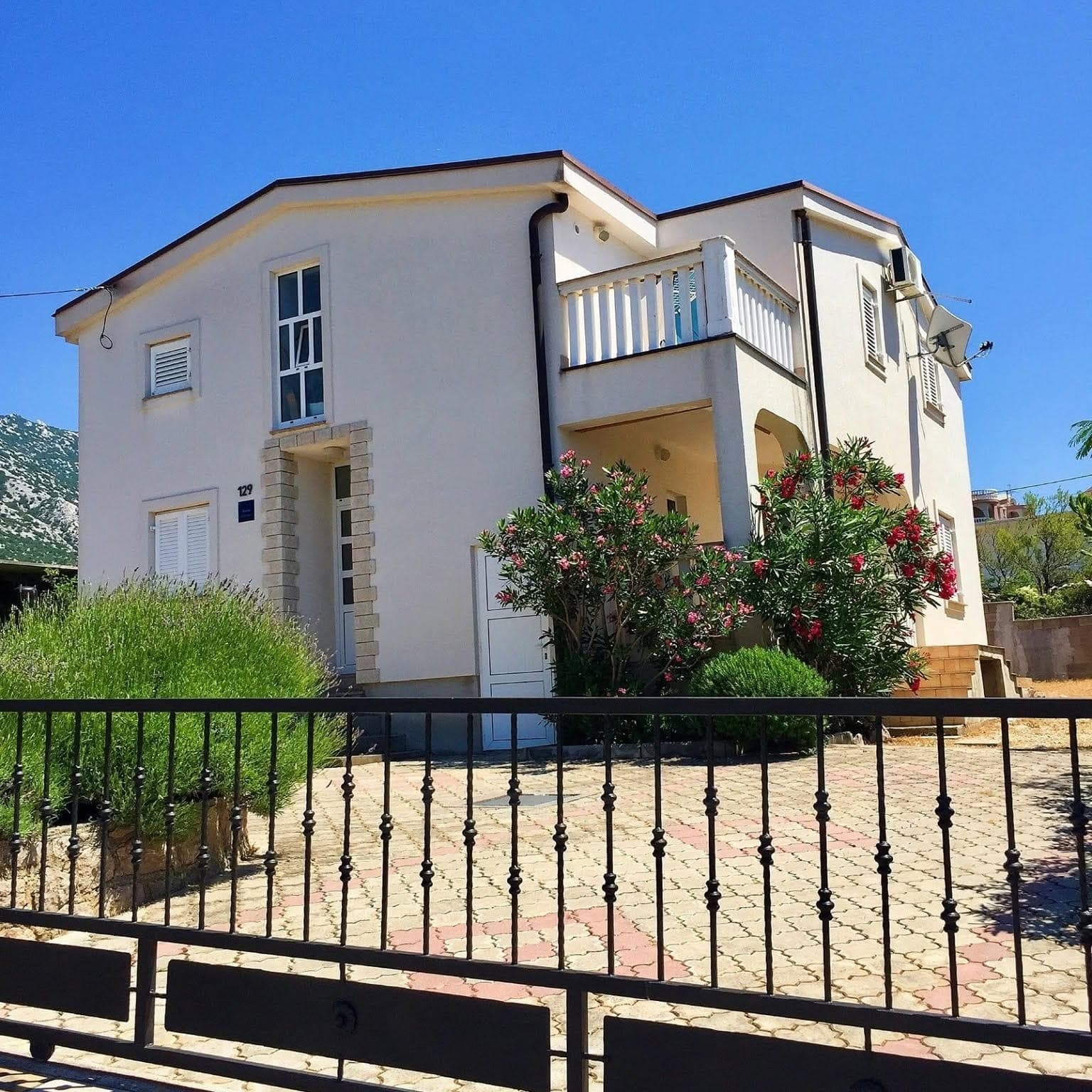 53 km from Ugljan
- Apartment
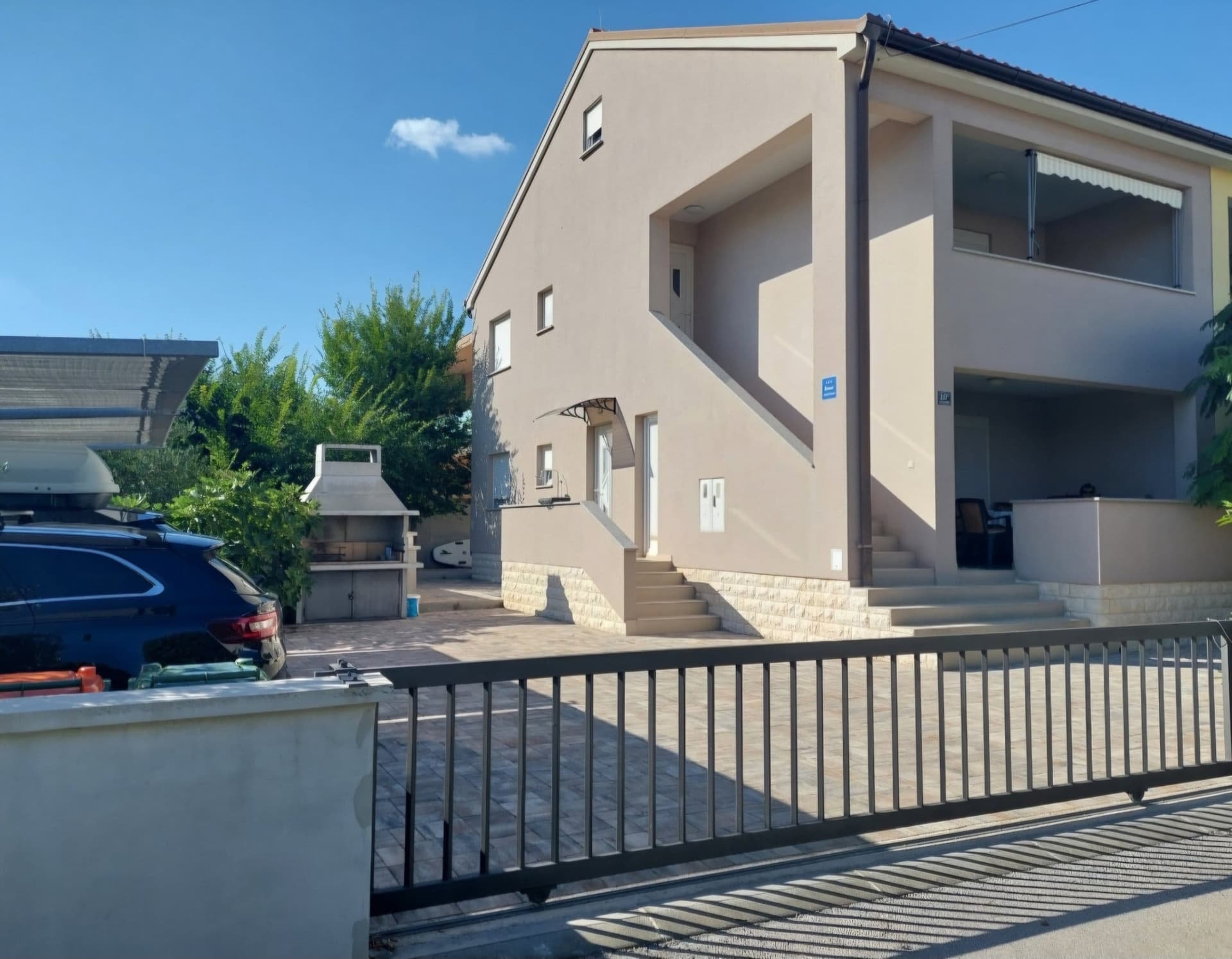 61 km from Ugljan
Be the first to list here
Guests looking for this place only see stays nearby for now. No commission, and enquiries come straight to you.
List your accommodation

Things to see
St Michael’s Fortress crowns a 265-metre hill above Preko and provides the island’s signature panorama towards Zadar. Just offshore, the tiny islet of Galevac holds a Franciscan monastery separated from Preko by a narrow channel. In Ugljan village, the 15th-century Monastery of St Jerome stands beside sandy Mostir Beach; its Romanesque cloister is distinguished by carved stone capitals. Muline preserves remains of a Roman rural complex and an oil-processing site dating from the early centuries AD. A more recent island landmark is the series of mosaic benches begun in 2014, with individual designs referring to the stories and visual identity of different Ugljan villages.


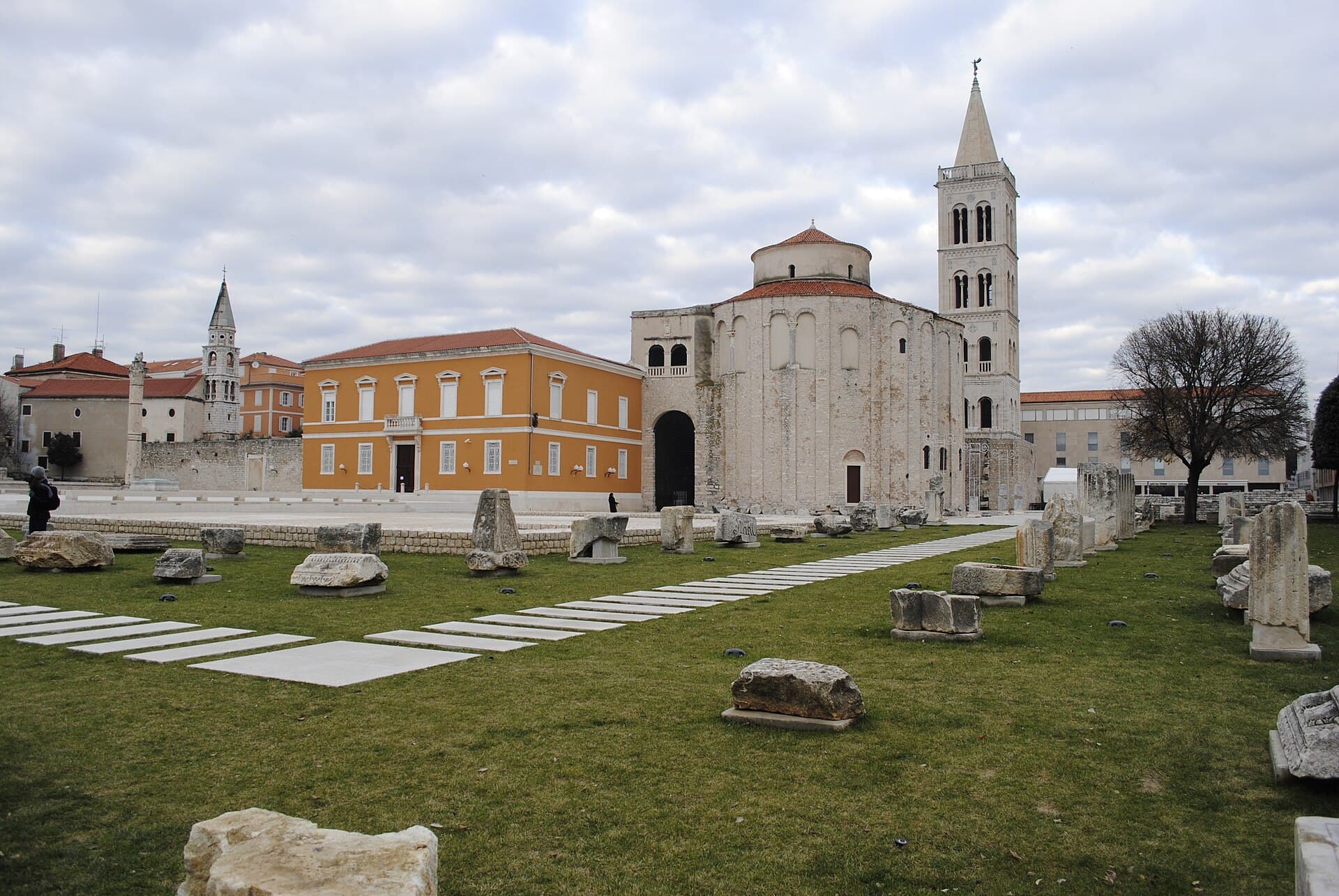
St. Elijah Church
Landmark · Zadar
The Church of St Elijah is an Orthodox church on the Roman Capitolium, with a Late Baroque appearance and a notable collection of 16th- to 18th-century icons.
7 km from Ugljan
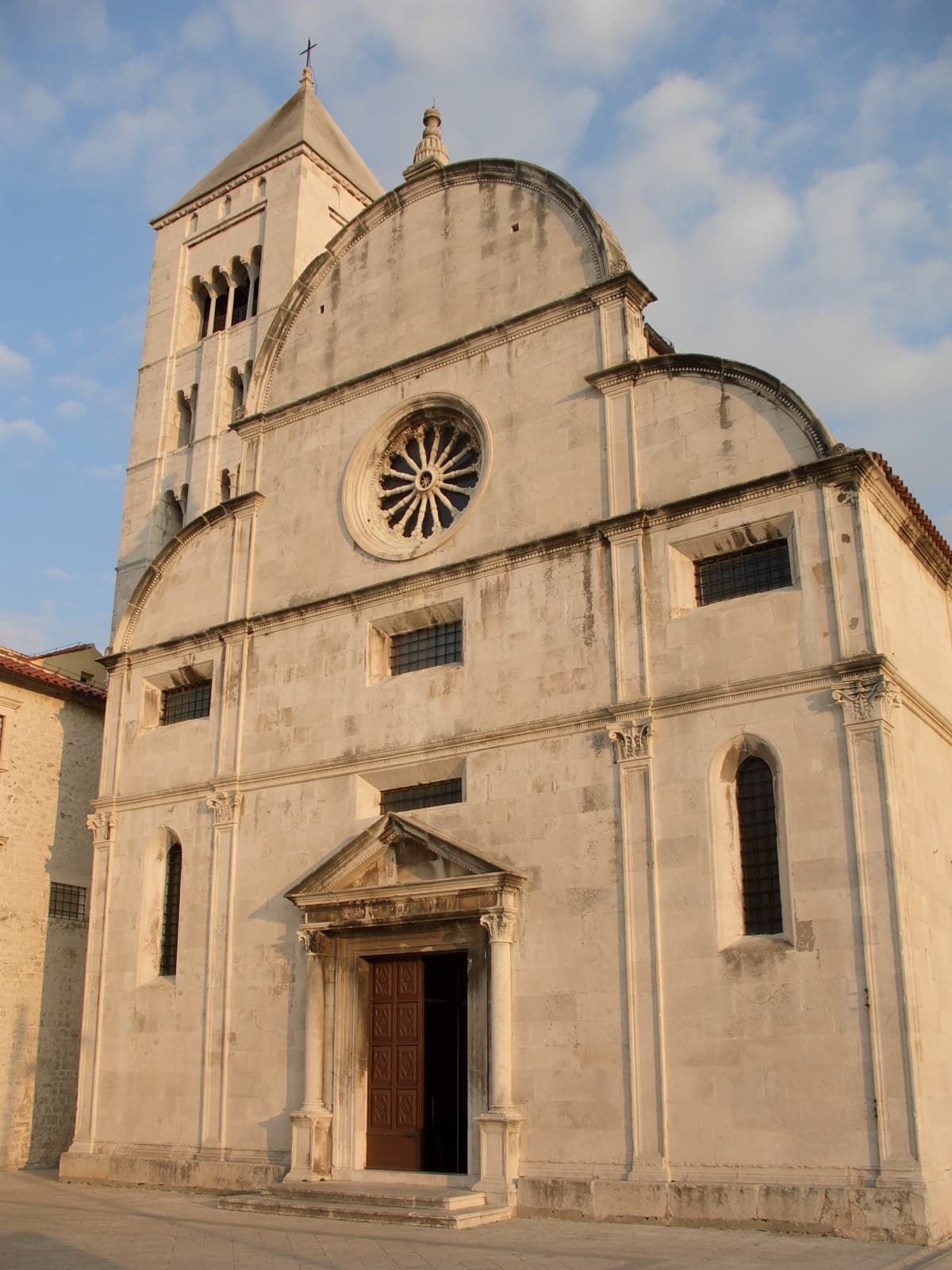
St. Mary's Church
Landmark · Zadar
The Benedictine Monastery of St Mary is an active convent beside Zadar’s Forum, known for its treasury of sacred art and centuries-old Benedictine tradition.
7 km from Ugljan
Beaches
Mostir, in the centre of Ugljan village, is a sandy beach suited to children and less confident swimmers, with showers, changing facilities, loungers, a playground and an accessibility ramp. Nearby Centar has a concrete waterfront, while Čeprljanda combines an arranged bathing area with a mixed sandy and rocky seabed. Near Muline, Južna Luka is a sandy cove backed by pines and approached along an unpaved track from the parking area. Suha Cove, reached through the hamlet of Varoš, faces Iž and is framed by striking horizontal rock formations. Ćinta is a much wilder rocky inlet with unusually deep-blue water, better suited to boat visits and confident swimmers than families with toddlers.
Things to do
A practical island circuit begins in Preko, first taking in the islet of Galevac and its Franciscan monastery before climbing to St Michael’s Fortress, 265 metres above sea level. After the broad view over Zadar and the archipelago, continue south to Kali, where fishing traditions remain visible around the harbour. Reserve the later part of the day for northern Ugljan: visit the Monastery of St Jerome, pause at Mostir Beach and continue to the Roman-era remains at Muline. Južna Luka makes a fitting final swim; the sandy cove is reached along an unpaved path from the parking area in Muline and has pine shade behind the shore.
Food and drink
Ugljan’s food identity shifts from the fishing harbour of Kali to the olive-growing landscape around Muline. In Kali, tuna, sardines, mackerel and octopus make the most place-specific choices because fishing and tuna fleets remain central to the village’s identity. At Sutomišćica, Olive Garden operates within Olive Island Marina and focuses on fresh ingredients and local produce. In the north, an olive-oil tasting fits naturally with a visit to Muline, where the story of pressing oil reaches back to the Roman complex. Island restaurants often adjust their opening patterns outside summer, so checking the chosen venue directly is sensible before travelling across Ugljan for a meal.
Tours and activities
AdAd · partner offers: GetYourGuideThe partner handles booking, payment and support. StayBravo may earn a commission on bookings made through these links.How we choose offersGetYourGuide offers are selected and ordered by GetYourGuide based on the name of the nearest larger town or national park; we do not influence their selection and do not use data about you.GetYourGuide · Ugljan
We show GetYourGuide offers once you allow their cookies.
Towns
All other placesShow all 3Hide list
Practical information
Practical information
The tourist office for Ugljan village is at Šimuna Kožičića Benje 17, while the Municipality of Preko tourist office is at Magazin 8 in Preko. Around central Ugljan, close to the main bathing area, visitors can find a shop, places to eat, a pharmacy, bank services, ATMs, a butcher and a fish market. Sturdy footwear is useful for St Michael’s Fortress and the olive-grove paths, where the terrain is stony and exposed to the sun. Travellers without a car will find Preko or accommodation near the island bus route most convenient; remote coves such as Ćinta and Južna Luka involve extra walking or independent transport.
Getting there and around
Jadrolinija’s passenger boat links Zadar’s central harbour with Preko in about 25 minutes, and a ticket on this route may be used on any departure shown for its printed date. Vehicles reach Ugljan on the car ferry from Zadar’s Gaženica port to Preko. The 2026 timetable varies by seasonal period and provides several departures daily, so travellers should consult the current schedule for changes. From Preko, the island road serves Kali, Kukljica and the northern settlements; at the southern end, the Ždrelac bridge allows cars and bicycles to continue directly onto Pašman without another ferry crossing.
Frequently asked questions
Which Ugljan beach is best for non-swimmers?
Mostir in Ugljan village has a sandy, shallow bathing area, plus showers, changing facilities, loungers and an accessibility ramp.
How long is the boat trip from Zadar to Preko?
Jadrolinija’s passenger service from Zadar’s central harbour reaches Preko in approximately 25 minutes.
Where can Roman olive-oil heritage be seen on Ugljan?
Muline preserves remains of a Roman rural complex and installations associated with olive-oil processing.
Can you drive directly from Ugljan to Pašman?
Yes. The Ždrelac bridge joins the islands at Ugljan’s southern end, so no ferry is needed between them.
Where is the best view towards Zadar?
St Michael’s Fortress, 265 metres above Preko, offers a broad view over Zadar and its archipelago.
Nearby
Larger towns
straight-line distance
Related guides
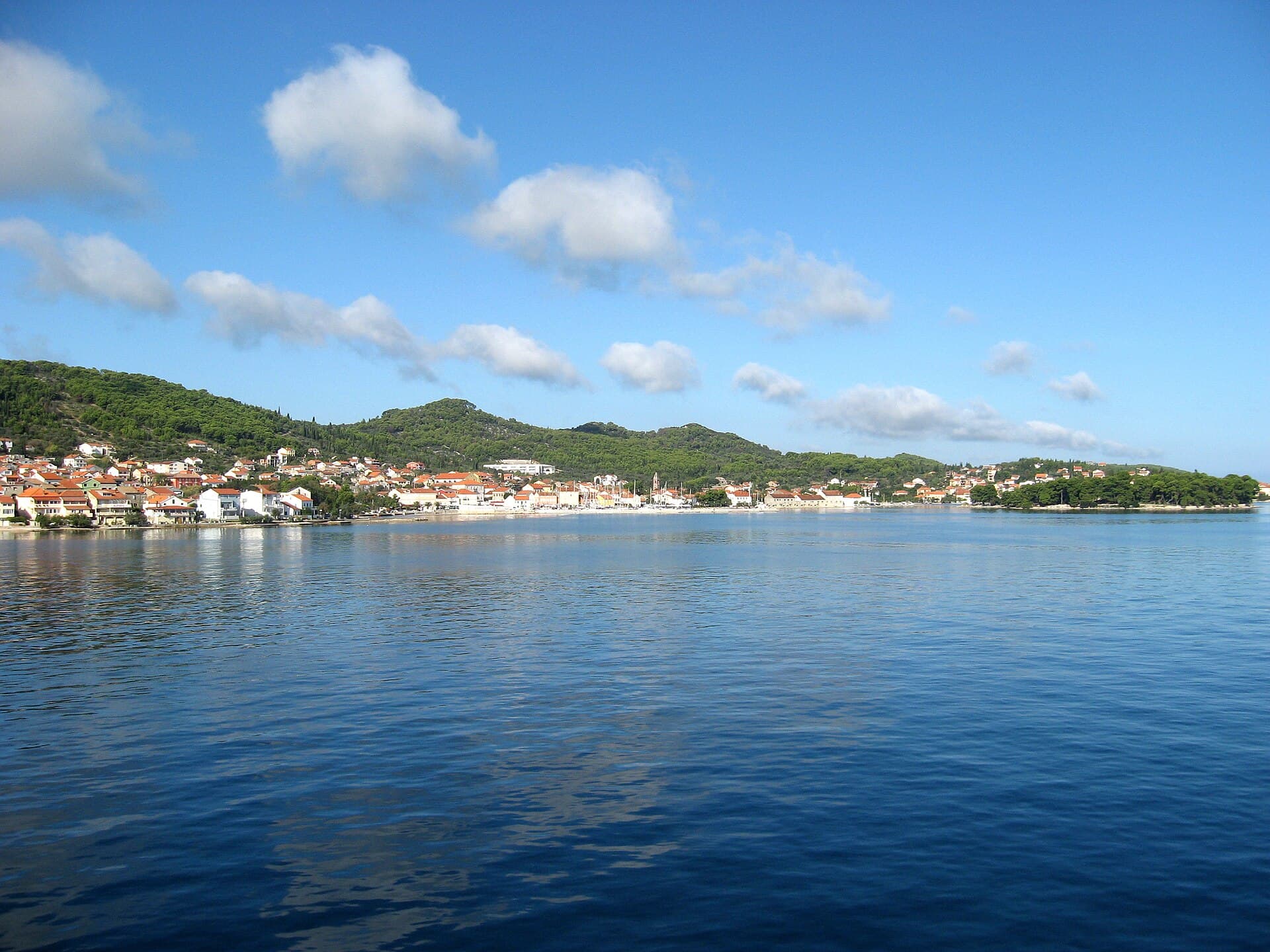
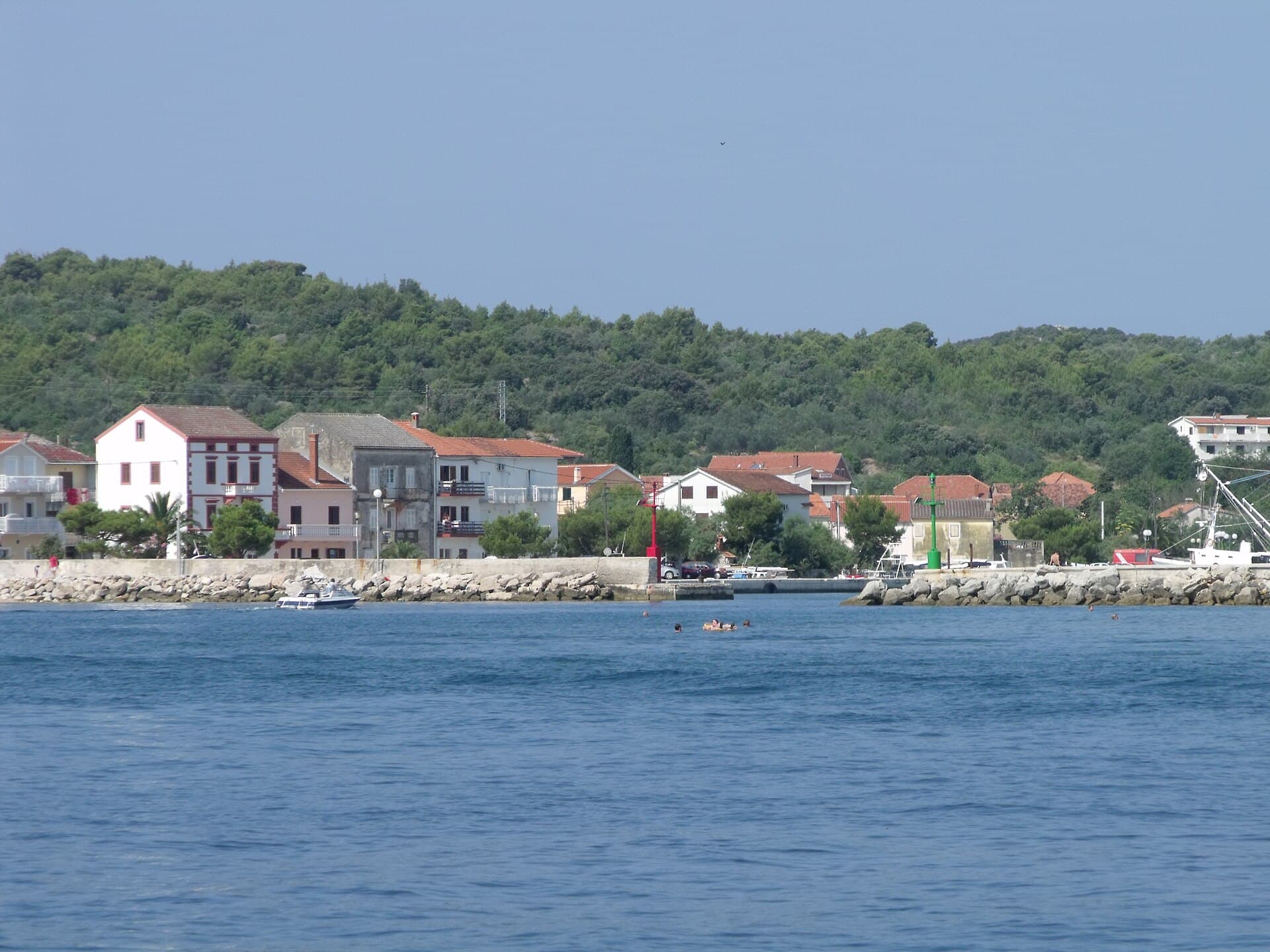
Preko
Preko is Ugljan’s transport and administrative hub, yet its island character is clearest in its relationship with the sea: ferries dock beside the settlement, Marina Preko occupies the…
Read the guide
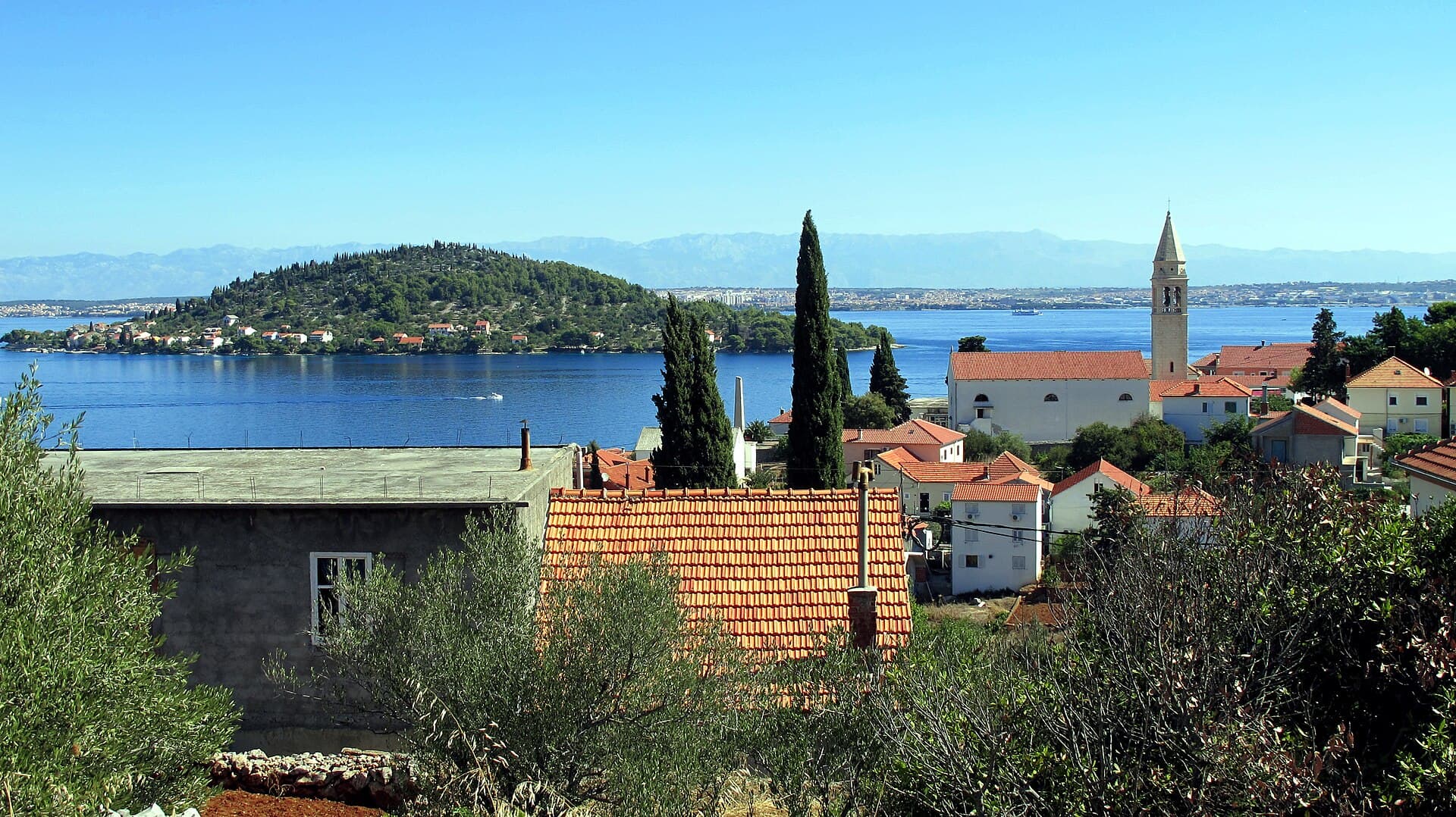
Kukljica
Kukljica is a fishing and holiday village on the south-eastern end of Ugljan, immediately before the Ždrelac bridge that links Ugljan with Pašman by road. The municipality specifically…
Read the guide
Kali
Kali has two distinct maritime faces. Mul and Batalaža open towards the Zadar Channel, while paths and roads cross the island’s interior to the deep inlets of Mala and Velika Lamjana.…
Read the guide
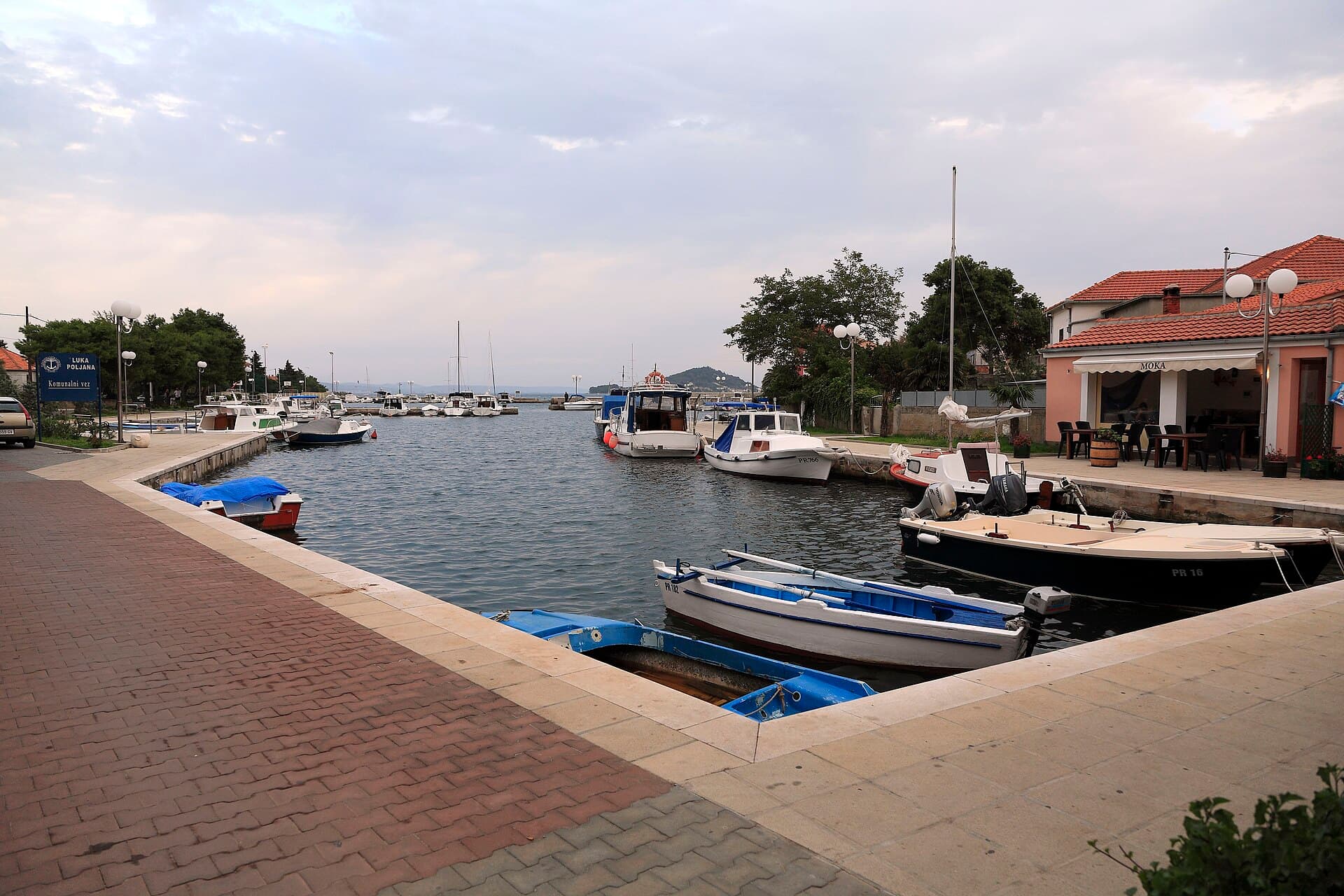
Poljana, Ugljan
Poljana sits on Ugljan’s north-eastern shore beside Preko, yet it retains the scale of a small village centred on its harbour and the Sveti Petar peninsula. Stone houses and the waterfront…
Read the guide
Know Ugljan? Correct us
Tell us in your own words what is not accurate. We check right away.Do not enter personal data. Corrections are checked by the StayBravo AI assistant; changes to the description are approved by an editor. Use the form instead
Do you know Ugljan?
Help the guests who come after you.
Help us complete
Nothing is published without an editor’s review.Report illegal content
Photo credits: Ugljan, Štefano Castle — Jean-no (CC BY-SA 3.0) · Preko — Andres rus (CC BY-SA 3.0) · Ugljan — velfran (CC BY-SA 3.0) · Kukljica — štefan (CC BY 3.0) · Kali — Jean-no (CC BY-SA 3.0) · Oštri rat Lighthouse — Böhringer Friedrich (CC BY-SA 2.5) · St. Elijah Church — Robin hudeci (CC BY 3.0) · St. Mary's Church — Maestralno (Public domain) · Apartmani Rustica — Zdenko Dusevic (courtesy of the property owner) · Villa Slatki — Saša Slatki (courtesy of the property owner) · Apartmani Bukal — Partner (courtesy of the property owner) · Apartman Mira — Marijan Ćaćan (courtesy of the property owner) · APARTMAN COTA — Jadranka Cota (courtesy of the property owner) · Poljana, Ugljan — Falk2 (CC BY-SA 4.0)