
Lun
About this place
Lun occupies the far northern end of Pag, roughly 20 kilometres from Novalja, yet its old village centre stands inland; the harbour of Tovarnele is about a kilometre downhill. Between the settlement and the sea lies the Olive Gardens of Lun, a distinctive landscape of wild olives, drystone walls and rocky lanes. The wider Lun area contains about 80,000 olive trees, including roughly 1,500 wild specimens, with some individual trees estimated to be more than 1,500 years old. The protected grove covers about 24 hectares, while its visitor facilities include a reception point in Tovarnele, an interpretation centre, an amphitheatre-style lookout and the restored Donje lokve watering place. Tovarnele supplies Lun’s maritime side: its compact harbour, waterfront walk, bathing spots and eateries face the islet of Dolfin and the islands of Cres and Lošinj. Inland, the village gathers around St Jerome’s Church, while the ruins of St Martin’s Church mark the Punta Luna headland. Lun is therefore best understood through both halves of its identity—the stony olive-growing interior and the small harbour looking across Kvarnerić.
Lun is not a single compact waterfront village but the centre of a peninsula scattered with hamlets among stone, olives and sea. Locals call the older core Selo, while the harbour quarter developed at Tovarnele; the wider area also includes Jakišnica, Mata, Dudići, Gurijel and several smaller settlements. Sheep farming sustained the community for generations, and olive cultivation expanded notably from the mid-19th century. Lun’s defining landscape now consists of old Oblica olives grafted onto wild rootstock, threaded by drystone walls and rough lanes. Historical records identify Tovarnele as the second harbour, alongside Novalja, on Pag’s western shore—a role that still distinguishes the coastal quarter from the inland village.
Things to see
The Olive Gardens are Lun’s essential landmark: a protected area of roughly 24 hectares preserving wild olives in their original stony setting, with the oldest specimens estimated at more than 1,500 years. Its visitor complex includes an interpretation centre inaugurated in 2016, a lookout shaped as a small amphitheatre and the restored Donje lokve watering place. In Selo, St Jerome’s Church and the former Guardian Angel church identify the historic heart of the parish established in 1870. At Pag’s northern tip, Punta Luna adds a different landmark—the remains of St Martin’s Church and an expansive view over the waters surrounding the island’s headland.
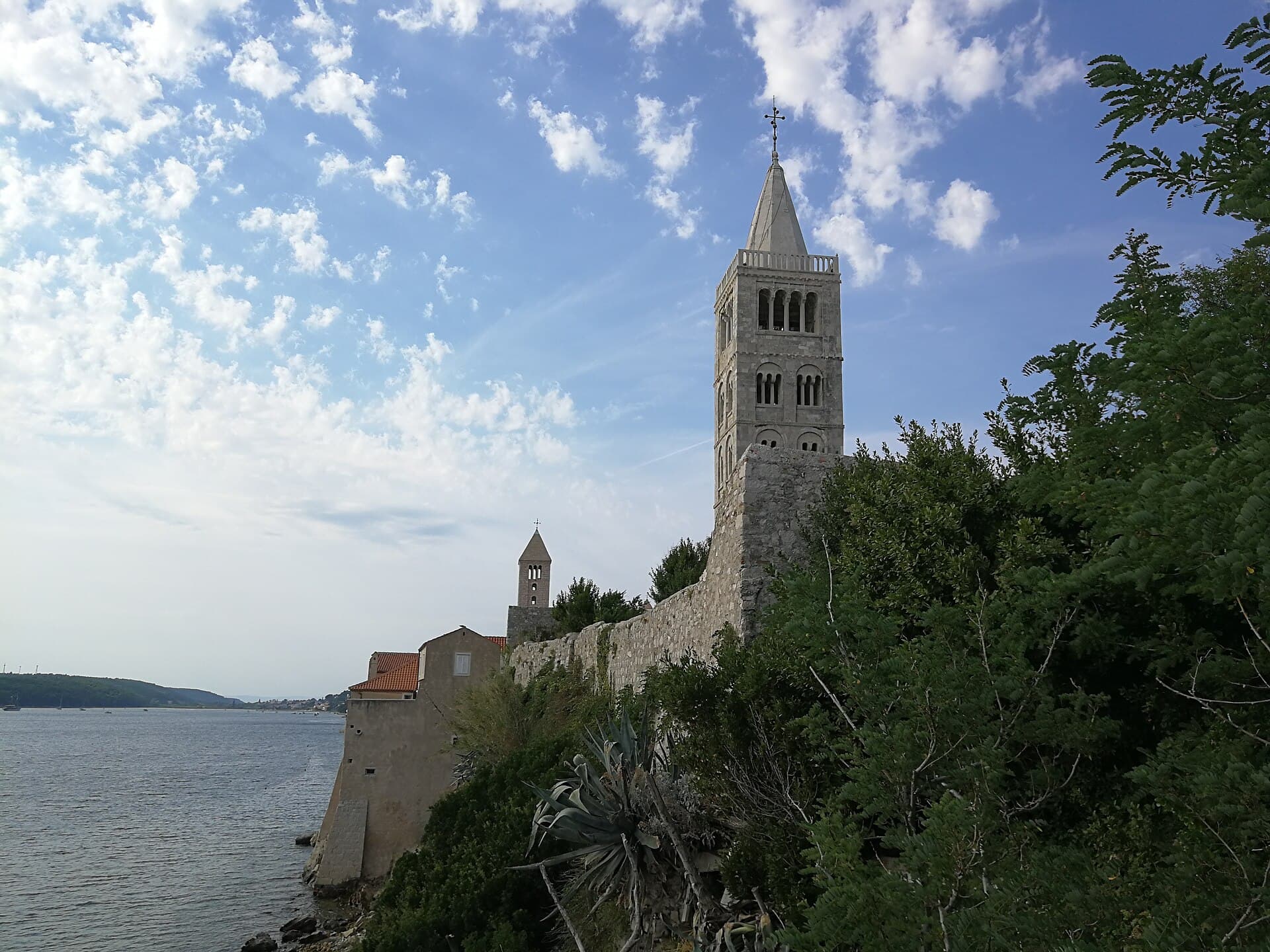
Cathedral of the Assumption of the Blessed Virgin Mary, Rab
Landmark · Rab
church in Rab, Croatia
8 km from Lun

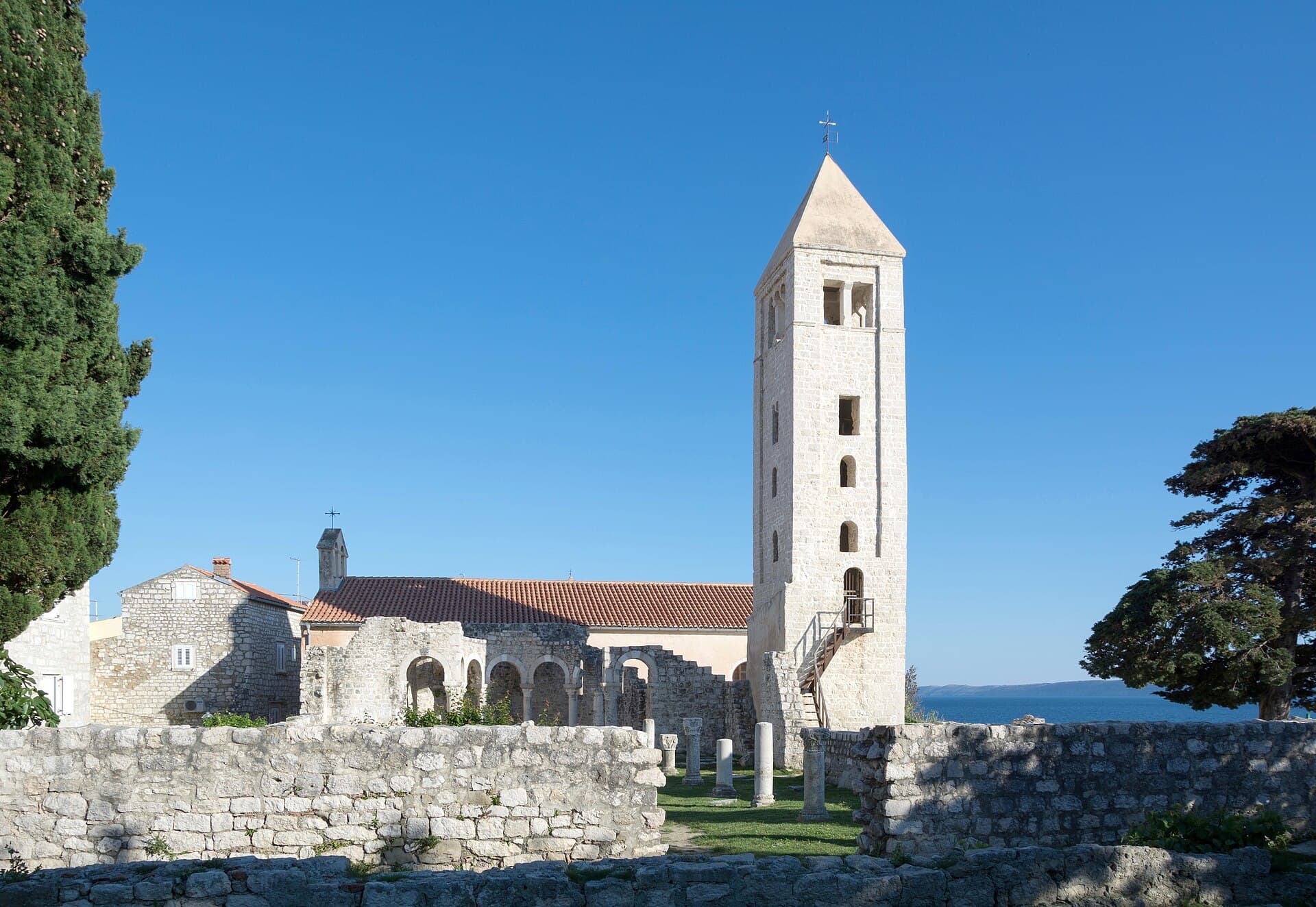
 Significant landscape
Stays further afield
- Apartment
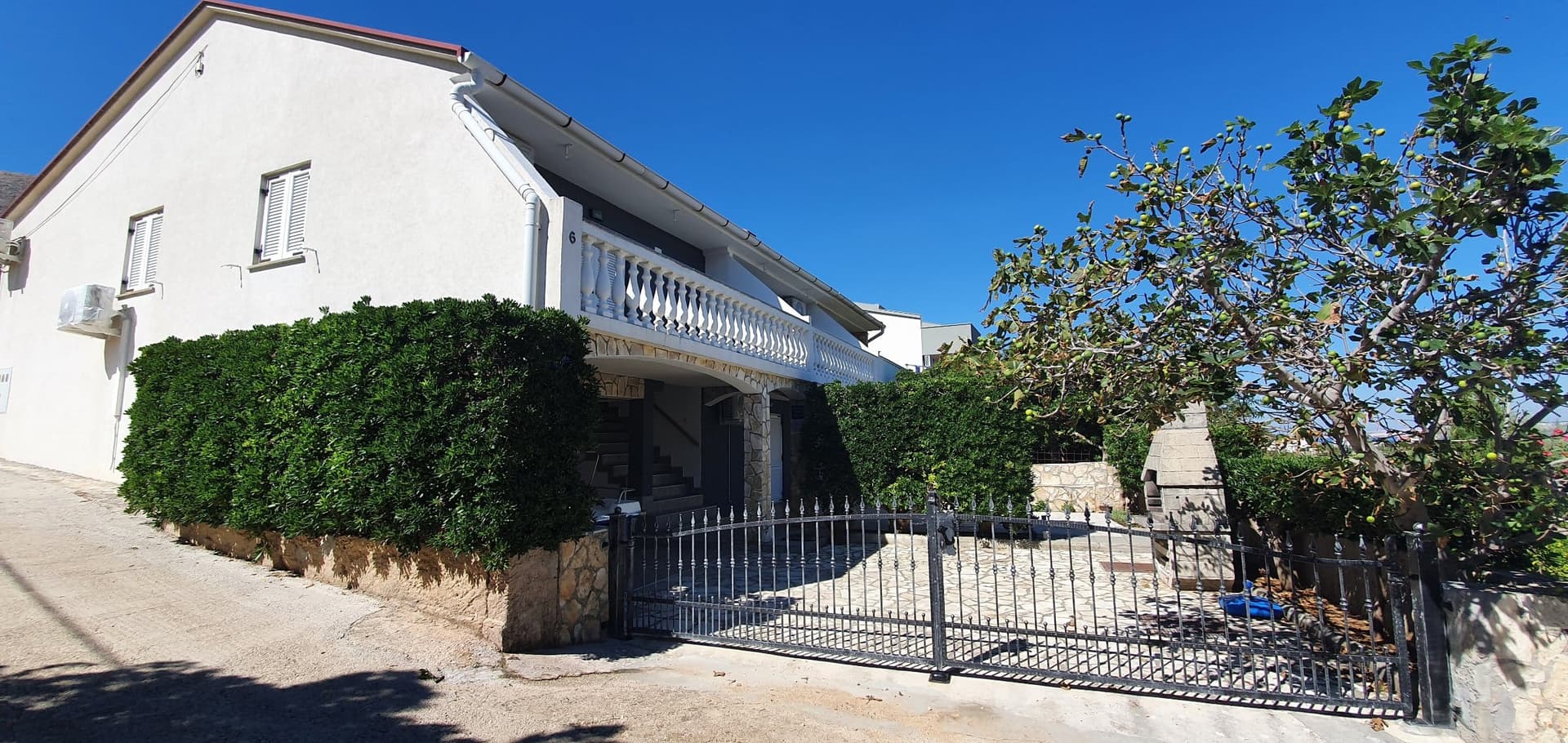 36 km from Lun
Be the first to list here
Guests looking for this place only see stays nearby for now. No commission, and enquiries come straight to you.
List your accommodation
Beaches
Swimming in Lun centres on Tovarnele and the coastal hamlet of Mata rather than on Selo, which lies about a kilometre inland. Small bathing places line the waterfront around Tovarnele, looking towards the Dolfin islet and the more distant silhouettes of Cres and Lošinj. Local descriptions single out Mata as a summer bathing spot, while the indented edge of the Lun peninsula offers additional rocky and pebbly access points. Water shoes are useful along this stone-dominated shore; visitors wanting a shop, café or restaurant close by will find the bathing areas nearest Tovarnele harbour the most convenient.
Things to do
Begin at the Olive Gardens reception in Tovarnele, then follow the arranged tracks between wild olive trunks and drystone walls towards the oldest trees. In the grove’s southern section, pause at the lookout, where the view extends past the olive canopy to Dolfin, Cres, Lošinj and the islets of Male and Velike Laganje. The interpretation centre introduces Lun’s olive-growing heritage, while the restored Donje lokve watering place illustrates how water was managed in this austere terrain. Back by the coast, walk around Tovarnele’s small harbour before heading towards Punta Luna, where the remains of St Martin’s Church overlook the more exposed waters of Kvarnerić.
Food and drink
The greatest concentration of places to eat around Lun is on the Tovarnele waterfront. Bistro Tovrnele, at Tovarnele 27, lists homemade dishes, fish and shellfish, grilled food and Pag lamb. The local dining guide also names Restaurant Jadran, Buffet Pizzeria Haluga and Snack Bar Ružmarin in Tovarnele, giving this coastal part of Lun options from full restaurant meals to casual food. Pag lamb is a particularly fitting choice here, as it is specifically included in Bistro Tovrnele’s offer.
Tours and activities
AdAd · partner offers: Viator, GetYourGuideThe partner handles booking, payment and support. StayBravo may earn a commission on bookings made through these links.How we choose offersWe choose offers based on the page you are viewing: the partner destination for this place or the nearest one (with its distance), and on a sight page only offers that mention it. We show offers rated at least 4.3 with at least 10 reviews, without multi-day tours or pure transfers, ordered by rating adjusted for the number of reviews and then by the partner’s order. We do not use data about you, and the commission does not affect the order.GetYourGuide offers are selected and ordered by GetYourGuide based on the name of the nearest larger town or national park; we do not influence their selection and do not use data about you.Viator
Nearest destination: Krk Island (40 km)
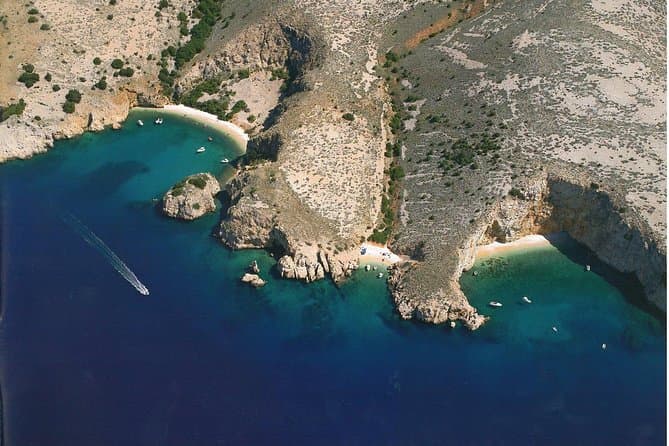
Private Wild Bays Boat Trip with Captain Bobo (opens in a new tab)
A relaxing half-day excursion, in the season, with less boat ride and more swimming in the perfectly clear sea and sunbathing on the most beautiful beaches of the northern Adriatic, ideal for all…
Rated 5 out of 5 · 50 reviews· 3.5 h
Free cancellation
from €190
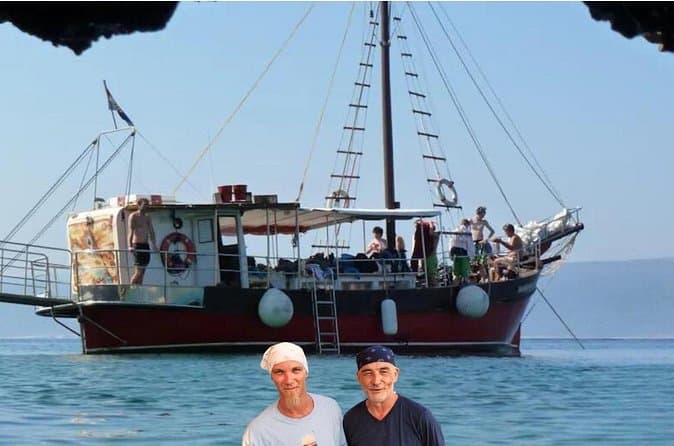
Discover Island Plavnik with a Pirate Ship ALL INCLUSIVE !! (opens in a new tab)
Discover the unique nature of Plavnik Island and the Wild bays in 8 hours with our captain Toni and his son Borna. Explore the blue cave and admire the rare griffon vultures. Swim in the small bays…
Rated 5 out of 5 · 23 reviews· 8 h
Free cancellation
from €45
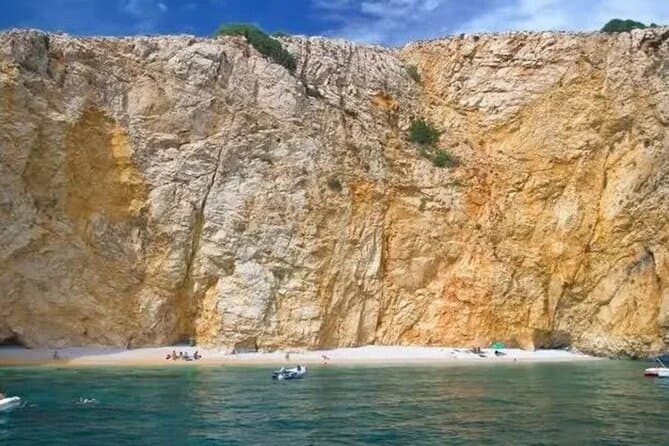
PUBLIC 3,5h Swimming and Snorkeling on the Wild Bays (opens in a new tab)
A relaxing public half-day excursion (3,5h), with less boat ride and more swimming and snorkeling in the perfect clear sea, and sunbathing on the most beautiful beaches of the northern Adriatic…
Rated 5 out of 5 · 22 reviews· 3.5 h
Free cancellation
from €37
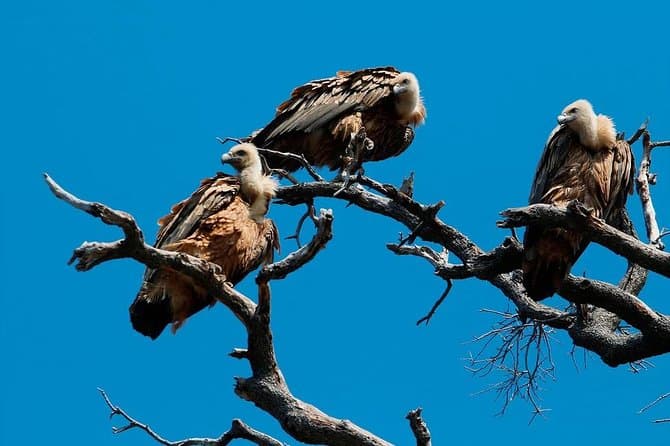
Private Plavnik Island Half-Day boat trip with capt. Bobo (opens in a new tab)
If you want a little more adventure, come with me to Plavnik, second largest uninhabited island in Croatia. After an hour boat ride, we reach the northern coast of the island Plavnik, which reveals…
Rated 4.9 out of 5 · 22 reviews· 5 h
Free cancellation
from €340
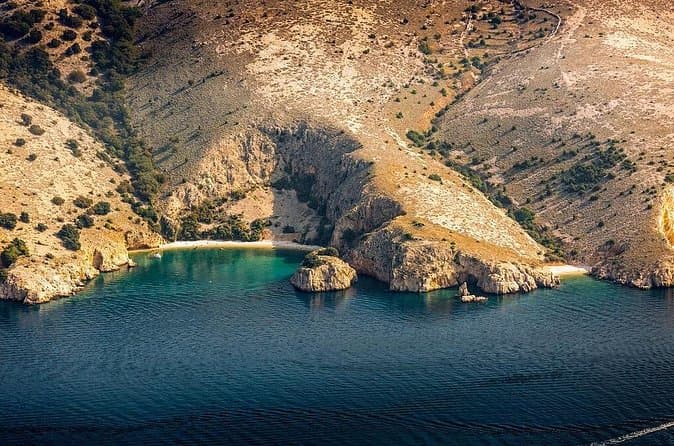
Private 7,5h Plavnik Island & Wild Bays Full-day Boat Trip (opens in a new tab)
If you like to sail with local traditional boats and enjoy the endless blue of the beautiful Adriatic Sea and you are not too big a fan of mass tourism, then this is the best option for you. After…
Rated 5 out of 5 · 13 reviews· 7.5 h
Free cancellation
from €650
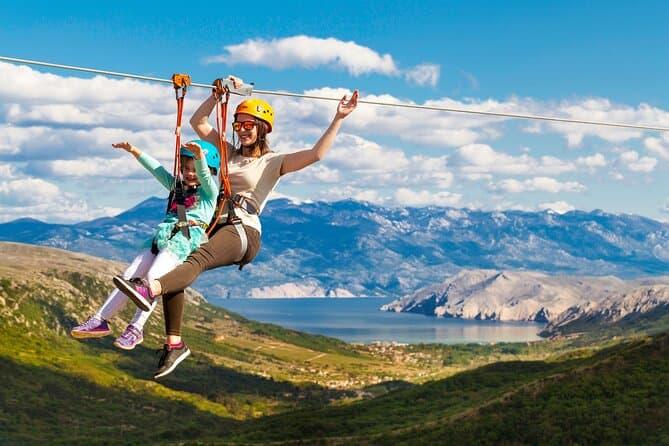
Zipline Experience Krk (opens in a new tab)
This is a attraction on the island of Krk and the whole of Croatia, intended for families and adventure lovers. We offers our visitors an unforgettable experience; driving our jeep, walking among…
Rated 4.7 out of 5 · 114 reviews· 2 h
Free cancellation
from €80
GetYourGuide · Rab
We show GetYourGuide offers once you allow their cookies.
Practical information
Practical information
The Olive Gardens reception at Tovarnele 96/D is the principal starting point for organised grove visits and can be contacted on +385 53 665 067. Tovarnele contains the tourist office, post office, shop and olive mill, whereas Lun’s historic centre is uphill in Selo. Guided electric-vehicle tours use a reservation system, so a place should be arranged directly with the Lun Olive Growers’ Cooperative. For summer walks on the garden’s rocky tracks, carry water and sun protection and wear sturdy footwear; the oldest trees are more comfortably explored in the morning or towards evening than during the hottest part of the day.
Getting there and around
Lun is reached by road from Novalja, about 20 kilometres away, with the final stretch running along the narrow Lun peninsula. The paved Novalja–Lun road was completed in 1980, a relatively late connection that helps explain the distinct roles of inland Selo and the harbour at Tovarnele. Drivers should choose their endpoint carefully: signs for Tovarnele lead towards the Olive Gardens reception and waterfront, while St Jerome’s Church stands in the older village. Pag itself is accessible over Pag Bridge from the south or via the Prizna–Žigljen ferry from the north; Žigljen provides the more direct island entry for travellers approaching from the Senj area.
Frequently asked questions
How far is Tovarnele from old Lun?
Tovarnele harbour is approximately one kilometre from Lun’s old centre in Selo.
Where does a visit to the Lun olive gardens begin?
The main Olive Gardens reception is at Tovarnele 96/D in Tovarnele.
What can be seen from the olive-grove lookout?
The southern lookout overlooks the grove, Cres, Lošinj, Dolfin and the Male and Velike Laganje islets.
Can the olive gardens be toured by electric vehicle?
The Lun Olive Growers’ Cooperative offers guided electric-vehicle tours by advance reservation.
Where are the ruins of St Martin’s Church?
The remains of St Martin’s Church stand at Punta Luna, on Pag’s northernmost headland.
Nearby
Lun
Open in OpenStreetMap(opens in a new tab)straight-line distance
Related guides
Novalja
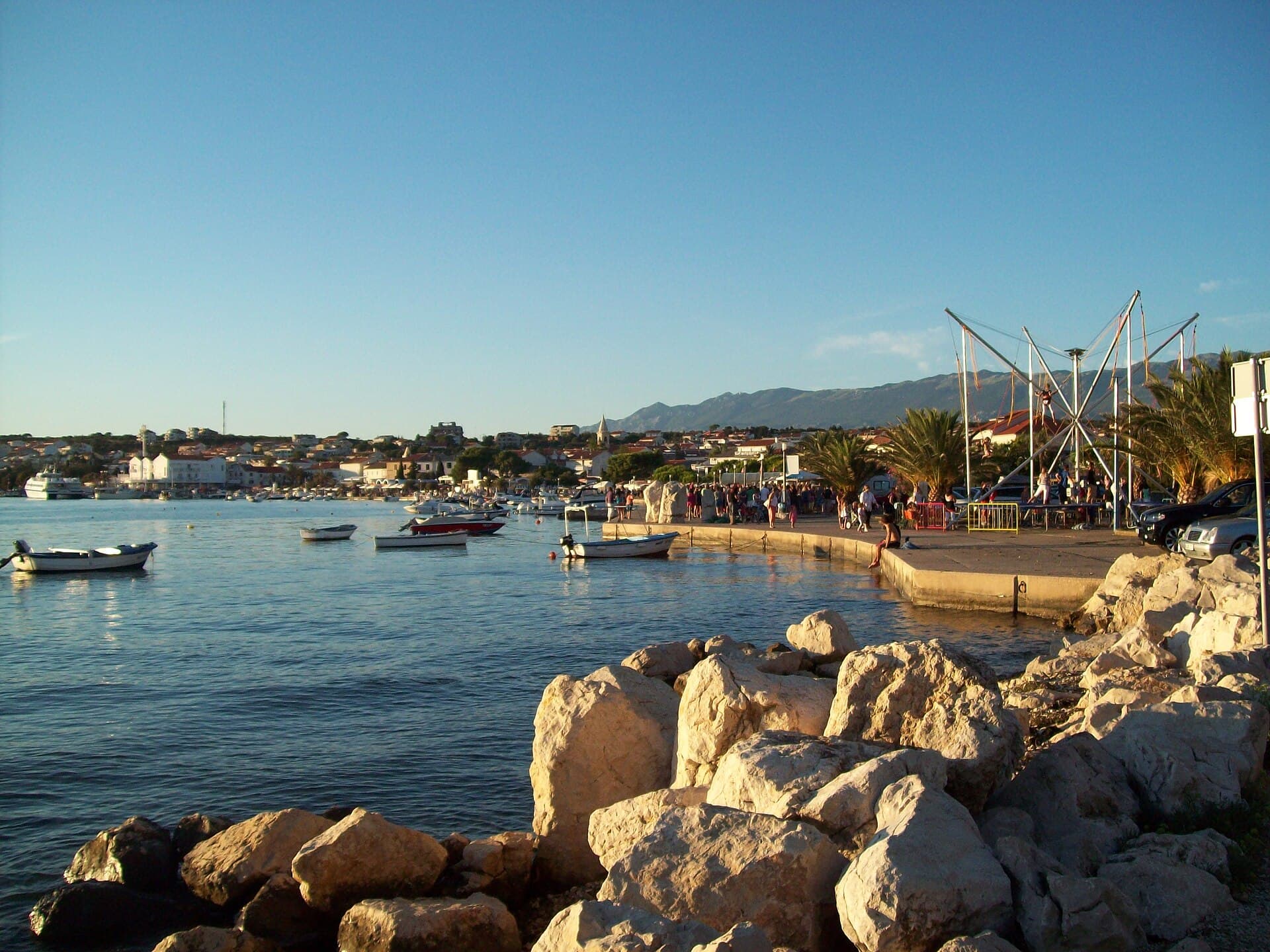
Novalja curves around a bay on Pag’s western shore, with the waterfront, Trg Bazilike and streets around Mala crikva forming the centre. Landing places and restaurants line the water, while…
Read the guide
Nin
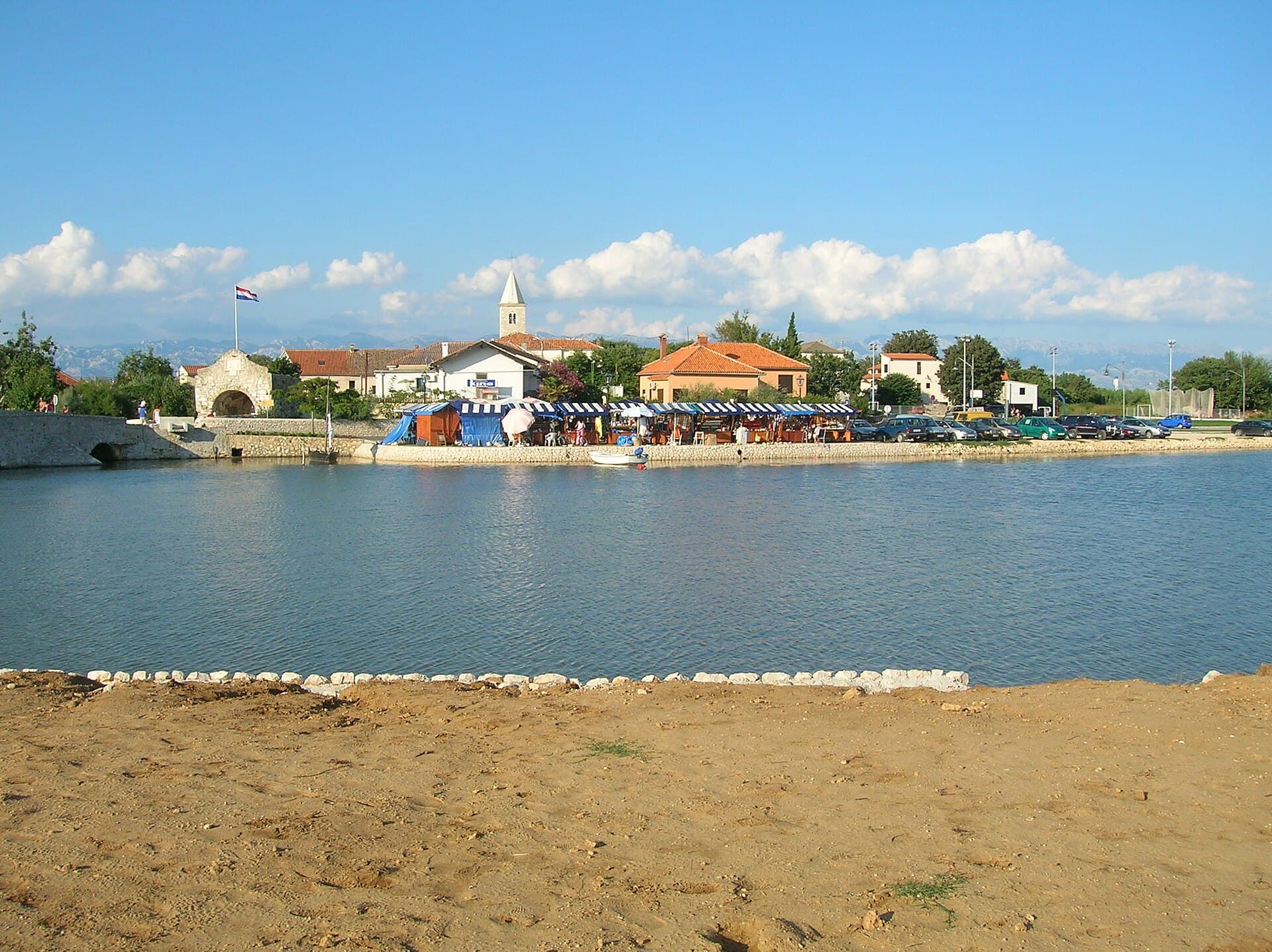
Nin’s historic centre occupies a low islet within a lagoon, connected to the mainland by bridges. Crossing into the centre creates a different first impression from arriving in nearby…
Read the guide
Pakoštane
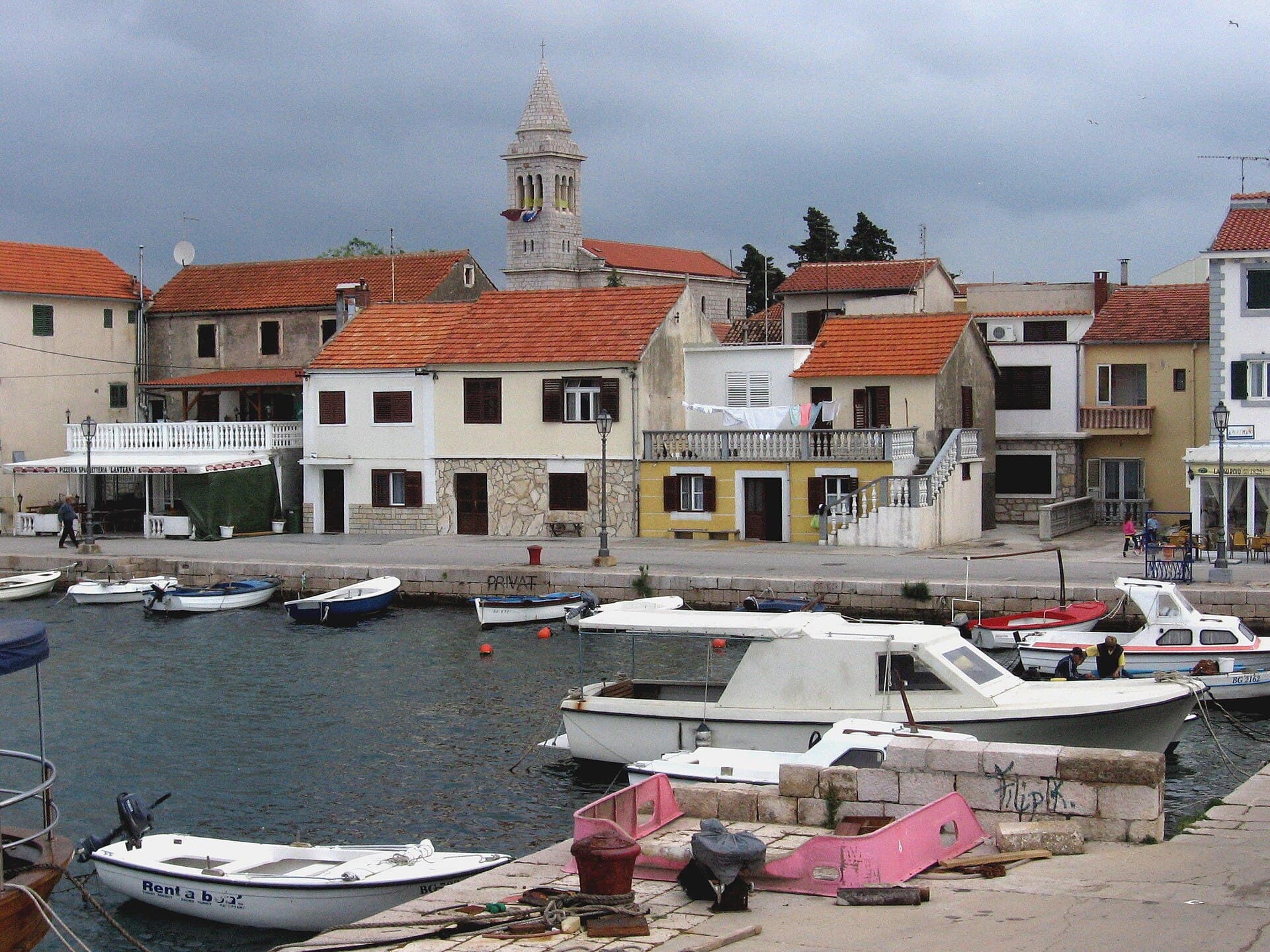
Pakoštane occupies a narrow strip between the Adriatic and Lake Vrana, allowing visitors to move from a Dalmatian waterfront to the reeds of an ornithological reserve within minutes. The…
Read the guide
Pag
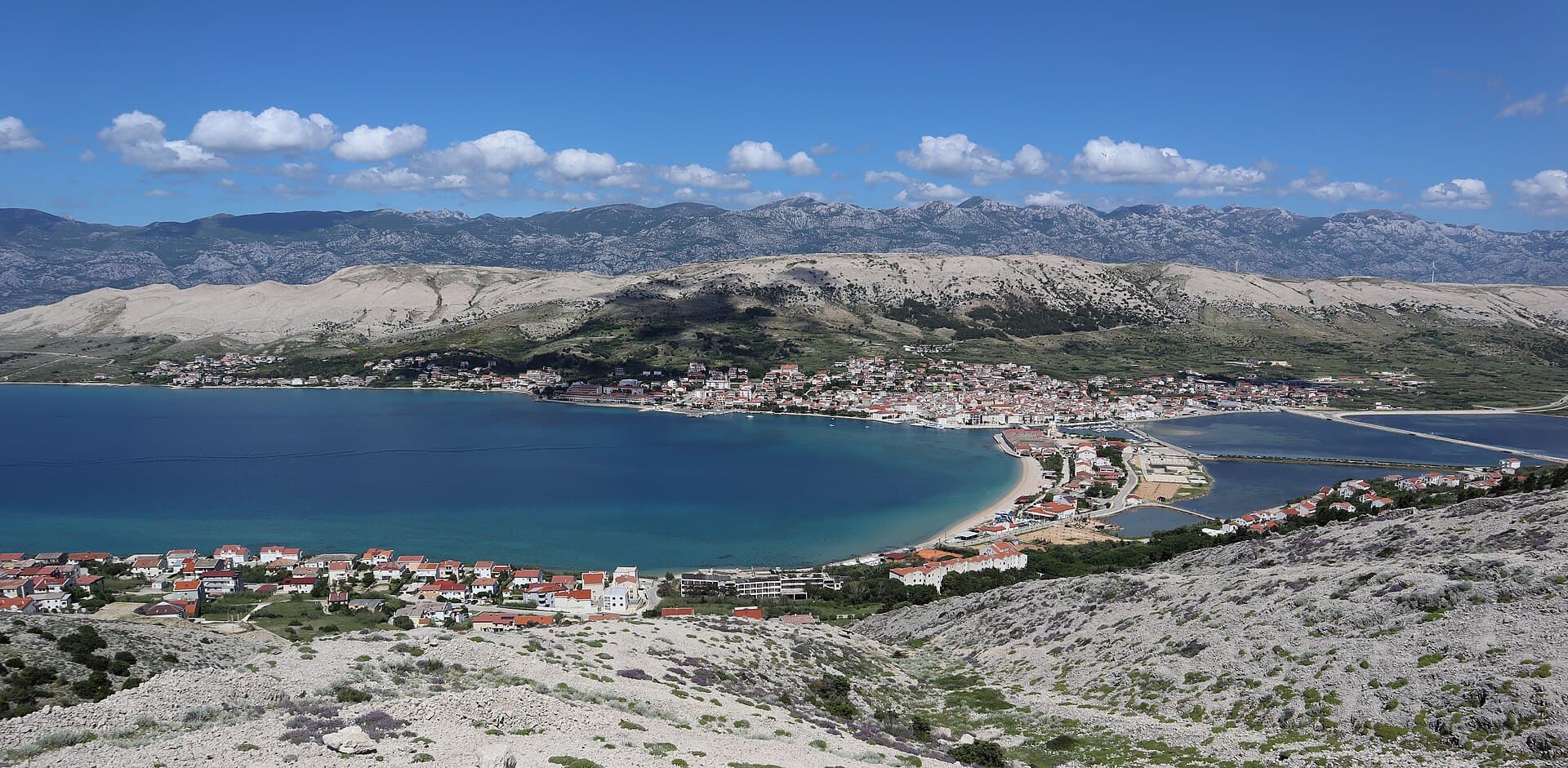
Pag is a planned stone town whose orderly street grid converges on Petar Krešimir IV Square, the Collegiate Church of the Assumption and the Rector’s Palace. The settlement moved to its…
Read the guide
Know Lun? Correct us
Tell us in your own words what is not accurate. We check right away.Do not enter personal data. Corrections are checked by the StayBravo AI assistant; changes to the description are approved by an editor. Use the form instead
Do you know Lun?
Help the guests who come after you.
Help us complete
Nothing is published without an editor’s review.Report illegal content
Photo credits: Lun, Jakišnica, Pag — Palauenc05 (CC BY-SA 4.0) · Barbat na Rabu — Aeroid (CC BY-SA 4.0) · Banjol, Mundanije, Stinica — Zoran Kurelić Rabko (CC BY-SA 3.0) · Rab — Herbert Ortner (CC BY 4.0) · Jablanac — Gajárszki László (CC BY-SA 3.0) · Kampor — Alexandre Albore (Ruthven) (Public domain) · Supetarska Draga — Rabko (CC BY-SA 3.0) · Stara Novalja — Maik Roscher (CC BY 3.0) · Cathedral of the Assumption of the Blessed Virgin Mary, Rab — Archaeomax (CC BY-SA 4.0) · Sv. Andrije (Rab) — Libens libenter (changes by Rabanus Flavus) (CC BY-SA 4.0) · Sv. Ivana Evanđelista (Rab) — Isiwal (CC BY-SA 3.0) · Zavratnica — Olgierd Rudak (CC BY-SA 4.0) · Apartmani Bukal — Partner (courtesy of the property owner) · Novalja — JoeTimBlackMax (CC BY-SA 3.0) · Nin — Amphisbène (CC BY 2.5) · Pakoštane — Roman Klementschitz, Wien (CC BY-SA 3.0)