Krk
About this place
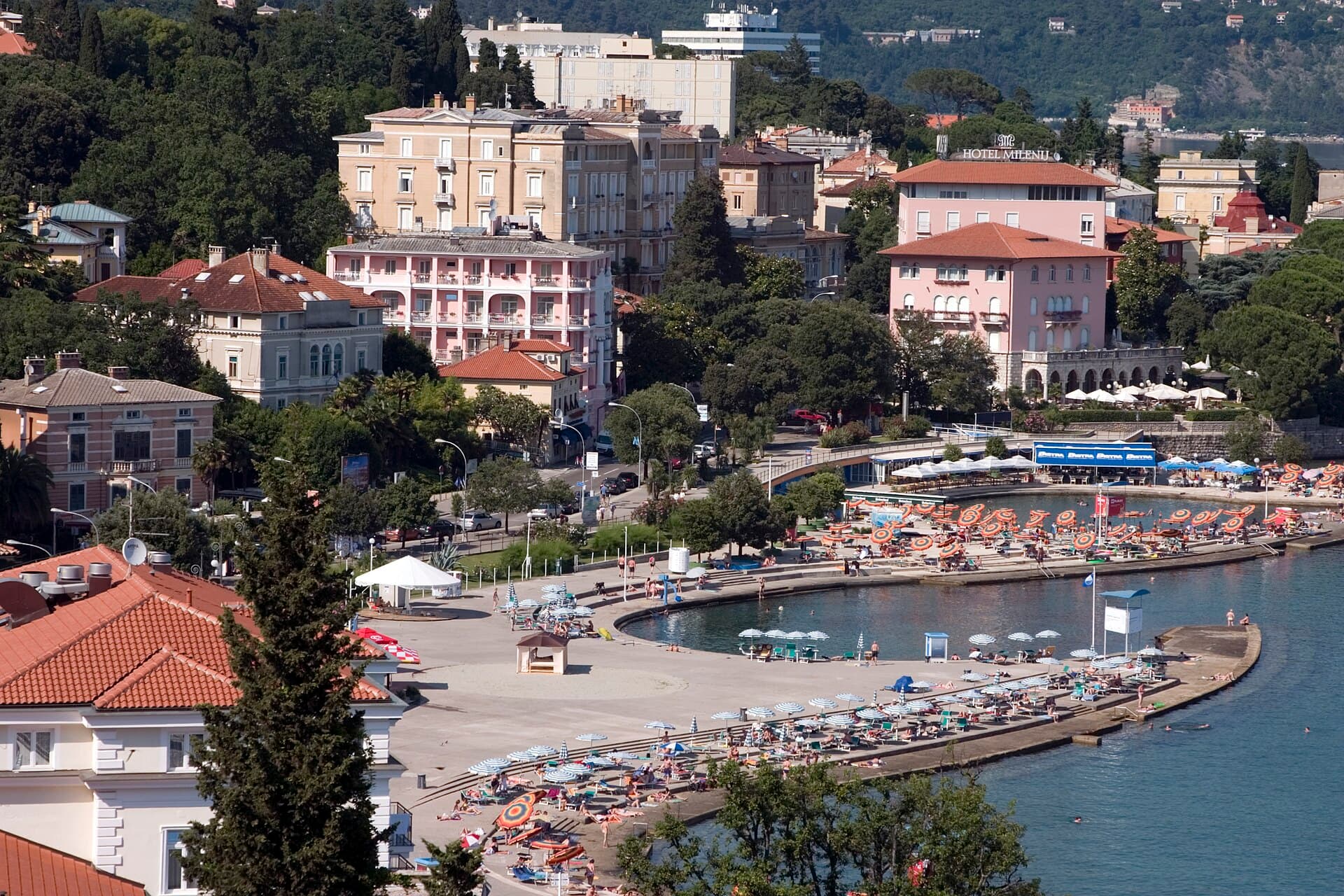
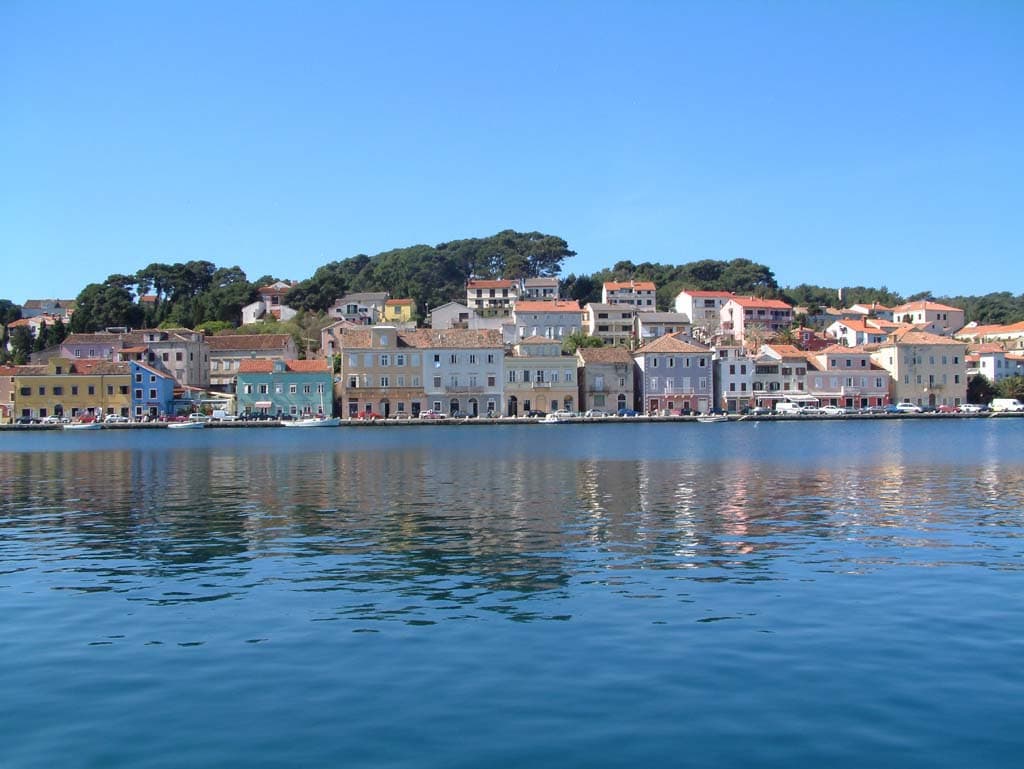
Krk town lies on the southwestern coast of the island of the same name, around a harbour and an old centre still defined by its walls. Different layers of heritage stand unusually close together: Kamplin Square brings the Frankopan Castle, cathedral and episcopal buildings into one setting, with everyday waterfront life just beyond. Explore by walking between squares and sea, allowing time for details rather than treating the centre as a quick stop. The Cathedral of the Assumption developed on the site of an early Christian church and Roman baths. The Romanesque Church of St Quirinus stands alongside it, so one visit introduces several periods of construction. Across the square, the castle tells the defensive story and introduces the Frankopan legacy. Afterwards, change the focus to the water: Dražica and Porporela are among the town's bathing areas. Krk suits visitors who want a seaside base with a historic centre within their daily walking routine. Rather than revolving around one island beach, a stay combines harbour life, churches, fortifications and swimming. On a longer visit, reserve a day for Punat and the islet of Košljun, reached by boat. Give the town itself proper attention before exploring the rest of the island.
Kamplin makes a useful starting point because several aspects of the town meet in a small area. The castle's defensive architecture stands alongside the religious complex, while changes in the masonry show that the buildings were not created as one uniform project. Focus on their relationship rather than collecting isolated construction dates. The castle's present use as an interpretation centre also belongs to the town's character. A visit can alternate between interiors, lanes and waterfront without requiring a different vehicle for every stop. Do not extend that walkability to all island excursions, however: Punat, Vrbnik and Baška remain separate destinations that need their own travel arrangements.
Stays nearby
 Apartment
Apartmeni Klenovica.eu
Klenovica
23 km from Krk
up to 4 guests · 1 bedroom
The host confirms the exact price for your dates and availability.
Things to see
Kamplin is the most useful starting point for Krk's monuments because it brings religious and defensive heritage into one space. The Frankopan Castle developed through several building phases; its different towers and walls show how the defences changed over time. From the square, first consider the castle's relationship with the sea, then its position opposite the cathedral. This gives the visit a clear spatial framework. The Cathedral of the Assumption preserves layers extending from an early Christian basilica to later alterations. Beneath that history lies the Roman town and its baths. Pay particular attention to the adjoining Church of St Quirinus: its Romanesque architecture and two levels distinguish it from a small subsidiary chapel. Compare facades, passages and the arrangement of space instead of stopping only for the bell tower. Town gates and surviving walls complete the picture of a fortified settlement. Connect them with the harbour on a short walk. For monastery collections in a different setting, Košljun lies in Punat Bay and is reached by boat from Punat. It is an excursion from town, whereas Kamplin and the cathedral complex form the core of a walking visit to Krk itself.

Beaches
Dražica and Porporela are useful starting points when choosing a town beach in Krk. Dražica belongs to the eastern bathing area, while Porporela lies on the western waterfront with views towards the old centre. Krk’s bathing places combine pebbly entrances, rocky sections and prepared sunbathing areas; Dražica and Porporela also have adaptations for visitors with disabilities. For swimming with a dog, choose the designated Redagara or Galapagos beaches rather than the family bathing areas near the centre. Tomaževo is reserved for naturist bathing and offers a different setting from the central town beaches. Pine-covered sections of Krk’s shore make it possible to combine a swim with a coastal walk, with each named beach serving a distinct purpose.
Bathing water quality nearby
- Portopižana · 153 mexcellent · season 2025
- Kupalište Dražica · 418 mexcellent · season 2025
- Porporela · 474 mexcellent · season 2025
- Ispod Hotela Koralj · 684 mexcellent · season 2025
- AK Ježevac · 841 mexcellent · season 2025
- Uvala Valda Gara
Things to do
Choose a compact but substantial town route for your first day. Enter the old centre from the harbour and head towards Kamplin. Visit the Frankopan Castle, then treat the cathedral complex as a separate experience: the relationship between the cathedral, St Quirinus and the square deserves more than a photograph of the bell tower. Return to the sea afterwards and leave the afternoon for Dražica or Porporela. There is no need to tour the whole island on the same day. For a three-day stay, spend the second exploring the old centre and waterfront more slowly. Seek out the town gates and surviving walls, comparing their role with the castle you have already seen. Choose one bathing area for a proper break rather than moving between several beaches. On the third day, visit Punat and arrange a boat to Košljun. The monastery collections, church and greenery give the islet a different rhythm from Krk town. Košljun requires a sea crossing: agree departure and return arrangements with the boat operator. In the old centre, allow yourself to retrace a few streets. After seeing the religious and defensive buildings, passages and harbour views begin to make more sense.
Activities
Krk’s H127, H122 and H134 walking routes explore three different landscapes beyond the old centre. H127 starts in Narodnog preporoda Street and circles Prniba, combining pine woodland with views towards Punat Bay. H122 begins in Kornić, passes through Muraj and connects olive groves with traditional island architecture. H134 leaves Stjepana Radića Street for the northern hinterland, Vidikovac and the remains of the abandoned settlement of Lizer. Prniba is the option with the smallest change in elevation; Kornić and Lizer place more emphasis on dry-stone walls and former settlements. Towards Punat, the cable water-skiing installation at Dunat provides a contrasting outdoor activity to walking Krk’s stony inland paths.
Day trips
The road from Krk town towards Punat follows the northern side of Punat Bay, with the turn beside St Dunat’s Church leading into a different island setting. Punat’s waterfront is the departure point for small boats to Košljun, the wooded islet occupied by a Franciscan monastery and museum collections. Allow time on Košljun for the church, ethnographic displays and the monastery surroundings; the boat returns to Punat rather than directly to Krk town. Vrbnik offers a different excursion, combining a historic settlement with the vineyards associated with žlahtina wine. Travelling towards Baška, stop at St Lucy’s Church in Jurandvor to see the replica of the Baška Tablet. Košljun, Vrbnik and Jurandvor therefore introduce three distinct themes: monastic collections, wine heritage and Glagolitic literacy.
Food and drink
Šurlice are the island pasta to look for on menus in Krk: the dough is shaped around a thin needle, leaving a hollow centre that holds the sauce. Traditional preparations pair šurlice with meat stews, including lamb, while contemporary island kitchens use other combinations. Krk prosciutto, sheep’s cheese and olive oil connect the town’s food with island grazing land and olive groves. Presnac is a sheep’s-cheese dessert, while imbrijagoni are another name encountered among Krk’s sweet specialities. Vrbnička žlahtina supplies the wine connection between restaurants in Krk town and the vineyards around Vrbnik. A meal built around these products introduces several parts of the island without treating their specialities as interchangeable with generic coastal dishes.
Practical information
Practical information
When choosing accommodation in Krk, distinguish the historic centre from Dražica and Ježevac bathing areas and from separate island settlements such as Punat or Vrbnik. An address advertised simply as being on Krk island can be far from Kamplin, and arrival by bus in Krk town is not arrival at Valbiska ferry port. A town map suits the walls and cathedral complex; walking towards Prniba or Lizer calls for the separate trail map. St Quirinus and the cathedral belong to one religious complex, but visiting the treasury is different from entering the cathedral for worship. The island tourist board’s office on St Quirinus Square provides information covering the wider island.
Parking
Vecla manages Krk’s public parking, with zones covering the centre around St Bernardin’s Promenade, Portapisana, the breakwater and the more distant Sports Centre. Portapisana provides a different approach to the eastern old centre from Plav in Senjska Street or Ježevac on the western side. The tariff checked in 2026 distinguishes zones zero, one and two and separate seasonal charging periods, so match the zone to the street shown on the parking sign. Coach parking is provided at the Sports Centre in Slavka Nikolića Street, outside the narrow passages around Kamplin.
Getting there and around
Krk island is connected to the mainland by a bridge, so a ferry is not necessary to reach Krk town. Rijeka Airport is on the island near Omišalj, not in central Rijeka or Krk town. Arrivals from Cres or Rab use Valbiska ferry port followed by onward road travel. Before buying a ticket, distinguish the destination you want from the terminal named on the service. For buses, check the actual stop and date with the carrier; a link to an operator does not establish frequent connections throughout the day. Explore the historic centre on foot once you arrive.
Frequently asked questions
Do I need a ferry to reach Krk town?
Not when arriving from the mainland across Krk Bridge. Ferries provide other approaches from certain islands.
Is Valbiska the town harbour of Krk?
No. It is a separate ferry terminal, with onward travel by land to the town.
What should I see during a short visit?
Link Kamplin, the Frankopan Castle, the cathedral complex and the waterfront on foot.
Are Baška and Vrbnik neighbourhoods of Krk town?
No. They are other island settlements and separate excursions.
Related guides
Rab
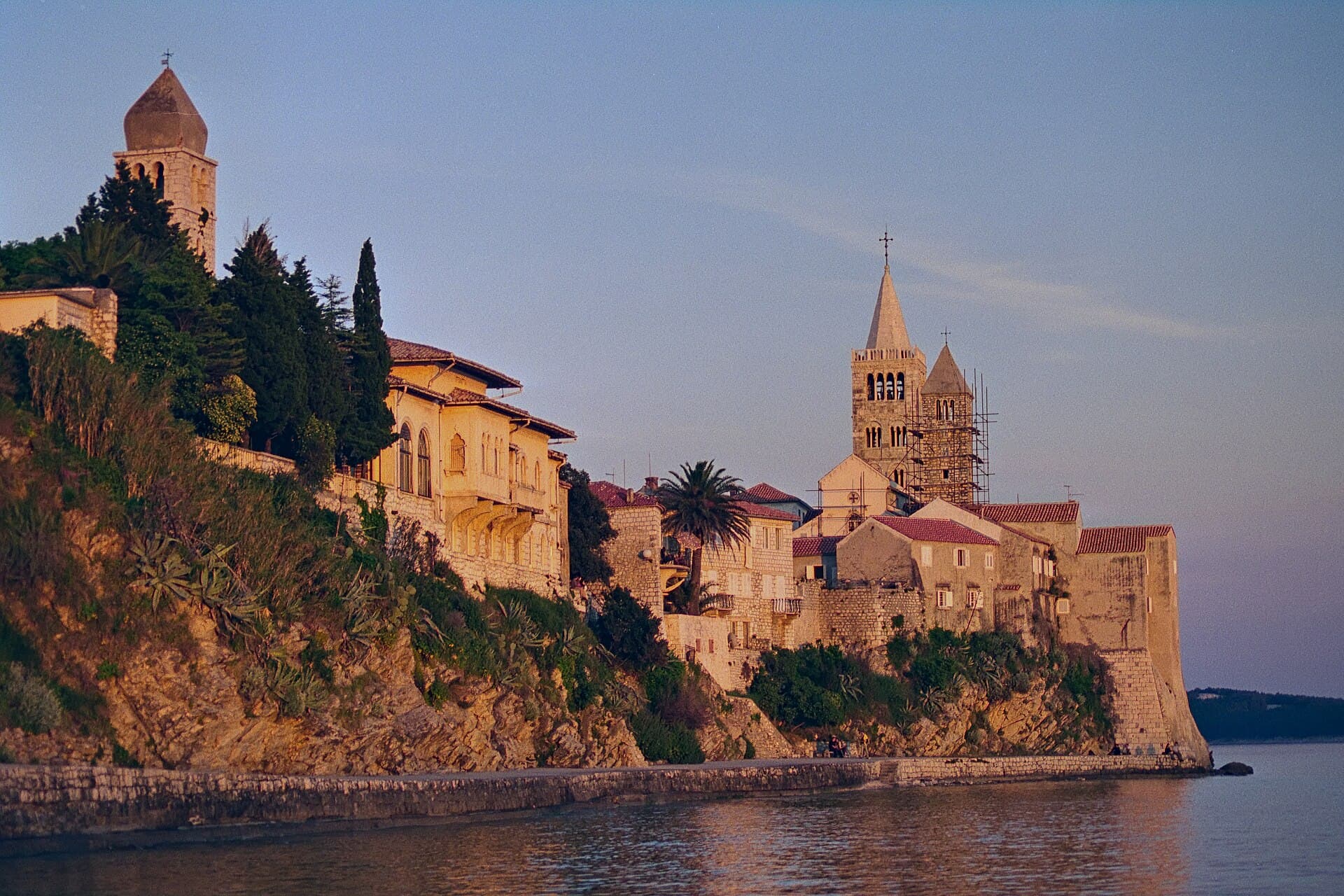
Rab's old town has a clear silhouette, but it rewards more than a postcard view. Its four towers mark distinct religious sites: the Assumption of Mary, St John the Evangelist, St Andrew and…
Read the guide
Help improve this page
Spot something missing or wrong? Suggest a correction, add your photo or report a problem. Editors review every suggestion before it is published.
Photo credits
- Krk — Berthold Werner · CC BY-SA 3.0 · Wikimedia Commons
- Lakmartin — Lan G. · CC BY-SA 4.0 · Wikimedia Commons
- Kornić — eowoniel · CC BY 2.0 · Wikimedia Commons
- Punat — Fabian Schedler · CC BY 3.0 · Wikimedia Commons