Komiža
About this place
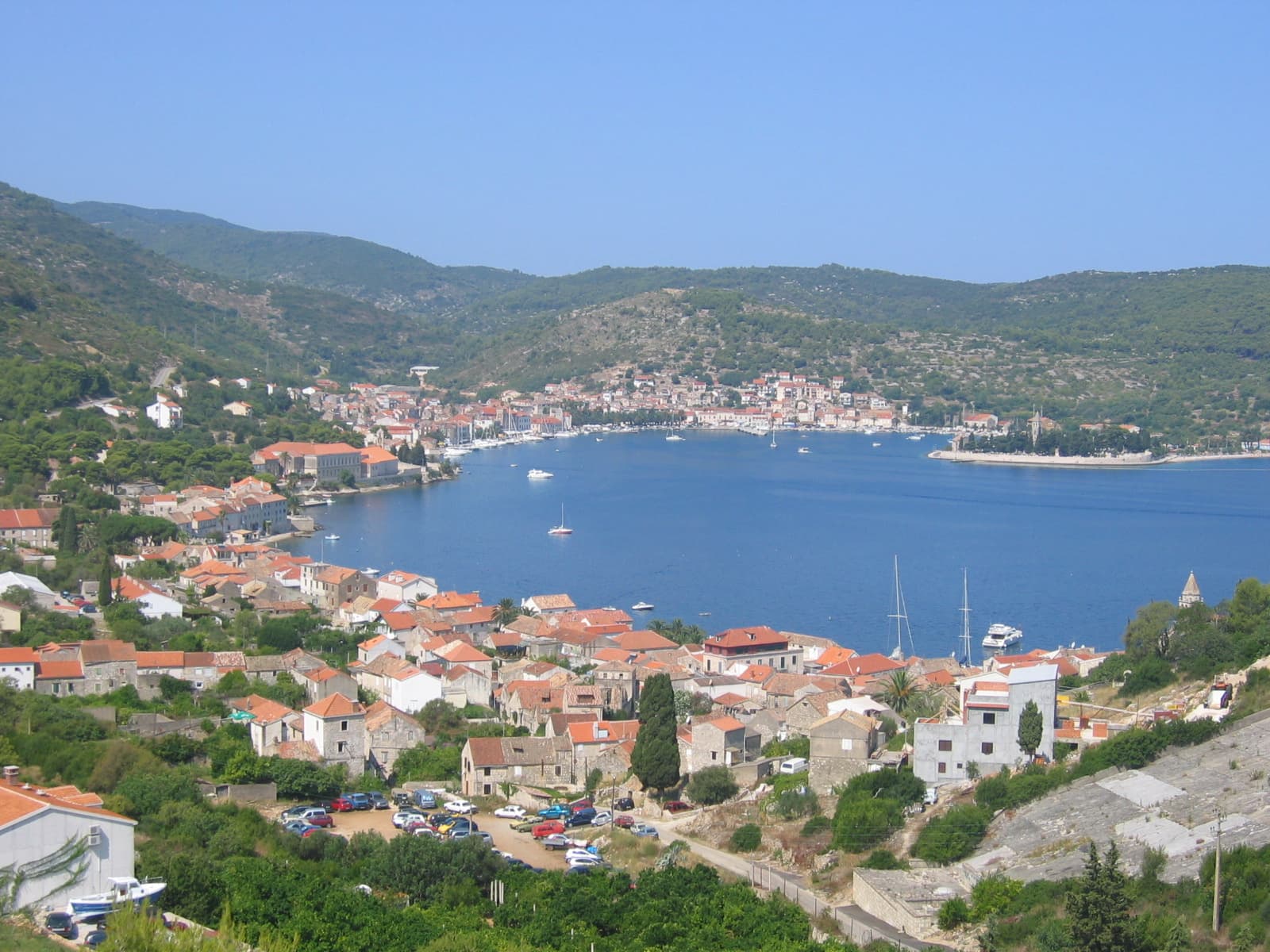
Komiža is a town and harbour on Vis’s western coast, in a broad bay below Mount Hum. For centuries it has developed the identity of a fishing community facing the open sea. Its fishing heritage is closely tied to the falkuša, a Komiža type of gajeta used to catch small pelagic fish around Palagruža. The Church of St Nicholas, known as Muster, is an important part of the town’s historic heritage. Biševo and the Blue Cave, 4.5 nautical miles from Komiža, are visited from the town. The municipal area includes Biševo, Palagruža, Svetac, Brusnik and Jabuka. The relationship between harbour, fishing tradition and open sea gives Komiža an identity distinct from Vis town on the other side of the island.
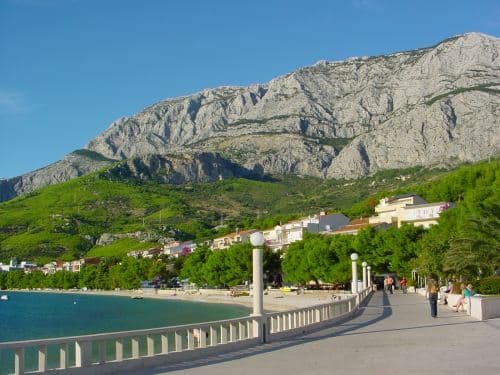
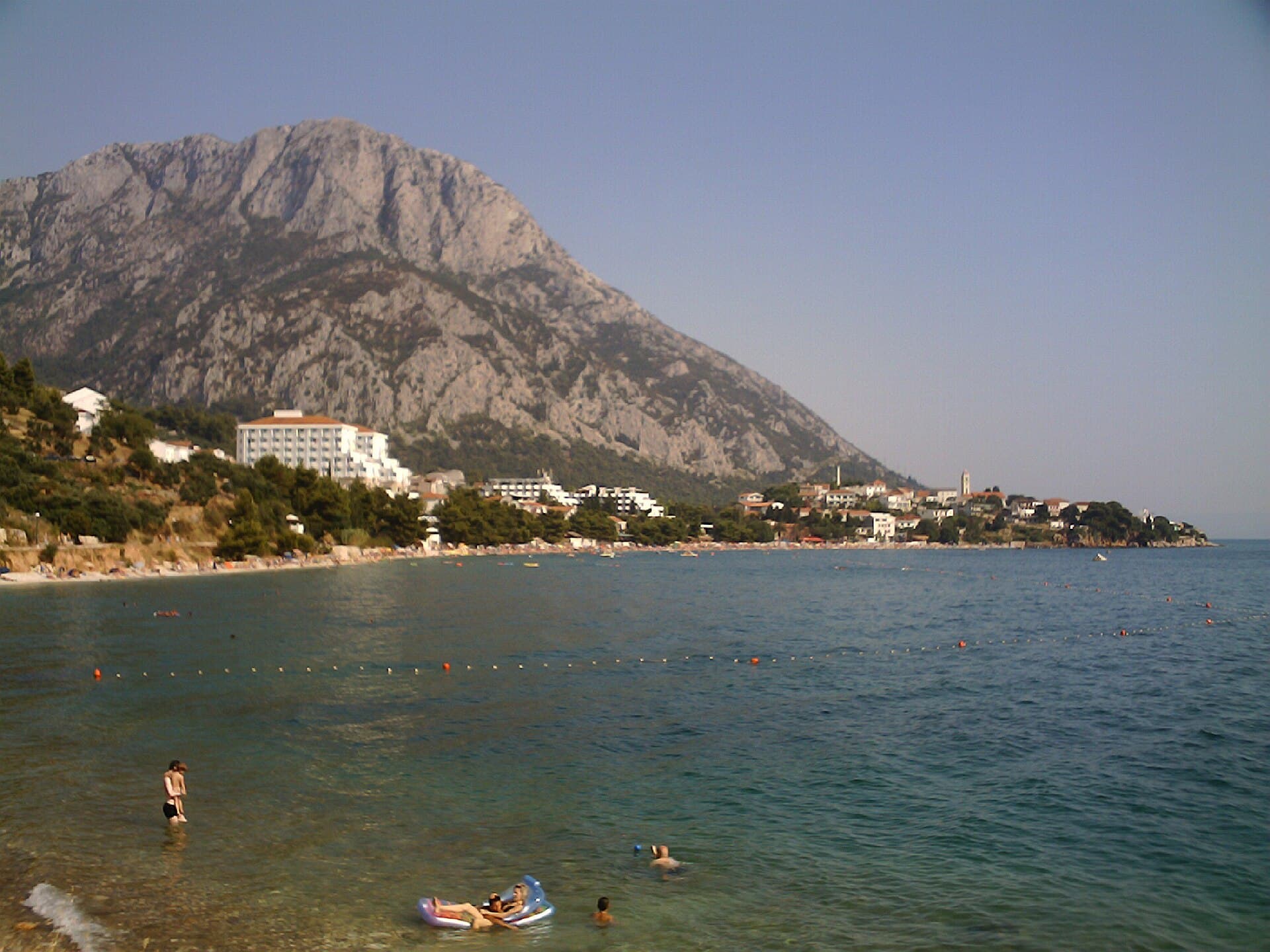
Komiža opens towards the western side of Vis and the open Adriatic, giving the town a strong relationship with its harbour, sunsets and the steep island terrain behind it. The local tourist board identifies Hum as the highest point on Vis at 587 metres, helping explain why the settlement feels tightly set between sea and slopes. Instead of one long urban beach, Komiža has a sequence of smaller pebble bathing spots, while boats leave the harbour for Biševo and other offshore destinations. Daily life and visitor activity overlap in a compact centre where fishing boats, restaurants and narrow stone streets sit close together. Its position on the western end of the island makes Komiža more than a swimming stop: it is a natural base for days at sea, short walks around the bay and excursions beyond Vis itself.
Stays nearby
 Apartment
Apartmeni Klenovica.eu
Klenovica
Klenovica, 249 km from Komiža
up to 4 guests · 1 bedroom
The host confirms the exact price for your dates and availability.
Things to see
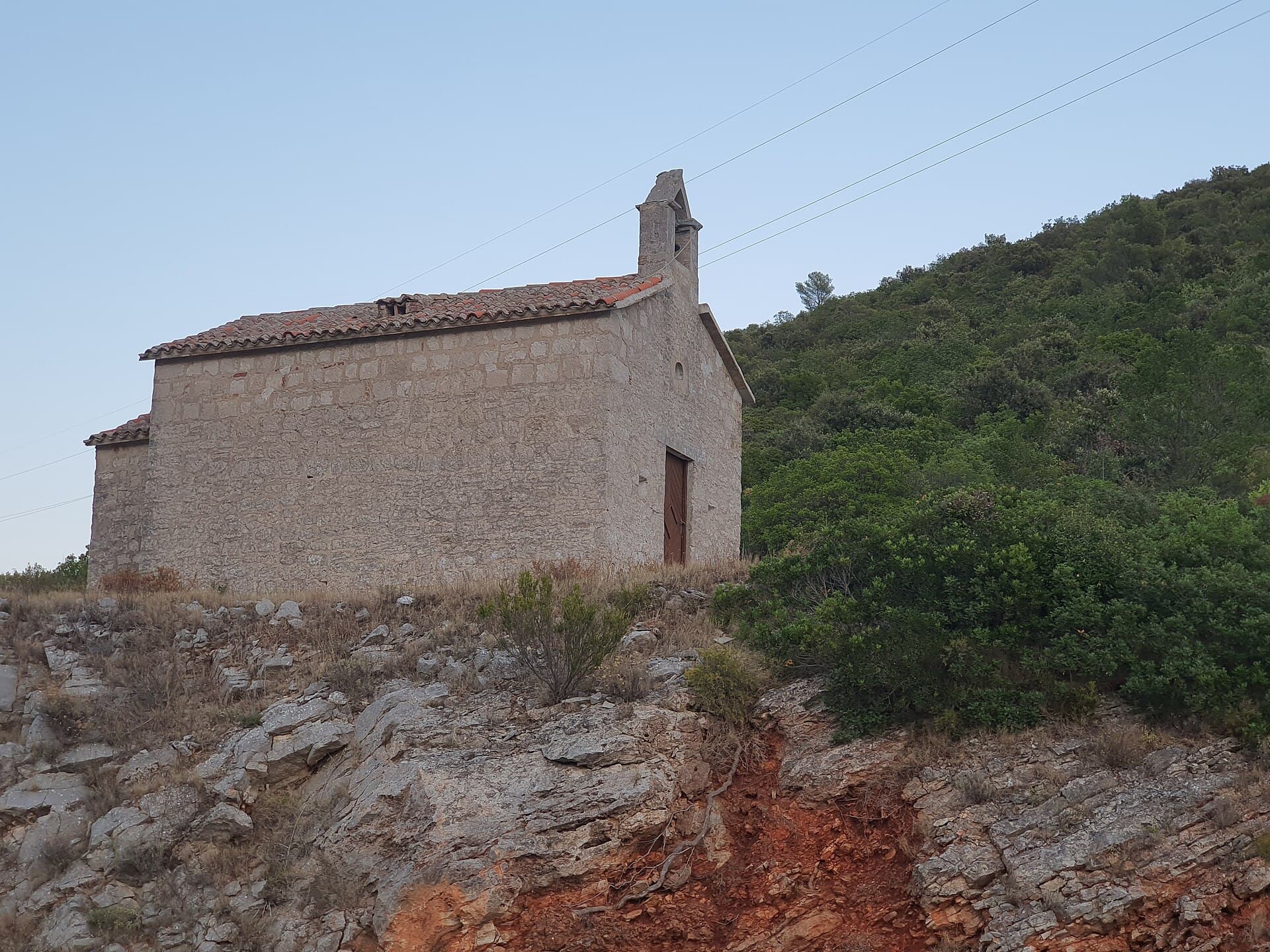
Komiža’s fishing history is closely linked to the falkuša, a traditional fishing boat and a type of gajeta built in Komiža. It was used chiefly for fishing small pelagic fish in the waters around Palagruža. This tradition is recalled today by Rota Palagruzona, a revived regatta and programme dedicated to maritime culture. The Church of St Nicholas, known as Muster, is an important part of Komiža’s historic heritage. The harbour is also associated with visits to Biševo and the Blue Cave, so the town’s maritime character is evident even without a long trip offshore.

Beaches
Komiža’s bathing areas are spread around the bay, and the official tourist board lists fifteen beaches and swimming points in total. On the eastern side, Nova pošta, Velo žalo, Pizdica, Kamenice and Gusarica are specifically highlighted, along a stretch where freshwater springs also reach the shoreline. Gusarica sits close to the historic centre and works well for a quick swim without transport, while Kamenice offers a little more separation from the harbour. The official list also includes Lučica, Bile Stine and several smaller spots, making it possible to link more than one beach on foot in the same day. Pebbles are common, so water shoes can be useful, while the number of small beaches makes changing location easy without leaving Komiža Bay.
Bathing water quality nearby
- Lucica · 87 mexcellent · season 2025
- Kamenice · 490 mexcellent · season 2025
- Gusarica · 655 mexcellent · season 2025
Source: European Environment Agency (EEA); data from Croatian authorities. · bathing water profile
Things to do
The easiest way to structure a day in Komiža is on foot because the harbour, town centre and several beaches line the same bay. Morning can be spent moving between Gusarica, Kamenice and other bathing spots on the eastern side, where the tourist board also notes freshwater springs reaching the shore. Lunch fits naturally back in the centre, followed by a boat excursion towards Biševo or another offshore location. Travellers staying on Vis can instead use Komiža as a base for the island’s western side, while the town of Vis is connected by local bus services timed with most regular ferry and catamaran arrivals. This pattern reduces the need for a car and leaves plenty of time for an evening walk around the harbour.
Food and drink
Komiža has a clear local food identity built around komiška pogača, fresh fish and straightforward island cooking. On its official dining list, the tourist board includes konobas and restaurants such as Bako, Barba, Jasmina, Koluna and Robinzon, together with Jastožera, Dal Mare, Fabrika and Laterna. The compact layout means lunch or dinner can be combined with the harbour and town-centre walk without needing a car. Komiška pogača is the signature local snack to look for, while the catch of the day is the natural choice for a fuller meal. During the busy season, restaurants are concentrated in a small area around the centre, so planning an evening table in advance is more practical than relying on an unplanned search around the bay.
Practical information
Practical information
The Komiža tourist board provides the town’s official information on beaches, accommodation, events, food and arrival on Vis, with its visitor contact point located in Komiža itself. The same site carries current 2026 events and seasonal notices, which is useful because ferry and bus connections change through the year. Komiža has no direct car-ferry connection to the mainland; the usual route is by ferry or catamaran to Vis town, followed by bus or road transfer to Komiža. Visitors arriving with a car can use the Rogači parking area, for which the tourist board publishes separate charging information. Once in town, the compact arrangement of the centre, restaurants and several beaches means a car is often less useful than it is for exploring the rest of the island.
Parking
Visitors bringing a car to Komiža can use the officially listed Rogači parking area. The tourist board’s 2026 information gives a rate of €1.30 per hour, €16 for 24 hours and €80 for a week, with the first 15 minutes free of charge. That structure makes the site more suitable for leaving a vehicle for longer periods than for repeatedly moving it around the small centre. Since the harbour, restaurants and several town beaches are within walking distance, the car can largely be left out of the daily routine after parking. It becomes useful again for exploring inland Vis, but for an evening walk or a swim within Komiža Bay, walking is the simpler option.
Getting there and around
Travel to Komiža normally runs through the port of Vis. The official tourist board states that after arriving by ferry or catamaran, passengers continue to Komiža by bus or taxi, with bus departures coordinated with most regular sea connections. For 2026 it specifically notes that Jadrolinija’s seasonal fast service, operating from 19 June to 13 September, is not connected with the Vis–Komiža bus. Travellers using that service therefore need to plan another transfer in advance. Once in Komiža, the centre and waterfront are easy to cover on foot. A car is more useful for exploring the rest of Vis than for moving around the compact town itself, where the harbour, restaurants and several swimming spots sit close together.
Frequently asked questions
What is the Komiža falkuša?
The falkuša is a distinctive fishing gajeta developed for Komiža voyages to distant grounds such as Palagruža.
Where do trips to the Blue Cave commonly depart from?
Komiža is a departure point for visits to Biševo and the Blue Cave.
What is Rota Palagruzona?
It is a sea festival reviving Komiža’s maritime and falkuša traditions through sailing and workshops.
What local name is used for the Church of St Nicholas in Komiža?
The Church of St Nicholas above Komiža is also known as Muster.
Nearby

Marinje Zemlje
Village · Vis
Related guides

Split
In Split, the transition from ancient monument to ordinary street is almost imperceptible: entering the southern part of Diocletian’s Palace from the Riva leads towards the Peristyle, then…
Read the guide

Help improve this page
Spot something missing or wrong? Suggest a correction, add your photo or report a problem. Editors review every suggestion before it is published.
Photo credits
- Komiža, Rukavac, Podstražje — ModriDirkac · CC BY-SA 4.0 · Wikimedia Commons
- Marinje Zemlje, Tito’s Cave — Ex13 · CC BY-SA 3.0 · Wikimedia Commons
- Vis — Minestrone · CC BY-SA 4.0 · Wikimedia Commons
- Fort of Komiža