Nečujam
About this place
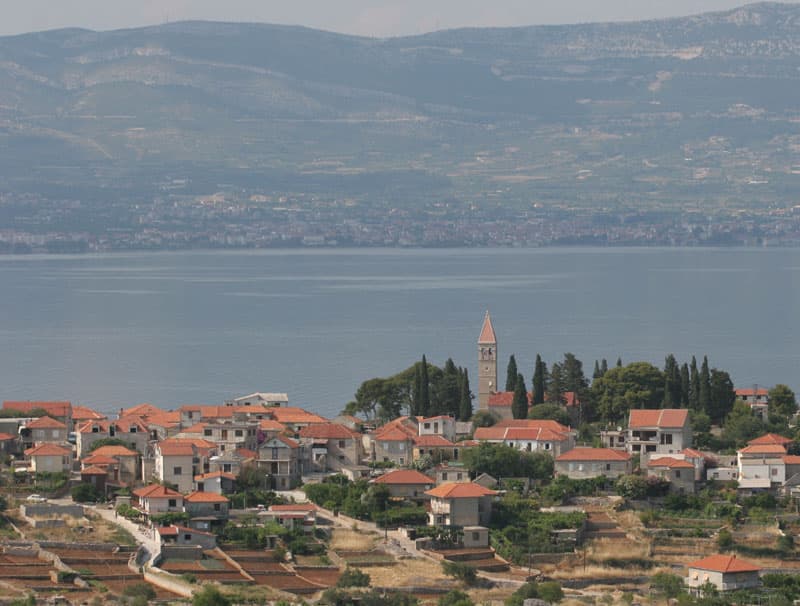
Nečujam sits inside Šolta’s largest bay on the island’s northern shore, where the main inlet divides into eight smaller coves: Bok Supetra, Šumpjivina, Podkamenica, Maslinica, Tiha, Bok od Rata, Piškera and Supetar. A house associated with the Renaissance writer Marko Marulić still stands in the village, while accounts of visits by his friend Petar Hektorović connect this shore with Dalmatia’s literary history. Piškera reveals a much older layer: submerged remains of a Roman fishpond traditionally linked to Emperor Diocletian can still be discerned. Nečujam is not centred on a single beach; its promenade and paths lead toward swimming spots in Šumpjivina, Podkamenica, Mala Maslinica and Piškera, with more secluded corners accessible by kayak or small boat. The village is about 9.8 kilometres from Rogač ferry port. In 2026 Jadrolinija’s Split–Rogač crossing takes about 60 minutes, and the island bus links the port with Grohote, Nečujam and Stomorska according to its published timetable. The Queen Teuta cycling route also passes through Nečujam and descends toward Piškera. This makes the village a strong base for combining swimming, shoreline walks, compact historical sites and wider exploration of Šolta.
Nečujam is organised not around a single harbourfront but around a broad bay branching into eight named coves. Bok Supetra, Šumpjivina, Podkamenica, Maslinica, Tiha, Bok od Rata, Piškera and Supetar create an unusually varied setting for swimming, walking and anchoring. Its principal cultural landmark is the house associated with Marko Marulić, which still stands in the village, while Piškera preserves submerged remains of an ancient fishpond. Pine woods along sections of the shore and a long promenade give Nečujam a markedly different rhythm from Šolta’s ports of Rogač and Stomorska.
Stays nearby
 Apartment
Apartmeni Klenovica.eu
Klenovica
Klenovica, 224 km from Nečujam
up to 4 guests · 1 bedroom
The host confirms the exact price for your dates and availability.
Things to see
The Marko Marulić house in central Nečujam is the village’s best-known cultural site; the poet stayed in this bay more than five centuries ago and received visits from Petar Hektorović. In Piškera, submerged remains of an ancient fishpond traditionally associated with Diocletian make the cove worth exploring beyond the swimming season. The remains of St Peter’s Church belong to an older layer of Nečujam, distinct from the modern apartment settlement along the main waterfront. Together, these three sites connect Roman history, Renaissance literature and the village’s religious heritage.
Crkva sv. Petra u Nečujmu
Landmark · Nečujam
The remains of St Peter’s Church in Nečujam are a protected sacral heritage site on the island of Šolta.
Beaches
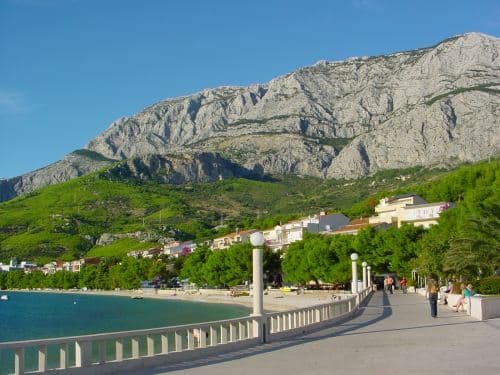
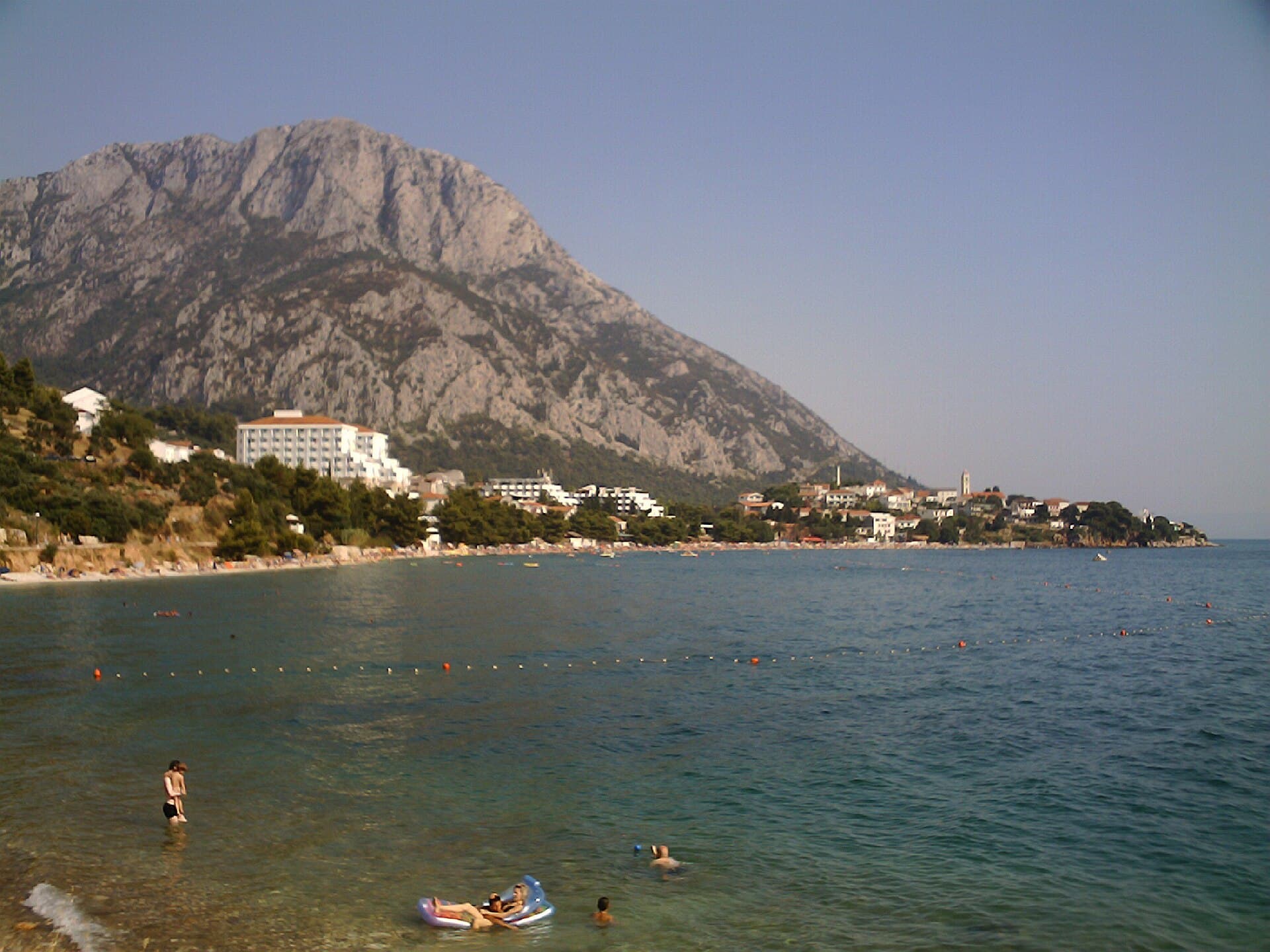
Swimming in Nečujam is spread along the central waterfront and eight smaller coves, so the setting changes after even a short walk. The tourist board specifically highlights Šumpjivina, Podkamenica, Mala Maslinica and Piškera; some are reached on foot or by bicycle, while the more sheltered corners suit a kayak, swim or small boat. The shore combines pebbly entries with rocky stretches, and pines shade selected parts of the bay. Piškera is distinctive for its silty seabed and submerged Roman fishpond, so visitors should avoid stepping or anchoring directly beside the archaeological remains.
Bathing water quality nearby
- Glavna plaža Nečujam · 104 mnot classified · season 2025
- Rogač · 2.2 kmexcellent · season 2025
Source: European Environment Agency (EEA); data from Croatian authorities. · bathing water profile
Things to do
Set out early along the promenade around the central bay, then look for the house where Marko Marulić stayed and the shoreline associated with the remains of St Peter’s Church. Continue from this historical core toward Šumpjivina or Podkamenica, two smaller coves suited to a quiet break beside the water. Reserve the afternoon for Piškera, where traces of a Roman fishpond remain visible below the surface; a kayak or small boat opens up the surrounding corners. Cyclists can incorporate Nečujam into the Queen Teuta loop, which runs through Gornje Selo and Stomorska, descends toward Piškera and returns to Rogač.
Food and drink
Dining options within Nečujam are more limited than in Šolta’s larger settlements, and an official island tourism guide lists Konoba Mareta as a local address. When ordering, look for specifically Šoltan products: the indigenous red wine Dobričić, extra-virgin oils made from Šoltanka—also called Levantinka—and Oblica olives, and honey from wild rosemary. These are not merely generic Dalmatian flavours; they form part of the Queen Teuta gastronomic cycling route that passes through Nečujam. In July and August, booking dinner ahead is sensible because the number of establishments around the bay is limited.
Practical information
Practical information
The Šolta Tourist Board is based at Podkuća 8 in Grohote and provides information by telephone and email; its official website covers beaches, cycling routes and island contacts. Nečujam is about 9.8 kilometres from Rogač, so allow sufficient time for the bus or car connection when catching a ferry. Groceries and dinner are best planned in advance, particularly outside peak summer, because Nečujam’s range is smaller than Split’s. Shoes suitable for a rocky shoreline, sun protection and drinking water are useful when exploring the eight coves, especially on longer outings toward Piškera and Podkamenica.
Getting there and around
To reach Nečujam from Split, take Jadrolinija’s ferry to Rogač, then continue across the island via Grohote. On route 636, the 2026 timetable gives the Split–Rogač sailing a duration of 60 minutes, with schedules changing by season. Nečujam is also part of the circular ‘In the Footsteps of Queen Teuta’ cycling route, which leaves Rogač via Grohote, Gornje Selo and Stomorska before returning through Nečujam. The island tourist board recommends a mountain bike; experienced riders can use gravel or trekking bikes.
Frequently asked questions
How long is the ferry from Split to Šolta?
Jadrolinija’s Split–Rogač crossing takes about 60 minutes according to its 2026 information.
How many coves form Nečujam Bay?
Nečujam Bay contains eight coves, including Šumpjivina, Podkamenica, Tiha and Piškera.
What can be seen underwater at Piškera?
Piškera contains visible traces of an ancient fishpond traditionally associated with Emperor Diocletian.
Which writer stayed in Nečujam?
Marko Marulić stayed in Nečujam, and the house associated with his time there still stands in the village centre.


Related guides

Split
In Split, the transition from ancient monument to ordinary street is almost imperceptible: entering the southern part of Diocletian’s Palace from the Riva leads towards the Peristyle, then…
Read the guide

Help improve this page
Spot something missing or wrong? Suggest a correction, add your photo or report a problem. Editors review every suggestion before it is published.
Photo credits
- Stomorska — Andres rus · CC BY-SA 3.0 · Wikimedia Commons
- Šolta — OpenStreetMap contributors · CC BY-SA 2.0 · Wikimedia Commons
- Slatine — Rudi Klingenberg · CC BY-SA 3.0 · Wikimedia Commons
- Apartmeni Klenovica.eu — Apartmani Klenovica.eu · courtesy of the property owner
- Split — dronepicr · CC BY 2.0 · Wikimedia Commons