Grohote
About this place
Grohote sits inland on the edge of Šolta’s central field, where roads branch towards the ferry port of Rogač, Maslinica and Stomorska. Despite having no waterfront of its own, it functions as the island’s administrative and service centre, with the municipal offices, post office, medical clinic, pharmacy, police and fire station. Its historic core is a close-knit pattern of irregular stone lanes, external staircases, working courtyards and former agricultural spaces, with sections of traditional paving still intact. Kaštel Slavić stands at the southern edge of the village; its linked sections rise to different heights, and the building now houses the Municipality of Šolta. Near St Stephen’s parish church are the foundations of a late-5th-century basilica where excavations uncovered pieces of an altar screen, capitals and a baptistery. Grohote also has a notable painting tradition associated with Eugen Buktenica, Marin Kalajzić, Dinko Sule and Vicko Buktenica, while its streets appeared in the Croatian television series “Velo misto.”
Grohote is not a seaside resort but Šolta’s inland hub, the point from which everyday island life branches towards Rogač, Maslinica and the eastern villages. Its stone core developed south of an early Christian religious site, and the surviving courtyards, external staircases, cellars and cobbled lanes show how homes and agricultural work once occupied the same compact spaces. Kaštel Slavić links the village’s defensive past with its modern civic role because it now accommodates the municipal offices. Grohote’s identity is also shaped by island painters, particularly Eugen Buktenica and Marin Kalajzić, and by scenes filmed here for the television series “Velo misto.” With the island clinic, pharmacy, post office and market concentrated nearby, the village makes a practical base away from Šolta’s tourist harbours.
Things to see

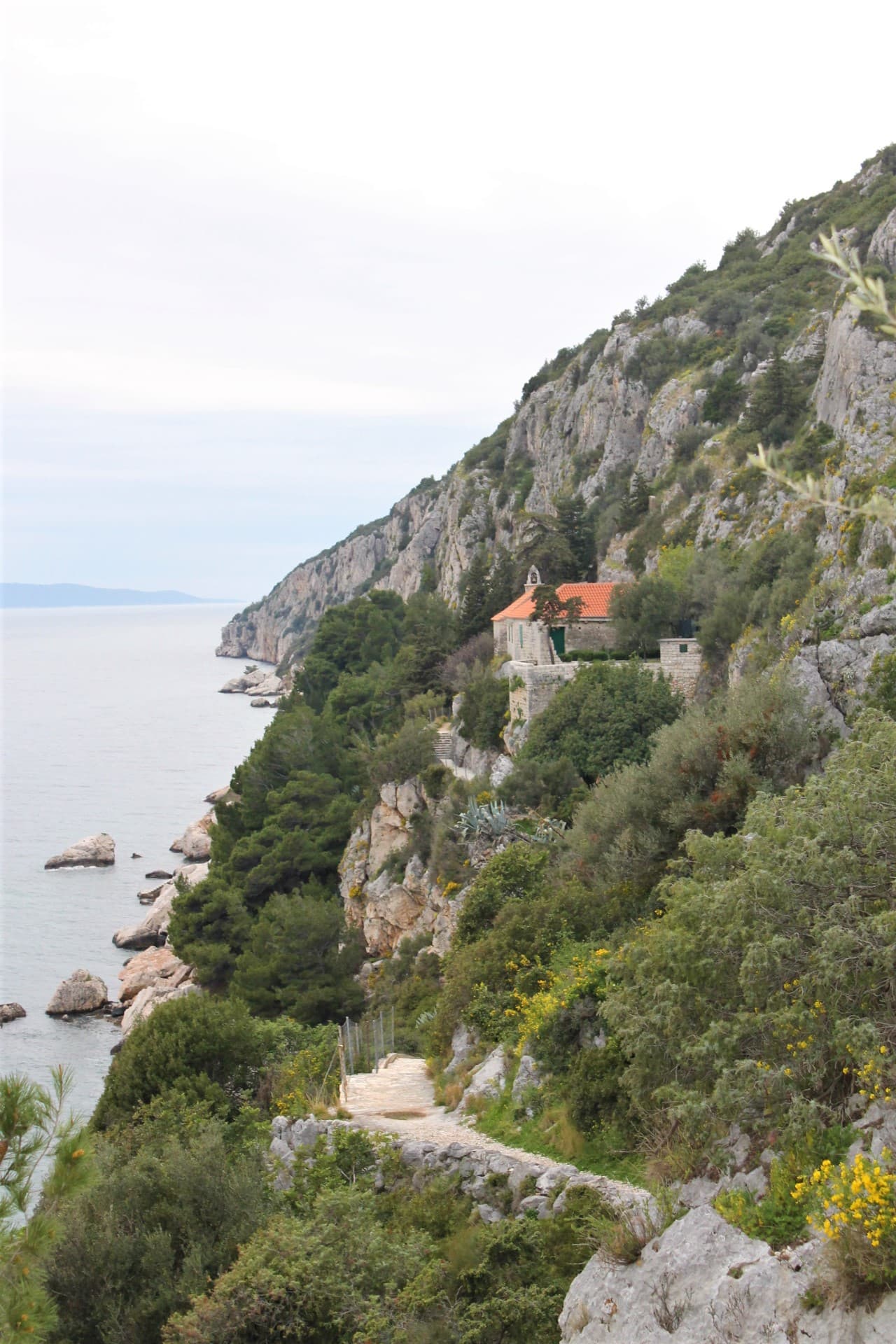
Crkva-tvrđava na Mrdulji
Landmark · Milna
The church-fortress on Mrduja is a ruined Gothic chapel with a lookout platform on an islet between Brač and Šolta.
11 km from Grohote
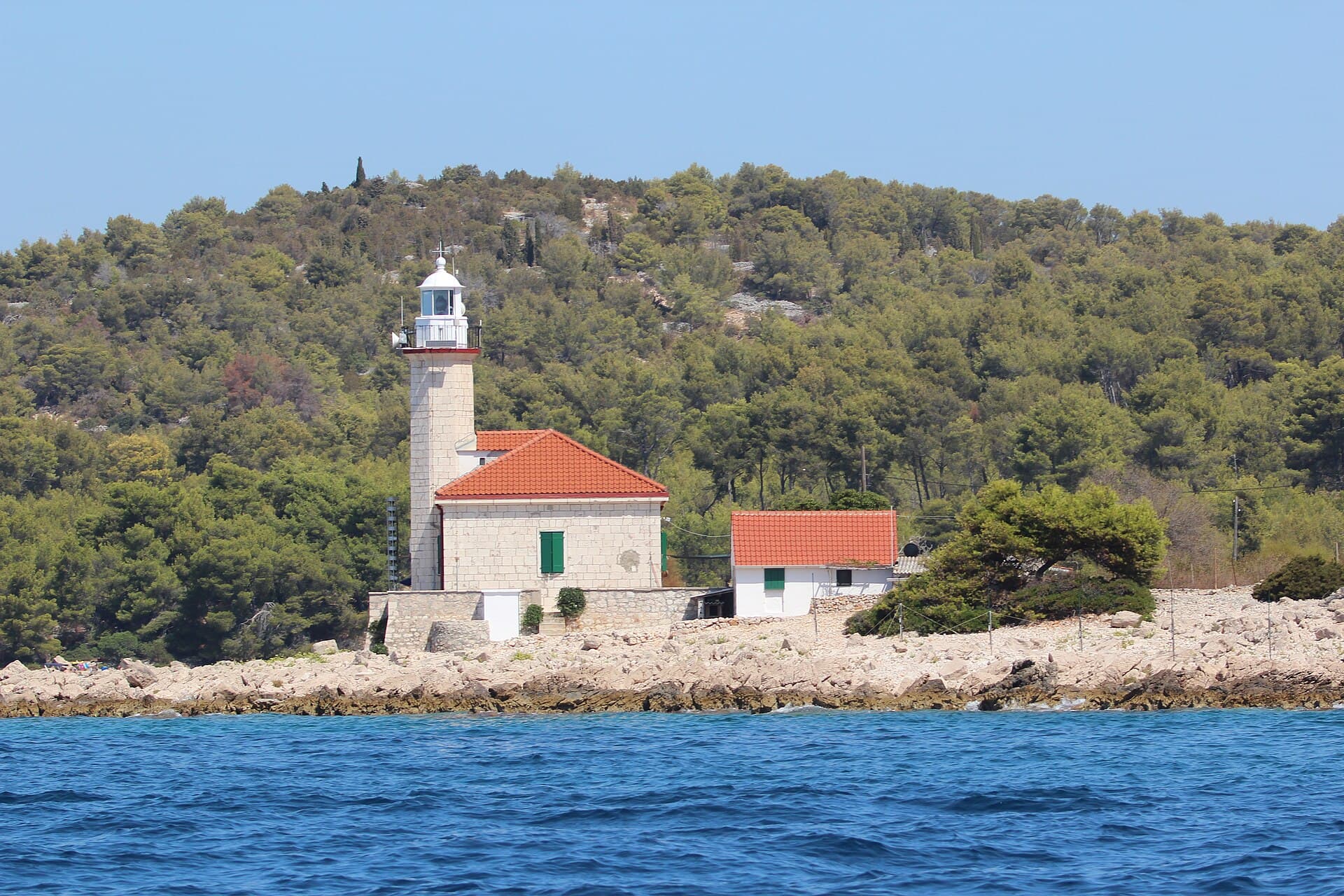
Church of Our Lady of Prizidnice
Landmark · Slatine
church in Slatine on Čiovo island, Split, Croatia
12 km from Grohote
More to see
Kaštel Slavić u Grohotama
Landmark · Grohote
Stays further afield
- Apartment
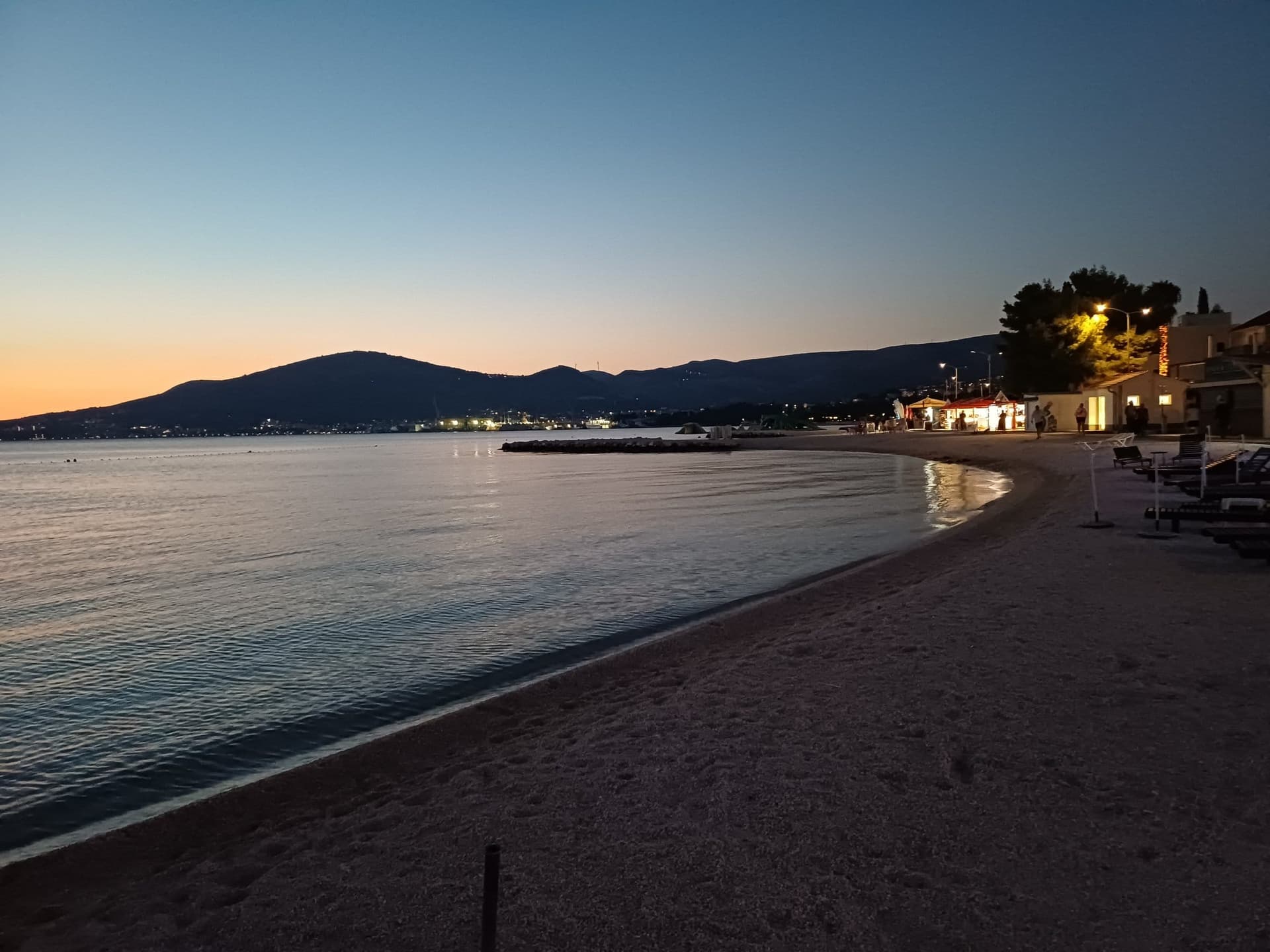 12 km from Grohote
- Apartment
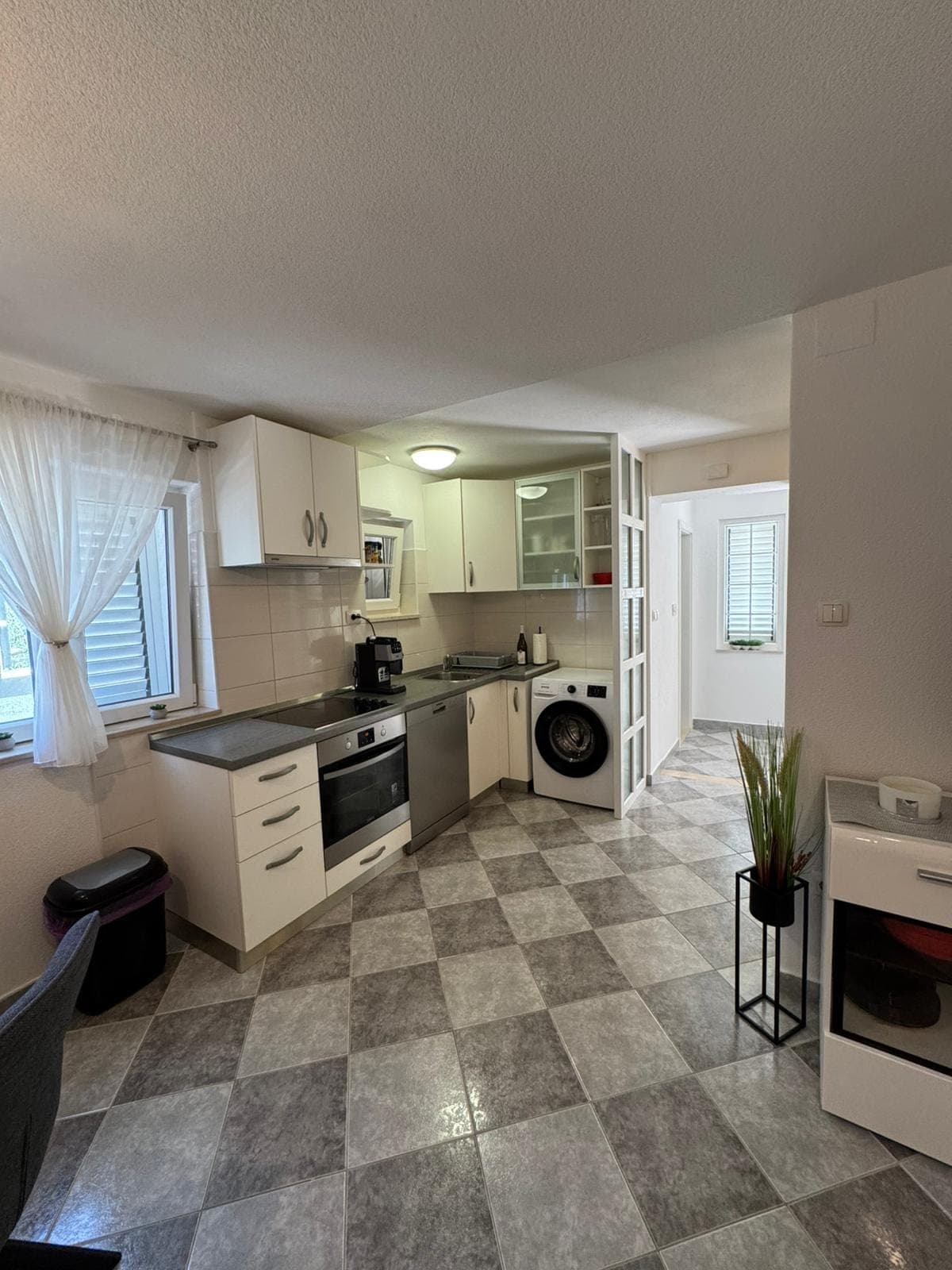 12 km from Grohote
- Other stay
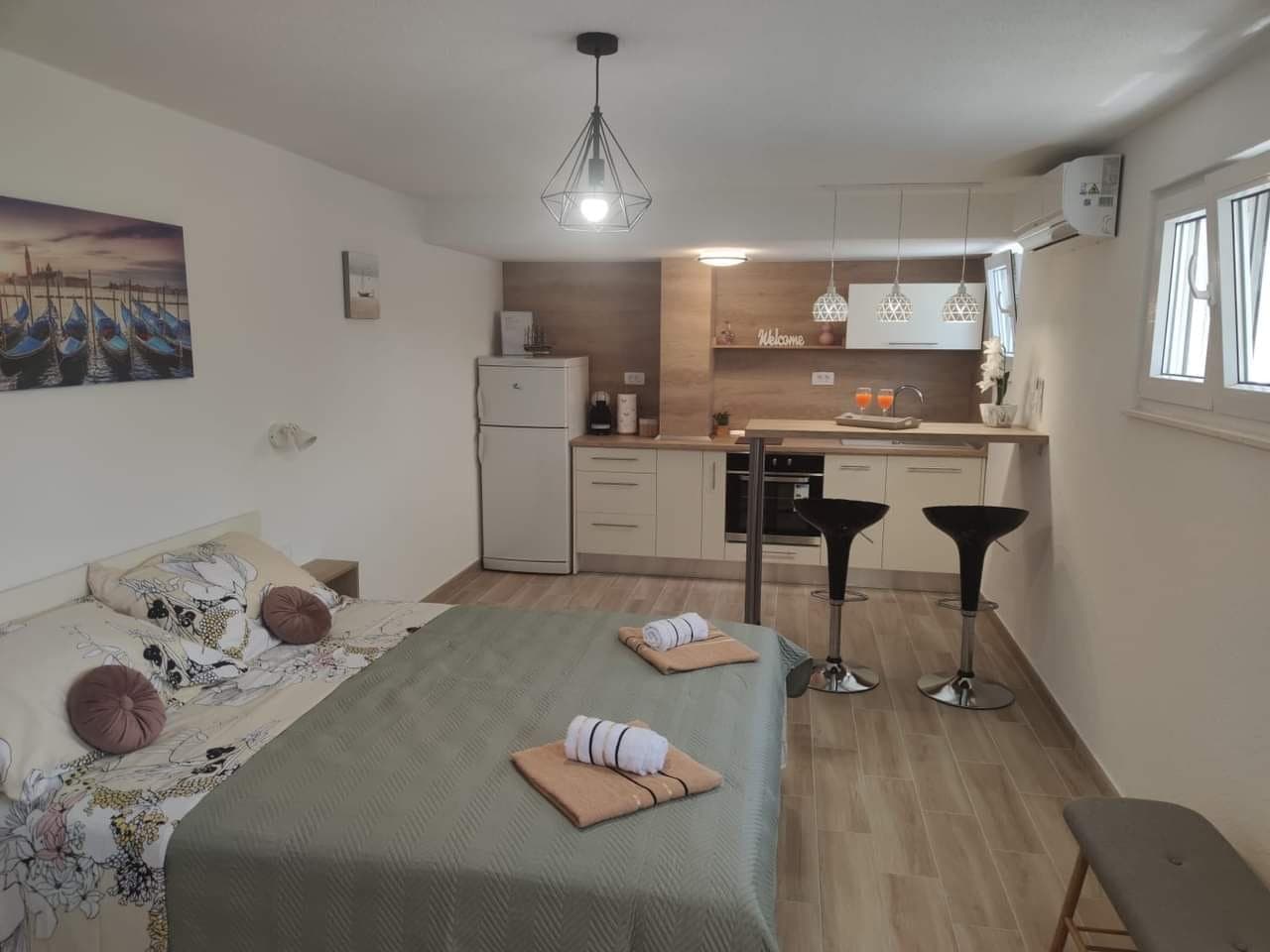 12 km from Grohote
- Apartment
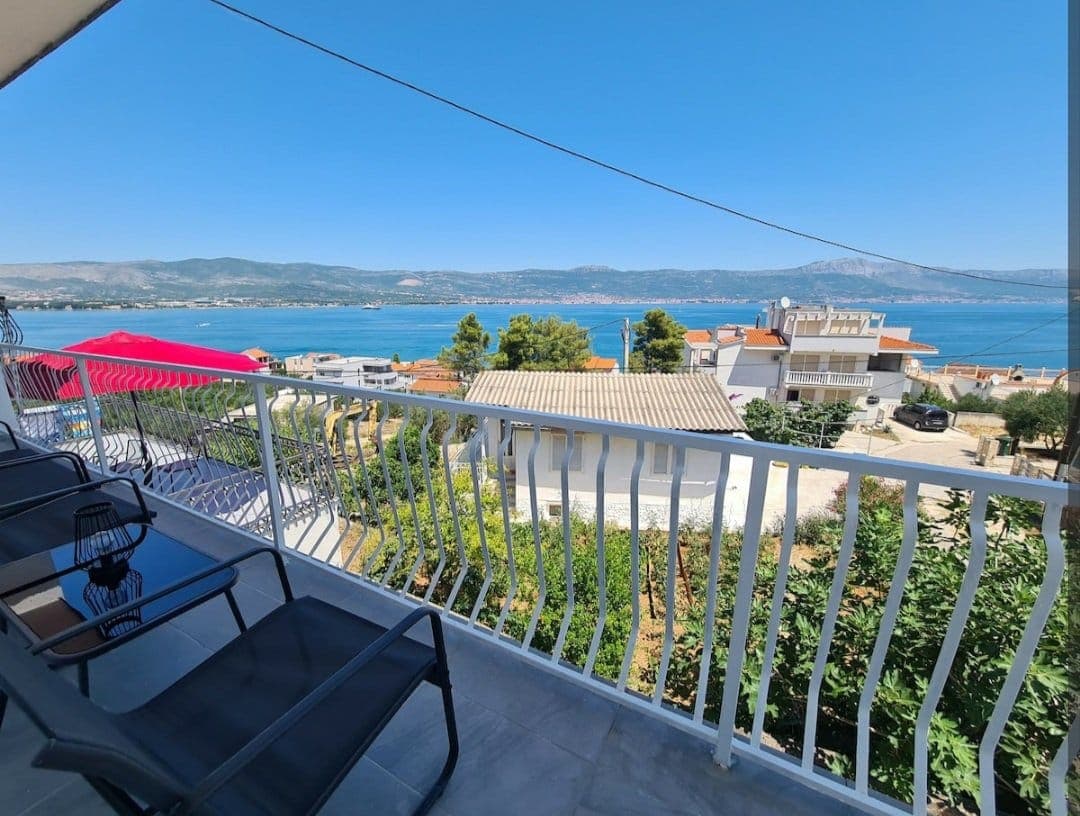 13 km from Grohote
- Apartment
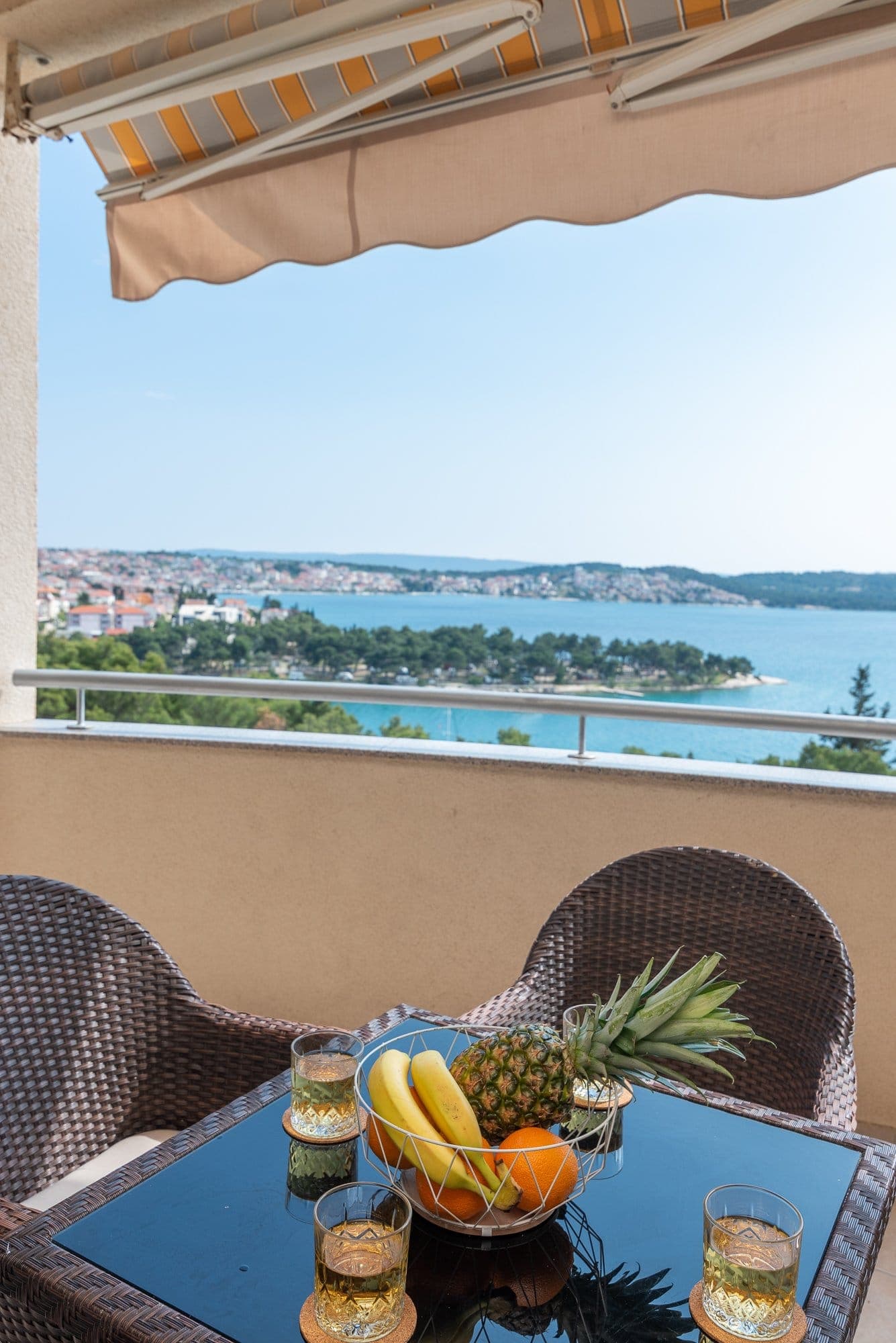 15 km from Grohote
Be the first to list here
Guests looking for this place only see stays nearby for now. No commission, and enquiries come straight to you.
List your accommodation
Beaches
Grohote has no beach within the settlement because its historic centre lies inland. The easiest nearby choice is Rogač, Šolta’s ferry port, where bathing spots are distributed around the bay; another road runs through Donje Selo to the small coastal settlement of Donja Krušica. For a quieter excursion, a rural track from the Grohote area descends to the southern cove of Zaglav, also called Vela Luka, distinguished by turquoise water and a handful of stone houses—the uphill return should be allowed for. Farther west, Šipkova is identified by the island tourist board as Šolta’s only natural sandy beach, while Nečujam combines a central pebble beach with smaller shores spread through the eight inlets of its large bay.
Bathing water quality nearby
- Rogač · 1.3 kmexcellent
Source: European Environment Agency (EEA); data from Croatian authorities. · bathing water profile
Things to do
Begin at Kaštel Slavić on the southern edge of the old village, where the older three-storey wing with a pitched roof contrasts with the taller section and its flat terrace. Continue through Grohote’s cobbled lanes, looking for enclosed courtyards, external stone staircases and traces of olive presses or other farm equipment built into domestic compounds. The next stop is St Stephen’s parish church, constructed between 1914 and 1942, beside the foundations of a late-5th-century basilica. For a longer outing, take the alternative route through Srednje Selo and Donje Selo towards Maslinica; it also works as a cycling connection. Another rural track descends from the Grohote area towards Zaglav, the southern cove also known locally as Vela Luka.
Tours and activities
AdAd · partner offers: Viator, GetYourGuideThe partner handles booking, payment and support. StayBravo may earn a commission on bookings made through these links.How we choose offersWe choose offers based on the page you are viewing: the partner destination for this place or the nearest one (with its distance), and on a sight page only offers that mention it. We show offers rated at least 4.3 with at least 10 reviews, without multi-day tours or pure transfers, ordered by rating adjusted for the number of reviews and then by the partner’s order. We do not use data about you, and the commission does not affect the order.GetYourGuide offers are selected and ordered by GetYourGuide based on the name of the nearest larger town or national park; we do not influence their selection and do not use data about you.Viator
Nearest destination: Ciovo Island (12 km)
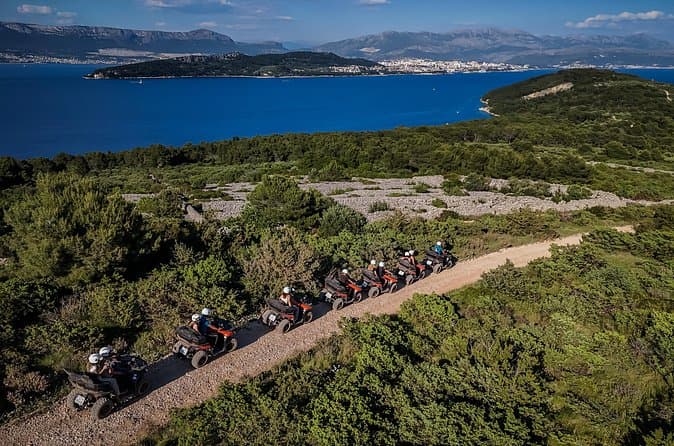
From Split & Trogir: ATV Quad Tour on Island Čiovo (opens in a new tab)
Discover the unparalleled beauty of Croatian seaside landscapes. Embark on an exciting ATV quad tour and explore the stunning island of Čiovo. Enjoy a two-hour or three-hour quad adventure along the…
Rated 5 out of 5 · 26 reviews· 2.5 h
Free cancellation
from €75
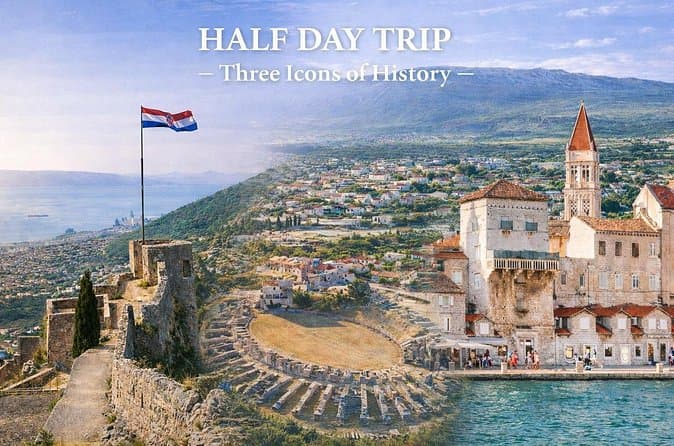
Split Private Tour: Klis, Salona & Trogir - Half a Day (opens in a new tab)
See more in half a day than most visitors see in two. This private tour connects panoramic Klis Fortress, the ancient Roman ruins of Salona, and the UNESCO-listed town of Trogir in a smooth…
Rated 5 out of 5 · 18 reviews· 4–5 h
Free cancellation
from €350
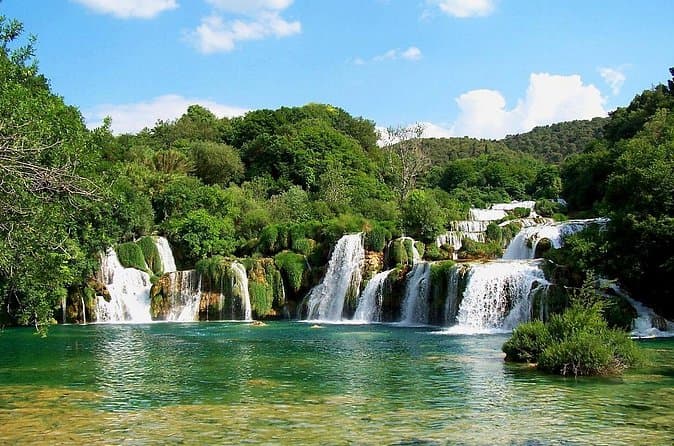
From Trogir, Seget, Okrug: Krka Waterfalls & Šibenik Culture Tour (opens in a new tab)
Discover the breathtaking beauty of Krka Waterfalls National Park, the rich history of Šibenik, and the charm of Primošten on a full-day adventure designed for smaller groups, ensuring a more…
Rated 4.9 out of 5 · 18 reviews· 8 h
Free cancellation
from €65
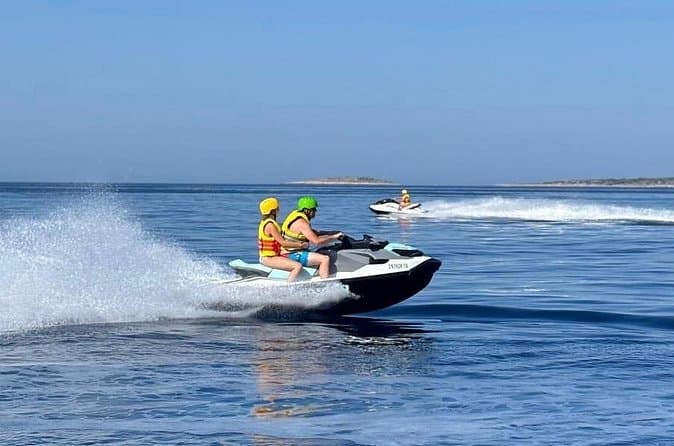
Trogir: Jet Ski Safari with Snorkeling and Blue Lagoon (opens in a new tab)
Perfect for guests staying in Trogir and nearby, this guided jet ski safari combines adrenaline, sightseeing, swimming, and snorkeling along the stunning Dalmatian coastline. Ride a brand-new…
Rated 5 out of 5 · 12 reviews· 2 h
Free cancellation
from €145
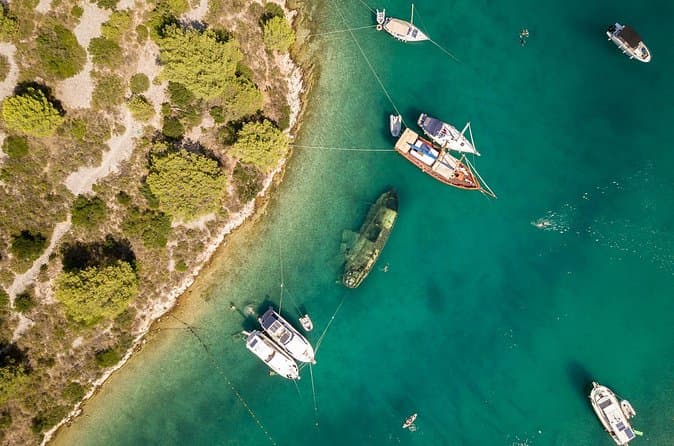
Private Boat Tour to Brac and Solta islands: Non-Touristy Itinerary (opens in a new tab)
This private type of boat tour is perfect for people who like to avoid the crowds and prefer a more quiet and relaxing boat trip. Designed for a group of friends or family who want to enjoy…
Rated 4.9 out of 5 · 15 reviews· 9 h
Free cancellation
from €820
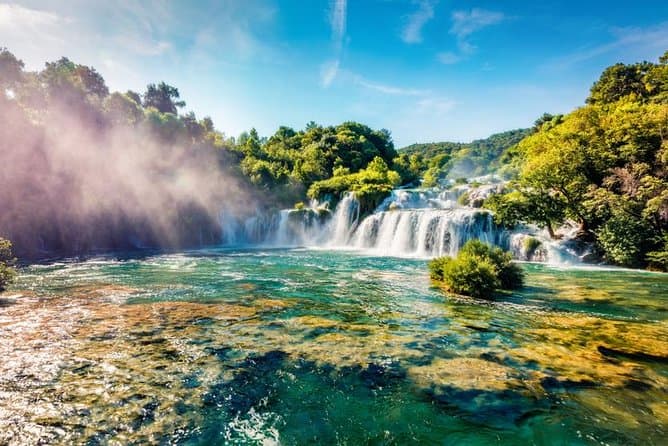
Krka Waterfalls & Primošten from Trogir, Seget, Čiovo & Kaštela (opens in a new tab)
Your adventure begins with pickup from Trogir and a scenic drive to one of Croatia’s natural highlights. Explore Krka National Park and admire Skradinski Buk, the park’s most famous waterfall. Walk…
Rated 4.7 out of 5 · 20 reviews· 6.5 h
Free cancellation
from €60
GetYourGuide · Trogir
We show GetYourGuide offers once you allow their cookies.
Practical information
Getting there and around
Public-transport journeys to Grohote begin at Rogač, Šolta’s only ferry port. Jadrolinija’s Split–Rogač route 636 takes about 60 minutes under the 2026 timetable, and a ticket for a selected sailing also reserves a place; the operator advises reaching the terminal at least 45 minutes before departure. Island buses then split towards Šolta’s eastern and western ends, with both branches passing through Grohote. The Stomorska service continues from Grohote through Nečujam and Gornje Selo, while the western route runs through Donje Selo and Srednje Selo to Maslinica. Because departures are coordinated with ferry arrivals and buses leave once passengers have boarded, travellers should go directly from the vessel to the bus rather than stopping in Rogač.
Frequently asked questions
Where is Kaštel Slavić?
Kaštel Slavić stands on the southern edge of Grohote’s old core and now houses the Municipality of Šolta.
Does Grohote have a beach?
Grohote is inland, so swimming requires a trip towards Rogač, Donja Krušica or the southern cove of Zaglav.
What stands beside St Stephen’s Church?
Beside the present church are the foundations of a late-5th-century basilica, including remains of its baptistery.
Nearby
Grohote
Open in OpenStreetMap(opens in a new tab)Larger towns
Smaller places
straight-line distance
Related guides
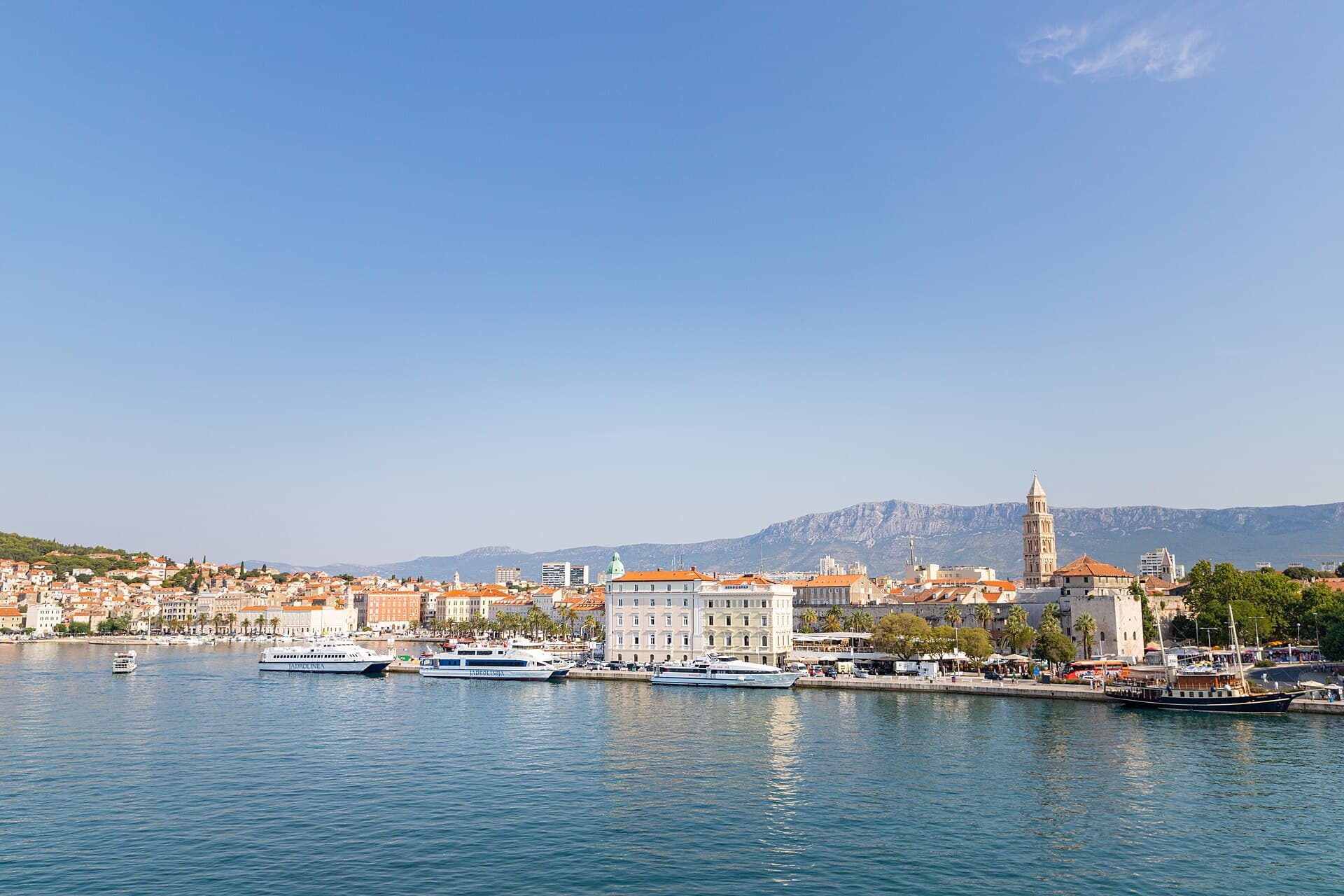
Split
In Split, the transition from ancient monument to ordinary street is almost imperceptible: entering the southern part of Diocletian’s Palace from the Riva leads towards the Peristyle, then…
Read the guide

Baška Voda
Baška Voda lies in the western part of the Makarska Riviera directly below the Biokovo massif. Once a fishing and seafaring settlement, it developed into a resort whose centre remains…
Read the guide
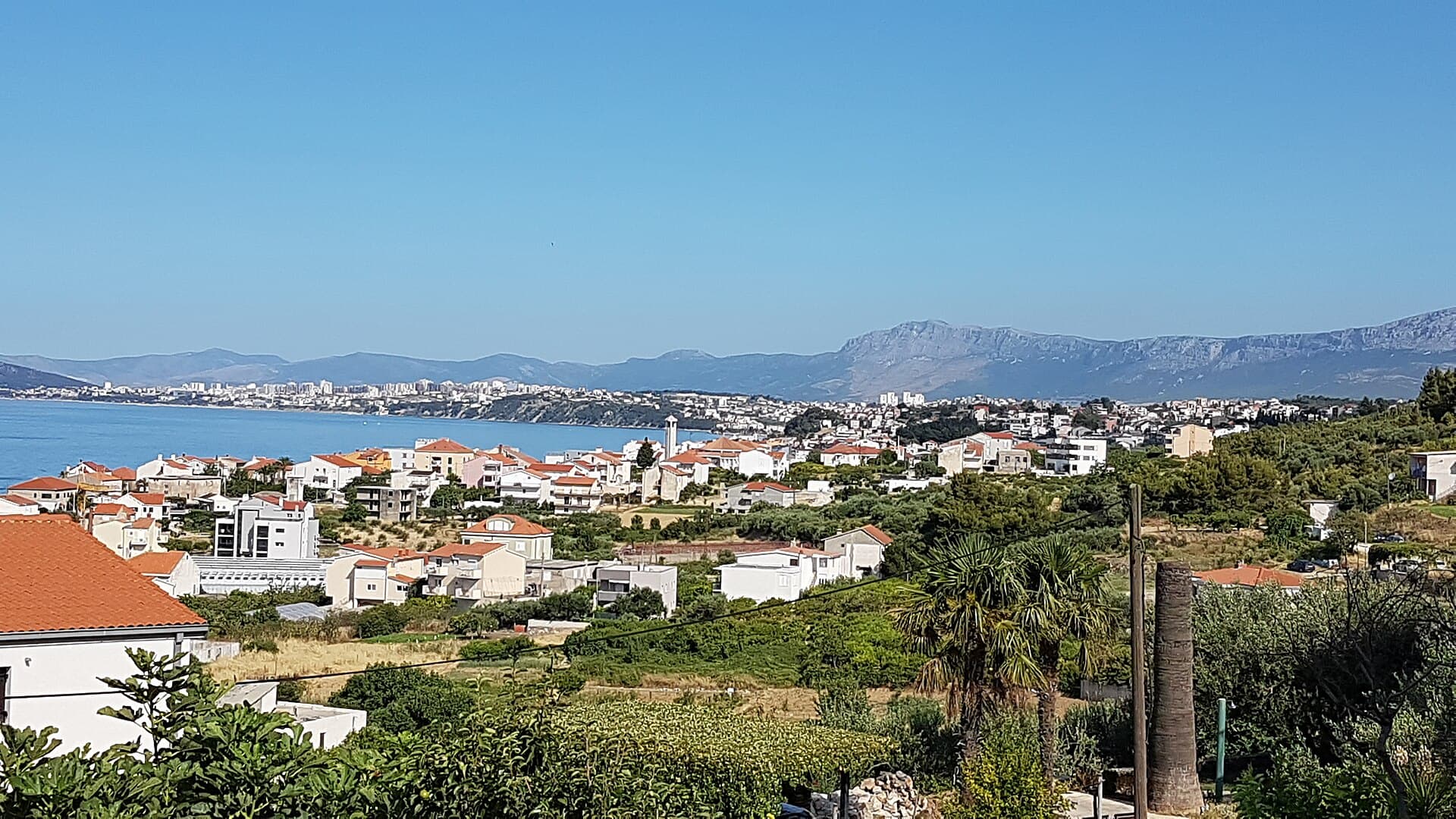
Podstrana
Podstrana is made up of five settlements. The oldest is Gornja Podstrana, set 290 to 340 metres above sea level beneath Perun, while Strožanac, Grljevac, Sveti Martin and Mutogras follow…
Read the guide

Brela
Brela is a municipal seat at the northern end of the Makarska littoral, about 15 km northwest of Makarska, on the Adriatic Highway and in a belt of pine forest at the foot of Biokovo. The…
Read the guide
Know Grohote? Correct us
Tell us in your own words what is not accurate. We check right away.Do not enter personal data. Corrections are checked by the StayBravo AI assistant; changes to the description are approved by an editor. Use the form instead
Do you know Grohote?
Help the guests who come after you.
Help us complete
Nothing is published without an editor’s review.Report illegal content
Photo credits: Šolta — OpenStreetMap contributors (CC BY-SA 2.0) · Stomorska — Andres rus (CC BY-SA 3.0) · Okrug Gornji — Rj1979 (Public domain) · Žedno — Žedno (Public domain) · Slatine — Rudi Klingenberg (CC BY-SA 3.0) · Crkva-tvrđava na Mrdulji — Đonny (Public domain) · Church of Our Lady of Prizidnice — Kaštel Stari (CC BY-SA 4.0) · Ražanj Lighthouse — Fallaner (CC BY-SA 4.0) · Apartman Lucija — Ljubica Munjiza (courtesy of the property owner) · Apartmani Mirjana, Apartman Anđela — Mirjana Rapić (courtesy of the property owner) · Apartman A&K — Jelena Boban (courtesy of the property owner) · Split — dronepicr (CC BY 2.0) · Baška Voda — Mario Žamić (CC BY-SA 3.0) · Podstrana — Romanm (CC BY-SA 4.0) · Brela — Josip-Pino Žamić (CC BY-SA 4.0)