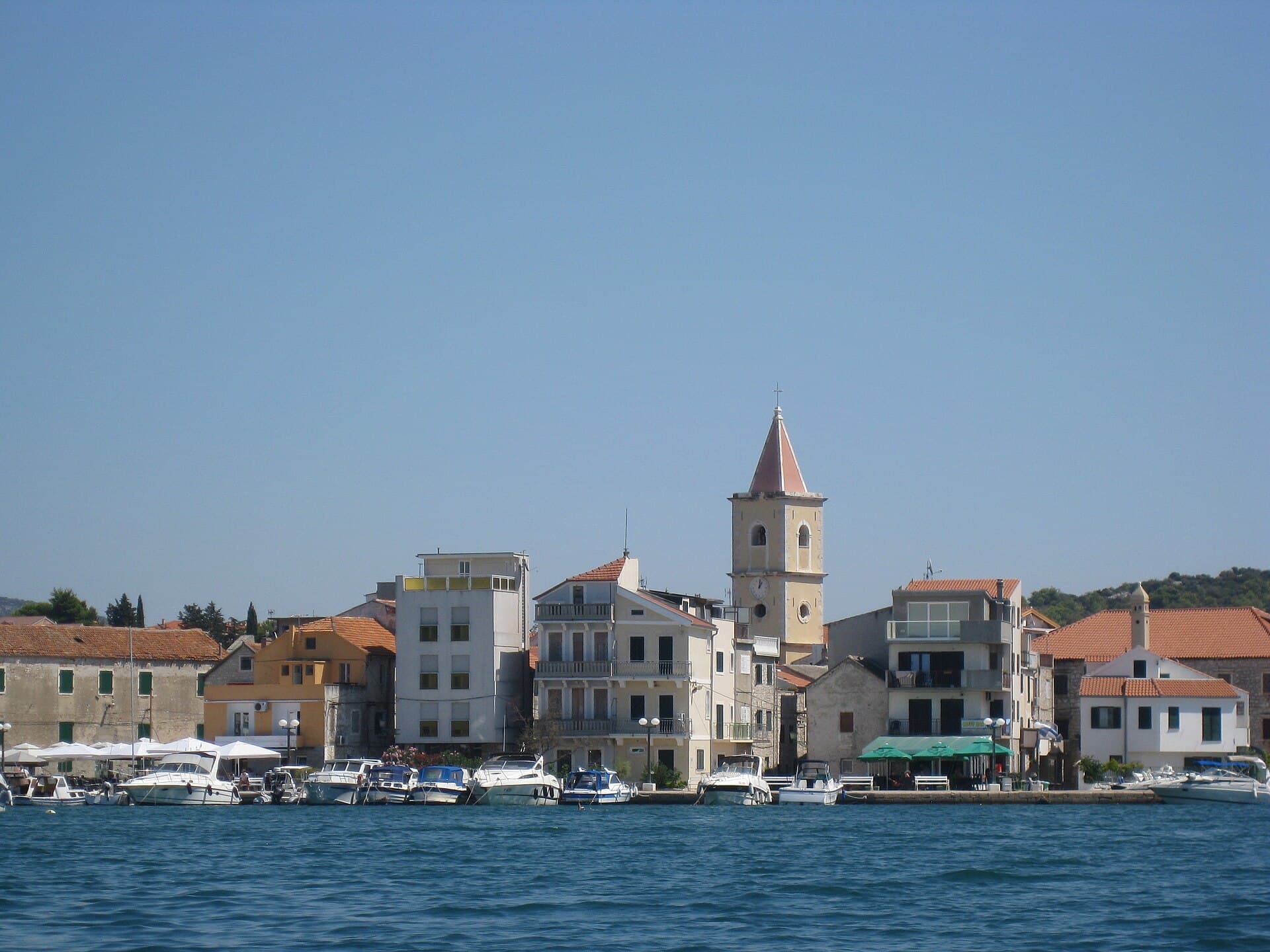
Zlarin, Šibenik
About this place
Zlarin is the sole settlement on its namesake island, set beside a deeply indented bay on the island’s north-western shore. Its name first appears in a 1245 charter of King Béla IV as part of Šibenik. During the 17th and 18th centuries, the island’s economy rested on vineyards, olive groves, fishing, sailing transport and coral fishing. Zlarin’s coral divers were already renowned on the Adriatic in the 15th century, and in 1808 they received exclusive harvesting rights from Kvarner to the Bay of Kotor. A coral and sponge-fishing cooperative followed in 1931. The Croatian Coral Centre Zlarin opened on 2 June 2023 in the Kažerma and Šare houses. Its displays connect the coral-working craft with marine biodiversity and contemporary interpretation. Above the village stands the Baroque parish church of the Assumption, built in 1740 and restored in 1882. Outside the centre, the 15th-century Church of Our Lady of Rašelj, remodelled in 1714, preserves a 1456 Čakavian confraternity register.
Coral work is central to Zlarin’s identity, with the craft recorded on the island from at least the 15th century. In 1808, Zlarin divers received exclusive coral-harvesting rights from Kvarner to the Bay of Kotor. When coral prices fell in the late 19th century, the 1931 Coral and Sponge-Fishing Cooperative sought to sustain organised harvesting and processing. That heritage is now interpreted by the Croatian Coral Centre, opened in 2023 in the Kažerma and Šare houses. The village sits by the island’s north-western bay, while its name has been documented since 1245.
Stays
No stays listed here yet
Things to see
The Croatian Coral Centre Zlarin has operated since 2 June 2023, using Kažerma to interpret coral-working heritage and marine ecosystems. Across the street, the Šare House serves as a social and cultural venue, with accommodation for researchers, artists, pupils and students. The Church of Our Lady of Rašelj dates from the 15th century and received its Baroque remodelling in 1714. Its confraternity register from 1456 is an important Čakavian written record. In the village itself, the Baroque parish church of the Assumption was built in 1740 and restored in 1882.

Beaches
Bathing water quality nearby
- Zlarin, mjesto · 305 mexcellent · season 2025
- Zlarin, Punta · 599 mexcellent · season 2025
- Zablaće II · 2.4 kmexcellent · season 2025
- Autocamp Zablaće · 2.6 kmexcellent · season 2025
- Autocamp, Zablaće, kraj · 2.7 kmexcellent · season 2025
- Jadrija, kabine lijevo · 2.9 kmexcellent · season 2025
Source: European Environment Agency (EEA); data from Croatian authorities. · bathing water profile
Things to do
Begin at the Croatian Coral Centre Zlarin, where the multimedia display in Kažerma explains the harvesting, working and protection of red coral. Continue to the Šare House, the Centre’s space for researchers, artists and island associations. From the village centre, head towards Our Lady of Rašelj, a single-nave church from the 15th century remodelled in 1714. Its confraternity register of 1456 is among the early records written in Čakavian. The walk back by the harbour links this religious landmark with the bay around which Zlarin developed.
Food and drink
Zlarin’s dining options cluster around the village and harbour, making it practical to combine dinner with an evening sailing. The local tourist board lists Aldura and Prslika taverns alongside Koralj and Ivana restaurants; for a lighter meal or drink it also names Fingac Pizza Bar, Jež fast food, Vila Beach Bar and Trapula café. Their location suits a car-free island, as each can be reached on foot from the historic core. Coral belongs to Zlarin’s protected natural and cultural heritage rather than its menu; locally appropriate choices instead include Adriatic fish, shellfish and Dalmatian dishes available that day.
Practical information
Practical information
The Zlarin Tourist Board is based at Sunčana obala 14, and its website carries island notices, events and links to sailing information. Because motor vehicles are prohibited on Zlarin, luggage should be manageable for the walk from the pier to the accommodation. Tickets and the return departure for 2026 are best checked before leaving Šibenik, particularly outside summer when services are less frequent. The Croatian Coral Centre and local restaurants may follow seasonal schedules, so opening times should be confirmed directly with the venue before setting out.
Getting there and around
Zlarin has no road connection to the mainland and relies on Jadrolinija passenger vessels. In the 2026 timetable, route 505 links Šibenik, Zlarin, Prvić Šepurine and Vodice, while another Šibenik service continues from Zlarin to Obonjan, Kaprije and Žirje. Published sailings indicate roughly half an hour between Zlarin and Šibenik, depending on the departure and intermediate calls. Boarding is for foot passengers because cars are not taken onto the island; anyone arriving by road must leave their vehicle at a mainland car park in Šibenik.
Frequently asked questions
Can visitors bring a car to Zlarin?
No. Motor traffic is prohibited on Zlarin, and visitors arrive from the mainland by passenger boat.
Where can I learn about Zlarin’s coral tradition?
The Croatian Coral Centre in the Kažerma and Šare buildings interprets the island’s red-coral harvesting and craftsmanship.
Where do scheduled boats to Zlarin depart from?
Scheduled services leave from Šibenik, while route 505 also links Zlarin with Prvić and Vodice.
When did the Croatian Coral Centre open?
The Croatian Coral Centre Zlarin opened on 2 June 2023.
Nearby
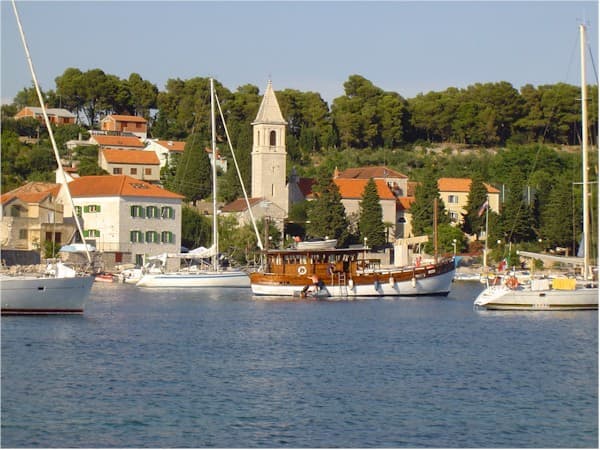
Prvić Luka
Village · Prvić
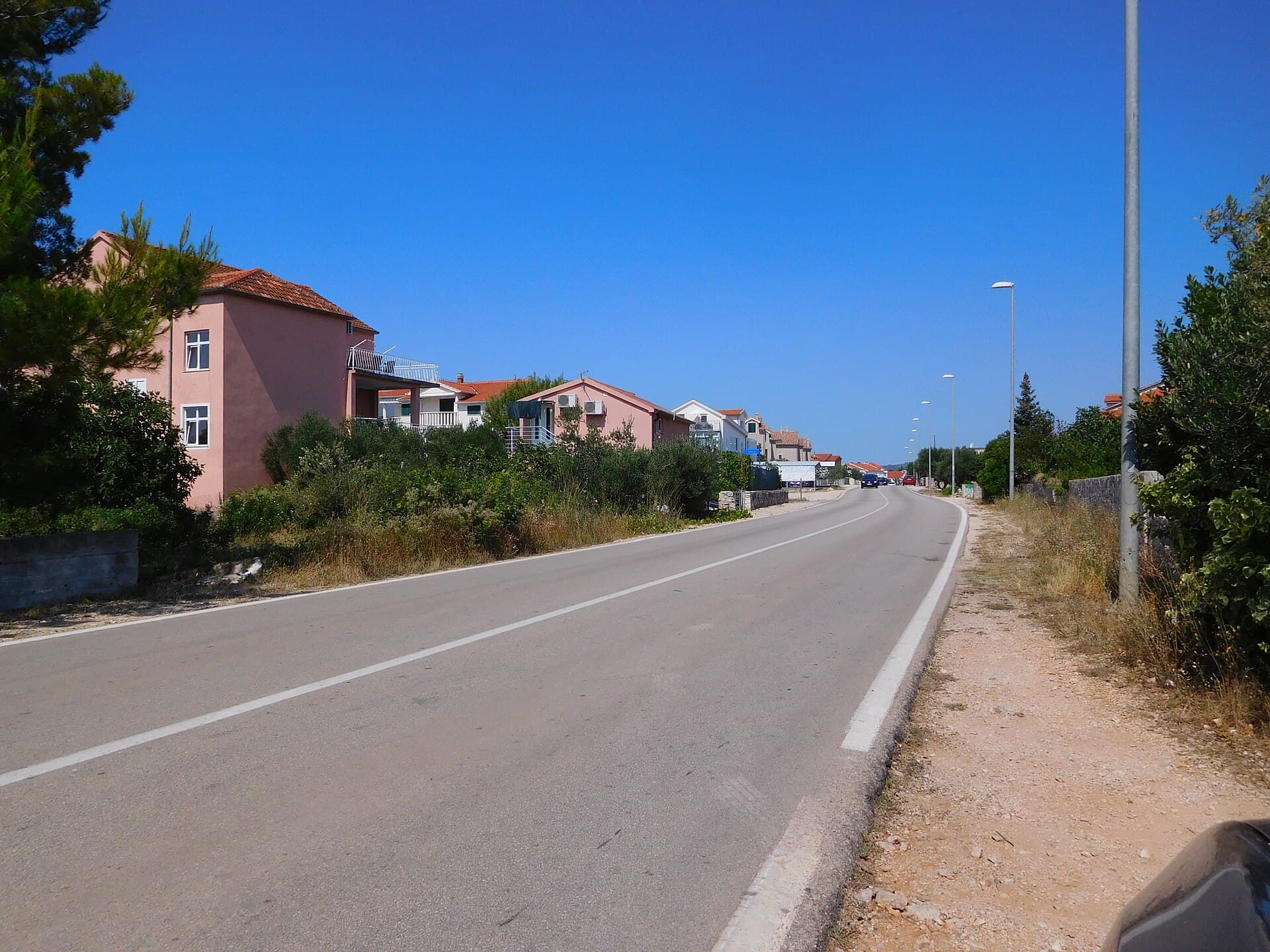
Related guides

Šibenik
Three contrasting areas help explain Šibenik's historic centre: the steep lanes of Gorica, waterfront Dolac and the central streets around Kalelarga. In Gorica, stone steps climb towards St…
Read the guide
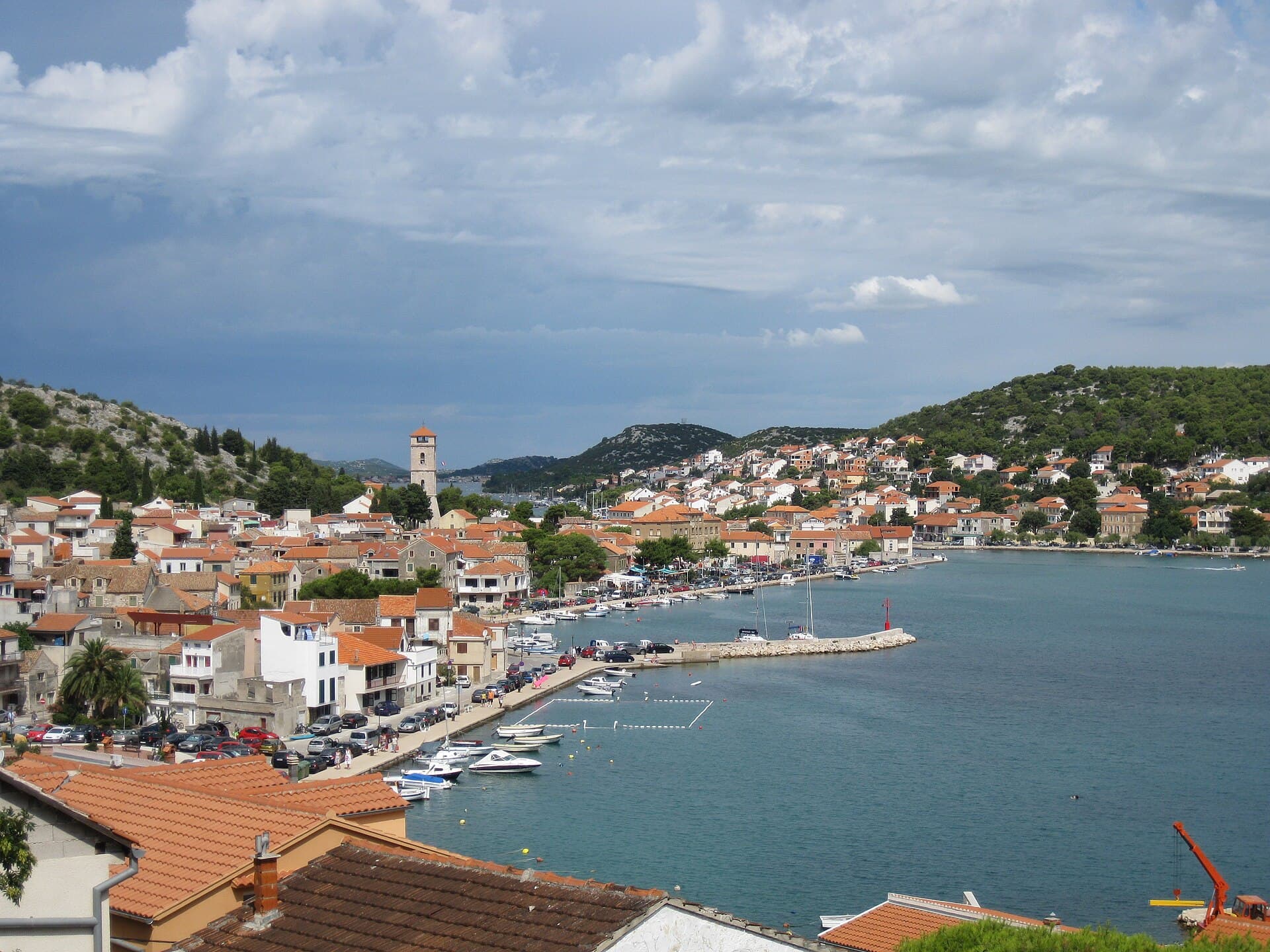
Help improve this page
Spot something missing or wrong? Suggest a correction, add your photo or report a problem. Editors review every suggestion before it is published.
Photo credits
- Zlarin, Šibenik — Shanticm (talk) · CC BY-SA 3.0 · Wikimedia Commons
- Prvić Luka — Mattija at Croatian Wikipedia · CC BY-SA 3.0 · Wikimedia Commons
- Srima, Jadrija Lighthouse — JiriMatejicek · CC BY-SA 4.0 · Wikimedia Commons
- Prvić Šepurine — croatguy · CC BY 2.0 · Wikimedia Commons