
Pijavičino
About this place
Pijavičino is a small inland Pelješac village set in a fertile hollow beside the peninsula’s main road, where vineyards and woodland meet bare limestone slopes. Although it belongs to the coastal municipality of Orebić, the settlement itself is not on the shore; its character is rooted in the peninsula’s agricultural interior and in access to nearby coves. Remnants of aristocratic life survive in the old village: the Chapel of St Catherine is the sole preserved part of a former summer residence, while Cvijeta Zlatarić’s tower and ruined fortification date from the 17th century. The DC414, Pelješac’s principal longitudinal road, passes through Pijavičino and makes it a useful base for exploring the peninsula’s central section. To the west, Potomje’s 400-metre Dingač Tunnel opens onto steep vineyards and the southern coast, while the road towards Žuljana leads to a bay known for sandy beaches and diving. A stay here therefore combines a short heritage walk, journeys through the Dingač wine landscape and day trips to the sea, without the feel of a developed coastal resort.
Pijavičino belongs to inland Pelješac rather than the string of villages directly on the coast. It occupies a fertile hollow beside the DC414, surrounded by fields, vineyards, woodland and the limestone hills of the peninsula’s central section. Its historic core includes the Chapel of St Catherine, the surviving fragment of an aristocratic summer residence, and a small tower with the remains of Cvijeta Zlatarić’s 17th-century fortification. This combination of rural heritage and cultivated land sets Pijavičino apart from nearby seaside settlements such as Žuljana and Trstenik. The village also forms part of the landscape around wine-producing Potomje, where the Dingač Tunnel cuts through Toma hill towards Pelješac’s celebrated southern vineyards.
Things to see
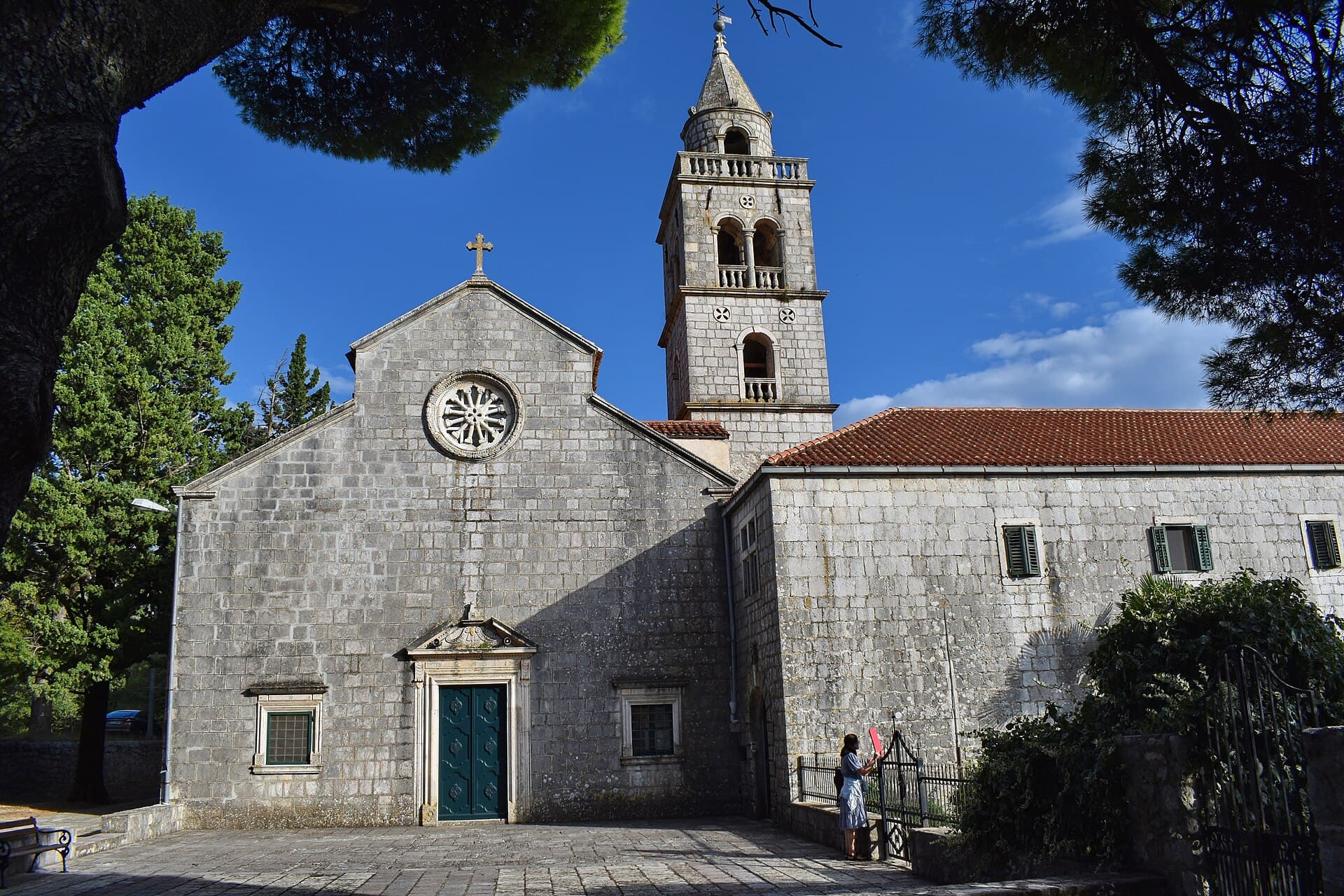
Franciscan monastery, Kuna Pelješka
Landmark · Kuna Pelješka
The Franciscan Monastery of Our Lady of Loreto, known as Delorita, is a religious and artistic landmark of Kuna Pelješka.
3 km from Pijavičino


Sestrica Vela (Korčula) Lighthouse
Landmark · Stankovići, Orebić
lighthouse in Croatia
12 km from Pijavičino
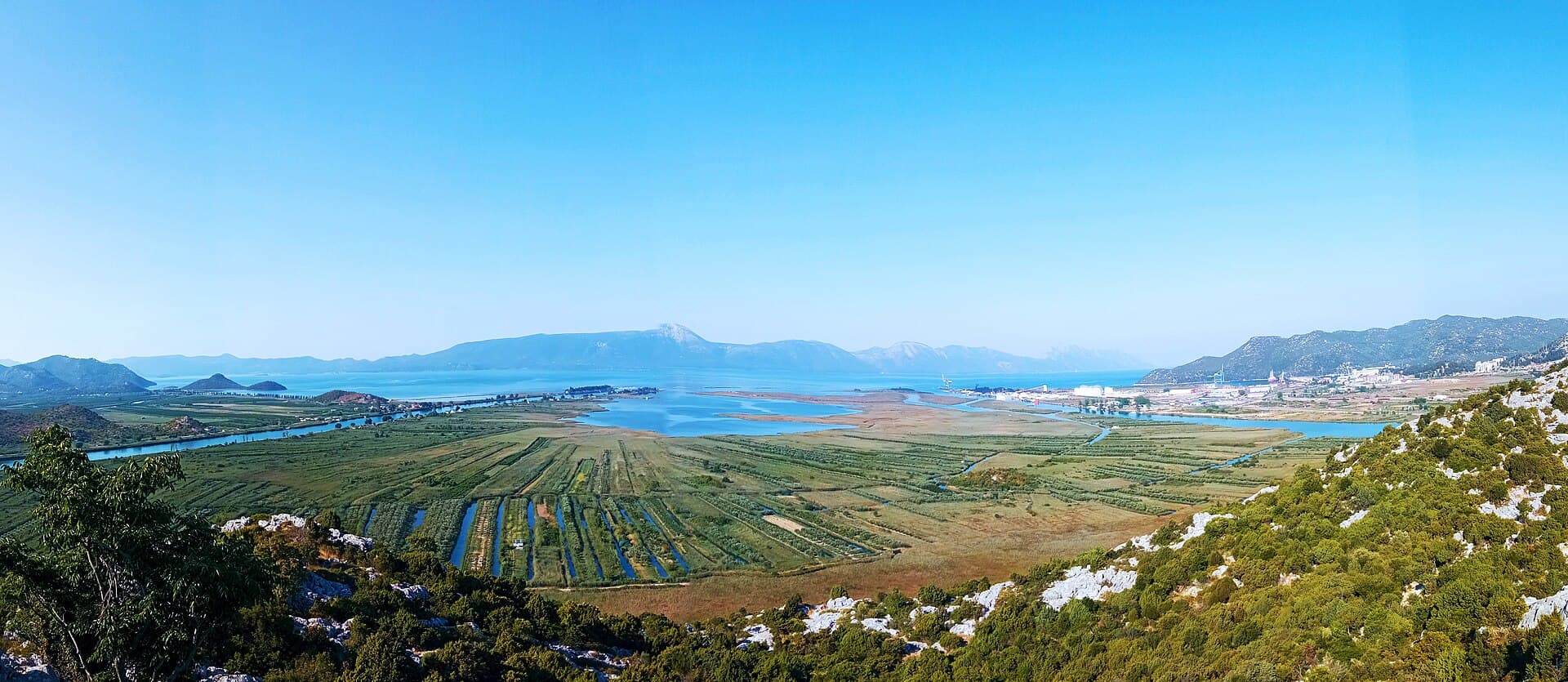
Neretva estuary
Nature · Ploče
The Neretva estuary is a protected mosaic of lagoons, shallows and coastal wetlands where the Neretva meets the Adriatic.
12 km from Pijavičino
Stays nearby
- Apartment
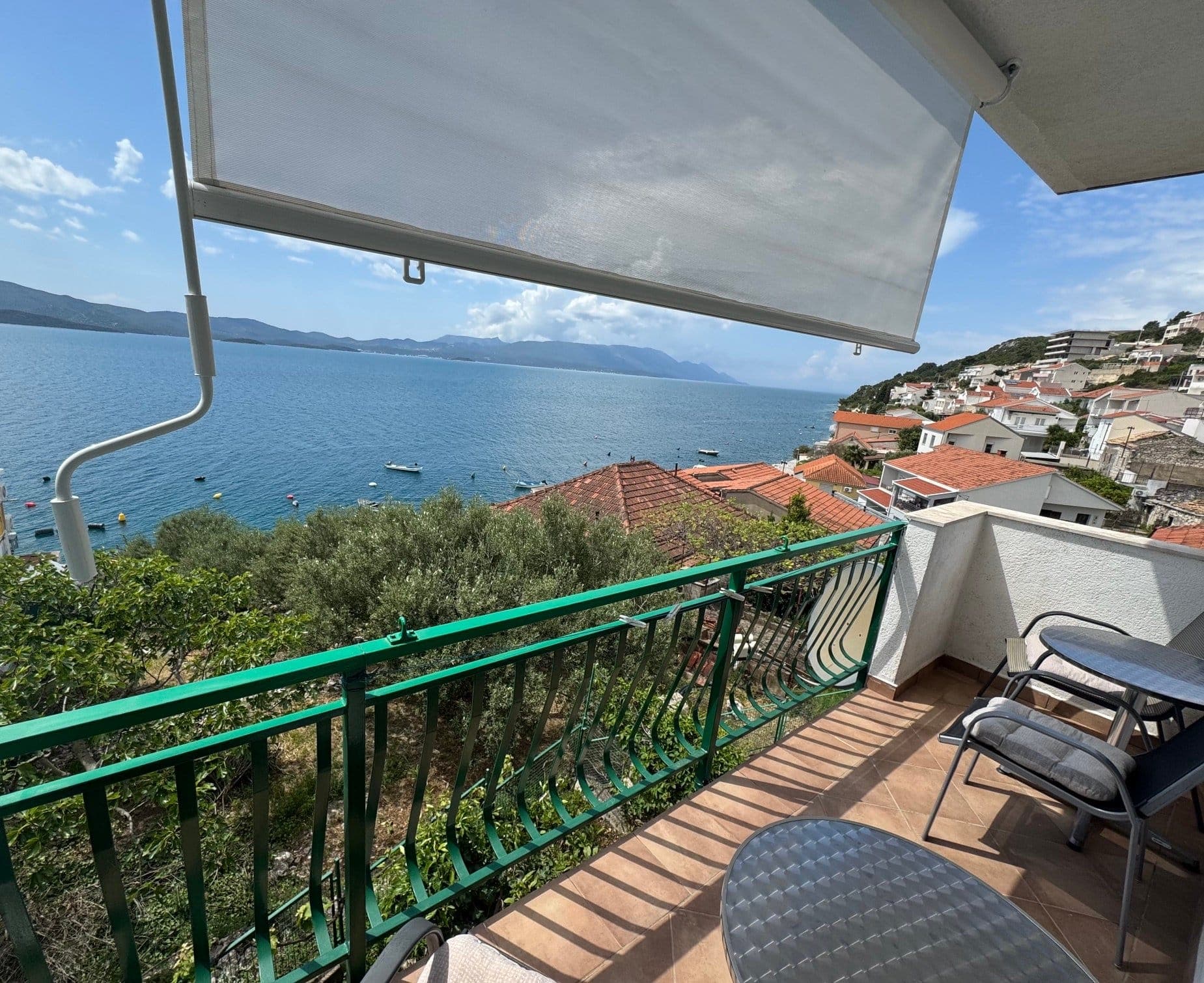 15 km from Pijavičino
- Apartment
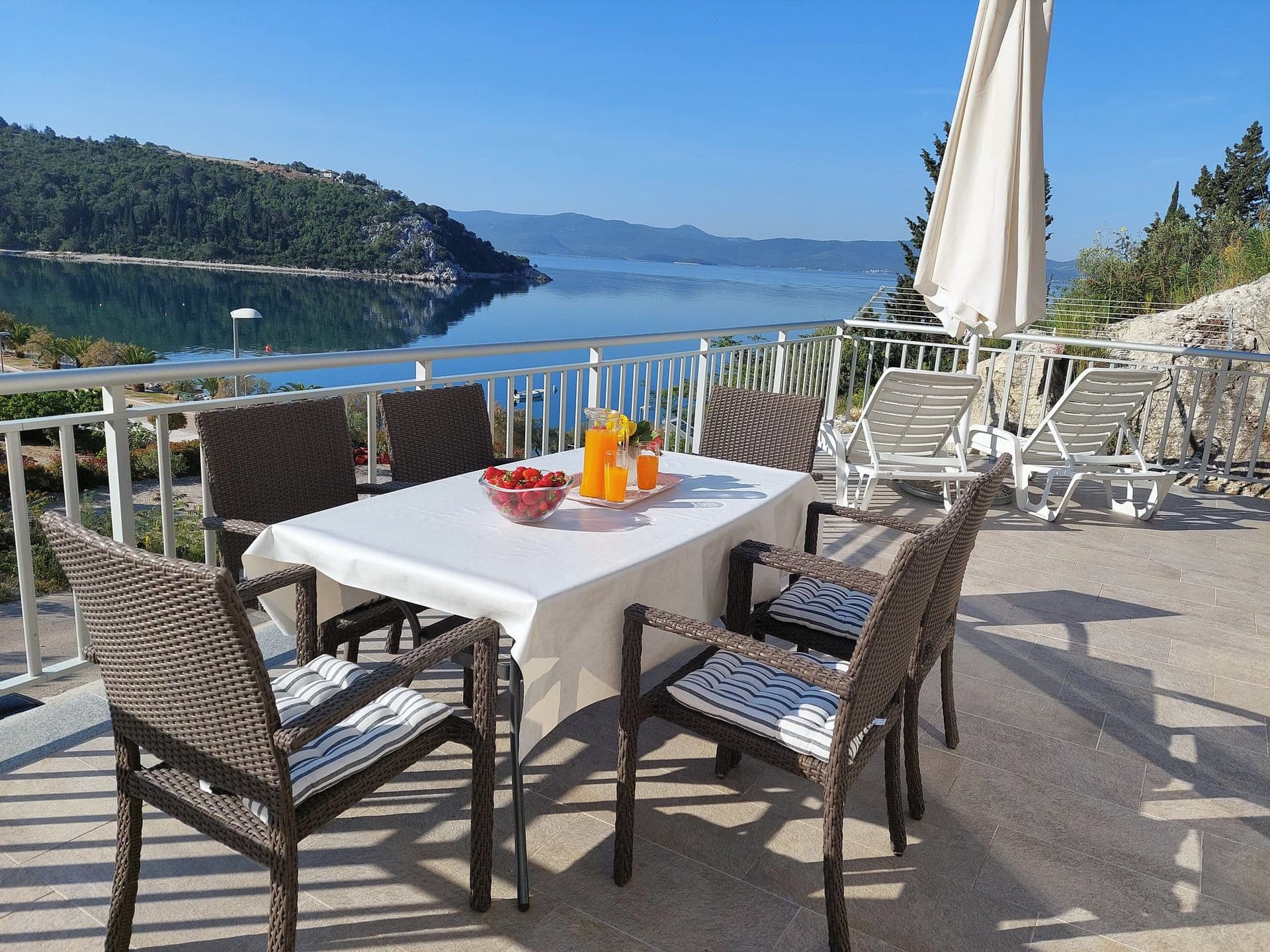 20 km from Pijavičino
Apartman Frana DeLux - prvi red do mora, plaža 20 m
Opuzen
up to 6 guests · 2 bedrooms
from €100 / night
Check availability
Be the first to list here
Guests looking for this place only see stays nearby for now. No commission, and enquiries come straight to you.
List your accommodation
Beaches
Pijavičino has no beach of its own because it lies in Pelješac’s interior, so the most straightforward route to the sea leads down to Trstenik. A pebble beach runs along most of that coastal village, framed by a small harbour with traditional fishing boats. Facilities include a shower, changing area, toilet and Wi-Fi, with a café, tavern and shop close by; the official listing also mentions kayaking and free parking. Swimmers seeking a quieter entry can move away from the harbour, while Trstenik’s clear underwater scenery makes a mask and snorkel particularly worthwhile on a day trip from Pijavičino.
Things to do
Start with a walk through old Pijavičino to the Chapel of St Catherine and Cvijeta Zlatarić’s tower, both contained within the village’s compact historic area. Continue along the DC414 to nearby Potomje, then pass through the 400-metre Dingač Tunnel, opened in 1975, to reach vineyards plunging towards the sea. The tunnel reduced an almost 20-kilometre journey to four kilometres and now also carries a demanding cycling route towards Dingač and Podobuče. End the day at Žuljana, whose west-facing bay combines sandy beaches, sunsets and local diving sites. This sequence links three distinct sides of central Pelješac: Pijavičino’s rural heritage, the Dingač vineyards and Žuljana’s coast.
Tours and activities
AdAd · partner offers: Viator, GetYourGuideThe partner handles booking, payment and support. StayBravo may earn a commission on bookings made through these links.How we choose offersWe choose offers based on the page you are viewing: the partner destination for this place or the nearest one (with its distance), and on a sight page only offers that mention it. We show offers rated at least 4.3 with at least 10 reviews, without multi-day tours or pure transfers, ordered by rating adjusted for the number of reviews and then by the partner’s order. We do not use data about you, and the commission does not affect the order.GetYourGuide offers are selected and ordered by GetYourGuide based on the name of the nearest larger town or national park; we do not influence their selection and do not use data about you.GetYourGuide · Korčula
We show GetYourGuide offers once you allow their cookies.
Viator
Nearest destination: Korčula (18 km)
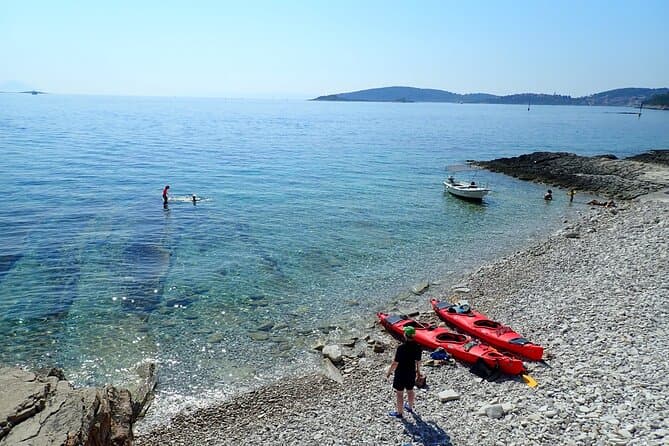
Bits of History - Half day kayak Tour with Wine delight (opens in a new tab)
Spirit of Korkyra is a small, family-run business - not a franchise. Boris and Ivka built it from scratch, and Ivka grew up right here in Lumbarda. We take you to places bigger tours can't reach…
Rated 5 out of 5 · 205 reviews· 5 h
Free cancellation
from €65
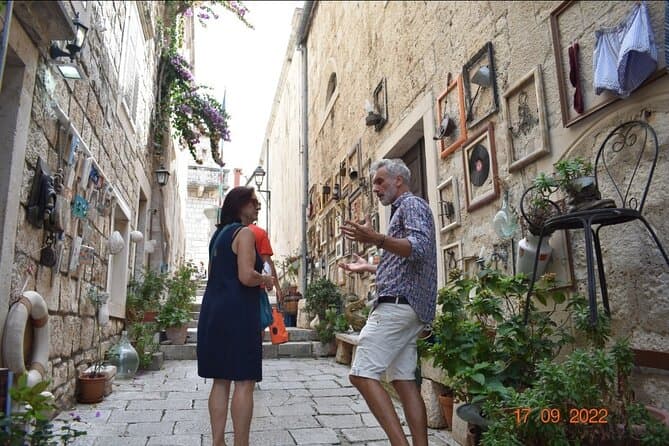
1 Hour Private Walking Tour in Korcula (opens in a new tab)
Korčula is a wonderful place to visit! History, art and present day life tell the story of a town sculpted in white stone 1000 years ago. You'll also hear about Marco Polo and his complicated and…
Rated 5 out of 5 · 103 reviews· 1 h
Free cancellation
from €35
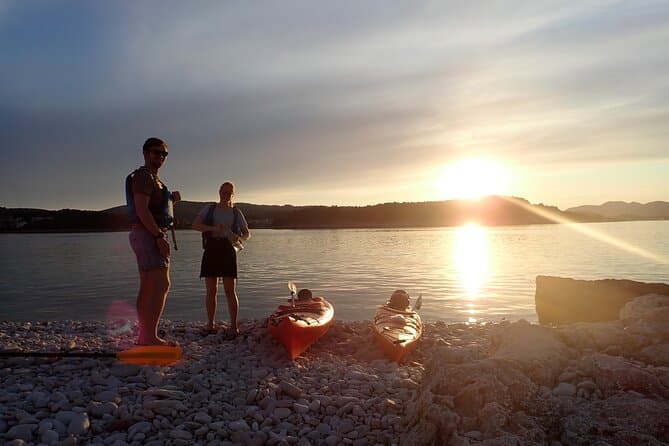
Lumbarda-Sunset Kayaking Experience with picnic: Wine and Sweets (opens in a new tab)
Spirit of Korkyra is a small, family-run business - not a franchise. Boris and Ivka built it from scratch, and Ivka grew up right here in Lumbarda. We time this tour to end golden hour on the water…
Rated 5 out of 5 · 62 reviews· 3.5 h
Free cancellation
from €65
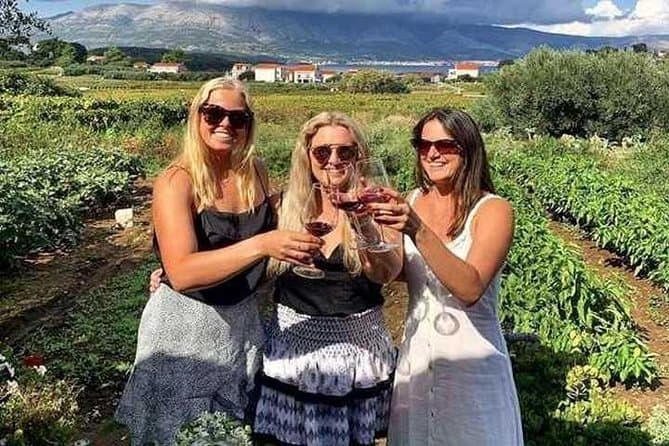
Wine tour Korčula - private tour (opens in a new tab)
Our excursion starts at the view point of Korčula, where you can take a couple of photos. The first vinyards we are going to visit are situated in Lumbarda and are famous for Grk, an autochtonous…
Rated 4.9 out of 5 · 27 reviews· 3–4 h
Free cancellation
from €151.31
Korcula Island Mountain E Bike Private tour with lunch (opens in a new tab)
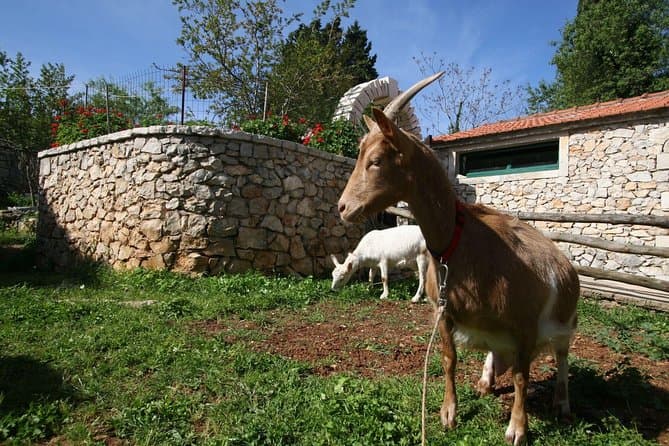
Enjoy a half-day mountain E- bike private tour on Korcula Island. Explore roads full of olive trees and vineyards. Visit a Local Winery for a wine tasting. Swim in one of the secluded beaches and…
Rated 5 out of 5 · 20 reviews· 4 h
Free cancellation
from €180
Mljet National park Private Yacht Excursion from Korcula Island (opens in a new tab)
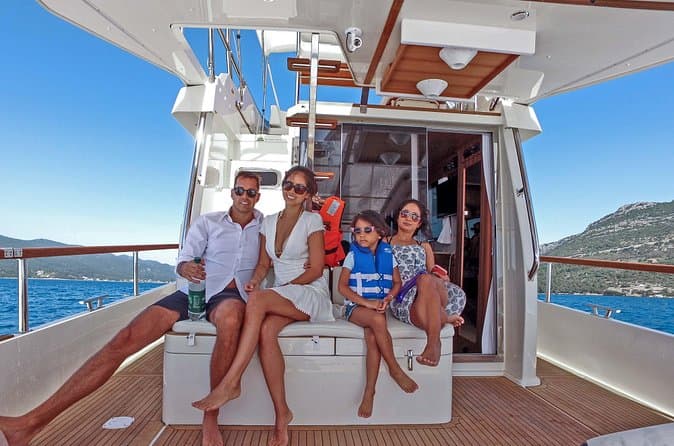
This is a Yacht Tour to the island of Mljet from Korcula. The National Park is famous for its two salt sea lakes and the 12th-century Benedictine monastery. Travel on a luxury yacht at intimate…
Rated 5 out of 5 · 18 reviews· 6 h
Free cancellation
from €700
Practical information
Getting there and around
Pijavičino stands directly on the DC414, the state road running along Pelješac and linking its inland settlements. The county spatial document identifies Pijavičino as the point where the road from Trpanj meets the DC414, making a car the most practical way to combine the peninsula’s interior and coast. Westbound travel continues through Potomje towards Orebić, while local turn-offs lead to Žuljana, Trstenik and the Dingač shore. Borak and Potočine are reached through the 400-metre Dingač Tunnel near Potomje; its single carriageway requires drivers to negotiate passage carefully. Bus departures should be checked for the specific travel date.
Frequently asked questions
Is Pijavičino directly on the coast?
No. Pijavičino lies in a fertile inland hollow beside Pelješac’s main road.
What survives of Pijavičino’s summer residence?
The Chapel of St Catherine survives from the former summer residence.
Where does the Dingač Tunnel lead?
The tunnel near Potomje links inland Pelješac with the Dingač vineyards and the coastal hamlets of Borak and Potočine.
Nearby
Pijavičino
Open in OpenStreetMap(opens in a new tab)Smaller places
straight-line distance
Related guides
Dubrovnik
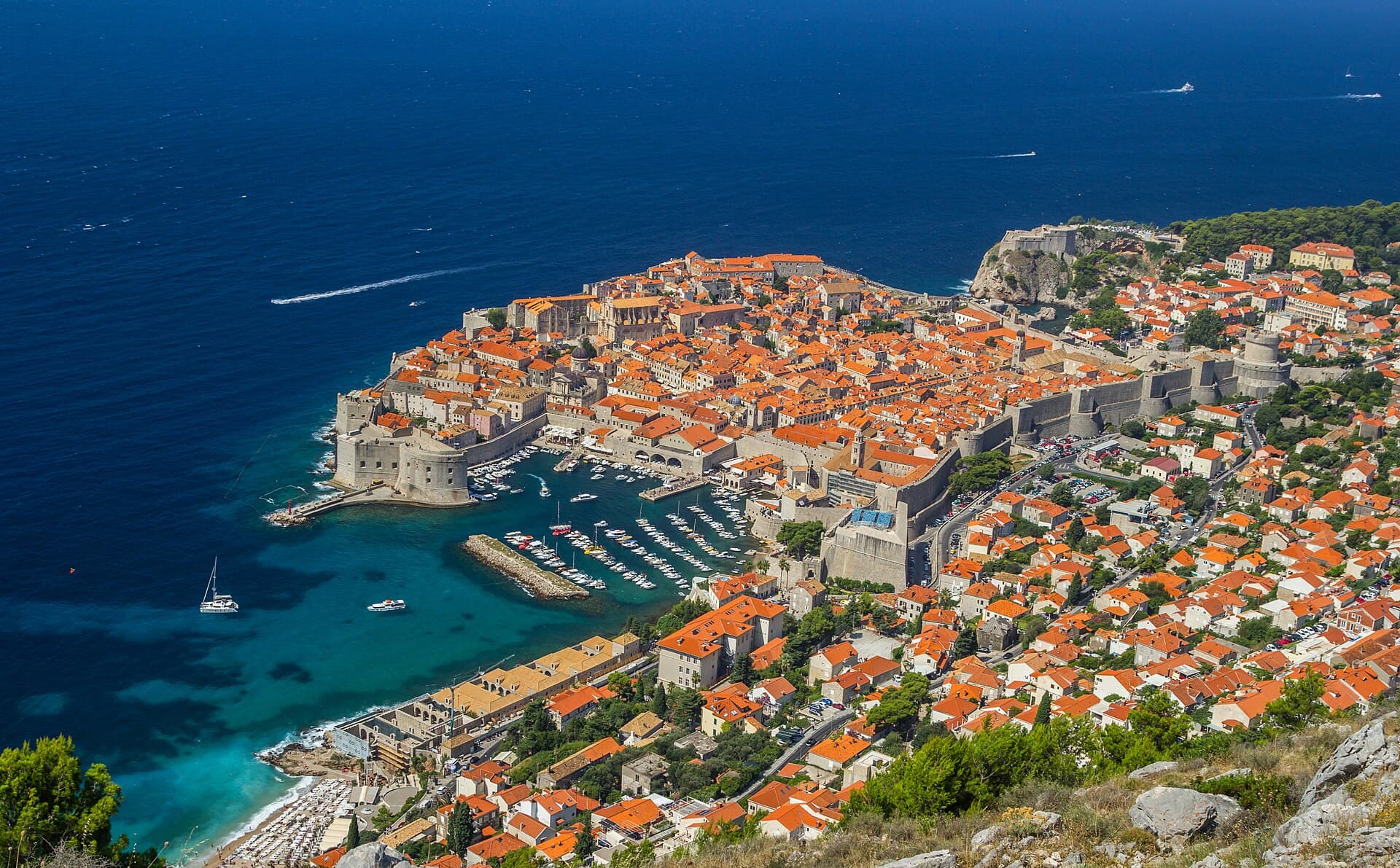
Dubrovnik’s historic centre is organised around Stradun, yet its character changes within a few steps of that main street. At the western end beside Pile stand the Large Onofrio Fountain,…
Read the guide

Orebić
Orebić is the main settlement of south-western Pelješac and has been tied to seafaring for centuries. Captains’ houses and gardens along the coastal area recall the period when Orebić…
Read the guide
Blato, Korčula
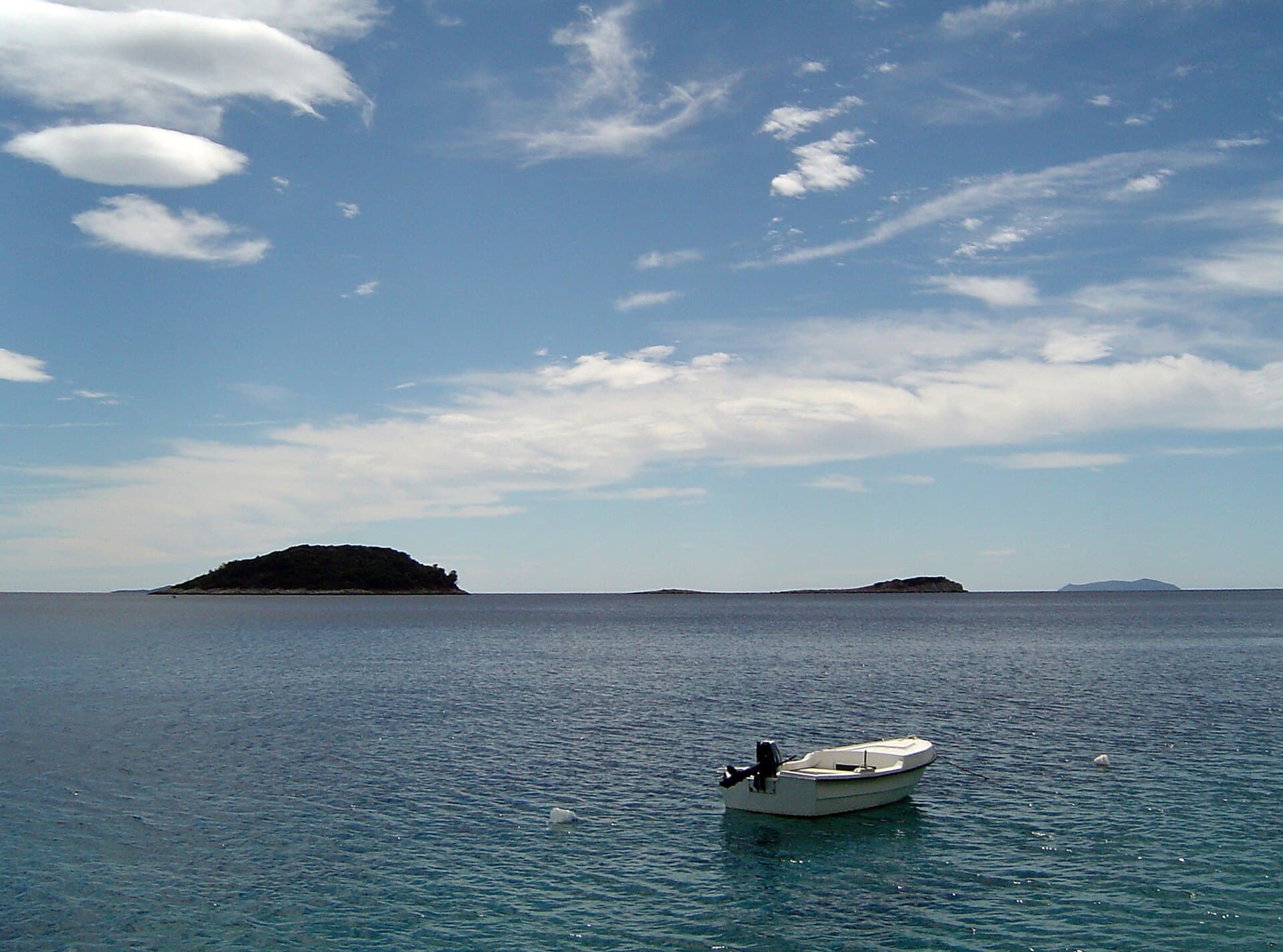
Blato is not a seaside centre but a historic inland settlement in western Korčula’s fertile interior, while its municipality reaches Prigradica on the north coast and Prižba, Gršćica,…
Read the guide
Vela Luka
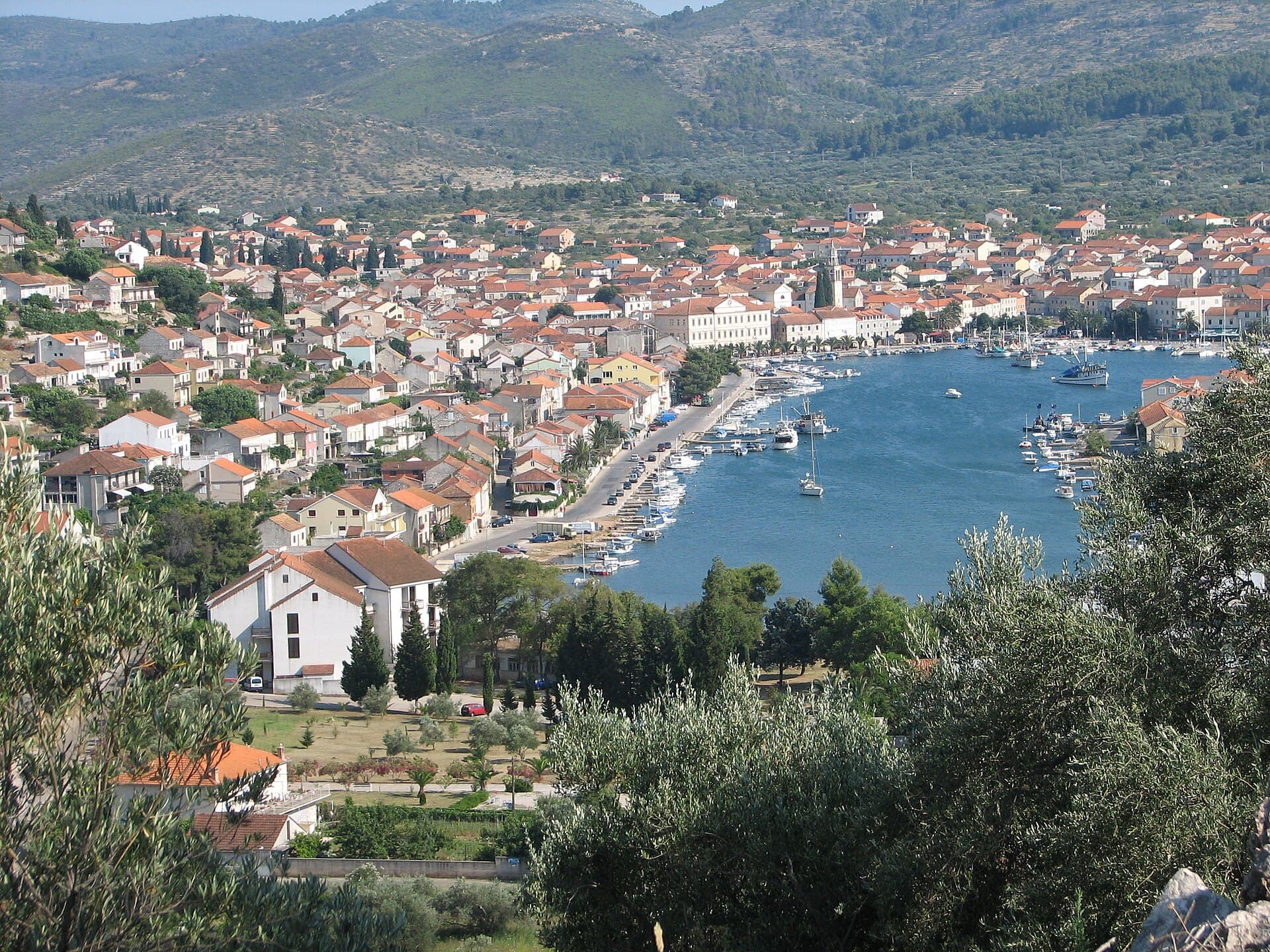
Vela Luka grew at the head of a deep bay on western Korčula, where a long waterfront links the harbour, the centre around St Joseph’s Church and the former shipbuilding area. Its maritime…
Read the guide
Know Pijavičino? Correct us
Tell us in your own words what is not accurate. We check right away.Do not enter personal data. Corrections are checked by the StayBravo AI assistant; changes to the description are approved by an editor. Use the form instead
Do you know Pijavičino?
Help the guests who come after you.
Help us complete
Nothing is published without an editor’s review.Report illegal content
Photo credits: Pijavičino — Quahadi Añtó 13:33, 21 December 2011 (UTC) (CC BY-SA 3.0) · Kuna Pelješka — Quahadi Añtó 11:56, 27 December 2011 (UTC) (CC BY-SA 3.0) · Donja Banda — Quahadi Añtó 14:08, 22 December 2011 (UTC) (CC BY-SA 3.0) · Osobjava — Quahadi Añtó 07:02, 6 December 2011 (UTC) (CC BY-SA 3.0) · Janjina — Aqwis (CC BY-SA 3.0) · Oskorušno — Quahadi Añtó 20:14, 26 December 2011 (UTC) (CC BY-SA 3.0) · Sreser — Quahadi Añtó 09:52, 5 December 2011 (UTC) (CC BY-SA 3.0) · Drače, Janjina — Quahadi Añtó 06:41, 26 April 2010 (UTC) (CC BY-SA 3.0) · Žuljana — F.Krikava, Znojmo (CC BY-SA 3.0) · Trpanj — Ragusino at English Wikipedia (CC BY-SA 3.0) · Franciscan monastery, Kuna Pelješka — Miroslav.vajdic (CC BY-SA 4.0) · Velika Sestrica — Quahadi Añtó 09:03, 2 May 2013 (UTC) (CC BY-SA 3.0) · Sestrica Vela (Korčula) Lighthouse — Quahadi Añtó 09:47, 2 May 2013 (UTC) (CC BY-SA 3.0) · Neretva estuary — Ma▀▄Ga (CC BY 3.0) · Apartmani Stella — Zvjezdana Bebić (courtesy of the property owner) · Apartman Frana DeLux - prvi red do mora, plaža 20 m — Ivan Mador (courtesy of the property owner) · Dubrovnik — Zysko serhii (CC BY-SA 4.0) · Orebić — Quahadi Añtó 11:23, 15 January 2011 (UTC) (CC BY 3.0) · Blato, Korčula — d.graso (CC BY 3.0) · Vela Luka — Wojtkow (CC BY-SA 4.0)