
Županja
About this place
Županja stands on the Sava’s left bank at the southern edge of Slavonia, directly opposite Bosnia and Herzegovina. Its identity combines Šokac traditions, Military Frontier history and industry: an early-19th-century frontier watchhouse survives as part of the Županja City Museum, while the former tannin factory brought British specialists who introduced a football in 1880. A year later, the same community played tennis beside the factory offices, a sporting legacy marked today by the First Football Stadium and a monument to Croatia’s first tennis racket. The Sava promenade links the museum quarter with the flood embankment and broad river views, while Županjski virovi and the edge of the Spačva forest provide recreation outside town. Local cooking is represented by čobanac stew, paprika-spiced fish soup, freshwater fish and Slavonian cured meats. Županja’s position beside the A3 makes it a useful stop between Slavonski Brod and Croatia’s eastern frontier, while the bridge across the Sava leads towards Orašje. A rewarding first circuit combines the City Museum, Savska Street, the stadium and an evening walk along the embankment.
Županja is defined by the Sava and by its former frontier position facing the Ottoman lands. The City Museum occupies a riverside complex whose most important building is the surviving border čardak, a rare Military Frontier watchhouse from the former Sava limes. Industrial growth accelerated with the tannin factory, built in 1883 to process Slavonian oak. British specialists associated with the works brought a football in 1880 and played tennis in 1881, allowing Županja to present itself as Croatia’s cradle of both sports. Šokac culture, horse breeding and life beside the river give the town a character distinct from larger Slavonian centres.
Things to see
The City Museum’s frontier čardak was built in the early 19th century as a central watchhouse facing the Ottoman Empire; its timber gallery and position beside the Sava make it Županja’s essential monument. The museum complex comprises two larger and two smaller buildings connected by a park, with collections devoted to archaeology, ethnography, art and local history. The First Football Stadium marks the area where British tannin-factory specialists involved local residents in the game in 1880. A monument to the first tennis racket recalls 1881, when an early Croatian game was recorded in the factory administration building’s yard.

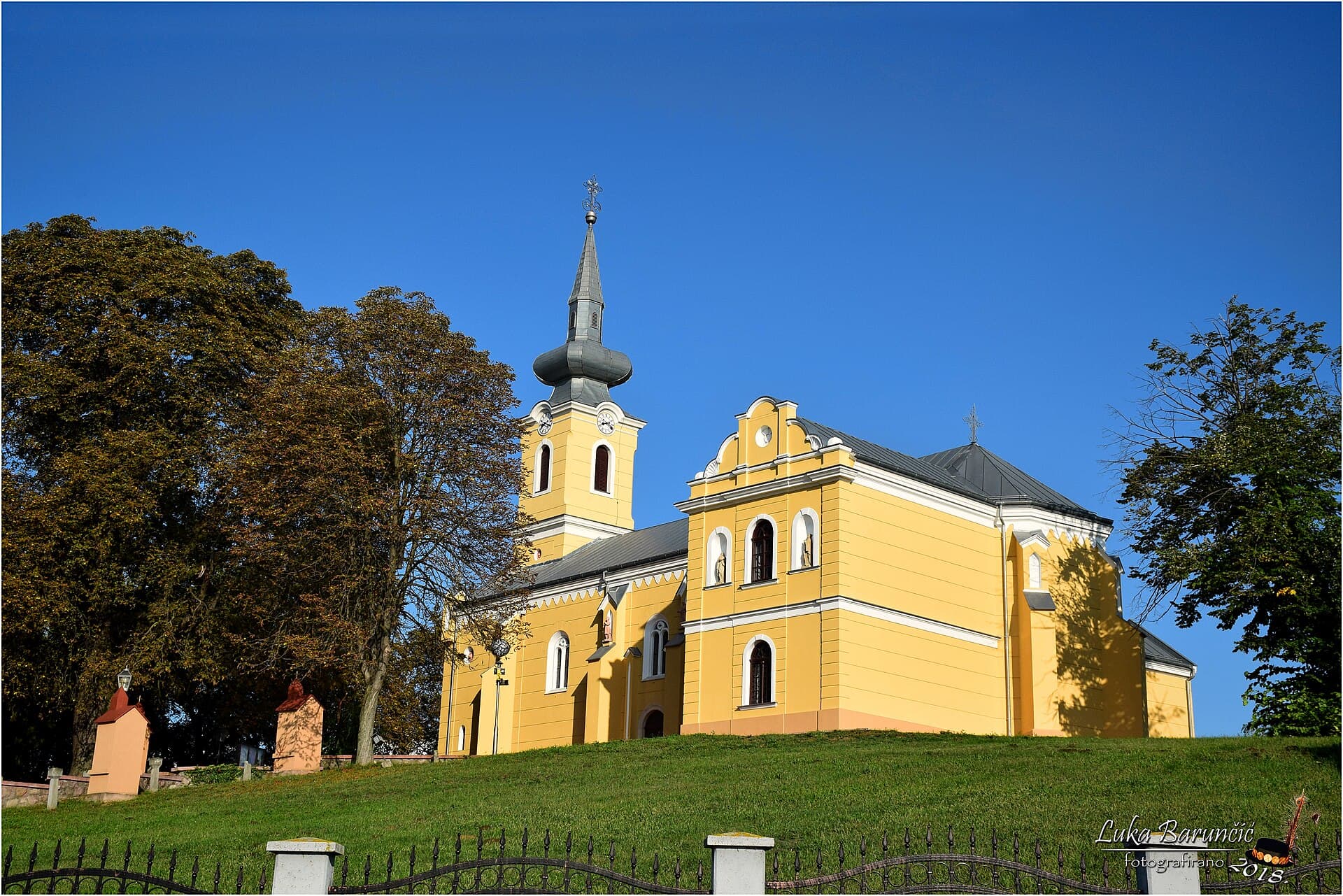
župa Rođenja sv. Ivana Krstitelja
Landmark · Ivankovo
The Parish Church of the Nativity of St John the Baptist in Ivankovo is a medieval church distinguished by a single nave and polygonal sanctuary.
25 km from Županja

Stays
No stays listed here yet
Things to do
Begin at the Županja City Museum beside the Sava, where the čardak explains the town’s Military Frontier past and the collections cover Šokac life and the wider Županja region. Continue from Savska Street onto the embankment promenade for views towards the Bosnian bank. Next visit the First Football Stadium, on the site associated with the former tannin factory and the British workers who played here in 1880. Complete the sporting thread at the monument to Croatia’s first tennis racket, linked to a game played in 1881. With more time, cycle towards Županjski virovi or the edge of the Spačva forest.
Tours and activities
AdAd · partner offers: GetYourGuideThe partner handles booking, payment and support. StayBravo may earn a commission on bookings made through these links.How we choose offersGetYourGuide offers are selected and ordered by GetYourGuide based on the name of the nearest larger town or national park; we do not influence their selection and do not use data about you.GetYourGuide · Đakovo
We show GetYourGuide offers once you allow their cookies.
Practical information
Practical information
The Županja Tourist Board is based at Veliki kraj 66, close to the centre and the riverside quarter. The City Museum occupies the western part of town on the Sava’s left bank, making it easy to combine the collections with an embankment walk. Županja is a border town: crossing the bridge towards Orašje means entering Bosnia and Herzegovina, so travellers need an appropriate travel document and should check current border requirements. A bicycle or car is more practical for Županjski virovi and the Spačva forest because these natural sites lie beyond the compact urban area.
Parking
Paid public parking in Županja is managed by Čistoća Županja, which publishes the applicable rules and ticket information. The municipal decision states that the operator sets charges with the mayor’s prior approval, and parking in a marked paid space constitutes acceptance of the service terms. As the city prepared amendments to its parking arrangements during 2026, drivers should follow current signs, zone markings and machine instructions rather than relying on older price lists. For the museum and Savska Street, the practical choice is a marked space in the western part of the centre, followed by a walking circuit.
Getting there and around
Županja lies immediately beside the A3, the principal road linking Zagreb and Slavonski Brod with Vinkovci and the Bajakovo border crossing. A bridge over the Sava connects the town with Orašje in Bosnia and Herzegovina, so local traffic can be affected by border queues. Travellers without a car mainly rely on intercity buses towards Vinkovci, Osijek, Slavonski Brod and Zagreb; 2026 departures should be confirmed with the operator before travel. There is no passenger railway station in central Županja, making rail impractical for direct arrival. The museum, town centre and Sava promenade are close enough to explore on foot.
Frequently asked questions
What is Županja’s čardak?
The čardak is an early-19th-century frontier watchhouse now incorporated into the Županja City Museum.
Why is Županja associated with football?
British specialists associated with the tannin factory brought a football and played with local residents in 1880.
When was tennis first played in Županja?
Records state that the British community played tennis in the factory administration yard in 1881.
Where is the Županja City Museum?
The museum complex stands in western Županja on the Sava’s left bank.
Who manages paid parking in Županja?
Paid public parking is managed by the municipal company Čistoća Županja.
Nearby
Županja
Open in OpenStreetMap(opens in a new tab)straight-line distance
Related guides

Osijek
Tvrđa and the centre around the main square are distinct starting points for understanding Osijek. The former emphasises the fortified historic quarter and Baroque architecture; the latter…
Read the guide

Vukovar
A cultural visit to Vukovar has several separate centres of gravity. Eltz Palace and the City Museum address the city and its inhabitants across different periods. Vučedol reaches much…
Read the guide

Stubičke Toplice
Stubičke Toplice derives almost its entire identity from thermal water and the Zagorje landscape. There is no large urban historic core; green spaces, bathing facilities and traces of the…
Read the guide
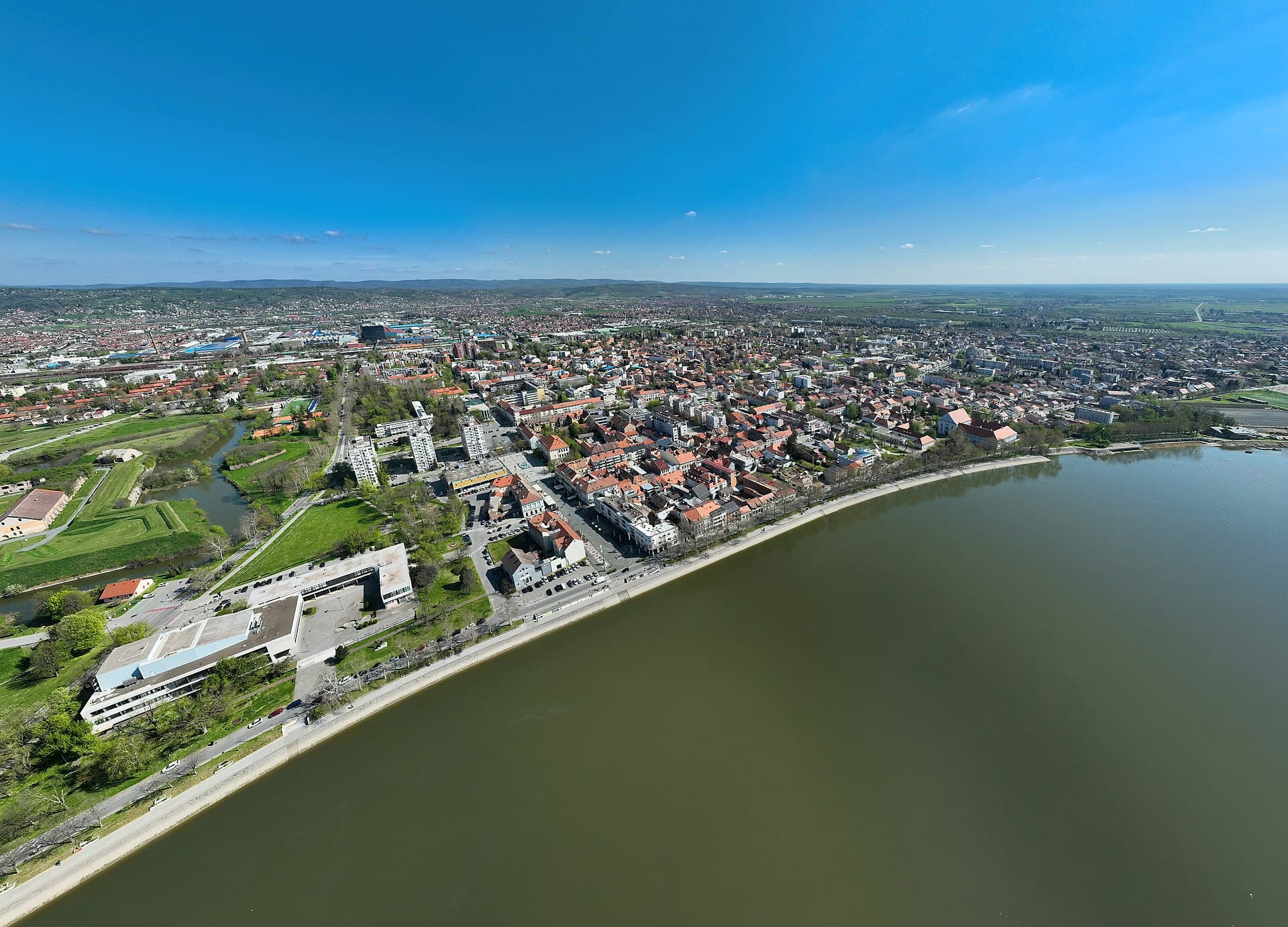
Slavonski Brod
Slavonski Brod developed around one of the major crossings of the Sava, and that border and transport role left a strong mark on the city. Brod Fortress represents the eighteenth-century…
Read the guide
Know Županja? Correct us
Tell us in your own words what is not accurate. We check right away.Do not enter personal data. Corrections are checked by the StayBravo AI assistant; changes to the description are approved by an editor. Use the form instead
Do you know Županja?
Help the guests who come after you.
Help us complete
Nothing is published without an editor’s review.Report illegal content
Photo credits: Županja — MirkoS18 (CC BY 4.0) · Bošnjaci, Bošnjaci Forestry Museum — Vunić (CC BY-SA 4.0) · Gradište — Zdenka Fahr (CC BY-SA 3.0) · Babina Greda, župa Rođenja sv. Ivana Krstitelja — Barun501 (CC BY-SA 4.0) · Church of St. Panteleimon — MirkoS18 (CC BY-SA 4.0) · Church of St. Nicholas — MirkoS18 (CC BY-SA 3.0) · Osijek — Rp031 (CC BY-SA 4.0) · Vukovar — Bybbisch94, Christian Gebhardt (CC BY-SA 4.0) · Stubičke Toplice — MOs810 (CC BY-SA 4.0) · Slavonski Brod — Petar Milošević (CC BY-SA 4.0)