
Bošnjaci
About this place
Bošnjaci lies between Županja and the vast Spačva woodland, a Slavonian village whose identity has been shaped by pedunculate oak and generations of forestry work. The best introduction is the Forestry Museum, opened in 2007 inside the former village school built in 1869. Its displays follow the working life of the forest from planting and protection to felling, timber processing and the dispatch of logs, supported by tools once used across the Spačva basin. A short walk away, the parish church of St Martin dates from 1792–94 and contains an altarpiece of its patron painted by Josip Franjo Mücke. Beyond the centre, Vjerovi reveals a different landscape: a slow-moving wetland watercourse left by an old branch of the Sava. Nearby Virgrad preserves the form of a medieval lowland fortress defended by earth banks and water-filled ditches. The village also has a memorial to the Bloody Bošnjaci Elections of 1897, an episode commemorated on the municipal day, 22 May. Together, these sites make Bošnjaci a compact encounter with Spačva forestry, Slavonian religious heritage and the wetlands of the Sava plain.
Bošnjaci is defined by its proximity to the Spačva basin, so the village story unfolds through pedunculate oak, forestry tools and the former timber trade. The Forestry Museum presents that connection inside an 1869 school building, while Vjerovi preserves the wetland setting of an abandoned Sava channel. The historic centre is marked by the 1792–94 Church of St Martin and a memorial to the turbulent local election of 1897. Virgrad, concealed among watercourses and earthen banks, shows that the Bošnjaci landscape also held defensive value in the Middle Ages.
Things to see

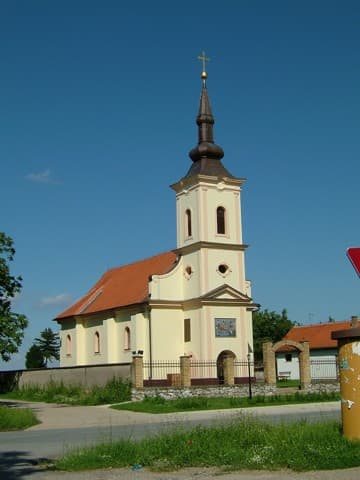
Church of the Nativity of the Virgin
Landmark · Srijemske Laze
church in Srijemske Laze, Croatia
24 km from Bošnjaci
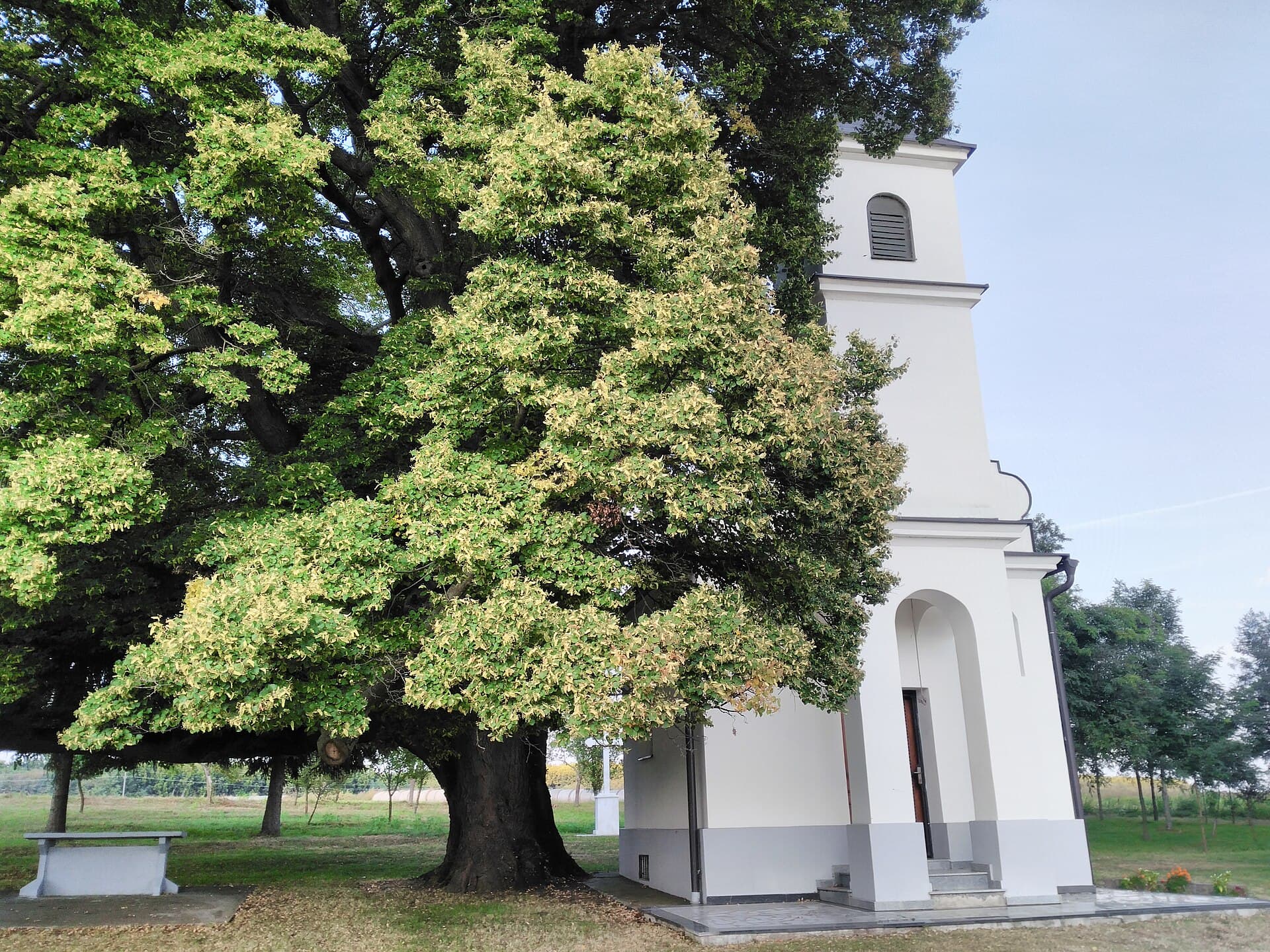

Church of St. Nicholas
Landmark · Mirkovci
church in Vukovar-Syrmia County, Croatia
26 km from Bošnjaci
Stays
No stays listed here yet
Things to do
Begin at the Forestry Museum, where separate displays cover planting, felling, woodland protection and timber processing in the Spačva basin. Continue roughly a hundred paces to St Martin’s Church to see Josip Franjo Mücke’s 19th-century altarpiece, then pause at the memorial to the Bloody Bošnjaci Elections. Finish beside Vjerovi for a view of the village’s wetland landscape, or approach the area of Virgrad, a medieval water-defended fortress. Arrange the museum visit in advance if your trip falls outside its published visiting hours.
Tours and activities
AdAd · partner offers: GetYourGuideThe partner handles booking, payment and support. StayBravo may earn a commission on bookings made through these links.How we choose offersGetYourGuide offers are selected and ordered by GetYourGuide based on the name of the nearest larger town or national park; we do not influence their selection and do not use data about you.GetYourGuide · Vukovar
We show GetYourGuide offers once you allow their cookies.
Practical information
Getting there and around
Bošnjaci is linked by road with Županja, approximately six kilometres away according to the county bus documentation. The Croatian Chamber of Economy timetable lists stops at Bošnjaci and Bošnjaci Pom., but the published schedule dates from 2016 and should not be used to plan a current departure. A car is more practical for combining the Forestry Museum with Vjerovi, particularly when continuing into the Spačva woodland on the same day. Check any present-day bus departure to Županja directly with the operator before travelling.
Frequently asked questions
Where is the Bošnjaci Forestry Museum?
The museum stands in central Bošnjaci inside the former village school built in 1869, roughly a hundred paces from St Martin’s Church.
What are the Vjerovi at Bošnjaci?
Vjerovi is a slow-moving wetland watercourse formed from a former branch of the Sava as the river shifted its channel.
When is Bošnjaci Municipality Day?
Municipality Day is observed on 22 May in memory of the Bloody Bošnjaci Elections of 1897.
Nearby
Bošnjaci
Open in OpenStreetMap(opens in a new tab)straight-line distance
Related guides

Osijek
Tvrđa and the centre around the main square are distinct starting points for understanding Osijek. The former emphasises the fortified historic quarter and Baroque architecture; the latter…
Read the guide

Vukovar
A cultural visit to Vukovar has several separate centres of gravity. Eltz Palace and the City Museum address the city and its inhabitants across different periods. Vučedol reaches much…
Read the guide

Stubičke Toplice
Stubičke Toplice derives almost its entire identity from thermal water and the Zagorje landscape. There is no large urban historic core; green spaces, bathing facilities and traces of the…
Read the guide
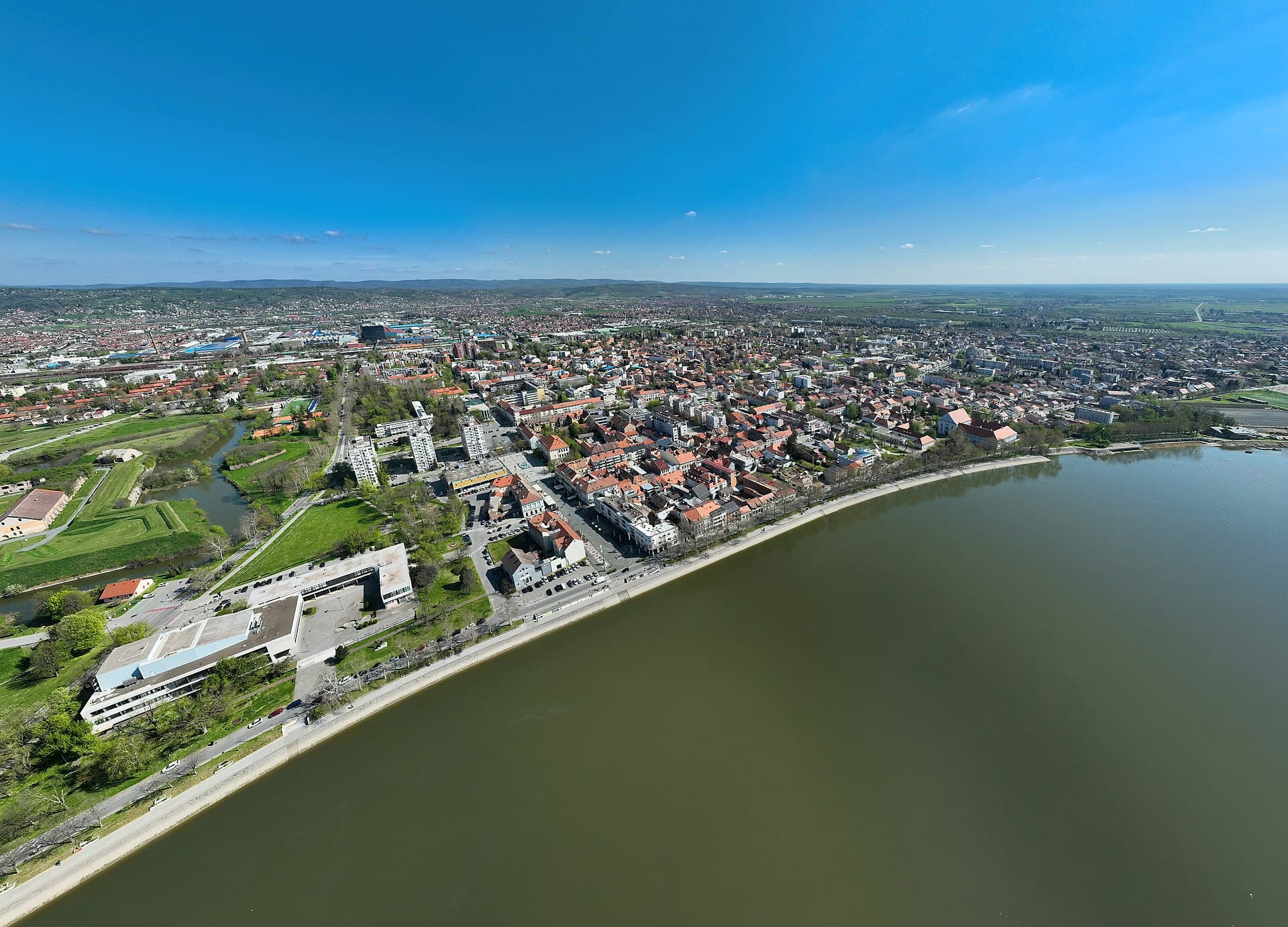
Slavonski Brod
Slavonski Brod developed around one of the major crossings of the Sava, and that border and transport role left a strong mark on the city. Brod Fortress represents the eighteenth-century…
Read the guide
Know Bošnjaci? Correct us
Tell us in your own words what is not accurate. We check right away.Do not enter personal data. Corrections are checked by the StayBravo AI assistant; changes to the description are approved by an editor. Use the form instead
Do you know Bošnjaci?
Help the guests who come after you.
Help us complete
Nothing is published without an editor’s review.Report illegal content
Photo credits: Bošnjaci, Bošnjaci Forestry Museum — Vunić (CC BY-SA 4.0) · Županja — MirkoS18 (CC BY 4.0) · Gradište — Zdenka Fahr (CC BY-SA 3.0) · Otok, Church of St. Nicholas — MirkoS18 (CC BY-SA 3.0) · Church of the Nativity of the Virgin — Suradniksuradnik (CC BY-SA 3.0) · Church of St. Panteleimon — MirkoS18 (CC BY-SA 4.0) · Osijek — Rp031 (CC BY-SA 4.0) · Vukovar — Bybbisch94, Christian Gebhardt (CC BY-SA 4.0) · Stubičke Toplice — MOs810 (CC BY-SA 4.0) · Slavonski Brod — Petar Milošević (CC BY-SA 4.0)